Infection
-
Productos relacionados con Infection (18767)
Productos relacionados con (18767)

-
Antibodies (22)
-
SKF 91488 dihydrochloride
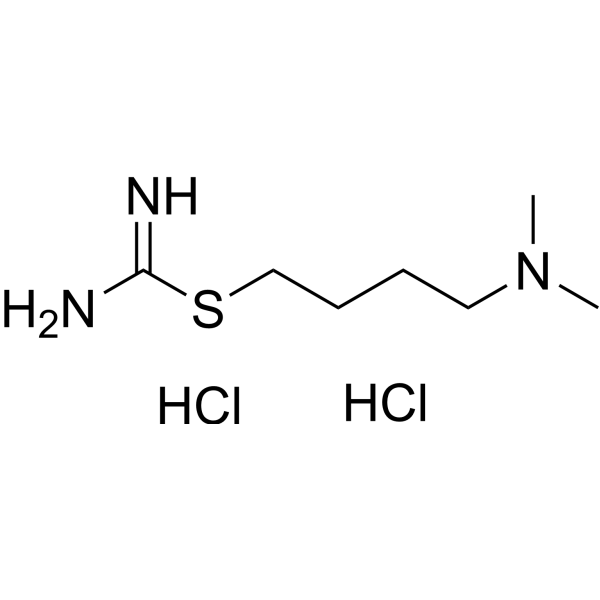 0 ImagesSynonyms: Homodimaprit dihydrochloride
SKF 91488 (Homodimaprit) dihydrochloride is a potent and noncompetitive histamine N-methyltransferase inhibitor with a Ki value of 0.9 μM. SKF 91488 dihydrochloride can block histamine metabolism and increase histamine concentrations. SKF 91488 dihydrochloride can increase blood pressure and enhance bronchoconstriction. SKF 91488 can be used for the researches of infection, inflammation and cardiovascular disease, such as Mycoplasma pneumonia and hemorrhagic hypotension.
-
Licoisoflavone B
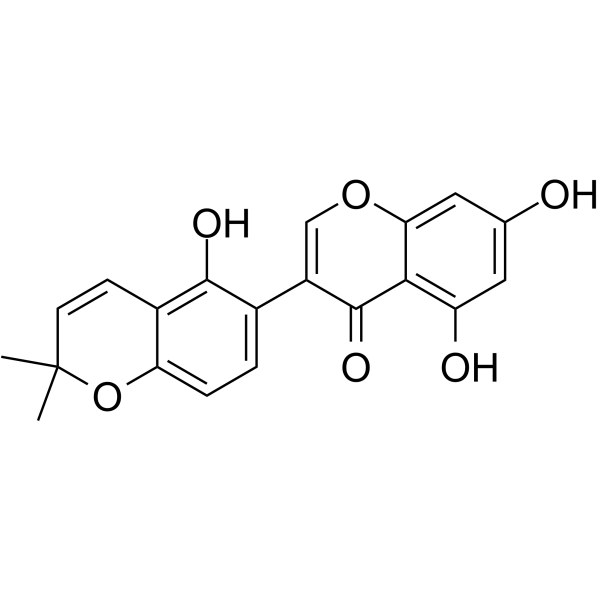 0 Images
Licoisoflavone B is an orally active flavonoid found in licorice. Licoisoflavone B alleviates psoriasis via SCD1-targeted lipid metabolism reprogramming and suppression of Th17/IL-17-mediated inflammation. Licoisoflavone B inhiibits superoxide anion generation and superoxide anion-induced lipid peroxidation. Licoisoflavone B binds tightly to Lassa virus nucleoprotein and can be used as a nucleoprotein antagonist of Lassa virus. Licoisoflavone B exhibits anti-mutagenic activity
against carcinogenic mutagen, by preventing DNA damage. Licoisoflavone B can be used for the research of psoriasis, Lassa fever, inflammation and cancer.
-
Cyclofenil
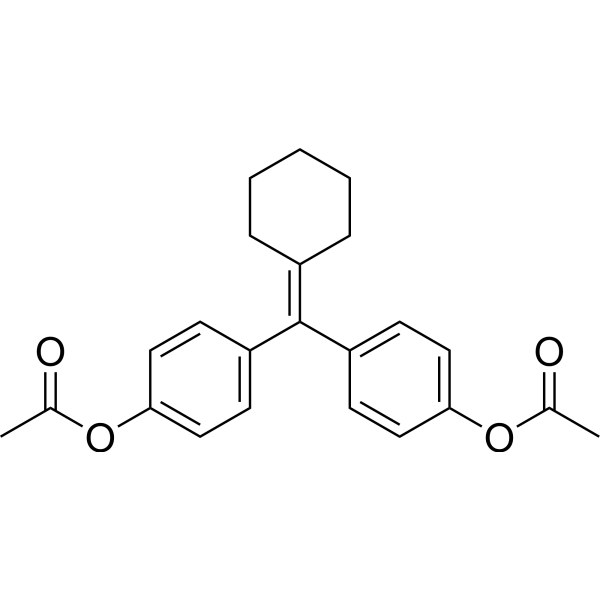 0 ImagesReferencia número: HY-W011100No. CAS: 2624-43-3
Cyclofenil is a selective estrogen receptor modulator and an ovulation-inducing agent. Cyclofenil shows an inhibitory effect on dengue virus replication in Vero cells with an EC50 of 1.62 μM. Cyclofenil has anti-dengue-virus activity.

-
SMAP-29
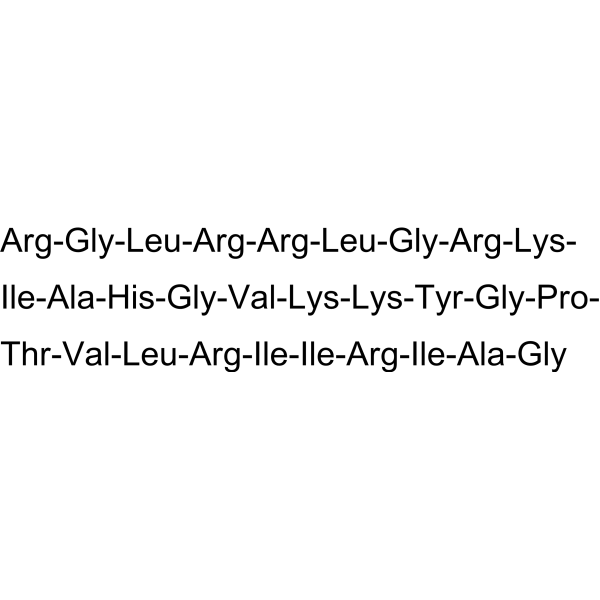 0 Images
SMAP‑29 is a cathelicidin antimicrobial peptide with LPS‑binding and anti‑inflammatory properties. SMAP‑29 exerts broad‑spectrum antimicrobial activity against bacteria, fungi and multidrug‑resistant isolates. SMAP‑29 kills pathogens by permeabilizing bacterial membranes, inducing depolarization and cell lysis, and also inhibits inflammatory cytokines while reducing lethality in septic shock and pneumonia models. SMAP-29 can be used for research on bacterial infections, drug-resistant infections, septic shock.
-
Lactoferrin (17-41)
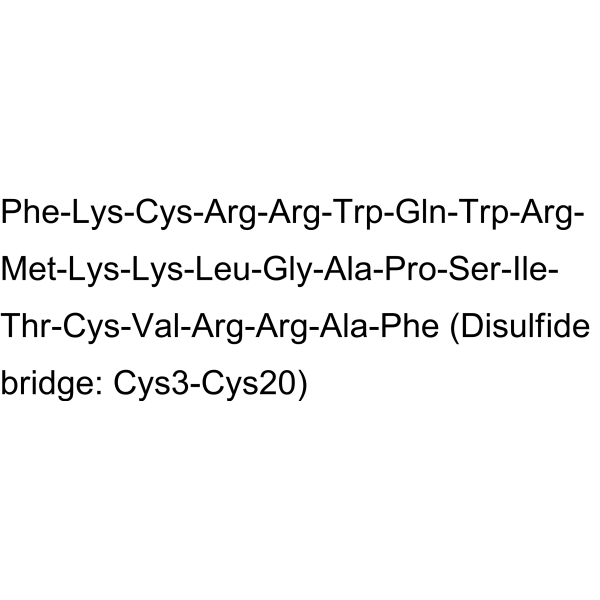 0 ImagesSynonyms: Lactoferricin B; Lfcin B
Lactoferrin 17-41 (Lactoferricin B), a peptide corresponding to residues 17-41 of bovine lactoferrin, has antimicrobial activity against a wide range of microorganisms, including Gram-positive and Gramnegative bacteria, viruses, protozoa, and fungi. Lactoferrin 17-41 has antitumor activities.
-
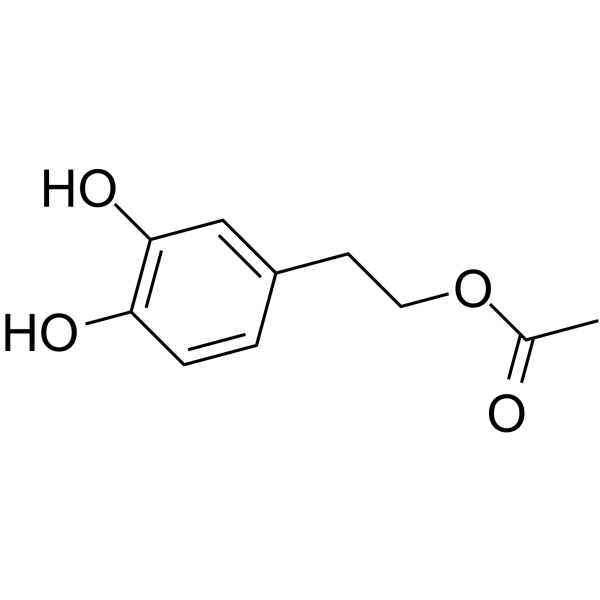
Hydroxytyrosol acetate
 0 Images
Hydroxytyrosol acetate is an orally active, blood-brain barrier-permeable multi-active compound with multiple effects including antibacterial, antioxidant, anti-platelet aggregation, and neuroprotective activities. Hydroxytyrosol acetate not only inhibits the growth of Vibrio by increasing bacterial membrane permeability, but also interacts with DNA and mediates supercoiled DNA relaxation. Meanwhile, Hydroxytyrosol acetate effectively reduces thrombosis and inhibits lipid oxidation by inhibiting COX activity and promoting vascular nitric oxide production. In terms of neuroprotection, Hydroxytyrosol acetate significantly alleviates neuronal apoptosis and inflammatory responses by up-regulating the expression level of ERβ, thereby improving cognitive function in Alzheimer's disease models. Hydroxytyrosol acetate has been widely used in scientific research related to Vibrio infection, arterial thrombosis, Alzheimer's disease and other related fields.
-
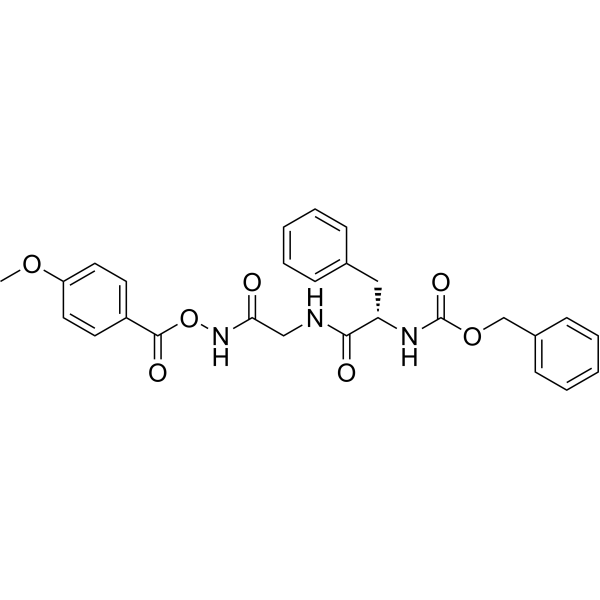
Z-FG-NHO-BzOME
 0 Images
Z-FG-NHO-BzOME is a cysteine protease inhibitor that selectively inhibits cathepsin B, cathepsin L, cathepsin S, and papain.
-
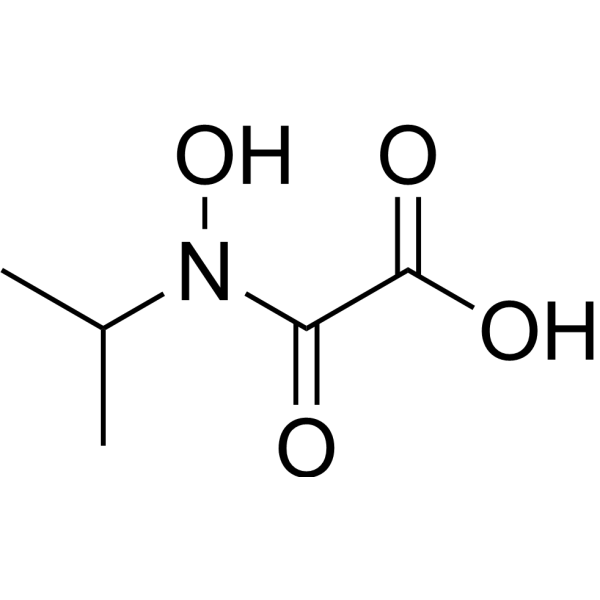
IpOHA
 0 Images
IpOHA is a potent plant KARI inhibitor. IpOHA also is an antimycobacterial agent with a Ki value of 97.7 nM for Mycobacterium tuberculosis (Mt).
-
Cerebroside B
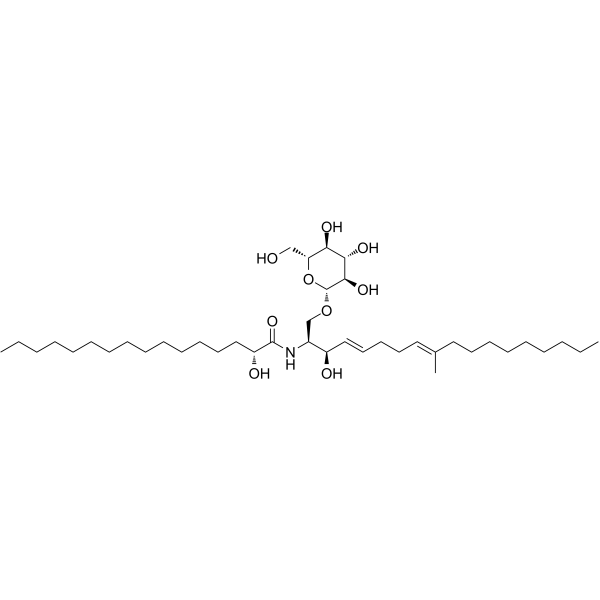 0 Images
Cerebroside B, a sphingolipid compound, is a non-racespecific elicitor, which elicits defense responses in rice.
-
Sissotrin
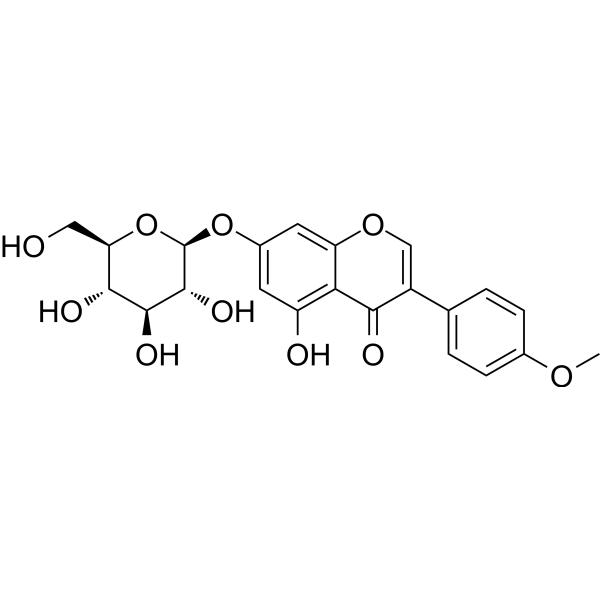 0 ImagesSynonyms: Biochanin A 7-glucoside; Sissonin
Sissotrin (Biochanin A 7-glucoside; Sissonin) is an orally active isoflavone glycoside natural product found in Leguminosae plants, with weak antibacterial activity. Sissotrin exacerbates the increase in blood glucose after glucose loading. Sissotrin is used in studies related to glucose metabolism.
-
Procyanidin B5
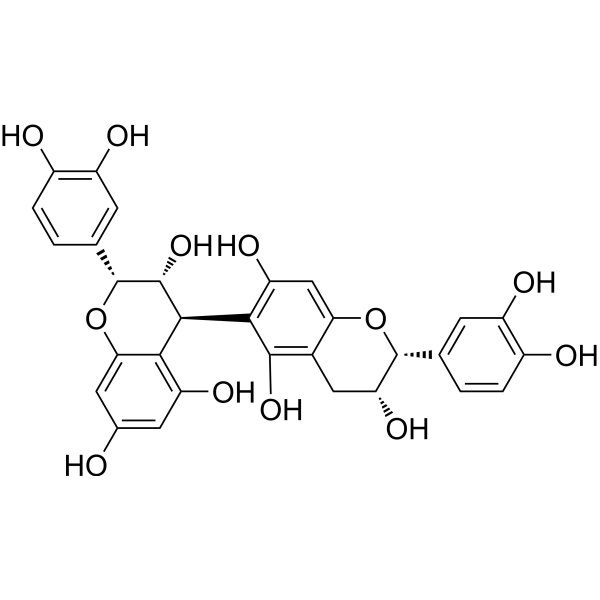 0 ImagesReferencia número: HY-N7935No. CAS: 12798-57-1
Procyanidin B5 is an antioxidant with a IC50 of 0.1 mM in lipid peroxidation assays using mouse liver homogenates. Procyanidin B5 scavenges superoxide anions and hydroxyl radicals, and inhibits lipid peroxidation. Procyanidin B5 can be used in research related to cardiovascular diseases, cancer, and malaria.
-
Aromadendrene
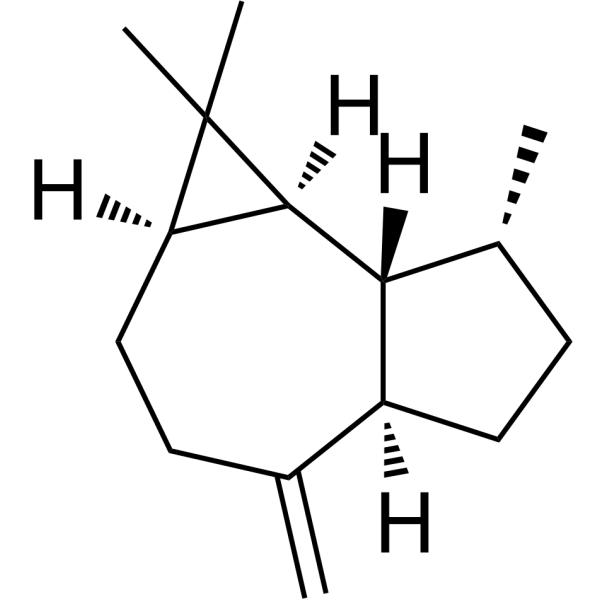 0 Images
Aromadendrene ((+)-Aromadendrene) is a potent antibacterial agent. Aromadendrene can be isolated from Eucalyptus globulus. Aromadendrene disrupts cellular biofilms via high lipophilicity and interferes with protein conformation through protein alkylation. Aromadendrene is applicable to research related to multidrug-resistant bacterial infections.
-
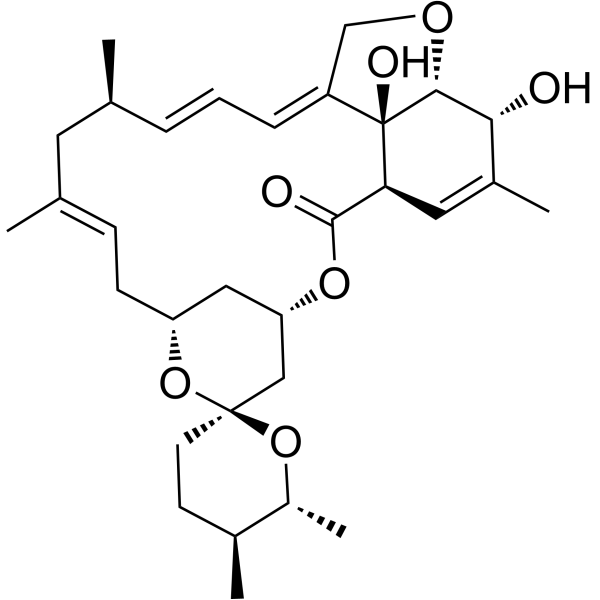
Milbemycin A3
 0 Images
Milbemycin A3 is a 16-membered macrocyclic lactone compound found in the soil bacterium Saccharopolyspora hygroscopicus subsp. aureolacrimosus. Milbemycin A3 enhances the opening of glutamate- and GABA-gated chloride channels and exhibits insecticidal activity. Milbemycin A3 can be used in insect resistance-related research.
-
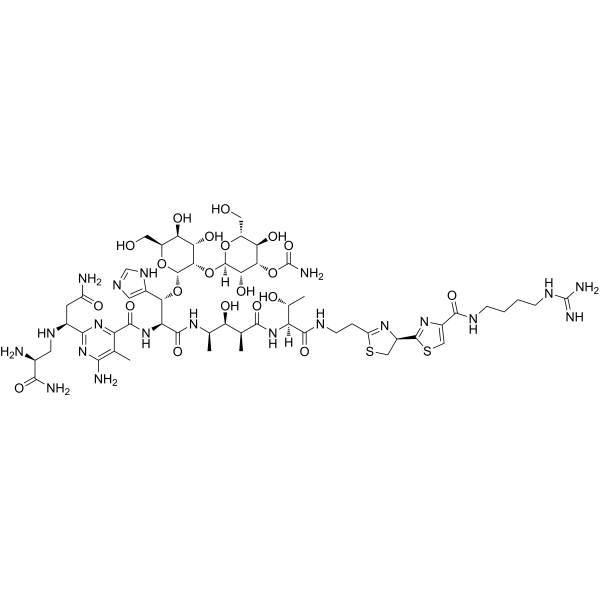
Phleomycin D1
 0 ImagesSynonyms: PLM D1
Phleomycin D1 (PLM D1), a glycopeptide antibiotic, is a member of the Bleomycin/Phleomycin family. Phleomycin D1 causes cell death by binding and cleaving DNA. Phleomycin D1 induces cell cycle arrest at S phase.
-
Maleic acid (Standard)
 0 Images
Maleic Acid (Standard) is the analytical standard of Maleic Acid. This product is intended for research and analytical applications. Maleic Acid is a Glutamate Decarboxylase (GAD) inhibitor of E. coli and L. monocytogenes. IC50 & Target: GAD. In Vitro: The MICs of WT 10403S for the acids (e.g., Maleic Acid) are 34 mM, 25 mM, 31 mM and 30 mM which correspond to pH values prior to growth of 4.84, 5.14, 5.32 and 5.02 respectively. Of all compounds tested, Maleic Acid is the least inhibitory despite acting at a lower pH (4.84). The most acid resistant (10403S) and the weakest (EGD-e) strain are challenged with 8.6 mM and 4.3 mM of each organic acid at pH 3 and 3.3 respectively. On both strains, Maleic Acid is the most bactericidal.