Infection
-
Infection Related Products (18536)
Related Products (18536)

-
Antibodies (22)
-
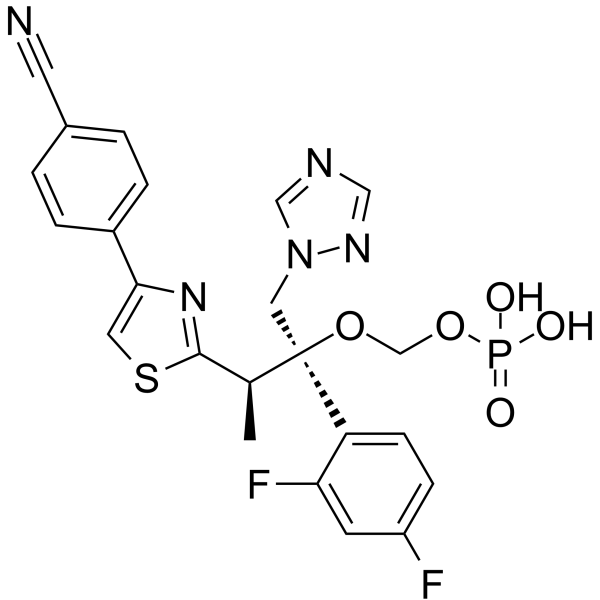
Fosravuconazole
 0 ImagesSynonyms: BMS-379224; E-1224
Fosravuconazole (BMS-379224), a proagent of Ravuconazole, is an orally active broad spectrum antifungal agent. Fosravuconazole can be used for candidiasis, onychomycosis and parasitemia research.
-
(S)-GSK-F1
 0 Images
(S)-GSK-F1 (Compound 28) is an inhibitor for type III phosphatidylinositol 4-kinase α (PI4KIIIα). (S)-GSK-F1 inhibits PI4Kα, PI4Kβ, PI4Kγ, PI3Kα, PI3Kβ and PI3Kδ with pIC50 of 8.3, 6.0, 5.6, 5.6, 5.1 and 5.6, respectively. (S)-GSK-F1 exhibits anti-hepatitis C virus (HCV) activity through inhibition of HCV replication. (S)-GSK-F1 exhibits moderate pharmacokinetic characters in rat model.
-
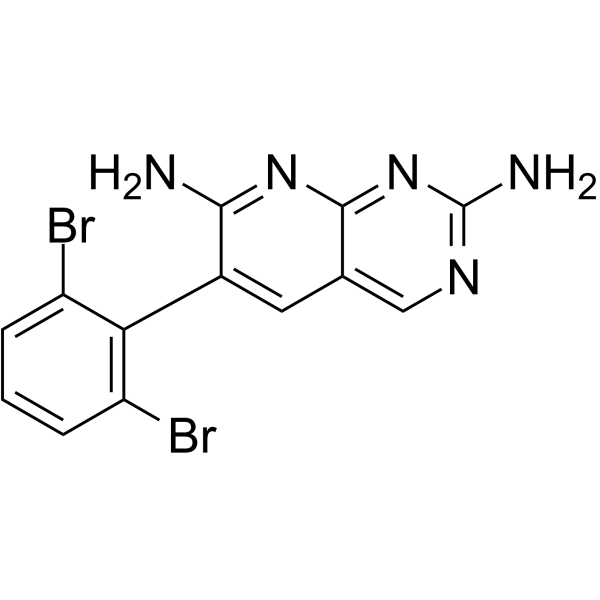
Acetyl-CoA Carboxylase-IN-1
 0 Images
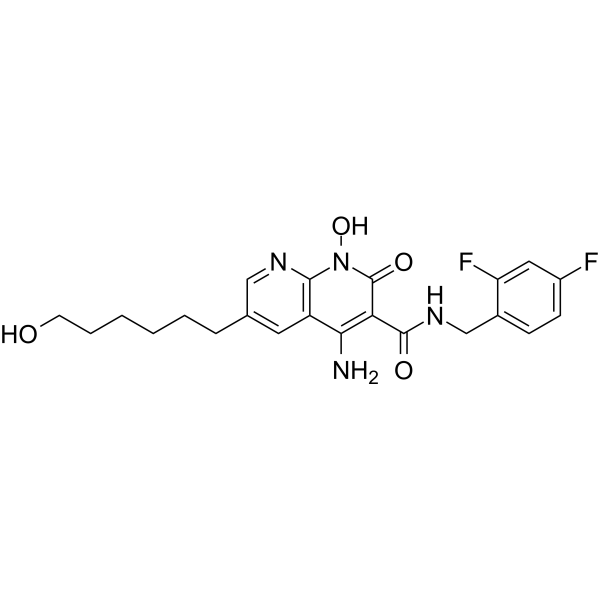
Acetyl-CoA Carboxylase-IN-1 is a potent acetyl-CoA carboxylase (ACC) inhibitor with an IC50 value of <5 nM. Acetyl-CoA Carboxylase-IN-1 has antibacterial activity.
-
Eleutherol
 0 Images
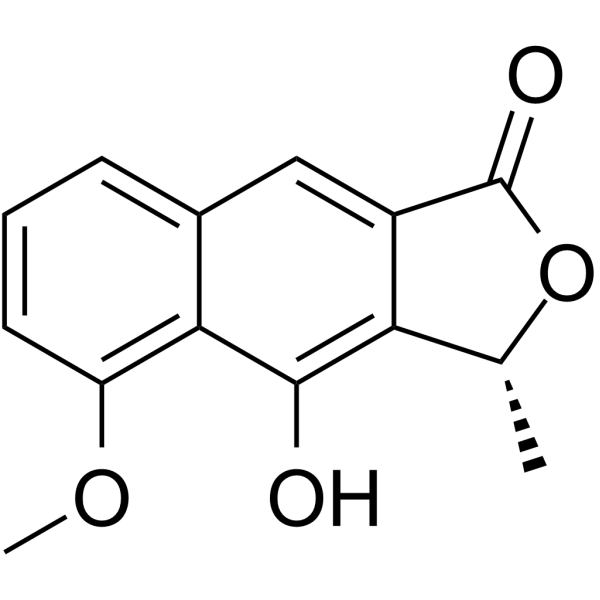
Eleutherol is a naphthalene isolated from E. americana with antifungal activities. Eleutherol is against yeasts Candida albicans, C. tropicalis, Saccharomyces cerevisiae and Cryptococcus neoformans with MIC values between 7.8 µg/mL and 250 µg/mL. Eleutherol inhibits α-glucosidase function with an IC50>1.00 mM.
-
Nafcillin-d5 sodium
 0 ImagesCat. No.: HY-B0555BSCAS No.: 1356354-25-0
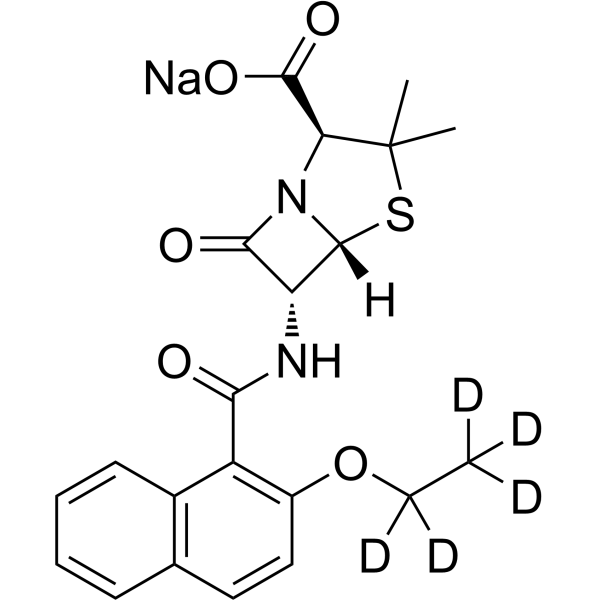
Nafcillin-d5 (sodium) is the deuterium labeled Nafcillin sodium. Nafcillin sodium, an antibiotic, is a reversible inhibitor of β-lactamase. Nafcillin sodium can be used for the research of staphylococcal infections.

-
Brazilein
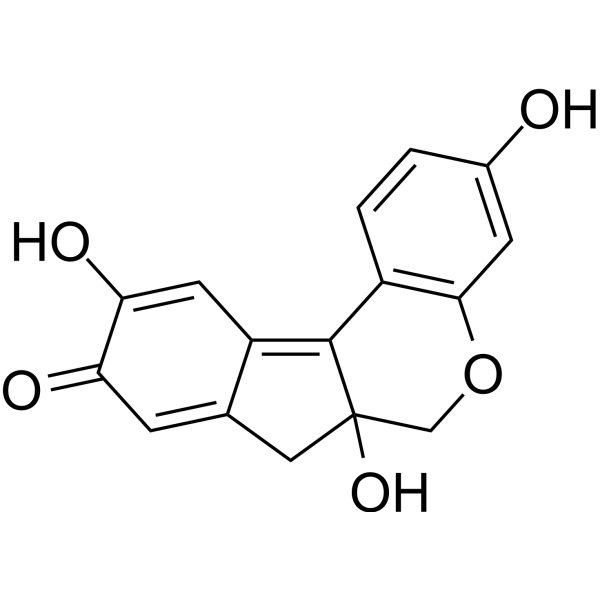 0 Images
Brazilein is a compound with anti-inflammatory and neuroprotective activities, with an IC50 of 500 μM against guinea pig Na+,K+-ATPase. Brazilein reduces iNOS mRNA expression, thereby inhibiting nitric oxide production in immune cells. Brazilein suppresses inflammatory responses by reducing the mRNA expression of TNF-α and IL-6, but has no effect on IL-1β expression. Brazilein reduces the cerebral infarction volume and improves the neurological function scores of rats with cerebral ischemia-reperfusion injury. Brazilein induces apoptosis of splenic lymphocytes in mice. Brazilein inhibits humoral immune responses in mice, and causes thymus and spleen atrophy as well as body weight loss in mice. Brazilein also possesses antimalarial and antibacterial activities. Brazilein is also a red dye. Brazilein can be used in studies related to the infection, nervous system, cardiovascular system and inflammatory diseases.
-
Delamanid-d4
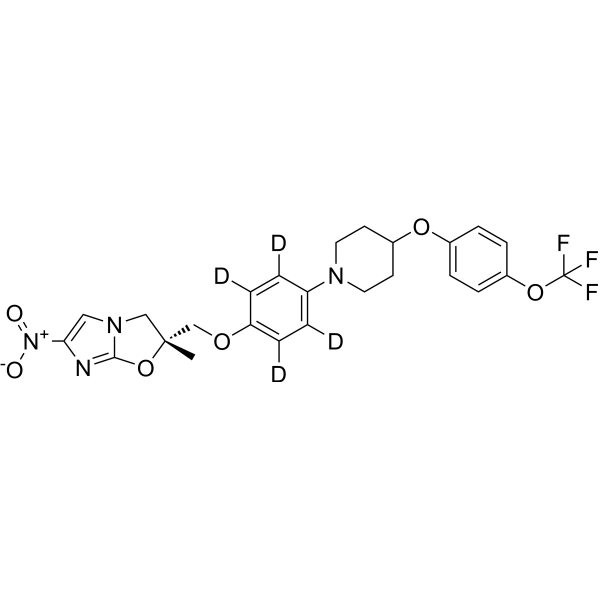 0 ImagesSynonyms: OPC-67683-d4
Delamanid-d4 is the deuterium labeled Delamanid. Delamanid, a newer?mycobacterial cell wall synthesis ?inhibitor, inhibits the synthesisi of mucolic acids.
-
Calcium disodium edetate hydrate
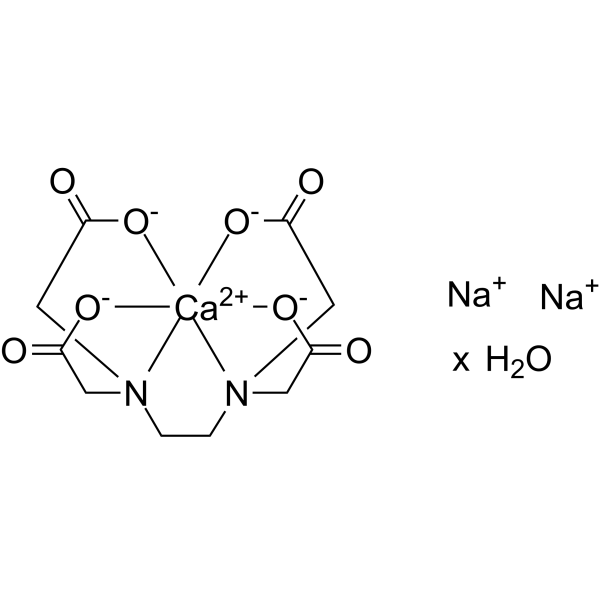 0 ImagesSynonyms: EDTA disodium calcium salt hydrate; Ethylenediaminetetraacetic acid disodium calcium salt hydrate
Calcium disodium edetate hydrate (EDTA disodium calcium salt hydrate) is a metal chelator and antifungal agent. Calcium disodium edetate hydrate chelates Mn2+, damages mitochondria, and interferes with carbohydrate metabolic pathways, particularly the synthesis of pyruvate in glycolysis. Calcium disodium edetate hydrate inhibits Penicillium digitatum and delays conidial germination. Calcium disodium edetate (hydrate) enhances the host defense system of citrus fruits. Calcium disodium edetate hydrate is applicable to research related to citrus green mold.
-
Gomisin M2
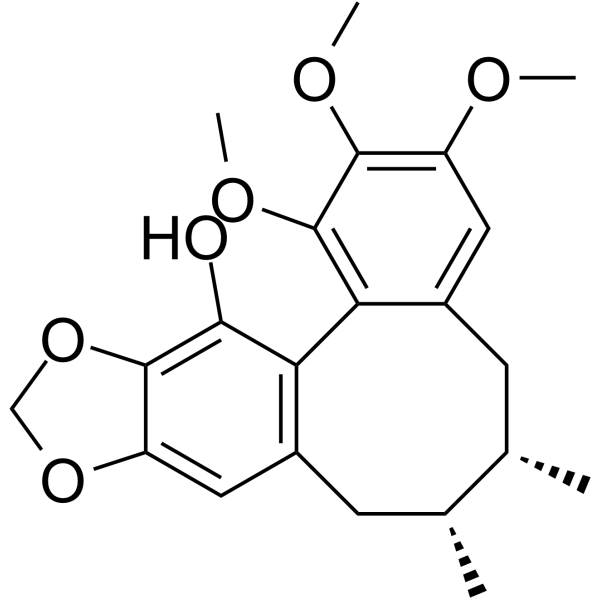 0 ImagesSynonyms: (+)-Gomisin M2
Gomisin M2 ((+)-Gomisin M2) is a lignan isolated from the fruits of Schisandra rubriflora with anti-HIV activity (EC50 of 2.4 μM). Gomisin M2 exhibits anti-cancer and anti-allergic activities and has the potential for Alzheimer’s disease research.
-
TAT acetate
 0 ImagesCat. No.: HY-P0281BPurity: 98.66%Synonyms: TAT(47-57) acetate; HIV-1 TAT protein (47-57) acetate
TAT (TAT(47-57)) acetate is derived from the transactivator of transcription (TAT) of human immunodeficiency virus-1 (HIV-1) and is a cell-penetrating peptide. TAT acetate can increase the yields and the solubility of heterologous proteins.
-
Derquantel
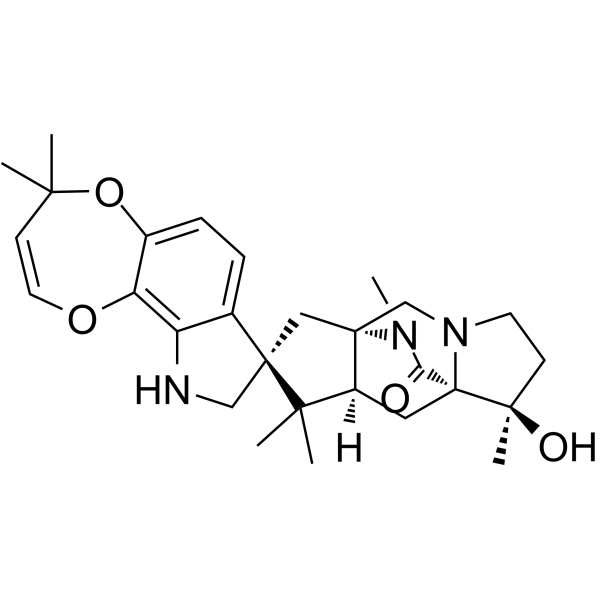 0 ImagesSynonyms: PF-00520904
Derquantel, a spirocyclic anthelmintic, is a competitive, orally active nicotinic acetylcholine receptor (nAChR) antagonist. Derquantel inhibits ACh-induced depolarization with an IC50 of 0.22 μM. By selectively antagonizing nAChRs on the somatic muscles of nematodes, Derquantel causes flaccid paralysis of muscles, thereby dislodging parasites from the host's gastrointestinal tract. Derquantel is applicable to research related to Haemonchus contortus infection and Ascaris suum infection.
-
Lucidenic acid D
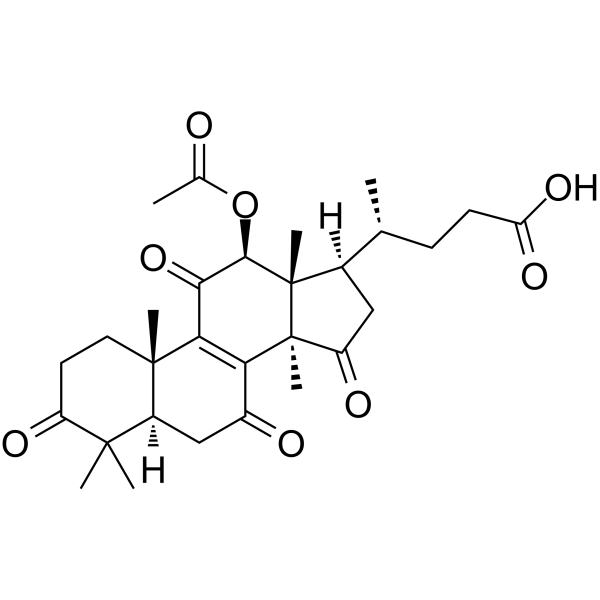 0 ImagesSynonyms: Lucidenic acid D2
Lucidenic acid D is a highly oxidized triterpenoid with anti-inflammatory and antiviral activities. Lucidenic acid D attenuates lipopolysaccharide-induced release of proinflammatory cytokines and nitric oxide, reduces the expression of inducible nitric oxide synthase (iNOS) and cyclooxygenase-2 (COX-2), and inhibits skin inflammation. Lucidenic acid D suppresses 12-O-tetradecanoylphorbol-13-acetate (TPA)-induced expression of Epstein-Barr virus (EBV) early antigen and maintains the viability of Raji cells. Lucidenic acid D can be used in studies of cancer chemoprevention.
-
Flucytosine (Standard)
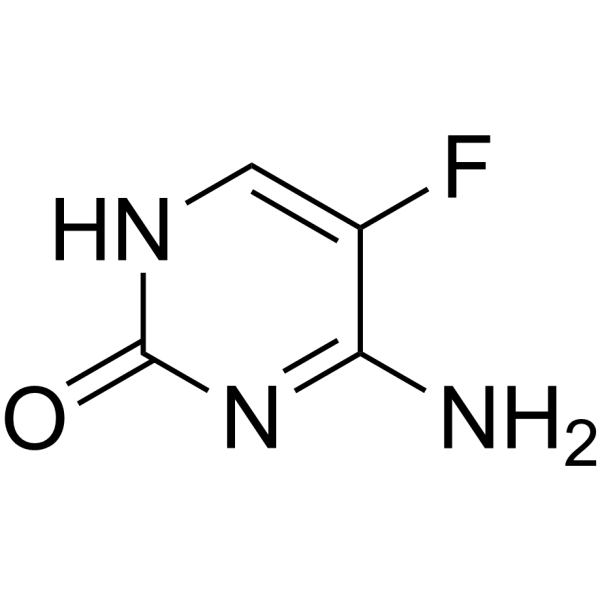 0 ImagesSynonyms: 5-Fluorocytosine (Standard); NSC 103805 (Standard); Ro 2-9915 (Standard)
Flucytosine (Standard) is the analytical standard of Flucytosine. This product is intended for research and analytical applications. Flucytosine (5-Fluorocytosine) is an antifungal compound with oral activity. Flucytosine is a widely used cytotoxic drug that, after further metabolism, produces fluorinated ribonucleotides and deoxyribonucleotides, inhibits DNA and protein synthesis, and has multiple effects such as inhibiting candida and candida neoplasm infection and producies cytotoxicity to cancer cells.
-
Raxibacumab
 0 ImagesSynonyms: ABthrax
Raxibacumab (ABthrax) is a human IgG1 monoclonal antibody against Bacillus anthracis protective antigen (PA). Raxibacumab blocks the toxin’s deleterious effects by preventing binding of the protective antigen component of the anthrax toxin to its receptors in host cells, thereby blocking the toxin’s deleterious effects. Raxibacumab can be used for anti-anthrax research.