Infection
-
Infection Related Products (18677)
Related Products (18677)

-
Antibodies (22)
-
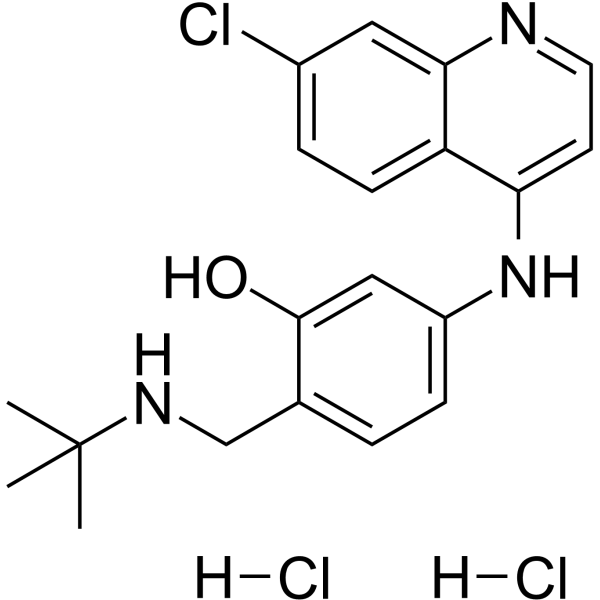
GSK369796 Dihydrochloride
 0 Images
GSK369796 Dihydrochloride is an affordable and effective antimalarial and inhibits hERG potassium ion channel repolarization with an IC50 of 7.5 μM.

-
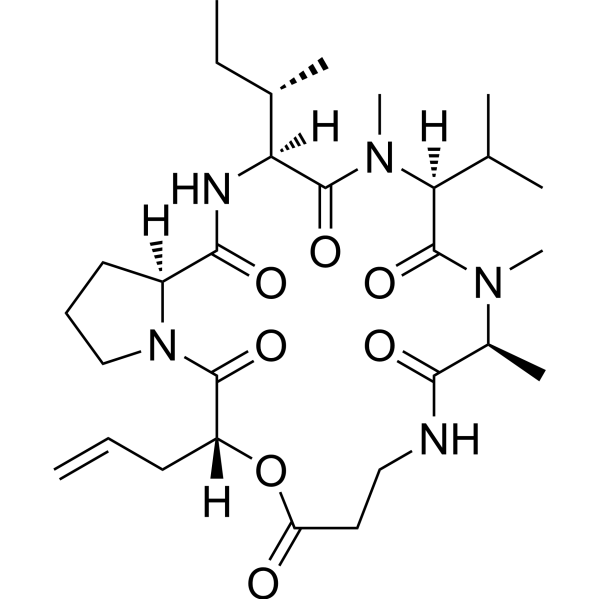
Destruxin A
 0 Images
Destruxin A is a fungal cyclopeptide with insecticidal and antiviral activities. Destruxin A has a certain inhibitory effect on leukemia cells in vitro. Destruxin A can also specifically inhibit the innate immune response of Drosophila melanogaster, making the flies more susceptible to bacterial infections.
-
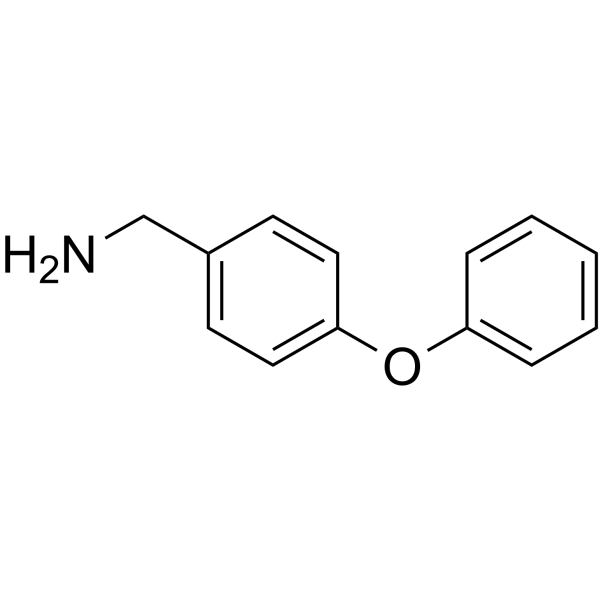
4-Phenoxybenzylamine
 0 Images
4-Phenoxybenzylamine inhibits the function of the NS3 protein by stabilizing an inactive conformation with an IC50 of about 500 μM against FL NS3/4a.
-
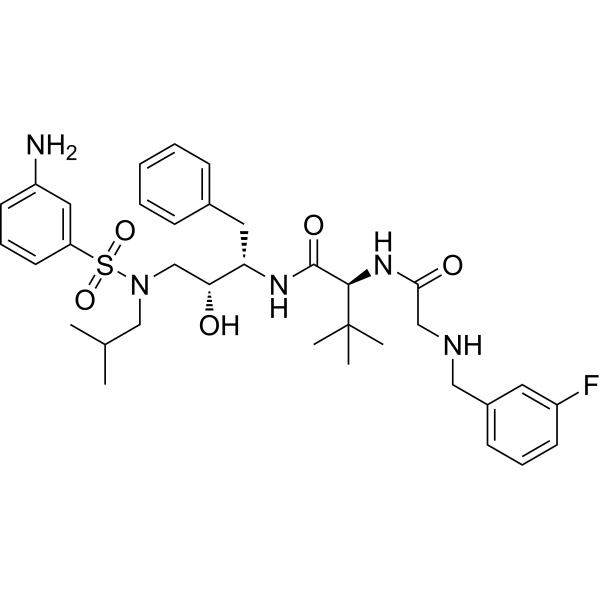
HYNIC-UBI29-41
 0 Images
HYNIC-UBI29-41 is composed of a bifunctional chelator HYNIC and an antimicrobial peptide UBI 29-41 (HY-P10364) (HY-P10364). HYNIC-UBI29-41 retains the antibacterial properties of UBI 29-41, and exhibits good affinity to Gram-positive and Gram-negative bacteria. HYNIC-UBI29-41 can be used as an imaging agent for bacterial infection detection in mouse models, when labeled with the radioactive element technetium (99mTc).
-
Desmethyl ferroquine
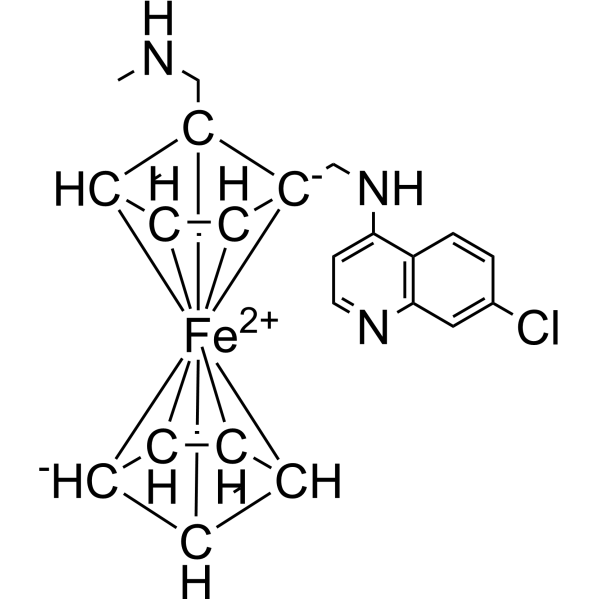 0 ImagesSynonyms: SSR97213
Desmethyl ferroquine (SSR97213) is the active and major metabolite of Ferroquine. Ferroquine is an antimalarial. Desmethyl ferroquine shows significant activity against Chloroquine-susceptible and resistant P. falciparum strains.
-
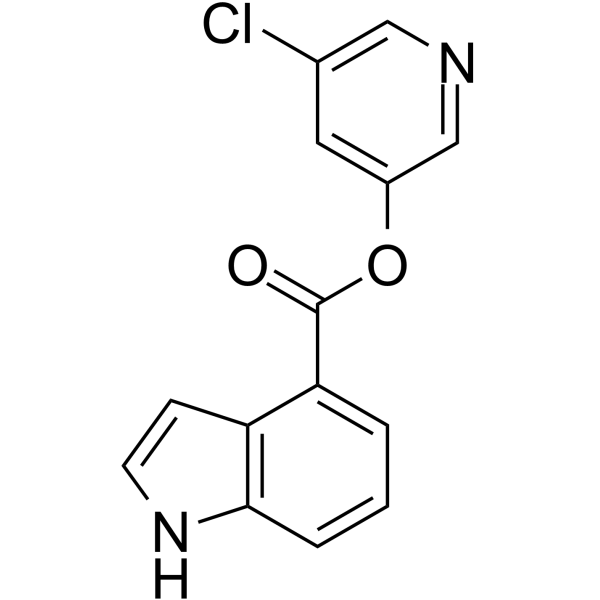
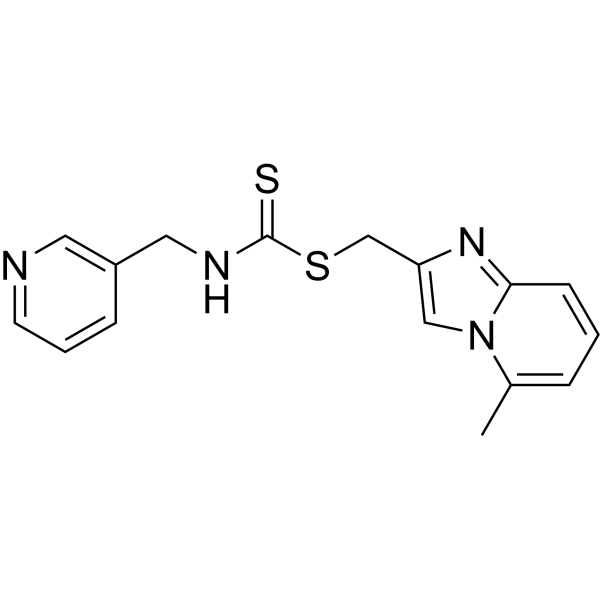
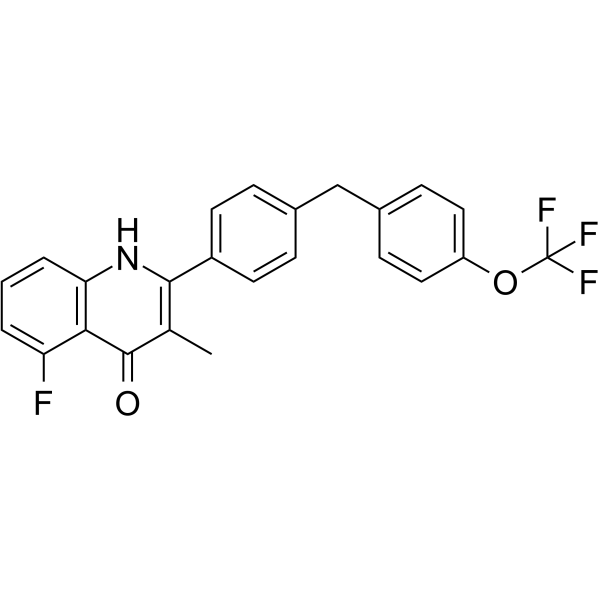
RYL-552
 0 Images
RYL-552, a mitochondrial electron transport chain (ETC) inhibitor, is a P. falciparum NADH dehydrogenase 2 (PfNDH2) inhibtor.
-
Pyrazinamide-d3
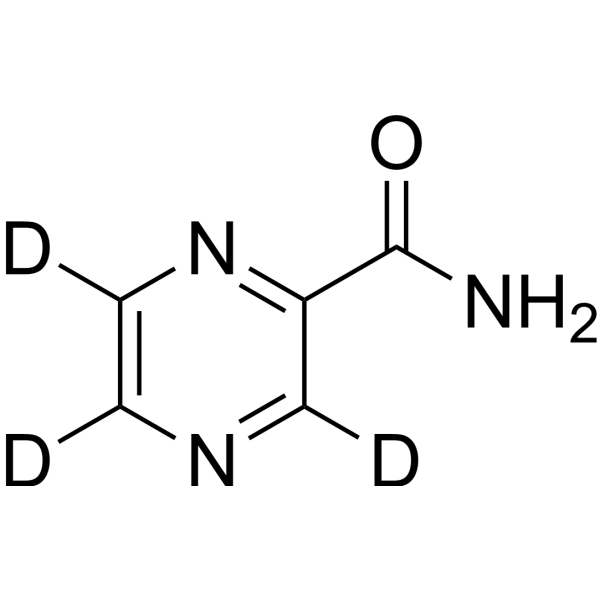 0 ImagesSynonyms: Pyrazinecarboxamide-d3; Pyrazinoic acid amide-d3
Pyrazinamide-d3 is deuterium labeled Pyrazinamide. Pyrazinamide (Pyrazinecarboxamide; Pyrazinoic acid amide) is a potent and orally active antitubercular antibiotic. Pyrazinamide is a proagent that is converted to the active form pyrazinoic acid (POA) by PZase/nicotinamidase encoded by the pncA gene in M. tuberculosis.
-
Amantadine-d15
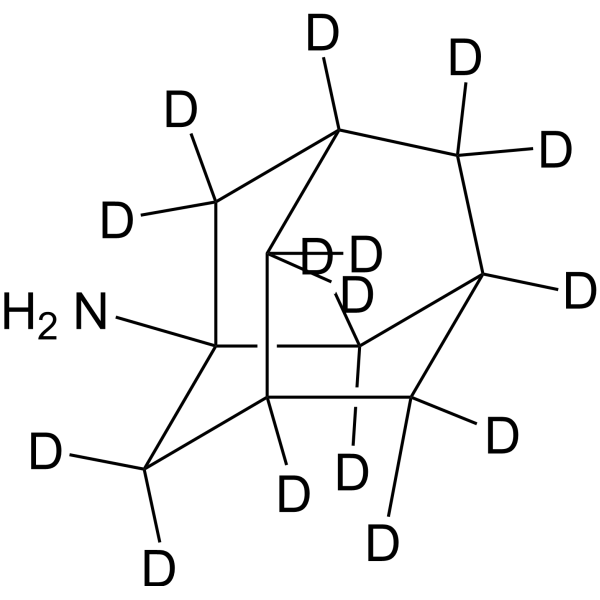 0 ImagesSynonyms: 1-Adamantanamine-d15; 1-Aminoadamantane-d15
Amantadine-d15 is the deuterium labeled Amantadine. Amantadine (1-Adamantanamine) is an antiviral agent with activity against influenza A viruses. Amantadine blocks the proton flow through the M2 ion channel (M2 proton channel of influenza A) and thus prevents the release of viral RNA into the cytoplasm of the infected cells. Amantadine is an antiparkinsonian agent.
-
NS2B/NS3-IN-3 hydrochloride
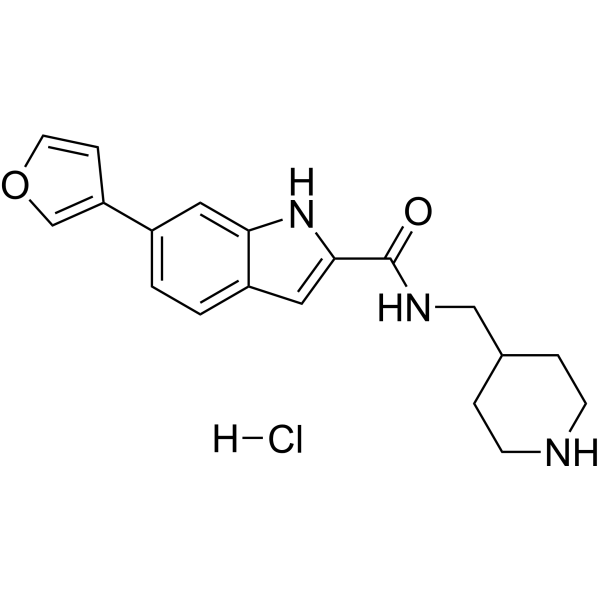 0 ImagesCat. No.: HY-144644ACAS No.: 2832876-91-0
NS2B/NS3-IN-3 hydrochloride is an inhibitor of Flavivirus NS2B-NS3 protease, with an IC50 of 0.32 μM against Zika virus NS2B-NS3 protease. NS2B/NS3-IN-3 hydrochloride also exhibits inhibitory effects on dengue virus type 2 NS2B-NS3 protease and West Nile virus NS2B-NS3 protease. NS2B/NS3-IN-3 hydrochloride inhibits the intracellular replication of Zika virus. NS2B/NS3-IN-3 hydrochloride can be used in studies related to flavivirus infections.
-
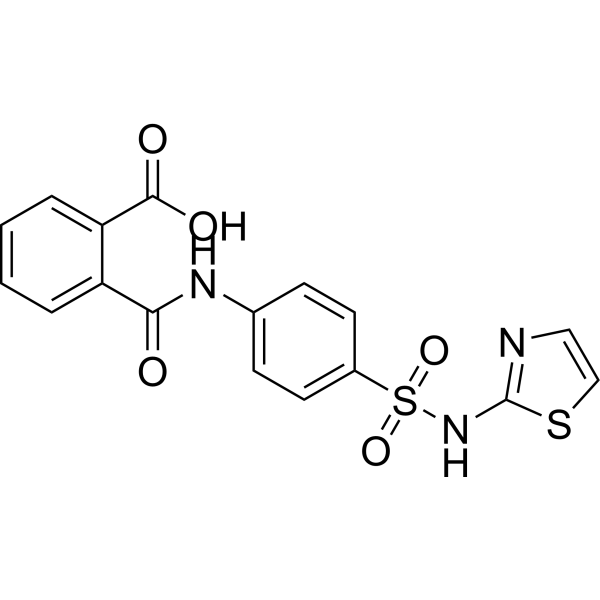
Phthalylsulfathiazole
 0 Images
Phthalylsulfathiazole (N4-Phthalylsulfathiazole) is an orally active sulfonamide intestinal antibacterial agent. Phthalylsulfathiazole has low toxicity and excellent bacteriostatic efficacy. Phthalylsulfathiazole inhibits E. coli, streptococci, staphylococci, and total fecal bacteria. Phthalylsulfathiazole can be used in research related to intestinal infections such as colon infection, bacillary dysentery, and ulcerative colitis.
-
Benzoyl isothiocyanate
 0 Images
Benzoyl isothiocyanate is an aromatic isothiocyanate derivative with antibacterial and acaricidal activities. Benzoyl isothiocyanate inhibits the growth of specific oral bacteria, and also serves as an intermediate for the synthesis of heterocyclic compounds such as thiazolidine and quinazoline derivatives. Benzoyl isothiocyanate exhibits acaricidal activity against Dermatophagoides farina (dust mite) and D. pteronyssinus (house dust mite). Benzoyl isothiocyanate can be used in research related to bacterial infection, pest control and organic synthesis.
-
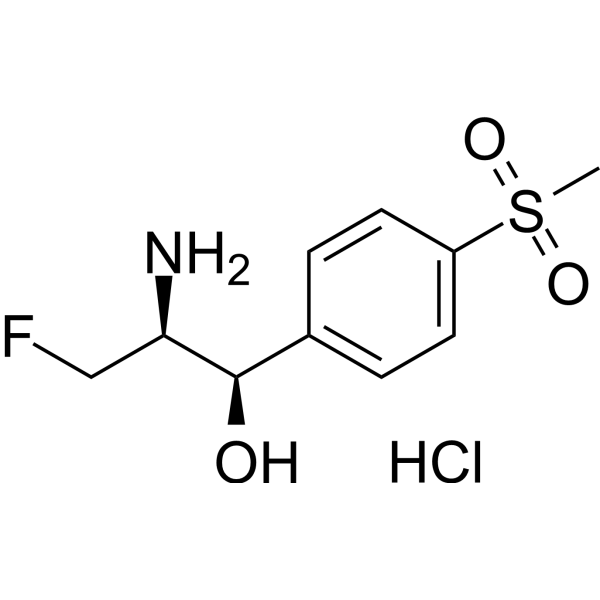
Florfenicol amine hydrochloride
 0 Images
Florfenicol amine hydrochloride is the major metabolite of Florfenicol (HY-B1374) and serves as a marker residue in studies of the in vivo disposition and residue depletion of Florfenicol. Florfenicol amine hydrochloride is eliminated more slowly than the parent compound and persists in plasma and tissues. Florfenicol amine hydrochloride is used in veterinary research for studies on the metabolism, pharmacokinetics, and residue depletion of Florfenicol.
-
Menisdaurin
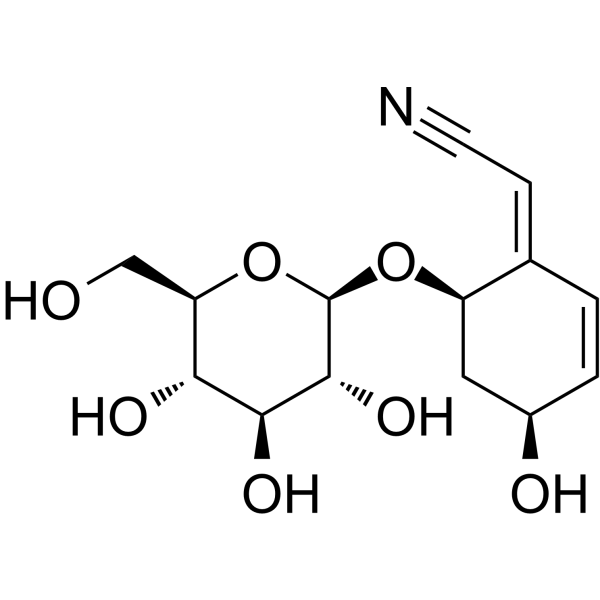 0 Images
Menisdaurin is a cyanogenetic glucoside isolated from Flueggea virosa.