Autophagy
Autophagy is a conserved cellular degradation and recycling process in the lysosome. In mammalian cells, there are three primary types of autophagy: microautophagy, macroautophagy, and chaperone-mediated autophagy (CMA). Microphagy captures cargoes by means of invaginations or protrusions of the lysosomal membrane directly, CMA uses chaperones to identify cargo proteins and then unfolds and transfers them into the lysosomal, while macroautophagy sequesters cargo by autophagosomes-de novo synthesized of double-membrane vesicles-and subsequently transport it to the lysosome.
Macroautophagy is the best studied and it occurs at a low level constitutively and can also be further induced under stress conditions, such as nutrient or energy starvation with a salient feature of autophagy protein degradation. Stress-induced macrophagy plays an important role in protein catabolism with another key protein degradation pathway, the ubiquitin–proteasome system (UPS).
As the study progressed, autophagy gains its importance under basal, nutrient-rich conditions, and is now recognized as a critical housekeeping pathway in catabolism of diverse cellular constituents, such as protein aggregates (aggrephagy), lipid droplets (lipophagy), iron complex (Ferritinophagy) and carbohydrate. Except for macromolecules, autophagy can also target several organelles and structures, such as mitochondria (mitophagy), peroxisome (pexophagy), endoplasmic reticulum (reticulophagy or ER-phagy), ribosome (ribophagy), spermatozoon-inherited organelles following fertilization (allophagy), secretory granules within pancreatic cells (zymophagy) and intracellular pathogens (xenophagy).
Autophagy and its dysfunction are associated with a variety of human pathologies, including ageing, cancer, neurodegenerative disease, heart disease and metabolic diseases, such as diabetes. Plenty of drugs and natural products are involved in autophagy modulation through multiple signaling pathways. Small molecules that can regulate autophagy seem to have great potential to intervene such diseases in animal models or clinical courses.
All Product Categories
-
Autophagy Inhibitors
(470)
View all products
-
Autophagy Agonists
(6)
View all products
-
Autophagy Activators
(119)
View all products
-
Autophagy Modulators
(59)
View all products
-
Autophagy Chemicals
(2)
View all products
-
Autophagy Inducers
(2166)
View all products
-
Autophagy Controls
(5)
View all products
-
Autophagy Ligand
(1)
View all products
-
Autophagy Related Products (3359)
Related Products (3359)

-
Antibodies (31)
-
Autophagy Signaling Pathway
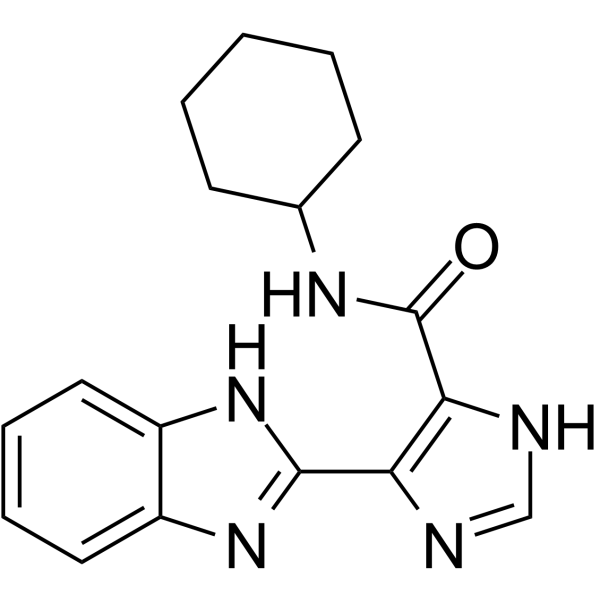
-
Acesulfame
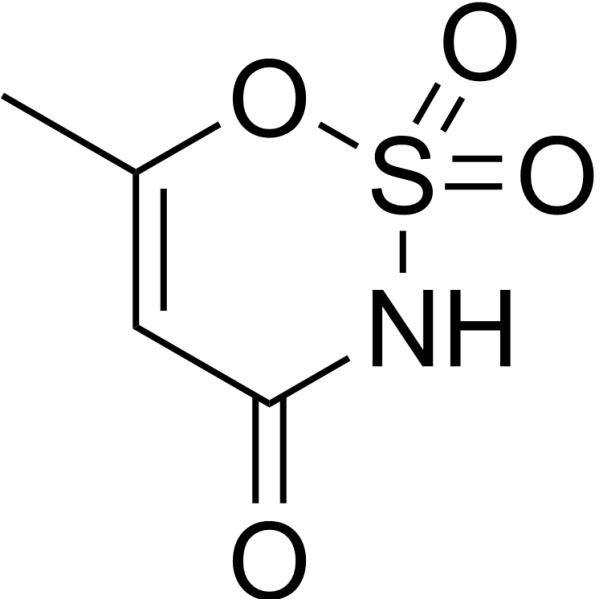 0 ImagesAcesulfame is a synthetic sweetener. Long-term use of Acesulfame can affect cognitive function. Acesulfame potassium can suppress autophagic degradation of PD-L1 in RIL-175 and SK-Hep1 cells through the ERK1/2-mTORC1-ULK1 pathway, which may be related to immune evasion in cancer cells. Acesulfame can be used in research on neurological diseases, metabolic disorders, cancer, and immune evasion.
-
AChE-IN-80
 0 ImagesCat. No.: HY-170658AChE-IN-80 (Compound 1) is an acetylcholinesterase (AChE) inhibitor. AChE-IN-80 can inhibit inflammation and the production of reactive oxygen species (ROS) in vitro- cultured neurons and microglia, trigger autophagy responses, and block the propagation of β-amyloid (Aβ) fibrils. AChE-IN-80 possesses antioxidant activity and neuroprotective effects and can be used in the study of Alzheimer's disease.
-
Acitretin (Standard)
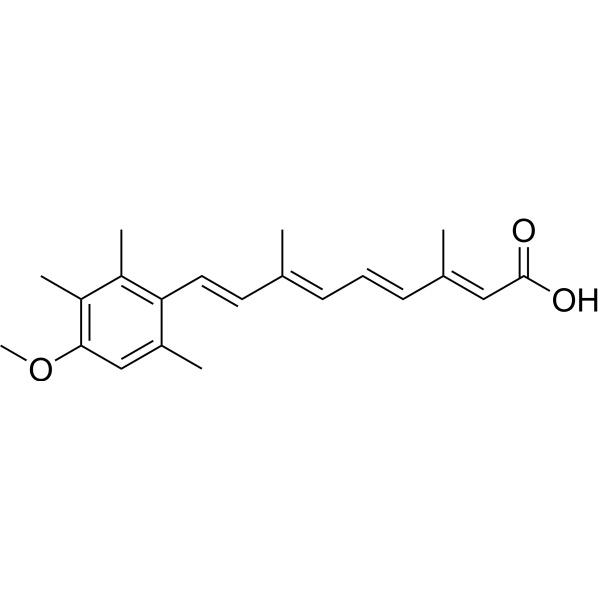 0 ImagesSynonyms: Ro 10-1670 (Standard)Acitretin (Standard) is the analytical standard of Acitretin. This product is intended for research and analytical applications. Acitretin (Ro 10-1670) is a second-generation, systemic retinoid that has been used in the treatment of psoriasis. Acitretin also can be used for the research of Alzheimer’s disease.
-
Imiquimod dihydrochloride
 0 ImagesCat. No.: HY-B0180CCAS No.: 2995277-02-4Synonyms: R 837 dihydrochloride
-
Glucosamine-13C,15N hydrochloride
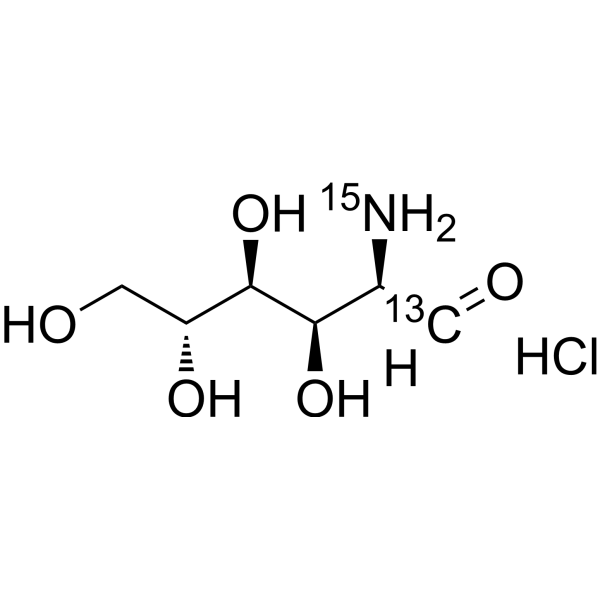 0 ImagesCat. No.: HY-N0733S2CAS No.: 143553-09-7Synonyms: D-(+)-Glucosamine-13C,15N hydrochloride; Chitosamine-13C,15N hydrochlorideGlucosamine-13C,15N (hydrochloride) is the 13C and 15N labeled Glucosamine hydrochloride. Glucosamine hydrochloride (D-Glucosamine hydrochloride) is an amino sugar and a prominent precursor in the biochemical synthesis of glycosylated proteins and lipids, i
-
Leupeptin Ac-LL
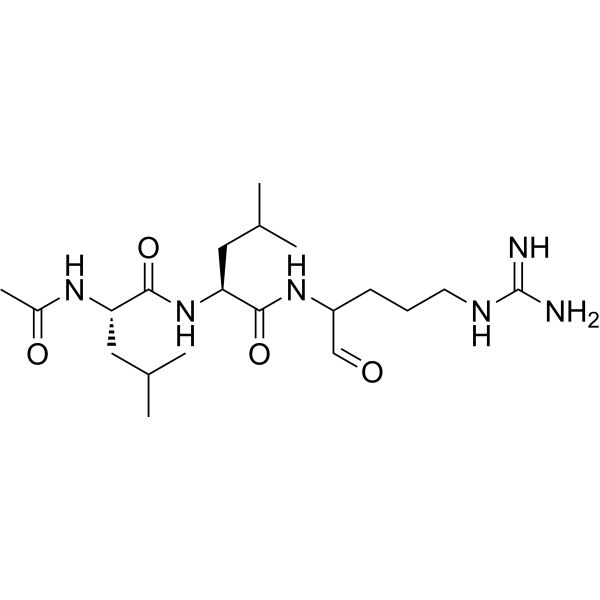 0 ImagesCat. No.: HY-18234BCAS No.: 24365-47-7Leupeptin Ac-LL is a broad-spectrum protease inhibitor. Leupeptin Ac-LL inhibits serine, cysteine and threonine proteases, and regulates autophagy. Leupeptin Ac-LL reduces the expression levels of LC3B, iNOS, Cox-2, Beclin-1 and the level of endopeptidases; increases the levels of p62, Arg 1, Msr 1 and Mrc−1; and blocks the upregulation of p-PTEN, p-NF-κB, p-PI3K, p-Akt, p-p38 and ERK1/2. Leupeptin Ac-LL inhibits NO, ROS, proinflammatory cytokines, the IFN-γ/IL-10 ratio, phagolysosome fusion, mammalian lysosomal hydrolase activity and SARS-CoV-2 replication; and reverses impaired autophagic flux. Leupeptin Ac-LL is applicable to research related to chronic inflammatory diseases, edema, skin tumorigenesis, COVID-19 and respiratory infections.
-
Cilofexor tromethamine
 0 ImagesCat. No.: HY-109083ACAS No.: 2253764-93-9Synonyms: GS-9674 tromethamineCilofexor tromethamine (GS-9674 tromethamine) is a nonsteroidal farnesene oxide receptor agonist with activity in improving markers of cholestasis and liver injury. Cilofexor tromethamine was shown to be well tolerated in patients without cirrhosis and resulted in significant improvements in liver biochemical parameters and cholestatic markers. Cilofexor tromethamine offers a potential inhibitory option for the management of primary sclerosing cholangitis.

-
Vandetanib-13C6
 0 ImagesCat. No.: HY-10260S2CAS No.: 1261397-03-8Synonyms: ZD6474-13C6Vandetanib-13C6 is a 13C labeled Vandetanib (HY-10260). Vandetanib (D6474) is a potent, orally active inhibitor of VEGFR2/KDR tyrosine kinase activity (IC50=40 nM). Vandetanib also has activity versus the tyrosine kinase activity of VEGFR3/FLT4 (IC50=110 nM) and EGFR/HER1 (IC50=500 nM).

-
Valproic acid sodium (GMP)
 0 ImagesCat. No.: HY-10585AGCAS No.: 1069-66-5Synonyms: Sodium Valproate (GMP); VPA sodium (GMP); 2-Propylpentanoic acid sodium (GMP)Valproic acid (Sodium Valproate) sodium is an orally active HDAC inhibitor, with IC50 in the range of 0.5 and 2 mM, also inhibits HDAC1 (IC50, 400 μM), and induces proteasomal degradation of HDAC2. Valproic acid sodium activates Notch1 signaling and inhibits proliferation in small cell lung cancer (SCLC) cells. Valproic acid sodium is used in the treatment of epilepsy, bipolar disorder, metabolic disease, HIV infection and prevention of migraine headaches.
-
Thalidomide-5-PEG2-NH2 hydrochloride
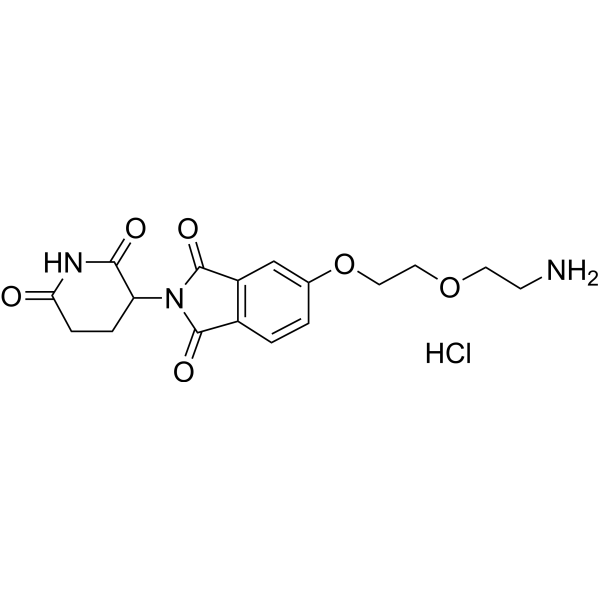 0 ImagesThalidomide-5-PEG2-NH2 hydrochloride is the Thalidomide (HY-10984)-based cereblon ligand used in the recruitment of CRBN protein.Thalidomide-5-PEG2-NH2 hydrochloride can be connected to the ligand for protein by a linker to form PROTACs.
-
Tamoxifen-13C6
 0 ImagesCat. No.: HY-W778408CAS No.: 1346606-38-9Synonyms: ICI 47699-13C6; (Z)-Tamoxifen-13C6; trans-Tamoxifen-13C6Tamoxifen-13C6 (ICI 47699-13C6) is the 13C-labeled Tamoxifen (HY-13757A). Tamoxifen (ICI 47699) is an orally active, selective estrogen receptor modulator (SERM) which blocks estrogen action in breast cells and can activate estrogen activity in other cells, such as bone, liver, and uterine cells. Tamoxifen is a potent Hsp90 activator and enhances the Hsp90 molecular chaperone ATPase activity. Tamoxifen also potent inhibits infectious EBOV Zaire and Marburg (MARV) with IC50 of 0.1 μM and 1.8 μM, respectively. Tamoxifen activates autophagy and induces apoptosis. Tamoxifen also can induce gene knockout of CreER transgenic mouse.
-
Thalidomide-NH-amido-C4-NH2 (hydrochloride)
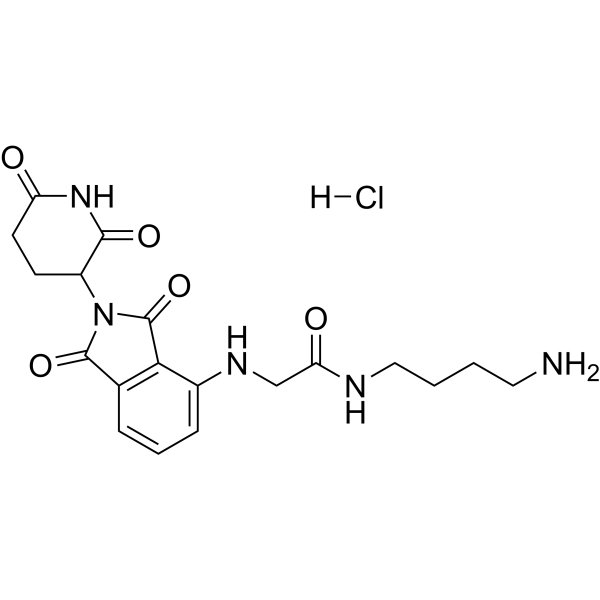 0 ImagesCat. No.: HY-134984ACAS No.: 2983057-91-4Thalidomide-NH-amido-C4-NH2 hydrochloride is a synthesized E3 ligase ligand-linker conjugate that incorporates the Thalidomide based cereblon ligand and a linker used in PROTAC technology.
-
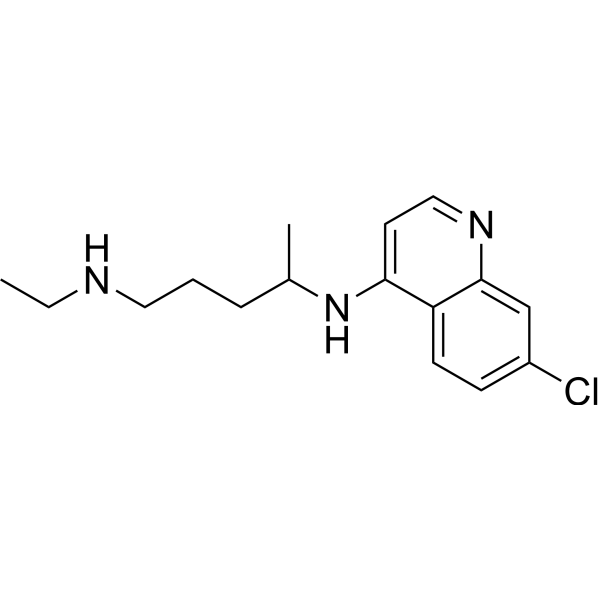
Chloroquine-d5 diphosphate
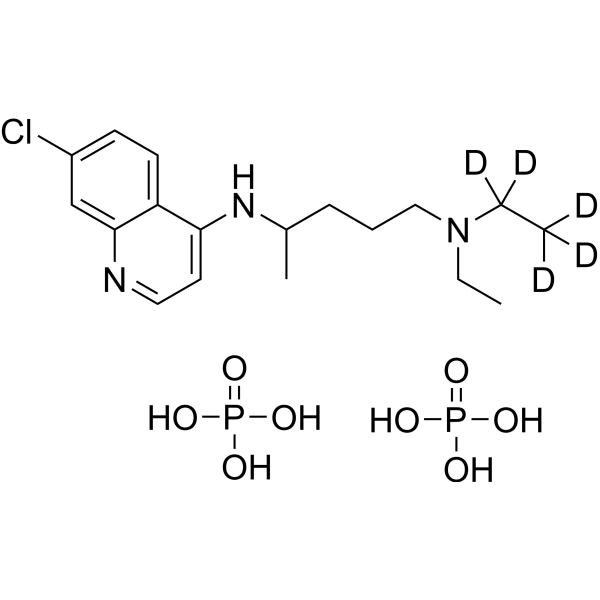 0 ImagesCat. No.: HY-17589SCAS No.: 1854126-42-3Chloroquine-d5 (diphosphate) is the deuterium labeled Chloroquine (phosphate). Chloroquine phosphate is an antimalarial and anti-inflammatory agent widely used to treat malaria and rheumatoid arthritis. Chloroquine phosphate is an autophagy and toll-like receptors (TLRs) inhibitor. Chloroquine phosphate is highly effective in the control of SARS-CoV-2 (COVID-19) infection in vitro (EC50=1.13 μM).
-
Sertaconazole
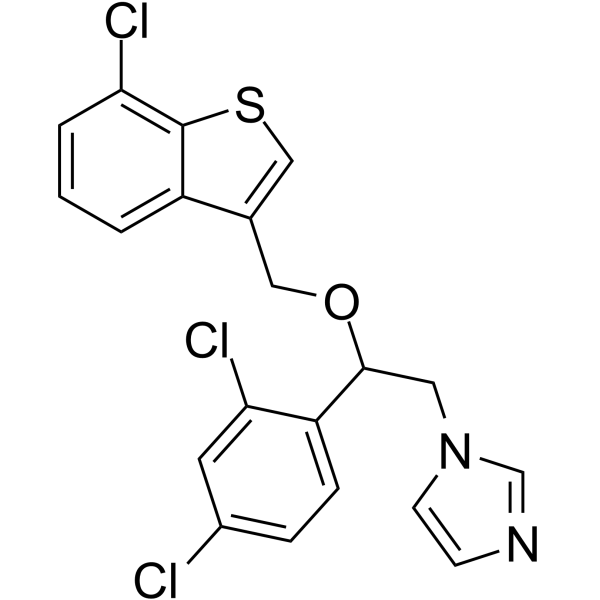 0 ImagesSynonyms: FI7056 free baseSertaconazole (FI7056 free base) is a broad-spectrum topical antifungal agent, exhibits anti-inflammatory activity via activation of a p38-COX-2-PGE2 pathway. Sertaconazole is also a microtubule inhibitor, shows antiproliferative effect, induces apoptosis and autophagy, and can also inhibit the migration of cells.
-
Polyphyllin I (Standard)
 0 ImagesCat. No.: HY-N0047RCAS No.: 50773-41-6Polyphyllin I (Standard) is the analytical standard of Polyphyllin I. This product is intended for research and analytical applications. Polyphyllin I is a bioactive constituent extracted from Paris polyphylla, has strong anti-tumor activity. Polyphyllin I is an activator of the JNK signaling pathway and is an inhibitor of PDK1/Akt/mTOR signaling. Polyphyllin I induces autophagy, G2/M phase arrest and apoptosis.
-
Antitumor agent-192
 0 ImagesCat. No.: HY-170594CAS No.: 3105301-97-8Antitumor agent-192 (Compound 2f) is a β-carboline antitumor agent. Antitumor agent-192 induces autophagy in HCT116 cells via the ATG5/ATG7 pathway. Antitumor agent-192 has an IC50 of less than 5 μM for human tumor cell lines and significantly inhibits tumor development and reduces tumor weight in a mouse colorectal cancer model transplanted with allografts[1].