



Bacterial
Anything that destroys bacteria or suppresses their growth or their ability to reproduce. Heat, chemicals such as chlorine, and antibiotic drugs all have antibacterial properties. Many antibacterial products for cleaning and handwashing are sold today. Such products do not reduce the risk for symptoms of viral infectious diseases in otherwise healthy persons. This does not preclude the potential contribution of antibacterial products to reducing symptoms of bacterial diseases in the home.
All Product Categories
-
Bacterial Inhibitors
(7501)
View all products
-
Bacterial Agonists
(3)
View all products
-
Bacterial Antagonists
(9)
View all products
-
Bacterial Activators
(23)
View all products
-
Bacterial Modulators
(27)
View all products
-
Bacterial Chemicals
(2)
View all products
-
Bacterial Inducers
(7)
View all products
-
Bacterial Controls
(14)
View all products
-
Bacterial Substrates
(2)
View all products
-
Bacterial Ligand
(1)
View all products
-
Bacterial Related Products (8826)
Related Products (8826)

-
Antibodies (14)
-
Related Compound Screening Libraries (1)
-
20S Proteasome-IN-6
 0 ImagesCat. No.: HY-18925620S Proteasome-IN-6 is a species-selective inhibitor of the Mycobacterium tuberculosis 20S proteasome. 20S Proteasome-IN-6 penetrates the Mycobacterium tuberculosis bacilli, sensitizes the bacteria to nitrosative stress, and reduces the bacterial burden of live Mycobacterium tuberculosis within infected macrophages. 20S Proteasome-IN-6 can be used for tuberculosis research.
-
4,4'-Dicyanostilbene
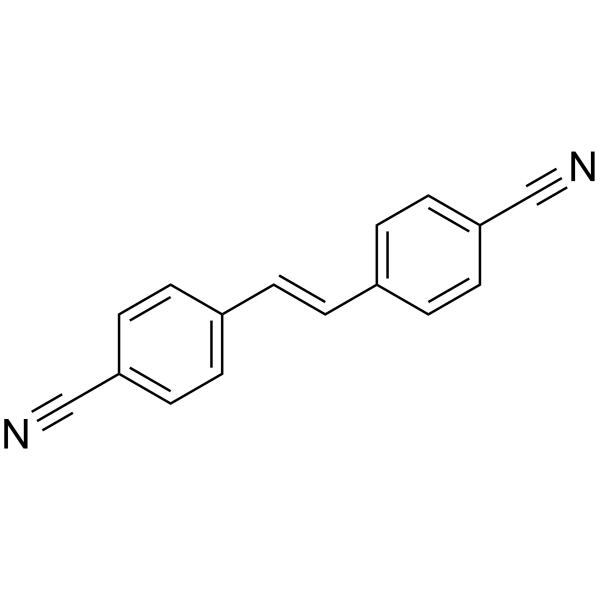 0 ImagesCat. No.: HY-W112166ACAS No.: 5216-37-54,4'-Dicyanostilbene (compound 43) is a potent antimalarial agent against the Dd2 strain, with an EC50 of 27 nM. 4,4'-Dicyanostilbene exhibits in vivo efficacy against methicillin-resistant Staphylococcus aureus (MRSA).
-
Sarafloxacin (Standard)
 0 ImagesCat. No.: HY-B0343RCAS No.: 98105-99-8Synonyms: A-56620 (Standard)Sarafloxacin (Standard) (A-56620 (Standard)) is the analytical standard of Sarafloxacin (HY-B0343). This product is intended for research and analytical applications. Sarafloxacin (A-56620) is a fluoroquinolone Antibacterial agent. Sarafloxacin inhibits the growth of Staphylococcus aureus, Enterobacteriaceae, and both aminoglycoside-sensitive and aminoglycoside-resistant strains of Pseudomonas aeruginosa.
-
Chalcomycin
 0 ImagesCat. No.: HY-121182CAS No.: 20283-48-1Chalcomycin is a macrolide antibiotic, which exhibits antimicrobial activities against gram-positive Staphylococcus aureus and Streptococcus pyogenes. Chalcomycin protects mice from infection with a variety of staphylococci and streptococc, without significant toxicity (LD50 >2500 mg/kg).
-
Antituberculosis agent-9
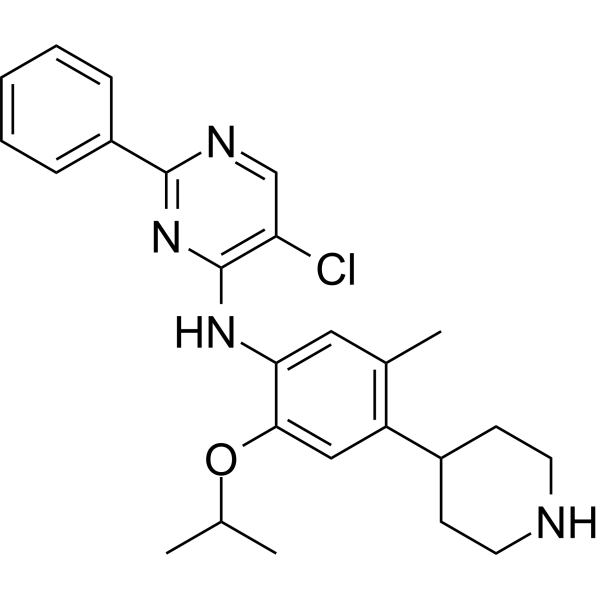 0 ImagesCat. No.: HY-149064CAS No.: 2998587-72-5Antituberculosis agent-9 (Compound 5a) is an orally active antitubercular agent with an MIC of 0.5 μg/mL against H37Ra.
-
Pseudomonic acid C
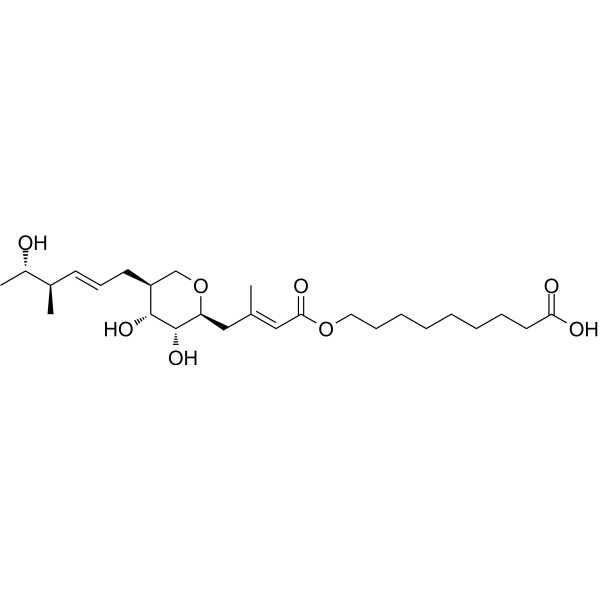 0 ImagesPseudomonic acid C, an antibiotic, possesses antibacterial activity.
-
DNA Gyrase-IN-11
 0 ImagesCat. No.: HY-161788CAS No.: 2497486-58-3DNA Gyrase-IN-11 (Compound 23Be) is an inhibitor for protein synthesis (IC50 is 0.74 μM) and DNA replication. DNA Gyrase-IN-11 inhibits DNA gyrase, that inhibits E. coli DNA supercoiling with IC50 of 11.9 μM. DNA Gyrase-IN-11 exhibits antibacterial efficacy, that inhibits Streptococcus pneumoniae, Streptococcus pyogenes, Haemophilus influenzae and Staphylococcus aureus, with MICs of 0.008-0.25 μg/mL.
-
Periplanetasin-4
 0 ImagesCat. No.: HY-P11114CAS No.: 2206807-06-7Periplanetasin-4 is an antimicrobial peptide that can be derived from the American cockroach (Periplaneta americana). Periplanetasin-4 reduces cell rounding and apoptosis. Periplanetasin-4 blocks Clostridium difficile toxin A-induced ROS production and the activation of downstream p38 MAPK and p21. Periplanetasin-4 significantly increases mitochondrial calcium level, reduces DPH fluorescence intensity and vacuolar dysfunction in Candida albicans ATCC 90028 cells. Periplanetasin-4 significantly ameliorates toxin A-induced mucosal damage in the mouse gut. Periplanetasin-4 can be used for the study of colitis.
-
3-Acetyl-28-N-(3-guanidinobutoxy)-oleanolic acid
 0 ImagesCat. No.: HY-1682043-Acetyl-28-N–(3–guanidinobutoxy)-oleanolic acid (compound J1) is a potent antimicrobial agent. 3-Acetyl-28-N–(3–guanidinobutoxy)-oleanolic acid shows anti-gram-positive bacteria and fungi activity. 3-Acetyl-28-N–(3–guanidinobutoxy)-oleanolic acid can be used as antibiotic adjuvants. 3-Acetyl-28-N–(3–guanidinobutoxy)-oleanolic disrupts the bacterial cell membrane, inserts into the DNA, and binds to DNA gyrase. 3-Acetyl-28-N–(3–guanidinobutoxy)-oleanolic reduces microbial count in a mouse MRSA skin infection model and accelerates wound healing.
-
BaENR-IN-1
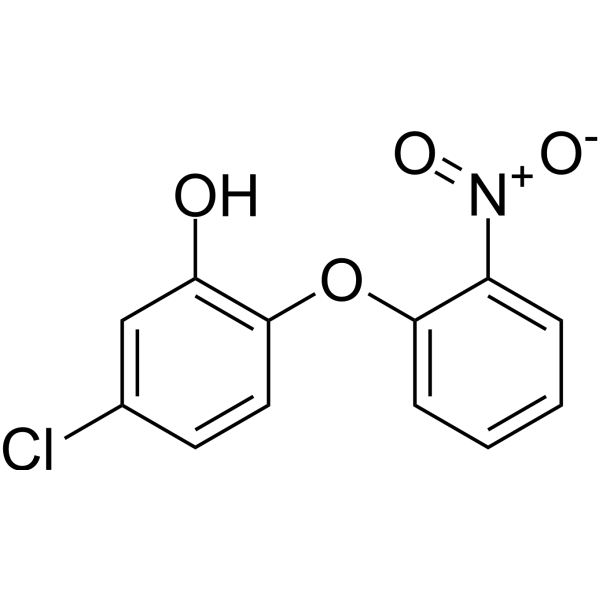 0 ImagesCat. No.: HY-160679CAS No.: 1071966-17-0BaENR-IN-1 (Compound 5) is an inhibitor of Enoyl-Acyl Carrier Protein Reductase (ENR) (IC50= 7.7 μM). BaENR-IN-1 blocks the synthesis of fatty acids essential for bacterial growth by inhibiting the bacterial enzyme ENR. BaENR-IN-1 shows activity against bacteria.

-
Ocotillone
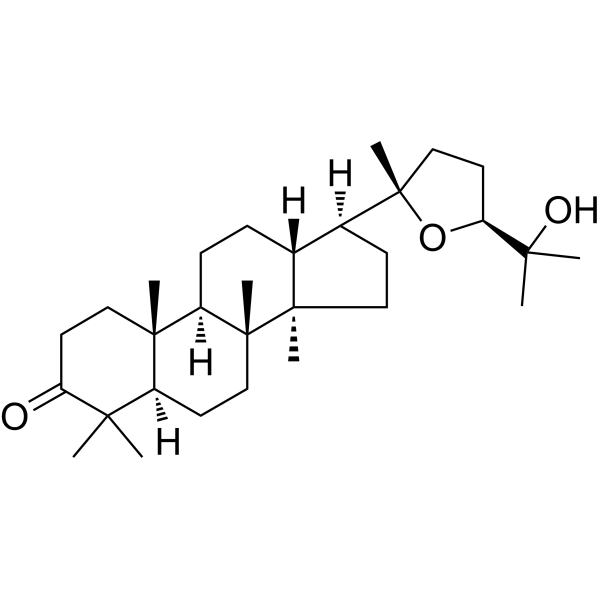 0 ImagesCat. No.: HY-N2980CAS No.: 35761-54-7Synonyms: CabraleoneOcotillone ((24S)-20,24-Epoxy-25-hydroxydammaran-3-one) is a triterpenoids that can be isolated from the fruits of Dysoxylum richii. Ocotillone has antibacterial activities against P. aeruginosa and S. typhimurium without hemolytic activity.
-
PDHc-E2-IN-1
 0 ImagesCat. No.: HY-176997CAS No.: 3031881-21-4PDHc-E2-IN-1 (Compound 9) is a Pyruvate Dehydrogenase Complex E2 (PDHc-E2) inhbibitor. with an IC50 of 2.52 μM. PDHc-E2-IN-1 shows strong antibacterial activity and can be used in the research of bacterial spot disease and bacterial leaf blight in rice.
-
Antifungal agent 123
 0 ImagesCat. No.: HY-170489Antifungal agent 123 (Compound 4b) exhibits good affinity to the oxidoreductase of Staphylococcus aureus or the membrane protein of Candida albicans, exhibits antibacterial and antifungal activities. Antifungal agent 123 scavenges free radical, exhibits antioxidant efficacy. Antifungal agent 123 inhibits the TLR signaling pathway, and exhibits anti-inflammatory efficacy.
-
Erythromycin ethylsuccinate-13C,d3
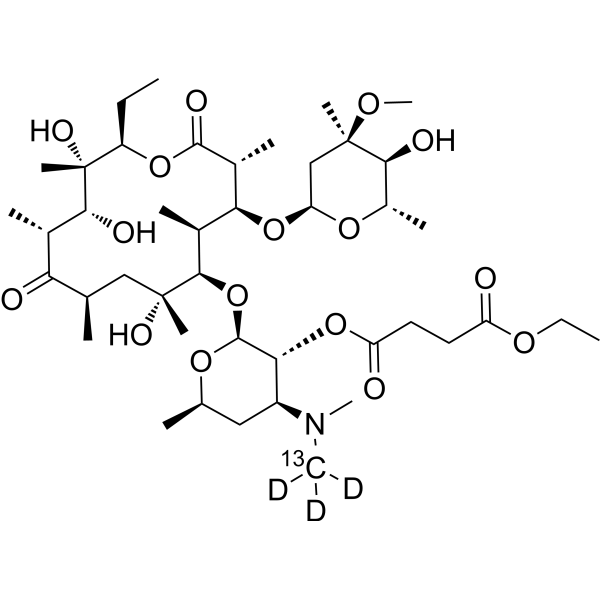 0 ImagesCat. No.: HY-B0957SSynonyms: Erythromycin ethyl succinate-13C,d3; EES-13C,d3Erythromycin ethylsuccinate-13C,d3 is the 13C- and deuterium labeled Erythromycin Ethylsuccinate. Erythromycin Ethylsuccinate is an antibiotic useful for the treatment of a number of bacterial infections, has an antimicrobial spectrum similar to or slightly wider than that of penicillin. Erythromycin Ethylsuccinate has antiviral activity against HIV-1.
-
Di-aspartic acid
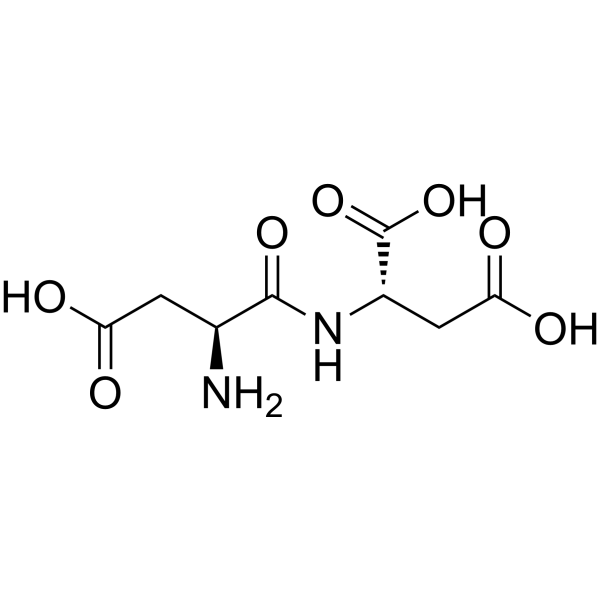 0 ImagesCat. No.: HY-P4301CAS No.: 58471-53-7Di-aspartic acid (Aspartylaspartate) can be utilized as growth substrate for P. gingivalis, P. intermedia, P. nigrescens and F. nucleatum.
-
Ansamitocin P-3 (Standard)
 0 ImagesCat. No.: HY-15739RCAS No.: 66584-72-3Synonyms: Antibiotic C 15003P3 (Standard); Maytansinol isobutyrate (Standard)Ansamitocin P-3 (Standard) is the analytical standard of Ansamitocin P-3. This product is intended for research and analytical applications. Ansamitocin P-3 (Antibiotic C 15003P3) is a microtubule inhibitor. Ansamitocin P-3 is a macrocyclic antitumor antibiotic.
-
Ac-Lys(Ac)-D-Ala-D-Ala-OH
 0 ImagesCat. No.: HY-137527CAS No.: 24570-39-6Ac-Lys (Ac)-D-Ala-D-Ala-OH is a synthetic dipeptide analog that mimics the terminal structure of bacterial peptidoglycan chains. Ac-Lys (Ac)-D-Ala-D-Ala-OH serves as a molecular decoy to investigate the mechanism of action of Vancomycin-class antibiotics, and also acts as an affinity chromatography ligand for purifying proteins that bind to Vancomycin. Ac-Lys (Ac)-D-Ala-D-Ala-OH reduces the activity of Vancomycin against susceptible enterococci. Ac-Lys (Ac)-D-Ala-D-Ala-OH is applicable to the research of Vancomycin-resistant enterococcal infections.
-
Calcium propionate, United States Pharmacopeia (USP) Reference Standard
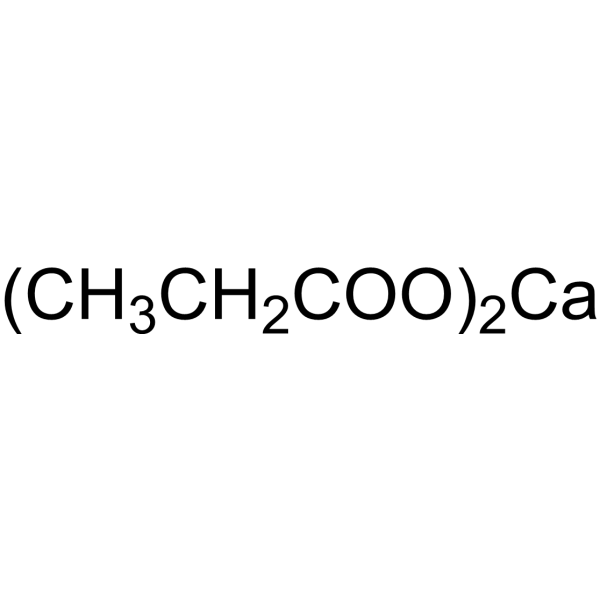 0 ImagesCalcium propionate, United States Pharmacopeia (USP) Reference Standard (Bioban-C (Pharmaceutical primary standard, USP)) is a calcium salt of Propionic acid with oral activity, which can be hydrolyzed into propionate and calcium ions. Calcium propionate, United States Pharmacopeia (USP) Reference Standard elevates intracellular ROS levels in tumor cells, depletes GSH, reduces mitochondrial membrane potential, and thereby induces tumor cell apoptosis. In mouse colitis models, Calcium propionate, United States Pharmacopeia (USP) Reference Standard modulates inflammatory factors such as IFN-γ, calprotectin, and Pglyrp3, ameliorating intestinal inflammation and metabolic disorders. In ruminants, Calcium propionate, United States Pharmacopeia (USP) Reference Standard serves as a gluconeogenic precursor, regulating rumen fermentation and microbial diversity; in high-fat diet rats, it alters gut microbiota composition and affects blood biochemical parameters. Calcium propionate, United States Pharmacopeia (USP) Reference Standard is commonly used as a food and feed additive, and is also used in research related to hypocalcemia, dyslipidemia, colitis, and lung cancer.
-
Metallo-β-lactamase-IN-3
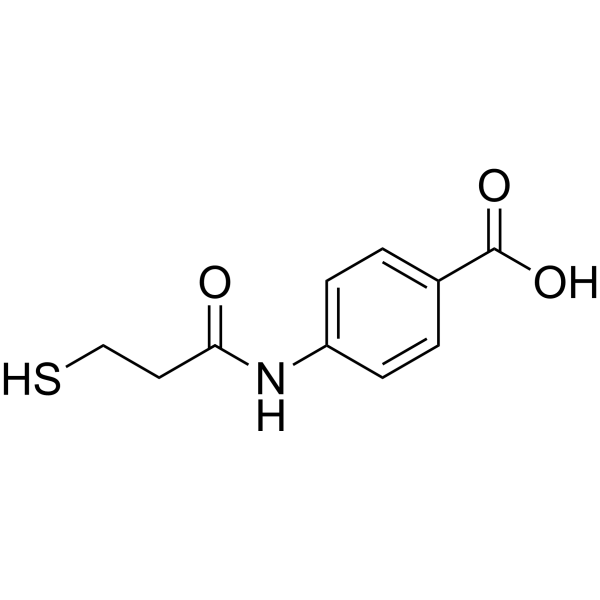 0 ImagesCat. No.: HY-144261CAS No.: 128294-71-3Metallo-β-lactamase-IN-3 (compound 35) is a potent metallo-β-lactamases (MBL) inhibitor. Metallo-β-lactamase-IN-3 shows high activity against VIM-1 and NDM-1, with IC50 of 0.6 and 1.0 μM, respectively. Metallo-β-lactamase-IN-3 does not show inhibition of IMP-7.




