



Calcium Channel
Calcium channels generate intracellular Ca2+ signals by mediating Ca2+ entry during depolarization in excitable cells[1]. These signals support neurotransmitter release, hormone release, excitation-contraction coupling, pacemaker activity, gene transcription, and synaptic plasticity[1][2]. Mechanistically, adrenergic agonists increase cardiac Ca2+ influx through PKA phosphorylation of Rad, which releases inhibition of calcium channels and enhances contractility[3]. In disease research, CACNA1C/CaV1.2 links L-type calcium channel signaling to bipolar disorder, depression, schizophrenia, autism spectrum disorders, brain function, and rodent antidepressant-like behavioral actions of LTCC inhibitors[4]. Compared with related isoforms, CaVα1 splice variants show tissue-specific expression, distinct protein-domain composition, and different pharmacological sensitivities[5]. CaV2.2 e37a is enriched in nociceptors and couples N-type calcium channels to voltage-independent G protein inhibition by µ-opioid and GABA_B receptors[6]. For experimental applications, blockers, toxins, gene-knockout models, agonists, and inhibitors help dissect channel-specific functions and guide next-generation CaV channel modulators[1][5].
References:
- [1]. Striessnig J, et al. Exploring the function and pharmacotherapeutic potential of voltage-gated Ca2+ channels with gene knockout models. Channels (Austin). 2008 Jul-Aug;2(4):233-51. [Content Brief]
- [2]. Prakriya M. Calcium and cell function. J Physiol. 2020 May;598(9):1647-1648. doi: 10.1113/JP279541. PMID: 32350889; PMCID: PMC7885240. et al. Calcium and cell function. J Physiol. 2020 May;598(9):1647-1648. [Content Brief]
- [3]. Papa A, et al. Adrenergic Regulation of Calcium Channels in the Heart. Annu Rev Physiol. 2022 Feb 10;84:285-306. [Content Brief]
- [4]. Bhat S, et al. CACNA1C (Cav1.2) in the pathophysiology of psychiatric disease. Prog Neurobiol. 2012 Oct;99(1):1-14. [Content Brief]
- [5]. Lipscombe D, et al. Calcium Channel CaVα₁ Splice Isoforms - Tissue Specificity and Drug Action. Curr Mol Pharmacol. 2015;8(1):22-31. [Content Brief]
- [6]. Lipscombe D, et al. Alternative splicing matters: N-type calcium channels in nociceptors. Channels (Austin). 2007 Jul-Aug;1(4):225-7. [Content Brief]
All Product Categories
-
Calcium Channel Inhibitors
(434)
View all products
-
Calcium Channel Agonists
(29)
View all products
-
Calcium Channel Antagonists
(148)
View all products
-
Calcium Channel Activators
(69)
View all products
-
Calcium Channel Modulators
(40)
View all products
-
Calcium Channel Chemical
(1)
View all products
-
Calcium Channel Inducers
(9)
View all products
-
Calcium Channel Controls
(7)
View all products
-
Calcium Channel Ligands
(7)
View all products
-
Calcium Channel Related Products (943)
Related Products (943)

-
Nelutroctiv
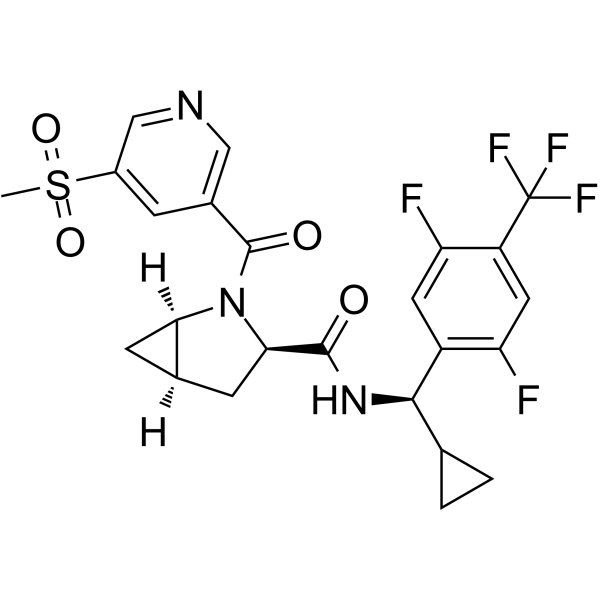 0 ImagesSynonyms: CK-136Nelutroctiv (CK-136) is an orally active and selective cardiac troponin activator. Nelutroctiv activates cardiac sarcomeres by enhancing the sensitivity of troponin to calcium ions and promoting the interaction between actin and myosin. Nelutroctiv enhances cardiac contractility. Nelutroctiv can be used in the researches for cardiovascular diseases with impaired cardiac contractile function.
-
Notoginsenoside Ft1
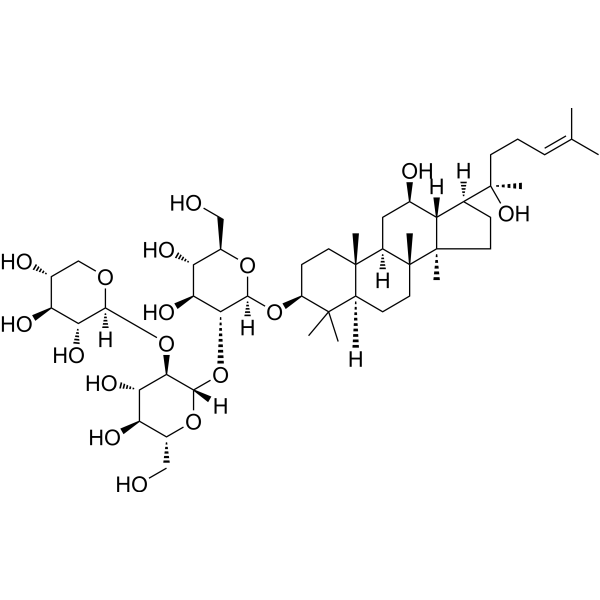 0 ImagesNotoginsenoside Ft1 is an orally active bioactive saponin. Notoginsenoside Ft1 inhibits the PI3K/AKT/mTOR signaling pathway, activates the p38 MAPK and ERK1/2 signaling pathways, and increases the proportion of CD8+ T cells, thereby inducing apoptosis and lysosomal cell death in various cancer cells, and promoting angiogenesis. Notoginsenoside Ft1 causes vasodilation by activating glucocorticoid receptors (GR) and estrogen receptor beta (ERβ) in endothelial cells. Notoginsenoside Ft1 increases intracellular Ca2+ accumulation, reduces cAMP levels by activating a signaling network mediated through P2Y12 receptors, and promotes platelet aggregation, thereby exerting a procoagulant effect. Notoginsenoside Ft1 inhibits ferroptosis (ferroptosis) in renal tubular epithelial cells by activating the TGR5 receptor, thereby demonstrating a renal protective effect. Notoginsenoside Ft1 acts as a TGR5 agonist and an FXR antagonist to combat obesity and insulin resistance.
-
Levamlodipine besylate
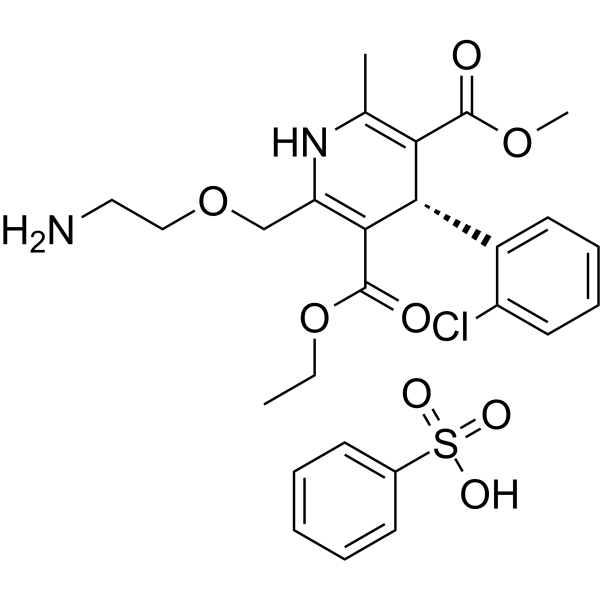 0 ImagesSynonyms: (S)-Amlodipine besylate; Levoamlodipine besylateLevamlodipine ((S)-Amlodipine; Levoamlodipin) besylate is an orally active L-type calcium channel blocker and MMP-9 modulator with high permeability and retention properties. Levamlodipine besylate significantly enhances plaque stability and improves lipid profiles by reducing blood pressure, decreasing systolic blood pressure variability, and inhibiting MMP-9 expression in atherosclerotic plaques. Levamlodipine besylate not only alleviates cardiac and aortic hypertrophy and prevents renal atrophy, but also produces synergistic effects in blood pressure reduction and organ protection when combined with bisoprolol (HY-129029). Levamlodipine besylate exerts no significant inhibitory effect on abdominal aortic intimal hyperplasia. When excessively accumulated in the epidermis, Levamlodipine besylate may induce changes in keratin structure, impair the skin barrier and trigger inflammation; long-term use further exacerbates skin irritation caused by local administration. Levamlodipine besylate can be used in research related to hypertension and atherosclerosis.
-
4-(Aminomethyl)pyridine
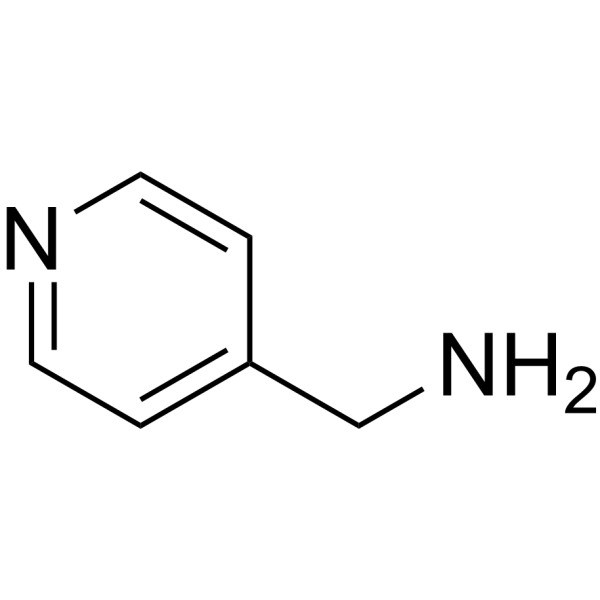 0 Images4-(Aminomethyl) pyridine is a high-voltage-activated calcium channel (HVACC) agonist. 4-(Aminomethyl) pyridine enhances high-voltage-activated calcium channel currents in acutely isolated neurons. 4-(Aminomethyl) pyridine also serves as a building block for chemical synthesis.
-
Annonacin
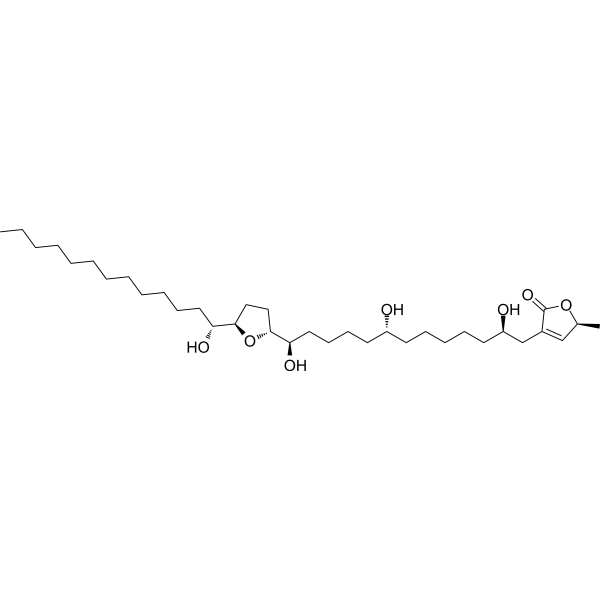 0 ImagesAnnonacin is an acetylgenin that is toxic by inhibiting the pathway of the mitochondrial complex. Annonacin increases tau phosphorylation in R406W+/+ mice. Annonacin acts as an inhibitor of the sodium/potassium and sarcoplasmic reticulum (SERCA) ATPase pumps. Annonacin has significant killing effect on ovarian cancer cell, cervical cancer cell, breast cancer cell, bladder cancer cell and skin cancer cell. Annonacin induces apoptosis through Bax and Caspase-3-related pathways.
-
DPO-1
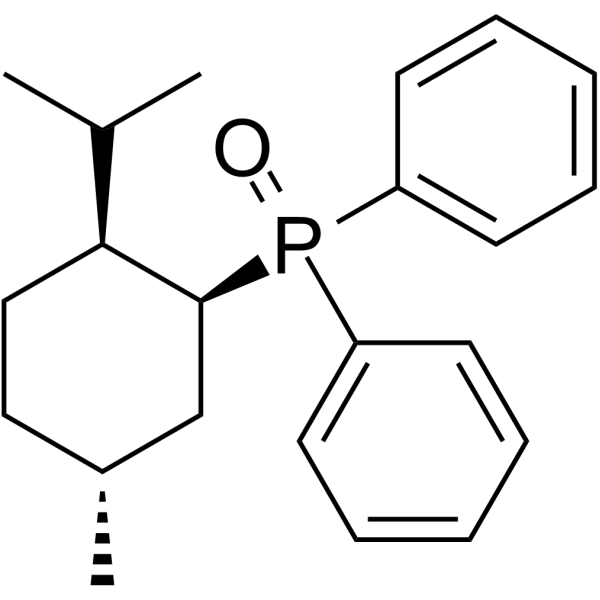 0 ImagesDPO-1 is a potent Kv1.5 and Kv1.3 (EC50 = 3.1 μM) channels inhibitor with potential immunomodulatory and anti-inflammatory effects. DPO-1 reduces Kv1.3 current density, blunts Ca2+ influx in Ca2+-depleted Jurkat cells, and inhibits IL-2 secretion in activated Jurkat cells. DPO-1 inhibits Uric acid sodium (HY-B2130A) (MSU)-induced NLRP3 inflammasome activation by blocking Kv1.5-mediated K+ efflux. DPO-1 can be used for the study of immunologic disorders and atrial fibrillation.
-
Caloxin 1C2
 0 ImagesCat. No.: HY-P10655Purity: 99.47%Caloxin 1C2 is a specific PMCA (plasma-membrane Ca2+-ATPases) inhibitor. Caloxin 1C2 is selective for PMCA4 over PMCA1, 2 and 3. The Ki values of Caloxin 1C2 are 2.3 μM for PMCA4 and 21 μM for PMCA1. Caloxin 1C2 dose not cause any significant effects on total Ca2+ transfer. Caloxin 1C2 affects coronary contractility.
-
S100P-IN-1
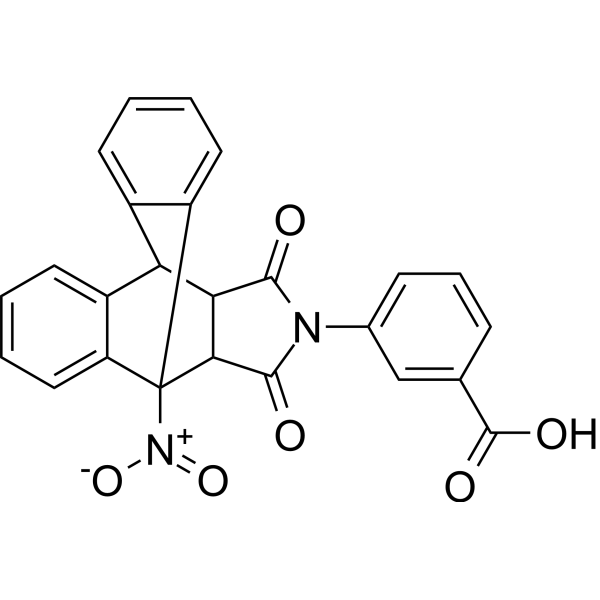 0 ImagesS100P-IN-1 is a S100P inhibitor, and S100P is a calcium-binding protein. S100P-IN-1 potently inhibits the interaction between purified human S100P and RAGE-Fc protein, with an IC50 value of 22.7 nM. S100P-IN-1 exerts anti-metastatic effects on pancreatic cancer cells. S100P-IN-1 can be used for the research of pancreatic cancer.
-
Calcium ionophore I
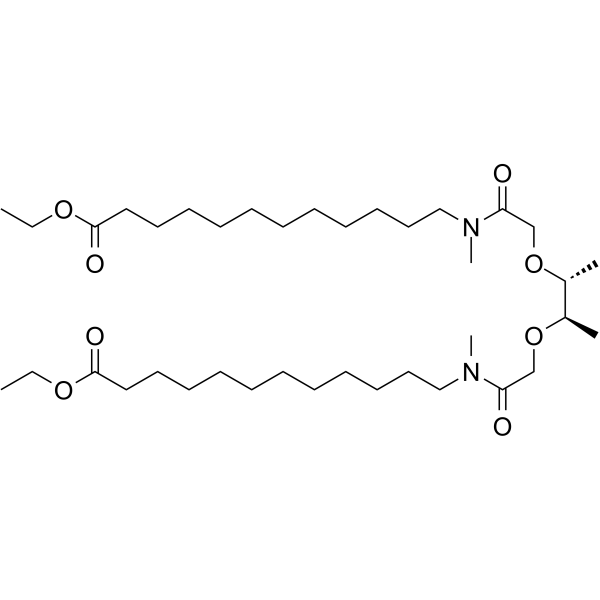 0 ImagesSynonyms: ETH 1001Calcium ionophore I (ETH 1001) is a selective Ca2+ ionophore for biological membranes. Calcium ionophore I can be used in Ca2+-selective microelectrodes that can be used for quantitative intracellular measurements of resting Ca2+-activities and of slowly changing Ca2+-levels.
-
Syringaresinol
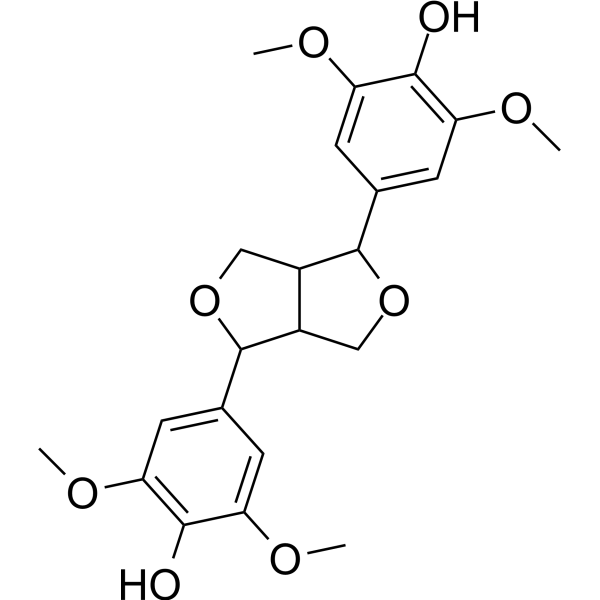 0 ImagesSyringaresinol is a lignan-type phytochemical with anti-inflammatory activities. Syringaresinol inhibits the NF-κB and AKT signaling pathway in IL-1β-activated mouse chondrocytes. Syringaresinol increases phosphorylation of AMPK, eNOS, and intracellular Ca2+ levels in HUVECs. Syringaresinol attenuates osteoarthritis progression in mice with Destabilization of the Medial Meniscus (DMM)-induced osteoarthritis. Syringaresinol can be used for the study of osteoarthritis (OA).
-
ZSET1446
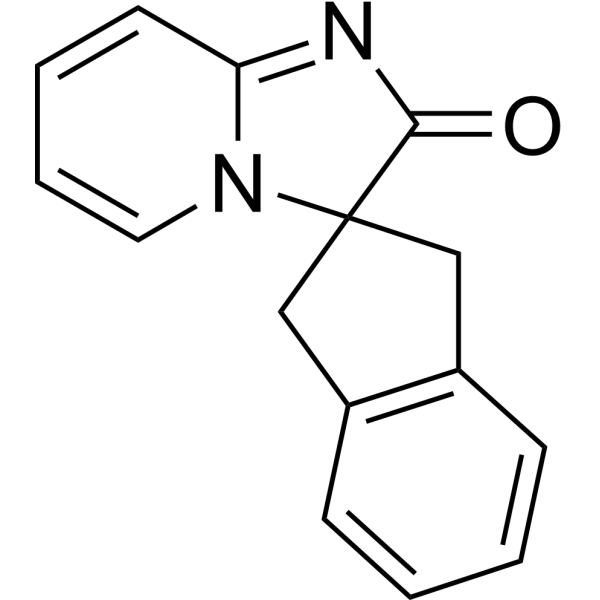 0 ImagesSynonyms: ST-101ZSET1446 is a novel cognitive enhancer that significantly improves learning deficits in various types of Alzheimer disease (AD) models.
-
Aladorian
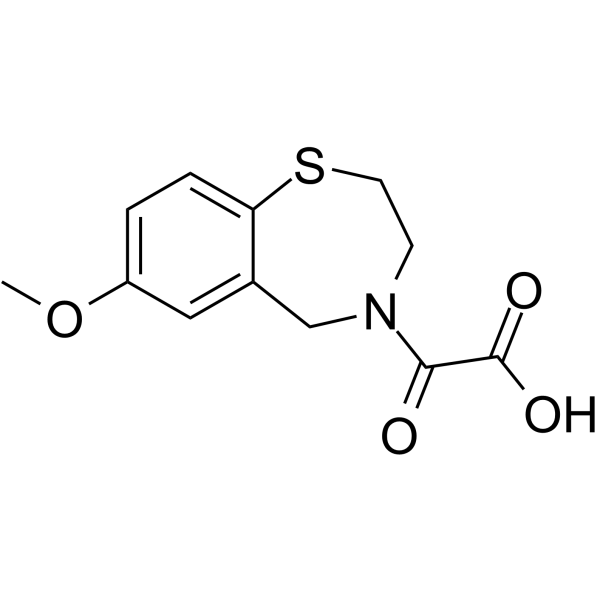 0 ImagesSynonyms: ARM036; S44121Aladorian (ARM036; S44121) is a non-peptidic ryanodine receptor 2 (RyR2) stabilizer. Aladorian stabilizes RyR2 channels and rectifies abnormal Ca²⁺ handling in cardiomyocytes. Aladorian improves cardiomyocyte Ca²⁺ homeostasis independent of dystrophin restoration. Aladorian attenuates early cardiomyopathy and enhances left ventricular function in a canine muscular dystrophy model. Aladorian can be used for the research of heart failure, Duchenne muscular dystrophy-associated cardiomyopathy and muscular dystrophy.
-
Suloctidil
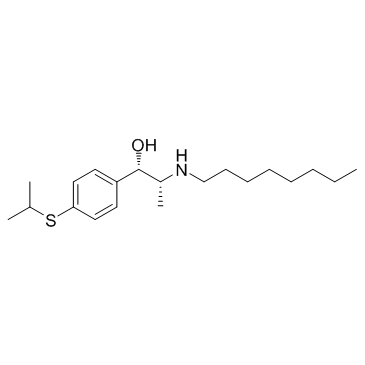 0 ImagesSuloctidil is an orally active calcium channel blocker and antifungal agent. Suloctidil antagonizes vasoconstriction induced by norepinephrine, angiotensin and serotonin. Suloctidil inhibits platelet function and exhibits neuroprotective effects. Suloctidil exerts inhibitory effects on Candida albicans biofilm and virulence. Suloctidil can be used in research on vasospasm relief, antithrombosis and superficial candidiasis.
-
L-Ascorbic acid-d2
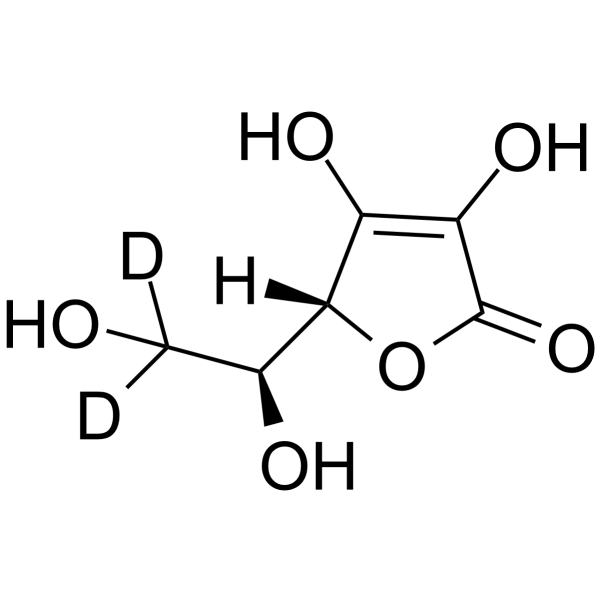 0 ImagesSynonyms: L-Ascorbate-d2; Vitamin C--d2L-Ascorbic acid-d2 is the deuterium labeled L-Ascorbic acid. L-Ascorbic acid (L-Ascorbate), an electron donor, is an endogenous antioxidant agent. L-Ascorbic acid inhibits selectively Cav3.2 channels with an IC50 of 6.5 μM. L-Ascorbic acid is also a colla

-
α-L-Rhamnose monohydrate
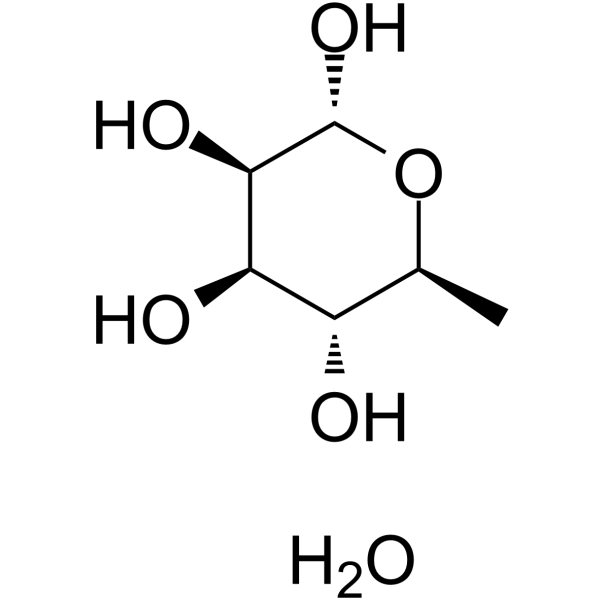 0 Imagesα-L-Rhamnose monohydrate is a neutral sugar present in plants, animals, viruses and bacteria. α-L-Rhamnose monohydrate is a ligand for α-L-rhamnose-recognizing lectin sites, trigger intracellular signaling pathways. α-L-Rhamnose monohydrate induces rhaE and rhaA expression as a specific carbon source in Aspergillus nidulans, while glucose inhibits its cellular uptake. α-L-Rhamnose monohydrate induces rapid and transient increases in intracellular free Ca2+ concentration in normal human dermal fibroblasts.
-
Agaric acid
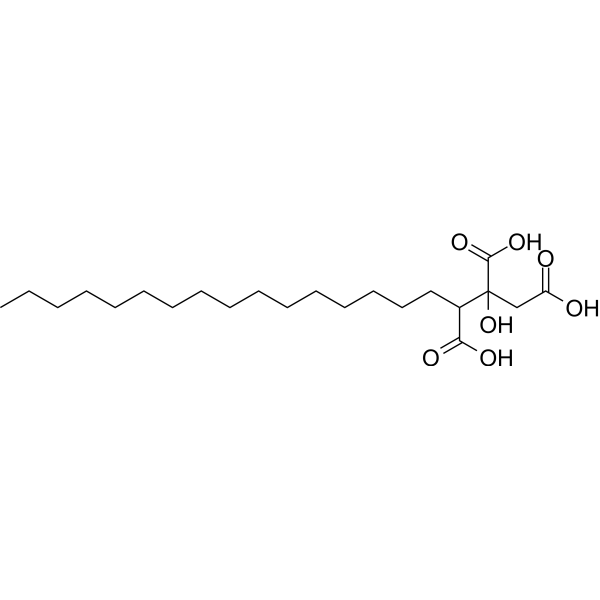 0 ImagesAgaric acid (Agaricinic Acid) is an orally active inhibitor of adenine nucleotide translocase found in specific fungi. Agaric acid can inhibit the biofilm formation of various bacteria such as Salmonella. Agaric acid can also induce mitochondrial permeability transition, prompting mitochondria to release Ca2+, disrupting the transmembrane potential, and causing mitochondrial swelling. In addition, Agaric acid can also inhibit citrate transport in liver mitochondria and participate in the inhibition of fatty acid synthesis, affecting multiple metabolic processes.



