DYRK1
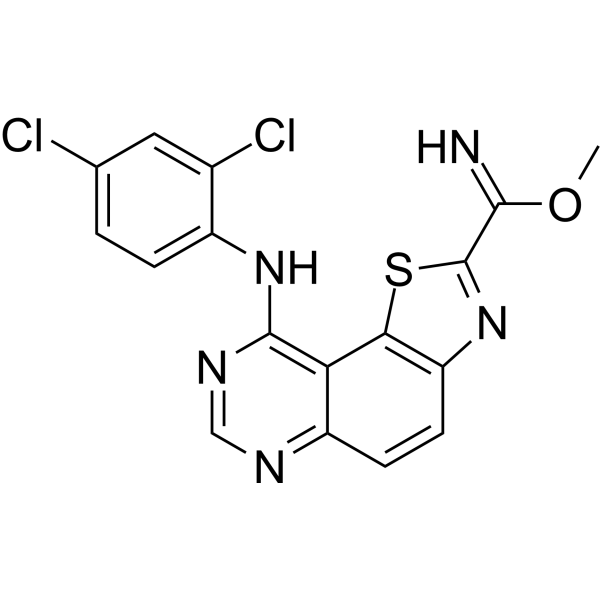
Dual-specificity tyrosine-regulated kinase 1A (DYRK1A) is a serine/threonine kinase that regulates neuronal differentiation, synaptic plasticity, and cell cycle progression[1][4]. Mechanistically, DYRK1A modulates pre- and post-synaptic signaling and alternative splicing, thereby influencing neuronal development and adult cognitive function[3][1]. DYRK1A activity affects cytoskeletal dynamics through MKL1-mediated pathways, promoting morphogenesis in human neonatal megakaryocytes[2]. Overexpression or dosage imbalance of DYRK1A contributes to neurodevelopmental disorders such as Down syndrome and MRD7, and to neurodegenerative diseases including Alzheimer’s and Parkinson’s disease[1][4][5]. Compared with related isoforms DYRK1B and DYRK2, DYRK1A uniquely regulates central nervous system processes, including tau phosphorylation and APP processing, while DYRK1B predominantly modulates stem cell behavior and metabolic pathways[1][6][7]. Pharmacologically, small molecule inhibitors such as harmine, AnnH75, and thiazoloquinazolines selectively target DYRK1A, enabling modulation of neuronal differentiation, alternative splicing, and pathological tau phosphorylation, with minimal off-target activity[3][4][6][8]. Agonists and inhibitors of DYRK1A also facilitate experimental studies of megakaryocyte morphogenesis, bipolar androgen therapy in prostate cancer, and CNS-related cellular senescence[2][9]. Structural studies reveal that inhibitor binding exploits ATP-competitive mechanisms and hinge region interactions, supporting development of isoform-selective chemical probes for translational research[8].
References:
- [1]. Arbones ML, et al. DYRK1A and cognition: A lifelong relationship. Pharmacol Ther. 2019 Feb;194:199-221. [Content Brief]
- [2]. Elagib KE, et al. Relieving DYRK1A repression of MKL1 confers an adult-like phenotype to human infantile megakaryocytes. J Clin Invest. 2022 Oct 3;132(19):e154839. [Content Brief]
- [3]. Rüben K, et al. Selectivity Profiling and Biological Activity of Novel β-Carbolines as Potent and Selective DYRK1 Kinase Inhibitors. PLoS One. 2015 Jul 20;10(7):e0132453. [Content Brief]
- [4]. Kargbo RB. Selective DYRK1A Inhibitor for the Treatment of Neurodegenerative Diseases: Alzheimer, et al. Selective DYRK1A Inhibitor for the Treatment of Neurodegenerative Diseases: Alzheimer, Parkinson, Huntington, and Down Syndrome. ACS Med Chem Lett. 2020 Jul 9;11(10):1795-1796. [Content Brief]
- [5]. Demuro S, et al. GSK-3β, FYN, and DYRK1A: Master Regulators in Neurodegenerative Pathways. Int J Mol Sci. 2021 Aug 23;22(16):9098. [Content Brief]
- [6]. Foucourt A, et al. Design and synthesis of thiazolo[5,4-f]quinazolines as DYRK1A inhibitors, part II. Molecules. 2014 Sep 26;19(10):15411-39. [Content Brief]
- [7]. Kokkorakis N, et al. Minibrain-related kinase/dual-specificity tyrosine-regulated kinase 1B implication in stem/cancer stem cells biology. World J Stem Cells. 2020 Dec 26;12(12):1553-1575. [Content Brief]
- [8]. Kaltheuner IH, et al. Abemaciclib is a potent inhibitor of DYRK1A and HIP kinases involved in transcriptional regulation. Nat Commun. 2021 Nov 16;12(1):6607. [Content Brief]
- [9]. Atri Roozbahani G, et al. Induction of cellular senescence by androgen receptor agonist or antagonist is mediated via two novel common DYRK1A-DREAM and cyclin G2 signaling pathways in castration-resistant prostate cancer. J Adv Res. 2026 Feb;80:371-392. [Content Brief]
All Product Categories
-
DYRK1 Related Products (64)
Related Products (64)

-
Harmine
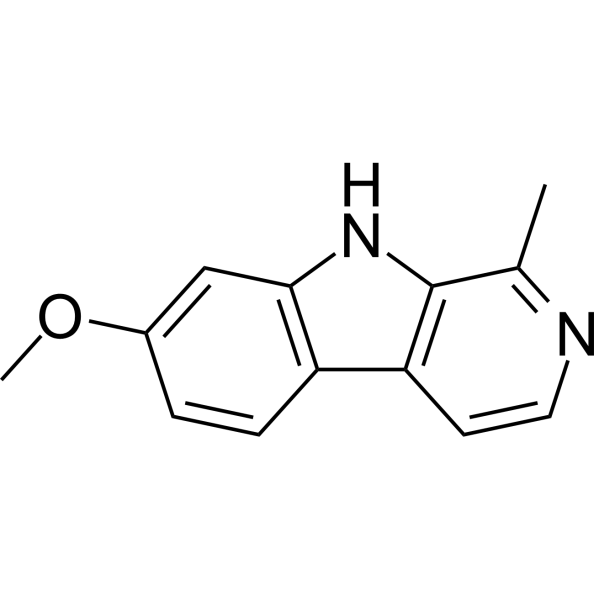 0 ImagesHarmine is a natural dual-specificity tyrosine phosphorylation-regulated kinase (DYRK) inhibitor with anticancer and anti-inflammatory activities. Harmine has a high affinity of 5-HT2A serotonin receptor, with an Ki of 397 nM.
-
GNF2133
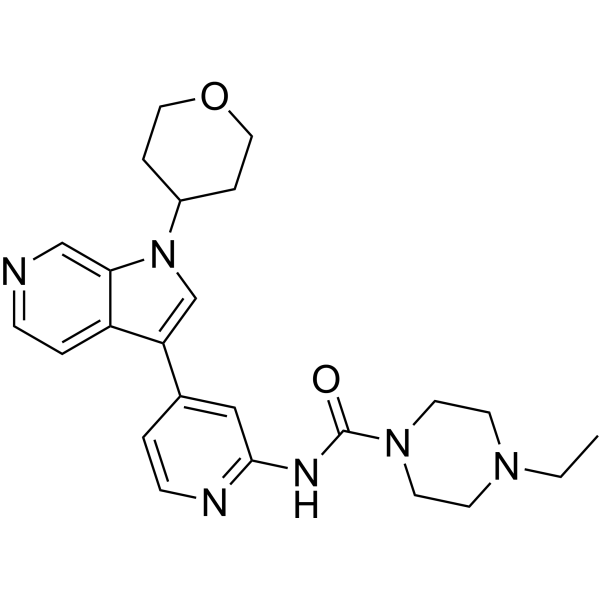 0 ImagesGNF2133 is a potent, selective and orally active DYRK1A inhibitor with IC50s of 0.0062, >50 µM for DYRK1A and GSK3β, respectively. GNF2133 shows good proliferation potency and efficacy on rat and human primary β-cell. GNF2133 significantly improves glucose disposal capacity and increases insulin secretion. GNF2133 has the potential for the research of type 1 diabetes.
-
Harmine hydrochloride
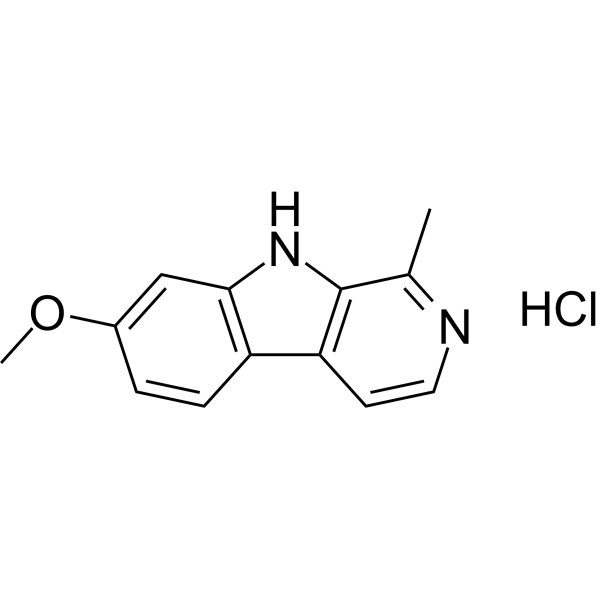 0 ImagesHarmine Hydrochloride (Telepathine Hydrochloride) is a natural DYRK inhibitor with anticancer and anti-inflammatory activities. Harmine has a high affinity of 5-HT2A serotonin receptor, with an Ki of 397 nM.
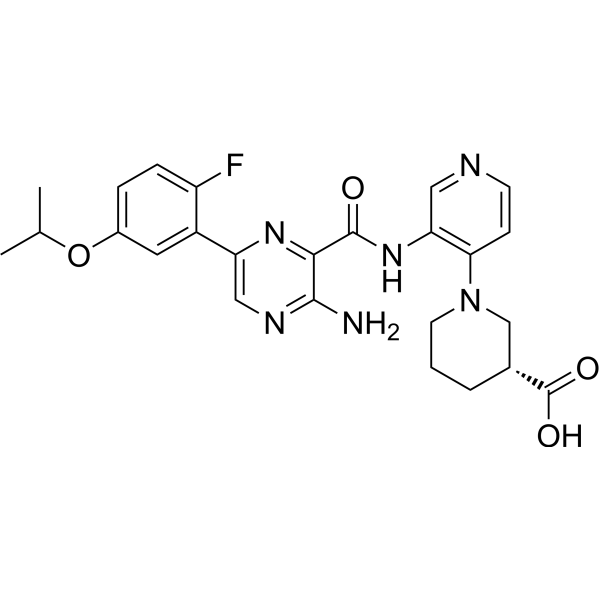
-
DYRK2-IN-2 hydrochloride
 0 ImagesCat. No.: HY-402805ADYRK2-IN-2 hydrochloride is a selective DYRK2 inhibitor with an IC50 of 40.3 nM. DYRK2-IN-2 hydrochloride shows weaker inhibitory activity against DYRK1A (IC50 = 1842 nM), DYRK1B (IC50 = 1335 nM), DYRK4 (IC50 = 1931 nM), DYRK3 (IC50 = 112 nM) and CLK (IC50 = 540-6496 nM). DYRK2-IN-2 hydrochloride inhibits the phosphorylation of Thr212 in Tau protein. DYRK2-IN-2 hydrochloride is applicable for neuronal research.
-
ARN25699
 0 ImagesCat. No.: HY-183584ARN25699 is a kinase inhibitor with an IC50 of 5.5 nM against GSK-3β, 2.2 nM against FYN-α, and 242.3 nM against DYRK1A, and it exhibits oral bioavailability. ARN25699 reduces hyperphosphorylation of tau protein and promotes microtubule bundle formation. ARN25699 has a broader kinome inhibitory profile and targets kinases associated with the pathogenic mechanisms linked to Alzheimer's disease. ARN25699 can be used in the research of Alzheimer's disease and related tauopathies.
-
BI-5521
 0 ImagesCat. No.: HY-171881CAS No.: 864686-48-6BI-5521 is an orally active GSK-3 inhibitor with an IC50 of 1.1 nM against GSK-3β. BI-5521 targets the two GSK-3 isoforms with similar potency and exhibits potent inhibitory activity against DYRK1A. By modulating GSK-3 activity, BI-5521 inhibits tumor proliferation and cancer cell growth, exerts cytotoxic effects, and reduces cancer cell viability. It shows consistent chemosensitivity across all subtypes of rhabdomyosarcoma, produces synergistic growth inhibitory effects when combined with SOS1 inhibitors, reduces oral glucose levels, regulates the myofibroblast differentiation pathway, decreases the nuclear localization of YAP/SMAD2/3, and lowers the positive rate of α-SMA in fibroblasts without affecting the apoptosis of CD4+ T cells. BI-5521 can be used in the research of non-small cell lung cancer, pleomorphic rhabdomyosarcoma, type 2 diabetes, pancreatic ductal adenocarcinoma, Alzheimer's disease, bipolar disorder, and metabolic dysfunction-associated steatotic liver disease.
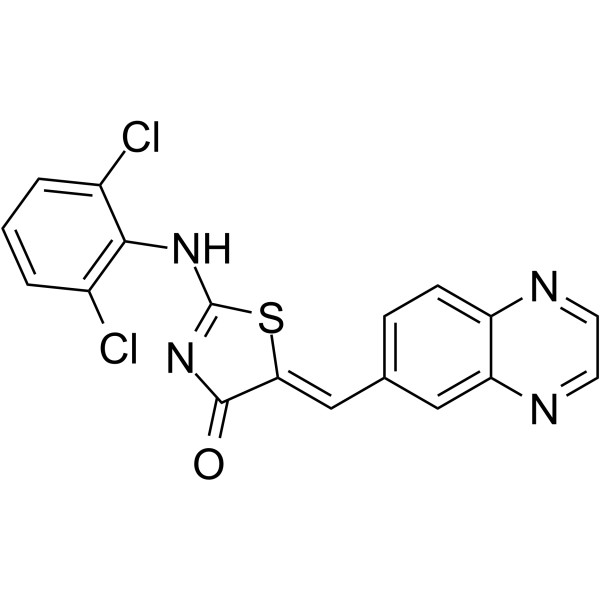
-
INDY
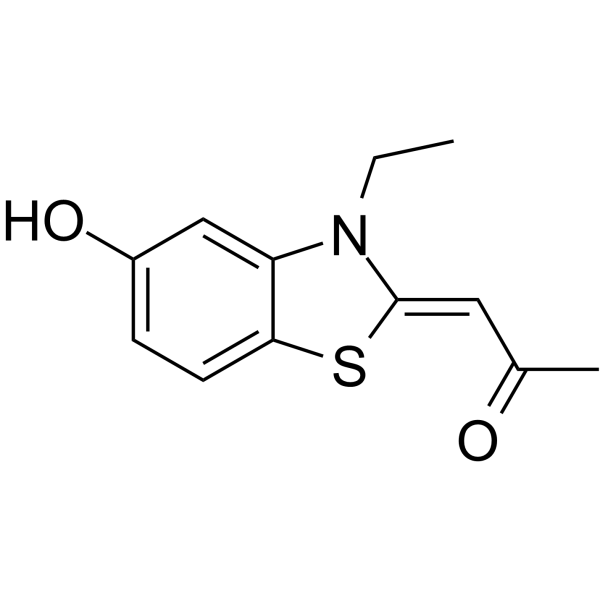 0 ImagesINDY is a potent and ATP-competitive Dyrk1A and Dyrk1B inhibitor with IC50s of 0.24 μM and 0.23 μM, respectively. INDY binds in the ATP pocket of the enzyme and has a Ki value of 0.18 μM for Dyrk1A. INDY sharply reduces the self-renewal capacity of normal and tumorigenic cells in primary Glioblastoma (GBM) cell lines and neural progenitor cells.
-
T025
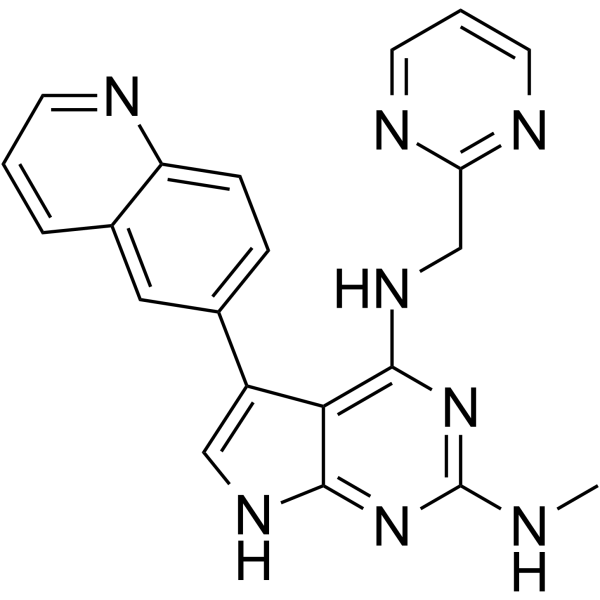 0 ImagesT025 is an orally active and highly potent inhibitor of Cdc2-like kinase (CLKs), with Kd values of 4.8, 0.096, 6.5, 0.61, 0.074, 1.5 and 32 nM for CLK1, CLK2, CLK3, CLK4, DYRK1A, DYRK1B and DYRK2, respectively. T025 induces caspase-3/7-mediated cell apoptosis. T025 reduces CLK-dependent phosphorylation. T025 exerts anti-proliferative activities in both hematological and solid cancer cell lines (IC50 values: 30-300 nM). T025 has an anti-tumor efficiency, mainly for MYC-driven disease research.
-
Leucettine L41
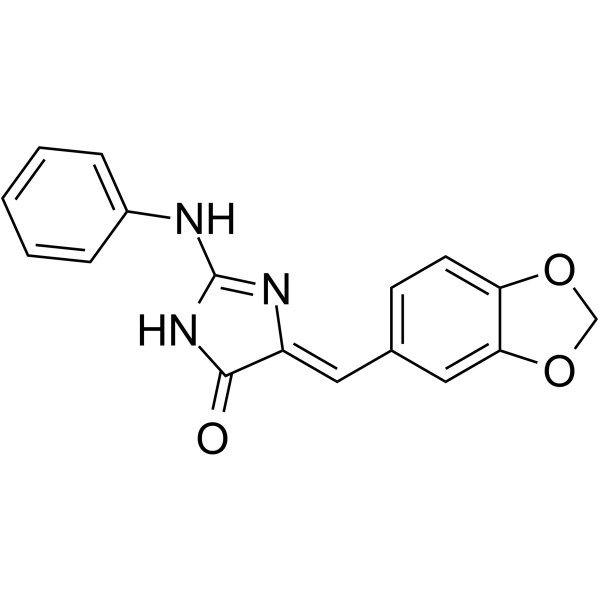 0 ImagesLeucettine L41 is a potent inhibitor of dual-specificity tyrosine phosphorylation-regulated kinases (DYRKs) and CDC-like kinases (CLKs). Leucettine L41 can also inhibit GSK-3 singnaling. Leucettine L41 can inhibit cell apoptosis and ROS production. Leucettine L41 can promote β-cell cell cycle progression, cell proliferation and increase insulin secretion. Leucettine L41 can be used for the researches of neurological disease and metabolic disease, such as Alzheimer’s disease (AD) and diabetes.
-
Dyrk1A-IN-4
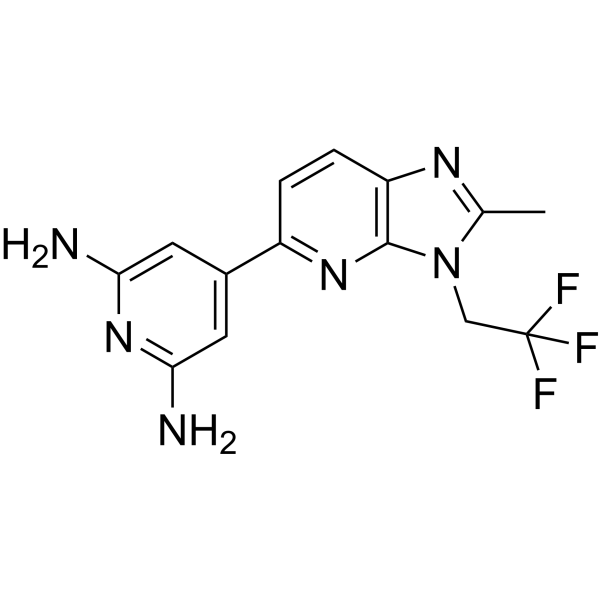 0 ImagesDyrk1A-IN-4 is a potent and orally active Dyrk1A inhibitor. Dyrk1A-IN-4 exhibits IC50s against DYRK1A and DYRK2 of 2 nM and 6 nM. Dyrk1A-IN-4 exhibits the inhibition of the DYRK1A pSer520 autophosphorylation in U2OS cells with an IC50 of 28 nM. Dyrk1A-IN-4 can be used for the studies of ovarian adenocarcinoma, neuroblastoma and cervical squamous cell carcinoma.