



Fungal
An antifungal agent is a drug that selectively eliminates fungal pathogens from a host with minimal toxicity to the host.
Classes: 1. Polyene Antifungal Drugs: Amphotericin, nystatin, and pimaricin interact with sterols in the cell membrane (ergosterol in fungi, cholesterol in humans) to form channels through which small molecules leak from the inside of the fungal cell to the outside. 2. Azole Antifungal Drugs: Fluconazole, itraconazole, and ketoconazole inhibit cytochrome P450-dependent enzymes (particularly C14-demethylase) involved in the biosynthesis of ergosterol, which is required for fungal cell membrane structure and function. 3. Allylamine and Morpholine Antifungal Drugs: lylamines (naftifine, terbinafine) inhibit ergosterol biosynthesis at the level of squalene epoxidase. The morpholine drug, amorolfine, inhibits the same pathway at a later step. 4. Antimetabolite Antifungal Drugs: 5-Fluorocytosine acts as an inhibitor of both DNA and RNA synthesis via the intracytoplasmic conversion of 5-fluorocytosine to 5-fluorouracil.
All Product Categories
-
Fungal Related Products (2750)
Related Products (2750)

-
Antibodies (1)
-
Related Compound Screening Libraries (1)
-
Omiganan, FITC labeled
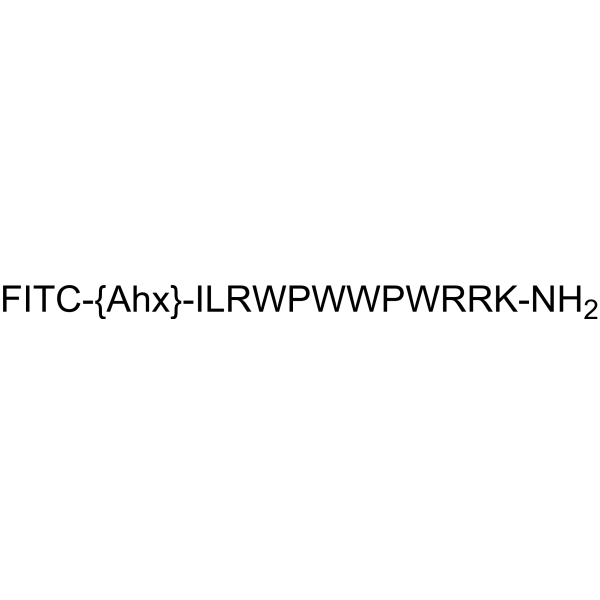 0 ImagesCat. No.: HY-P2292Purity: 98.20%Omiganan, FITC labeled is a peptide-FITC complex composed of Omiganan and a FITC. Omiganan is a bactericidal and fungicidal cationic peptide being developed as a topical gel for prevention of catheter-associated infections. FITC is a derivative of fluorescein for the labeling of amines.
-
Trigonelline (Standard)
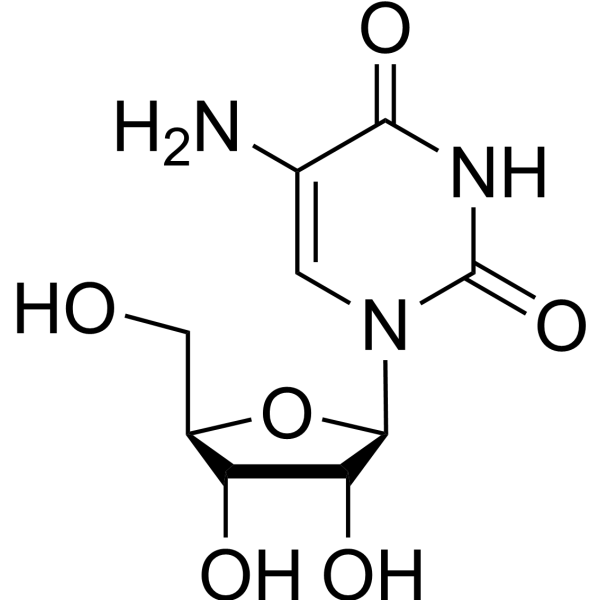
 0 ImagesTrigonelline (Standard) is the analytical standard of Trigonelline. This product is intended for research and analytical applications. Trigonelline is an alkaloid with potential antidiabetic activity that can be isolated from Trigonella foenum-graecum L or Leonurus artemisia. Trigonelline is a potent Nrf2 inhibitor that blocks Nrf2-dependent proteasome activity, thereby enhancing apoptosis in pancreatic cancer cells. Trigonelline also has anti-HSV-1, antibacterial, and antifungal activity and induces ferroptosis.
-
Posaconazole (Standard)
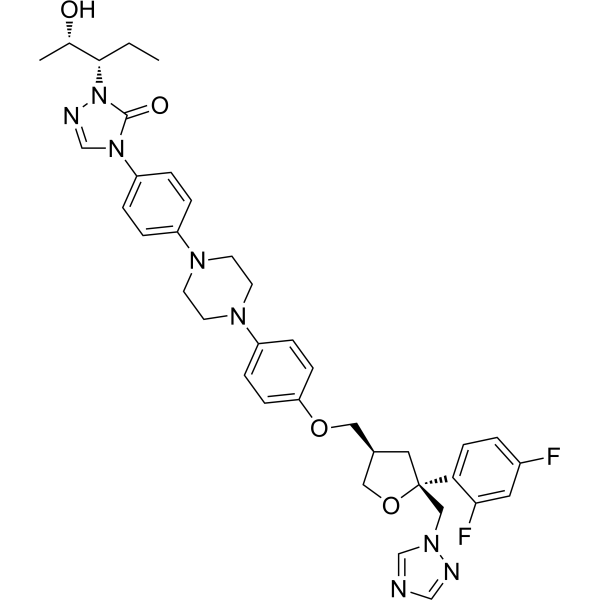 0 ImagesSynonyms: SCH 56592 (Standard)Posaconazole (Standard) is the analytical standard of Posaconazole. This product is intended for research and analytical applications. Posaconazole is a broad-spectrum, second generation, triazole compound with antifungal activity.
-
Fosravuconazole L-lysine ethanolate
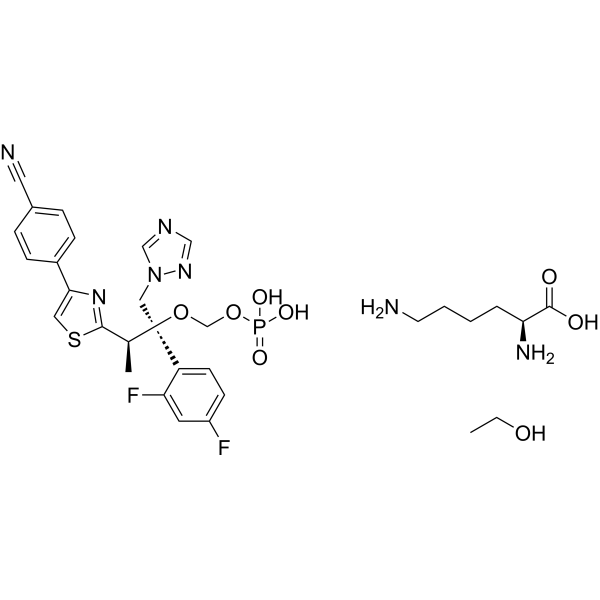 0 ImagesSynonyms: BMS-379224 L-lysine ethanolate; E-1224 L-lysine ethanolateFosravuconazole L-lysine ethanolate (BMS-379224 L-lysine ethanolate), a proagent of Ravuconazole, is an orally active broad spectrum antifungal agent. Fosravuconazole L-lysine ethanolate can be used for candidiasis, onychomycosis and parasitemia research.
-
Dimethomorph
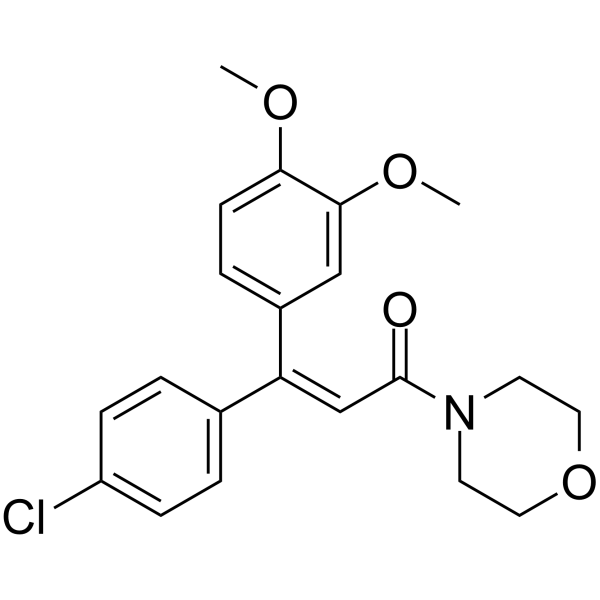 0 ImagesDimethomorph is a fungicide belongs to the fungicide group of sterol biosynthesis inhibitor. Dimethomorph can inhibit fungal cell wall formation. Dimethomorph also inhibits androgen receptor (AR) activity in MDA-kb2 cells with an IC20 of 0.263 µM.
-
Mafenide Acetate
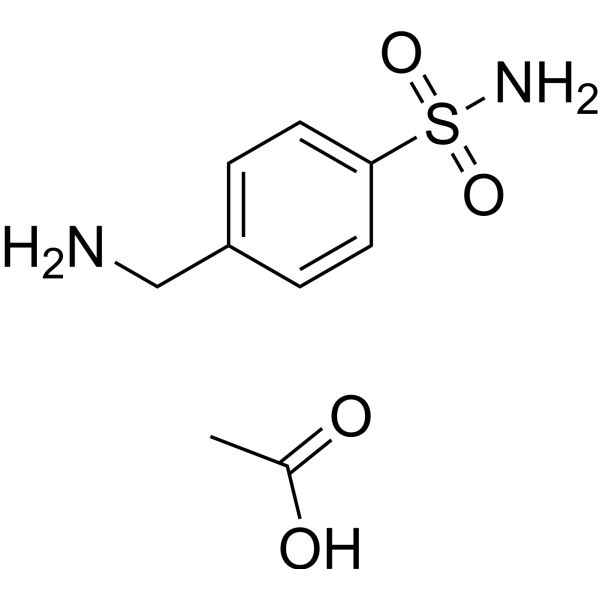 0 ImagesMafenide Acetate is a potent sulfonamide antimicrobial agent. Mafenide Acetate exhibits antibacterial activity against Staphylococcus aureus and Pseudomonas aeruginosa. Mafenide Acetate also exhibits antifungal activity against filamentous fungi (e.g., Lichtheimia and Aspergillus flavus). Mafenide Acetate can be used in the research of skin grafts on burn wounds, post-traumatic invasive fungal infections, and bacterially contaminated wounds.
-
Diflucortolone valerate
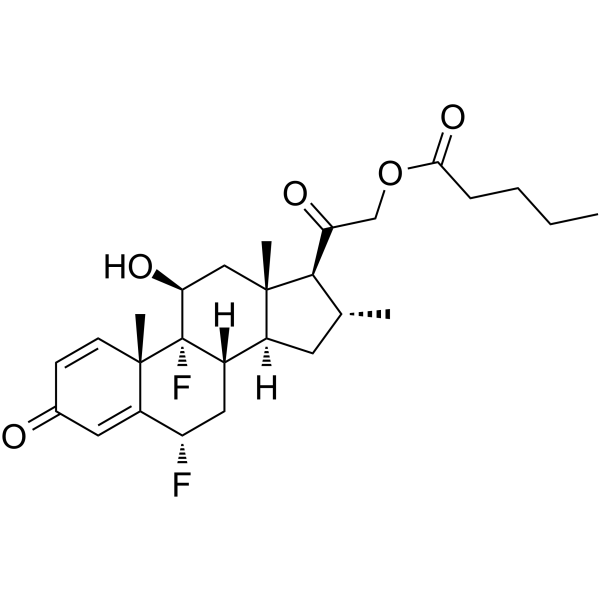 0 ImagesDiflucortolone valerate is a powerful corticosteroid used topically for the research of various skin diseases.
-
β-Amyrone
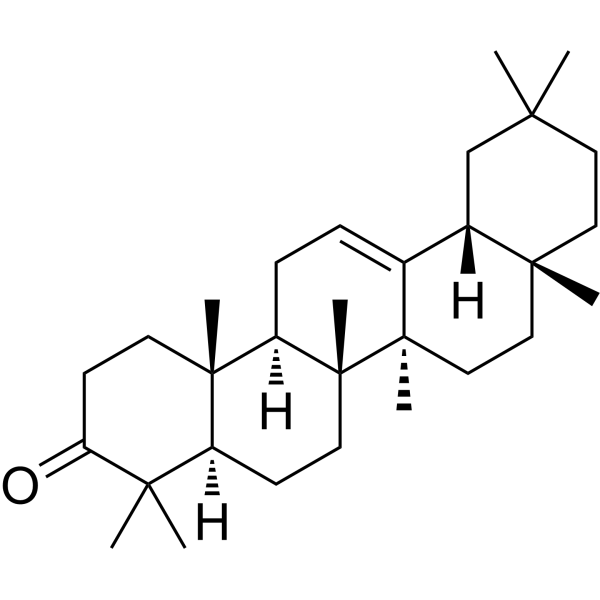 0 Imagesβ-Amyrone (β-Amyron) is a triterpene compound which has anti-inflammatory activity through inhibiting the expression of COX-2. β-Amyrone has antifungal activity , as well as antiviral activity against Chikungunya virus. β-Amyrone also inhibits α-glucosidase and acetylcholinesterase (AChE) activity. β-Amyrone can be used in the research of disease like inflammation, infection, and obesity.
-
Cerebroside B
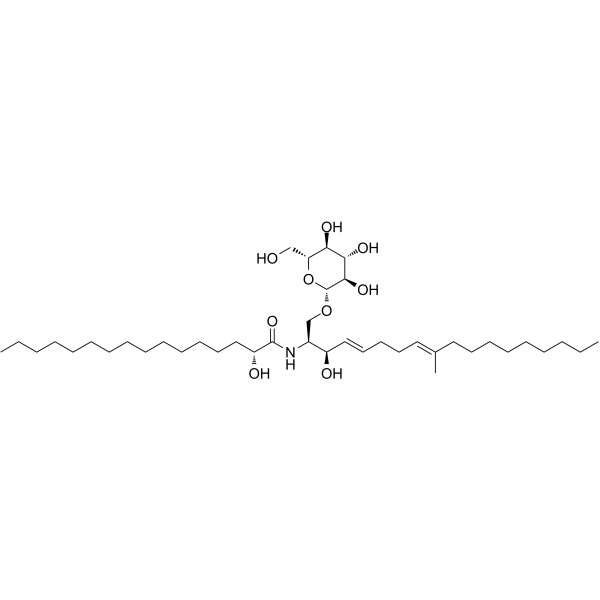 0 ImagesCerebroside B, a sphingolipid compound, is a non-racespecific elicitor, which elicits defense responses in rice.
-
Difenoconazole (Standard)
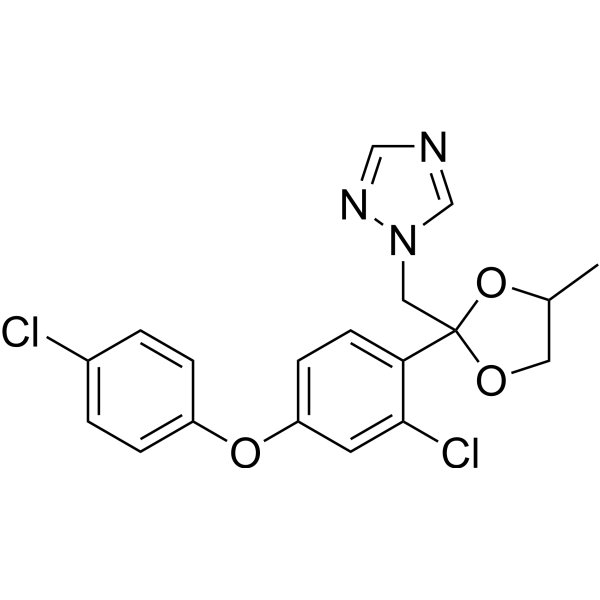 0 ImagesCat. No.: HY-B0850RCAS No.: 119446-68-3Difenoconazole (Standard) is the analytical standard of Difenoconazole. This product is intended for research and analytical applications. Difenoconazole is a sterol demethylation inhibitor, as a fungicide. Difenoconazole binds the heme portion of the fungal cytochrome P450 51, interferes the mycelial growth and inhibits the spore germination of pathogens, suppressing fungal growth.
-
Sulfometuron-methyl
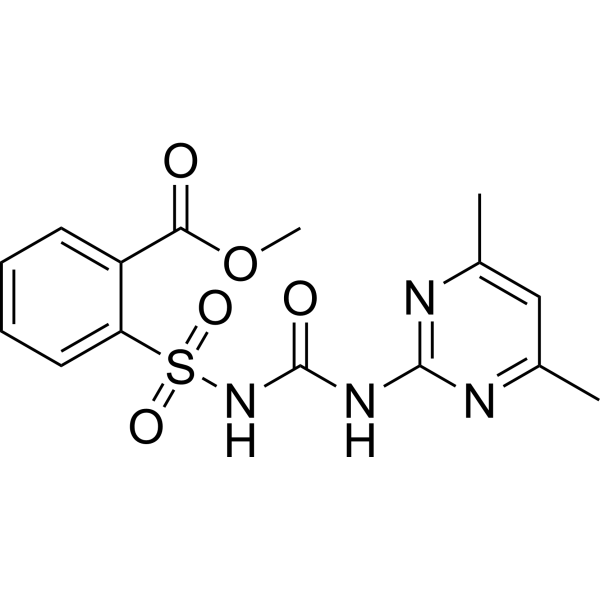 0 ImagesCat. No.: HY-B1852CAS No.: 74222-97-2Sulfometuron-methyl is a herbicide and also a powerful inhibitor of the enzyme acetolactate synthase (ALS). It exhibits antibacterial and antifungal activities, capable of inhibiting the activity of Salmonella. typhimurium ALS II and Escherichia. coli ALS III.
-
Mellein
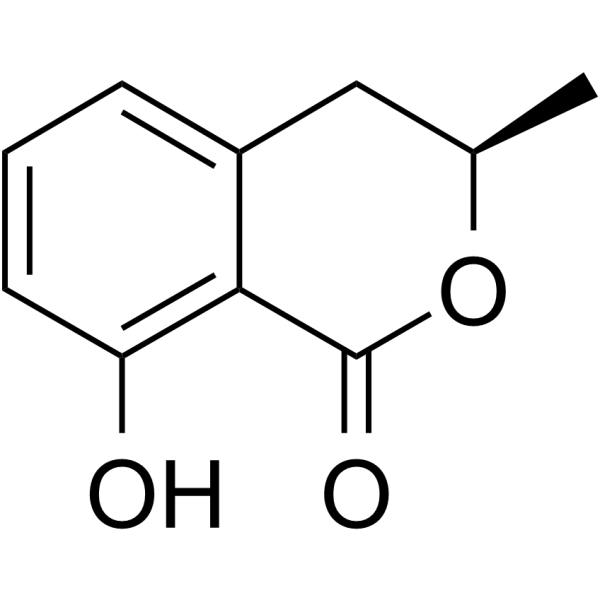 0 ImagesMellein ((R)-Mellein) is an isocoumarin compound with antibacterial activity. Mellein inhibits the activity of HCV Protease, disrupts the cell wall of Xanthomonas sp., and acts as an insect trail pheromone. Mellein is applicable to research related to fungal infections, bacterial infections, and hepatitis C virus infections.
-
Hyperoside (Standard)
 0 ImagesSynonyms: Quercetin 3-O-galactoside (Standard); Quercetin 3-O-β-D-galactopyranoside (Standard)Hyperoside (Standard) is the analytical standard of Hyperoside. This product is intended for research and analytical applications. Hyperoside is a NF-κB inhibitor, found from Hypericum monogynum. Hyperoside shows anti-tumor, antifungal, anti-inflammatory, anti-viral, and anti-oxidative activities, and can induce apoptosis.
-
Skatole-d8
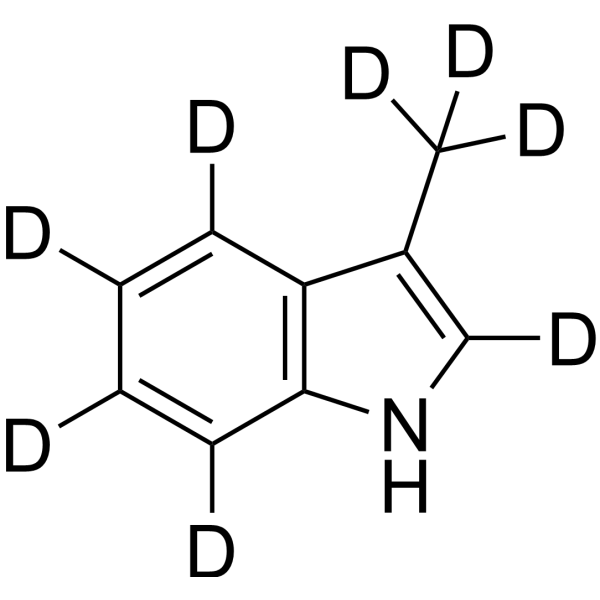 0 ImagesSynonyms: 3-Methylindole-d8; 3-Methyl-1H-indole-d8Skatole-d8 is the deuterium labeled Skatole. Skatole is produced by intestinal bacteria, regulates intestinal epithelial cellular functions through activating aryl hydrocarbon receptors and p38.
-
Fuberidazole
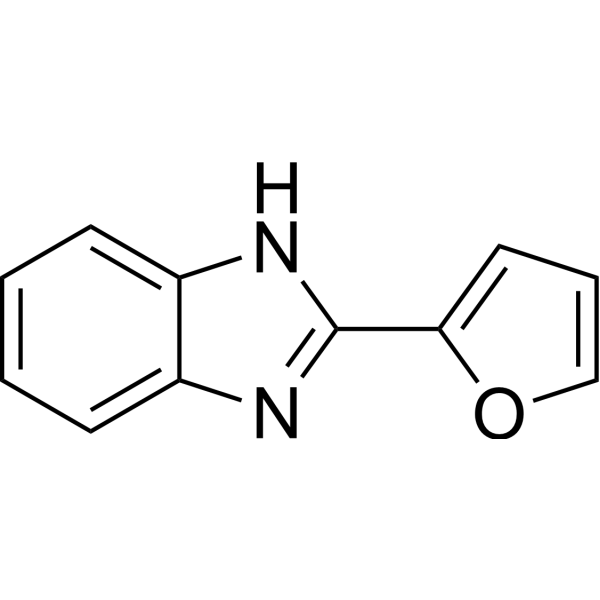 0 ImagesFuberidazole (BAY 33172; Furidazole) is a fungicide. Fuberidazole shows a synergistic effect with cucurbituril (CB) macromolecules, such as CB7 and CB8. Studies have shown that, CB8 induces pKa shifts on Fuberidazole. Fuberidazole significantly inhibits the growth of B. cinerea.
-
HWY-289
 0 ImagesHWY-289 is a semisynthetic protoberberine derivative, has broad-spectrum and potent activities against phytopathogenic fungi, particularly Botrytis cinerea (EC50 = 1.34 μg/mL). HWY-289 changes the morphology of the mycelium and the internal structure of cells. HWY-289 reduces ATP content, ATPase activities, and key enzyme activities in the TCA cycle.
-
Heraclenin
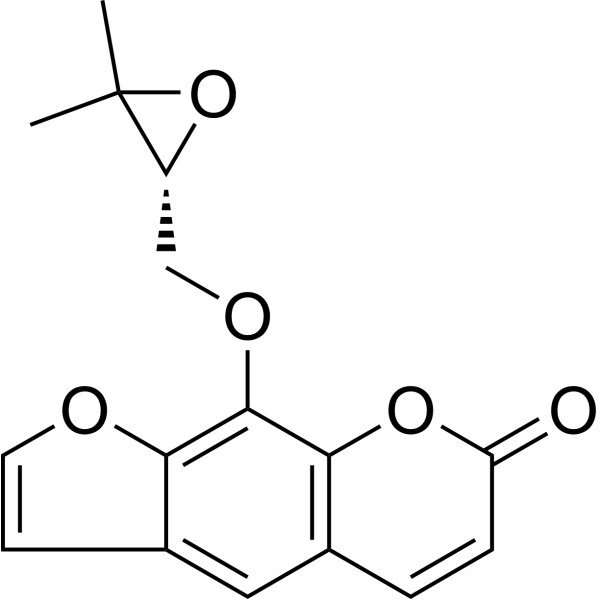 0 ImagesHeraclenin is a linear furanocoumarin natural product. Heraclenin binds to the type III effector protein XopQ and chitin deacetylase, exhibits antibacterial activity against Xanthomonas oryzae pv. oryzae, and displays antifungal activity against Colletotrichum lindemuthianum. Heraclenin stimulates Runx2 mRNA expression, induces osteoblast differentiation and mineralization. Heraclenin induces Chk1 phosphorylation, G2/M cell cycle arrest, DNA fragmentation, apoptosis, chromosomal aberrations, sister chromatid exchange, and inhibits proliferation. Heraclenin can be used for research on osteoporosis, melanoma, T-cell lymphoma, and leukemia.
-
2-Cyanothioacetamide
 0 Images2-Cyanothioacetamide is an antimicrobial agent with activity against Gram-positive bacteria, Gram-negative bacteria, and fungi. 2-Cyanothioacetamide inhibits essential microbial enzymes and disrupts microbial cell membrane integrity.2-Cyanothioacetamide can be used for the research of bacterial infections and fungal infections.
-
SMAP-29
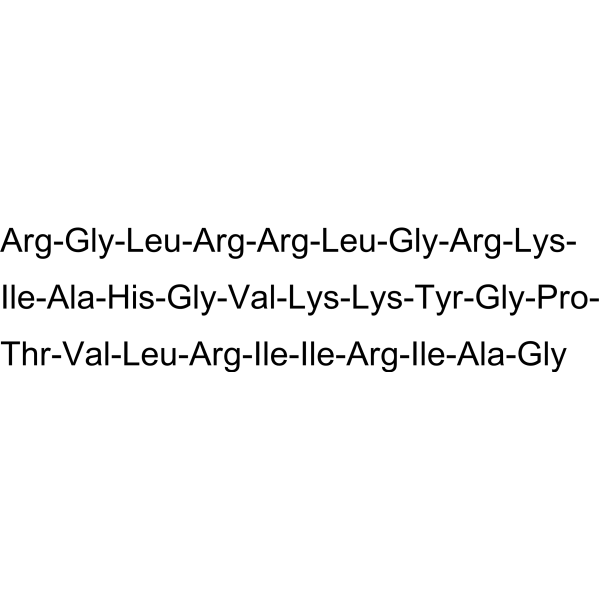 0 ImagesSMAP‑29 is a cathelicidin antimicrobial peptide with LPS‑binding and anti‑inflammatory properties. SMAP‑29 exerts broad‑spectrum antimicrobial activity against bacteria, fungi and multidrug‑resistant isolates. SMAP‑29 kills pathogens by permeabilizing bacterial membranes, inducing depolarization and cell lysis, and also inhibits inflammatory cytokines while reducing lethality in septic shock and pneumonia models. SMAP-29 can be used for research on bacterial infections, drug-resistant infections, septic shock.




