Fungal
An antifungal agent is a drug that selectively eliminates fungal pathogens from a host with minimal toxicity to the host.
Classes: 1. Polyene Antifungal Drugs: Amphotericin, nystatin, and pimaricin interact with sterols in the cell membrane (ergosterol in fungi, cholesterol in humans) to form channels through which small molecules leak from the inside of the fungal cell to the outside. 2. Azole Antifungal Drugs: Fluconazole, itraconazole, and ketoconazole inhibit cytochrome P450-dependent enzymes (particularly C14-demethylase) involved in the biosynthesis of ergosterol, which is required for fungal cell membrane structure and function. 3. Allylamine and Morpholine Antifungal Drugs: lylamines (naftifine, terbinafine) inhibit ergosterol biosynthesis at the level of squalene epoxidase. The morpholine drug, amorolfine, inhibits the same pathway at a later step. 4. Antimetabolite Antifungal Drugs: 5-Fluorocytosine acts as an inhibitor of both DNA and RNA synthesis via the intracytoplasmic conversion of 5-fluorocytosine to 5-fluorouracil.
All Product Categories
-
Fungal Related Products (2769)
Related Products (2769)

-
Antibodies (1)
-
Related Compound Screening Libraries (1)
-
Ethyl nonanoate
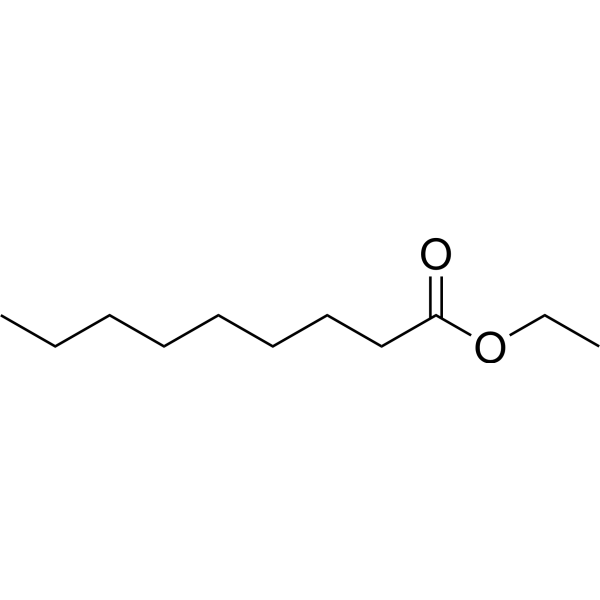 0 ImagesEthyl nonanoate is an orally active medium-chain fatty acid ethyl ester and aroma compound present in Laimao baijiu, cachaca, and distilled spirits. Ethyl nonanoate is catalytically converted to azelaic acid as a nonanoic acid precursor derivative with cytotoxicity. Ethyl nonanoate is used as a food flavoring agent. Ethyl nonanoate exhibits antifungal activity.
-
2,4-Di-tert-butylphenol-d21
 0 ImagesCat. No.: HY-W749327CAS No.: 1413431-25-0Synonyms: 2,4-DTBP-d212,4-Di-tert-butylphenol-d21 (2,4-DTBP-d21) is the deuterium labeled 2,4-Di-tert-butylphenol (HY-W014589). 2,4-Di-tert-butylphenol (2,4-DTBP) is an orally active RXRα activator and a human estrogen receptor ligand with anti-inflammatory and antioxidant activities, which can induce apoptosis in tumor cells. 2,4-Di-tert-butylphenol can activate the RXRα subtype in LXRα/RXRα, PPARγ/RXRα, and hormone receptor β/RXRα. 2,4-Di-tert-butylphenol also has antiviral and antifungal activities and has the potential to inhibit Aβ-induced neurotoxicity. 2,4-Di-tert-butylphenol can be used as an intermediate in the preparation of antioxidants and UV stabilizers, and is also used in the manufacture of drugs and fragrances.
-
Itraconazole-d9
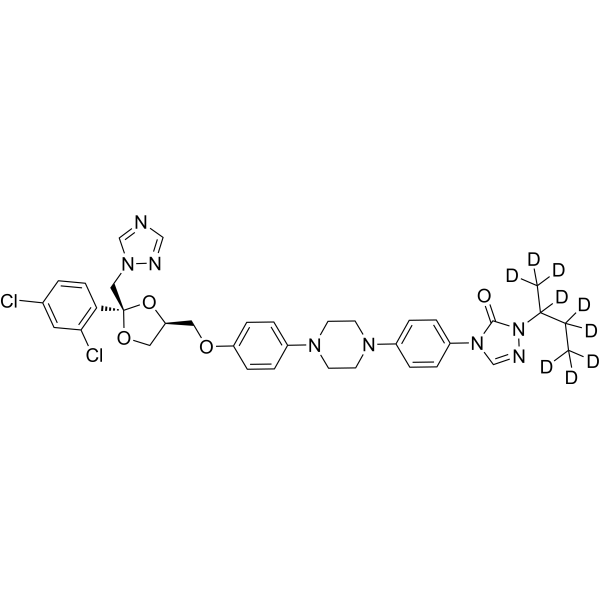 0 ImagesCat. No.: HY-17514S2CAS No.: 1309272-50-1Synonyms: R51211-d9Itraconazole-d9 is the deuterium labeled Itraconazole. Itraconazole (R51211) is a triazole antifungal agent and a potent and orally active Hedgehog (Hh) signaling pathway antagonist with an IC50 of ~800 nM. Itraconazole potently inhibits lanosterol 14α-demethylase (cytochrome P450 enzyme), thereby inhibits the oxidative conversion of lanosterol to ergosterol. Itraconazole has anticancer and antiangiogenic effects. Itraconazole is a oxysterol-binding protein (OSBP) inhibitor.
-
Lipoxamycin
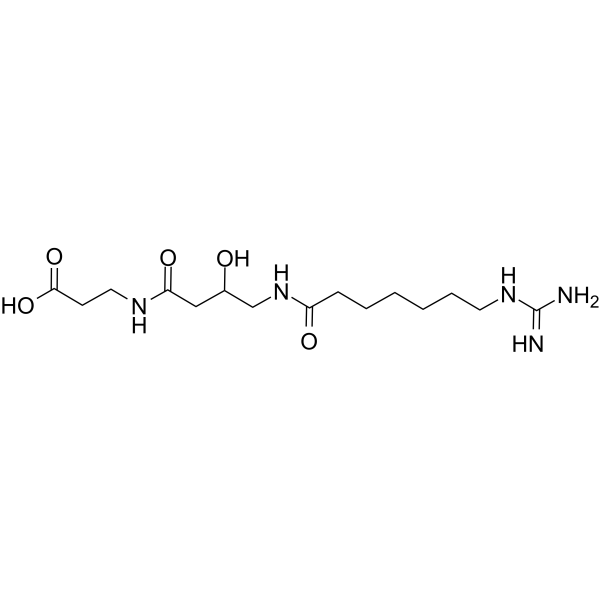
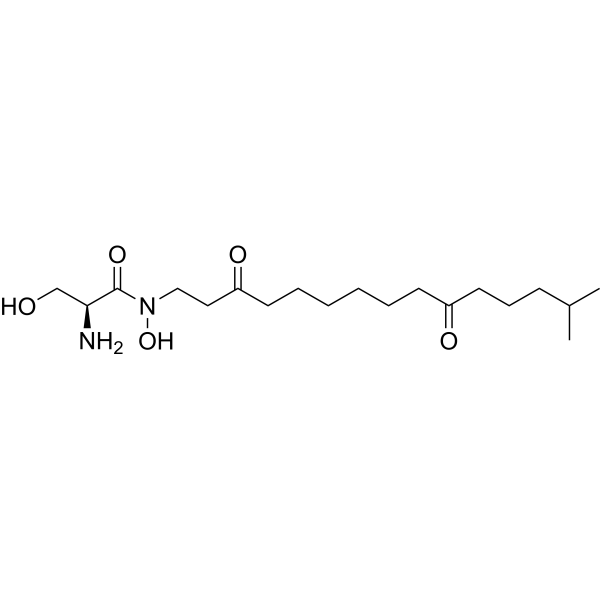 0 ImagesCat. No.: HY-119759CAS No.: 32886-15-0Lipoxamycin is an antifungal antibiotic and a potent serine palmitoyltransferase inhibitor with an IC50 of 21 nM.
-
PTD-N5-1
 0 ImagesCat. No.: HY-P11003CAS No.: 2088834-68-6PTD-N5-1 is an IRF5 inhibitory peptide. PTD-N5-1 blocks the activation of IRF5. PTD-N5-1 inhibits β-glucan-induced IL-12 production in bone marrow-derived dendritic cells pre-stimulated with IFN-γ. PTD-N5-1 reduces the levels of IL-12 and IFN-γ in the kidneys of mice with Candida albicans infection. PTD-N5-1 is applicable to the research of Candida albicans infection.
-
Kanosamine hydrochloride
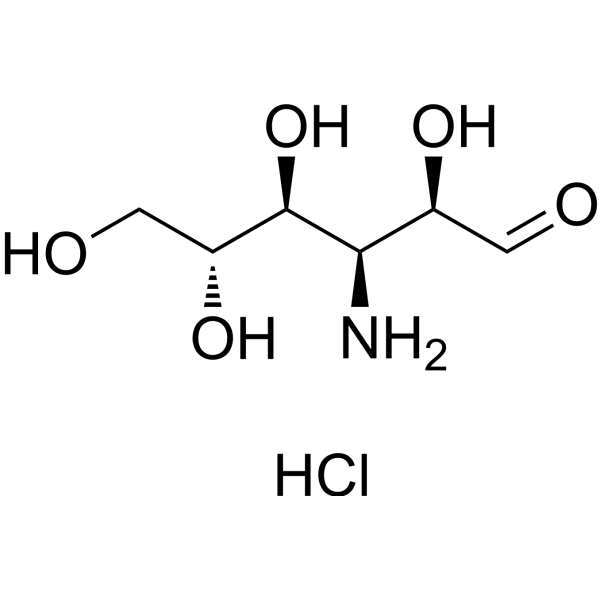 0 ImagesKanosamine hydrochloride is an antibiotic which inhibits the growth of plant-pathogenic oomycetes, certain fungi and a few bacterial species. Kanosamine inhibits Phytophthora medicaginis M2913 and Aphanomyces euteiches WI-98 with MICs of 25 and 60 μg/mL, respectively.
-
Goniothalamin
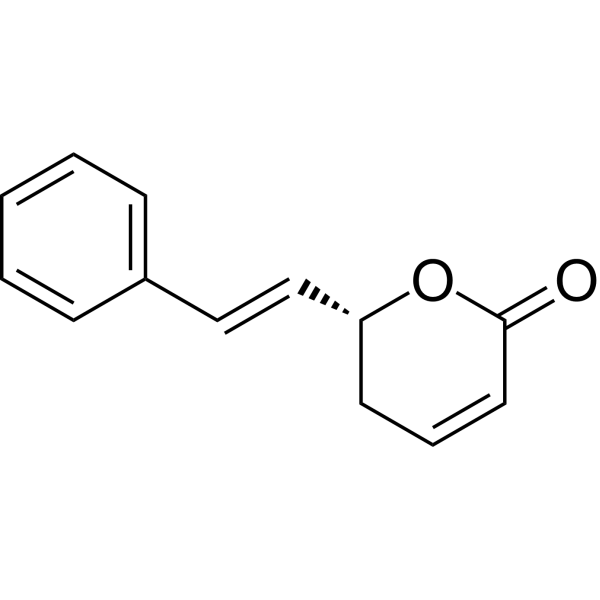 0 ImagesSynonyms: GTN; (R)-(+)-GoniothalaminGoniothalamin (GTN) is a styryl lactone. Goniothalamin exhibits insecticidal, anti-tumor and antibacterial activities. Goniothalamin induces cell cycle arrest and apoptosis in tumor cells. Goniothalamin acts as a larvicide against Culex quinquefasciatus larvae and as a cytotoxin against brine shrimp larvae. Goniothalamin functions as an antibacterial agent against Gram-positive and Gram-negative bacteria, and also acts as an antifungal agent against pathogens including Candida albicans, Trichophyton rubrum and Trichophyton mentagrophytes. Goniothalamin is applicable to research related to breast cancer, lymphatic filariasis, bacterial infections and fungal infections.
-
Jelleine-I
 0 ImagesJelleine-I is an antimicrobial peptide. Jelleine-I can be purified from royal jelly of honeybees. Jelleine-I exhibits antimicrobial activities against yeast, fungi, Gram-positive and Gram-negative bacteria.
-
Neoschaftoside
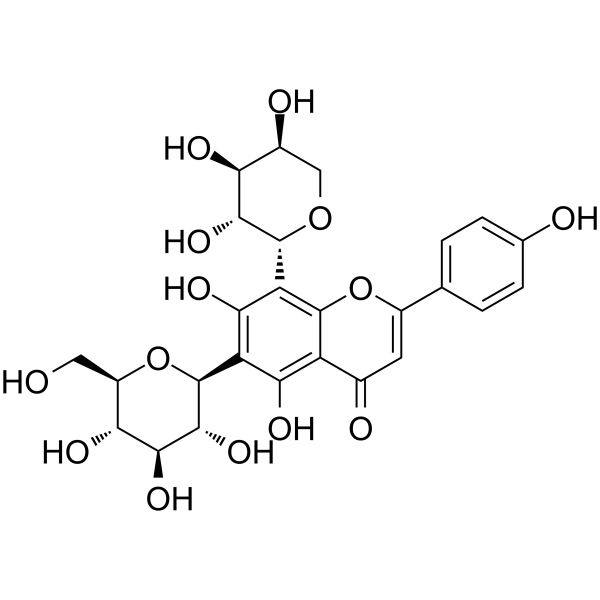 0 ImagesNeoschaftoside is a C-glycosyl flavonoid EGFR modulator, antifungal agent, and piercing-sucking stimulant for planthoppers. Neoschaftoside forms stable EGFR complexes, restricts global protein movement, enhances related dynamic processes, and inhibits tumor progression. Neoschaftoside interacts with EGFR core regulatory genes associated with lung cancer. Neoschaftoside inhibits Botrytis cinerea. Neoschaftoside can be used in research related to lung cancer and Botrytis cinerea infections.
-
Voriconazole N-oxide
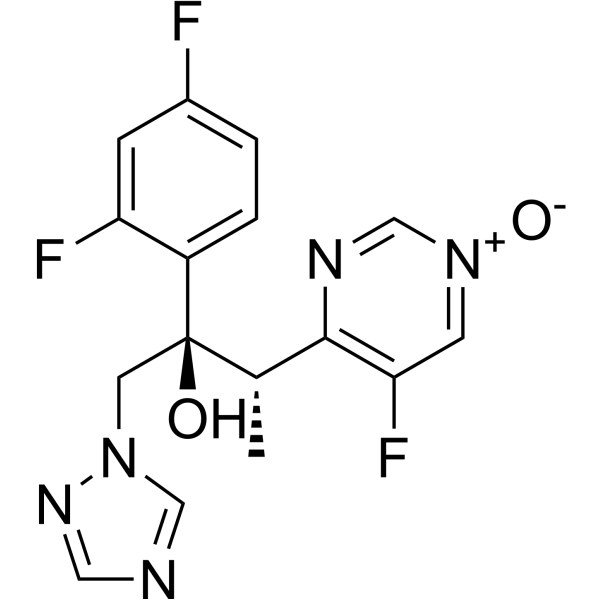 0 ImagesCat. No.: HY-137989CAS No.: 618109-05-0Synonyms: Voriconazole oxynitrideVoriconazole N-oxide (Voriconazole oxynitride) is a potent antifungal agent. Voriconazole N-oxide has phototoxicity and photocarcinogenicity. Voriconazole N-oxide does not sensitize keratinocytes to ultraviolet B (UVB).
-
Undecanoic acid-d21
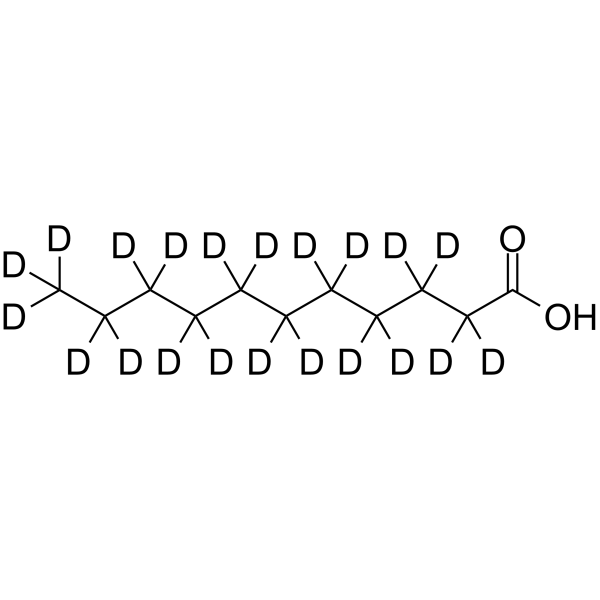 0 ImagesSynonyms: Undecanoate-d21; Hendecanoic acid-d21Undecanoic acid-d21 (Undecanoate-d21) is the deuterium labeled Undecanoic acid (HY-W004282). Undecanoic acid is a monocarboxylic acid with antifungal property. Undecanoic acid inhibits the production of exocellular keratinase, lipase and the biosynthesis of several phospholipids in T. rubrum.
-
Nimbin
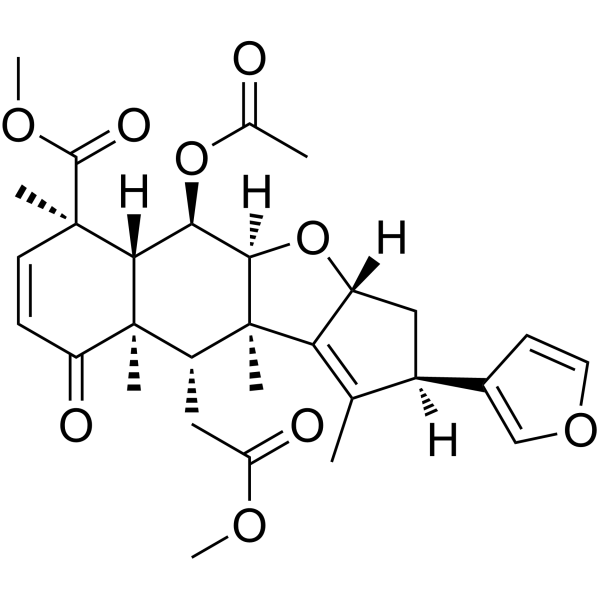 0 ImagesNimbin is an orally active intermediate limonoid found in Azadirachta. Nimbin prevents tau aggregation and increases cell viability. Nimbin is effective inhibits the envelope protein of dengue virus. Nimbin has anti-inflammatory, antipyretic, antifungal, antihistamine, antiseptic, antioxidant, anti-cancer and anti-viral properties. Nimbin is promising for research of neurodegenerative diseases and viral infections.
-
Di-O-methylhonokiol
 0 ImagesDi-O-methylhonokiol is a natural phenolic compound that can be isolated from magnolia flowers. Di-O-methylhonokiol has significant antibacterial activity against Gram-positive bacteria, acid-fast bacilli, and yeast-like and filamentous fungi. Di-O-methylhonokiol can be used in the study of fungal infections.
-
Potassium sorbate (Standard)
 0 ImagesSynonyms: Sorbic acid potassium (Standard)Potassium sorbate (Standard) is the analytical standard of Potassium sorbate. This product is intended for research and analytical applications. Potassium sorbate (Sorbic acid potassium) is an antibacterial preservative effective against most molds, yeasts, and some bacterial species. Potassium sorbate inhibits microbial growth. Potassium sorbate suppresses the activity of intestinal microorganisms in zebrafish, alters the composition of intestinal flora, and reduces the levels of intestinal immune biomarkers, including IgG, IL-1β, and TNF-α. Potassium sorbate can be used in research on the prevention and treatment of mold, yeast, and bacterial infections.
-
Amphotericin B (Standard)
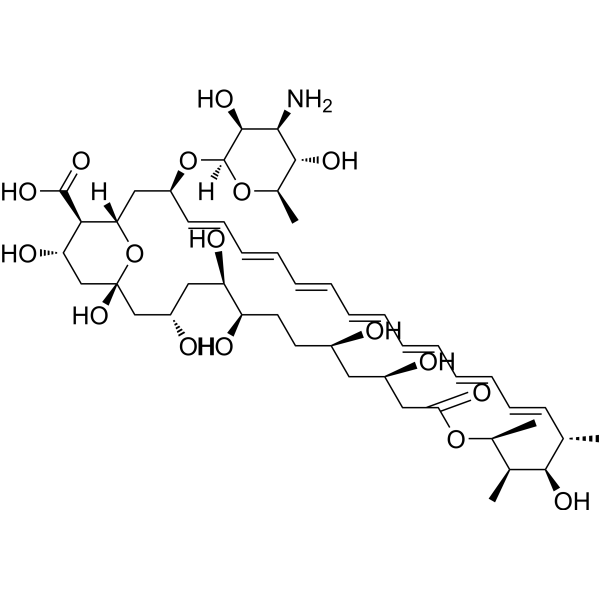 0 ImagesAmphotericin B (Standard) is the analytical standard of Amphotericin B. This product is intended for research and analytical applications. Amphotericin B is a polyene antifungal agent against a wide variety of fungal pathogens. It binds irreversibly to ergosterol, resulting in disruption of membrane integrity and ultimately cell death.
-
Dehydro-α-lapachone
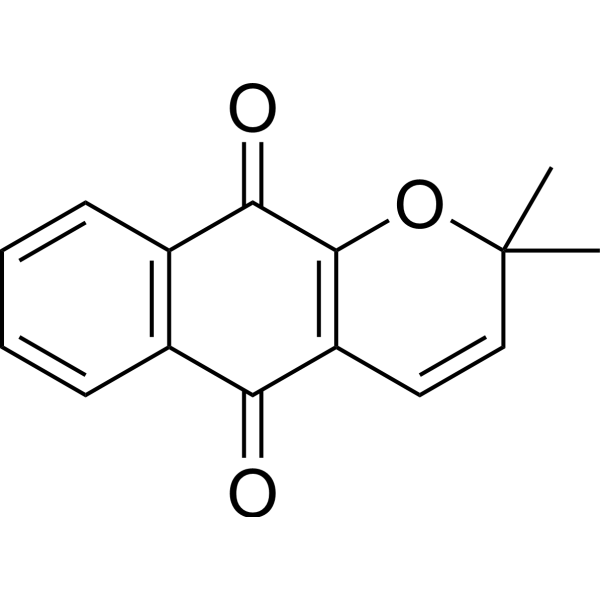 0 ImagesDehydro-α-lapachone can be isolated from the methanol extract of stems of Catalpa ovata G Don. Dehydro-α-lapachone inhibits mycelial growth of Botrytis cinerea with IC50 value 0.41 mg/L.