



IRE1 Inhibitor
-
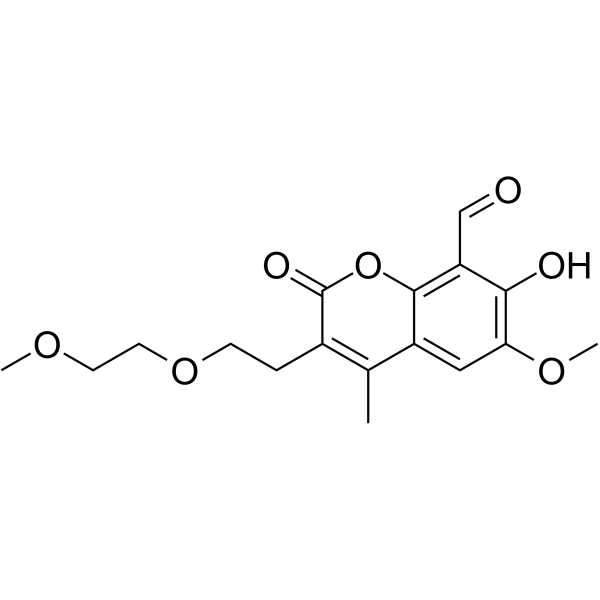
MKC9989
 0 Images
MKC9989 is a Hydroxy aryl aldehydes (HAA) inhibitor and also inhibits IRE1α with an IC50 of 0.23 to 44 μM.
-
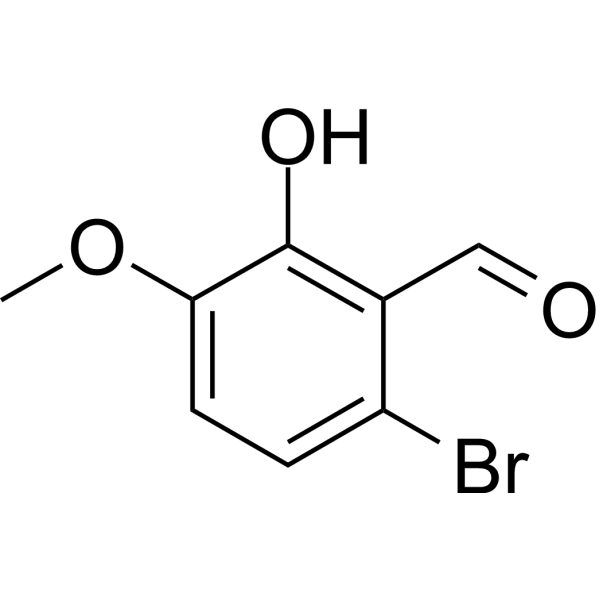
6-Bromo-2-hydroxy-3-methoxybenzaldehyde
 0 ImagesSynonyms: NSC95682
6-Bromo-2-hydroxy-3-methoxybenzaldehyde (NSC95682) (Compound 3-5) is a selective and potent IRE-1α inhibitor with an IC50 value of 0.08 μM. 6-Bromo-2-hydroxy-3-methoxybenzaldehyde can be used for research on diseases associated with the unfolded protein response (UPR), such as cancer and autoimmune diseases.
-
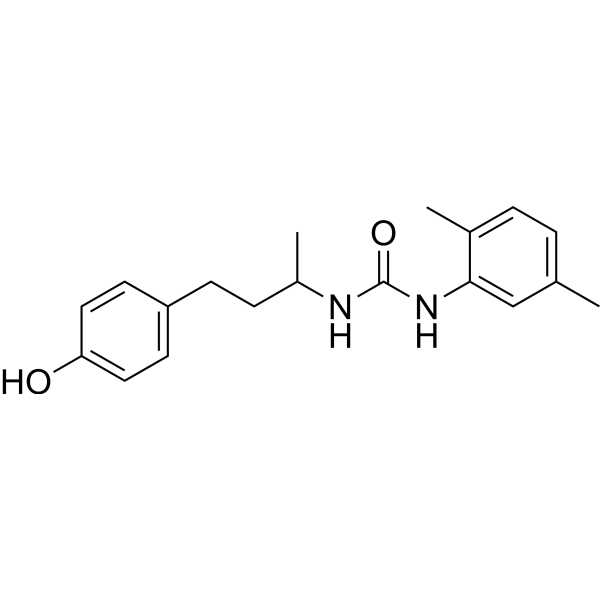
Z4P
 0 Images
Z4P is a BBB-penetrable IRE1 inhibitor with an IC50 of 1.13 μM. Z4P in combination with Temozolomide (HY-17364) inhibits the growth and recurrence of glioblastoma and has anti-tumor activity.
-
FC-116
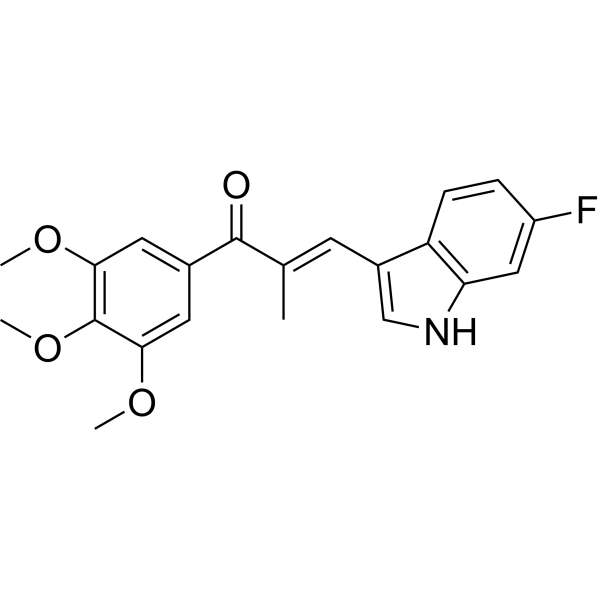 0 Images
FC-11 is a tubulin inhibitor. FC-116 inhibits the proliferation of colorectal cancer (CRC) cells, with IC50 values of 4.52 nM for HCT116 cells and 18.69 nM for CT26 cells. FC-11 can induce ER stress to generate excess ROS, leading to mitochondrial damage, thereby promoting apoptosis in colorectal cancer (CRC) cells by targeting microtubules. FC-116 exerts potent anti-tumor effects in vivo. FC-11 can be used for the study of colorectal cancer.
-
Sunitinib glucuronate
 0 ImagesCat. No.: HY-10255CCAS No.: 1818285-48-1Synonyms: SU 11248 glucuronate
Sunitinib (SU 11248) glucuronate is a multi-targeted receptor tyrosine kinase inhibitor with IC50s of 80 nM and 2 nM for VEGFR2 and PDGFRβ, respectively. Sunitinib glucuronate, an ATP-competitive inhibitor, effectively inhibits autophosphorylation of Ire1α by inhibiting autophosphorylation and consequent RNase activation.
-
Sunitinib-d10
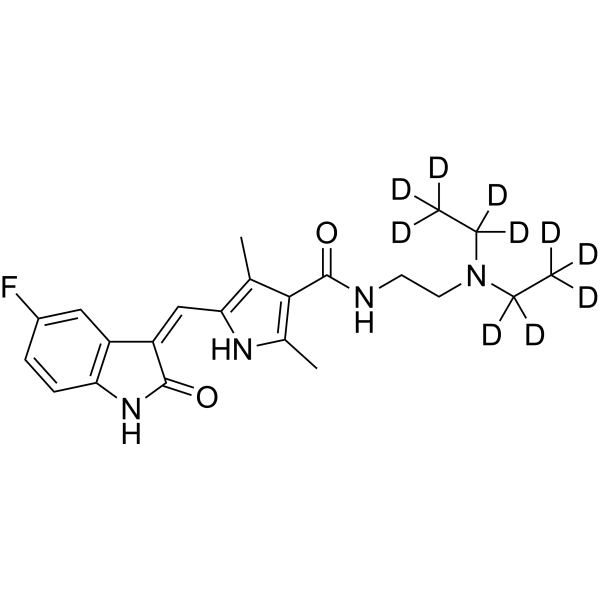 0 ImagesSynonyms: SU 11248-d10
Sunitinib-d10 (SU 11248-d10) is a deuterium labeled Sunitinib. Sunitinib is a multi-targeted receptor tyrosine kinase inhibitor with IC50s of 80 nM and 2 nM for VEGFR2 and PDGFRβ, respectively. Sunitinib, an ATP-competitive inhibitor, effectively inhibits autophosphorylation of Ire1α by inhibiting autophosphorylation and consequent RNase activation.

-
Sunitinib Malate (Standard)
 0 ImagesCat. No.: HY-10255RCAS No.: 341031-54-7Synonyms: SU 11248 Malate (Standard)
Sunitinib (Malate) (Standard) is the analytical standard of Sunitinib (Malate). This product is intended for research and analytical applications. Sunitinib Malate (SU 11248 Malate) is a multi-targeted receptor tyrosine kinase inhibitor with IC50s of 80 nM and 2 nM for VEGFR2 and PDGFRβ, respectively. Sunitinib Malate, an ATP-competitive inhibitor, effectively inhibits autophosphorylation of Ire1α by inhibiting autophosphorylation and consequent RNase activation.
-
Sunitinib (Standard)
 0 ImagesCat. No.: HY-10255ARCAS No.: 557795-19-4Synonyms: SU 11248 (Standard)
Sunitinib (Standard) is the analytical standard of Sunitinib. This product is intended for research and analytical applications. Sunitinib (SU 11248) is a multi-targeted receptor tyrosine kinase inhibitor with IC50s of 80 nM and 2 nM for VEGFR2 and PDGFRβ, respectively. Sunitinib, an ATP-competitive inhibitor, effectively inhibits autophosphorylation of Ire1α by inhibiting autophosphorylation and consequent RNase activation.
-
GSK2850163 hydrochloride
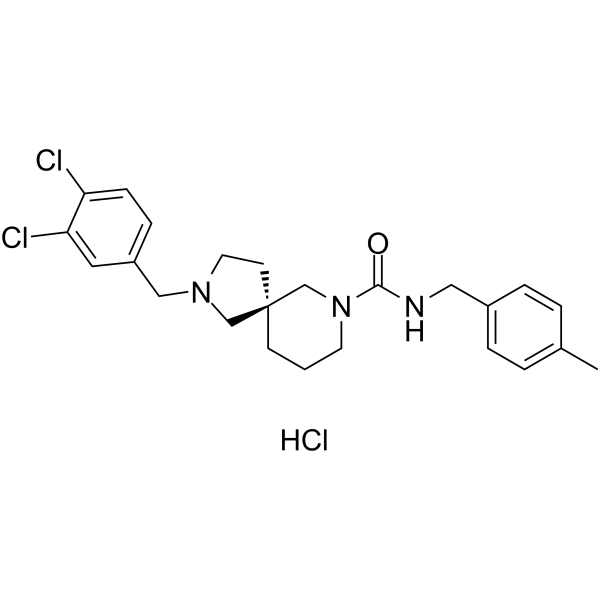 0 ImagesCat. No.: HY-U00459BCAS No.: 2319838-09-8Synonyms: GSK163 hydrochloride
GSK2850163 hydrochloride is a novel inhibitor of inositol-requiring enzyme-1 alpha (IRE1α) which can inhibit IRE1α kinase activity and RNase activity with IC50s of 20 and 200 nM, respectively.
-
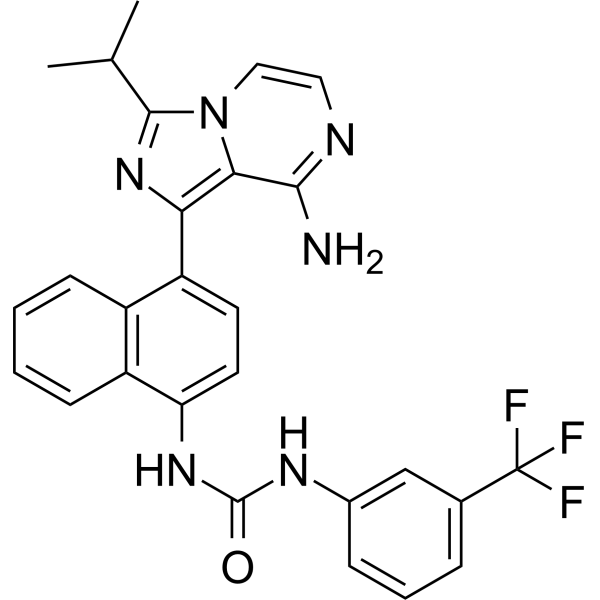
Kira8 Hydrochloride
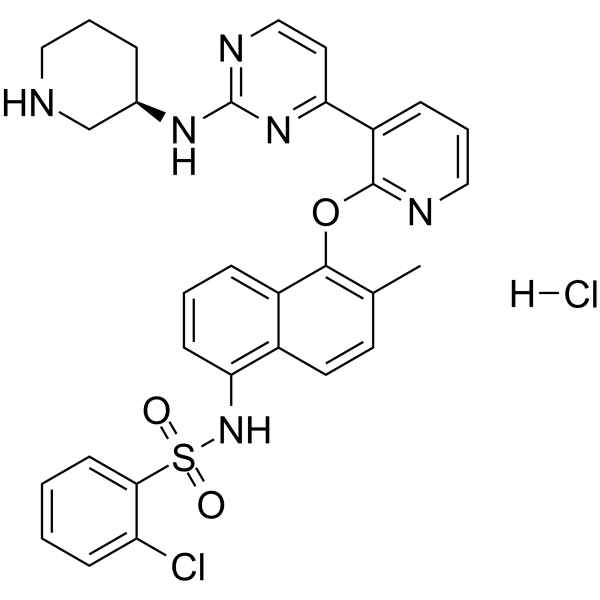 0 ImagesSynonyms: AMG-18 Hydrochloride
Kira8 Hydrochloride (AMG-18 Hydrochloride) is a mono-selective IRE1α inhibitor that allosterically attenuates IRE1α RNase activity with an IC50 of 5.9 nM.
-
IRE1α kinase-IN-6
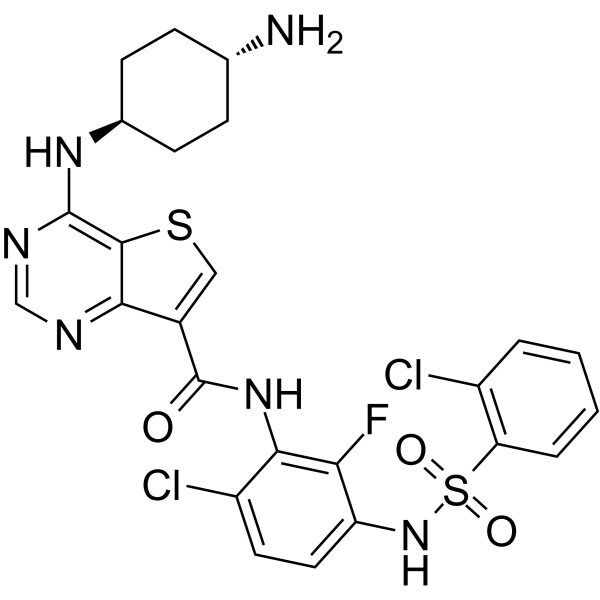 0 ImagesCat. No.: HY-142659CAS No.: 2715123-88-7
IRE1α kinase-IN-6 is a potent IRE1α inhibitor with an IC50 value of 4.4 nM.
-
IRE1a-IN-2
 0 ImagesCat. No.: HY-158393CAS No.: 3033375-24-2
-
IRE1a-IN-1
 0 ImagesCat. No.: HY-158386CAS No.: 3033375-01-5
-
IRE1α kinase-IN-9
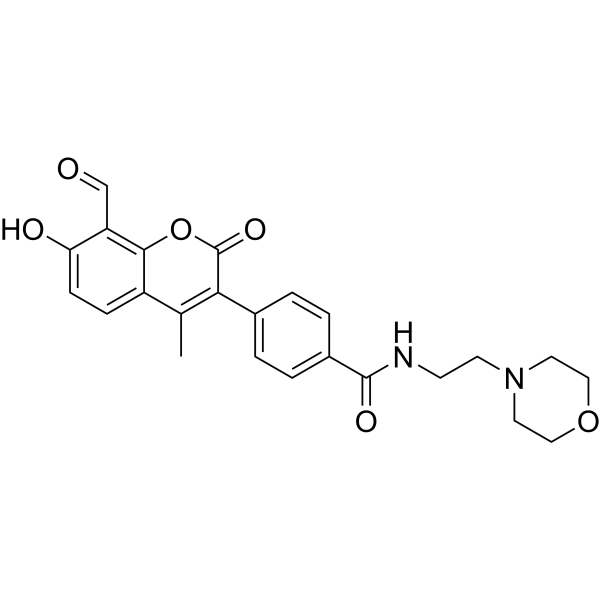 0 ImagesCat. No.: HY-153475CAS No.: 1338933-30-4
IRE1α kinase-IN-9 (compound 2) is a potent IRE-1α inhibitor,exhibits an average IC50 value of <0.1 μM. IRE1α kinase-IN-9 can be used for research in diseases associated with the unfolded protein response or with regulated IRE1-dependent decay (RIDD).

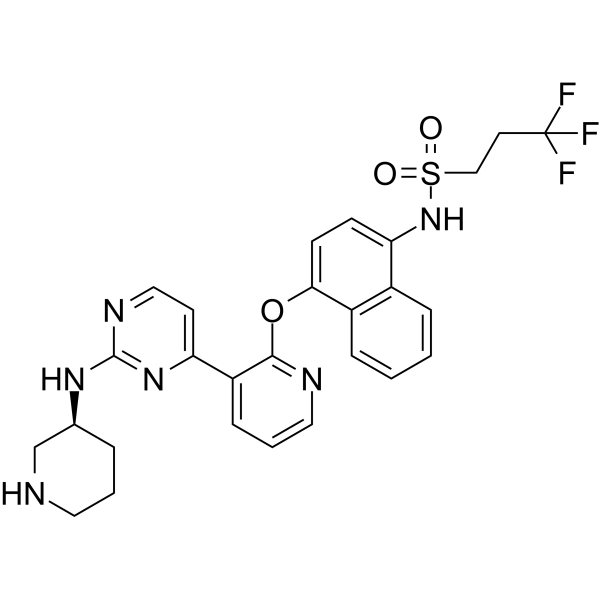
-
IRE1α kinase-IN-4
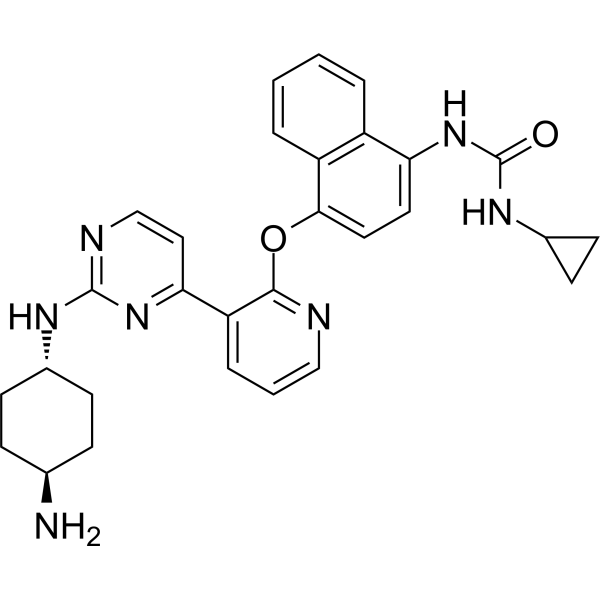 0 ImagesCat. No.: HY-145419CAS No.: 2771006-45-0
IRE1α kinase-IN-4 (compound 6) is a potent IRE1α inhibitor with an Ki of 140 nM. IRE1α kinase-IN-4 is the ATP-competitive ligands of IRE1α.
-
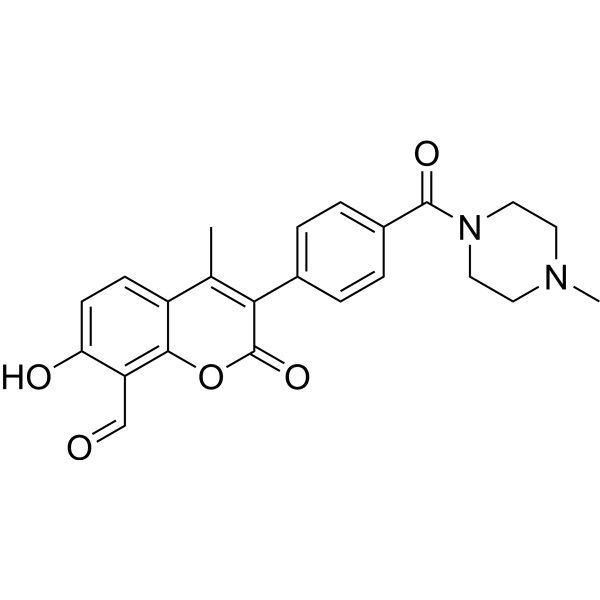
IRE1α kinase-IN-8
 0 ImagesCat. No.: HY-153474CAS No.: 1338933-29-1
IRE1α kinase-IN-8, a benzoheterocyclecarboxaldehyde derivative, is a potent IRE-1α inhibitor. IRE1α kinase-IN-8 can be used for research in diseases associated with the unfolded protein response or with regulated IRE1-dependent decay (RIDD).



