



MDM-2/p53
The p53 tumor suppressor is a principal mediator of growth arrest, senescence, and apoptosis in response to a broad array of cellular damage. p53 is a short-lived protein that is maintained at low, often undetectable, levels in normal cells. Under stress conditions, the p53 protein accumulates in the cell, binds in its tetrameric form to p53-response elements and induces the transcription of various genes.
MDM-2 is transcriptionally activated by p53 and MDM-2, in turn, inhibits p53 activity in several ways. MDM-2 binds to the p53 transactivation domain and thereby inhibits p53-mediated transactivation. MDM-2 also contains a signal sequence that is similar to the nuclear export signal of various viral proteins and, after binding to p53, it induces its nuclear export. As p53 is a transcription factor, it needs to be in the nucleus to be able to access the DNA; its transport to the cytoplasm by MDM-2 prevents this. Finally, MDM-2 is a ubiquitin ligase, so is able to target p53 for degradation by the proteasome.
In many tumors p53 is inactivated by the overexpression of the negative regulators MDM2 and MDM4 or by the loss of activity of the MDM2 inhibitor ARF. The pathway can be reactivated in these tumors by small molecules that inhibit the interaction of MDM2 and/or MDM4 with p53. Such molecules are now in clinical trials.
All Product Categories
-
MDM-2/p53 Inhibitors
(109)
View all products
-
MDM-2/p53 Agonists
(8)
View all products
-
MDM-2/p53 Antagonists
(4)
View all products
-
MDM-2/p53 Activators
(135)
View all products
-
MDM-2/p53 Modulators
(24)
View all products
-
MDM-2/p53 MDM2 Inhibitors
(67)
View all products
-
MDM-2/p53 p53 Activators
(108)
View all products
-
MDM-2/p53 p53 Inhibitors
(16)
View all products
-
MDM-2/p53 Inducers
(17)
View all products
-
MDM-2/p53 Degraders
(6)
View all products
-
MDM-2/p53 Controls
(6)
View all products
-
MDM-2/p53 Ligands
(7)
View all products
-
MDM-2/p53 Related Products (583)
Related Products (583)

-
Antibodies (17)
-
MDM-2/p53 Signaling Pathway
-
Damulin B
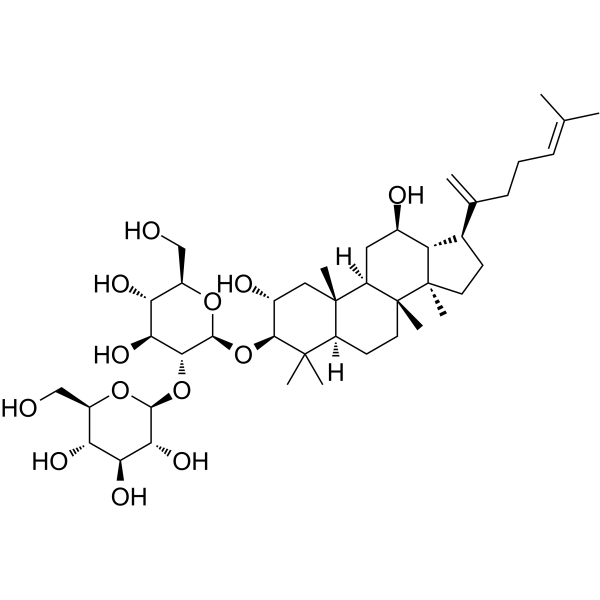 0 ImagesCat. No.: HY-16942CAS No.: 1202868-75-4Damulin B is a dammarane-type saponin found in Gynostemma pentaphyllum. Damulin B can inhibit cancer cell apoptosis, decrease mitochondrial membrane potential, inhibit ROS production and cause G0/G1 phase arrest. Damulin B can prevent Cisplatin (HY-17394)-induced acute kidney injury and induce hair growth. Damulin B shows anti-inflammation anti-diabetic and anti-obesity effect. Damulin B can be used for the researches of cancer, inflammation, metabolic disease, such as lung cancer, osteoarthritis and diabetes.
-
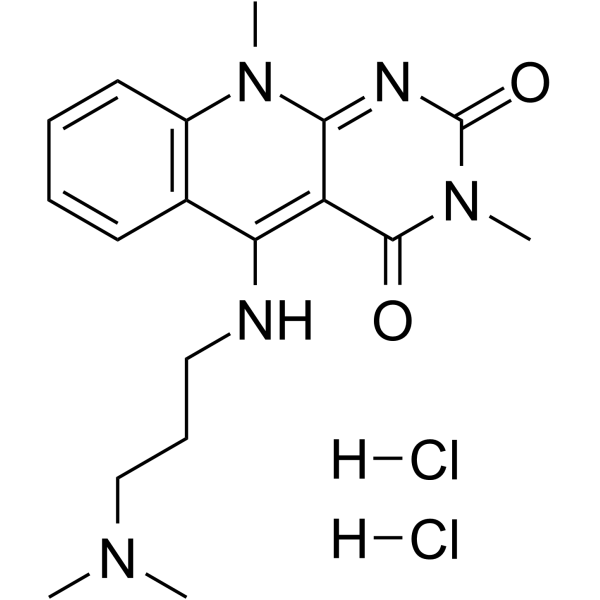
RSC133
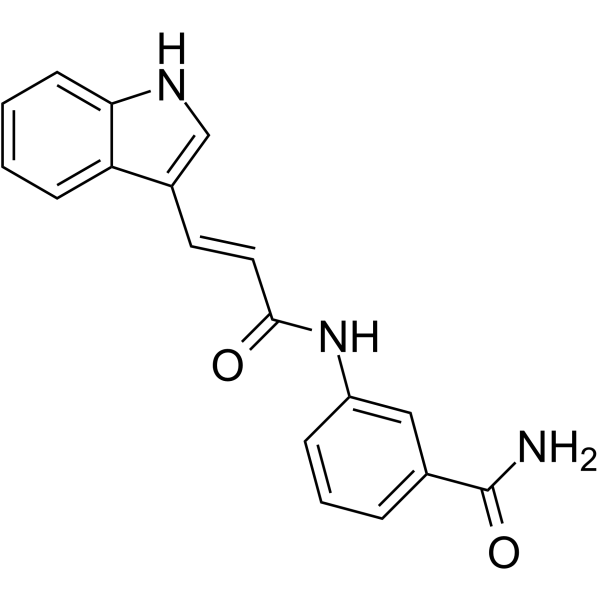 0 ImagesRSC133 is a dual inhibitor of DNA methyltransferase 1 and histone deacetylase 1 inhibitor. RSC133 promotes cell proliferation, up-regulates H3K9 histone acetylation, down-regulates p53, p21, p16/INK4A, and ablates pro-senescence phenotypes.
-
Mutant p53 modulator-1
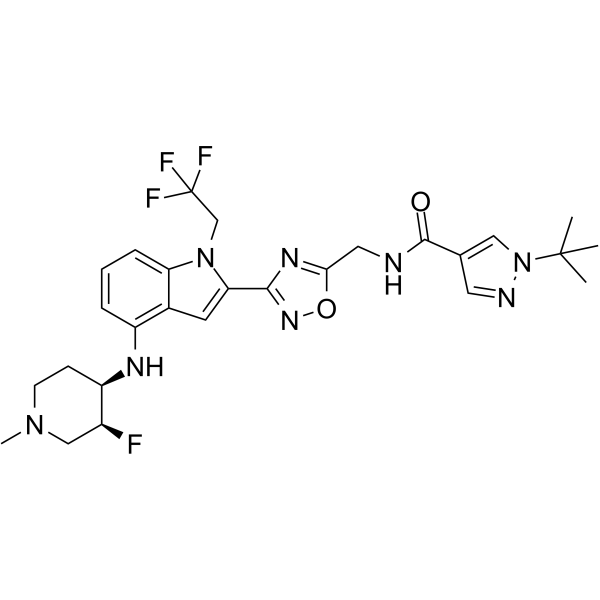 0 ImagesMutant p53 modulator-1 is a mutant p53 modulator. Mutant p53 modulator-1 reduces the progression of cancers that contain a p53 mutation (extracted from patent WO2021231474A1, compound 231B).
-
4-Hydroxyestrone-d4
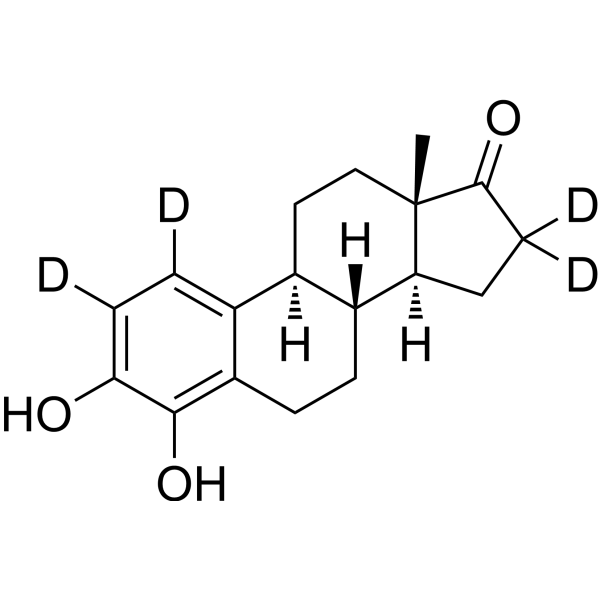 0 ImagesSynonyms: 4-OHE1-d44-Hydroxyestrone (4-OHE1)-d4 is the deuterium labeled 4-Hydroxyestrone (HY-W009300). 4-Hydroxyestrone is a brain-penetrant estrogen metabolite. 4-Hydroxyestrone shows neuroprotective effects involving increased cytoplasmic localization of p53 resulting from SIRT1-mediated p53 deacetylation. 4-Hydroxyestrone relies on PDI to mediate its protective effect against chemically induced ferroptosis in estrogen receptor-negative cancer cells. 4-Hydroxyestrone inhibits lipid peroxidation and lipid-ROS accumulation. 4-Hydroxyestrone blocks preovulatory luteinizing hormone surges in Rattus norvegicus. 4-Hydroxyestrone can be used for the researches of neurodegeneration, breast cancer and endocrine disease.

-
p53 (17-26), FITC labeled
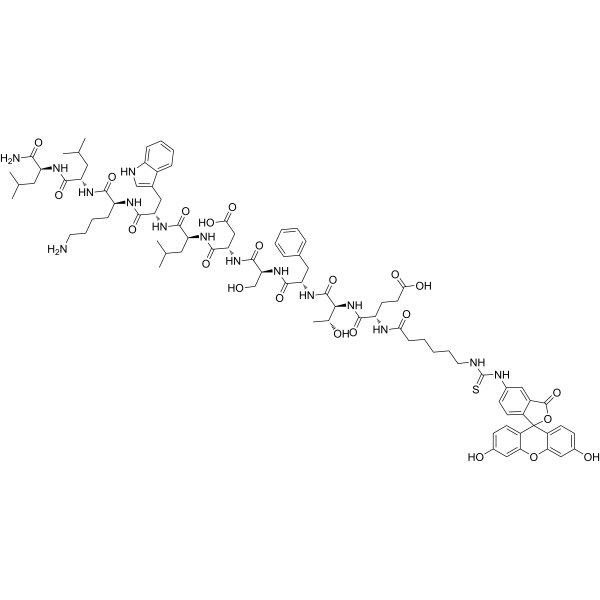 0 ImagesCat. No.: HY-P1755FPurity: 98.31%p53 (17-26), FITC labeled is a biological active peptide. p53 (17-26) is a peptide derived from the P53 MDM2 binding domain, with a Kd of 50 nM for MDM2. p53 (17-26) causes cell lysis by damaging cancer cells and nuclear membranes, and induces cancer cell necrosis. p53 (17-26) exhibits antitumor activity and is applicable to research related to pancreatic cancer.
-
PK11000
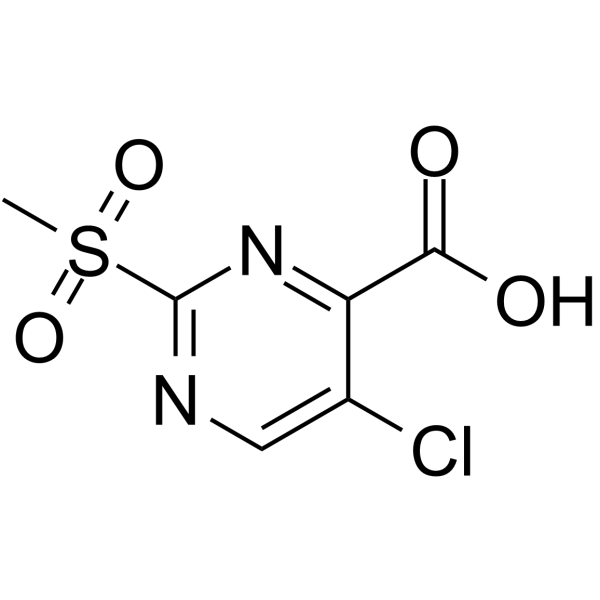 0 ImagesPK11000 is an alkylating agent, and stabilizes the DNA-binding domain of both WT and mutant p53 proteins by covalent cysteine modification without compromising DNA binding. PK11000 has anti-tumor activities.
-
CEP-1347
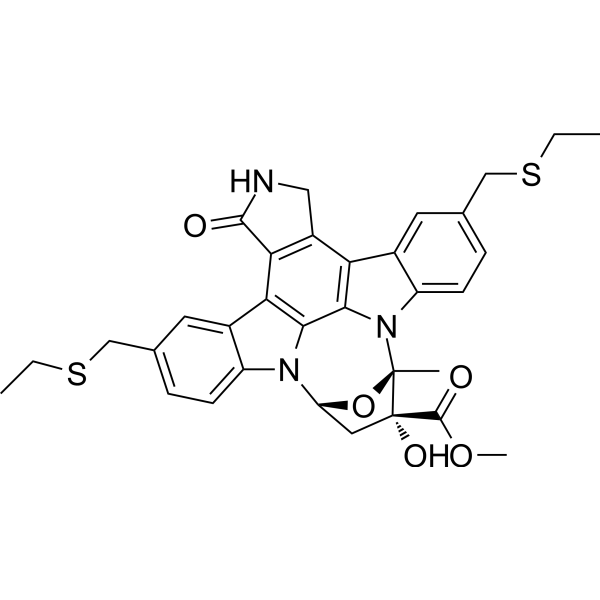 0 ImagesSynonyms: KT7515CEP-1347 is an inhibitor of the JNK/SAPK pathway with neuroprotective effects. CEP-1347 blocks JNK1 activation induced by members of the mixed lineage kinase (MLK) family (MLK3, MLK2, MLK1, dual leucine zipper kinase, and leucine zipper kinase). As an inhibitor of MDM4, CEP-1347 can more effectively inhibit the growth of glioma cells expressing wild-type p53.
-
Methyl methanesulfonate (Standard)
 0 ImagesMethyl methanesulfonate (Standard) is the analytical standard of Methyl methanesulfonate (HY-W004702). This product is intended for research and analytical applications. Methyl methanesulfonate is an alkylating agent which transfers methyl groups, and induces DNA damage. Methyl methanesulfonate is a biochemical reagent that can be used as a biological material or organic compound for life science related research.
-
p53-MDM2-IN-4
 0 Imagesp53-MDM2-IN-4 (Example 4) is an inhibitor of p53-MDM2/X protein interaction, with a Ki value of 3.079 μM. p53-MDM2-IN-4 can be used in anti-tumor research.
-
Milademetan tosylate hydrate
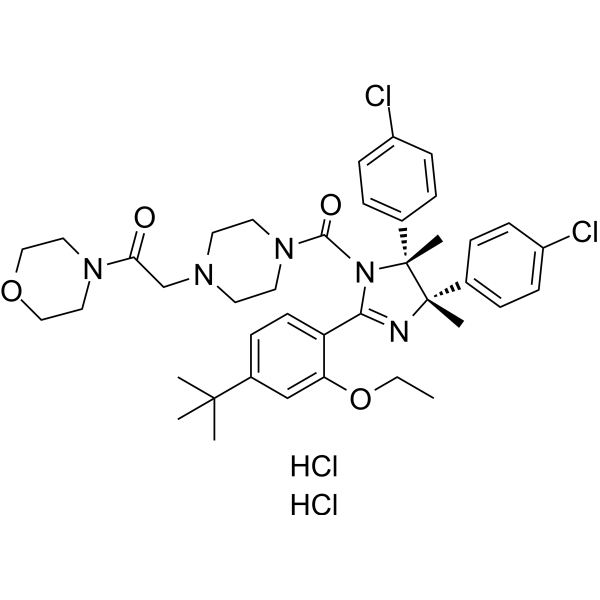
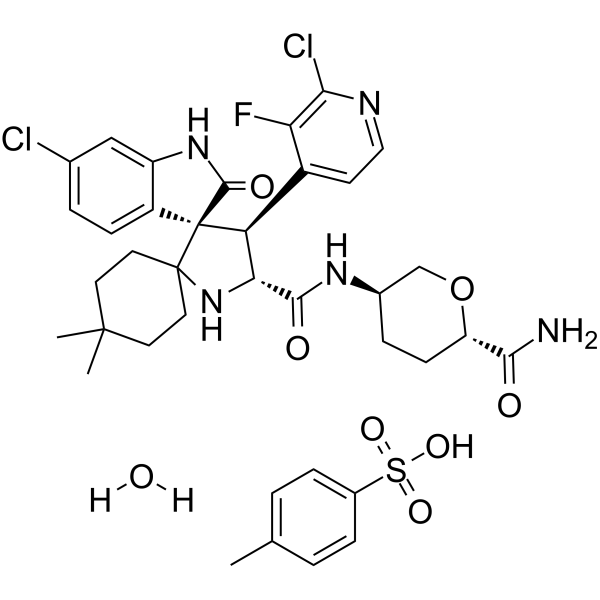 0 ImagesSynonyms: DS-3032b; DS-3032 tosylate hydrate
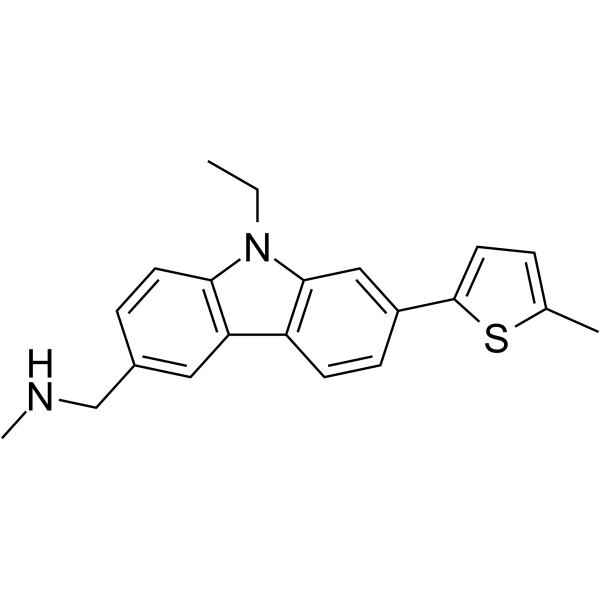
-
PSF-IN-2
 0 ImagesPSF-IN-2 (Compound (C)-30) is a PSF inhibitor with an IC50 value of 0.005 pM. PSF-IN-2 exhibits anti-cancer activity, and its IC50 value for inhibiting the proliferation of 22Rv1 cells is 0.5 μM. PSF-IN-2 activates the p53 signaling pathway by inhibiting the binding of PSF to RNA, inducing the expression of related genes, promoting apoptosis, and inhibiting the cell cycle. PSF-IN-2 can be used in cancer research.
-
RETRA
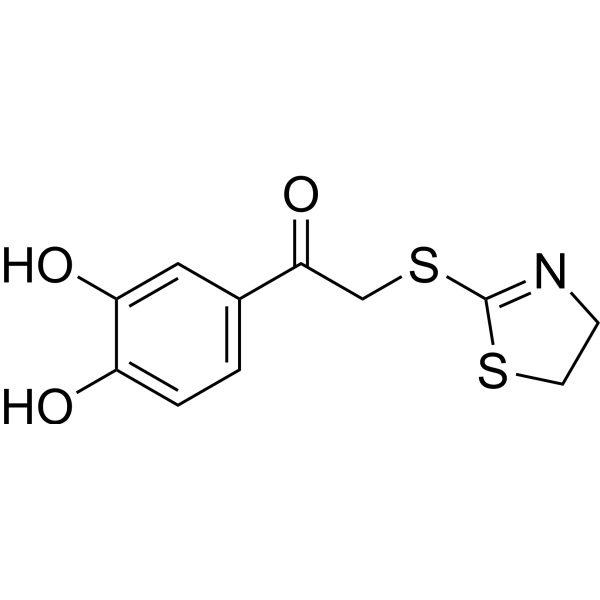 0 ImagesRETRA is a RIPK1/RIPK3/MLKL and p73 activator. RETRA mediates plasma membrane disruption, induces ROS accumulation, triggers early mitochondrial hyperpolarization, and synergistically drives necroptosis. RETRA inhibits cancer cells carrying mutant p53 via a p73-dependent salvage pathway. RETRA can be used in research related to cervical cancer and cancers with mutant p53.
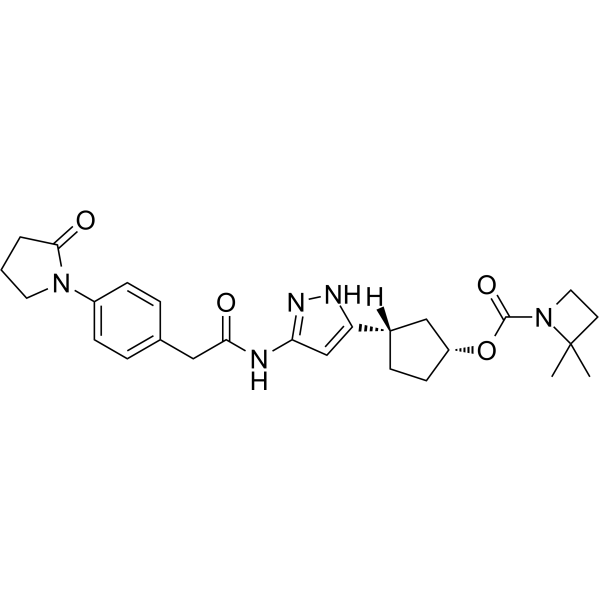
-
BAY 1892005
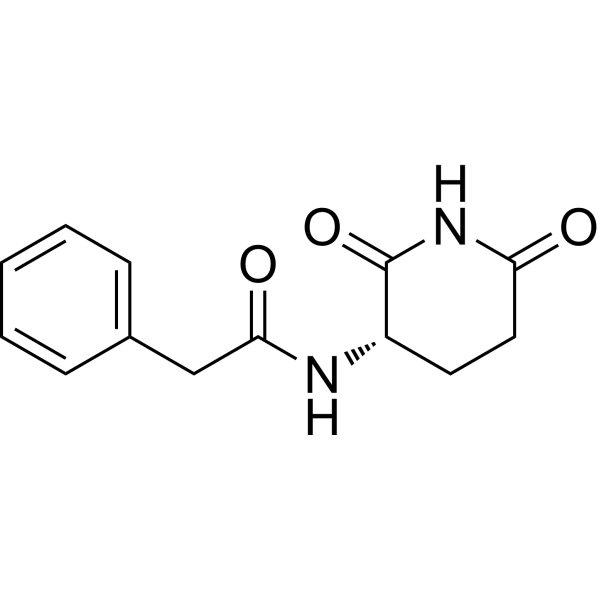
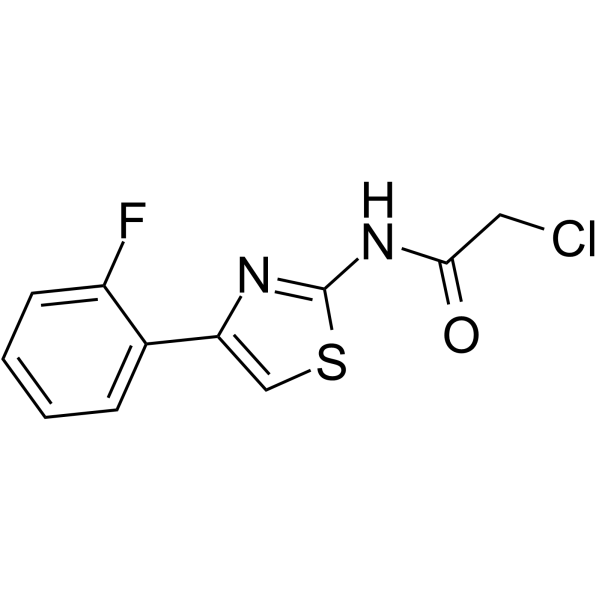 0 ImagesBAY 1892005 is a regulator of p53 protein and acts on p53 condensates without causing mutant p53 reactivation.
-
Petunidin-3-O-glucoside chloride
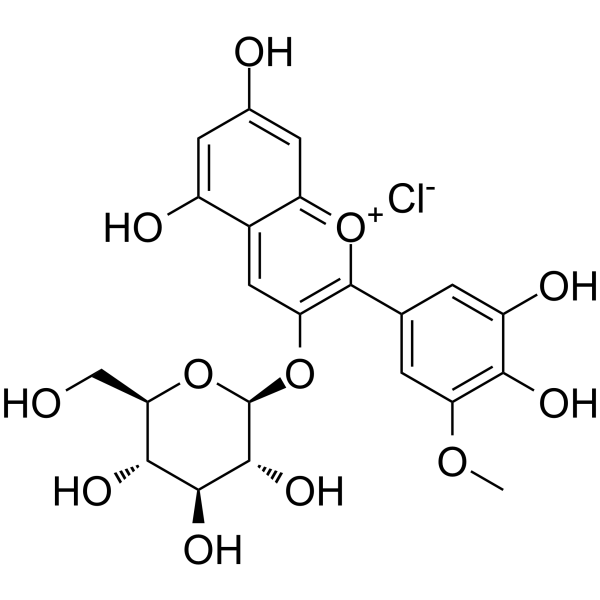 0 ImagesPetunidin-3-O-glucoside chloride is a blood-brain barrier-penetrating tyrosinase inhibitor with an IC50 of 10.3 μM and a Ki of 9.0 μM. Petunidin-3-O-glucoside also acts as an α-glucosidase inhibitor with an IC50 of 218.2 µM. Petunidin-3-O-glucoside chloride inhibits the SIRT3/p53-mediated mitochondrial pathway and the PI3K/Akt-ERK pathway, suppresses glycolysis, and induces cell apoptosis. Petunidin-3-O-glucoside chloride scavenges ROS to exert antioxidant activity. It can be used in research related to glioblastoma multiforme, skin anti-aging and whitening, as well as obesity.




