



MDM-2/p53 Inhibitor
-
Astegolimab
 0 ImagesSynonyms: MSTT 1041A; RG 6149
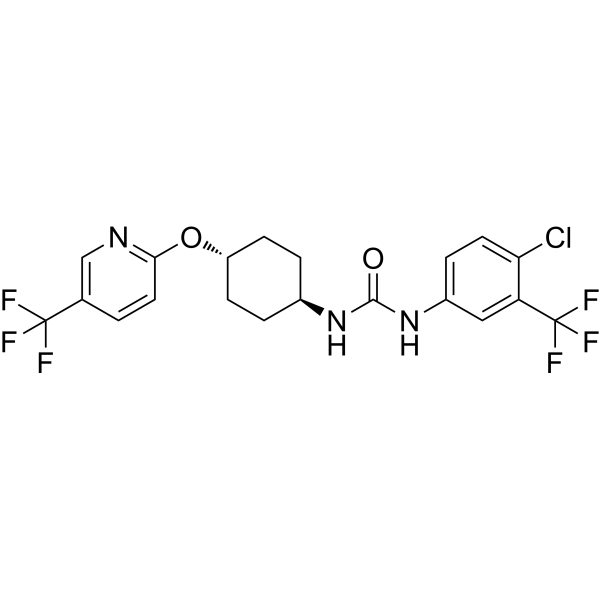
Astegolimab (MSTT 1041A; RG 6149) is a human IgG2 monoclonal antibody. Astegolimab blocks IL-33 signaling by targeting the IL-33 receptor ST2. Astegolimab reduces p53 expression, mitigates IL33-upregulated SASP factors such as IL1α, IL6 and MCP1. Astegolimab mitigates IL33-increased p-p65/p65 ratio. Astegolimab blocks CM-induced neutrophil extracellular trap (NET) formation. Astegolimab is used in chronic obstructive pulmonary disease (COPD) and myocardial research.
-
Darizmetinib
 0 ImagesSynonyms: HRX-0215
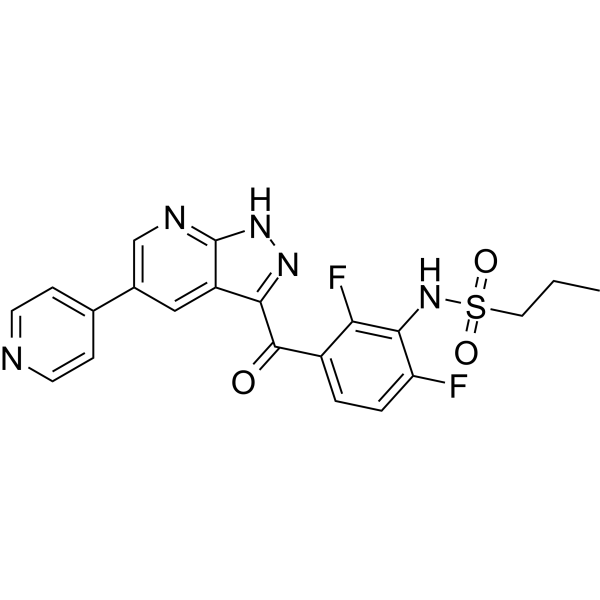
Darizmetinib (HRX-0215) is an orally active, potent and selective inhibitor of mitogen-activated protein kinase kinase 4 (MKK4). Darizmetinib leads to enhancement of the MKK7 and JNK1 signaling pathways, thereby activating the transcription factors ATF2 and ELK1, promoting cell proliferation and liver regeneration. Darizmetinib is promising for research of preventing liver failure after extensive oncological liver resections or transplantation of small liver grafts.
-
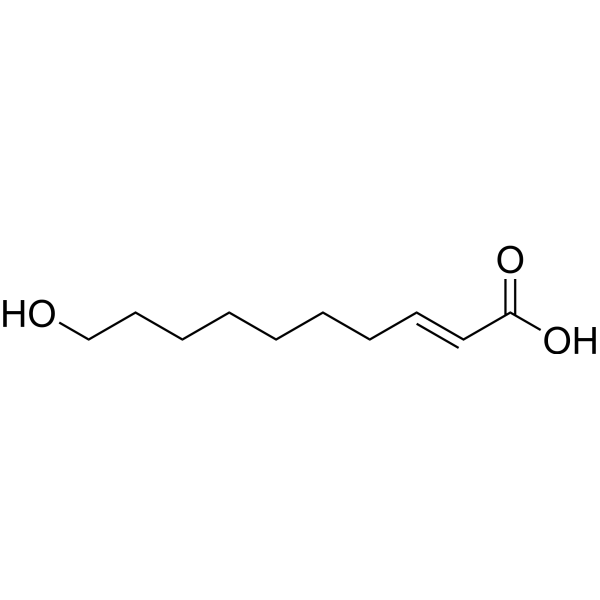
10-Hydroxy-2-decenoic acid
 0 ImagesSynonyms: 10-HDA; Queen Bee Acid
10-Hydroxy-2-decenoic acid (10-HDA) is an orally active unsaturated medium-chain fatty acid with various physiological activities. 10-Hydroxy-2-decenoic acid induces ROS-mediated apoptosis in A549 cells. 10-Hydroxy-2-decenoic acid inhibits VEGF-induced angiogenesis in human venous endothelial cells. 10-Hydroxy-2-decenoic acid alleviates non-alcoholic fatty liver disease (NAFLD) by activating the AMPK-α signaling pathway. 10-Hydroxy-2-decenoic acid protects against bone loss by inhibiting NF-κB signaling downstream of FFAR4. 10-Hydroxy-2-decenoic acid is an antibiotic against many bacteria and fungi, such as Neurospora sitophila, molds and Staphylococcus aureus. 10-Hydroxy-2-decenoic acid has longevity-promoting effects in C. elegans. 10-Hydroxy-2-decenoic acid prevents osteoarthritis by targeting aspartyl β hydroxylase and inhibiting chondrocyte senescence.
-
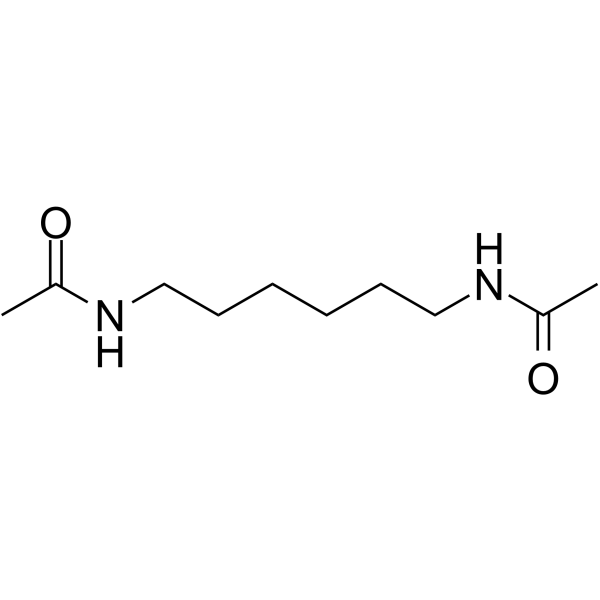
Hexamethylene bisacetamide
 0 Images
Hexamethylene bisacetamide (HMBA) is a differentiation inducer and selective bromine domain inhibitor that can differentiate across the blood-brain barrier. Hexamethylene bisacetamide can induce tumor cell differentiation and inhibit cell proliferation, showing antitumor activity. Hexamethylene bisacetamide induces apoptosis by Notch1, Bcl-2 and p53 signaling pathways. In addition, Hexamethylene bisacetamide improves the obesity phenotype of mice.
-
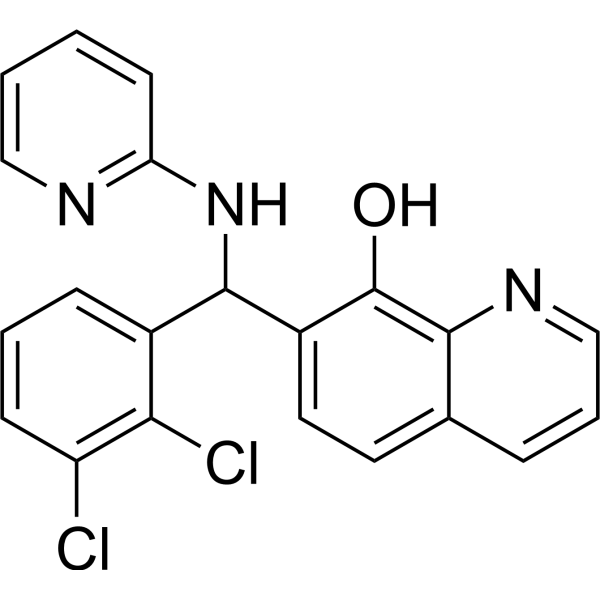
MMRi62
 0 Images
MMRi62, a ferroptosis inducer targeting MDM2-MDM4 (negative regulators of tumor suppressor p53). MMRi62 shows a P53-independent pro-apoptotic activity against pancreatic ductal adenocarcinoma (PDAC) cells and induce autophagy. MMRi62 inducesferroptosis, resulting in a increase of reactive oxygen and lysosomal degradation of ferritin heavy chain (FTH1). MMRi62 also leads to proteasomal degradation of mutant p53, also inhibits orthotopic xenograft PDAC mouse model in vivo with high frequency mutation characteristics of KRAS and TP53.12.
-
Seratrodast
 0 ImagesSynonyms: AA 2414
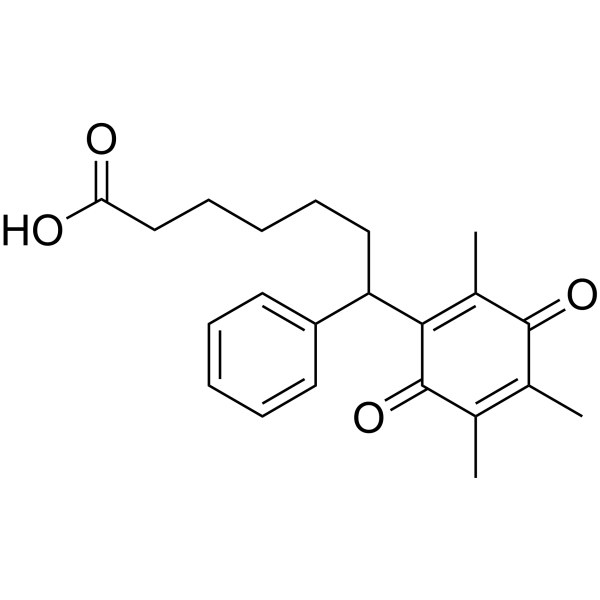
Seratrodast (AA 2414), an orally active antiasthmatic agent, is a thromboxane A2 receptor (TP) antagonist and ferroptosis inhibitor. Seratrodast reduces lipid ROS production, modulates the systemic xc-/GSH/GPX4 axis, and inhibits JNK phosphorylation and p53 expression. Seratrodast exhibits anti-asthmatic and anti-epileptic activity.
-
Polygalasaponin F
 0 Images
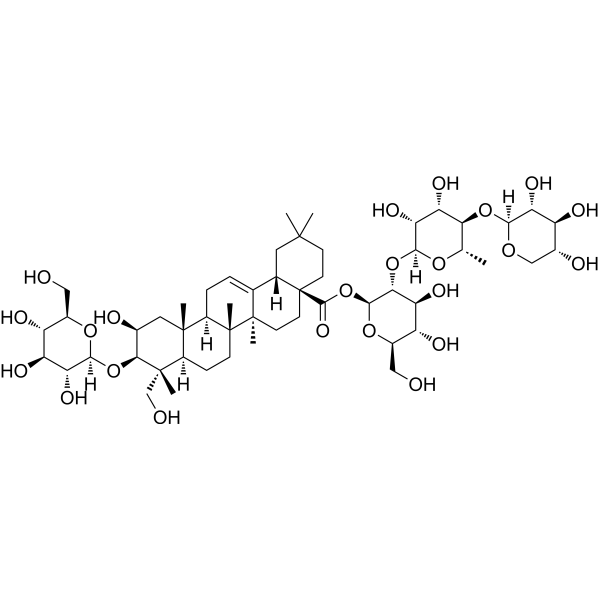
Polygalasaponin F is an orally active triterpenoid saponin monomer. Polygalasaponin F downregulates the expression of Bax, p53, caspase-3, NF-κB p65 and MEK1; restores and upregulates the expression of Bcl-2; activates the PI3K/Akt signaling pathway; inhibits the phosphorylation of p38 MAPK, nuclear translocation of NF-κB, TLR4-mediated signaling pathway, mitophagy (Mitophagy) and ROS production; enhances cell viability and suppresses apoptosis (Apoptosis). Polygalasaponin F maintains mitochondrial function, alleviates Ca2+ overload, upregulates pCREB and BDNF, preserves cell viability and inhibits the release of inflammatory cytokines. Polygalasaponin F alleviates lung injury induced by influenza A H1N1 and cerebral ischemia-reperfusion injury. Polygalasaponin F is applicable to researches related to Parkinson's disease, cerebral ischemia, pneumonia induced by influenza A H1N1, stroke and Alzheimer's disease.
-
HZX-02-059
 0 ImagesSynonyms: Methuosis inducer 1
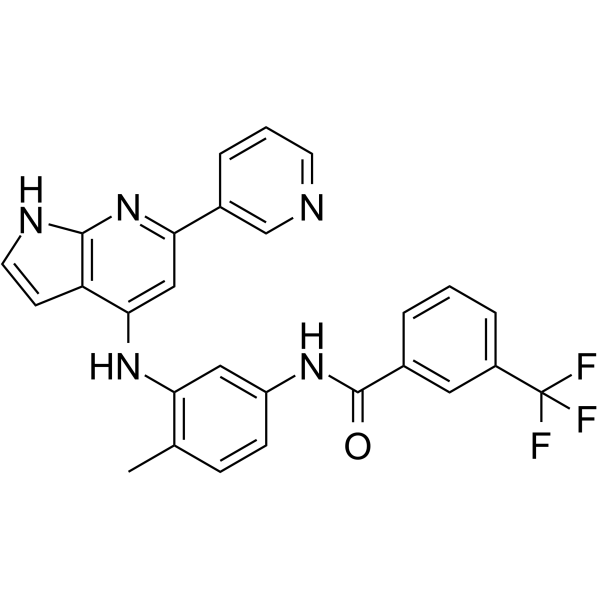
HZX-02-059 is an allosteric inhibitor of PIKFYVE, and a methuosis inducer. HZX-02-059 disrupts the PIKfyve/TFEB axis, suppresses tubulin polymerization, reduces phosphorylated mTOR levels, downregulates p53, PI3K/AKT, c-Myc, and NF-κB pathways. HZX-02-059 induces G2/M cell cycle arrest, apoptosis, and inhibits cancer cell proliferation. HZX-02-059 can be used for the research of lymphoma, double-hit lymphoma, and B-cell acute lymphoblastic leukemia.
-
Tyroserleutide hydrochloride
 0 Images
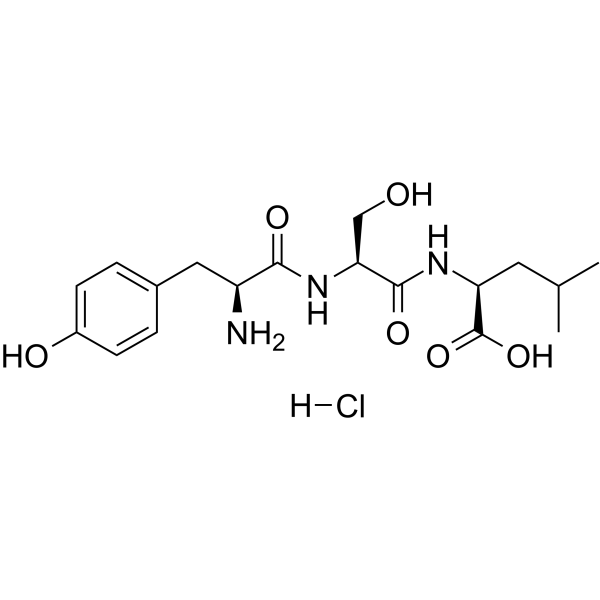
Tyroserleutide hydrochloride is a tripeptide isolated from the degradation products of porcine spleen with antitumor activity. Tyroserleutide hydrochloride can upregulate the expression of the tumor suppressor gene PTEN and inhibit the activity of AKT and PDK1. Tyroserleutide hydrochloride inhibits tumor cell proliferation and MDM2 phosphorylation by inhibiting the PI3K/AKT pathway, and also upregulates P21, P27, P53, and induces mitochondrial damage and cell apoptosis.
-
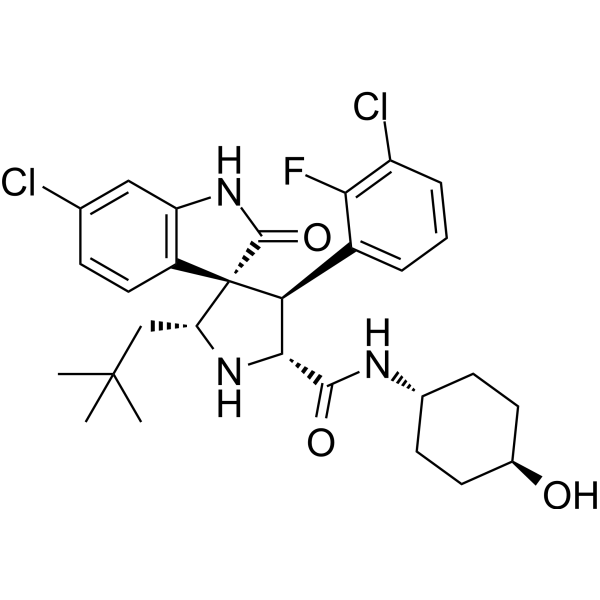
MI-773
 0 Images
MI-773 is an orally active, selective MDM2-p53 interaction inhibitor with a Ki of 0.88 nM for MDM2. MI-773 blocks the MDM2-TP53 interaction. MI-773 potently activates p53. MI-773 induces Apoptosis. MI-773 causes tumor regression in xenograft models of adenoid cystic carcinoma. MI-773 exhibits anticancer effects in neuroblastoma. MI-773 TFA can be used for the research of adenoid cystic carcinoma.
-
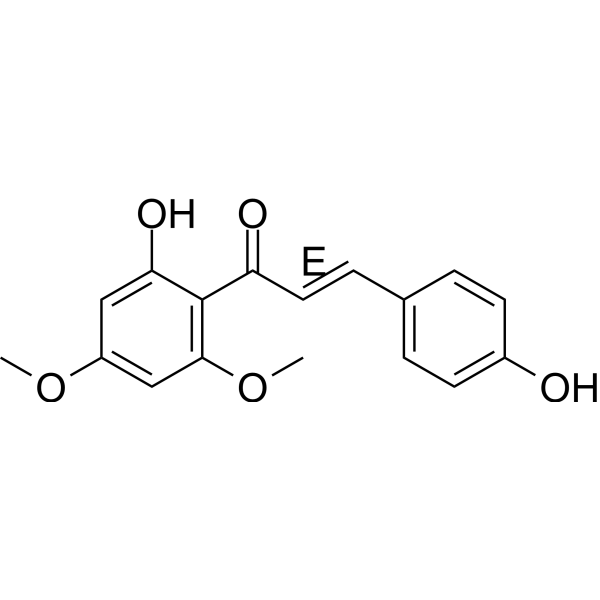
Flavokawain C
 0 Images
Flavokawain C is an orally active natural chalcone. Flavokawain C inhibits the proliferation of various cancer cells. Flavokawain C upregulates GADD153 in cancer cells, inhibits the phosphorylation of Akt and JNK, suppresses early ERK phosphorylation, activates late ERK phosphorylation, activates caspase related subtypes, induces PARP-1 cleavage, causes upregulation of p21 and p27, downregulation of mutant p53 and anti-apoptotic IAP proteins, elevates intracellular ROS levels, reduces SOD activity, and induces apoptosis. Flavokawain C downregulates FABP4, induces autophagy in cancer cells, and activates the AMPK/mTOR pathway. Flavokawain C decreases the expression of glycolysis-related proteins GLUT1 and HK2, and inhibits glycolysis in nasopharyngeal carcinoma cells. Flavokawain C inhibits the activation of the EGFR/PI3K/Akt/mTOR signaling pathway and reduces the expression of HSP90B1. Flavokawain C inhibits angiogenesis by decreasing the expression of angiogenic proteins Ang-1 and VEGF in human umbilical vein endothelial cells. Flavokawain C increases γ-H2AX levels in cells, inhibits the phosphorylation of FAK, PI3K and AKT in cells, and induces DNA damage in cells. Flavokawain C exerts anti-tumor activity in multiple tumor xenograft mouse models. Flavokawain C is applicable to research related to colorectal cancer, colon adenocarcinoma, nephroblastoma, nasopharyngeal carcinoma and liver cancer.
-
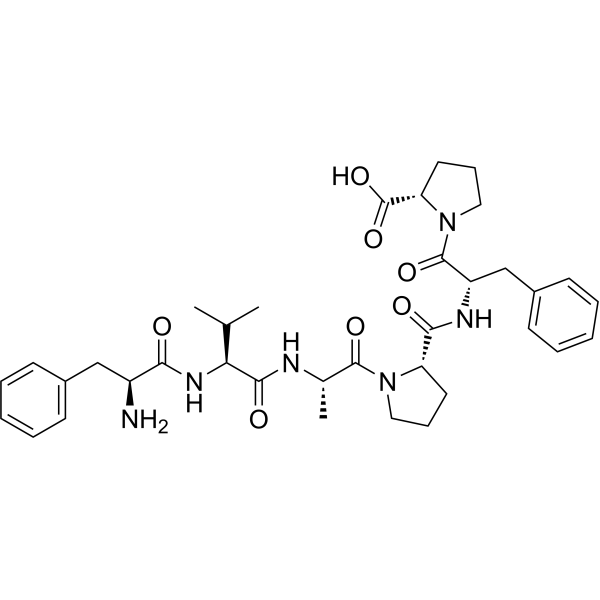
Hexapeptide-11
 0 Images
Hexapeptide-11 is an anti-aging peptide that can protect fibroblasts from premature cell senescence mediated by oxidative stress. Hexapeptide-11 is also a potential stimulator of hyaluronic acid in keratinocytes, and can enhance skin barrier function by upregulating the expression of HAS2 and EGR3, and downregulating the expression of HYAL2. Hexapeptide-11 can also improve skin elasticity.
-
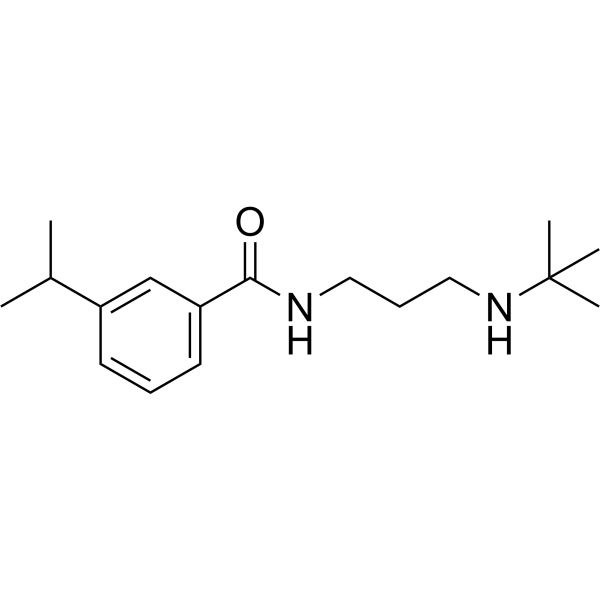
UNC3474
 0 Images
UNC3474 is a small molecule ligand, binding with 53BP1. UNC3474 binds the aromatic methyl-lysine binding cage of 53BP1TT, with a dissociation constant (Kd) of 1.0 ± 0.3 μM. UNC3474 inhibits the recruitment of 53BP1 to DSBs by stabilizing a pre-existing autoinhibited state of 53BP1 in cells.
-
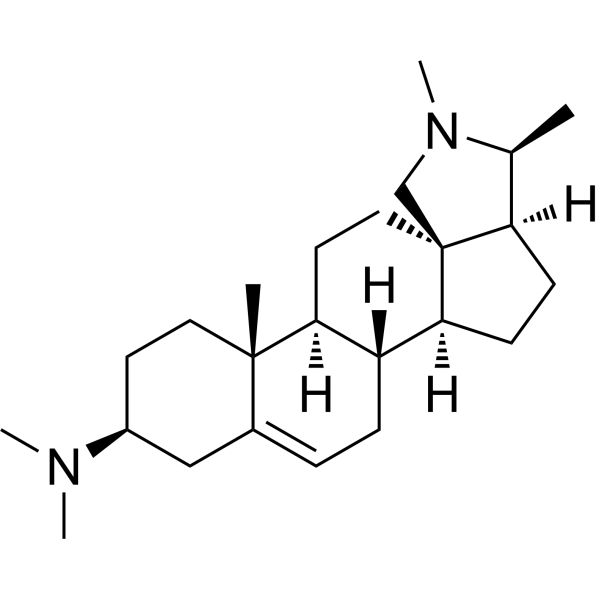
Conessine
 0 Images
Conessine is an orally active and BBB-penetrable selective histamine H3 receptor antagonist. The pKi values of Conessine for rat and human H3 receptors are 7.61 and 8.27, respectively. Conessine is an inhibitor of the multidrug efflux pump system in Pseudomonas aeruginosa and can enhance the activity of antibiotics. Conessine has antimalarial activity. Conessine can also be used in the research of muscle atrophy.
-
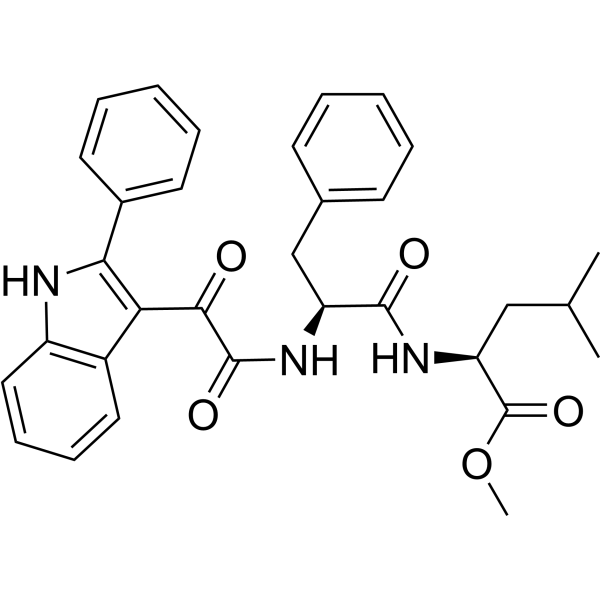
MDM2-p53-IN-16
 0 Images
MDM2-p53-IN-16 is a MDM2-p53 complex inhibitor with an IC50 value of 4.3 nM to dissociate human p53/MDM2 complex. MDM2-p53-IN-16 reactivates p53, and induces Glioblastoma Multiforme (GBM) cell apoptosis and cell-cycle arrest. MDM2-p53-IN-16 can be used for the cancer research.
-
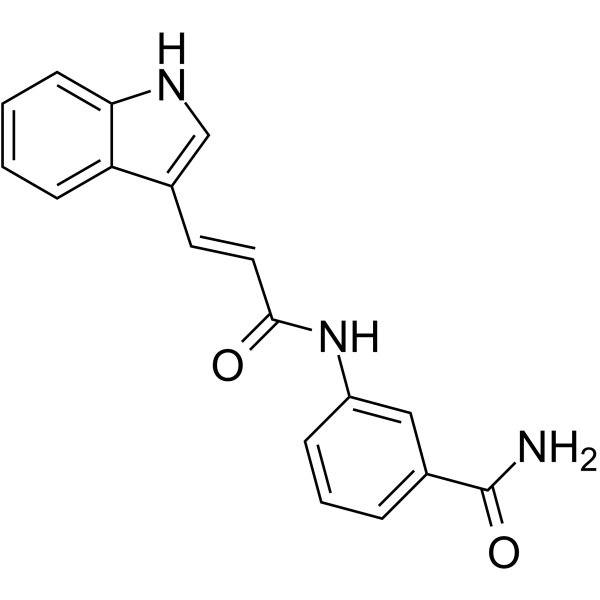
RSC133
 0 Images
RSC133 is a dual inhibitor of DNA methyltransferase 1 and histone deacetylase 1 inhibitor. RSC133 promotes cell proliferation, up-regulates H3K9 histone acetylation, down-regulates p53, p21, p16/INK4A, and ablates pro-senescence phenotypes.



