



Glucosylceramide Synthase (GCS)
Glucosylceramide synthase (GCS), converting ceramide to glucosylceramide, catalyzes the first reaction of ceramide glycosylation in sphingolipid metabolism. This glycosylation by GCS is a critical step regulating the modulation of cellular activities by controlling ceramide and glycosphingolipids (GSLs). An increase of ceramide in response to stresses, such as chemotherapy, drives cells to proliferation arrest and apoptosis or autophagy; however, ceramide glycosylation promptly eliminates ceramide and consequently, these induced processes, thus protecting cancer cells. Furthermore, persistently enhanced ceramide glycosylation can increase GSLs, participating in selecting cancer cells to drug resistance. GCS is overexpressed in diverse drug-resistant cancer cells and in tumors of breast, colon, and leukemia that display poor response to chemotherapy. As ceramide glycosylation by GCS is a rate-limiting step in GSL synthesis, inhibition of GCS sensitizes cancer cells to anticancer drugs and eradicates cancer stem cells.
All Product Categories
-
Glucosylceramide Synthase (GCS) Related Products (49)
Related Products (49)

-
Antibodies (2)
-
Glucosylceramide synthase-IN-2
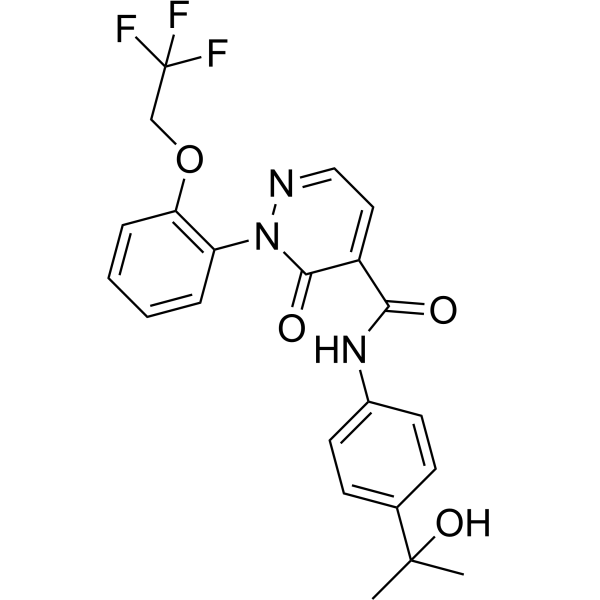 0 ImagesGlucosylceramide synthase-IN-2 (compound T-690) is a potent, brain-penetrant and orally active glucosylceramide synthase (GCS) inhibitor with IC50s of 15 nM and 190 nM for human GCS and mouse GCS, respectively.Glucosylceramide synthase-IN-2 exhibits noncompetitive type inhibition with C8-ceramide and UDP-glucose.Glucosylceramide synthase-IN-2 can be used for Gaucher's disease research.
-
TP-060
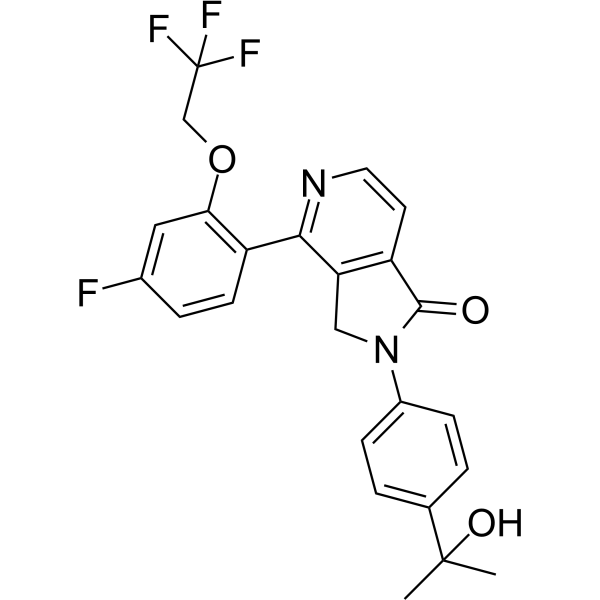 0 ImagesSynonyms: Glucosylceramide synthase-IN-1Glucosylceramide synthase-IN-1 (T-036), a chemical probe, a potent, brain-penetrant and orally active glucosylceramide synthase (GCS) inhibitor with IC50s of 31 nM and 51 nM for human GCS and mouse GCS, respectively. Glucosylceramide synthase-IN-1 can be used for Gaucher's disease research.
-
D,L-erythro-PDMP hydrochloride
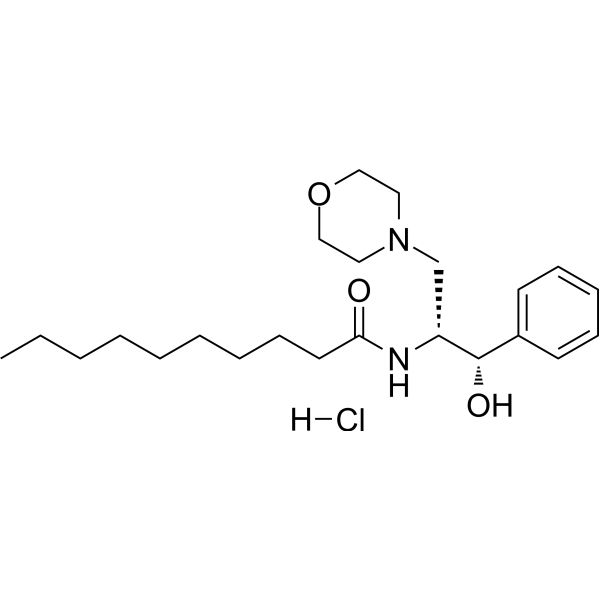 0 ImagesD,L-erythro-PDMP hydrochloride is an erythro isomer of PDMP. D,L-erythro-PDMP hydrochloride causes growth inhibition of cultured rabbit skin fibroblasts. PDMP is an effective inhibitor of UDP-glucose:ceramide glucosyltransferase.
-
D-threo-PPMP hydrochloride
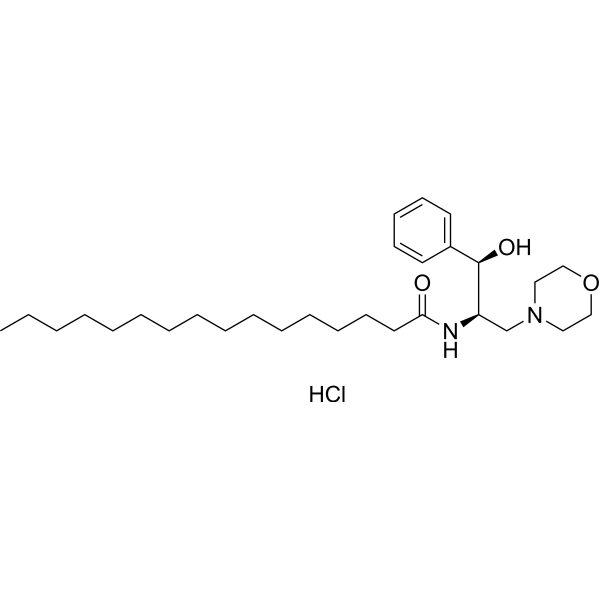 0 ImagesD-threo-PPMP hydrochloride is a potent inhibitor of glucosylceramide (GlcCer) synthase. D-threo-PPMP hydrochloride can block karyokinesis and reduce cyst production.
-
Macrocarpal H
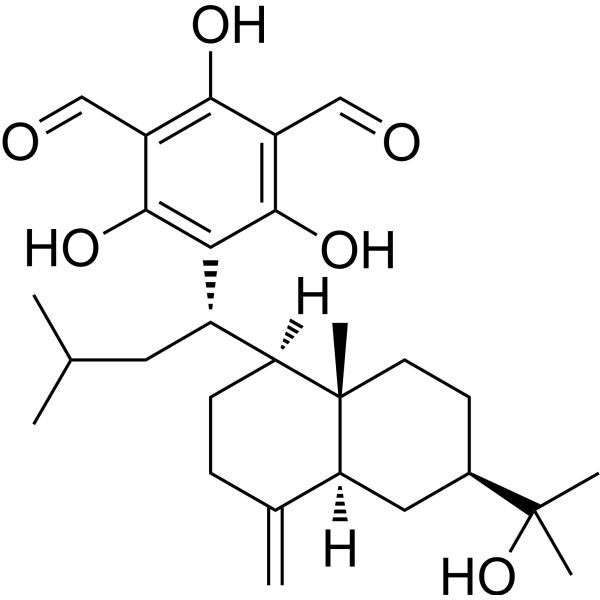 0 ImagesCat. No.: HY-N3341CAS No.: 179388-53-5Macrocarpal H is a natural compound that can be isolated from the Leaves of Eucalyptus globulus. Macrocarpal H exhibits antibacterial activity against Gram-positive cariogenic bacteria and Gram-negative periodontopathic bacteria. Macrocarpal H inhibits adherent water-insoluble glucan synthesis via glucosyltransferase. Macrocarpal H can be used for the research of caries, periodontal disease, dental caries, periodontal disorders.
-
Glucosylceramide synthase-IN-3
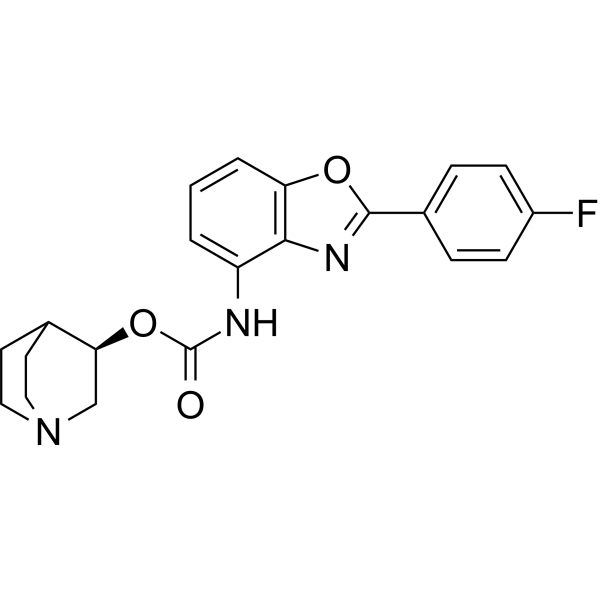 0 ImagesGlucosylceramide synthase-IN-3 (compound BZ1) is a potent, brain-penetrant and orally active glucosylceramide synthase (GCS) inhibitor with IC50s of 16 nM for human GCS.Glucosylceramide synthase-IN-3 can be used for Gaucher's disease research.
-
Miglustat-d9 hydrochloride
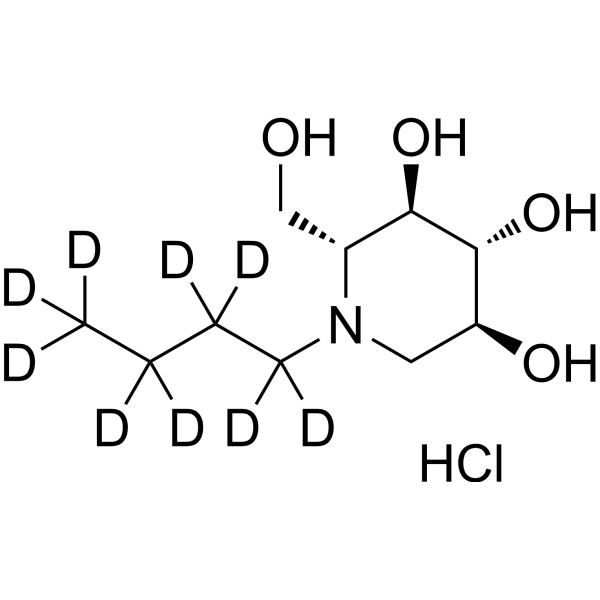 0 ImagesSynonyms: N-Butyldeoxynojirimycin-d9 hydrochloride; NB-DNJ-d9 hydrochloride; OGT 918-d9 hydrochlorideMiglustat-d9 hydrochloride is the deuterium labeled Miglustat hydrochloride. Miglustat hydrochloride is an inhibitor of glucosylceramide synthase, primarily to treat Type I Gaucher disease (GD1).
-
G43
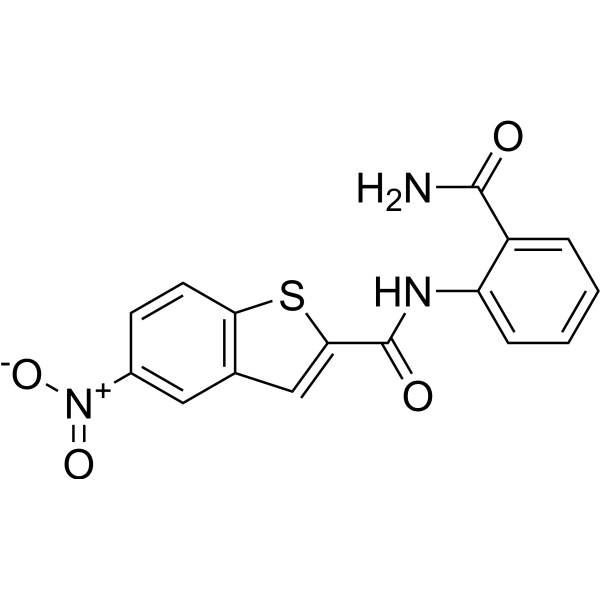 0 ImagesG43 is a potent, selective glucosyltransferase inhibitor, with the Kd of 3.7μM and 46.9 nM for GtfB and GtfC, respectively. G43 has antibacterial to S. mutans in vitro and in vivo, and can be used for dental caries study.
-
alpha-1,2-Fucosyltransferase (α1,2FucT)
 0 ImagesCat. No.: HY-E70059CAS No.: 56093-23-3alpha-1,2-Fucosyltransferase (α1,2FucT), i.e., alpha 1, 2-fucosyltransferase, is often used in biochemical studies. alpha-1,2-Fucosyltransferase is a rate-limiting enzyme, can catalyze the synthesis of Lewis y (a cell membrane-associated carbohydrate antigen).
-
G43-C3-TEG
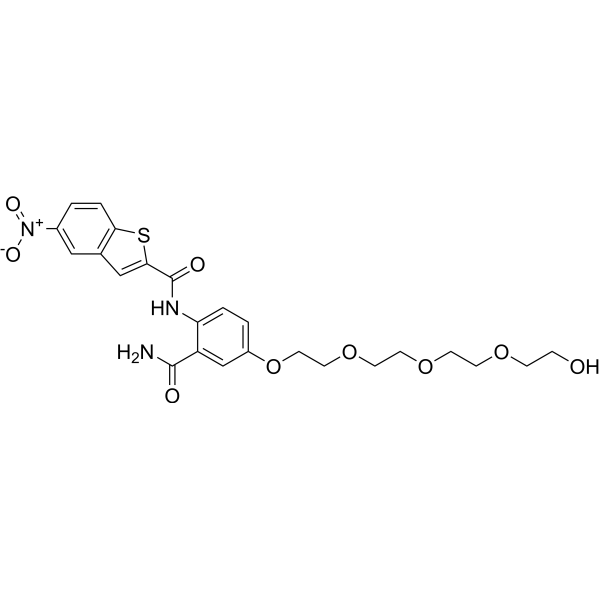 0 ImagesCat. No.: HY-155716CAS No.: 2702262-15-3G43-C3-TEG is a glycosyl-transferase inhibitor. G43-C3-TEG reduces the biofilm formation by decreasing the production of EPS (extracellular polysaccharides).

-
Glucosylceramide synthase-IN-6
 0 ImagesCat. No.: HY-186121ACAS No.: 3118501-71-3Glucosylceramide synthase-IN-6 (G3-3B) is a glucosylceramide synthase (GCS) inhibitor that can be used for the study of the diseases and disorders associated with GCS activity, such as lysosomal storage disorders.
-
Eliglustat (Standard)
 0 ImagesSynonyms: Genz 99067 (Standard)Eliglustat (Standard) is the analytical standard of Eliglustat. This product is intended for research and analytical applications. Eliglustat is an specific, potent and orally active glucocerebroside synthase inhibitor with an IC50 of 24 nM.
-
Miglustat-d9
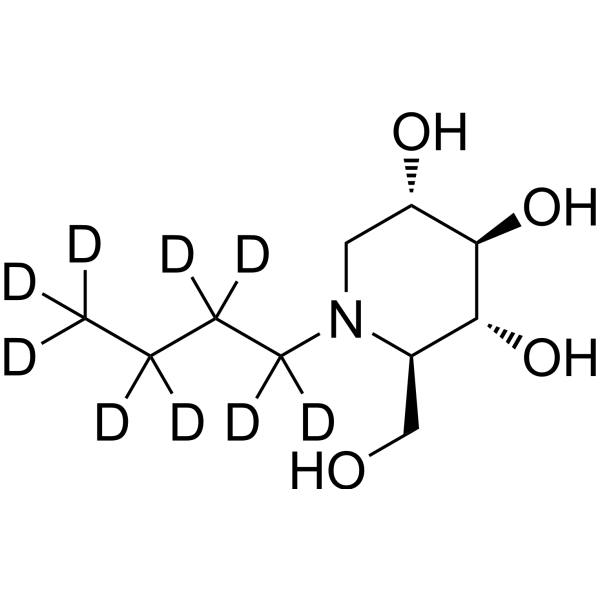 0 ImagesCat. No.: HY-17020SCAS No.: 1883545-56-9Synonyms: N-Butyldeoxynojirimycin-d9; NB-DNJ-d9; OGT 918-d9Miglustat-d9 is the deuterium labeled Miglustat. Miglustat (N-Butyldeoxynojirimycin) is an inhibitor of glucosylceramide synthase, primarily to treat Type I Gaucher disease (GD1).

-
Glucosylceramide synthase-IN-5
 0 ImagesCat. No.: HY-186121CAS No.: 3118501-69-9Glucosylceramide synthase-IN-5 (G3-3) is a glucosylceramide synthase (GCS) inhibitor that can be used for the study of the diseases and disorders associated with GCS activity, such as lysosomal storage disorders.
-
D-threo-PPMP
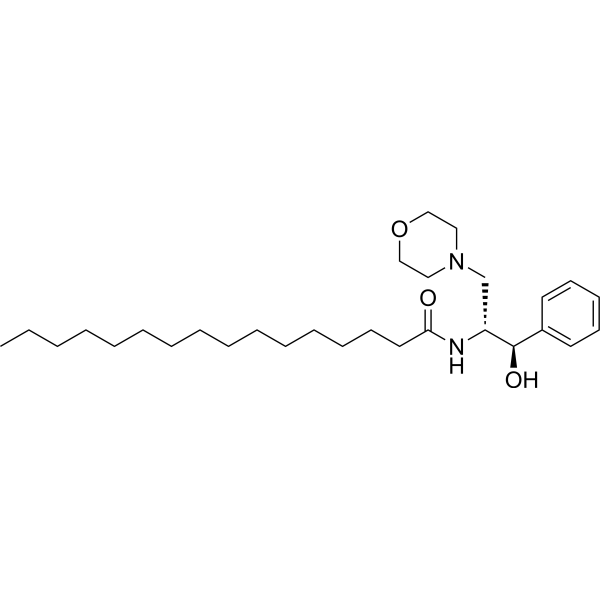 0 ImagesCat. No.: HY-116535CCAS No.: 139889-53-5D-threo-PPMP is a potent inhibitor of glucosylceramide (GlcCer) synthase. D-threo-PPMP can block karyokinesis and reduce cyst production.

-
Ibiglustat hydrochloride
 0 ImagesCat. No.: HY-16743CCAS No.: 1629063-79-1Synonyms: Venglustat hydrochloride; SAR402671 hydrochloride; GZ402671 hydrochlorideIbiglustat hydrochloride is an orally active, brain-penetrant glucosylceramide synthase (GCS) inhibitor. Ibiglustat hydrochloride can be used for the research of Gaucher disease type 3, Parkinson's disease associated with GBA mutations, Fabry disease, GM2 gangliosidosis, and autosomal dominant polycystic kidney disease.




