



Glucosylceramide Synthase (GCS) Inhibitor
- 1
- 2
-
Eliglustat
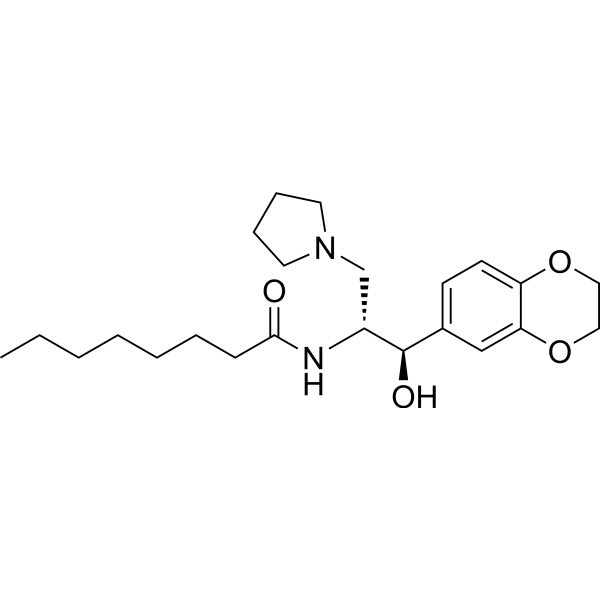 0 ImagesSynonyms: Genz 99067
Eliglustat is an specific, potent and orally active glucocerebroside synthase inhibitor with an IC50 of 24 nM.
-
Miglustat
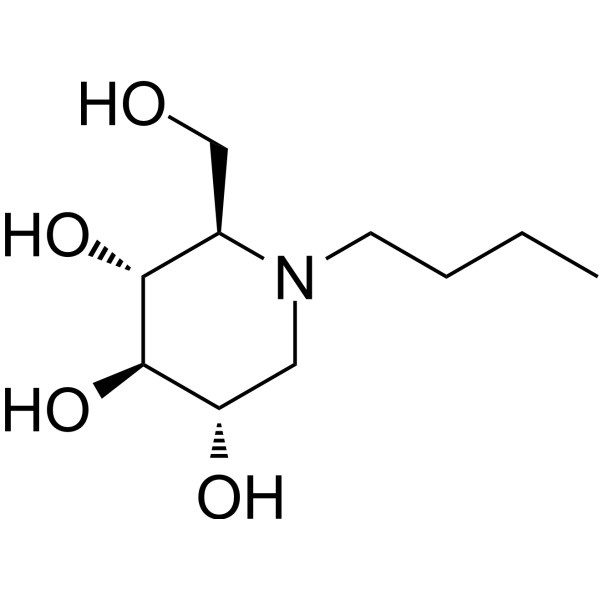 0 ImagesSynonyms: N-Butyldeoxynojirimycin; NB-DNJ; OGT 918
Miglustat (N-Butyldeoxynojirimycin) is an orally active and reversible ceramide glucosyltransferase inhibitor. Miglustat can be used for the research of type I gaucher disease.
-
Eliglustat hemitartrate
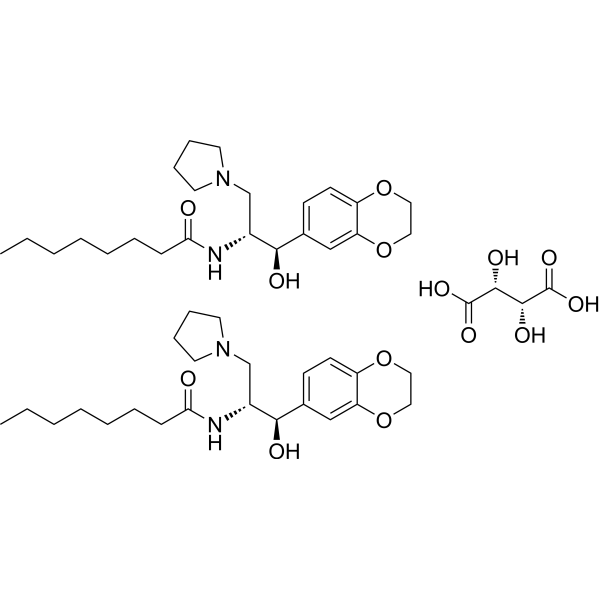 0 ImagesSynonyms: Genz-112638; Eliglustat tartrate
Eliglustat hemitartrate is an specific, potent and orally active glucocerebroside synthase inhibitor with an IC50 of 24 nM.
-
Miglustat hydrochloride
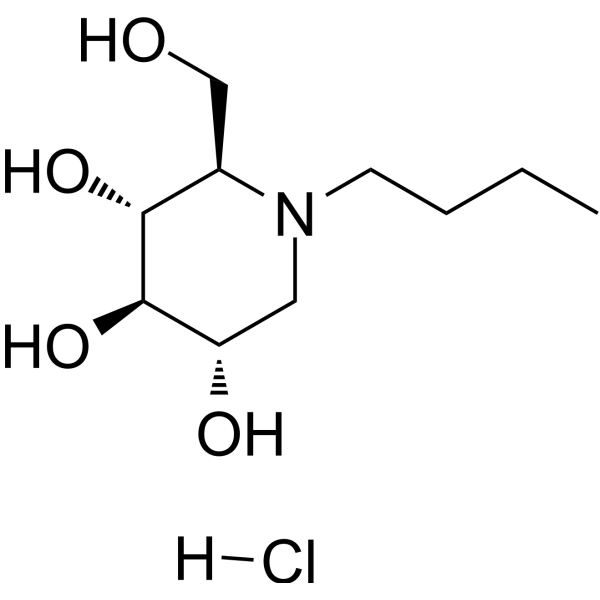 0 ImagesSynonyms: N-Butyldeoxynojirimycin hydrochloride; NB-DNJ hydrochloride; OGT 918 hydrochloride
Miglustat (N-Butyldeoxynojirimycin) hydrochloride is an orally active and reversible ceramide glucosyltransferase inhibitor, with blood-brain barrier permeability. Miglustat hydrochloride can be used for the research of type I gaucher disease.
-
CCG-203586
 0 ImagesCat. No.: HY-206259CAS No.: 1430611-23-6
CCG-203586 is a brain-penetrant glucosylceramide synthase (GCS) inhibitor. CCG-203586 reduces GCS production and brain levels, blocks the first committed step in ganglioside biosynthesis, and lowers downstream ganglioside levels. CCG-203586 can be used for the research of Tay-Sachs, Sandhoff disease, and types 2 and 3 Gaucher disease.
-
D-threo-PDMP
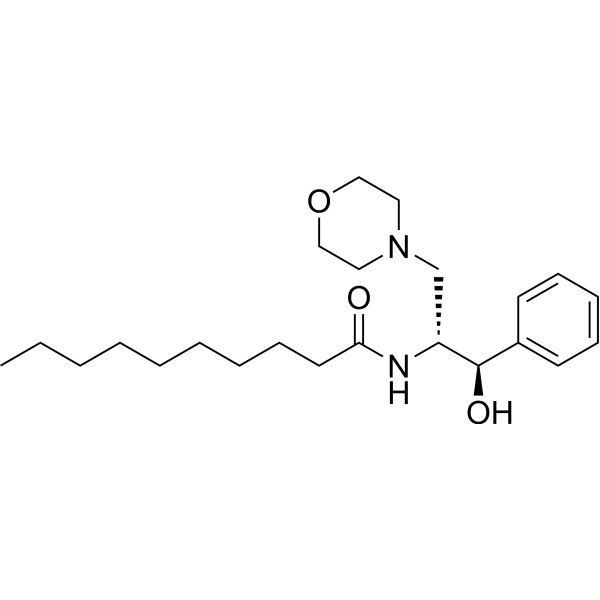 0 Images
D-threo-PDMP is a potent glucoceramide synthase (GCS) inhibitor, which reduces the glycosphingolipids (such as GM3 and GD3) on the cell surface by inhibiting glycosylation, reduces the total length of the axon plexus and the number of axon branch points, and inhibits neurite growth. D-threo-PDMP inhibits the synthesis of GM3, thereby reducing the adhesion ability of B16 melanoma cells and mimicking the pathological effects of hyperglycemia/TGF-β1. D-threo-PDMP inhibits the synthesis of GD3, thereby protecting liver cells from apoptosis induced by TNF-α. D-threo-PDMP can be used to study diseases related to targeted glycosphingolipid metabolism.
-
Glucosylceramide synthase-IN-6
 0 ImagesCat. No.: HY-186121ACAS No.: 3118501-71-3
Glucosylceramide synthase-IN-6 (G3-3B) is a glucosylceramide synthase (GCS) inhibitor that can be used for the study of the diseases and disorders associated with GCS activity, such as lysosomal storage disorders.
-
Genz-123346 free base
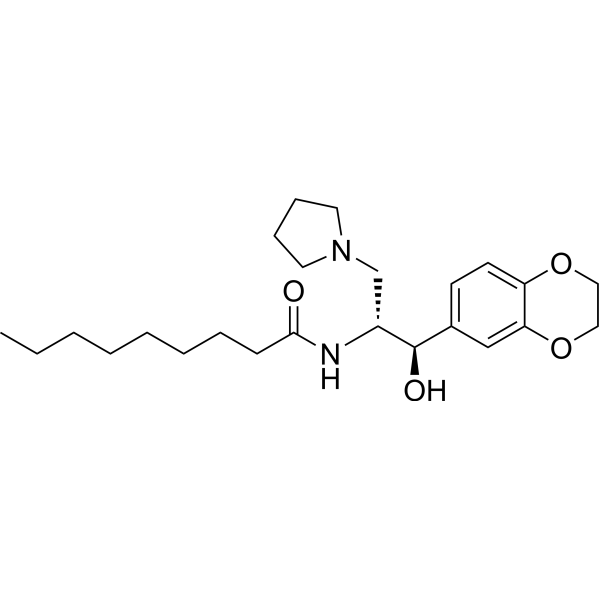 0 Images
Genz-123346 free base is an orally available inhibitor of glucosylceramide synthase. Genz-123346 blocks the conversion of ceramide to glucosylceramide (GL1) and inhibits GM1 with an IC50 of 14 nM.
-
PDMP hydrochloride
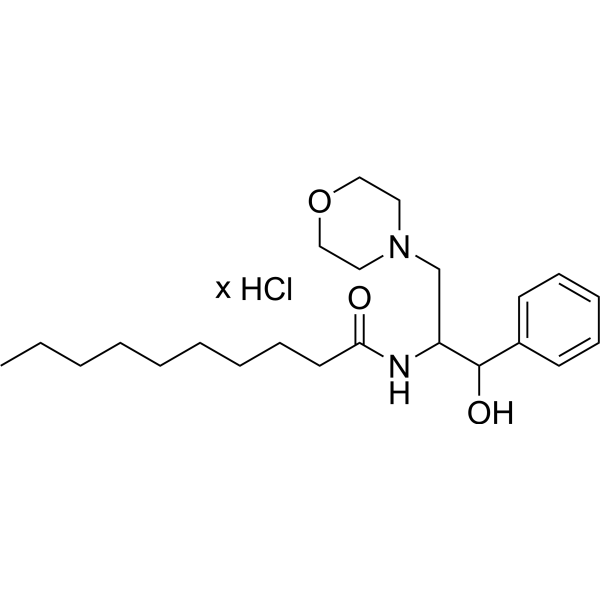 0 Images
PDMP hydrochloride is a glucosylceramide synthase (GCS) inhibitor. PDMP hydrochloride induces apoptosis in K562/A02 cells. PDMP hydrochloride can be used in cancer (such as leukemia) research.
-
DL-threo-PDMP hydrochloride
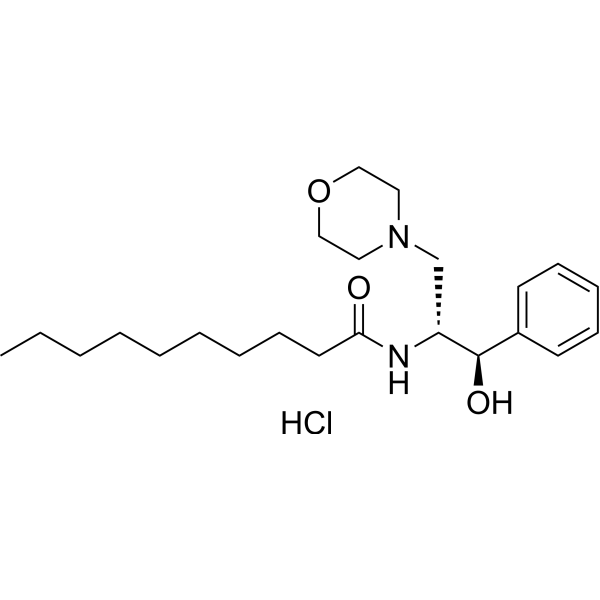 0 Images
DL-threo-PDMP hydrochloride is a competitive glucosylceramide synthase (GCS) inhibitor and antimalarial agent. DL-threo-PDMP hydrochloride competitively inhibits the activity of GCS. DL-threo-PDMP hydrochloride restores cisplatin sensitivity in cisplatin-resistant testicular germ cell tumor cells. DL-threo-PDMP hydrochloride blocks the growth of ring-stage Plasmodium falciparum parasites.
-
D(+)-Raffinose pentahydrate
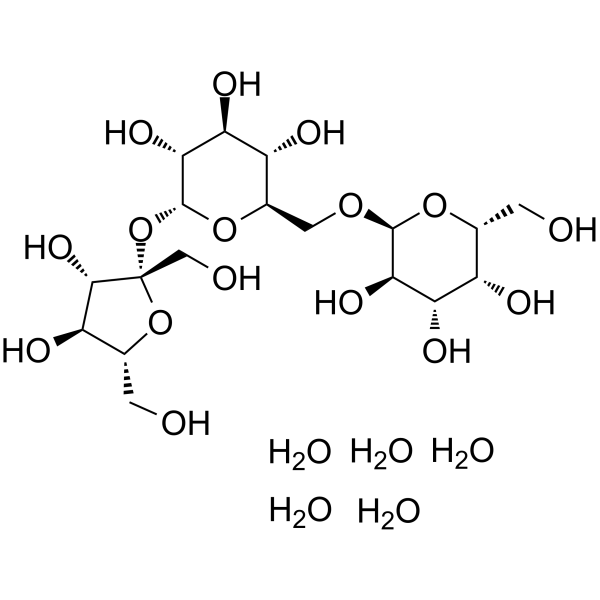 0 ImagesSynonyms: D-Raffinose pentahydrate
D(+)-Raffinose pentahydrate is an orally active inhibitor of LecA (Kd = 32 μM) and GtfC. D(+)-Raffinose pentahydrate reduces cyclic diguanylate (c-di-GMP) by increased activity of a c-di-GMP specific phosphodiesterase. D(+)-Raffinose pentahydrate interferes with GTF function. D(+)-Raffinose pentahydrate decreases IL-4 and IL-5 mRNA. D(+)-Raffinose pentahydrate exhibits biofilm-inhibitory activity against Pseudomonas aeruginosa and Streptococcus mutans and inhibits allergic airway eosinophilia.
-
AMP-Deoxynojirimycin
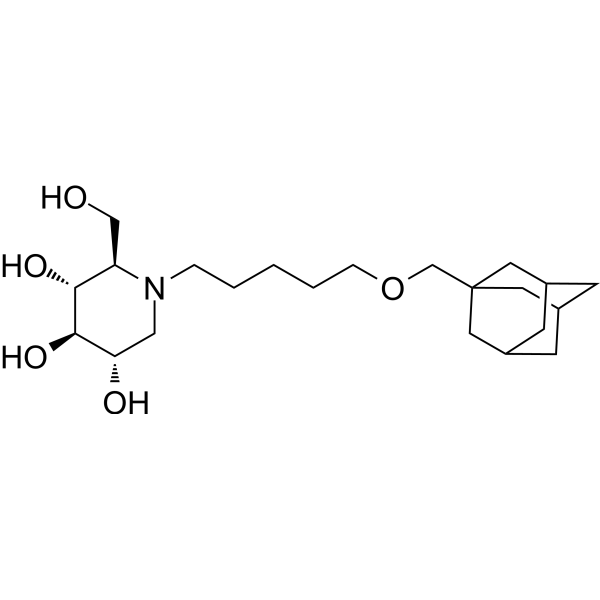 0 ImagesSynonyms: AMP-DNM
AMP-Deoxynojirimycin (AMP-DNM) is a potent ceramide glucosyltransferase and GCase 2 inhibitor. AMP-Deoxynojirimycin also is a GlcCer biosynthesis inhibitor.
-
D-threo-PDMP hydrochloride
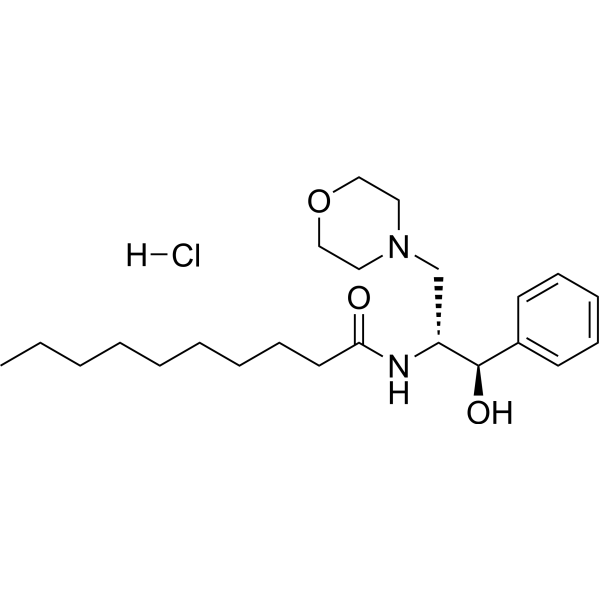 0 Images
D-threo-PDMP hydrochloride is a potent glucoceramide synthase (GCS) inhibitor, which reduces the glycosphingolipids (such as GM3 and GD3) on the cell surface by inhibiting glycosylation, reduces the total length of the axon plexus and the number of axon branch points, and inhibits neurite growth. D-threo-PDMP hydrochloride inhibits the synthesis of GM3, thereby reducing the adhesion ability of B16 melanoma cells and mimicking the pathological effects of hyperglycemia/TGF-β1. D-threo-PDMP hydrochloride inhibits the synthesis of GD3, thereby protecting liver cells from apoptosis induced by TNF-α. D-threo-PDMP hydrochloride can be used to study diseases related to targeted glycosphingolipid metabolism.
-
D,L-erythro-PDMP hydrochloride
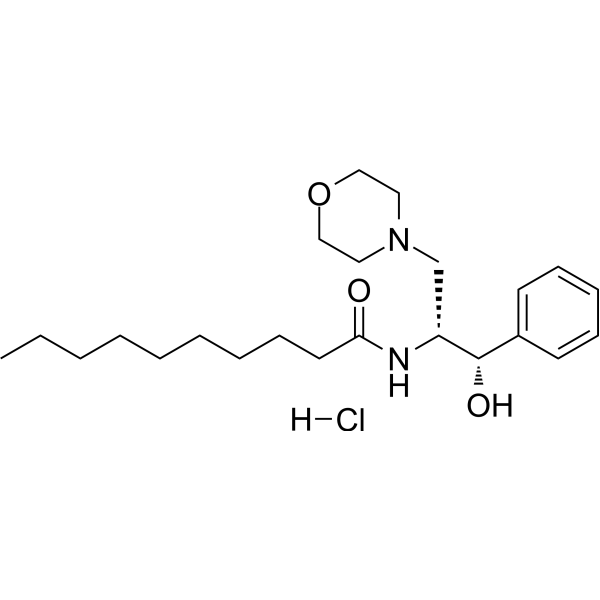 0 Images
D,L-erythro-PDMP hydrochloride is an erythro isomer of PDMP. D,L-erythro-PDMP hydrochloride causes growth inhibition of cultured rabbit skin fibroblasts. PDMP is an effective inhibitor of UDP-glucose:ceramide glucosyltransferase.
-
Macrocarpal H
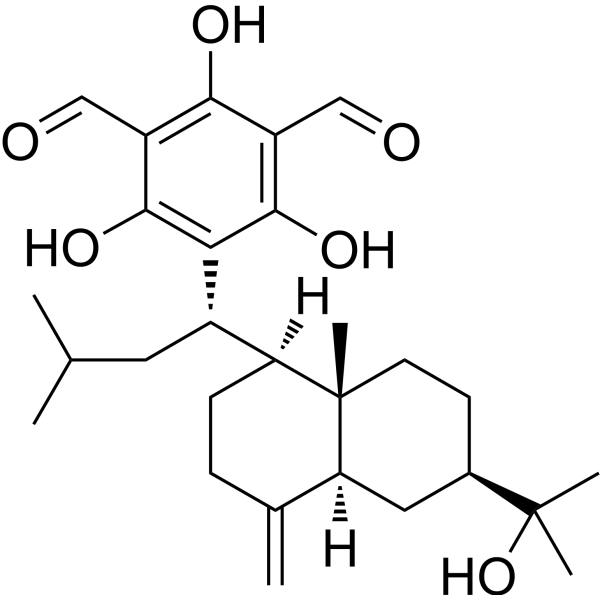 0 ImagesCat. No.: HY-N3341CAS No.: 179388-53-5
Macrocarpal H is a natural compound that can be isolated from the Leaves of Eucalyptus globulus. Macrocarpal H exhibits antibacterial activity against Gram-positive cariogenic bacteria and Gram-negative periodontopathic bacteria. Macrocarpal H inhibits adherent water-insoluble glucan synthesis via glucosyltransferase. Macrocarpal H can be used for the research of caries, periodontal disease, dental caries, periodontal disorders.
-
G43
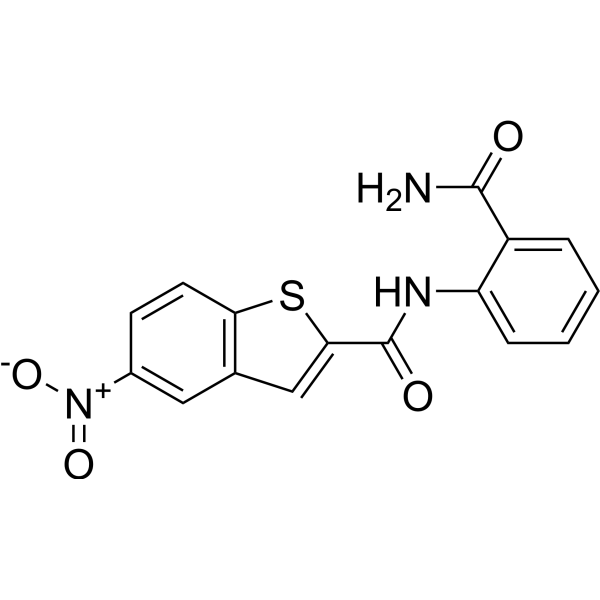 0 Images
G43 is a potent, selective glucosyltransferase inhibitor, with the Kd of 3.7μM and 46.9 nM for GtfB and GtfC, respectively. G43 has antibacterial to S. mutans in vitro and in vivo, and can be used for dental caries study.
-
G43-C3-TEG
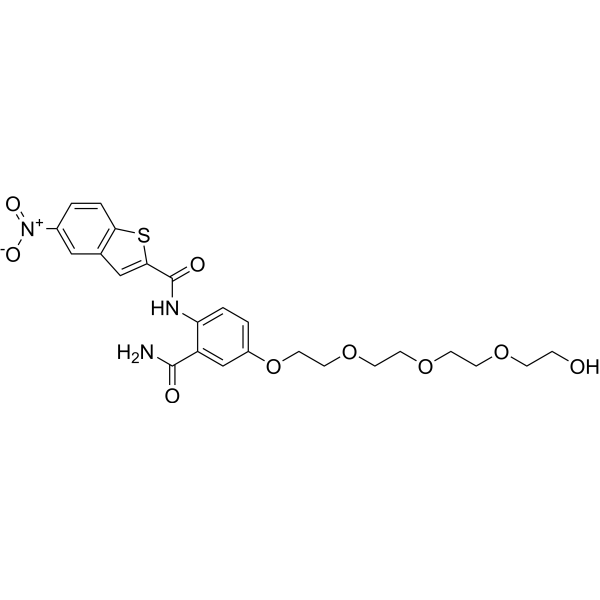 0 ImagesCat. No.: HY-155716CAS No.: 2702262-15-3
G43-C3-TEG is a glycosyl-transferase inhibitor. G43-C3-TEG reduces the biofilm formation by decreasing the production of EPS (extracellular polysaccharides).
-
Eliglustat (Standard)
 0 ImagesSynonyms: Genz 99067 (Standard)
Eliglustat (Standard) is the analytical standard of Eliglustat. This product is intended for research and analytical applications. Eliglustat is an specific, potent and orally active glucocerebroside synthase inhibitor with an IC50 of 24 nM.
-
C2 Adamantanyl galactosylceramide (d18:1/2:0)
 0 ImagesCat. No.: HY-156208CAS No.: 574738-16-2Synonyms: AdaGalCer(d18:1/2:0); Admantanyl galactosylceramide (d18:1/2:0); Admantanyl galCer(d18:1/2:0)
C2 Adamantanyl galactosylceramide (AdaGalCer) (d18:1/2:0) is a bioactive sphingolipid. C2 Adamantanyl galactosylceramide (d18:1/2:0) stimulates glucocerebrosidase activity in vitro. C2 Adamantanyl galactosylceramide (d18:1/2:0) inhibits microsomal LacCer and Gb3 synthase, and inhibits cell sulfatide synthesis. C2 Adamantanyl galactosylceramide (d18:1/2:0) reduces glucosylceramide (GlcCer) levels in normal and lysosomal storage disease (LSD) cells. C2 Adamantanyl galactosylceramide (d18:1/2:0) acts as a substrate for A4GALT and is able to lower Gb3 levels with an IC50 concentration of 40 μM in fabry disease cells.
-
Glucosylceramide synthase-IN-5
 0 ImagesCat. No.: HY-186121CAS No.: 3118501-69-9
Glucosylceramide synthase-IN-5 (G3-3) is a glucosylceramide synthase (GCS) inhibitor that can be used for the study of the diseases and disorders associated with GCS activity, such as lysosomal storage disorders.
- 1
- 2



