



Isotope-Labeled Compounds
Isotope-labeled compounds are chemical substances in which some atoms in their molecules are replaced by isotope atoms. The range of stable isotope products can cover from gases to complex molecules. Isotope-labeled compounds could provide a site-specific investigation of structures, making molecules easily detectable by mass spectrometry and NMR, and maintaining the physico-chemical properties of the target molecule at the same time.
MCE isotope-labeled compounds are all stable isotope-labeled compounds and are non-radioactive labeled substances. MCE isotope-labeled compounds are unique tools for identifying and understanding biological and chemical processes. Stable isotope-labeled products are now getting more and more popular among scientists. The scope of application is gradually penetrating into various scientific fields, such as life sciences, food and medicine, agriculture, environment, geology, etc. Stable isotope-labeled compounds have a wide range of applications in the Life Science areas, such as Metabolomics, Proteomics, Clinical studies, Deuterium drugs, etc.
All Product Categories
-
Isotope-Labeled Compounds Related Products (11098)
Related Products (11098)

-
1-Palmitoyl-sn-glycero-3-phosphocholine-d9-1
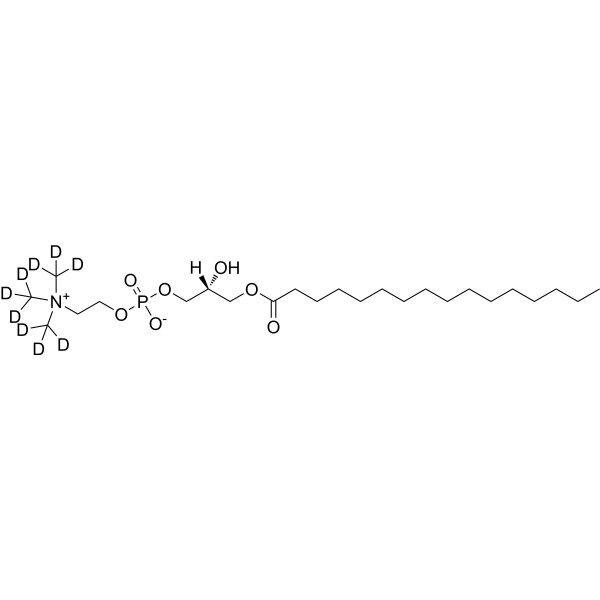 0 ImagesCat. No.: HY-125783S3CAS No.: 182257-09-6Synonyms: 16:0 Lyso PC-d9-11-Palmitoyl-sn-glycero-3-phosphocholine-d9-1 (16:0 Lyso PC-d9-1) is deuterium labeled 1-Palmitoyl-sn-glycero-3-phosphocholine (HY-125783). 1-Palmitoyl-sn-glycero-3-phosphocholine (16:0 Lyso PC) is an abundant lysophosphatidylcholine. 1-Palmitoyl-sn-glycero-3-phosphocholine exhibits proinflammatory activity. 1-Palmitoyl-sn-glycero-3-phosphocholine can be used in the study of atherosclerosis.
-
L-Glutathione reduced-d5 ammonium
 0 ImagesCat. No.: HY-W745029APurity: 98.71%Synonyms: GSH-d5 ammonium; γ-L-Glutamyl-L-cysteinyl-glycine-d5 ammoniumL-Glutathione reduced-d5 (GSH-d5) ammonium is the deuterium labeled L-Glutathione reduced (HY-D0187). L-Glutathione reduced (GSH) is an endogenous antioxidant and is capable of scavenging oxygen-derived free radicals.
-
N-(4-((3-Methoxy-4-(1-(methyl-d3)-1H-1,2,4-triazol-3-yl)pyridin-2-yl)amino)-5-propionylpyridin-2-yl)cyclopropanecarboxamide
 0 ImagesN-(4-((3-Methoxy-4-(1-(methyl-d3)-1H-1,2,4-triazol-3-yl)pyridin-2-yl)amino)-5-propionylpyridin-2-yl)cyclopropanecarboxamide is the deuterium labeled N-(4-((3-Methoxy-4-(1-(methyl)-1H-1,2,4-triazol-3-yl)pyridin-2-yl)amino)-5-propionylpyridin-2-yl)cyclopropanecarboxamide.
-
Adenine-15N5
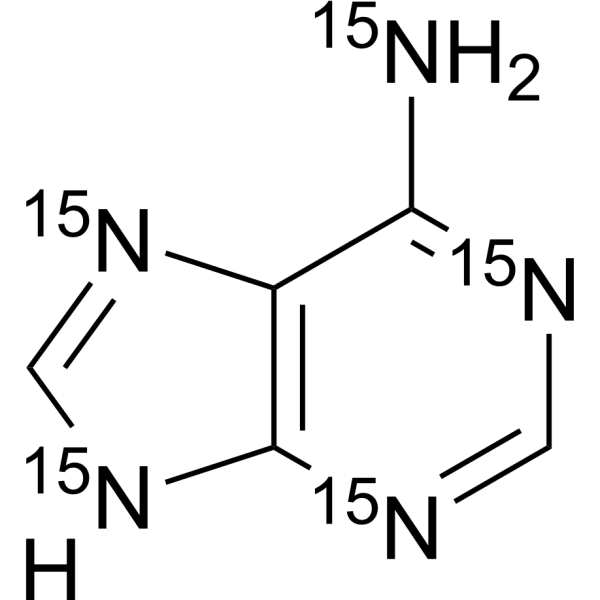 0 ImagesCat. No.: HY-B0152S4Purity: 99.9%Synonyms: 6-Aminopurine-15N5; Vitamin B4-15N5Adenine-15N5 (6-Aminopurine-15N5; Vitamin B4-15N5) is 15N labeled Adenine (HY-B0152). Adenine (6-Aminopurine), a purine, is one of the four nucleobases in the nucleic acid of DNA. Adenine acts as a chemical component of DNA and RNA. Adenine also plays an important role in biochemistry involved in cellular respiration, the form of both ATP and the cofactors (NAD and FAD), and protein synthesis.
-
Palmitic acid-1,2,3,4-13C4
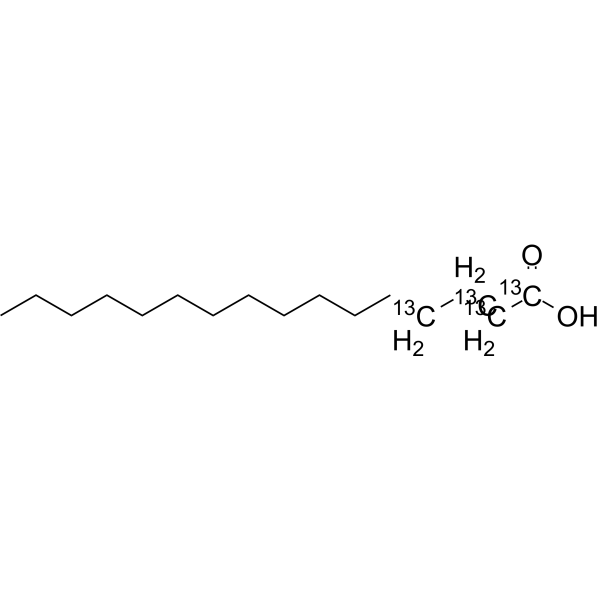 0 ImagesPalmitic acid-1,2,3,4-13C4 is the 13C-labeled Palmitic acid. Palmitic acid is a long-chain saturated fatty acid commonly found in both animals and plants. Palmitic acid can induce the expression of glucose-regulated protein 78 (GRP78) and CCAAT/enhancer binding protein homologous protein (CHOP) in in mouse granulosa cells.
-
Olanzapine-d3
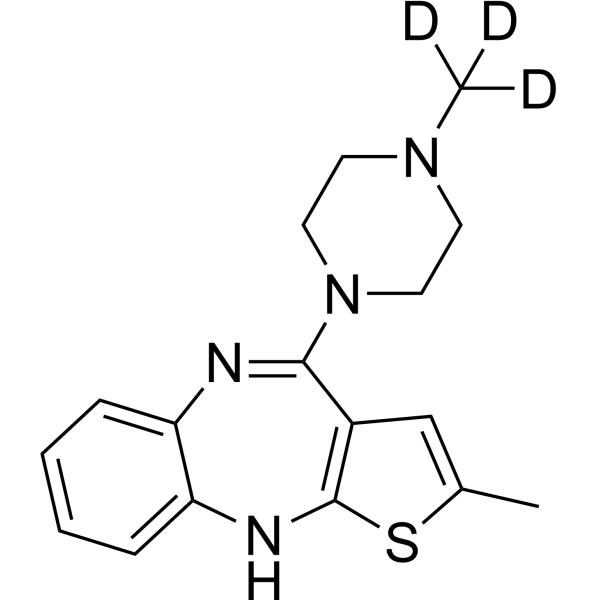 0 ImagesSynonyms: LY170053-d3Olanzapine-d3 (LY170053-d3) is the deuterium labeled Olanzapine. Olanzapine is a selective, orally active monoaminergic antagonist with high affinity binding to serotonin H1, 5HT2A/2C, 5HT3, 5HT6 (Ki=7, 4, 11, 57, and 5 nM, respectively), dopamine D1-4 (Ki=11 to 31 nM), muscarinic M1-5 (Ki=1.9-25 nM), and adrenergic α1 receptors (Ki=19 nM). Olanzapine is an atypical antipsychotic.
-
Sitagliptin-d4 hydrochloride
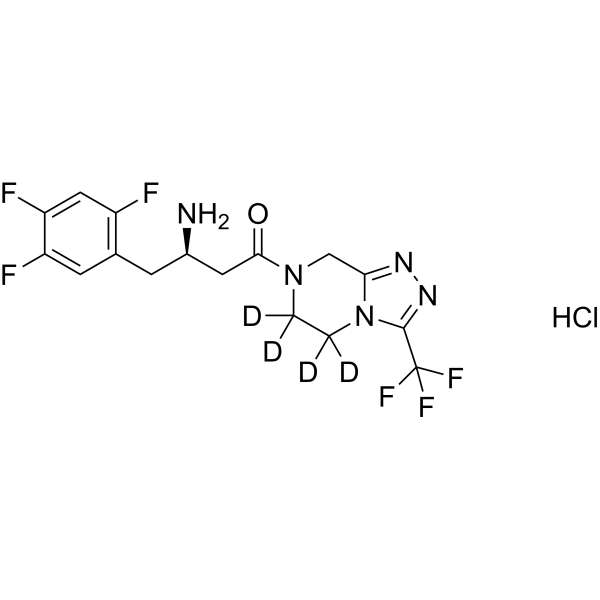 0 ImagesCat. No.: HY-13749S1Purity: 99.22%Synonyms: MK-0431-d4 hydrochlorideSitagliptin-d4 hydrochloride is the deuterium labeled Sitagliptin hydrochloride (HY-13749E). Sitagliptin hydrochloride is an orally active and highly selective DPP4 inhibitor with an IC50 value of 19 nM. Sitagliptin hydrochloride blocks the degradation of glucagon-like peptide-1 (GLP-1) and glucose-dependent insulinotropic peptide (GIP) by competing inhibition mechanism (Kᵢ = 1 nM), thereby increasing the level of active incretin. Sitagliptin hydrochloride can also directly stimulate the secretion of GLP-1 by intestinal L cells by activating the cAMP/PKA and ERK1/2 pathways, and this effect is independent of DPP-4. Sitagliptin hydrochloride shows protective effects on pancreatic islet grafts in 1-type diabetes models. Sitagliptin hydrochloride can be used for the study of 1-type and 2-type diabetes.
-
D-Mannitol-2-13C
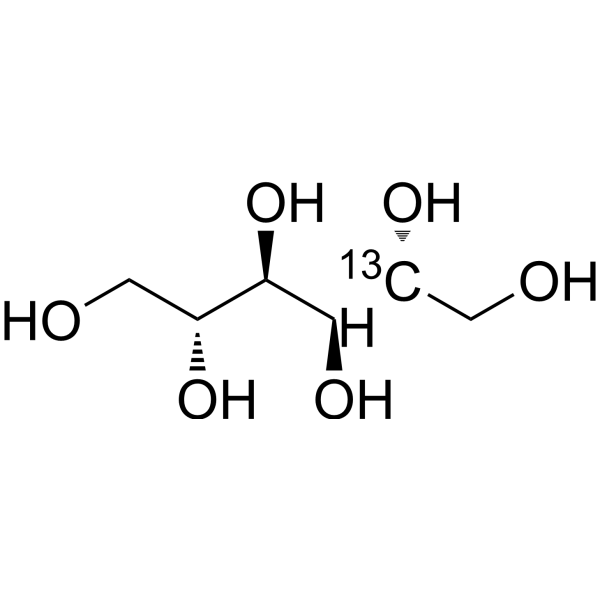 0 ImagesSynonyms: Mannitol-2-13C; Mannite-2-13CD-Mannitol-2-13C is the 13C labeled D-Mannitol (HY-N0378). D-Mannitol (Mannitol) is an oral, resistant sugar widely used in the food and pharmaceutical industries to promote the absorption and retention of calcium and magnesium through cecal fermentation, while acting as a osmotic diuretic to reduce tissue edema. D-Mannitol can enhance brown fat formation, improve insulin effect, reduce blood sugar levels, And through the start the β3-adrenergic receptor (β3-AR), PGC1α and PKA induced by means of white fat cells into brown fat cells. D-Mannitol is commonly used to maintain osmotic pressure between the plant cytoplasm and the culture medium and protect cells when the cell wall is weakened or even removed.
-
(-)-Epigallocatechin Gallate-d4
 0 ImagesCat. No.: HY-13653S1Synonyms: EGCG-d4; Epigallocatechol Gallate-d4(-)-Epigallocatechin Gallate-d4 (EGCG-d4) is the deuterium labeled (-)-Epigallocatechin Gallate (HY-13653). (-)-Epigallocatechin Gallate (EGCG) is a major polyphenol in green tea, which can inhibit cell proliferation and induce cell apoptosis. (-)-Epigallocatechin Gallate inhibits glutamate dehydrogenase 1/2 (GDH1/2, GLUD1/2) activity. (-)-Epigallocatechin Gallate has a potent anticancer, antioxidant and anti-inflammatory properties against various types of cancers such as colorectal cancer, myeloid leukemia, thyroid carcinoma.
-
Carbendazim-d4
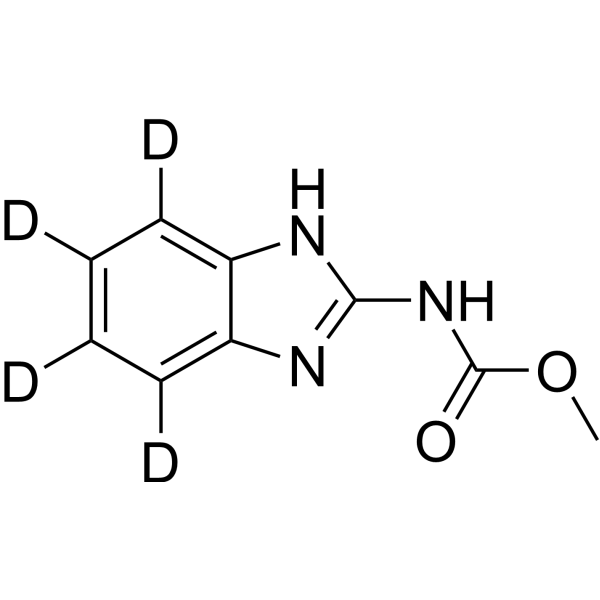 0 ImagesCarbendazim-d4 is the deuterium labeled Carbendazim. Carbendazim is a potent and orally active broad-spectrum?benzimidazole fungicide and can be acts as a pesticide for fungal diseases research, such as Seproria,?Fusarium?and?Sclerotina. Carbendazim is a benzimidazole (HY-Y1825) derivative with antitumor activity and used for cancer research, especially advanced solid tumors and lymphoma.
-
C6 Ceramide-d11
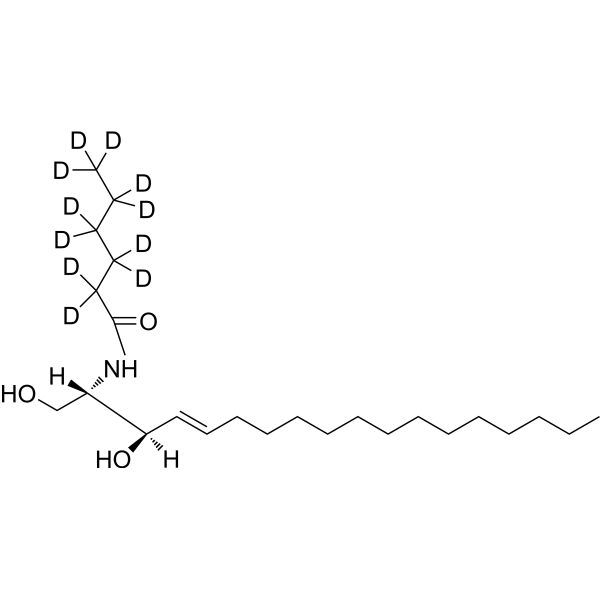 0 ImagesCat. No.: HY-19542S1Purity: 99.79%Synonyms: C6-Cer-d11; N-Hexanoylsphingosine-d11C6 Ceramide-d11 is deuterated labeled C6 Ceramide (HY-19542). C6-ceramide, a ceramide pathway activator, shows activity against a variety of cancer cell lines. C6-ceramide can be used as an adjuvant for chemotherapeutic agents, to enhance anti-tumor effects.
-
(rac)-3-O-Methyl DOPA-d3
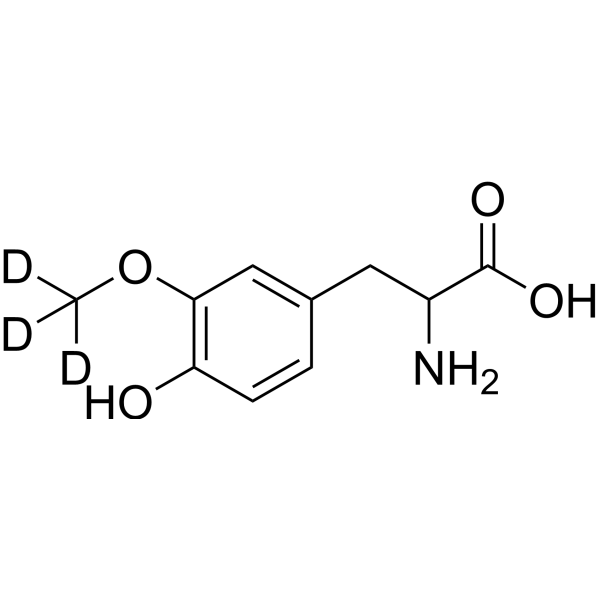 0 ImagesCat. No.: HY-132404SCAS No.: 1219173-95-1(rac)-3-O-Methyl DOPA-d3 is the deuterium labeled (rac)-3-O-Methyl DOPA.
-
Vitamin K3-d8
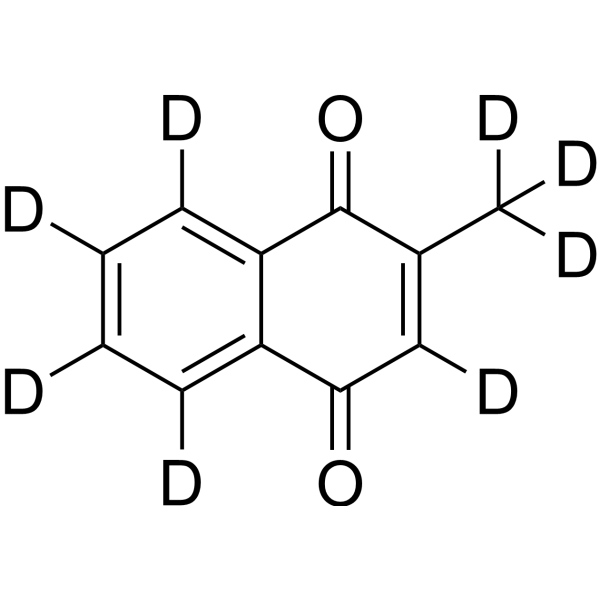 0 ImagesVitamin K3-d8 is the deuterium labeled Vitamin K3.
-
Penicillin G-d7 potassium
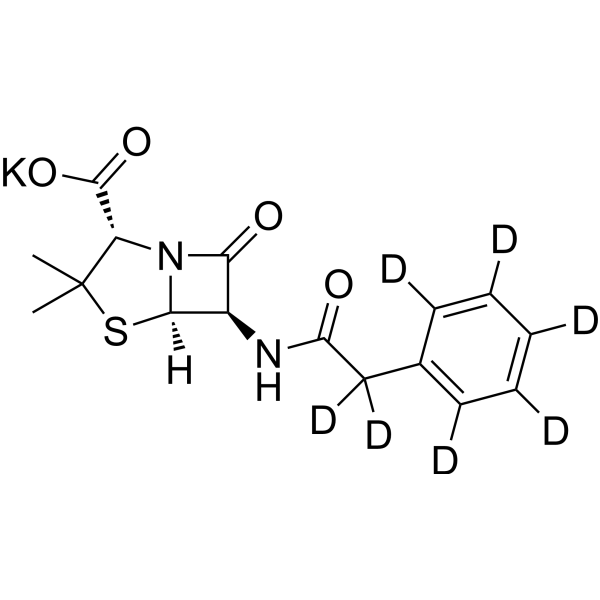 0 ImagesCat. No.: HY-N7139S1CAS No.: 352323-25-2Synonyms: Benzylpenicillin-d7 potassium saltPenicillin G-d7 (potassium) is the deuterium labeled Penicillin G potassium salt.
-
Amitriptyline-d6 hydrochloride
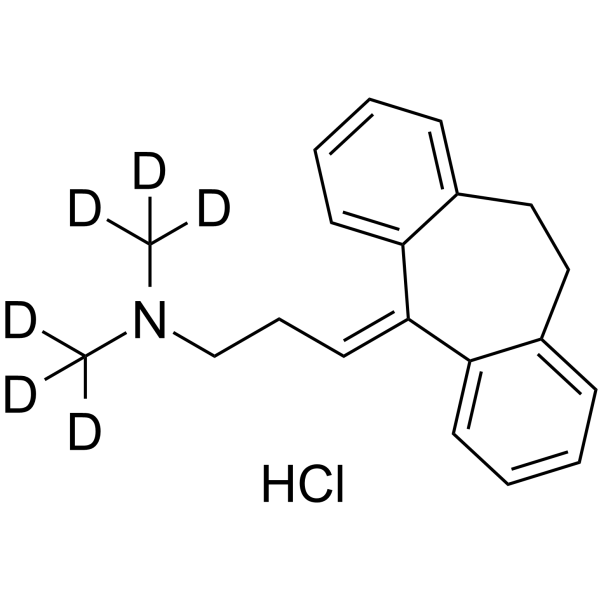 0 ImagesAmitriptyline-d6 hydrochloride is the deuterium labeled Amitriptyline hydrochloride (HY-B0527A). Amitriptyline hydrochloride is an orally active tricyclic antidepressant (TCA). Amitriptyline hydrochloride mainly exerts its antidepressant effect by blocking SERT (Ki = 3.45 nM) and NET (Ki = 13.3 nM), thereby increasing the concentrations of 5-hydroxytryptamine (5-HT) and norepinephrine (NE) in the synaptic cleft. Amitriptyline hydrochloride is also an agonist at α2A and TrkA/TrkB receptors, thereby exerting analgesic and neurotrophic activities (inhibiting cell apoptosis). Amitriptyline hydrochloride can reduce inflammation, angiogenesis and fibrosis. Amitriptyline hydrochloride binds to DAT (with Ki = 2.58 μM). Amitriptyline hydrochloride has high affinity for a series of receptors and can antagonize muscarinic cholinergic receptors (M1/M2/M3/M4/M5 receptors) (Ki = 11-24 nM), H1 receptors (Ki = 0.5-1.1 nM), adrenergic α1 receptors (Ki = 4.4 nM), etc., resulting in a series of side effects. Amitriptyline hydrochloride can block sodium channels and hERG potassium channel (IC50 = 4.78 μM) and it has cardiotoxicity.
-
Furosemide-d5
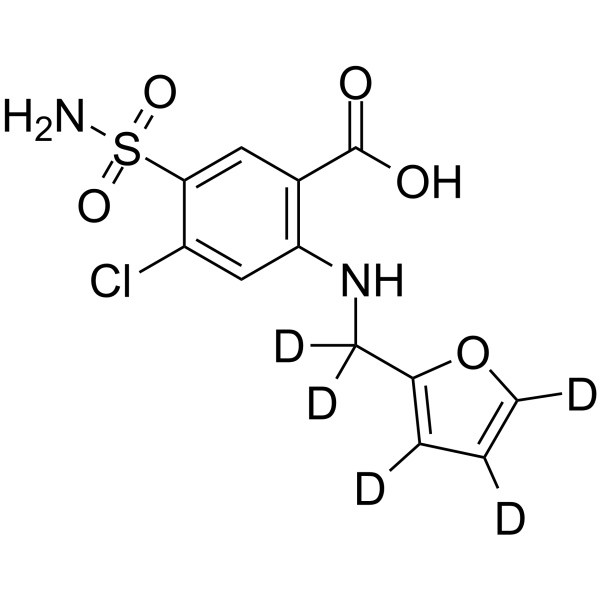 0 ImagesFurosemide-d5 is the deuterated-labeled Furosemide (HY-B0135). Furosemide is an orally active GABAA receptor antagonist. Furosemide inhibits carbonic anhydrase, the sodium-chloride cotransporter, sodium reabsorption, tubuloglomerular feedback, and GABA-induced chloride flux. Furosemide can be used as a diuretic reagent. Furosemide is applied in the research of hepatic necrosis, sepsis-associated acute kidney injury, hypoalbuminemia-related fluid retention, and congestive heart failure.
-
Navitoclax-d8
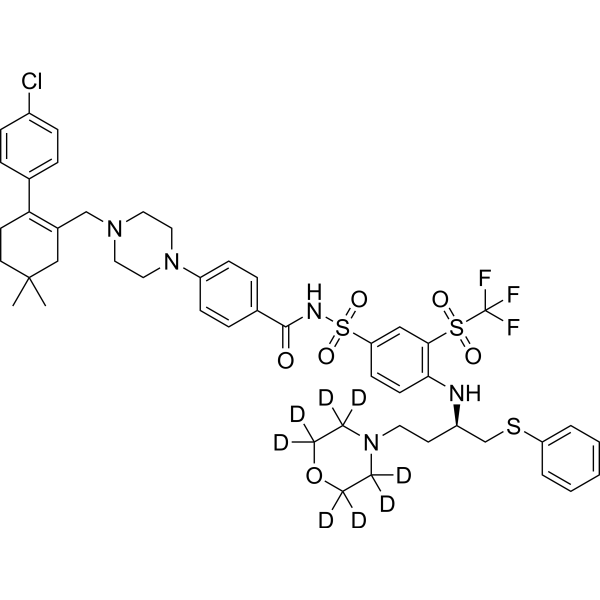 0 ImagesNavitoclax-d8 is the d8-labeled Navitoclax (HY-10087). Navitoclax (ABT-263 ) is an orally active BH3 mimetic and an inhibitor of Bcl-2, Bcl-xL, and Bcl-w, with a Ki value of <1 nM for each target. Navitoclax triggers endogenous Apoptosis and downregulates the expression of Survivin and TGFβ2. Navitoclax alleviates fibrosis and induces thrombocytopenia. Navitoclax exhibits anticancer activity against a variety of tumors and enhances the efficacy of chemotherapy and radiotherapy. Navitoclax can be used in the research of acute lymphoblastic leukemia, ovarian cancer, and fibrotic diseases.
-
Bendroflumethiazide-d5
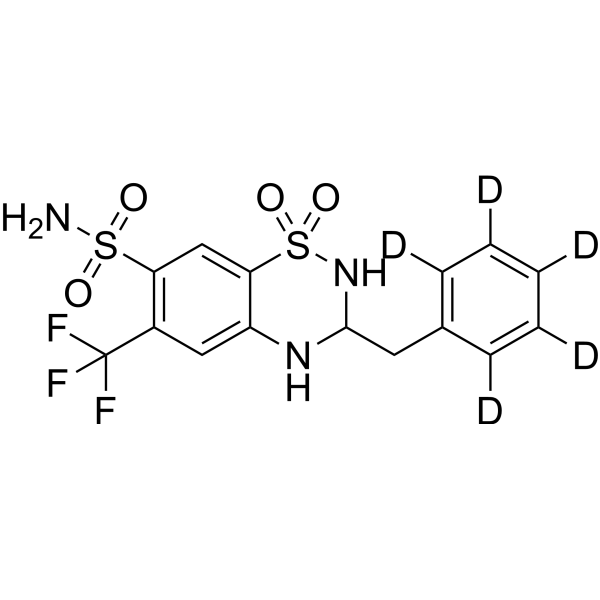 0 ImagesCat. No.: HY-B1363SCAS No.: 1330183-13-5Synonyms: Bendrofluazide-d5Bendroflumethiazide-d5 (Bendrofluazide-d5) is the deuterium labeled Bendroflumethiazide (HY-B1363).Bendroflumethiazide (Bendrofluazide) is an orally available diuretic. Bendroflumethiazide inhibits the electroneutral sodium-chloride symporter located in the apical membrane of the early segment of the distal convoluted tubule and can effectively lower blood pressure. Bendroflumethiazide is used in the study of hypertension and edema. Bendroflumethiazide has an antidiuretic effect in diabetes insipidus.
-
N-Nitrosodiethanolamine-d8
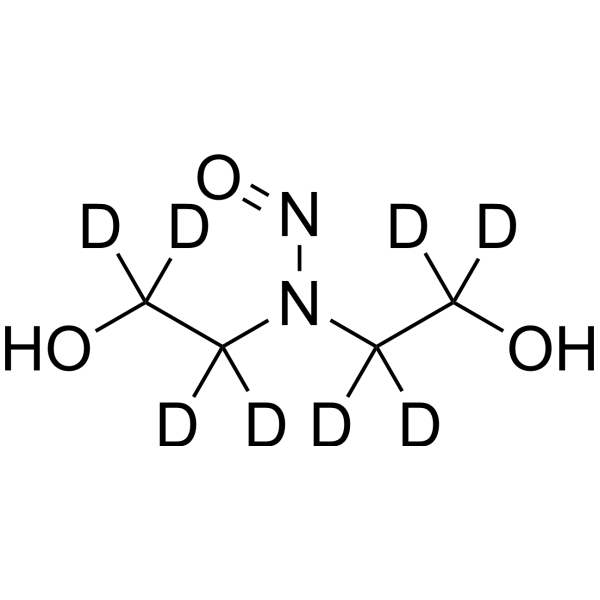 0 ImagesN-Nitrosodiethanolamine-d8 is the deuterium labeled N-Nitrosodiethanolamine.
-
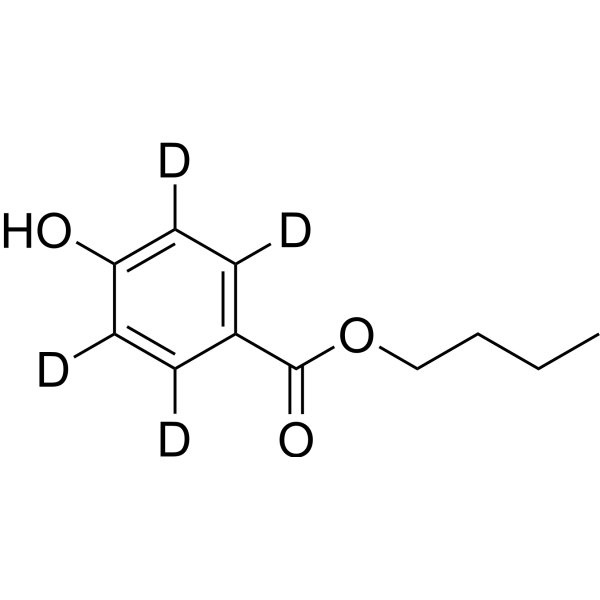
Butylparaben-d4
 0 ImagesSynonyms: Butyl parahydroxybenzoate-d4; Butyl paraben-d4; Butyl 4-hydroxybenzoate-d4Butylparaben-d4 is the deuterium labeled Butylparaben. Butylparaben is an organic compound, has proven to be a highly successful antimicrobial preservative in cosmetics, also used in medication suspensions, and as a flavoring additive in food.



