



Isotope-Labeled Compounds
Isotope-labeled compounds are chemical substances in which some atoms in their molecules are replaced by isotope atoms. The range of stable isotope products can cover from gases to complex molecules. Isotope-labeled compounds could provide a site-specific investigation of structures, making molecules easily detectable by mass spectrometry and NMR, and maintaining the physico-chemical properties of the target molecule at the same time.
MCE isotope-labeled compounds are all stable isotope-labeled compounds and are non-radioactive labeled substances. MCE isotope-labeled compounds are unique tools for identifying and understanding biological and chemical processes. Stable isotope-labeled products are now getting more and more popular among scientists. The scope of application is gradually penetrating into various scientific fields, such as life sciences, food and medicine, agriculture, environment, geology, etc. Stable isotope-labeled compounds have a wide range of applications in the Life Science areas, such as Metabolomics, Proteomics, Clinical studies, Deuterium drugs, etc.
All Product Categories
-
Isotope-Labeled Compounds Related Products (11100)
Related Products (11100)

-
L-Aspartic acid-13C
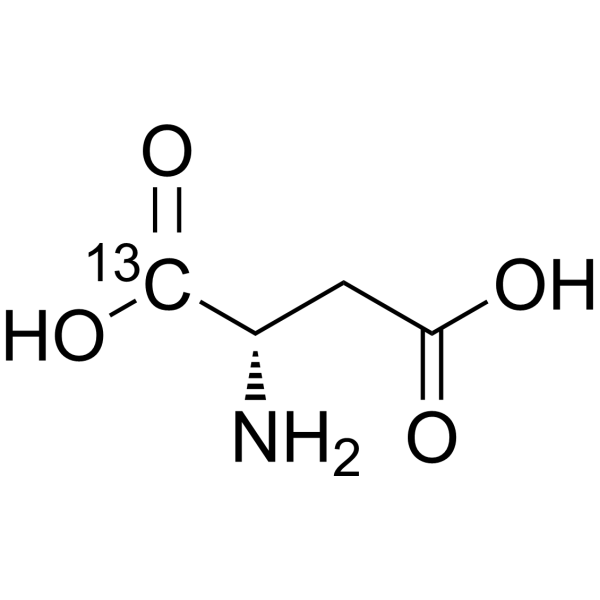 0 ImagesL-Aspartic acid-13C is the 13C-labeled L-Aspartic acid (HY-N0666). L-Aspartic acid is a NMDA receptor agonist and acidic amino acid. L-Aspartic acid has no independent analgesic activity. L-Aspartic acid can antagonize the analgesic effects of D-Aspartic acid and Morphine. L-Aspartic acid regulates polymorph transformation, crystal growth/aggregation and nucleation processes of calcium carbonate, and can serve as a biomineralization template. L-Aspartic acid promotes burst firing of central neurons. L-Aspartic acid can be used in studies related to cerebral ischemia and epilepsy.
-
α-Hydroxymetoprolol-d7
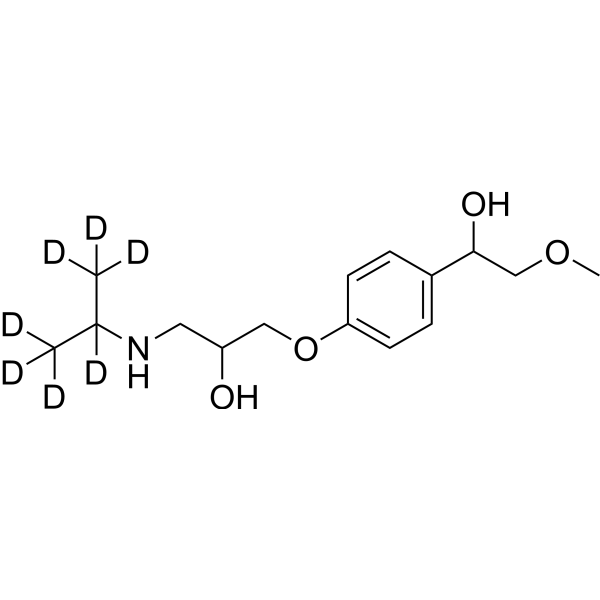 0 ImagesCat. No.: HY-134670S1CAS No.: 1276197-39-7α-Hydroxymetoprolol-d7 is the deuterium labeled α-Hydroxymetoprolol.
-
Glyphosate-d2
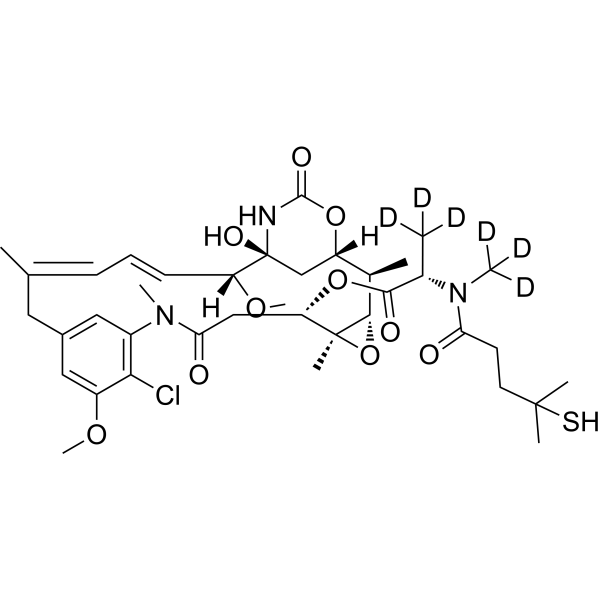
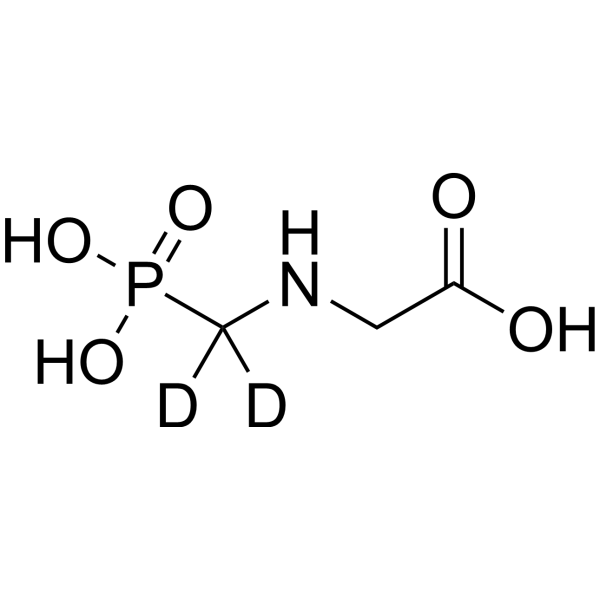 0 ImagesCat. No.: HY-B0863SCAS No.: 2733532-11-9Glyphosate-d2 is the deuterium labeled Glyphosate. Glyphosate is an herbicidal derivative of the amino acid glycine. Glyphosate targets and blocks a plant metabolic pathway not found in animals, the shikimate pathway, required for the synthesis of aromatic amino acids in plants.
-
Butyryl-L-carnitine-d3 chloride
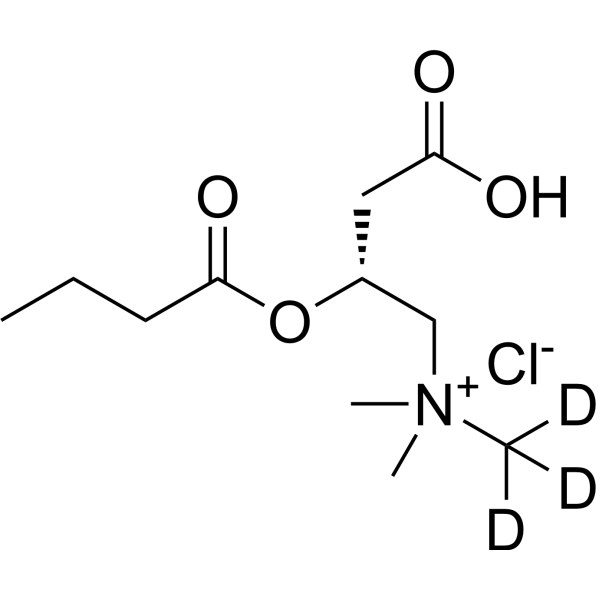 0 ImagesButyryl-L-carnitine-d3 (chloride) is the deuterium labeled Butyryl-L-carnitine chloride.
-
L-Arginine-1,2-13C2 hydrochloride
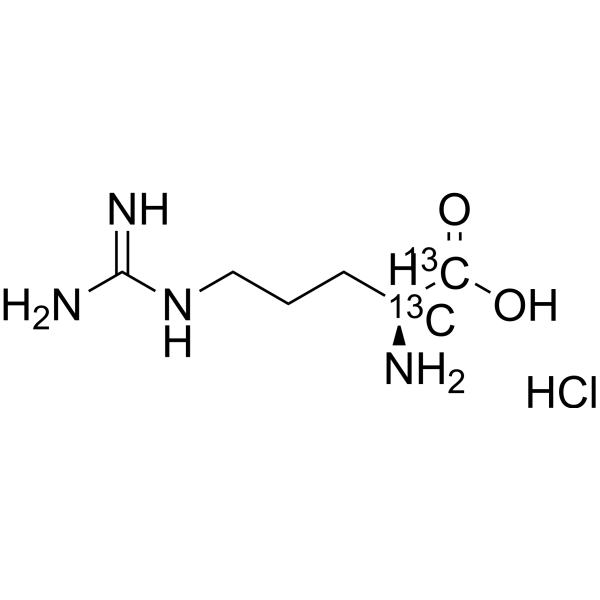 0 ImagesSynonyms: (S)-(+)-Arginine-1,2-13C2 hydrochlorideL-Arginine-1,2-13C2 (hydrochloride) is the 13C-labeled L-Arginine hydrochloride. L-Arginine hydrochloride ((S)-(+)-Arginine hydrochloride) is the nitrogen donor for synthesis of nitric oxide, a potent vasodilator that is deficient during times of sickle cell crisis.
-
2-Isobutyl-3-methoxypyrazine-d3
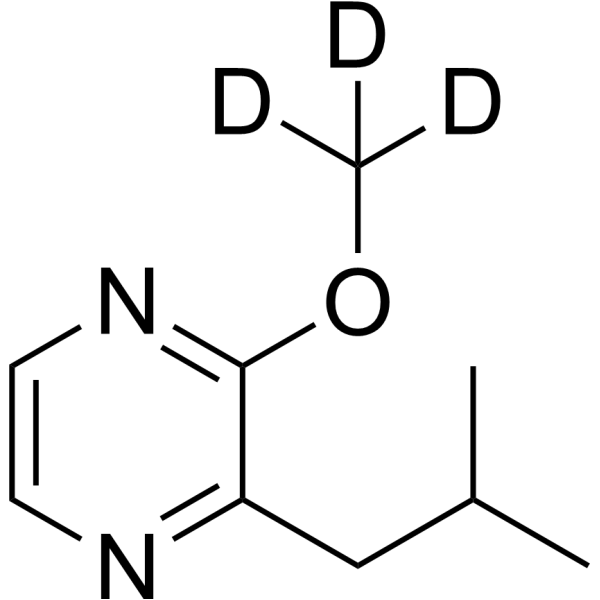 0 Images2-Isobutyl-3-methoxypyrazine-d3 is the deuterium labeled 2-Isobutyl-3-methoxypyrazine. 2-Isobutyl-3-methoxypyrazine is a male-specific aggregation pheromone released by the Portuguese leaf beetle Labidostomis lusitanica. 2-Isobutyl-3-methoxypyrazine induces dose-dependent electroantennographic responses in the antennae of both male and female Labidostomis lusitanica, with the overall response intensity of females being higher than that of males. 2-Isobutyl-3-methoxypyrazine induces positive chemotactic behavior, and exerts a repellent effect on male Labidostomis lusitanica at high doses. 2-Isobutyl-3-methoxypyrazine can be used in insect ecology research.
-
Clavulanic acid methyl ester-13C,d3
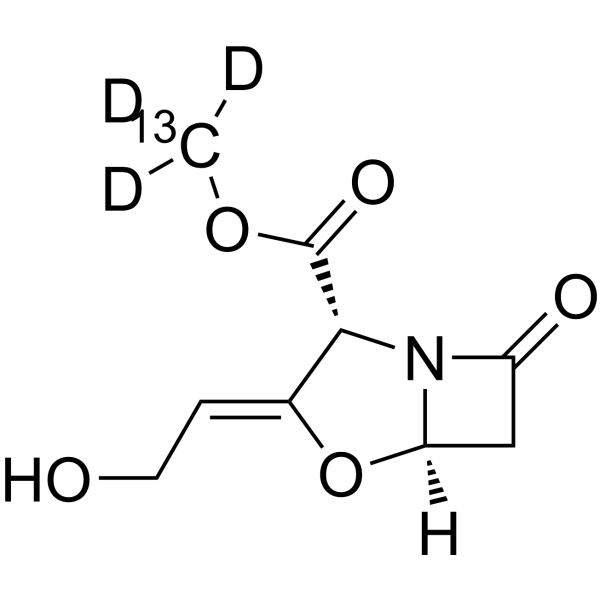 0 ImagesCat. No.: HY-143778SClavulanic acid methyl ester-13C,d3 is the deuterium and 13C labeled Clavulanic acid methyl ester.
-
Hydrocortisone-d2
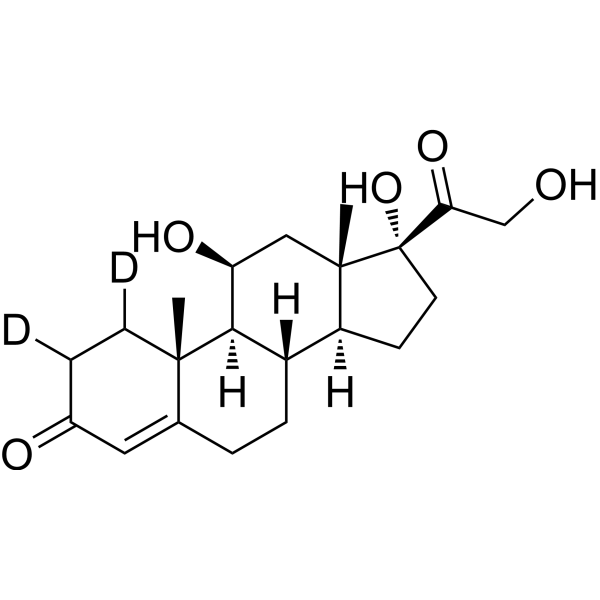 0 ImagesSynonyms: Cortisol-d2Hydrocortisone-d2 is the deuterium labeled Hydrocortisone. Hydrocortisone (Cortisol) is a steroid hormone or glucocorticoid secreted by the adrenal cortex.
-
Omeprazole-13C,d3
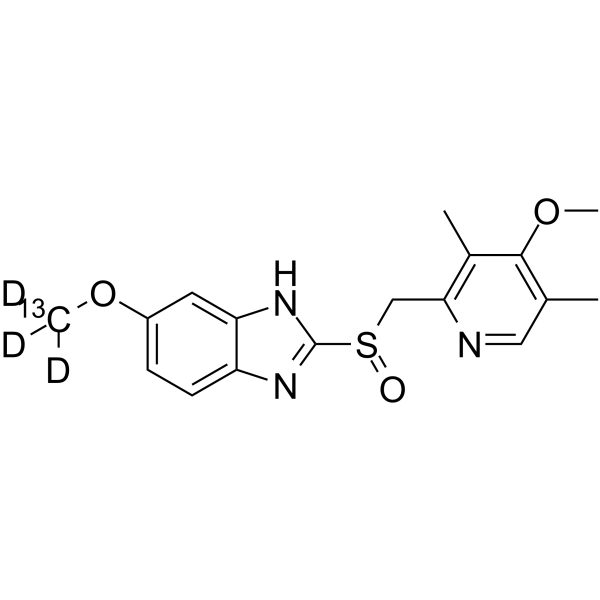 0 ImagesSynonyms: H 16868-13C,d3Omeprazole-13C,d3 is a 13C-labeled and deuterium labeled Omeprazole. Omeprazole (H 16868) is an orally active H+,K+-ATPase inhibitor and a proton pump inhibitor. Omeprazole competitively inhibits CYP2C19, CYP3A4, and CYP2C9 activity. Omeprazole inhibits gastric acid secretion and can be used for acid-related gastrointestinal disorders. Omeprazole inhibits pancreatic cancer cell proliferation, induces apoptosis, autophagosome accumulation (elevated LC3-I and LC3-II levels), oxidative stress, and cytogenetic imbalance, modulates lysosomal transport, reduces inflammatory cytokines. Omeprazole alters small intestinal morphology and magnesium absorption, and induces gastric mucosa morphologic changes. Omeprazole aslo has neuroprotective and antibacterial effects.
-
AMOZ-d5
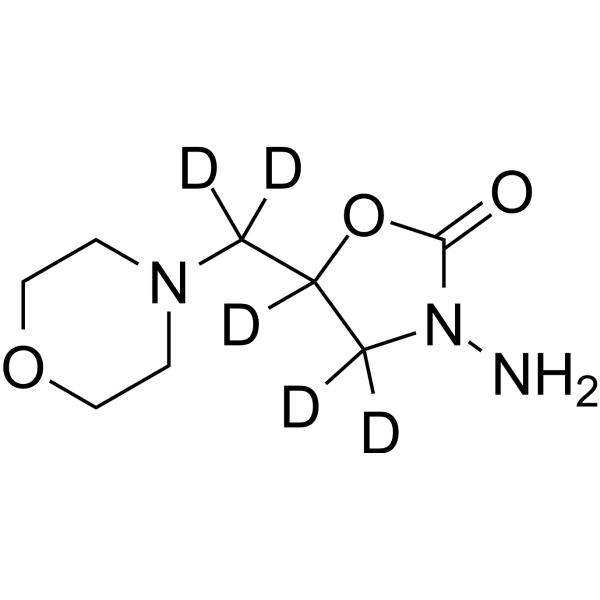 0 ImagesAMOZ-d5 is a deuterium labeled AMOZ. AMOZ, a tissue bound metabolite of Furaltadone, Furaltadone is a synthetic nitrofuran antibiotic widely used.
-
Leukotriene E4-d5
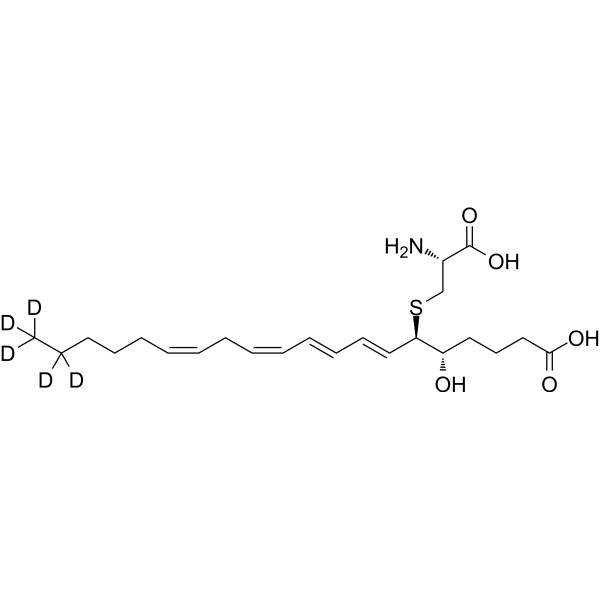 0 ImagesCat. No.: HY-113465SCAS No.: 1240398-14-4Synonyms: LTE4-d5Leukotriene E4-d5 (LTE4-d5) is the d-5-labeled Leukotriene E4 (HY-113465). Leukotriene E4 is a stable final metabolite of cysteinyl leukotrienes, produced by immune cells such as mast cells and eosinophils. Leukotriene E4 serves as a key biomarker for evaluating asthma severity, Aspirin (HY-14654) sensitivity, and mast cell activation disorders. Leukotriene E4 is a full functional agonist of CysLT1R, which induces sustained intracellular calcium mobilization and Erk phosphorylation. Leukotriene E4 mediates inflammation in a P2Y12 receptor-dependent manner. Leukotriene E4 can be used in the research of asthma and non-steroidal anti-inflammatory drug-exacerbated respiratory diseases.
-
Epicoprostanol-d5
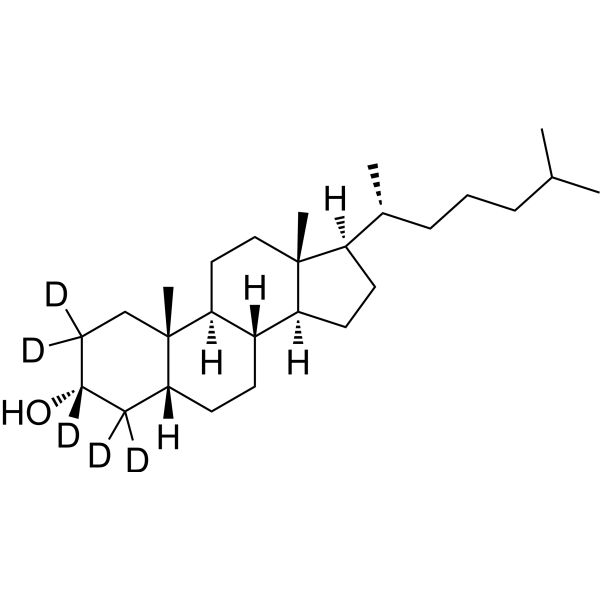 0 ImagesCat. No.: HY-W127498SPurity: 99.65%Synonyms: 5β-Cholestan-3α-ol-d5Epicoprostanol-d5 is the deuterium labeled Epicoprostanol. Epicoprostanol is the compound found in adipocere.
-
Chrysene-d12
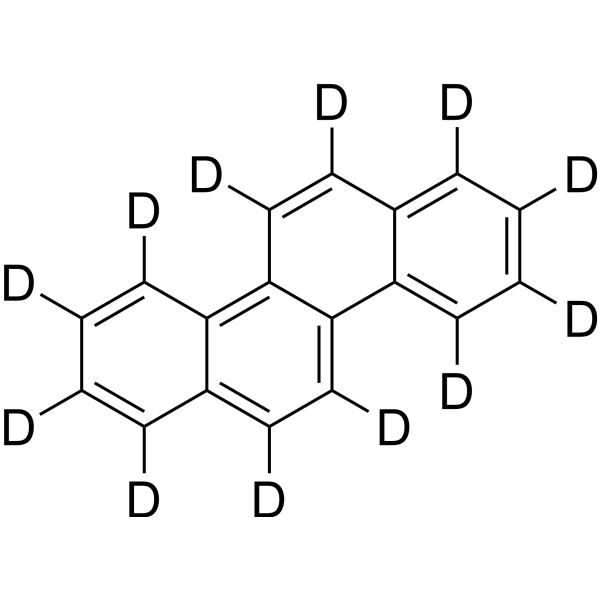 0 ImagesChrysene-d12 is the deuterium labeled Chrysene. Chrysene is a high molecular weight (HMW), polycyclic aromatic hydrocarbon (PAH) known for its recalcitrance and carcinogenic properties.
-
Taurodeoxycholic acid-d5
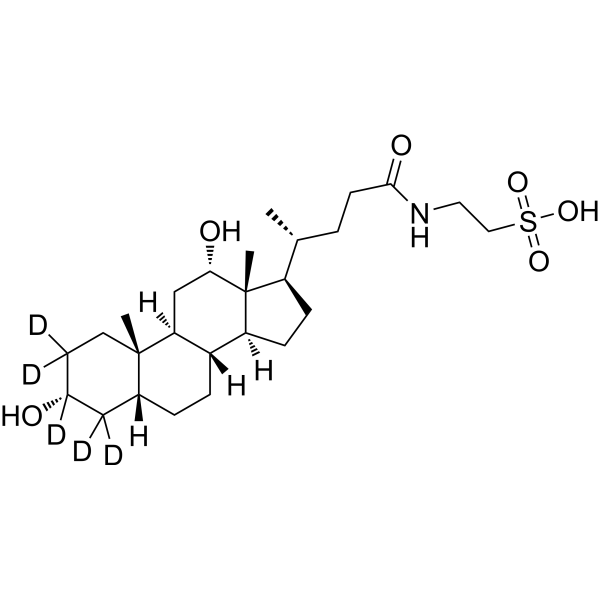 0 ImagesCat. No.: HY-B1899SCAS No.: 2044276-15-3Synonyms: Taurodeoxycholate-d5Taurodeoxycholic acid-d5 is the deuterium labeled Taurodeoxycholic acid (HY-B1899). Taurodeoxycholic acid, a bile acid, stabilizes the mitochondrial membrane, decreases free radical formation. Taurodeoxycholic acid inhibits apoptosis by blocking a calcium-mediated apoptotic pathway as well as caspase-12 activation. Taurodeoxycholic acid exhibits neuroprotective effect in 3-nitropropionic acid induced mouse model or genetic mouse model of Huntington's disease (HD).
-
Cyanuric acid-13C3
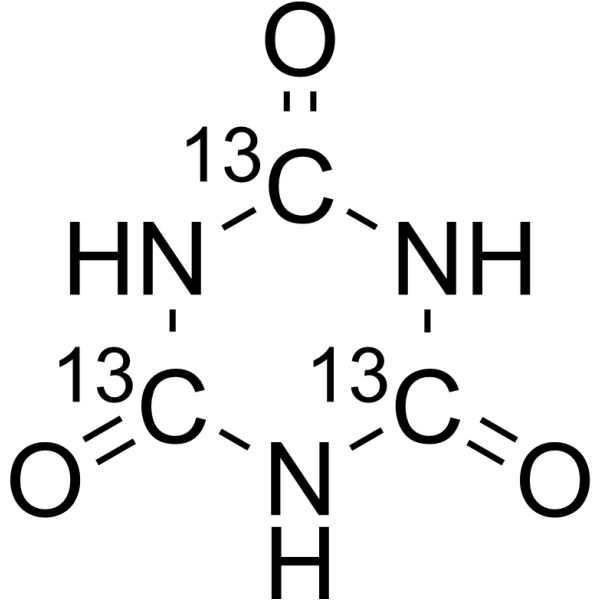 0 ImagesCyanuric acid-13C3 is the 13C labeled Cyanuric acid.
-
Propane-1,2,3-triyl tripalmitate-13C3
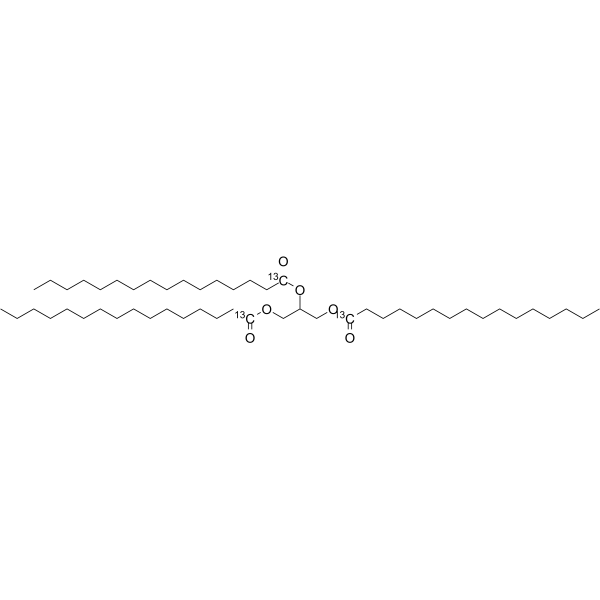 0 ImagesPropane-1,2,3-triyl tripalmitate-13C3 is the 13C labeled Propane-1,2,3-triyl tripalmitate (HY-W013061). Propane-1,2,3-triyl tripalmitate is a saturated fat. Propane-1,2,3-triyl tripalmitate enhances the lymphatic transport of Glycerol tristearate (HY-127035).
-
Taurochenodeoxycholic acid-d5 sodium
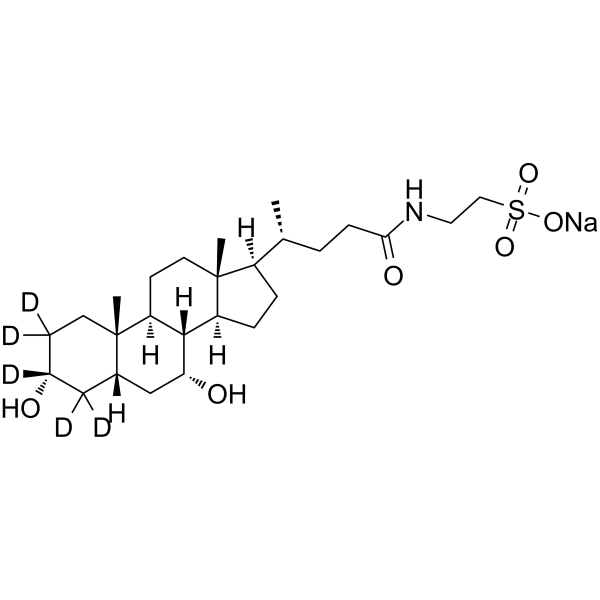 0 ImagesCat. No.: HY-N1429S1Synonyms: 12-Deoxycholyltaurine-d5 sodiumTaurochenodeoxycholic acid-d5 (sodium) is the deuterium labeled Taurochenodeoxycholic acid sodium. Taurochenodeoxycholic acid sodium salt (12-Deoxycholyltaurine sodium salt) is one of the main bioactive substances of animals' bile acid. Taurochenodeoxycholic acid induces apoptosis and shows obvious anti-inflammatory and immune regulation properties.



