



Cell-penetrating Peptides

- Formula: C149H243N53O39S
- Molecular Weight: 3432.92
TAT-HA2 Fusion Peptide is a peptide-based delivery agent that combines the pH-sensitive HA2 fusion peptide from Influenza and the cell-penetrating peptide TAT from HIV. TAT-HA2 Fusion Peptide is a transactivator of transcription and hemaglutanin for endosomal release. TAT-HA2 Fusion Peptide enhances cellular uptake of macromolecules.
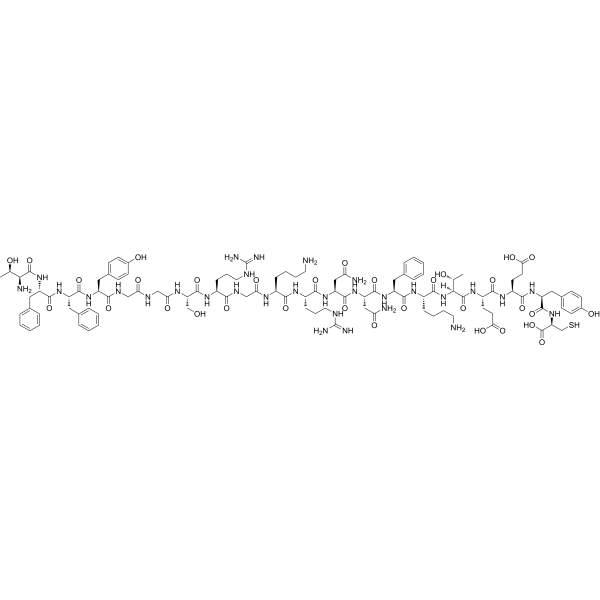
- Formula: C107H154N30O32S
- Molecular Weight: 2404.61
Angiopep-2-cys is a conjugate of Angiopep-2 hydrochloride (HY-P2341) and cysteine. Angiopep-2 hydrochloride is a brain peptide vector. The conjugation of anticancer agents with the Angiopep-2 peptide vector could increase their efficacy in the treatment of brain cancer.

- Formula: C124H169N27O37S2
- Molecular Weight: 2693.96
INF7 is a derivative of the N-terminal domain of the HA2 protein and is sensitive to pH. INF7 disrupts the stability of endosomal membranes through a mechanism independent of membrane fusion. INF7 can be used to enhance the endosome escape of complex or liposome-encapsulated proteins. Co-encapsulation of INF7 and molecular imaging probes in liposomes can enhance intracellular signaling and probe retention.

- Formula: C64H118N32O14
- Molecular Weight: 1559.83
TAT (YGRKKRRQRRR) is derived from the transactivator of transcription (TAT) of human immunodeficiency virus-1 (HIV-1) and is a cell-penetrating peptide. TAT can increase the yields and the solubility of heterologous proteins.
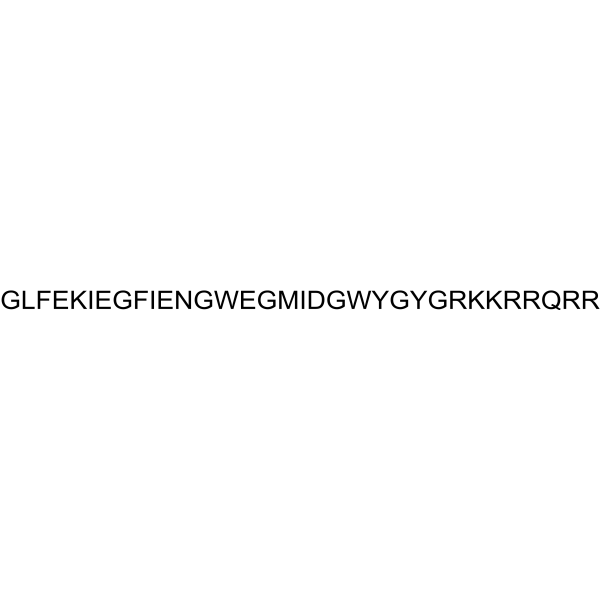
- Formula: C182H275N55O48S
- Molecular Weight: 4033.54
Peptide A5K (INF7-A5K-TAT) is an amphiphilic peptide derived from the HA2-TAT fusion scaffold. Peptide A5K can non-covalently bind to CRISPR ribonucleoproteins and efficiently deliver them to cells, such as primary human T cells, B cells, and NK cells. Peptide A5K enables low-toxicity, precise, and multiplex genome editing, holding great application potential in the field of cell therapy.

- Formula: C54H110N18O10
- Molecular Weight: 1171.57

- Formula: C120H217N27O23
- Molecular Weight: 2406.17

- Formula: C94H147N29O21S3
- Molecular Weight: 2115.55
Cys-CPP44 is a cell-penetrating peptide with a Cys introduced at the N-terminus, which can specifically penetrate hepatocellular carcinoma cells. Modification with Cys-CPP44 promotes the specific penetration of arsenic trioxide-loaded liposomes into hepatocellular carcinoma cells and enhances the cellular uptake of liposomes by these cells. Cys-CPP44 can be used for the research of hepatocellular carcinoma.
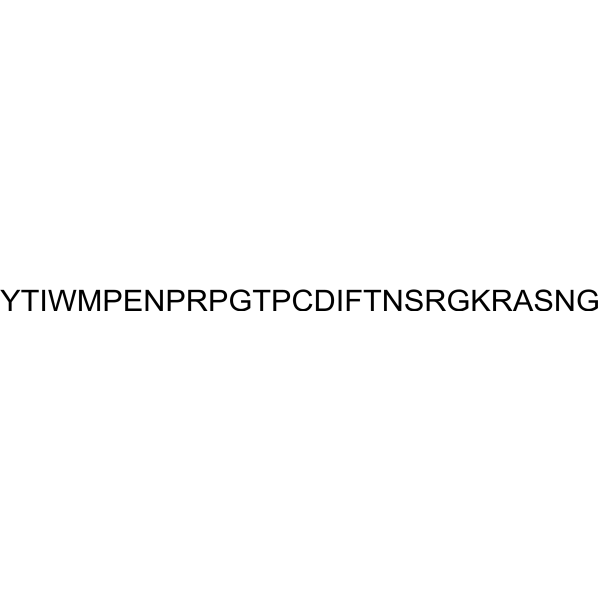
- Formula: C141H217N43O43S2
- Molecular Weight: 3266.62
RVG (RVG29) is a blood-brain barrier-permeable peptide derived from rabies virus glycoprotein, which binds to the α-7 subunit of neuronal nicotinic acetylcholine receptor (AchR). RVG efficiently delivers drugs to nerve cells and antigen-presenting cells in a targeted manner, and enhances the efficiency of antigen presentation and drug delivery.
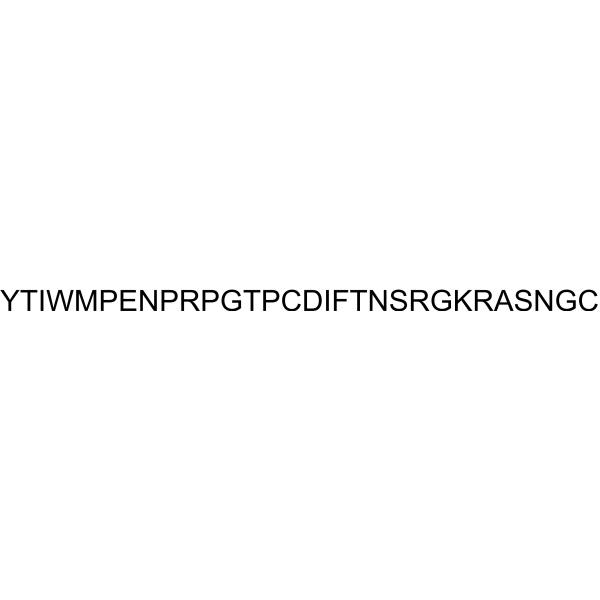
- Formula: C144H222N44O44S3
- Molecular Weight: 3369.77
RVG-Cys (RVG29-Cys) is a peptide derived from rabies virus glycoprotein (RVG29) with Cys attached to facilitate subsequent conjugation. RVG-Cys enhances the specific targeted delivery of proteins in brain tissue and neurons.

- Formula: C108H174N36O22S
- Molecular Weight: 2360.83
Penetratin is a cell-penetrating peptides derived from a nonviral protein. Penetratin can powerfully enhance drug absorption. Penetratin can be used for drug delivery research in the treatment of various diseases.

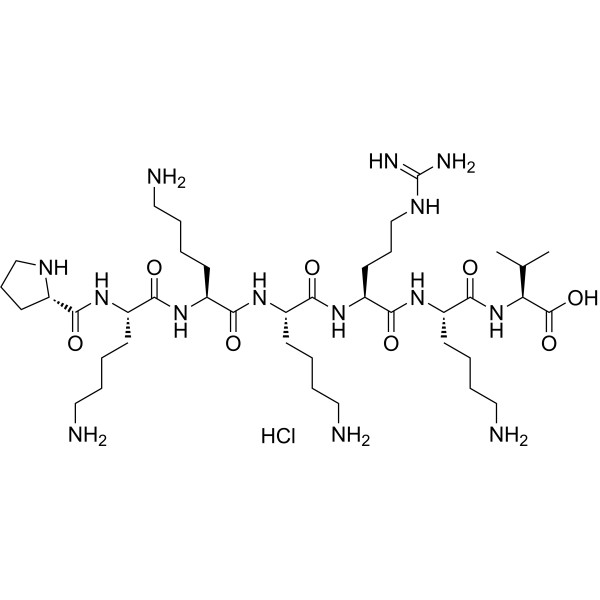
- Formula: C40H79ClN14O8
- Molecular Weight: 919.60
NLS (PKKKRKV) hydrochloride is the hydrochloride form of NLS (PKKKRKV) (HY-P1876). NLS (PKKKRKV) is a nuclear localization signal (NLS) derived from the simian virus 40 large tumor antigen (SV40 large T antigen), that mediates binding of the karyophilic protein to importin α. NLS (PKKKRKV) can function as a method to enhance nuclear entry in the field of gene transfer research.

- Formula: C144H248N54O35S
- Molecular Weight: 3327.92
RALA peptide is a cationic amphiphilic delivery agent targeting cell membranes, which forms nanoparticles through electrostatic interactions with anionic drugs. RALA peptide has pH-responsive binding properties, which can enhance the α-helical conformation in an acidic environment and destroy the endosomal membrane, promote the release of drugs into the cytoplasm, and exert efficient intracellular delivery activity. RALA peptide can be used in cancer research (enhancing the activity of bisphosphonates against prostate cancer and breast cancer cells) and bone tissue engineering (promoting osteoblast collagen deposition and extracellular matrix mineralization).

- Formula: C160H245N37O36S
- Molecular Weight: 3294.95
IRF5-CPP5 is a cytosolic peptide that selectively targeting human IRF5 wirh a Kd of 0.53 μM. IRF5-CPP5 disrupts IRF5 homodimerization and inhibits its nuclear translocation without altering IRF5 phosphorylation levels. IRF5-CPP5 inhibits proinflammatory cytokine (IL-6, IL-1β, TNF-α) production. IRF5-CPP5 can be used for the research of systemic lupus erythematosus.
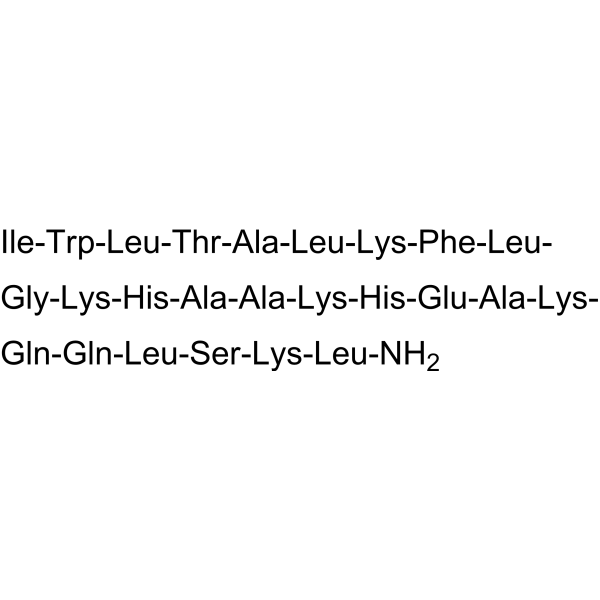
- Formula: C134H220N38O31
- Molecular Weight: 2859.42
L17E is an attenuated cationic amphiphilic lytic (ACAL) peptide that can be used to deliver a variety of macromolecules, including proteins, antibodies, and DNA nanostructures. L17E inserts and cleaves the membrane structure through electrostatic interaction, enabling intracellular escape. The efficiency of L17E-mediated delivery is strongly correlated with the expression level of KCNN4 (the gene encoding the calcium-activated potassium channel KCa3.1). L17E also promotes the cellular uptake of macromolecules by inducing micropinocytosis. L17E can be further optimized and improved through dimerization strategies and in combination with other delivery systems, such as nuclear localization signal peptides and cell membrane-coated nanoparticles.

- Formula: C132H224N40O27
- Molecular Weight: 2803.44
LAH5 is an amphipathic cell-penetrating peptide. LAH5 forms nanocomplexes with both RNP and RNP/HDR cargo.

- Formula: C56H114N36O12
- Molecular Weight: 1483.74
(Arg)9 (Nona-L-arginine) acetate is a cell-penetrating peptide (CPP) made up of 9 arginine residues. (Arg)9 acetate has neuroprotective property, exhibits neuroprotective activity with an IC50 of 0.78 μM in the glutamic acid model.

- Formula: C136H195N35O33
- Molecular Weight: 2848.22
Pep-1 (uncapped) is a specific ligand of IL-13Ra2. Pep-1 (uncapped) exerts cell penetrating activity through receptor-mediated endocytosis, can cross the blood-tumor barrier (BTB) and target glioma cells. Pep-1 (uncapped) can enhance the uptake of nanoparticles by tumor cells and enhance the cell penetration ability of nanoparticles, and can be used to develop targeted drug delivery systems for glioma.
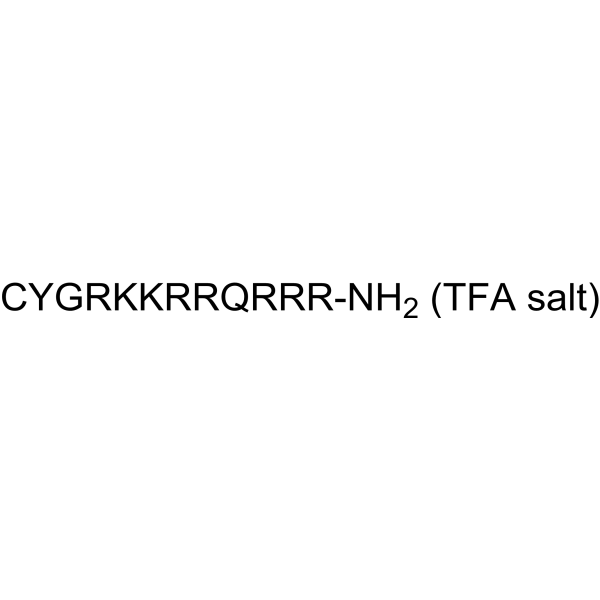
- Formula: C67H124N34O14S.xC2HF3O2
- Molecular Weight: 1661.99 (free base)



