Search Result
Results for "
1,2-Dioleoyl-sn-glycero-3-PA
" in MedChemExpress (MCE) Product Catalog:
19
Biochemical Assay Reagents
6
Isotope-Labeled Compounds
| Cat. No. |
Product Name |
Target |
Research Areas |
Chemical Structure |
-
- HY-112005
-
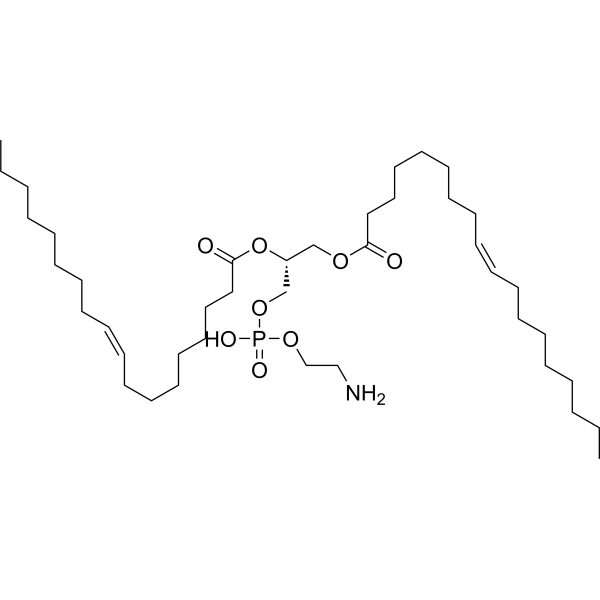
DOPE
Maximum Cited Publications
10 Publications Verification
Dioleoylphosphatidylethanolamine; 1,2-Dioleoyl-sn-glycero-3-phosphoethanolamine
|
Liposome
Endogenous Metabolite
|
Inflammation/Immunology
|
|
DOPE (Dioleoylphosphatidylethanolamine) is a neutral helper lipid for cationic liposome and combines with cationic phospholipids to improve transfection efficiency of naked siRNA .
|
-
-
- HY-113424A
-
|
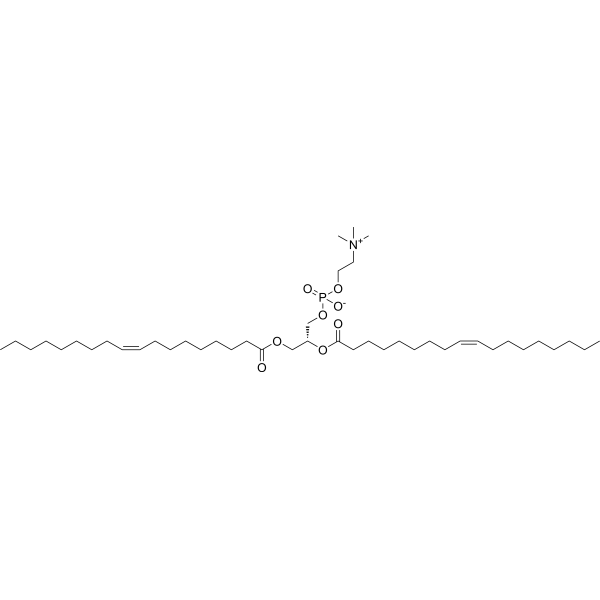
DOPC
|
Liposome
Endogenous Metabolite
|
Others
|
|
1,2-Dioleoyl-sn-glycero-3-phosphocholine (DOPC) is a phospholipid and is commonly used alone, or with other components, in the generation of micelles, liposomes, and other types of artificial membranes.
|
-
-
- HY-111915
-
|
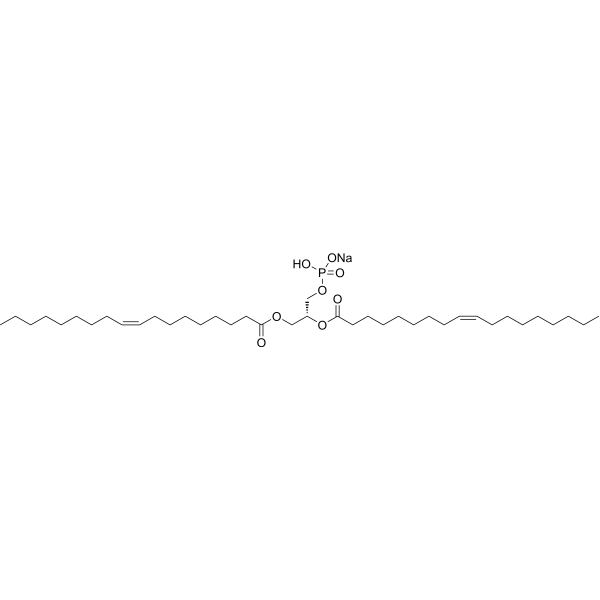
18:1 PA sodium salt
|
Liposome
|
Cancer
|
|
1,2-Dioleoyl-sn-glycero-3-phosphate sodium salt (18:1 PA sodium salt) is an anionic lipid that can be used to prepare liposomes, micelles and artificial membranes .
|
-
-
- HY-141613
-
|
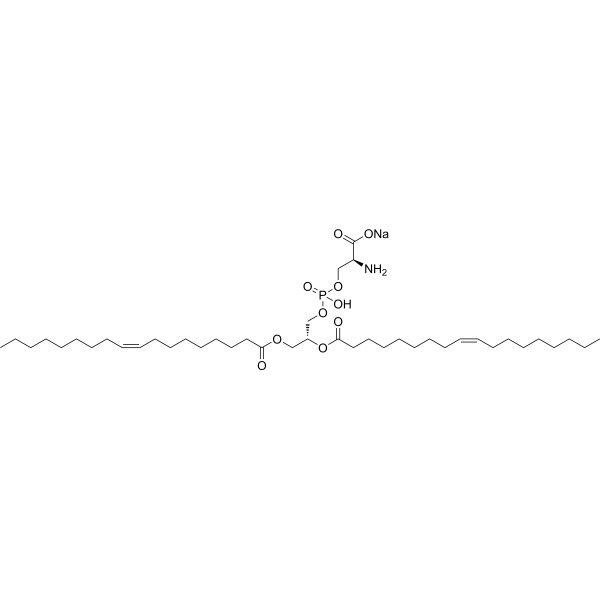
DOPS-NA
|
Liposome
|
Others
|
|
1,2-Dioleoyl-sn-glycero-3-phospho-L-serine sodium (DOPS-NA) is a ubstitute for Phosphoserine/phosphatidylserine. 1,2-Dioleoyl-sn-glycero-3-phospho-L-serine sodium can be used together with DOPC and DOPE in lipid mixtures for the synthesis of liposomes. 1,2-Dioleoyl-sn-glycero-3-phospho-L-serine sodium can self-assemble into single-layer or double-layer membrane structures, similar to cell membranes, and possesses high membrane fluidity and flexibility. 1,2-Dioleoyl-sn-glycero-3-phospho-L-serine is widely applied in membrane biology, cell membrane research, lipid preparation, and drug delivery systems .
|
-
-
- HY-144010
-
|
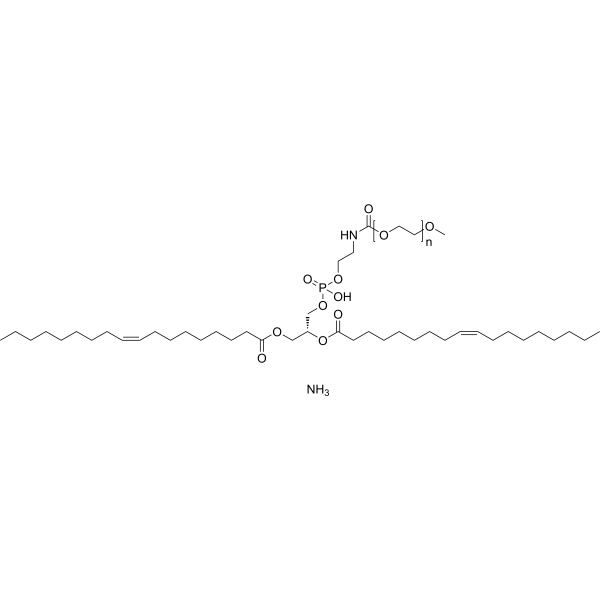
DOPE-PEG2000 ammonium; 1,2-Dioleoyl-sn-glycero-3-phosphoethanolamine-N-[methoxy(polyethylene glycol)-2000] ammonium
|
Liposome
|
Others
|
|
18:1 PEG2000 PE ammonium (DOPE-PEG2000 ammonium) is a polyethyleneglycol/phosphatidyl-ethanolamine conjugate. 18:1 PEG2000 PE ammonium (DOPE-PEG2000 ammonium) can be used for drug delivery .
|
-
-
- HY-113424AS
-
|
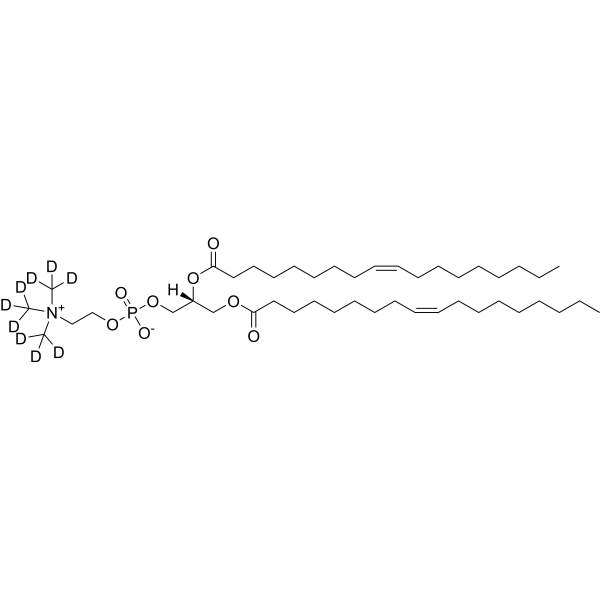
DOPC-d9
|
Isotope-Labeled Compounds
Endogenous Metabolite
|
Others
|
|
1,2-Dioleoyl-sn-glycero-3-phosphocholine-d9 is deuterium labeled 1,2-Dioleoyl-sn-glycero-3-phosphocholine. 1,2-Dioleoyl-sn-glycero-3-phosphocholine (DOPC) is a phospholipid and is commonly used alone, or with other components, in the generation of micelle
|
-
-
- HY-D1556
-
|
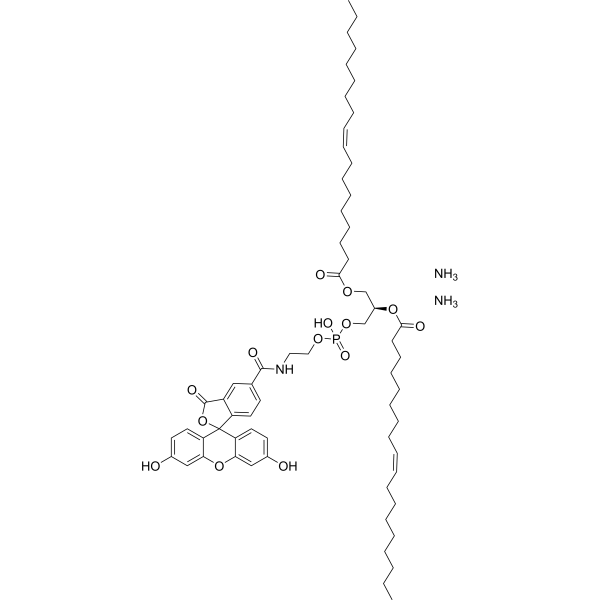
1,2-Dioleoyl-sn-glycero-3-phosphoethanolamine-N-(carboxyfluorescein) ammonium
|
Fluorescent Dye
|
Cancer
|
|
18:1 PE CF (1,2-dioleoyl-sn-glycero-3-phosphoethanolamine-N-(carboxyfluorescein) (ammonium)) is a pH-sensitive fluorescent indicator. 18:1 PE CF exhibits changes in fluorescence intensity in response to pH variations and reflects the electrostatic states of cationic liposomes and lipoplexes. 18:1 PE CF supports real-time visualization of pH distribution and membrane deformation in giant unilamellar vesicles and is suitable for steady-state fluorescence testing in large unilamellar vesicle membranes. 18:1 PE CF is capable of monitoring the surface electrical potential of cationic liposomes and lipoplexes and can effectively label lipid bilayers and nanomicelles. 18:1 PE CF can be used for the research of the investigation of lung cancer (Ex = 495 nm; Em = 520 nm) .
|
-
-
- HY-112005GL
-
|
Dioleoylphosphatidylethanolamine (GMP Like); 1,2-Dioleoyl-sn-glycero-3-phosphoethanolamine (GMP Like)
|
Liposome
Endogenous Metabolite
|
Inflammation/Immunology
|
|
DOPE (GMP Like) is the GMP Like class DOPE (HY-112005), and can be used as pharmaceutical excipients. GMP small molecules works appropriately as an auxiliary reagent for cell therapy manufacture. DOPE is a neutral helper lipid for cationic liposome and combines with cationic phospholipids to improve transfection efficiency of naked siRNA .
|
-

-
- HY-155934
-
|
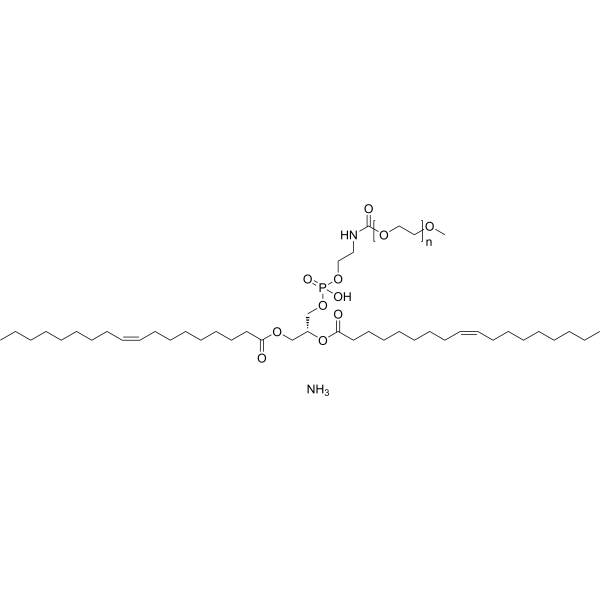
DOPE-PEG5000 ammonium; 1,2-Dioleoyl-sn-glycero-3-phosphoethanolamine-N-[methoxy(polyethylene glycol)-5000] ammonium
|
Liposome
|
Others
|
|
18:1 PEG5000 PE ammonium (DOPE-PEG5000 ammonium) is a PEG lipid functional end group used in the synthesis of liposomes (LPs) for the design of conjugated polymer nanoparticles. Through biotin modification and carboxyl terminus, lipid nanoparticles (LNPs) further coupling with other biomolecules can be achieved. Functionalized nanoparticles can be used for targeted labeling of specific cellular proteins. With streptavidin as a linker, biotinylated PEG lipid-conjugated polymer nanoparticles are able to bind to biotinylated antibodies on cell surface receptors, yielding the utility of fluorescence-based imaging and sensing.
|
-
-
- HY-N15913
-
|
|
Drug Isomer
|
Others
|
|
ent-DOPC is a glycerol chirality isomer of 1,2-Dioleoyl-sn-glycero-3-phosphocholine (DOPC) (HY-113424A) .
|
-

-
- HY-W800796
-
|
1,2-Dioleoyl-sn-glycero-3-phosphoethanolamine-N-(biotinyl)
|
Liposome
|
Cancer
|
|
18:1 Biotinyl PE is a biotin-functionalized lipid attached to a phosphoethanolamine linked to two oleic acid groups.
|
-

-
- HY-172267
-
|
|
Biochemical Assay Reagents
|
Others
|
|
1,2-Dioleoyl-sn-glycero-3-succinate is a biochemical reagent that can be used as a biological material or organic compound for life science related research.
|
-

-
- HY-W127347
-
|
|
Biochemical Assay Reagents
|
Others
|
|
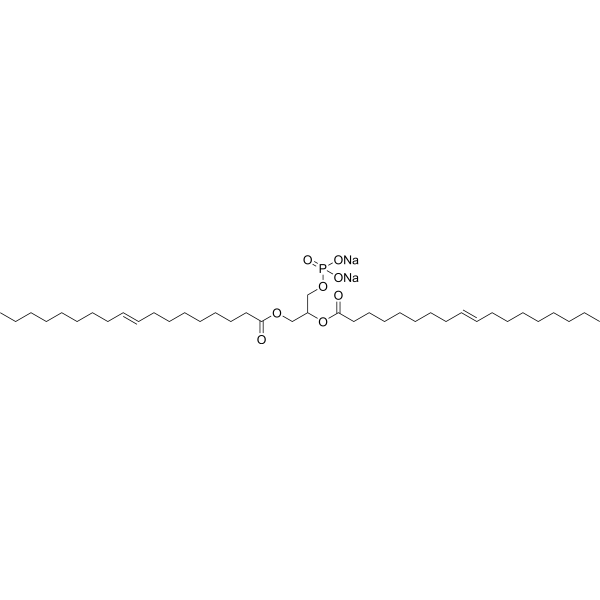
1,2-Dioleoyl-sn-glycero-3-phosphoric acid disodium is a biochemical reagent that can be used as a biological material or organic compound for life science related research.
|
-
-
- HY-157699
-
|
|
Liposome
Biochemical Assay Reagents
|
|
|
1,2-Dioleoyl-sn-glycero-3-phospho-(1'-myo-inositol-5'-phosphate) ammonium is a membrane-bound signaling molecule with intracellular activity in regulating membrane trafficking and signal transduction. 1,2-Dioleoyl-sn-glycero-3-phospho-(1'-myo-inositol-5'-phosphate) ammonium can be used in the preparation of liposomes to enhance the efficiency of compound delivery. 1,2-Dioleoyl-sn-glycero-3-phospho-(1'-myo-inositol-5'-phosphate) ammonium can also act as a coordinator of the actin cytoskeleton and participate in the regulation of cell morphology and motility.
|
-

-
- HY-155931
-
|
DOPE-PEG550 ammonium; 1,2-Dioleoyl-sn-glycero-3-phosphoethanolamine-N-[methoxy(polyethylene glycol)-550] ammonium
|
Liposome
|
Others
|
|
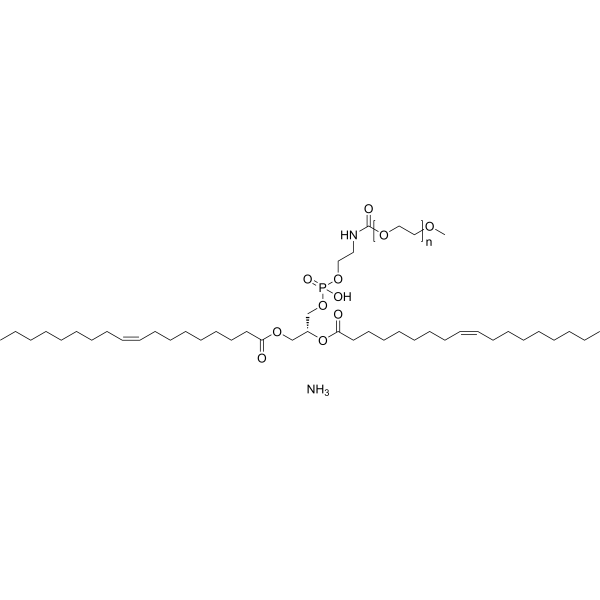
18:1 PEG550 PE ammonium (DOPE-PEG550 ammonium) is a PEG lipid functional end group used in the synthesis of liposomes (LPs) for the design of conjugated polymer nanoparticles. Through biotin modification and carboxyl terminus, lipid nanoparticles (LNPs) further coupling with other biomolecules can be achieved. Functionalized nanoparticles can be used for targeted labeling of specific cellular proteins. With streptavidin as a linker, biotinylated PEG lipid-conjugated polymer nanoparticles are able to bind to biotinylated antibodies on cell surface receptors, yielding the utility of fluorescence-based imaging and sensing.
|
-
-
- HY-155933
-
|
DOPE-PEG3000 ammonium; 1,2-Dioleoyl-sn-glycero-3-phosphoethanolamine-N-[methoxy(polyethylene glycol)-3000] ammonium
|
Liposome
|
Others
|
|
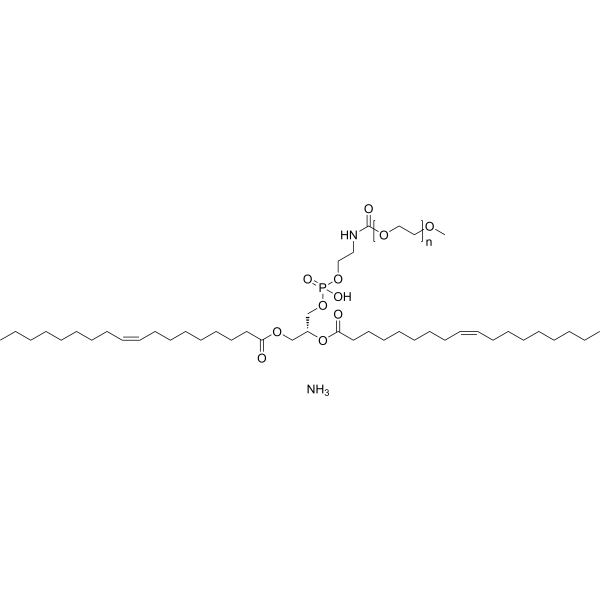
18:1 PEG3000 PE ammonium (DOPE-PEG3000 ammonium) is a PEG lipid functional end group used in the synthesis of liposomes (LPs) for the design of conjugated polymer nanoparticles. Through biotin modification and carboxyl terminus, lipid nanoparticles (LNPs) further coupling with other biomolecules can be achieved. Functionalized nanoparticles can be used for targeted labeling of specific cellular proteins. With streptavidin as a linker, biotinylated PEG lipid-conjugated polymer nanoparticles are able to bind to biotinylated antibodies on cell surface receptors, yielding the utility of fluorescence-based imaging and sensing.
|
-
-
- HY-155932
-
|
DOPE-PEG1000 ammonium; 1,2-Dioleoyl-sn-glycero-3-phosphoethanolamine-N-[methoxy(polyethylene glycol)-1000] ammonium
|
Liposome
|
Others
|
|
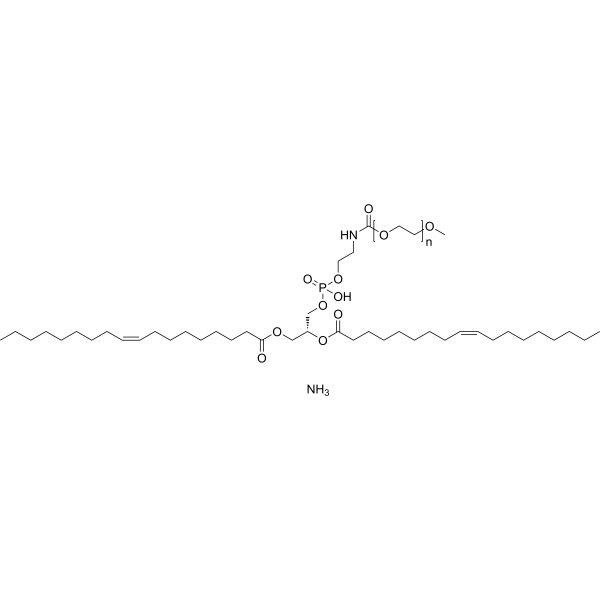
18:1 PEG1000 PE ammonium (DOPE-PEG1000 ammonium) is a PEG lipid functional end group used in the synthesis of liposomes (LPs) for the design of conjugated polymer nanoparticles. Through biotin modification and carboxyl terminus, lipid nanoparticles (LNPs) further coupling with other biomolecules can be achieved. Functionalized nanoparticles can be used for targeted labeling of specific cellular proteins. With streptavidin as a linker, biotinylated PEG lipid-conjugated polymer nanoparticles are able to bind to biotinylated antibodies on cell surface receptors, yielding the utility of fluorescence-based imaging and sensing.
|
-
-
- HY-155930
-
|
DOPE-PEG350 ammonium; 1,2-Dioleoyl-sn-glycero-3-phosphoethanolamine-N-[methoxy(polyethylene glycol)-350] ammonium
|
Liposome
|
Others
|
|
18:1 PEG350 PE ammonium (DOPE-PEG350 ammonium) is a PEG lipid functional end group used in the synthesis of liposomes (LPs) for the design of conjugated polymer nanoparticles. Through biotin modification and carboxyl terminus, lipid nanoparticles (LNPs) further coupling with other biomolecules can be achieved. Functionalized nanoparticles can be used for targeted labeling of specific cellular proteins. With streptavidin as a linker, biotinylated PEG lipid-conjugated polymer nanoparticles are able to bind to biotinylated antibodies on cell surface receptors, yielding the utility of fluorescence-based imaging and sensing.
|
-
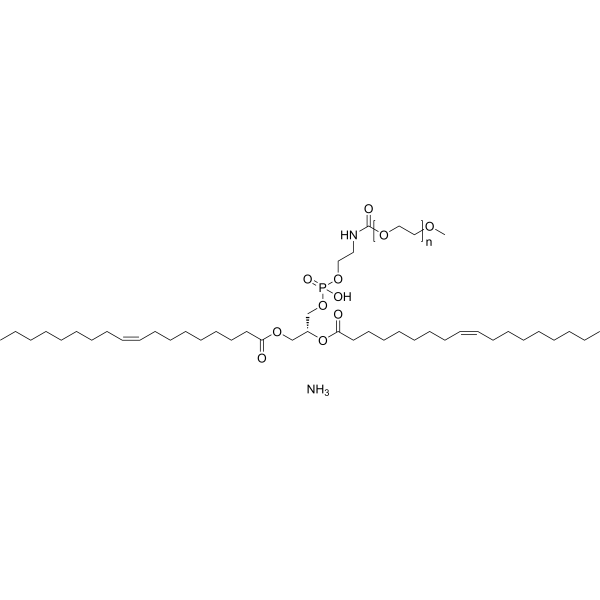
-
- HY-175069
-
|
PA(18:1/18:1) ammonium salt; 1,2-DOPA ammonium salt
|
Liposome
|
Others
|
|
1,2-Dioleoyl-sn-glycero-3-PA (ammonium salt) is a phospholipid with long-chain fatty acid oleic acid inserted at the sn-1 and sn-2 positions. 1,2-Dioleoyl-sn-glycero-3-PA (ammonium salt) can be used to synthsize artificial membranes such as liposomes .
|
-

-
- HY-157703
-
|
1,2-Dioleoyl-sn-glycero-3-phospho-1′-myo-inositol-4′,5′-bisphosphate ammonium
|
Biochemical Assay Reagents
|
|
|
18:1 PI(4,5)P2 (1,2-Dioleoyl-sn-glycero-3-phospho-(1′-myo-inositol-4′,5′-bisphosphate) (ammonium)) is a kind of biochemical reagent.
|
-

-
- HY-N15898
-
|
|
Others
|
Others
|
|
18:1 Ptd Ethylene glycol (1,2-dioleoyl-sn-glycero-3-phosphoethyleneglycol) sodium is a phosphatidylalkanol and can be used in lipidosome-related research.
|
-

-
- HY-W800792
-
|
1,2-Dioleoyl-sn-glycero-3-phosphoethanolamine-N-(succinyl)
|
Liposome
|
Cancer
|
|
18:1 Succinyl PE is a carboxylic acid-functionalized lipid with a two carbon linker to a phosphoethanolamine bound to two oleic acid tails.
|
-

-
- HY-166992
-
|
|
Biochemical Assay Reagents
|
Others
|
|
1,2-Dioleoyl-sn-glycero-3-PA (ammonium) is a phospholipid. Phospholipids have good biocompatibility and significant amphiphilic characteristics, making them the main and suitable dosage form or excipient in drug formulations, thereby achieving better therapeutic effects. 1,2-Dioleoyl-sn-glycero-3-PA (ammonium)can be used in drug delivery research .
|
-

-
- HY-173383
-
|
1,2-Dioleoyl-sn-glycero-3-phosphoethanolamine-N- tetraazacyclododecane-N-tetraacetic acid, sodium salt
|
Biochemical Assay Reagents
|
Inflammation/Immunology
Cancer
|
|
DOPE-DOTA sodium is a chelated lipid that serves as a key contrast agent in magnetic resonance imaging (MRI). DOPE-DOTA sodium can be used for cancer, blood-brain barrier disruption, abnormalities such as aneurysms or plaque buildup, inflammation in arthritis, and liver function and lesions study
|
-

-
- HY-178735S
-
|
DOPC-d62
|
Isotope-Labeled Compounds
|
Others
|
|
1,2-Dioleoyl-sn-glycero-3-phosphocholine-d62 (DOPC-d62) is the deuterium labeled 1,2-Dioleoyl-sn-glycero-3-phosphocholine.
|
-

-
- HY-W800795
-
|
DOPE-NG; 1,2-Dioleoyl-sn-glycero-3-phosphoethanolamine-N-(dodecanoyl)
|
Liposome
|
Cancer
|
|
18:1 Dodecanyl PE is a carboxylic acid-functionalized lipid with a ten carbon linker to a phosphoethanolamine bound to two oleic acid tails.
|
-

-
- HY-113424AS1
-
|
1,2-Dioleoyl-sn-glycero-3-phosphocholine-d31
|
Isotope-Labeled Compounds
|
Others
|
|
DOPC-d31 (1,2-Dioleoyl-sn-glycero-3-phosphocholine-d31) is the deuterium labeled DOPC (HY-113424A). 1,2-Dioleoyl-sn-glycero-3-phosphocholine (DOPC) is a phospholipid and is commonly used alone, or with other components, in the generation of micelles, liposomes, and other types of artificial membranes.
|
-

-
- HY-164112
-
-

-
- HY-167817
-
|
18:1 Phosphatidylpropanol sodium
|
Biochemical Assay Reagents
|
|
|
1,2-Dioleoyl-sn-glycero-3-phosphopropanol sodium (18:1 Phosphatidylpropanol sodium) is a bioactive phospholipid that has the capability to be used in mass spectrometry analysis and is able to effectively quantify Peth in human blood.
|
-

-
- HY-178810S
-
|
DOPS-NH3-d62
|
Isotope-Labeled Compounds
|
Others
|
|
1,2-Dioleoyl-sn-glycero-3-phospho-L-serine-d62 ammonium (DOPS-NH3-d62) is the deuterium labeled 1,2-Dioleoyl-sn-glycero-3-phospho-L-serine ammonium.
|
-

-
- HY-170461
-
|
1,2-Dioleoyl-sn-glycero-3-phosphoethanolamine-N,N-dimethyl
|
Biochemical Assay Reagents
|
Others
|
|
18:1 Dimethyl PE (1,2-Dioleoyl-sn-glycero-3-phosphoethanolamine-N,N-dimethyl) is a phospholipid that can be used as a biological material or organic compound for life science related research.
|
-

-
- HY-141613S
-
|
(2S,8R,19Z)DOPS-d3 ammonium
|
Isotope-Labeled Compounds
|
Others
|
|
(2S,8R,19Z)1,2-Dioleoyl-sn-glycero-3-phospho-L-serine-d3 ammonium ((2S,8R,19Z)DOPS-d3 ammonium) is the deuterium labeled (2S,8R,19Z)1,2-Dioleoyl-sn-glycero-3-phospho-L-serine ammonium (HY-141613). 1,2-Dioleoyl-sn-glycero-3-phospho-L-serine sodium (DOPS-NA) is a ubstitute for Phosphoserine/phosphatidylserine. 1,2-Dioleoyl-sn-glycero-3-phospho-L-serine sodium can be used together with DOPC and DOPE in lipid mixtures for the synthesis of liposomes. 1,2-Dioleoyl-sn-glycero-3-phospho-L-serine sodium can self-assemble into single-layer or double-layer membrane structures, similar to cell membranes, and possesses high membrane fluidity and flexibility. 1,2-Dioleoyl-sn-glycero-3-phospho-L-serine is widely applied in membrane biology, cell membrane research, lipid preparation, and drug delivery systems .
|
-

-
- HY-112005G
-
|
Dioleoylphosphatidylethanolamine; 1,2-Dioleoyl-sn-glycero-3-phosphoethanolamine
|
Ferroptosis
Glutathione Peroxidase
ACSL Family
Amino acid Transporter
|
Neurological Disease
Inflammation/Immunology
|
|
DOPE GMP is DOPE (HY-112005) produced by using GMP guidelines. GMP small molecules works appropriately as an auxiliary reagent for cell therapy manufacture. DOPE (Dioleoylphosphatidylethanolamine; 1,2-Dioleoyl-sn-glycero-3-phosphoethanolamine) is an orally active inhibitor of ferroptosis with anti-inflammatory and intestinal barrier maintenance activities. DOPE regulates the expression of ACSL4, SLC7A11 and GPX4 to restore the redox system balance, thereby reducing the levels of lipid peroxides, iron ions and intestinal inflammatory factors (IL-1β and IL-6). DOPE promotes the migration and proliferation of intestinal epithelial cells and increases the level of tight junction proteins; it also destabilizes endosomal membranes, mediates the conjugation of RVG peptides with mesenchymal stem cell-derived exosomes to enhance brain targeting. DOPE can be applied to research related to neonatal necrotizing enterocolitis and Alzheimer's disease .
|
-

-
- HY-112005S
-
|
Dioleoylphosphatidylethanolamine-d62; 1,2-Dioleoyl-sn-glycero-3-phosphoethanolamine-d62
|
Isotope-Labeled Compounds
|
Inflammation/Immunology
|
|
DOPE-d62 (Dioleoylphosphatidylethanolamine-d62) is the deuterium labeled DOPE (HY-112005). DOPE (Dioleoylphosphatidylethanolamine) is a neutral helper lipid for cationic liposome and combines with cationic phospholipids to improve transfection efficiency of naked siRNA .
|
-

| Cat. No. |
Product Name |
Type |
-
- HY-D1556
-
|
1,2-Dioleoyl-sn-glycero-3-phosphoethanolamine-N-(carboxyfluorescein) ammonium
|
Fluorescent Dyes
|
|
18:1 PE CF (1,2-dioleoyl-sn-glycero-3-phosphoethanolamine-N-(carboxyfluorescein) (ammonium)) is a pH-sensitive fluorescent indicator. 18:1 PE CF exhibits changes in fluorescence intensity in response to pH variations and reflects the electrostatic states of cationic liposomes and lipoplexes. 18:1 PE CF supports real-time visualization of pH distribution and membrane deformation in giant unilamellar vesicles and is suitable for steady-state fluorescence testing in large unilamellar vesicle membranes. 18:1 PE CF is capable of monitoring the surface electrical potential of cationic liposomes and lipoplexes and can effectively label lipid bilayers and nanomicelles. 18:1 PE CF can be used for the research of the investigation of lung cancer (Ex = 495 nm; Em = 520 nm) .
|
-
- HY-112005GL
-
|
Dioleoylphosphatidylethanolamine (GMP Like); 1,2-Dioleoyl-sn-glycero-3-phosphoethanolamine (GMP Like)
|
Fluorescent Dyes
|
|
DOPE (GMP Like) is the GMP Like class DOPE (HY-112005), and can be used as pharmaceutical excipients. GMP small molecules works appropriately as an auxiliary reagent for cell therapy manufacture. DOPE is a neutral helper lipid for cationic liposome and combines with cationic phospholipids to improve transfection efficiency of naked siRNA .
|
-
- HY-112005G
-
|
Dioleoylphosphatidylethanolamine; 1,2-Dioleoyl-sn-glycero-3-phosphoethanolamine
|
Fluorescent Dyes
|
|
DOPE GMP is DOPE (HY-112005) produced by using GMP guidelines. GMP small molecules works appropriately as an auxiliary reagent for cell therapy manufacture. DOPE (Dioleoylphosphatidylethanolamine; 1,2-Dioleoyl-sn-glycero-3-phosphoethanolamine) is an orally active inhibitor of ferroptosis with anti-inflammatory and intestinal barrier maintenance activities. DOPE regulates the expression of ACSL4, SLC7A11 and GPX4 to restore the redox system balance, thereby reducing the levels of lipid peroxides, iron ions and intestinal inflammatory factors (IL-1β and IL-6). DOPE promotes the migration and proliferation of intestinal epithelial cells and increases the level of tight junction proteins; it also destabilizes endosomal membranes, mediates the conjugation of RVG peptides with mesenchymal stem cell-derived exosomes to enhance brain targeting. DOPE can be applied to research related to neonatal necrotizing enterocolitis and Alzheimer's disease .
|
| Cat. No. |
Product Name |
Type |
-
- HY-112005
-
DOPE
Maximum Cited Publications
10 Publications Verification
Dioleoylphosphatidylethanolamine; 1,2-Dioleoyl-sn-glycero-3-phosphoethanolamine
|
Biochemical Assay Reagents
|
|
DOPE (Dioleoylphosphatidylethanolamine) is a neutral helper lipid for cationic liposome and combines with cationic phospholipids to improve transfection efficiency of naked siRNA .
|
-
- HY-113424A
-
|
DOPC
|
Biochemical Assay Reagents
|
|
1,2-Dioleoyl-sn-glycero-3-phosphocholine (DOPC) is a phospholipid and is commonly used alone, or with other components, in the generation of micelles, liposomes, and other types of artificial membranes.
|
-
- HY-111915
-
|
18:1 PA sodium salt
|
Biochemical Assay Reagents
|
|
1,2-Dioleoyl-sn-glycero-3-phosphate sodium salt (18:1 PA sodium salt) is an anionic lipid that can be used to prepare liposomes, micelles and artificial membranes .
|
-
- HY-141613
-
|
DOPS-NA
|
Biochemical Assay Reagents
|
|
1,2-Dioleoyl-sn-glycero-3-phospho-L-serine sodium (DOPS-NA) is a ubstitute for Phosphoserine/phosphatidylserine. 1,2-Dioleoyl-sn-glycero-3-phospho-L-serine sodium can be used together with DOPC and DOPE in lipid mixtures for the synthesis of liposomes. 1,2-Dioleoyl-sn-glycero-3-phospho-L-serine sodium can self-assemble into single-layer or double-layer membrane structures, similar to cell membranes, and possesses high membrane fluidity and flexibility. 1,2-Dioleoyl-sn-glycero-3-phospho-L-serine is widely applied in membrane biology, cell membrane research, lipid preparation, and drug delivery systems .
|
-
- HY-144010
-
|
DOPE-PEG2000 ammonium; 1,2-Dioleoyl-sn-glycero-3-phosphoethanolamine-N-[methoxy(polyethylene glycol)-2000] ammonium
|
Biochemical Assay Reagents
|
|
18:1 PEG2000 PE ammonium (DOPE-PEG2000 ammonium) is a polyethyleneglycol/phosphatidyl-ethanolamine conjugate. 18:1 PEG2000 PE ammonium (DOPE-PEG2000 ammonium) can be used for drug delivery .
|
-
- HY-112005GL
-
|
Dioleoylphosphatidylethanolamine (GMP Like); 1,2-Dioleoyl-sn-glycero-3-phosphoethanolamine (GMP Like)
|
Biochemical Assay Reagents
|
|
DOPE (GMP Like) is the GMP Like class DOPE (HY-112005), and can be used as pharmaceutical excipients. GMP small molecules works appropriately as an auxiliary reagent for cell therapy manufacture. DOPE is a neutral helper lipid for cationic liposome and combines with cationic phospholipids to improve transfection efficiency of naked siRNA .
|
-
- HY-155934
-
|
DOPE-PEG5000 ammonium; 1,2-Dioleoyl-sn-glycero-3-phosphoethanolamine-N-[methoxy(polyethylene glycol)-5000] ammonium
|
Biochemical Assay Reagents
|
|
18:1 PEG5000 PE ammonium (DOPE-PEG5000 ammonium) is a PEG lipid functional end group used in the synthesis of liposomes (LPs) for the design of conjugated polymer nanoparticles. Through biotin modification and carboxyl terminus, lipid nanoparticles (LNPs) further coupling with other biomolecules can be achieved. Functionalized nanoparticles can be used for targeted labeling of specific cellular proteins. With streptavidin as a linker, biotinylated PEG lipid-conjugated polymer nanoparticles are able to bind to biotinylated antibodies on cell surface receptors, yielding the utility of fluorescence-based imaging and sensing.
|
-
- HY-157699
-
|
|
Biochemical Assay Reagents
|
|
1,2-Dioleoyl-sn-glycero-3-phospho-(1'-myo-inositol-5'-phosphate) ammonium is a membrane-bound signaling molecule with intracellular activity in regulating membrane trafficking and signal transduction. 1,2-Dioleoyl-sn-glycero-3-phospho-(1'-myo-inositol-5'-phosphate) ammonium can be used in the preparation of liposomes to enhance the efficiency of compound delivery. 1,2-Dioleoyl-sn-glycero-3-phospho-(1'-myo-inositol-5'-phosphate) ammonium can also act as a coordinator of the actin cytoskeleton and participate in the regulation of cell morphology and motility.
|
-
- HY-155931
-
|
DOPE-PEG550 ammonium; 1,2-Dioleoyl-sn-glycero-3-phosphoethanolamine-N-[methoxy(polyethylene glycol)-550] ammonium
|
Biochemical Assay Reagents
|
|
18:1 PEG550 PE ammonium (DOPE-PEG550 ammonium) is a PEG lipid functional end group used in the synthesis of liposomes (LPs) for the design of conjugated polymer nanoparticles. Through biotin modification and carboxyl terminus, lipid nanoparticles (LNPs) further coupling with other biomolecules can be achieved. Functionalized nanoparticles can be used for targeted labeling of specific cellular proteins. With streptavidin as a linker, biotinylated PEG lipid-conjugated polymer nanoparticles are able to bind to biotinylated antibodies on cell surface receptors, yielding the utility of fluorescence-based imaging and sensing.
|
-
- HY-155933
-
|
DOPE-PEG3000 ammonium; 1,2-Dioleoyl-sn-glycero-3-phosphoethanolamine-N-[methoxy(polyethylene glycol)-3000] ammonium
|
Biochemical Assay Reagents
|
|
18:1 PEG3000 PE ammonium (DOPE-PEG3000 ammonium) is a PEG lipid functional end group used in the synthesis of liposomes (LPs) for the design of conjugated polymer nanoparticles. Through biotin modification and carboxyl terminus, lipid nanoparticles (LNPs) further coupling with other biomolecules can be achieved. Functionalized nanoparticles can be used for targeted labeling of specific cellular proteins. With streptavidin as a linker, biotinylated PEG lipid-conjugated polymer nanoparticles are able to bind to biotinylated antibodies on cell surface receptors, yielding the utility of fluorescence-based imaging and sensing.
|
-
- HY-155932
-
|
DOPE-PEG1000 ammonium; 1,2-Dioleoyl-sn-glycero-3-phosphoethanolamine-N-[methoxy(polyethylene glycol)-1000] ammonium
|
Biochemical Assay Reagents
|
|
18:1 PEG1000 PE ammonium (DOPE-PEG1000 ammonium) is a PEG lipid functional end group used in the synthesis of liposomes (LPs) for the design of conjugated polymer nanoparticles. Through biotin modification and carboxyl terminus, lipid nanoparticles (LNPs) further coupling with other biomolecules can be achieved. Functionalized nanoparticles can be used for targeted labeling of specific cellular proteins. With streptavidin as a linker, biotinylated PEG lipid-conjugated polymer nanoparticles are able to bind to biotinylated antibodies on cell surface receptors, yielding the utility of fluorescence-based imaging and sensing.
|
-
- HY-155930
-
|
DOPE-PEG350 ammonium; 1,2-Dioleoyl-sn-glycero-3-phosphoethanolamine-N-[methoxy(polyethylene glycol)-350] ammonium
|
Biochemical Assay Reagents
|
|
18:1 PEG350 PE ammonium (DOPE-PEG350 ammonium) is a PEG lipid functional end group used in the synthesis of liposomes (LPs) for the design of conjugated polymer nanoparticles. Through biotin modification and carboxyl terminus, lipid nanoparticles (LNPs) further coupling with other biomolecules can be achieved. Functionalized nanoparticles can be used for targeted labeling of specific cellular proteins. With streptavidin as a linker, biotinylated PEG lipid-conjugated polymer nanoparticles are able to bind to biotinylated antibodies on cell surface receptors, yielding the utility of fluorescence-based imaging and sensing.
|
-
- HY-157703
-
|
1,2-Dioleoyl-sn-glycero-3-phospho-1′-myo-inositol-4′,5′-bisphosphate ammonium
|
Biochemical Assay Reagents
|
|
18:1 PI(4,5)P2 (1,2-Dioleoyl-sn-glycero-3-phospho-(1′-myo-inositol-4′,5′-bisphosphate) (ammonium)) is a kind of biochemical reagent.
|
-
- HY-166992
-
|
|
Biochemical Assay Reagents
|
|
1,2-Dioleoyl-sn-glycero-3-PA (ammonium) is a phospholipid. Phospholipids have good biocompatibility and significant amphiphilic characteristics, making them the main and suitable dosage form or excipient in drug formulations, thereby achieving better therapeutic effects. 1,2-Dioleoyl-sn-glycero-3-PA (ammonium)can be used in drug delivery research .
|
-
- HY-173383
-
|
1,2-Dioleoyl-sn-glycero-3-phosphoethanolamine-N- tetraazacyclododecane-N-tetraacetic acid, sodium salt
|
Biochemical Assay Reagents
|
|
DOPE-DOTA sodium is a chelated lipid that serves as a key contrast agent in magnetic resonance imaging (MRI). DOPE-DOTA sodium can be used for cancer, blood-brain barrier disruption, abnormalities such as aneurysms or plaque buildup, inflammation in arthritis, and liver function and lesions study
|
-
- HY-164112
-
|
18:1 CDP DG
|
Biochemical Assay Reagents
|
|
1,2-Dioleoyl-sn-glycero-3-(cytidine diphosphate) ammonium (18:1 CDP DG) is a diacylglycerol derivate .
|
-
- HY-167817
-
|
18:1 Phosphatidylpropanol sodium
|
Biochemical Assay Reagents
|
|
1,2-Dioleoyl-sn-glycero-3-phosphopropanol sodium (18:1 Phosphatidylpropanol sodium) is a bioactive phospholipid that has the capability to be used in mass spectrometry analysis and is able to effectively quantify Peth in human blood.
|
-
- HY-170461
-
|
1,2-Dioleoyl-sn-glycero-3-phosphoethanolamine-N,N-dimethyl
|
Biochemical Assay Reagents
|
|
18:1 Dimethyl PE (1,2-Dioleoyl-sn-glycero-3-phosphoethanolamine-N,N-dimethyl) is a phospholipid that can be used as a biological material or organic compound for life science related research.
|
-
- HY-112005G
-
|
Dioleoylphosphatidylethanolamine; 1,2-Dioleoyl-sn-glycero-3-phosphoethanolamine
|
Biochemical Assay Reagents
|
|
DOPE GMP is DOPE (HY-112005) produced by using GMP guidelines. GMP small molecules works appropriately as an auxiliary reagent for cell therapy manufacture. DOPE (Dioleoylphosphatidylethanolamine; 1,2-Dioleoyl-sn-glycero-3-phosphoethanolamine) is an orally active inhibitor of ferroptosis with anti-inflammatory and intestinal barrier maintenance activities. DOPE regulates the expression of ACSL4, SLC7A11 and GPX4 to restore the redox system balance, thereby reducing the levels of lipid peroxides, iron ions and intestinal inflammatory factors (IL-1β and IL-6). DOPE promotes the migration and proliferation of intestinal epithelial cells and increases the level of tight junction proteins; it also destabilizes endosomal membranes, mediates the conjugation of RVG peptides with mesenchymal stem cell-derived exosomes to enhance brain targeting. DOPE can be applied to research related to neonatal necrotizing enterocolitis and Alzheimer's disease .
|
| Cat. No. |
Product Name |
Category |
Target |
Chemical Structure |
| Cat. No. |
Product Name |
Chemical Structure |
-
- HY-113424AS
-
|
|
|
1,2-Dioleoyl-sn-glycero-3-phosphocholine-d9 is deuterium labeled 1,2-Dioleoyl-sn-glycero-3-phosphocholine. 1,2-Dioleoyl-sn-glycero-3-phosphocholine (DOPC) is a phospholipid and is commonly used alone, or with other components, in the generation of micelle
|
-
-
- HY-178735S
-
|
|
|
1,2-Dioleoyl-sn-glycero-3-phosphocholine-d62 (DOPC-d62) is the deuterium labeled 1,2-Dioleoyl-sn-glycero-3-phosphocholine.
|
-
-
- HY-113424AS1
-
|
|
|
DOPC-d31 (1,2-Dioleoyl-sn-glycero-3-phosphocholine-d31) is the deuterium labeled DOPC (HY-113424A). 1,2-Dioleoyl-sn-glycero-3-phosphocholine (DOPC) is a phospholipid and is commonly used alone, or with other components, in the generation of micelles, liposomes, and other types of artificial membranes.
|
-
-
- HY-178810S
-
|
|
|
1,2-Dioleoyl-sn-glycero-3-phospho-L-serine-d62 ammonium (DOPS-NH3-d62) is the deuterium labeled 1,2-Dioleoyl-sn-glycero-3-phospho-L-serine ammonium.
|
-
-
- HY-141613S
-
|
|
|
(2S,8R,19Z)1,2-Dioleoyl-sn-glycero-3-phospho-L-serine-d3 ammonium ((2S,8R,19Z)DOPS-d3 ammonium) is the deuterium labeled (2S,8R,19Z)1,2-Dioleoyl-sn-glycero-3-phospho-L-serine ammonium (HY-141613). 1,2-Dioleoyl-sn-glycero-3-phospho-L-serine sodium (DOPS-NA) is a ubstitute for Phosphoserine/phosphatidylserine. 1,2-Dioleoyl-sn-glycero-3-phospho-L-serine sodium can be used together with DOPC and DOPE in lipid mixtures for the synthesis of liposomes. 1,2-Dioleoyl-sn-glycero-3-phospho-L-serine sodium can self-assemble into single-layer or double-layer membrane structures, similar to cell membranes, and possesses high membrane fluidity and flexibility. 1,2-Dioleoyl-sn-glycero-3-phospho-L-serine is widely applied in membrane biology, cell membrane research, lipid preparation, and drug delivery systems .
|
-
-
- HY-112005S
-
|
|
|
DOPE-d62 (Dioleoylphosphatidylethanolamine-d62) is the deuterium labeled DOPE (HY-112005). DOPE (Dioleoylphosphatidylethanolamine) is a neutral helper lipid for cationic liposome and combines with cationic phospholipids to improve transfection efficiency of naked siRNA .
|
-
| Cat. No. |
Product Name |
|
Classification |
-
- HY-112005
-
DOPE
Maximum Cited Publications
10 Publications Verification
Dioleoylphosphatidylethanolamine; 1,2-Dioleoyl-sn-glycero-3-phosphoethanolamine
|
|
Phospholipids
|
|
DOPE (Dioleoylphosphatidylethanolamine) is a neutral helper lipid for cationic liposome and combines with cationic phospholipids to improve transfection efficiency of naked siRNA .
|
-
- HY-113424A
-
|
DOPC
|
|
Phospholipids
|
|
1,2-Dioleoyl-sn-glycero-3-phosphocholine (DOPC) is a phospholipid and is commonly used alone, or with other components, in the generation of micelles, liposomes, and other types of artificial membranes.
|
-
- HY-111915
-
|
18:1 PA sodium salt
|
|
Phospholipids
|
|
1,2-Dioleoyl-sn-glycero-3-phosphate sodium salt (18:1 PA sodium salt) is an anionic lipid that can be used to prepare liposomes, micelles and artificial membranes .
|
-
- HY-141613
-
|
DOPS-NA
|
|
Phospholipids
|
|
1,2-Dioleoyl-sn-glycero-3-phospho-L-serine sodium (DOPS-NA) is a ubstitute for Phosphoserine/phosphatidylserine. 1,2-Dioleoyl-sn-glycero-3-phospho-L-serine sodium can be used together with DOPC and DOPE in lipid mixtures for the synthesis of liposomes. 1,2-Dioleoyl-sn-glycero-3-phospho-L-serine sodium can self-assemble into single-layer or double-layer membrane structures, similar to cell membranes, and possesses high membrane fluidity and flexibility. 1,2-Dioleoyl-sn-glycero-3-phospho-L-serine is widely applied in membrane biology, cell membrane research, lipid preparation, and drug delivery systems .
|
-
- HY-144010
-
|
DOPE-PEG2000 ammonium; 1,2-Dioleoyl-sn-glycero-3-phosphoethanolamine-N-[methoxy(polyethylene glycol)-2000] ammonium
|
|
Pegylated Lipids
|
|
18:1 PEG2000 PE ammonium (DOPE-PEG2000 ammonium) is a polyethyleneglycol/phosphatidyl-ethanolamine conjugate. 18:1 PEG2000 PE ammonium (DOPE-PEG2000 ammonium) can be used for drug delivery .
|
-
- HY-155934
-
|
DOPE-PEG5000 ammonium; 1,2-Dioleoyl-sn-glycero-3-phosphoethanolamine-N-[methoxy(polyethylene glycol)-5000] ammonium
|
|
Pegylated Lipids
|
|
18:1 PEG5000 PE ammonium (DOPE-PEG5000 ammonium) is a PEG lipid functional end group used in the synthesis of liposomes (LPs) for the design of conjugated polymer nanoparticles. Through biotin modification and carboxyl terminus, lipid nanoparticles (LNPs) further coupling with other biomolecules can be achieved. Functionalized nanoparticles can be used for targeted labeling of specific cellular proteins. With streptavidin as a linker, biotinylated PEG lipid-conjugated polymer nanoparticles are able to bind to biotinylated antibodies on cell surface receptors, yielding the utility of fluorescence-based imaging and sensing.
|
-
- HY-157699
-
|
|
|
Phospholipids
|
|
1,2-Dioleoyl-sn-glycero-3-phospho-(1'-myo-inositol-5'-phosphate) ammonium is a membrane-bound signaling molecule with intracellular activity in regulating membrane trafficking and signal transduction. 1,2-Dioleoyl-sn-glycero-3-phospho-(1'-myo-inositol-5'-phosphate) ammonium can be used in the preparation of liposomes to enhance the efficiency of compound delivery. 1,2-Dioleoyl-sn-glycero-3-phospho-(1'-myo-inositol-5'-phosphate) ammonium can also act as a coordinator of the actin cytoskeleton and participate in the regulation of cell morphology and motility.
|
-
- HY-155931
-
|
DOPE-PEG550 ammonium; 1,2-Dioleoyl-sn-glycero-3-phosphoethanolamine-N-[methoxy(polyethylene glycol)-550] ammonium
|
|
Pegylated Lipids
|
|
18:1 PEG550 PE ammonium (DOPE-PEG550 ammonium) is a PEG lipid functional end group used in the synthesis of liposomes (LPs) for the design of conjugated polymer nanoparticles. Through biotin modification and carboxyl terminus, lipid nanoparticles (LNPs) further coupling with other biomolecules can be achieved. Functionalized nanoparticles can be used for targeted labeling of specific cellular proteins. With streptavidin as a linker, biotinylated PEG lipid-conjugated polymer nanoparticles are able to bind to biotinylated antibodies on cell surface receptors, yielding the utility of fluorescence-based imaging and sensing.
|
-
- HY-155933
-
|
DOPE-PEG3000 ammonium; 1,2-Dioleoyl-sn-glycero-3-phosphoethanolamine-N-[methoxy(polyethylene glycol)-3000] ammonium
|
|
Pegylated Lipids
|
|
18:1 PEG3000 PE ammonium (DOPE-PEG3000 ammonium) is a PEG lipid functional end group used in the synthesis of liposomes (LPs) for the design of conjugated polymer nanoparticles. Through biotin modification and carboxyl terminus, lipid nanoparticles (LNPs) further coupling with other biomolecules can be achieved. Functionalized nanoparticles can be used for targeted labeling of specific cellular proteins. With streptavidin as a linker, biotinylated PEG lipid-conjugated polymer nanoparticles are able to bind to biotinylated antibodies on cell surface receptors, yielding the utility of fluorescence-based imaging and sensing.
|
-
- HY-155932
-
|
DOPE-PEG1000 ammonium; 1,2-Dioleoyl-sn-glycero-3-phosphoethanolamine-N-[methoxy(polyethylene glycol)-1000] ammonium
|
|
Pegylated Lipids
|
|
18:1 PEG1000 PE ammonium (DOPE-PEG1000 ammonium) is a PEG lipid functional end group used in the synthesis of liposomes (LPs) for the design of conjugated polymer nanoparticles. Through biotin modification and carboxyl terminus, lipid nanoparticles (LNPs) further coupling with other biomolecules can be achieved. Functionalized nanoparticles can be used for targeted labeling of specific cellular proteins. With streptavidin as a linker, biotinylated PEG lipid-conjugated polymer nanoparticles are able to bind to biotinylated antibodies on cell surface receptors, yielding the utility of fluorescence-based imaging and sensing.
|
-
- HY-155930
-
|
DOPE-PEG350 ammonium; 1,2-Dioleoyl-sn-glycero-3-phosphoethanolamine-N-[methoxy(polyethylene glycol)-350] ammonium
|
|
Pegylated Lipids
|
|
18:1 PEG350 PE ammonium (DOPE-PEG350 ammonium) is a PEG lipid functional end group used in the synthesis of liposomes (LPs) for the design of conjugated polymer nanoparticles. Through biotin modification and carboxyl terminus, lipid nanoparticles (LNPs) further coupling with other biomolecules can be achieved. Functionalized nanoparticles can be used for targeted labeling of specific cellular proteins. With streptavidin as a linker, biotinylated PEG lipid-conjugated polymer nanoparticles are able to bind to biotinylated antibodies on cell surface receptors, yielding the utility of fluorescence-based imaging and sensing.
|
-
- HY-175069
-
|
PA(18:1/18:1) ammonium salt; 1,2-DOPA ammonium salt
|
|
Phospholipids
|
|
1,2-Dioleoyl-sn-glycero-3-PA (ammonium salt) is a phospholipid with long-chain fatty acid oleic acid inserted at the sn-1 and sn-2 positions. 1,2-Dioleoyl-sn-glycero-3-PA (ammonium salt) can be used to synthsize artificial membranes such as liposomes .
|
-
- HY-157703
-
|
1,2-Dioleoyl-sn-glycero-3-phospho-1′-myo-inositol-4′,5′-bisphosphate ammonium
|
|
Phospholipids
|
|
18:1 PI(4,5)P2 (1,2-Dioleoyl-sn-glycero-3-phospho-(1′-myo-inositol-4′,5′-bisphosphate) (ammonium)) is a kind of biochemical reagent.
|
-
- HY-W800795
-
|
DOPE-NG; 1,2-Dioleoyl-sn-glycero-3-phosphoethanolamine-N-(dodecanoyl)
|
|
Phospholipids
|
|
18:1 Dodecanyl PE is a carboxylic acid-functionalized lipid with a ten carbon linker to a phosphoethanolamine bound to two oleic acid tails.
|
-
- HY-164112
-
| Cat. No. |
Product Name |
Target |
Research Areas |
Chemical Structure |
-
- HY-112005G
-
|
Dioleoylphosphatidylethanolamine; 1,2-Dioleoyl-sn-glycero-3-phosphoethanolamine
|
Ferroptosis
Glutathione Peroxidase
ACSL Family
Amino acid Transporter
|
Neurological Disease
Inflammation/Immunology
|
|
DOPE GMP is DOPE (HY-112005) produced by using GMP guidelines. GMP small molecules works appropriately as an auxiliary reagent for cell therapy manufacture. DOPE (Dioleoylphosphatidylethanolamine; 1,2-Dioleoyl-sn-glycero-3-phosphoethanolamine) is an orally active inhibitor of ferroptosis with anti-inflammatory and intestinal barrier maintenance activities. DOPE regulates the expression of ACSL4, SLC7A11 and GPX4 to restore the redox system balance, thereby reducing the levels of lipid peroxides, iron ions and intestinal inflammatory factors (IL-1β and IL-6). DOPE promotes the migration and proliferation of intestinal epithelial cells and increases the level of tight junction proteins; it also destabilizes endosomal membranes, mediates the conjugation of RVG peptides with mesenchymal stem cell-derived exosomes to enhance brain targeting. DOPE can be applied to research related to neonatal necrotizing enterocolitis and Alzheimer's disease .
|
-
-
- HY-112005GL
-
|
Dioleoylphosphatidylethanolamine (GMP Like); 1,2-Dioleoyl-sn-glycero-3-phosphoethanolamine (GMP Like)
|
Liposome
Endogenous Metabolite
|
Inflammation/Immunology
|
|
DOPE (GMP Like) is the GMP Like class DOPE (HY-112005), and can be used as pharmaceutical excipients. GMP small molecules works appropriately as an auxiliary reagent for cell therapy manufacture. DOPE is a neutral helper lipid for cationic liposome and combines with cationic phospholipids to improve transfection efficiency of naked siRNA .
|
-
Your information is safe with us. * Required Fields.
Inquiry Information
- Product Name:
- Cat. No.:
- Quantity:
- MCE Japan Authorized Agent:








