Search Result
Results for "
Imaging diagnosis
" in MedChemExpress (MCE) Product Catalog:
| Cat. No. |
Product Name |
Target |
Research Areas |
Chemical Structure |
-
- HY-160116
-
|
|
Radionuclide-Drug Conjugates (RDCs)
Fluorescent Dye
α-synuclein
|
Neurological Disease
|
|
α-Synuclein aggregate binder 1 (Compound C05-05) is a specific binder for α-synuclein aggregates and can inhibit α-synuclein aggregation. α-Synuclein aggregate binder 1 can be used as a fluorescent probe (excitation wavelength 900 nm, detection wavelength 500-550 nm) for optical imaging, and can also inhibit α-synuclein fibril formation by blocking the aggregation process. α-Synuclein aggregate binder 1 can be used for positron emission tomography (PET) imaging after being labeled with 18F. α-Synuclein aggregate binder 1 can be used for visual diagnosis of brain lesions and mechanism research of neurodegenerative diseases such as Parkinson's disease and Lewy body dementia .
|
-

-
- HY-153552A
-
|
|
FAP
|
Cancer
|
|
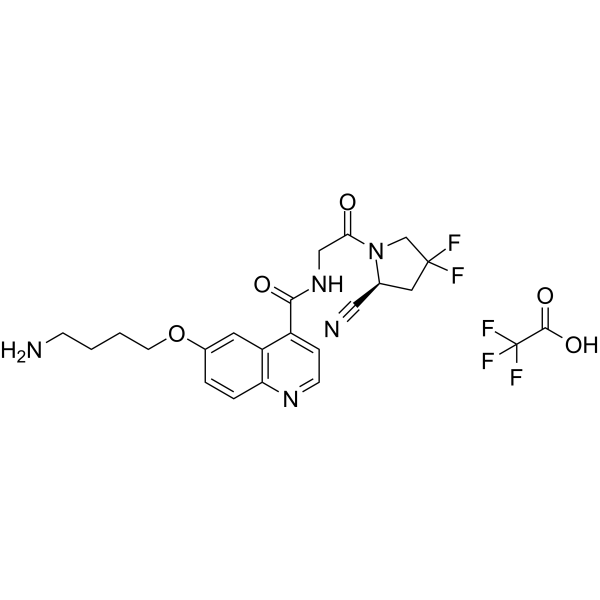
NH2-UAMC1110 TFA is an aminobutoxy derivative of the fibroblast activation protein (FAP) inhibitor UAMC1110 (HY-100684), and is a precursor compound for the synthesis of FAP inhibitor probes, not directly used in bioactivity experiments. For example, NH2-UAMC1110 TFA is involved in the synthesis of the radiotracer FAPI-QS, which exhibits high tumor selectivity and high dose effect, and has been used in tumor diagnosis. NH2-UAMC1110 TFA structurally incorporates an active amino group, allowing it to form covalent bonds with various molecules (such as DOTA, DATA5m, radionuclide chelators, etc.) to synthesize molecular imaging probes or targeted compounds with the ability to target FAP. NH2-UAMC1110 TFA specifically binds to the FAP active site, inhibiting its proline-selective serine protease activity (including dipeptidyl peptidase and endopeptidase activity), blocking FAP-mediated tissue remodeling-related processes. Its key activity is high targeting and high affinity, and its core function is to act as a targeting module coupled with bifunctional chelators (such as DOTA, DATA5m). NH2-UAMC1110 TFA can be applied to diagnostic imaging studies of tumors expressing FAP (such as colorectal cancer, pancreatic cancer, etc.), and also provides molecular tools for targeted research of FAP-related diseases with high FAP expression, such as fibrosis and arthritis .
|
-
-
- HY-153552
-
|
|
FAP
|
Cancer
|
|
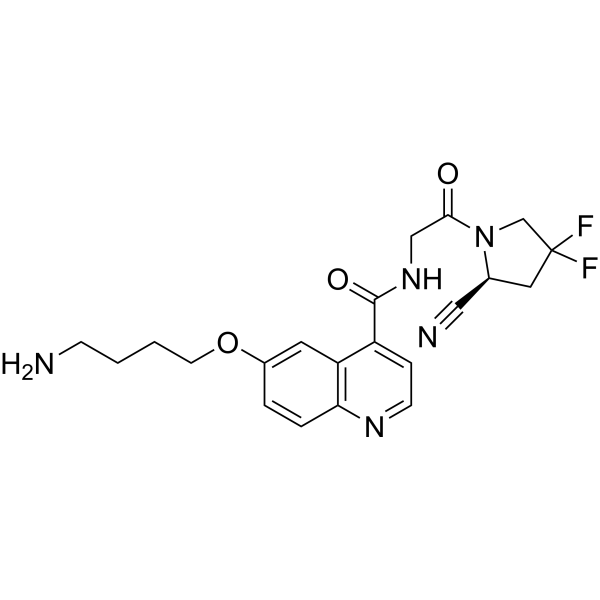
NH2-UAMC1110 is an aminobutoxy derivative of the fibroblast activation protein (FAP) inhibitor UAMC1110 (HY-100684), and is a precursor compound for the synthesis of FAP inhibitor probes, not directly used in bioactivity experiments. For example, NH2-UAMC1110 is involved in the synthesis of the radiotracer FAPI-QS, which exhibits high tumor selectivity and high dose-response, and has been used for tumor diagnosis. NH2-UAMC1110 introduces an active amino group into its structure, enabling it to form covalent bonds with various molecules (such as DOTA, DATA5m, radionuclide chelators, etc.), thereby synthesizing molecular imaging probes or targeted compounds with the ability to target FAP. NH2-UAMC1110 specifically binds to the FAP active site, inhibiting its proline-selective serine protease activity (including dipeptidyl peptidase and endopeptidase activity), blocking FAP-mediated tissue remodeling processes. Its key activity is high targeting and high affinity, and its core function is to be coupled with bifunctional chelators (such as DOTA, DATA5m) as a targeting module. NH2-UAMC1110 can be applied to diagnostic imaging studies of tumors expressing FAP (such as colorectal cancer, pancreatic cancer, etc.), and also provides molecular tools for targeted research of FAP-related diseases with high FAP expression, such as fibrosis and arthritis .
|
-
-
- HY-120115
-
|
Olaparib-bodipy FL
|
PARP
Fluorescent Dye
|
Cancer
|
|
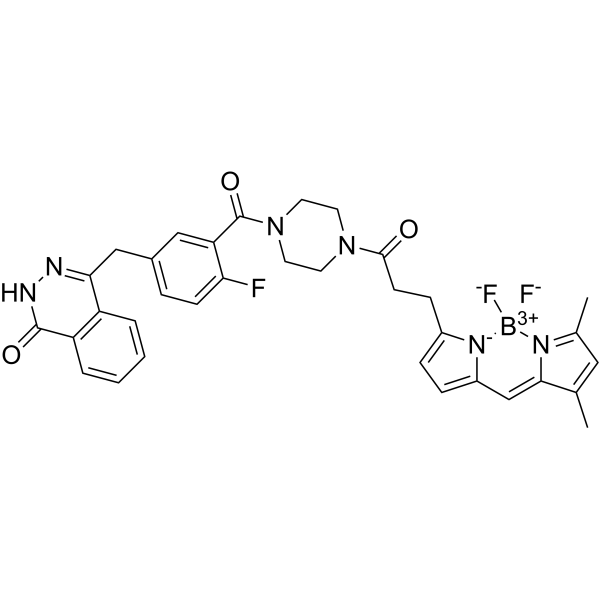
PARPi-FL (Olaparib-bodipy FL) is a small-molecule fluorescent inhibitor of PARP1 that can specifically bind to PARP1. PARPi-FL can be used as a fluorescent imaging agent for tumor detection, diagnosis, and surgical guidance .
|
-
-
- HY-D1456
-
|
|
Pyruvate Kinase
|
Cancer
|
|
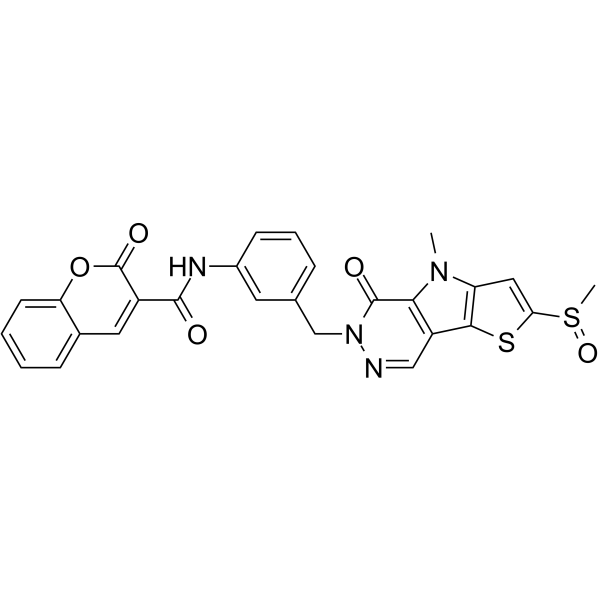
TEPC466 is a novel TEPP-46-based aggregation-induced emission (AIE) probe. TEPC466 shows a high degree of selectivity and sensitivity for the detection of PKM2 protein via the AIE effect. EPC466 can be used for the detection of PKM2. TEPC466 is successfully applied in imaging the PKM2 protein in colorectal cancer cells with low toxicity. TEPC466 is a useful tool for cancer diagnosis and research .
|
-
-
- HY-P10369
-
-

-
- HY-D2315
-
|
|
Fluorescent Dye
|
Cancer
|
|
Probe-Cys is a water-soluble and selective near-infrared fluorescent probe for Cysteine (Cys) (λex= 680 nm, λem=710 nm) that is not interfered by Hcy, GSH, and HS-. Probe-Cys can react with the stimulant DTT (HY-15917) and the NEM (HY-D0843) in HepG2 cells and zebrafish for the detection of endogenous Cys. Probe-Cys can also be used for imaging Cys in Arabidopsis thaliana. Probe-Cys provides a method for cancer diagnosis and exploration of plant sulfur metabolism .
|
-

-
- HY-170779
-
|
|
FAP
|
Cancer
|
|
DOTA-NI-FAPI-04 is a FAP inhibitor (IC50 = 7.44 nM). By integrating FAP targeting with hypoxia-sensitive groups (nitroimidazole), DOTA-NI-FAPI-04 significantly enhances tumor uptake and retention capabilities. DOTA-NI-FAPI-04 chelates metallic isotopes (such as 68Ga and 177Lu) through DOTA to produce radioactive probes ([68Ga]Ga/DOTA-NI-FAPI-04 and [177Lu]Lu/DOTA-NI-FAPI-04), which can be used for research in tumor diagnostics and therapeutic agents. DOTA-NI-FAPI-04 holds dual targeting potential in the fields of cancer imaging, tumor microenvironment analysis, and radionuclide therapy, particularly suitable for scenarios where the tumor stroma and hypoxic regions synergistically interact .
|
-

-
- HY-D1450
-
|
S01448
|
Fluorescent Dye
|
Cancer
|
|
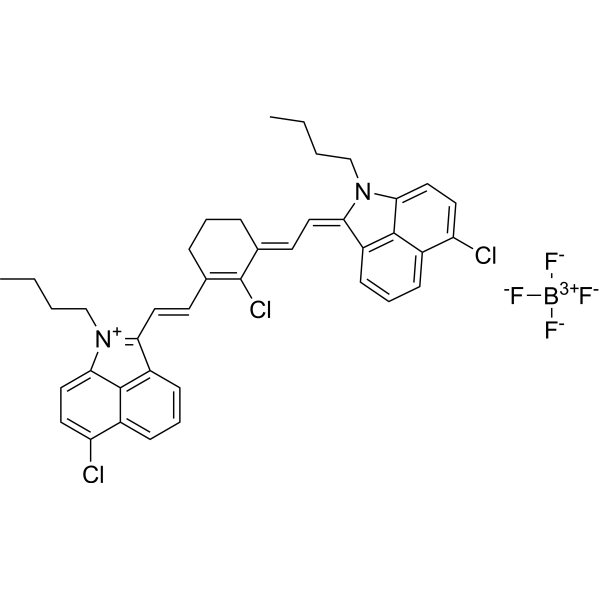
IR-1048 is a nitroreductase (NTR)-responsive near-infrared fluorescence (NIR)/photoacoustic (PA) imaging probe and photothermal agent. IR-1048 is coupled with a nitroimidazole group to form IR-1048-MZ. IR-1048-MZ is catalytically reduced by NTR in a hypoxic environment, restoring strong near-infrared absorption and fluorescence emission (NIR II window), while activating the photothermal effect. IR-1048 relies on NTR-mediated electron transfer to relieve intramolecular fluorescence quenching, achieving specific imaging and photothermal ablation of tumor hypoxic areas. IR-1048 is mainly used for high-contrast NIR II/photoacoustic imaging and photothermal therapy research and tumor diagnosis of the tumor hypoxic microenvironment .
|
-
-
- HY-174421
-
|
|
FAP
|
Cancer
|
|
FAPI-JNU is a molecule targeting fibroblast activation protein (FAP). FAPI-JNU specifically binds to FAP highly expressed in the tumor microenvironment, and uses radionuclides [ 68Ga]Ga or [ 177Lu]Lu to achieve tumor imaging diagnosis. [177Lu]Lu−FAPI−JNU can effectively target and inhibit tumor growth in tumor-bearing mice. FAPI-JNU is promising for research of FAP-positive tumors (such as various solid tumors) .
|
-

-
- HY-114133
-
|
|
Radionuclide-Drug Conjugates (RDCs)
Somatostatin Receptor
|
Cancer
|
|
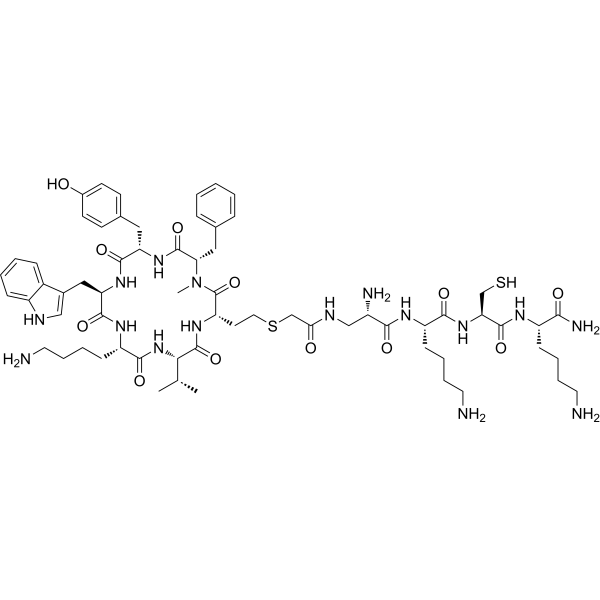
Depreotide is a nove tumor tarcer, can be complexed with technetium-99m ( 99mTc-depreotide) for optimal imaging properties. 99mTc-depreotide somatostain receptor imaging has been playing an important role in medical diagnosis research . Depreotide can be used for the synthesis/research of Radionuclide-Drug Conjugates (RDCs).
|
-
-
- HY-174808
-
-

-
- HY-172137
-
|
|
FAP
|
Cancer
|
|
FAPI-FUSCC-07 is a targeted probe for fibroblast activation protein (FAP), exhibiting high affinity binding to FAP for applications in molecular imaging, tumor diagnosis, and radiotherapy .
|
-

-
- HY-153432
-
|
|
Cholinesterase (ChE)
|
Neurological Disease
Cancer
|
|
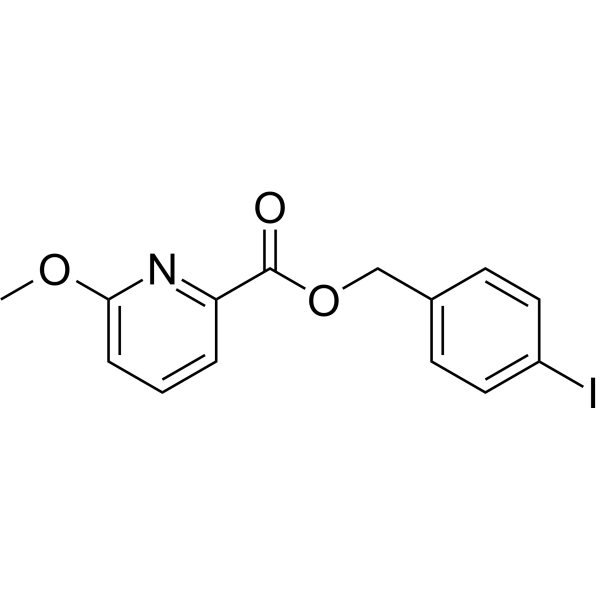
TRV-7019 is a BBB-penetrable radioligand for brain imaging that target butyrylcholinesterase. TRV-7019 can be used for the diagnosis of an amyloid disease, multiple sclerosis, a brain tumor, or butyrylcholinesterase activity .
|
-
-
- HY-155486
-
|
|
Fluorescent Dye
|
Cancer
|
|
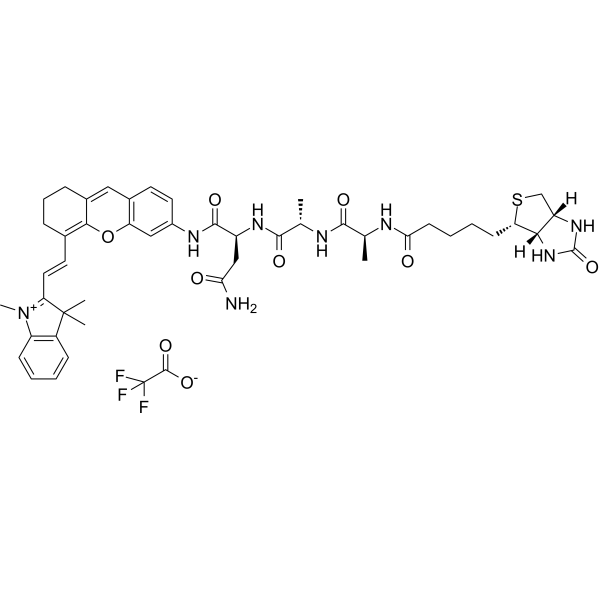
HCy-AAN-Bio is a tumor-targeted hemicyanine (HCy) probe for Fluorescent/photoacoustic (FL/PA) imaging of legumain in vivo. Legumain can specifically cleave HCy-AAN-Bio with the generation of FL/PA signal. HCy-AAN-Bio is a powerful tool for early diagnosis of associated cancer .
|
-
-
- HY-158251
-
|
|
PARP
|
Cancer
|
|
BIBD-300 is a PARP-1 imaging agent with high affinity for PARP-1. BIBD-300 can accurately localize C6 and U87MG tumors, which can be used for research in the diagnosis of breast cancer, prostate cancer, glioma, and liver cancer .
|
-

-
- HY-106586A
-
|
P-286 sodium
|
Biochemical Assay Reagents
|
Cardiovascular Disease
Cancer
|
|
Ioxaglate sodium (P-286 sodium) is an ionic, dimeric diagnostic contrast agent whose activity is mainly reflected in its ability to provide sufficient X-ray absorption to enhance visualization of blood vessels and other structures during imaging. Ioxaglate sodium is used to study the anatomical structure and functional status of cardiac vessels, especially in the diagnosis of coronary artery disease .
|
-

-
- HY-149203
-
|
|
Fluorescent Dye
|
Others
|
|
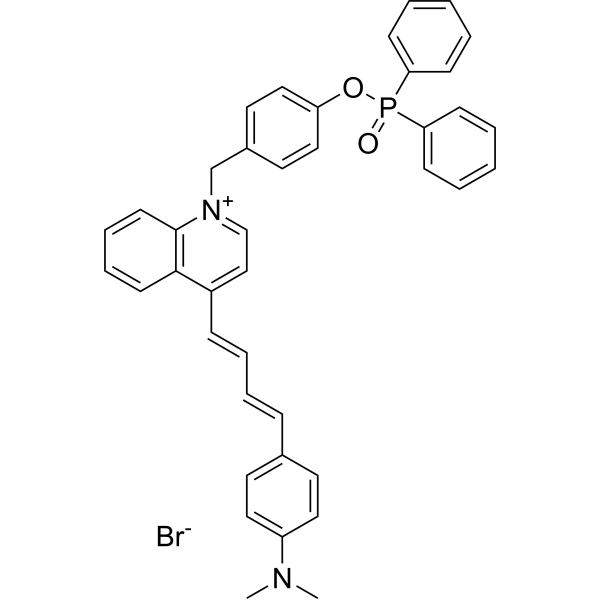
MQA-P is a multifunctional near-infrared (NIR) fluorescent probe for simultaneously detecting ONOO -, viscosity, and polarity within mitochondria. MQA-P exhibits a remarkable turn-on response to ONOO - (λem=645 nm) and is highly sensitive to viscosity/polarity in the NIR channel with λem>704 nm. MQA-P exhibits excited-state intramolecular charge transfer (ESICT) feature that is highly polarity-sensitive by engineering N,N-dimethylamino as the electron donor and a quinoline cationic unit as the electron acceptor. MQA-P is used for ferroptosis or cancer diagnosis in vitro and in vivo via dual-channel images .
|
-
-
- HY-149203A
-
|
|
Fluorescent Dye
|
Others
|
|
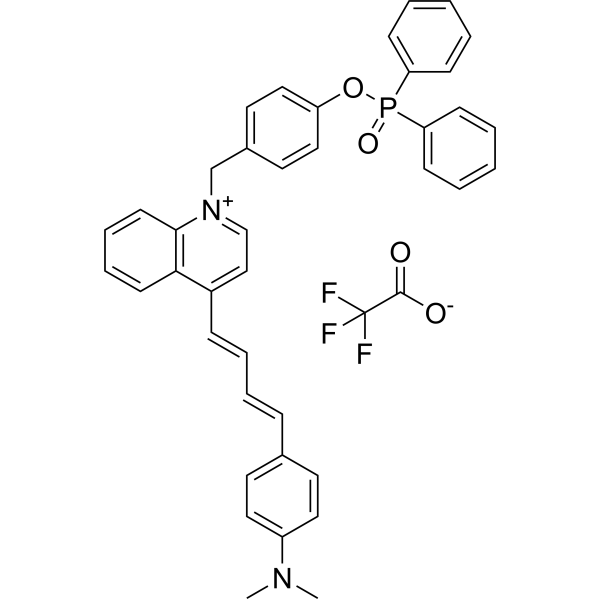
MQA-P is a multifunctional near-infrared (NIR) fluorescent probe that simultaneously detects ONOO -, viscosity, and polarity within mitochondria. MQA-P exhibits significant response to ONOO -, λem=645 nm; and NIR channel at λem>704 nm Medium is highly sensitive to viscosity/polarity. MQA-P possesses excited-state intramolecular charge transfer (ESICT) properties that are highly sensitive to polarity by designing the N,N-dimethylamino group as the electron donor and the quinoline cation unit as the electron acceptor. MQA-P is used for ferroptosis or cancer diagnosis in vitro and in vivo via dual-channel images .
|
-
-
- HY-D2970
-
|
|
Fluorescent Dye
|
Neurological Disease
|
|
Golgi-P is a near-infrared Golgi-targeted fluorescent probe specifically used for the detection of Golgi polarity in living cells and living tissues. Golgi-P exhibits a significant polarity-dependent spectral behavior, with its emission wavelength shifting redward with polarity (Ex/Em: 700 nm/780-825 nm). Golgi-P achieves near-infrared fluorescence imaging directly in the brain tissue of depressed mice. Golgi-P combines polarity sensing with Golgi-targeting functionality, providing a new tool for the molecular diagnosis of depression .
|
-

-
- HY-13616
-
|
EC 20
|
Biochemical Assay Reagents
Folate Receptor (FR)
|
Cancer
|
|
Etarfolatide (EC 20) is a valuable noninvasive imaging agent. Etarfolatide identifies folate receptor expression. Etarfolatide can be used in research on ovarian cancer and disease diagnosis after being radiolabeled .
|
-

-
- HY-14889
-
|
|
ASCT
Amino acid Transporter
Amino Acid Derivatives
|
Cancer
|
|
Fluciclovine is an amino acid analogue that can enter cells by targeting the amino acid transporters on the cell surface (mainly ASCT2 and LAT1). After being labeled with ¹⁸F, ¹⁸F-fluciclovine can be used as an imaging agent for positron emission tomography (PET) for prostate diagnosis imaging .
|
-

-
- HY-P11590
-
|
|
EGFR
|
Cancer
|
|
WGYRGFYC (WC8) is a selective HER2-targeting peptide that binds specifically to HER2 by mimicking the antigen-binding site of trastuzumab. The DOTA precursor of WGYRGFYC has a KD of 61.20 nM for HER2. WGYRGFYC enables specific and highly sensitive detection of HER2 expression in HER2-positive breast cancer cells and tumor tissues, and monitors the dynamic downregulation of HER2 expression. WGYRGFYC rapidly distributes to target tissues and is efficiently cleared from non-target tissues via the kidneys, generating an ideal tumor-to-background ratio in imaging; it is a component of the PET radiotracer Ga-DOTA-WC8. WGYRGFYC exhibits no significant cytotoxicity in breast cancer cells, and can be used for non-invasive imaging diagnosis and therapeutic efficacy evaluation of HER2-positive breast cancer .
|
-

-
- HY-D3141
-
|
|
|
Cancer
|
|
DR probe is a "dual-key-and-lock" fluorescent probe designed based on the Resorufin (HY-123533) scaffold (Ex/Em = 647 nm/663-738 nm). DR probe can be sequentially activated by hydrogen peroxide to form the intermediate SR, which acts as a tyrosinase substrate to trigger a fluorescence turn-on signal. DR probe can distinguish normal melanocytes from melanoma cells. DR probe supports cell imaging and can be applied to mouse melanoma models to achieve melanoma diagnosis with higher accuracy and lower false-positive rates. DR probe is applicable to relevant research on melanoma .
|
-

-
- HY-W244412
-
|
|
Biochemical Assay Reagents
|
Cancer
|
|
2,5-Dioxopyrrolidin-1-yl 6-hydrazinylnicotinate hydrochloride is an intermediate of a radionuclide molecular probe targeting the CD4 receptor. 2,5-Dioxopyrrolidin-1-yl 6-hydrazinylnicotinate hydrochloride serves as an imaging agent for heart transplant rejection. This CD4 probe is prepared by mixing leukocyte differentiation antigen 4 monoclonal antibody with a solution of 6-hydrazinylnicotinoyl succinimide ester hydrochloride, followed by extraction and reaction to obtain 6-hydrazinylnicotinate-leukocyte differentiation antigen 4 monoclonal antibody; this antibody is then mixed with N-tris (hydroxymethyl) glycine, stannous chloride and technetium for an oscillatory reaction. This CD4 probe exhibits high affinity for CD4 + T lymphocytes, along with the characteristics of high sensitivity and high specificity, enabling early diagnosis of acute rejection .
|
-

-
- HY-D3186
-
|
|
Fluorescent Dye
Glycosidase
|
Cancer
|
|
HMRef-βGal is a fluorescent probe and a substrate responsive to β-galactosidase (β-galactosidase) (Ex/Em=498 nm/505-600 nm). After being cleaved by β-galactosidase, HMRef-βGal triggers significant fluorescence enhancement via intramolecular spirocyclic function regulation. HMRef-βGal generates bright fluorescence in cancer cells with elevated β-galactosidase activity, enabling visualization of tiny peritoneal metastases in mouse models. HMRef-βGal exhibits low in vitro cytotoxicity and low acute in vivo toxicity in mice. HMRef-βGal can be used for preclinical fluorescence-guided diagnosis and cytoreductive surgery of peritoneal metastases, including compatibility with real-time naked-eye detection and endoscopic imaging, as well as for studies related to peritoneal metastases of ovarian cancer .
|
-

| Cat. No. |
Product Name |
Type |
-
- HY-D1456
-
|
|
Fluorescent Dyes
|
|
TEPC466 is a novel TEPP-46-based aggregation-induced emission (AIE) probe. TEPC466 shows a high degree of selectivity and sensitivity for the detection of PKM2 protein via the AIE effect. EPC466 can be used for the detection of PKM2. TEPC466 is successfully applied in imaging the PKM2 protein in colorectal cancer cells with low toxicity. TEPC466 is a useful tool for cancer diagnosis and research .
|
-
- HY-D2315
-
|
|
Fluorescent Dyes
|
|
Probe-Cys is a water-soluble and selective near-infrared fluorescent probe for Cysteine (Cys) (λex= 680 nm, λem=710 nm) that is not interfered by Hcy, GSH, and HS-. Probe-Cys can react with the stimulant DTT (HY-15917) and the NEM (HY-D0843) in HepG2 cells and zebrafish for the detection of endogenous Cys. Probe-Cys can also be used for imaging Cys in Arabidopsis thaliana. Probe-Cys provides a method for cancer diagnosis and exploration of plant sulfur metabolism .
|
-
- HY-149203
-
|
|
Fluorescent Dyes
|
|
MQA-P is a multifunctional near-infrared (NIR) fluorescent probe for simultaneously detecting ONOO -, viscosity, and polarity within mitochondria. MQA-P exhibits a remarkable turn-on response to ONOO - (λem=645 nm) and is highly sensitive to viscosity/polarity in the NIR channel with λem>704 nm. MQA-P exhibits excited-state intramolecular charge transfer (ESICT) feature that is highly polarity-sensitive by engineering N,N-dimethylamino as the electron donor and a quinoline cationic unit as the electron acceptor. MQA-P is used for ferroptosis or cancer diagnosis in vitro and in vivo via dual-channel images .
|
-
- HY-D2970
-
|
|
Fluorescent Dyes
|
|
Golgi-P is a near-infrared Golgi-targeted fluorescent probe specifically used for the detection of Golgi polarity in living cells and living tissues. Golgi-P exhibits a significant polarity-dependent spectral behavior, with its emission wavelength shifting redward with polarity (Ex/Em: 700 nm/780-825 nm). Golgi-P achieves near-infrared fluorescence imaging directly in the brain tissue of depressed mice. Golgi-P combines polarity sensing with Golgi-targeting functionality, providing a new tool for the molecular diagnosis of depression .
|
-
- HY-D3141
-
|
|
Fluorescent Dyes
|
|
DR probe is a "dual-key-and-lock" fluorescent probe designed based on the Resorufin (HY-123533) scaffold (Ex/Em = 647 nm/663-738 nm). DR probe can be sequentially activated by hydrogen peroxide to form the intermediate SR, which acts as a tyrosinase substrate to trigger a fluorescence turn-on signal. DR probe can distinguish normal melanocytes from melanoma cells. DR probe supports cell imaging and can be applied to mouse melanoma models to achieve melanoma diagnosis with higher accuracy and lower false-positive rates. DR probe is applicable to relevant research on melanoma .
|
-
- HY-D3186
-
|
|
Fluorescent Dyes
|
|
HMRef-βGal is a fluorescent probe and a substrate responsive to β-galactosidase (β-galactosidase) (Ex/Em=498 nm/505-600 nm). After being cleaved by β-galactosidase, HMRef-βGal triggers significant fluorescence enhancement via intramolecular spirocyclic function regulation. HMRef-βGal generates bright fluorescence in cancer cells with elevated β-galactosidase activity, enabling visualization of tiny peritoneal metastases in mouse models. HMRef-βGal exhibits low in vitro cytotoxicity and low acute in vivo toxicity in mice. HMRef-βGal can be used for preclinical fluorescence-guided diagnosis and cytoreductive surgery of peritoneal metastases, including compatibility with real-time naked-eye detection and endoscopic imaging, as well as for studies related to peritoneal metastases of ovarian cancer .
|
| Cat. No. |
Product Name |
Target |
Research Area |
-
- HY-P10369
-
-
- HY-P11277
-
|
|
Peptides
|
Cancer
|
|
Pocuvotide satetraxetan is an anticancer agent. Pocuvotide satetraxetan labeled with 177Lu can be used for imaging diagnosis .
|
-
- HY-114133
-
|
|
Radionuclide-Drug Conjugates (RDCs)
Somatostatin Receptor
|
Cancer
|
|
Depreotide is a nove tumor tarcer, can be complexed with technetium-99m ( 99mTc-depreotide) for optimal imaging properties. 99mTc-depreotide somatostain receptor imaging has been playing an important role in medical diagnosis research . Depreotide can be used for the synthesis/research of Radionuclide-Drug Conjugates (RDCs).
|
-
- HY-P11590
-
|
|
EGFR
|
Cancer
|
|
WGYRGFYC (WC8) is a selective HER2-targeting peptide that binds specifically to HER2 by mimicking the antigen-binding site of trastuzumab. The DOTA precursor of WGYRGFYC has a KD of 61.20 nM for HER2. WGYRGFYC enables specific and highly sensitive detection of HER2 expression in HER2-positive breast cancer cells and tumor tissues, and monitors the dynamic downregulation of HER2 expression. WGYRGFYC rapidly distributes to target tissues and is efficiently cleared from non-target tissues via the kidneys, generating an ideal tumor-to-background ratio in imaging; it is a component of the PET radiotracer Ga-DOTA-WC8. WGYRGFYC exhibits no significant cytotoxicity in breast cancer cells, and can be used for non-invasive imaging diagnosis and therapeutic efficacy evaluation of HER2-positive breast cancer .
|
-
- HY-P10989
-
|
|
Peptides
|
Cancer
|
|
NG2 binding peptide is a short peptide that specifically recognizes NG2 proteoglycan and can be obtained by phage screening technology. NG2 binding peptide interacts with NG2 binding sites to achieve precise targeting of tumor angiogenesis in vitro and in vivo. NG2 binding peptide exhibits significant homing ability in wild-type tumor-bearing mice, but has no localization effect in NG2 knockout mice. Due to the tissue specificity of NG2 expression, NG2 binding peptide can be used in scenarios such as tumor targeted therapy, drug delivery, and molecular imaging diagnosis .
|
Your information is safe with us. * Required Fields.
Inquiry Information
- Product Name:
- Cat. No.:
- Quantity:
- MCE Japan Authorized Agent:








