



PSMA
Prostate-specific membrane antigen
PSMA is a transmembrane protein that anchores to the cell membrane through its transmembrane region and is mainly expressed in prostate epithelial cells but also exists in other tissues. PSMA exhibits glutamate-preferring carboxypeptidase activity that hydrolyzes polyglutamylated folic acid to release folic acid monomers. PSMA mediates the endocytosis on the cell surface. PSMA acts as an angiogenesis marker in cancer cells. PSMA can be used as a diagnostic marker for prostate cancer, and for detection of invasiveness and metastatic ability of the tumor[1].
All Product Categories
-
PSMA Related Products (93)
Related Products (93)

-
Antibodies (1)
-
Rosopatamab
 0 ImagesSynonyms: HUJ-591; TLX591Rosopatamab (HuJ591) is a humanized antiPSMA IgG1 monoclonal antibody that can be used in cancer research, especially prostate cancer. Rosopatamab can be linked to the low-energy beta-emitting radioisotope lutetium-177 (177Lu) through the bifunctional chelator DOTA-NHS ester to obtain a radioimmunoconjugate that targets malignant prostate cells with high efficiency.
-
PSMA-11
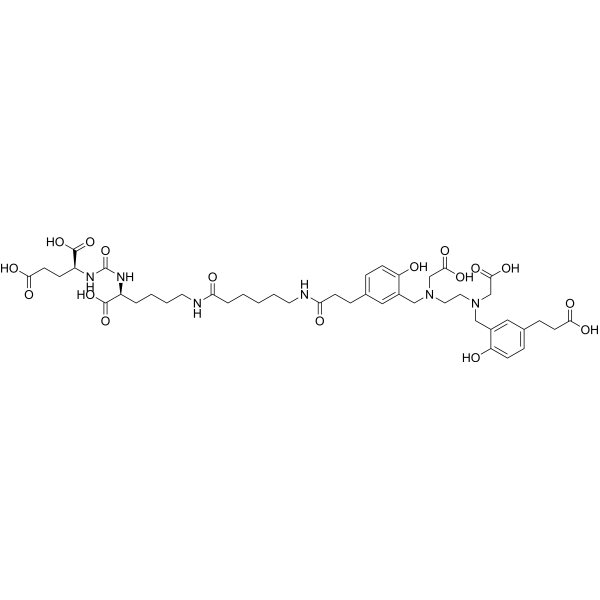 0 ImagesSynonyms: HBED-CC-PSMAPSMA-11 is a small molecule ligand that targets prostate-specific membrane antigen (PSMA) and has the ability to inhibit PSMA activity. PSMA-11 can be used to synthesize 68Ga-PSMA-11, a positron emission tomography (PET) tracer that can be used to image advanced prostate cancer.
-
Zadavotide guraxetan
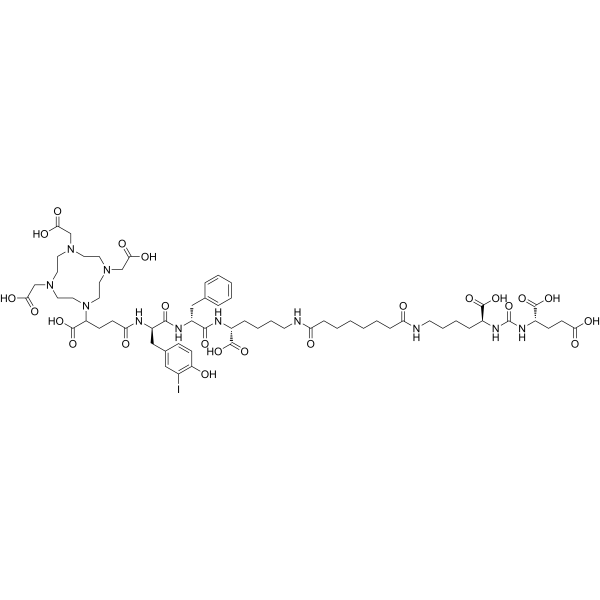 0 ImagesSynonyms: PSMA I&T; PNT-2002Zadavotide guraxetan (PSMA I&T; PNT-2002) is an effective inhibitor of prostate-specific membrane antigen (PSMA). Zadavotide guraxetan can be used for SPECT/CT imaging and radionuclide studies in triple-negative breast cancer and prostate cancer (PCa).
-
tert-Butyl-DCL
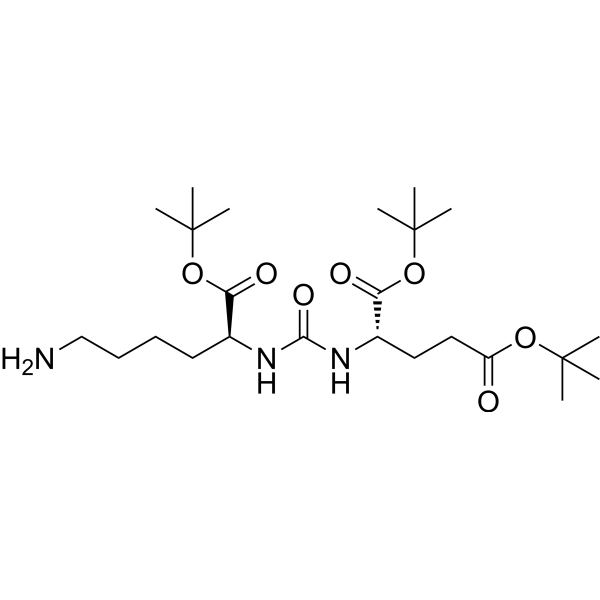 0 ImagesSynonyms: (OtBu)KuE(OtBu)2Tert-Butyl-DCL is a PSMA inhibitor. Tert-Butyl-DCL Tert-Butyl-DCL can be used in the research of prostate cancer.
-
Voxalatamab
 0 ImagesSynonyms: JNJ-63898081; JNJ-081Voxalatamab (JNJ-63898081) is a bispecific IgG4 antibody targeting PSMA and CD3. Voxalatamab attacks PSMA-expressing tumor cells by activating T cells. Voxalatamab has anticancer activity and is being studied for the treatment of solid tumors such as prostate cancer.
-
PSMA targeting peptide TFA
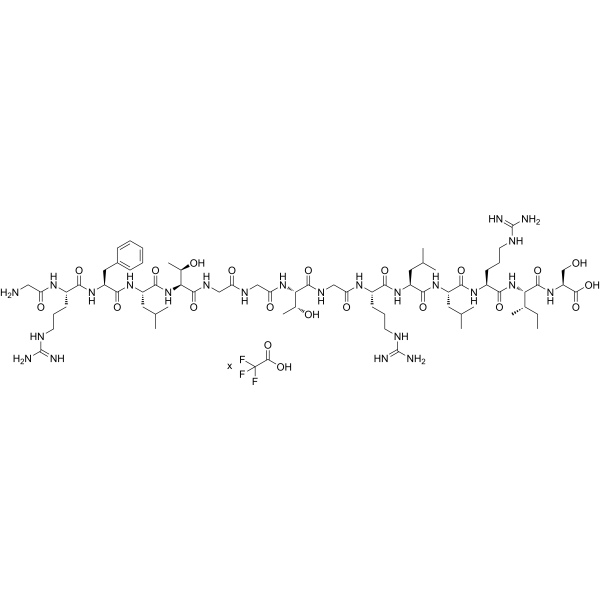 0 ImagesCat. No.: HY-P10055APurity: 98.54%Synonyms: PSMA-1 TFAPSMA targeting peptide (PSMA-1) TFA is a PSMA-binding peptide that selectively binds to the PSMA receptor on prostate cancer cells and acts as a peptide-based siRNA delivery system by complexing and releasing siRNA. PSMA targeting peptide TFA can be used in research on prostate cancer.
-
MIP-1095 TFA
 0 ImagesCat. No.: HY-123733APurity: 99.76%Synonyms: RPS-001 TFAMIP-1095 TFA (RPS-001 TFA) is a PSMA inhibitor with a Ki value of 0.24 nM. MIP-1095 TFA binds to PSMA with high affinity and can be internalized into PSMA-expressing cancer cells. When radiolabeled with 123I, 124I or 131I, MIP-1095 TFA enables SPECT/CT imaging, PET/CT imaging or targeted radiation delivery, respectively. 131I-MIP-1095 TFA can alter serum PSA levels and relieve bone pain. MIP-1095 TFA can be used in research related to metastatic castration-resistant prostate cancer.
-
HUHS015
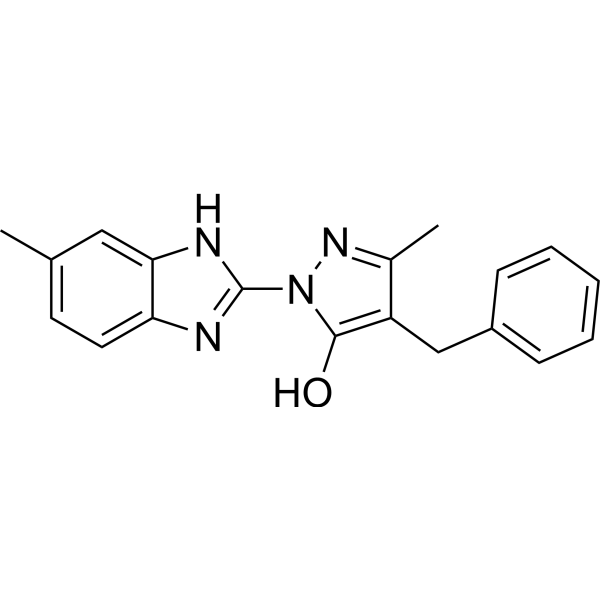 0 ImagesHUHS015 is a potent prostate cancer antigen-1 (PCA-1/ALKBH3) inhibitor with an IC50 of 0.67μM for PCA-1.
-
Pelgifatamab
 0 ImagesSynonyms: BAY-2315497; PSMA-TTCPeligifatamab is a PSMA-targeted α-radioimmunoconjugate with an EC50 of 1.2 nM against human targets. Peligifatamab induces DNA damage, DNA double-strand breaks, cell cycle arrest and apoptosis (Apoptosis) in PSMA-positive prostate cancer cells. Peligifatamab reduces cell viability in a manner dependent on cellular PSMA expression levels. Peligifatamab inhibits tumor growth and tumor-induced abnormal bone growth in prostate cancer bone metastasis models. Peligifatamab exhibits antitumor efficacy in subcutaneous prostate cancer models and xenograft models. Peligifatamab can be used for the research of metastatic castration-resistant prostate cancer.
-
PSMA-Val-Cit-PAB-MMAE
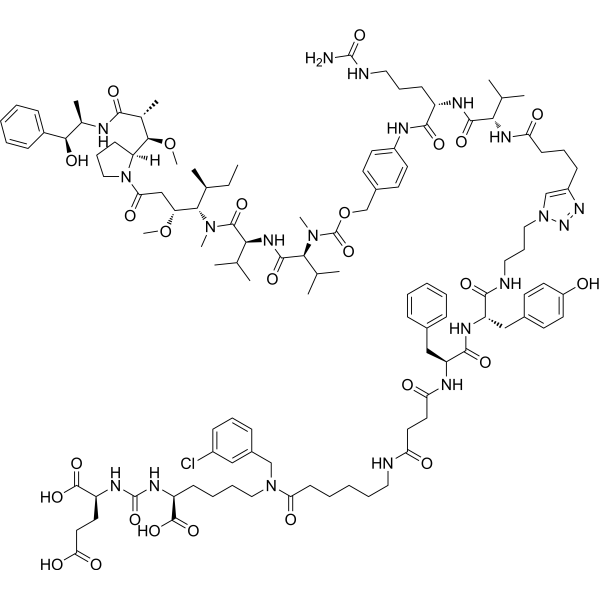 0 ImagesPSMA-Val-Cit-PAB-MMAE is a small-molecule conjugate targeting PSMA, with Monomethyl auristatin E (MMAE) (HY-15162) as its cytotoxic payload. PSMA-Val-Cit-PAB-MMAE binds to PSMA, thereby being delivered into PSMA-expressing prostate cancer cells. Subsequently, the Val-Cit linker is cleaved under the mediation of cathepsin B, releasing active MMAE. PSMA-Val-Cit-PAB-MMAE inhibits CYP3A4 activity (IC50 = 11.2 μM), induces intracellular ROS production and oxidative stress, disrupts the cytoskeleton through microtubule destabilization, and induces prostate cancer cell death. PSMA-Val-Cit-PAB-MMAE can be used in research related to prostate cancer.
-
Piflufolastat
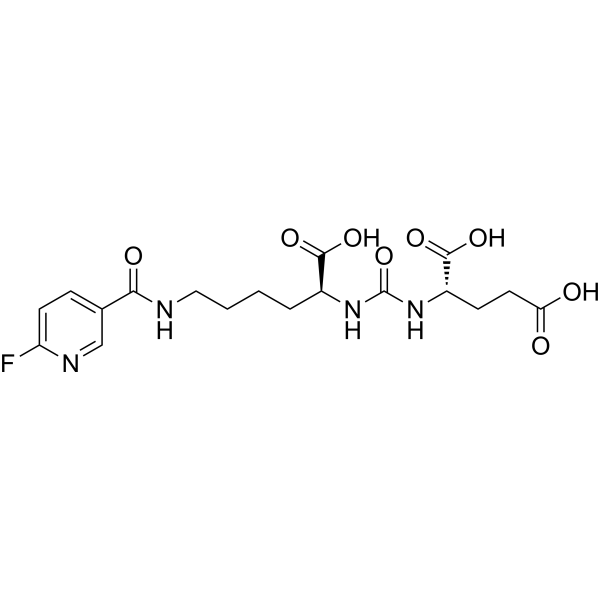 0 ImagesSynonyms: DCFPYLPiflufolastat (DCFPYL) can be used for the preparation of piflufolastat F 18 (DCFPyL F-18). Piflufolastat F-18 (DCFPyL F-18) is an 18F-labeled imaging agent. Piflufolastat F-18 can be used for positron emission tomography (PET) targeting prostate-specific membrane antigen (PSMA). Piflufolastat can be used for imaging of prostate cancer.
-
PSMA-azide
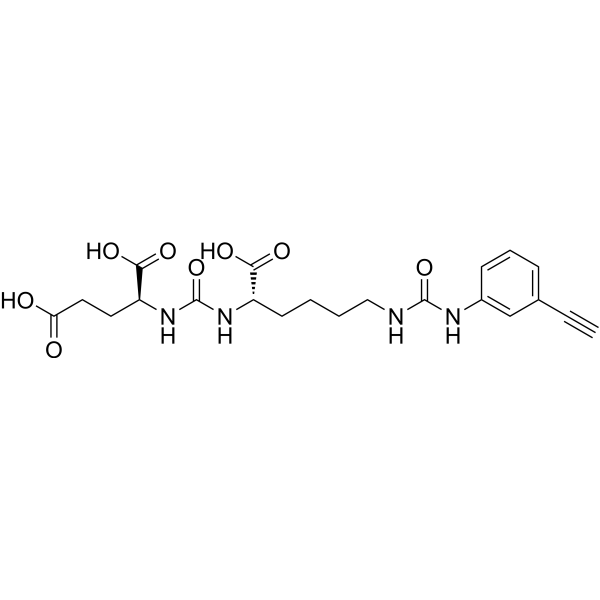
 0 ImagesPSMA-azide is a prostate-specific membrane antigen (PSMA) ligand. PSMA-azide inhibits PSMA-dependent NAAG (N-acetylaspartylglutamic acid) hydrolysis, with an IC50 of 9 nM and a Ki of 1 nM. PSMA-azide contains an Azide group and can undergo copper-catalyzed azide-alkyne cycloaddition reaction (CuAAc) with molecules containing Alkyne groups.
-
Glu-urea-Glu-NHS ester
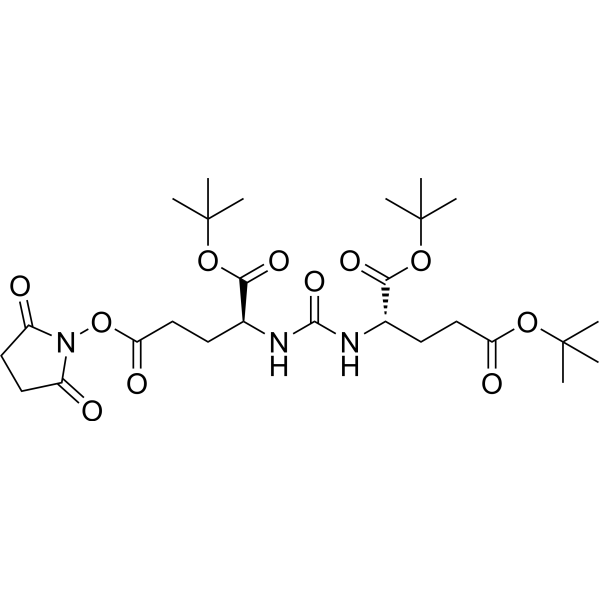 0 ImagesGlu-urea-Glu-NHS ester is an activated N-hydroxysuccinamide (NHS) ester of Glu-urea-Glu. Glu-urea-Glu-NHS ester can be used for synthesis of small-molecule prostate-specific membrane antigen (PSMA) inhibitors, imaging agents (such as PSMAi-PEG conjugates), and targeted drug delivery vehicles.
-
Anti-PSMA Antibody
 0 ImagesCat. No.: HY-P991204Purity: 98.91%Synonyms: ARX517 antibody
-
Isosilybin B
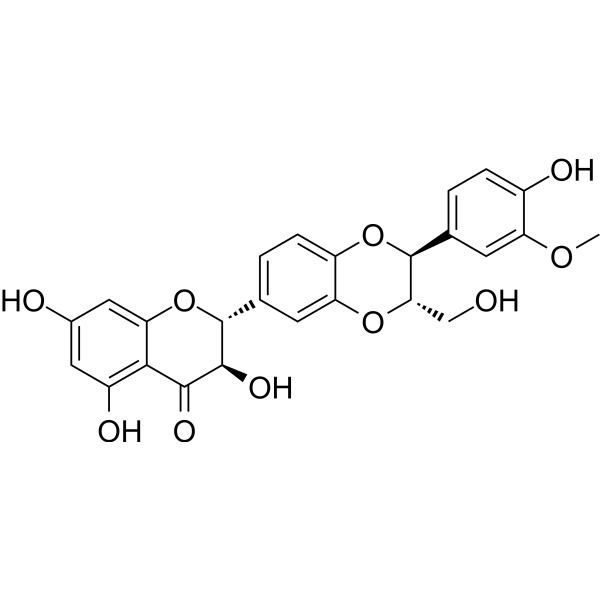 0 ImagesIsosilybin B is a flavonolignan. Isosilybin B can be isolated from Silybum marianum. Isosilybin B can regulate cell cycle-related proteins (e.g., reduce cyclins (D3, D1, A, E), Cdk4, Cdk2, Cdc25A), and activate Caspases (Caspase-9 and Caspase-3). Isosilybin B can promote Apoptosis, reduce androgen receptor (AR) and PSA. Isosilybin B has anticancer activity against prostate cancer.
-
Prostate Specific Antigen Substrate
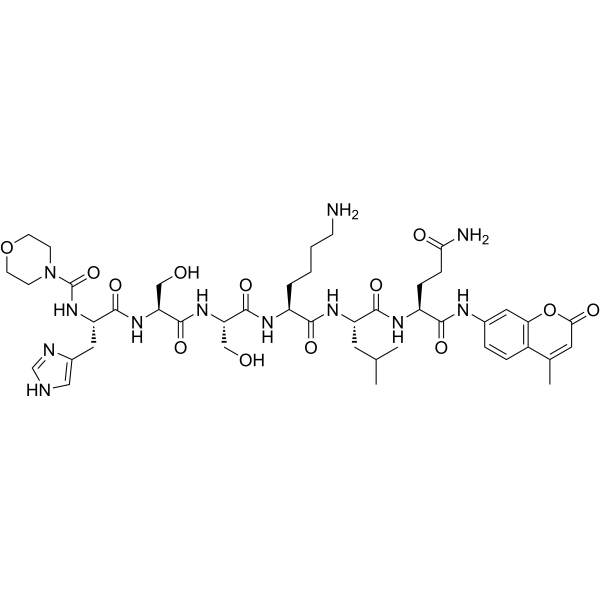 0 ImagesProstate Specific Antigen Substrate is a highly specific fluorescent peptide substrate can be used for measuring prostate-specific antigen (PSA) enzymatic activity.
-
HYNIC-PSMA
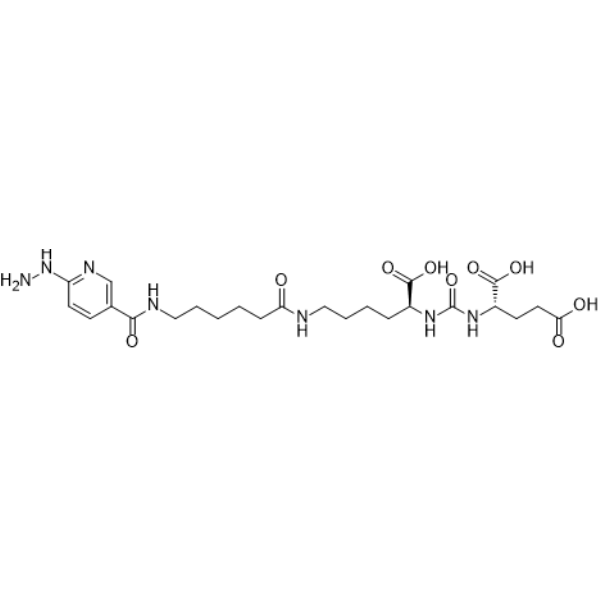 0 ImagesHYNIC-PSMA is a ligand for molecular imaging of tumors. Hynic-psma consists of two components: HYNIC (6-hydrazinonicotinamide) and PSMA (Prostate-Specific Membrane Antigen). HYNIC is a compound used to attach radioactive isotopes to targeted molecules, such as 188Re-HYNIC-PSMA. PSMA is a membrane antigen that is specifically expressed on the surface of prostate cancer cells. HYNIC-PSMA can be used in prostate cancer research. HYNIC-PSMA can be used for the synthesis/research of Radionuclide-Drug Conjugates (RDCs).
-
PSMA I&S TFA
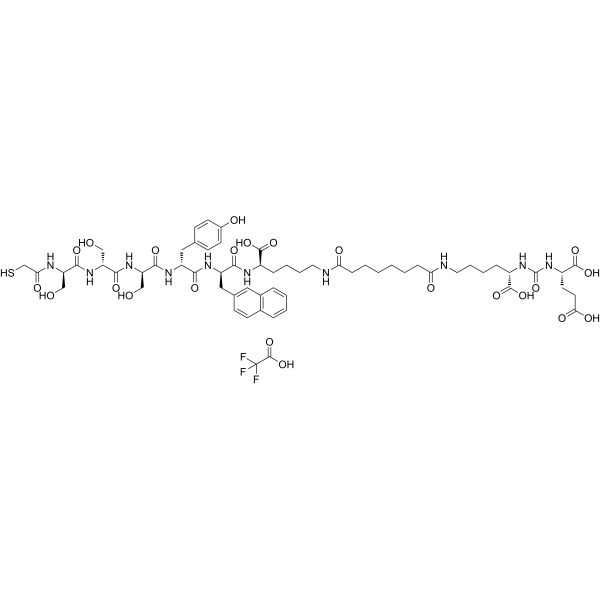 0 ImagesCat. No.: HY-148152APurity: 98.22%
-
HYNIC-iPSMA TFA
 0 ImagesHYNIC-iPSMA TFA is a PSMA-targeted ligand for tumor molecular imaging, with a Ki value of 3.11 nM. HYNIC-iPSMA TFA consists of two components: HYNIC (6-hydrazinonicotinamide) and iPSMA (Inhibitor of Prostate-Specific Membrane Antigen). HYNIC serves as a chelating moiety to link radionuclides to the targeting molecule; iPSMA is a specific inhibitor that targets Prostate-Specific Membrane Antigen (PSMA). 68Ga-labeled iPSMA is used for prostate cancer detection via PET imaging, while the further developed 99mTc-EDDA/HYNIC-iPSMA TFA exhibits excellent specificity and sensitivity. HYNIC-iPSMA TFA can be used for the synthesis and research of radionuclide-conjugated drugs (RDC).




