Search Result
Results for "
biological environments
" in MedChemExpress (MCE) Product Catalog:
12
Biochemical Assay Reagents
3
Isotope-Labeled Compounds
| Cat. No. |
Product Name |
Target |
Research Areas |
Chemical Structure |
-
- HY-N0411
-
|
Provitamin A; beta-Carotene
|
Environmental Pollutants
Endogenous Metabolite
Reactive Oxygen Species (ROS)
Apoptosis
|
Metabolic Disease
Cancer
|
|
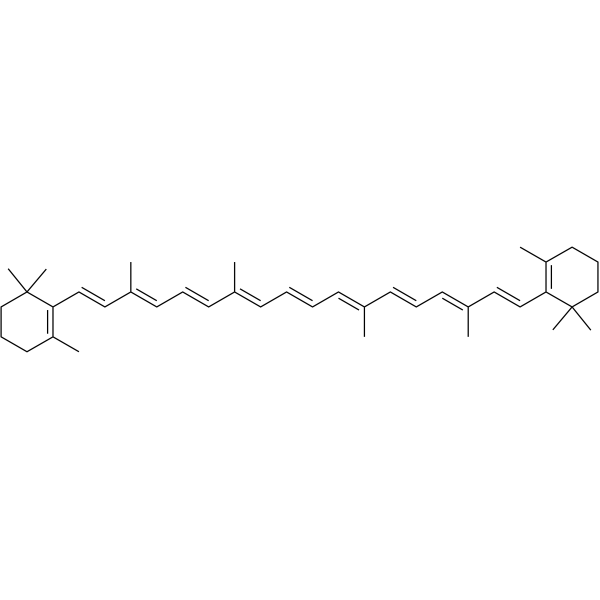
β-Carotene (Provitamin A), a carotenoid compound, is a naturally-occurring vitamin A precursor. β-Carotene is a modulator of reactive oxygen species (ROS), with antioxidant and antiinflammatory activities. β-Carotene may serve as an antioxidant or as a prooxidant, depending on its intrinsic properties as well as on the redox potential of the biological environment in which it acts. β-Carotene induces breast cancer cells apoptosis, with anticancer activities .
|
-
-
- HY-D0227F
-
|
Tris HCl (≥99%, reagent grade); Tris hydrochloride (≥99%, reagent grade)
|
Biochemical Assay Reagents
|
Others
|
|
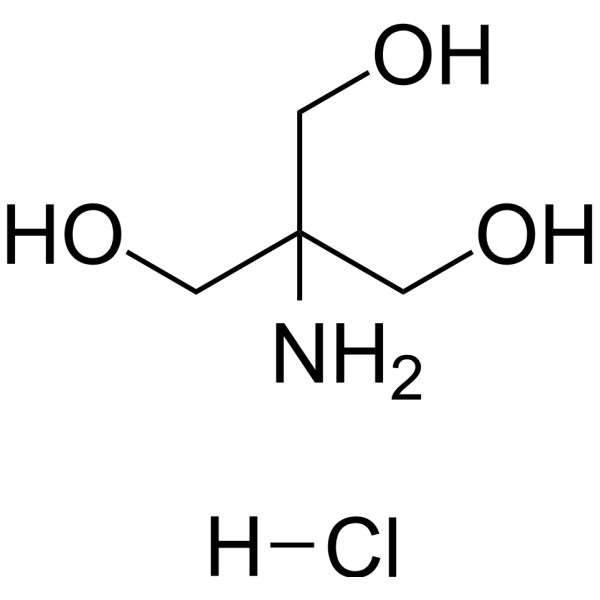
THAM hydrochloride (≥99%, reagent grade), also known as Tris-HCl, is a buffer commonly used in various biochemical and molecular biology applications to maintain a stable pH environment. Tris-HCl has unique chemical properties that allow it to resist changes in pH when acidic or basic substances are added, which makes it useful for stabilizing biological samples or reagents. It is commonly used in electrophoresis and protein purification procedures.
|
-
-
- HY-14929A
-
|
GR181413A
|
Glycosidase
|
Others
|
|
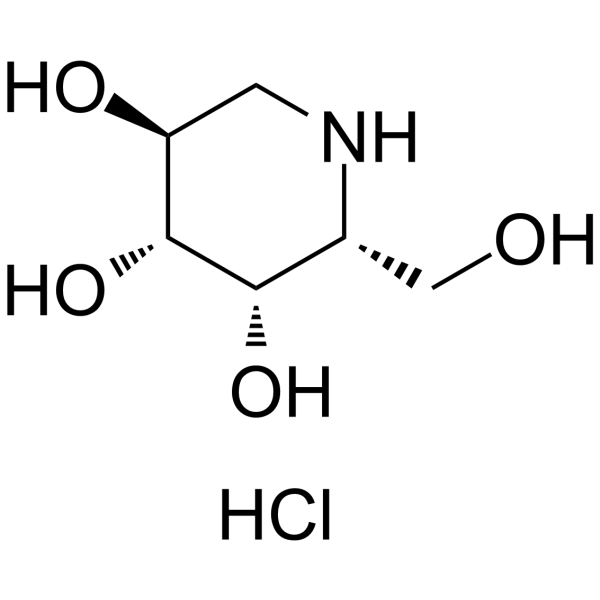
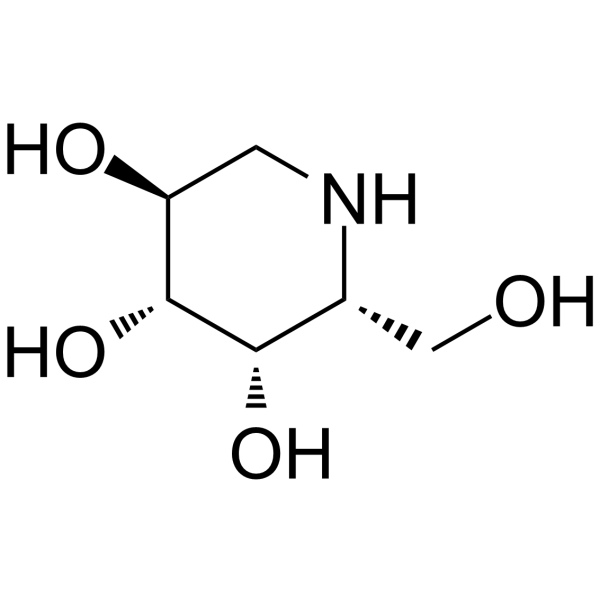
Migalastat (GR181413A free base) hydrochloride is an orally active α-galactosidase A molecular chaperone, with an IC50 value of 0.04 μM for human α-Gal A. Migalastat binds to the active site of certain unstable mutant forms of α-galactosidase A, facilitating their transport to the lysosome. After dissociation in the acidic environment, Migalastat enables the mutant α-galactosidase A to exhibit biological activity .
|
-
-
- HY-103609
-
Pyrene
1 Publications Verification
Benzo[def]phenanthrene
|
Environmental Pollutants
Biochemical Assay Reagents
|
Others
|
|
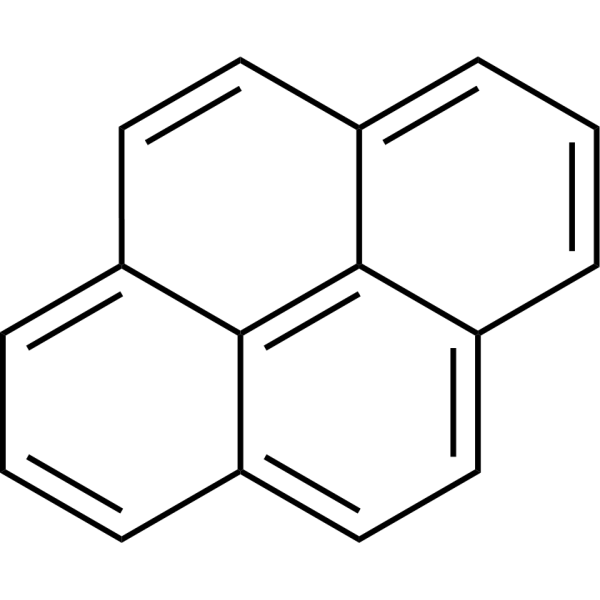
Pyrene is a polycyclic aromatic hydrocarbon (PAH) composed of four fused benzene rings. It has a distinct aromatic odor, produced by incomplete combustion of organic matter. Pyrene exhibits strong fluorescence, emitting in the blue region of the spectrum, making it useful as a probe for studying molecular interactions in solution and on surfaces. Pyrene is also used as a model compound for the study of PAHs in various environments and biological systems because of its ubiquity in these environments. However, long-term exposure to pyrene has been associated with potential health risks, including carcinogenicity and mutagenicity.
|
-
-
- HY-N0411R
-
|
Provitamin A (Standard); beta-Carotene (Standard)
|
Reference Standards
Endogenous Metabolite
Apoptosis
Reactive Oxygen Species (ROS)
|
Metabolic Disease
Cancer
|
|
β-Carotene (Standard) is the analytical standard of β-Carotene. This product is intended for research and analytical applications. β-Carotene (Provitamin A), a carotenoid compound, is a naturally-occurring vitamin A precursor. β-Carotene is a modulator of reactive oxygen species (ROS), with antioxidant and antiinflammatory activities. β-Carotene may serve as an antioxidant or as a prooxidant, depending on its intrinsic properties as well as on the redox potential of the biological environment in which it acts. β-Carotene induces breast cancer cells apoptosis, with anticancer activities .
|
-

-
- HY-135712
-
|
Acid Orange GG
|
Environmental Pollutants
Biochemical Assay Reagents
|
Others
|
|
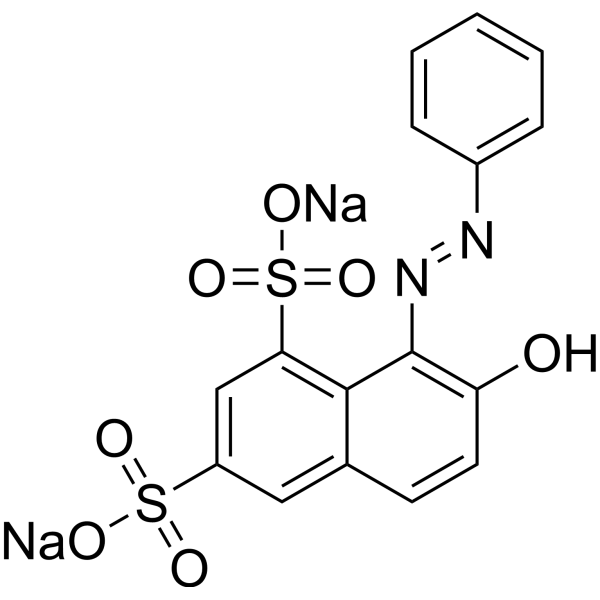
Orange G is an azo dye commonly found in textile wastewater and is mainly used for textile dyeing. Orange G has a coloring function and can give textiles a specific color. The stability and potential hazards of Orange G in the environment are often used to study the removal effects of various wastewater treatment technologies on difficult-to-degrade organic pollutants, especially the degradation of azo dyes. Related research focuses on how to destroy the azo bond of Orange G through chemical, physical or biological methods to achieve harmless treatment to solve the problem of textile wastewater pollution .
|
-
-
- HY-W250147
-
|
Victoria blue B
|
Biochemical Assay Reagents
|
Others
|
|
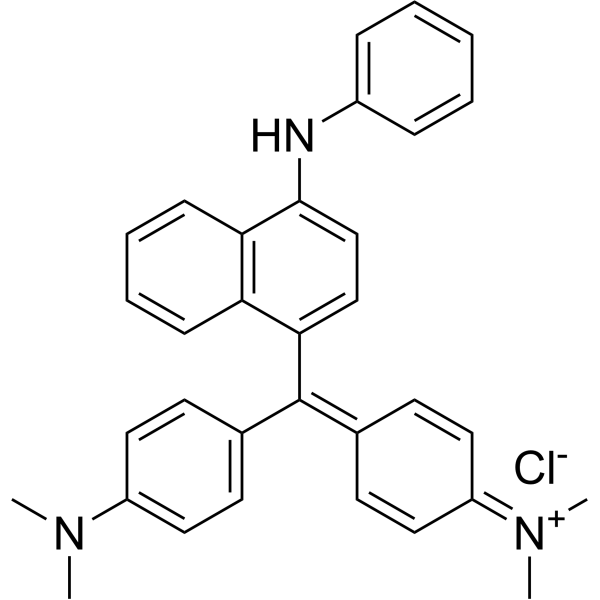
Basic blue 26 (Victoria blue B) is a synthetic cationic dye belonging to the class of triarylmethane dyes. It has a bright blue color and is commonly used as a colorant for a variety of applications, including textiles, paper and leather. Basic Blue 26 is also used as a biological stain for DNA and protein detection in laboratories. Due to its ability to bind negatively charged materials, it can be used as an indicator of the presence of specific molecules in biological samples. However, Basic blue 26 has been reported to have potentially harmful effects on human health and the environment and its use is regulated in some countries. Proper handling and disposal procedures are necessary to minimize its impact on the environment.
|
-
-
- HY-D2775
-
|
|
Fluorescent Dye
|
Others
|
|
Cobalt(II) ions probe 1 (Compound L) is a fluorescent sensor for Co 2+ detecting in biological environments. Cobalt(II) ions probe 1 can selectively bind with Co 2+ in the presence of other metal ions (Ex: 380 nm) .
|
-

-
- HY-179669I
-
|
|
Biochemical Assay Reagents
|
Others
|
|
1M Tris-HCl Buffer, pH 8.8 is a buffer solution commonly used in various biochemical and molecular biological applications to maintain a stable pH environment. The pH value of Tris-HCl changes with temperature; generally, the pH decreases by 0.03 units for every degree Celsius increase in temperature. The pH values indicated on the product are the pH values of the Tris-HCl buffer solution at 25°C.
|
-

-
- HY-179669C
-
|
|
Biochemical Assay Reagents
|
Others
|
|
1M Tris-HCl Buffer, pH 7.6 is a buffer solution commonly used in various biochemical and molecular biological applications to maintain a stable pH environment. The pH value of Tris-HCl changes with temperature; generally, the pH decreases by 0.03 units for every degree Celsius increase in temperature. The pH values indicated on the product are the pH values of the Tris-HCl buffer solution at 25°C.
|
-

-
- HY-179669
-
|
|
Biochemical Assay Reagents
|
Others
|
|
1M Tris-HCl Buffer, pH 6.8 is a buffer solution commonly used in various biochemical and molecular biological applications to maintain a stable pH environment. The pH value of Tris-HCl changes with temperature; generally, the pH decreases by 0.03 units for every degree Celsius increase in temperature. The pH values indicated on the product are the pH values of the Tris-HCl buffer solution at 25°C.
|
-

-
- HY-151747
-
|
|
ADC Linker
|
Others
|
|
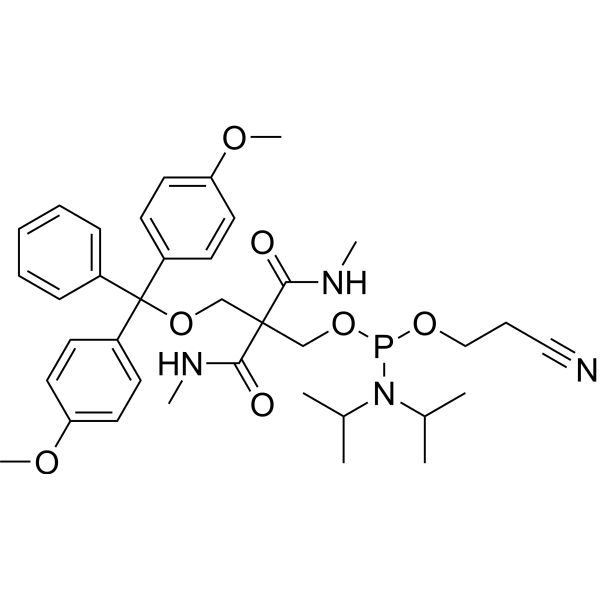
Chemical phosphorylation amidite is a click chemical class ADC linker. Click chemistry has good biological orthogonality characteristics: biocompatible, fast and highly specific in the biological environment, and has great application potential in the binding between nucleic acids, lipids, proteins and other molecules .
|
-
-
- HY-179669A
-
|
|
Biochemical Assay Reagents
|
Others
|
|
1M Tris-HCl Buffer, pH 7.0 is a buffer solution commonly used in various biochemical and molecular biological applications to maintain a stable pH environment. The pH value of Tris-HCl changes with temperature; generally, the pH decreases by 0.03 units for every degree Celsius increase in temperature. The pH values indicated on the product are the pH values of the Tris-HCl buffer solution at 25°C.
|
-

-
- HY-179669E
-
|
|
Biochemical Assay Reagents
|
Others
|
|
1M Tris-HCl Buffer, pH 8.0 is a buffer solution commonly used in various biochemical and molecular biological applications to maintain a stable pH environment. The pH value of Tris-HCl changes with temperature; generally, the pH decreases by 0.03 units for every degree Celsius increase in temperature. The pH values indicated on the product are the pH values of the Tris-HCl buffer solution at 25°C.
|
-

-
- HY-N0411S4
-
|
Provitamin A-13C10; beta-Carotene-13C10
|
Isotope-Labeled Compounds
Endogenous Metabolite
Apoptosis
Reactive Oxygen Species (ROS)
|
Metabolic Disease
Cancer
|
|
β-Carotene- 13C10 (Provitamin A- 13C10) is the 13C-labeled β-Carotene (HY-N0411). β-Carotene (Provitamin A), a carotenoid compound, is a naturally-occurring vitamin A precursor. β-Carotene is a modulator of reactive oxygen species (ROS), with antioxidant and antiinflammatory activities. β-Carotene may serve as an antioxidant or as a prooxidant, depending on its intrinsic properties as well as on the redox potential of the biological environment in which it acts. β-Carotene induces breast cancer cells apoptosis, with anticancer activities .
|
-

-
- HY-151745
-
|
|
ADC Linker
|
Others
|
|
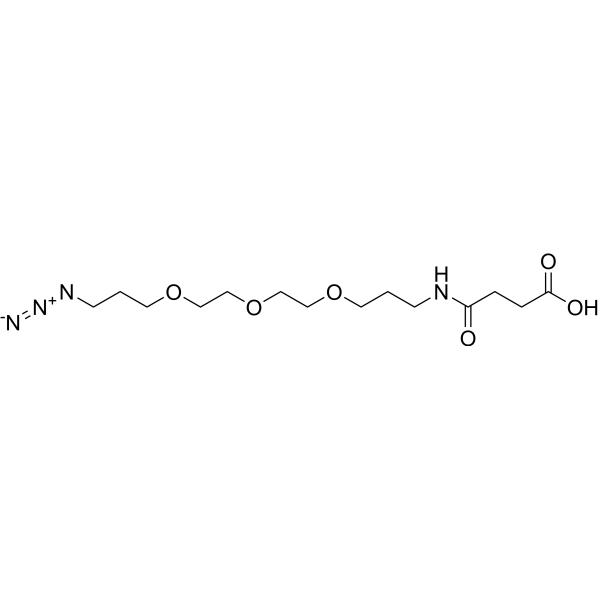
N3-TOTA-Suc is a click chemistry reagent containing an azide group. Click chemistry is a powerful chemical reaction with excellent bioorthogonality features: biocompatible, rapid and highly specific in biological environments . N3-TOTA-Suc is a click chemistry reagent, it contains an Azide group and can undergo copper-catalyzed azide-alkyne cycloaddition reaction (CuAAc) with molecules containing Alkyne groups. It can also undergo strain-promoted alkyne-azide cycloaddition (SPAAC) reactions with molecules containing DBCO or BCN groups.
|
-
-
- HY-179669J
-
|
|
Biochemical Assay Reagents
|
Others
|
|
1M Tris-HCl Buffer, pH 6.8 is a buffer solution commonly used in various biochemical and molecular biological applications to maintain a stable pH environment. The pH value of Tris-HCl changes with temperature; generally, the pH decreases by 0.03 units for every degree Celsius increase in temperature. The pH values ??indicated on the product are the pH values ??of the Tris-HCl buffer solution at 25°C.
|
-

-
- HY-14929
-
|
GR181413A free base; 1-Deoxygalactonojirimycin
|
Glycosidase
|
Others
|
|
Migalastat (GR181413A free base) is an orally active α-galactosidase A molecular chaperone, with an IC50 value of 0.04 μM for human α-Gal A. Migalastat binds to the active site of certain unstable mutant forms of α-galactosidase A, facilitating their transport to the lysosome. After dissociation in the acidic environment, Migalastat enables the mutant α-galactosidase A to exhibit biological activity .
|
-
-
- HY-179669H
-
|
|
Biochemical Assay Reagents
|
Others
|
|
1M Tris-HCl Buffer, pH 8.8 is a buffer solution commonly used in various biochemical and molecular biological applications to maintain a stable pH environment. The pH value of Tris-HCl changes with temperature; generally, the pH decreases by 0.03 units for every degree Celsius increase in temperature. The pH values indicated on the product are the pH values of the Tris-HCl buffer solution at 25°C.
|
-

-
- HY-151749
-
|
|
ADC Linker
|
Others
|
|
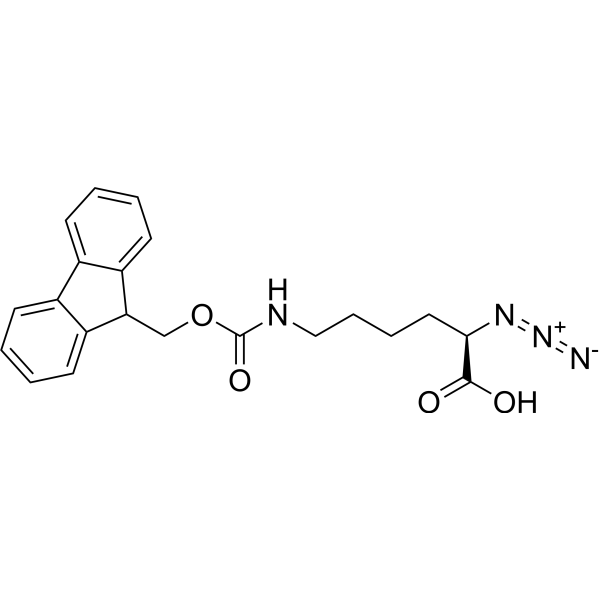
N3-D-Lys(Fmoc)-OH is a click chemistry reagent containing an azide group. Click chemistry is a powerful chemical reaction with excellent bioorthogonality features: biocompatible, rapid and highly specific in biological environments . N3-D-Lys(Fmoc)-OH is a click chemistry reagent, it contains an Azide group and can undergo copper-catalyzed azide-alkyne cycloaddition reaction (CuAAc) with molecules containing Alkyne groups. It can also undergo strain-promoted alkyne-azide cycloaddition (SPAAC) reactions with molecules containing DBCO or BCN groups.
|
-
-
- HY-151736
-
|
|
ADC Linker
|
Others
|
|
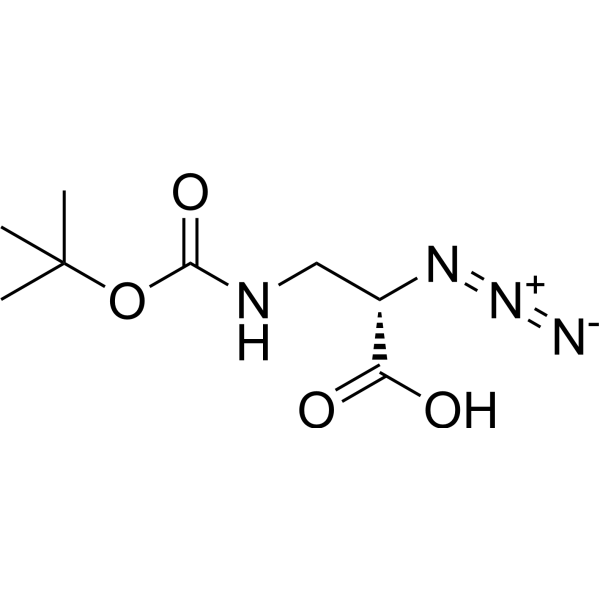
N3-L-Dap(Boc)-OH is a click chemistry reagent containing an azide group. Click chemistry is a powerful chemical reaction with excellent bioorthogonality features: biocompatible, rapid and highly specific in biological environments . N3-L-Dap(Boc)-OH is a click chemistry reagent, it contains an Azide group and can undergo copper-catalyzed azide-alkyne cycloaddition reaction (CuAAc) with molecules containing Alkyne groups. It can also undergo strain-promoted alkyne-azide cycloaddition (SPAAC) reactions with molecules containing DBCO or BCN groups.
|
-
-
- HY-151739
-
|
|
ADC Linker
|
Others
|
|
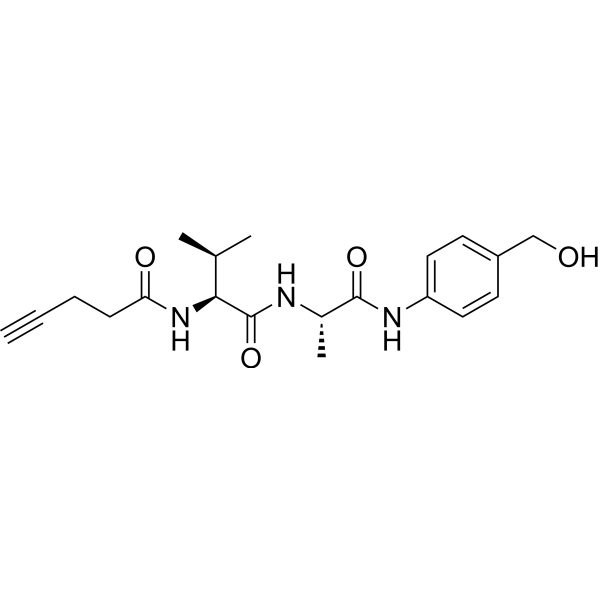
4-Pentynoyl-Val-Ala-PAB is a click chemical class ADC linker. Click chemistry has good biological orthogonality characteristics: biocompatible, fast and highly specific in the biological environment, and has great application potential in the binding between nucleic acids, lipids, proteins and other molecules .
|
-
-
- HY-W016414R
-
|
|
Endogenous Metabolite
Reference Standards
|
Others
|
|
Triethyl phosphate is a chemical compound with biological activity and uses as a solvent. Triethyl phosphate is widely used in chemical synthesis as a reaction medium to improve reaction efficiency. Triethyl phosphate is also commonly used as a plasticizer to improve the flexibility and durability of materials. The presence of triethyl phosphate can also be used as a biomarker to help detect and monitor the effects of certain pollutants in the environment .
|
-

-
- HY-103609R
-
|
Benzo[def]phenanthrene (Standard)
|
Biochemical Assay Reagents
Reference Standards
|
Others
|
|
Pyrene (Standard) is the analytical standard of Pyrene. This product is intended for research and analytical applications. Pyrene is a polycyclic aromatic hydrocarbon (PAH) composed of four fused benzene rings. It has a distinct aromatic odor, produced by incomplete combustion of organic matter. Pyrene exhibits strong fluorescence, emitting in the blue region of the spectrum, making it useful as a probe for studying molecular interactions in solution and on surfaces. Pyrene is also used as a model compound for the study of PAHs in various environments and biological systems because of its ubiquity in these environments. However, long-term exposure to pyrene has been associated with potential health risks, including carcinogenicity and mutagenicity.
|
-

-
- HY-118722
-
|
|
DNA/RNA Synthesis
Cytochrome P450
|
Cancer
|
|
RB-90740 is a type of biological reducing agent. RB-90740 is activated through metabolic reduction and generates cytotoxic products, thereby selectively killing tumor cells (usually in a hypoxic environment). RB-90740 has selective toxicity towards hypoxic cells, which is mainly achieved by causing DNA strand breaks and activating reducing enzymes (such as Cytochrome P450). RB-90740 does not initially exhibit cytotoxicity similar to its in vitro properties in hypoxic cells in mouse models. RB-90740 can be used to study the tumor physiological environment
|
-

-
- HY-W553514
-
|
|
Biochemical Assay Reagents
|
|
|
DL-α-Phosphatidylcholine, distearoyl is a synthetic form of phosphatidylcholine that has the activity of spontaneously forming bilayer membranes in aqueous environments. DL-α-Phosphatidylcholine, distearoyl is an important component of biological membranes and provides support for the integrity of cell structures. DL-α-Phosphatidylcholine, distearoyl plays a key role in the preparation of compound delivery systems to improve the solubility and biocompatibility of compounds.
|
-

-
- HY-W740650
-
|
GR181413A-15N
|
Isotope-Labeled Compounds
Glycosidase
|
Others
|
|
Migalastat hydrochloride- 15N (GR181413A- 15N) is the 15N-labeled Migalastat hydrochloride (HY-14929A). Migalastat (GR181413A free base) hydrochloride is an orally active α-galactosidase A molecular chaperone, with an IC50 value of 0.04 μM for human α-Gal A. Migalastat binds to the active site of certain unstable mutant forms of α-galactosidase A, facilitating their transport to the lysosome. After dissociation in the acidic environment, Migalastat enables the mutant α-galactosidase A to exhibit biological activity .
|
-

-
- HY-W728096
-
|
GR181413A-d5 free base
|
Isotope-Labeled Compounds
Glycosidase
|
Others
|
|
Migalastat-d5 (GR181413A-d5 (free base)) is deuterium labeled Migalastat. Migalastat (GR181413A free base) is an orally active α-galactosidase A molecular chaperone, with an IC50 value of 0.04 μM for human α-Gal A. Migalastat binds to the active site of certain unstable mutant forms of α-galactosidase A, facilitating their transport to the lysosome. After dissociation in the acidic environment, Migalastat enables the mutant α-galactosidase A to exhibit biological activity .
|
-

-
- HY-179669D
-
|
|
Biochemical Assay Reagents
|
Others
|
|
1M Tris-HCl Buffer, pH 7.8 is a buffer solution commonly used in various biochemical and molecular biological applications to maintain a stable pH environment. The pH value of Tris-HCl changes with temperature; generally, the pH decreases by 0.03 units for every degree Celsius increase in temperature. The pH values indicated on the product are the pH values of the Tris-HCl buffer solution at 25°C.
|
-

-
- HY-179669B
-
|
|
Biochemical Assay Reagents
|
Others
|
|
1M Tris-HCl Buffer, pH 7.2 is a buffer solution commonly used in various biochemical and molecular biological applications to maintain a stable pH environment. The pH value of Tris-HCl changes with temperature; generally, the pH decreases by 0.03 units for every degree Celsius increase in temperature. The pH values indicated on the product are the pH values of the Tris-HCl buffer solution at 25°C.
|
-

-
- HY-179669K
-
|
|
Biochemical Assay Reagents
|
Others
|
|
0.5M Tris-HCl Buffer, pH 8.0 is a buffer solution commonly used in various biochemical and molecular biological applications to maintain a stable pH environment. The pH value of Tris-HCl changes with temperature; generally, the pH decreases by 0.03 units for every degree Celsius increase in temperature. The pH values indicated on the product are the pH values of the Tris-HCl buffer solution at 25°C.
|
-

-
- HY-183964
-
|
|
Biochemical Assay Reagents
|
Others
|
|
DSPE-PEG2000-tetrazine is a synthetic phospholipid modified with PEG2000 and tetrazine moieties. DSPE-PEG2000-tetrazine gains improved steric stability via PEGylation. DSPE-PEG2000-tetrazine enables bioorthogonal click chemistry through its tetrazine segment, which selectively reacts with trans-cyclooctene (TCO) under complex biological environments. DSPE-PEG2000-tetrazine can be applied for researches related to click chemistry .
|
-

-
- HY-D3198
-
|
|
Fluorescent Dye
Endogenous Metabolite
|
Cancer
|
|
NIR-fluorescent ceramide is a neutral near-infrared (NIF) fluorescent probe (λem=650 nm) based on the C-bridged nitrobenzoxadiazole SCOTfluor core, which enables visualization of lipid metabolic processes such as sphingolipid trafficking. The emission signal of NIR-fluorescent ceramide increases significantly in liposomal environments. NIR-fluorescent ceramide acts as an intracellular trafficking tracer, localizing to regions surrounding the endoplasmic reticulum and Golgi apparatus within a short period, and then translocating to recycling lysosomes over a longer period, thus enabling real-time visualization of sphingolipid trafficking and biological lipid functions in living cells. NIR-fluorescent ceramide also generates metabolic uptake profiles and provides multiple metabolic readouts in human cancer cell lines .
|
-

-
-
HY-L049
-
|
|
1,904 compounds
|
|
Antibacterial agents are a group of materials that fight against pathogenic bacteria. Thus, by killing or reducing the metabolic activity of bacteria, their pathogenic effect in the biological environments will be minimized. The most widely used antibacterial agents exert their effects on bacterial cell wall synthesis, protein synthesis, DNA replication and metabolic pathways. However, resistance to antimicrobial agents has become a major source of morbidity and mortality worldwide. The main mechanisms of resistance are limiting uptake of a drug, modification of a drug target, inactivation of a drug, and active efflux of a drug. Therefore, it is an urgent need to develop new drugs targeted at resistant organisms.
MCE offers a unique collection of 1,904 compounds with validated antibacterial activities. MCE antibacterial compound library is an effective tool for drug repurposing screening, combination screening and biological investigation.
|
| Cat. No. |
Product Name |
Type |
-
- HY-103609
-
Pyrene
1 Publications Verification
Benzo[def]phenanthrene
|
Fluorescent Dyes
|
|
Pyrene is a polycyclic aromatic hydrocarbon (PAH) composed of four fused benzene rings. It has a distinct aromatic odor, produced by incomplete combustion of organic matter. Pyrene exhibits strong fluorescence, emitting in the blue region of the spectrum, making it useful as a probe for studying molecular interactions in solution and on surfaces. Pyrene is also used as a model compound for the study of PAHs in various environments and biological systems because of its ubiquity in these environments. However, long-term exposure to pyrene has been associated with potential health risks, including carcinogenicity and mutagenicity.
|
-
- HY-135712
-
|
Acid Orange GG
|
Fluorescent Dyes
|
|
Orange G is an azo dye commonly found in textile wastewater and is mainly used for textile dyeing. Orange G has a coloring function and can give textiles a specific color. The stability and potential hazards of Orange G in the environment are often used to study the removal effects of various wastewater treatment technologies on difficult-to-degrade organic pollutants, especially the degradation of azo dyes. Related research focuses on how to destroy the azo bond of Orange G through chemical, physical or biological methods to achieve harmless treatment to solve the problem of textile wastewater pollution .
|
-
- HY-W250147
-
|
Victoria blue B
|
Fluorescent Dyes
|
|
Basic blue 26 (Victoria blue B) is a synthetic cationic dye belonging to the class of triarylmethane dyes. It has a bright blue color and is commonly used as a colorant for a variety of applications, including textiles, paper and leather. Basic Blue 26 is also used as a biological stain for DNA and protein detection in laboratories. Due to its ability to bind negatively charged materials, it can be used as an indicator of the presence of specific molecules in biological samples. However, Basic blue 26 has been reported to have potentially harmful effects on human health and the environment and its use is regulated in some countries. Proper handling and disposal procedures are necessary to minimize its impact on the environment.
|
-
- HY-D2775
-
|
|
Fluorescent Dyes
|
|
Cobalt(II) ions probe 1 (Compound L) is a fluorescent sensor for Co 2+ detecting in biological environments. Cobalt(II) ions probe 1 can selectively bind with Co 2+ in the presence of other metal ions (Ex: 380 nm) .
|
-
- HY-103609R
-
|
Benzo[def]phenanthrene (Standard)
|
Fluorescent Dyes
|
|
Pyrene (Standard) is the analytical standard of Pyrene. This product is intended for research and analytical applications. Pyrene is a polycyclic aromatic hydrocarbon (PAH) composed of four fused benzene rings. It has a distinct aromatic odor, produced by incomplete combustion of organic matter. Pyrene exhibits strong fluorescence, emitting in the blue region of the spectrum, making it useful as a probe for studying molecular interactions in solution and on surfaces. Pyrene is also used as a model compound for the study of PAHs in various environments and biological systems because of its ubiquity in these environments. However, long-term exposure to pyrene has been associated with potential health risks, including carcinogenicity and mutagenicity.
|
-
- HY-D3198
-
|
|
Fluorescent Dyes
|
|
NIR-fluorescent ceramide is a neutral near-infrared (NIF) fluorescent probe (λem=650 nm) based on the C-bridged nitrobenzoxadiazole SCOTfluor core, which enables visualization of lipid metabolic processes such as sphingolipid trafficking. The emission signal of NIR-fluorescent ceramide increases significantly in liposomal environments. NIR-fluorescent ceramide acts as an intracellular trafficking tracer, localizing to regions surrounding the endoplasmic reticulum and Golgi apparatus within a short period, and then translocating to recycling lysosomes over a longer period, thus enabling real-time visualization of sphingolipid trafficking and biological lipid functions in living cells. NIR-fluorescent ceramide also generates metabolic uptake profiles and provides multiple metabolic readouts in human cancer cell lines .
|
| Cat. No. |
Product Name |
Type |
-
- HY-D0227F
-
|
Tris HCl (≥99%, reagent grade); Tris hydrochloride (≥99%, reagent grade)
|
Biochemical Assay Reagents
|
|
THAM hydrochloride (≥99%, reagent grade), also known as Tris-HCl, is a buffer commonly used in various biochemical and molecular biology applications to maintain a stable pH environment. Tris-HCl has unique chemical properties that allow it to resist changes in pH when acidic or basic substances are added, which makes it useful for stabilizing biological samples or reagents. It is commonly used in electrophoresis and protein purification procedures.
|
-
- HY-179669I
-
|
|
Biochemical Assay Reagents
|
|
1M Tris-HCl Buffer, pH 8.8 is a buffer solution commonly used in various biochemical and molecular biological applications to maintain a stable pH environment. The pH value of Tris-HCl changes with temperature; generally, the pH decreases by 0.03 units for every degree Celsius increase in temperature. The pH values indicated on the product are the pH values of the Tris-HCl buffer solution at 25°C.
|
-
- HY-179669C
-
|
|
Biochemical Assay Reagents
|
|
1M Tris-HCl Buffer, pH 7.6 is a buffer solution commonly used in various biochemical and molecular biological applications to maintain a stable pH environment. The pH value of Tris-HCl changes with temperature; generally, the pH decreases by 0.03 units for every degree Celsius increase in temperature. The pH values indicated on the product are the pH values of the Tris-HCl buffer solution at 25°C.
|
-
- HY-179669
-
|
|
Biochemical Assay Reagents
|
|
1M Tris-HCl Buffer, pH 6.8 is a buffer solution commonly used in various biochemical and molecular biological applications to maintain a stable pH environment. The pH value of Tris-HCl changes with temperature; generally, the pH decreases by 0.03 units for every degree Celsius increase in temperature. The pH values indicated on the product are the pH values of the Tris-HCl buffer solution at 25°C.
|
-
- HY-179669A
-
|
|
Biochemical Assay Reagents
|
|
1M Tris-HCl Buffer, pH 7.0 is a buffer solution commonly used in various biochemical and molecular biological applications to maintain a stable pH environment. The pH value of Tris-HCl changes with temperature; generally, the pH decreases by 0.03 units for every degree Celsius increase in temperature. The pH values indicated on the product are the pH values of the Tris-HCl buffer solution at 25°C.
|
-
- HY-179669E
-
|
|
Biochemical Assay Reagents
|
|
1M Tris-HCl Buffer, pH 8.0 is a buffer solution commonly used in various biochemical and molecular biological applications to maintain a stable pH environment. The pH value of Tris-HCl changes with temperature; generally, the pH decreases by 0.03 units for every degree Celsius increase in temperature. The pH values indicated on the product are the pH values of the Tris-HCl buffer solution at 25°C.
|
-
- HY-179669J
-
|
|
Biochemical Assay Reagents
|
|
1M Tris-HCl Buffer, pH 6.8 is a buffer solution commonly used in various biochemical and molecular biological applications to maintain a stable pH environment. The pH value of Tris-HCl changes with temperature; generally, the pH decreases by 0.03 units for every degree Celsius increase in temperature. The pH values ??indicated on the product are the pH values ??of the Tris-HCl buffer solution at 25°C.
|
-
- HY-179669H
-
|
|
Biochemical Assay Reagents
|
|
1M Tris-HCl Buffer, pH 8.8 is a buffer solution commonly used in various biochemical and molecular biological applications to maintain a stable pH environment. The pH value of Tris-HCl changes with temperature; generally, the pH decreases by 0.03 units for every degree Celsius increase in temperature. The pH values indicated on the product are the pH values of the Tris-HCl buffer solution at 25°C.
|
-
- HY-W553514
-
|
|
Biochemical Assay Reagents
|
|
DL-α-Phosphatidylcholine, distearoyl is a synthetic form of phosphatidylcholine that has the activity of spontaneously forming bilayer membranes in aqueous environments. DL-α-Phosphatidylcholine, distearoyl is an important component of biological membranes and provides support for the integrity of cell structures. DL-α-Phosphatidylcholine, distearoyl plays a key role in the preparation of compound delivery systems to improve the solubility and biocompatibility of compounds.
|
-
- HY-179669D
-
|
|
Biochemical Assay Reagents
|
|
1M Tris-HCl Buffer, pH 7.8 is a buffer solution commonly used in various biochemical and molecular biological applications to maintain a stable pH environment. The pH value of Tris-HCl changes with temperature; generally, the pH decreases by 0.03 units for every degree Celsius increase in temperature. The pH values indicated on the product are the pH values of the Tris-HCl buffer solution at 25°C.
|
-
- HY-179669B
-
|
|
Biochemical Assay Reagents
|
|
1M Tris-HCl Buffer, pH 7.2 is a buffer solution commonly used in various biochemical and molecular biological applications to maintain a stable pH environment. The pH value of Tris-HCl changes with temperature; generally, the pH decreases by 0.03 units for every degree Celsius increase in temperature. The pH values indicated on the product are the pH values of the Tris-HCl buffer solution at 25°C.
|
-
- HY-179669K
-
|
|
Biochemical Assay Reagents
|
|
0.5M Tris-HCl Buffer, pH 8.0 is a buffer solution commonly used in various biochemical and molecular biological applications to maintain a stable pH environment. The pH value of Tris-HCl changes with temperature; generally, the pH decreases by 0.03 units for every degree Celsius increase in temperature. The pH values indicated on the product are the pH values of the Tris-HCl buffer solution at 25°C.
|
| Cat. No. |
Product Name |
Target |
Research Area |
-
- HY-P10626
-
|
NSPr
|
Peptides
|
Others
|
|
Nanodisc scaffold peptide (NSPr) is an amphipathic double-helical peptide that stabilizes membrane proteins by mimicking their natural environment, allowing them to remain stable and active in detergent-free aqueous solutions. Nanodisc scaffold peptide can be used to construct a universal tool for high-throughput stabilization of membrane proteins, facilitating modern biological research .
|
| Cat. No. |
Product Name |
Category |
Target |
Chemical Structure |
| Cat. No. |
Product Name |
Chemical Structure |
-
- HY-N0411S4
-
|
|
|
β-Carotene- 13C10 (Provitamin A- 13C10) is the 13C-labeled β-Carotene (HY-N0411). β-Carotene (Provitamin A), a carotenoid compound, is a naturally-occurring vitamin A precursor. β-Carotene is a modulator of reactive oxygen species (ROS), with antioxidant and antiinflammatory activities. β-Carotene may serve as an antioxidant or as a prooxidant, depending on its intrinsic properties as well as on the redox potential of the biological environment in which it acts. β-Carotene induces breast cancer cells apoptosis, with anticancer activities .
|
-
-
- HY-W740650
-
|
|
|
Migalastat hydrochloride- 15N (GR181413A- 15N) is the 15N-labeled Migalastat hydrochloride (HY-14929A). Migalastat (GR181413A free base) hydrochloride is an orally active α-galactosidase A molecular chaperone, with an IC50 value of 0.04 μM for human α-Gal A. Migalastat binds to the active site of certain unstable mutant forms of α-galactosidase A, facilitating their transport to the lysosome. After dissociation in the acidic environment, Migalastat enables the mutant α-galactosidase A to exhibit biological activity .
|
-
-
- HY-W728096
-
|
|
|
Migalastat-d5 (GR181413A-d5 (free base)) is deuterium labeled Migalastat. Migalastat (GR181413A free base) is an orally active α-galactosidase A molecular chaperone, with an IC50 value of 0.04 μM for human α-Gal A. Migalastat binds to the active site of certain unstable mutant forms of α-galactosidase A, facilitating their transport to the lysosome. After dissociation in the acidic environment, Migalastat enables the mutant α-galactosidase A to exhibit biological activity .
|
-
| Cat. No. |
Product Name |
|
Classification |
-
- HY-151745
-
|
|
|
Azide
|
|
N3-TOTA-Suc is a click chemistry reagent containing an azide group. Click chemistry is a powerful chemical reaction with excellent bioorthogonality features: biocompatible, rapid and highly specific in biological environments . N3-TOTA-Suc is a click chemistry reagent, it contains an Azide group and can undergo copper-catalyzed azide-alkyne cycloaddition reaction (CuAAc) with molecules containing Alkyne groups. It can also undergo strain-promoted alkyne-azide cycloaddition (SPAAC) reactions with molecules containing DBCO or BCN groups.
|
-
- HY-151749
-
|
|
|
Azide
|
|
N3-D-Lys(Fmoc)-OH is a click chemistry reagent containing an azide group. Click chemistry is a powerful chemical reaction with excellent bioorthogonality features: biocompatible, rapid and highly specific in biological environments . N3-D-Lys(Fmoc)-OH is a click chemistry reagent, it contains an Azide group and can undergo copper-catalyzed azide-alkyne cycloaddition reaction (CuAAc) with molecules containing Alkyne groups. It can also undergo strain-promoted alkyne-azide cycloaddition (SPAAC) reactions with molecules containing DBCO or BCN groups.
|
-
- HY-151736
-
|
|
|
Azide
|
|
N3-L-Dap(Boc)-OH is a click chemistry reagent containing an azide group. Click chemistry is a powerful chemical reaction with excellent bioorthogonality features: biocompatible, rapid and highly specific in biological environments . N3-L-Dap(Boc)-OH is a click chemistry reagent, it contains an Azide group and can undergo copper-catalyzed azide-alkyne cycloaddition reaction (CuAAc) with molecules containing Alkyne groups. It can also undergo strain-promoted alkyne-azide cycloaddition (SPAAC) reactions with molecules containing DBCO or BCN groups.
|
-
- HY-151739
-
|
|
|
Alkynes
|
|
4-Pentynoyl-Val-Ala-PAB is a click chemical class ADC linker. Click chemistry has good biological orthogonality characteristics: biocompatible, fast and highly specific in the biological environment, and has great application potential in the binding between nucleic acids, lipids, proteins and other molecules .
|
Your information is safe with us. * Required Fields.
Inquiry Information
- Product Name:
- Cat. No.:
- Quantity:
- MCE Japan Authorized Agent:








