Search Result
Results for "
carbon+chain
" in MedChemExpress (MCE) Product Catalog:
7
Biochemical Assay Reagents
1
Isotope-Labeled Compounds
| Cat. No. |
Product Name |
Target |
Research Areas |
Chemical Structure |
-
- HY-P3479
-
|
|
Insulin Receptor
|
Metabolic Disease
|
|
Insulin (swine) is an orally active insulin derived from pigs. Insulin (swine) when administered orally acts as an antigen to reduce the severity of pancreatic lymphocyte infiltration, but has no metabolic effect on blood glucose levels. Insulin (swine) increases glucose oxidation, stimulates lipogenesis, and lowers blood glucose levels. Insulin (swine) can be used in diabetes research .
|
-
-
- HY-W015936
-
|
trans-Hex-2-en-1-ol
|
Environmental Pollutants
Biochemical Assay Reagents
|
Others
|
|
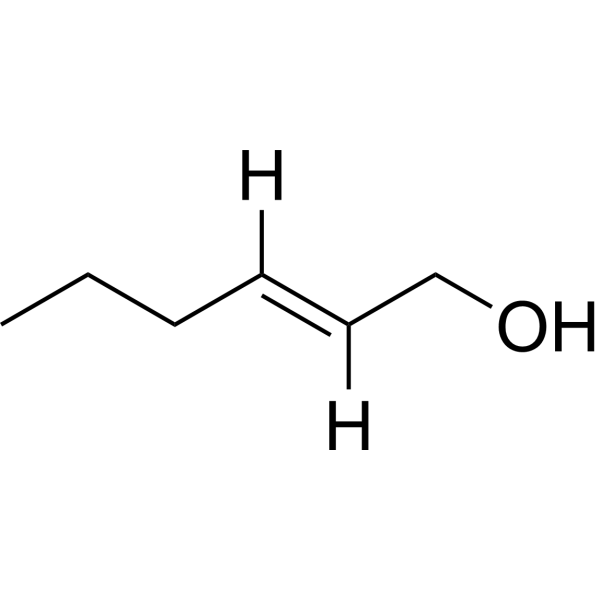
(E)-Hex-2-en-1-ol belongs to the class of unsaturated alcohols consisting of a six-carbon chain with a double bond between carbon atoms 2 and 3 and a hydroxyl group attached to carbon atom 1. The compound has a grassy or herbaceous smell and is commonly used as a flavoring in foods such as baked goods, candy and beverages. It can also be used as a fragrance ingredient in personal care products and as a starting material for the synthesis of other organic compounds. Furthermore, (E)-hex-2-en-1-ol can be used as a solvent or reagent in various chemical reactions.
|
-
-
- HY-W018829
-
|
Undecylenic aldehyde
|
Environmental Pollutants
Biochemical Assay Reagents
|
Others
|
|
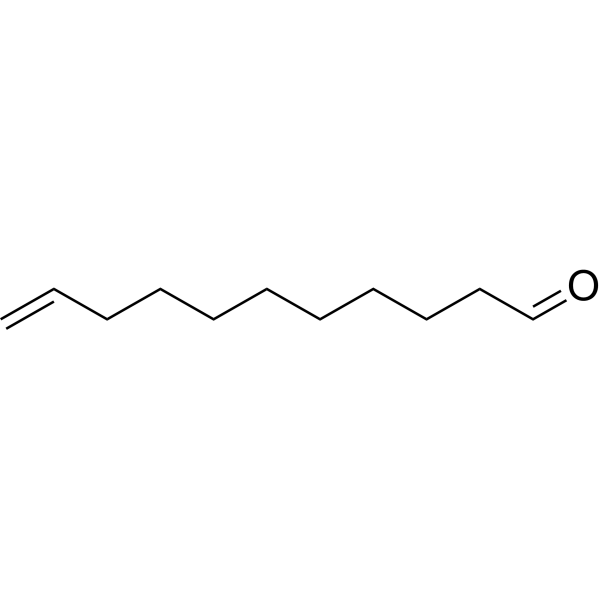
10-Undecenal consists of an 11-carbon chain with a double bond between the 9th and 10th carbon atoms and an aldehyde group attached to the 1st carbon atom. This compound has a pungent or fatty smell and is commonly used as a flavoring commodity in foods such as bakery, confectionary and beverages.
|
-
-
- HY-W017690
-
|
|
Biochemical Assay Reagents
|
Others
|
|
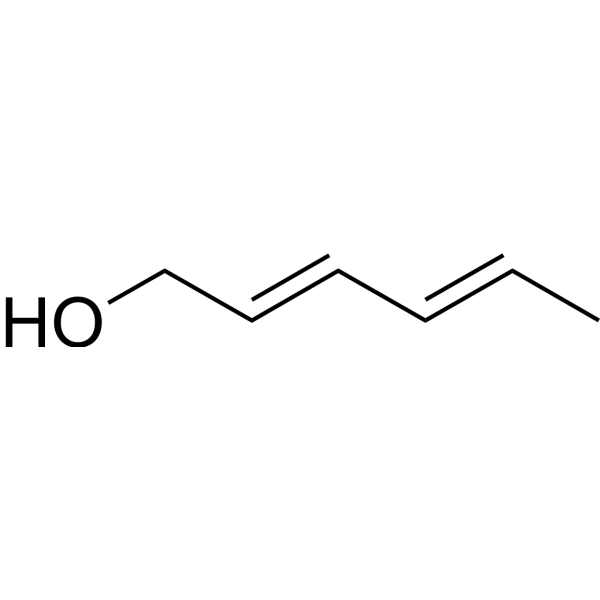
(2E,4E)-Hexa-2,4-dien-1-ol consists of a six-carbon chain with two conjugated double bonds between carbon atoms 2 and 3 and between carbon atoms 4 and 5, and a The hydroxyl group attached to carbon atom 1. This compound has a floral fragrance and can be found in a variety of plants in nature.
|
-
-
- HY-106991A
-
|
S-303 dihydrochloride
|
HIV
Bacterial
CHIKV
|
Infection
|
|
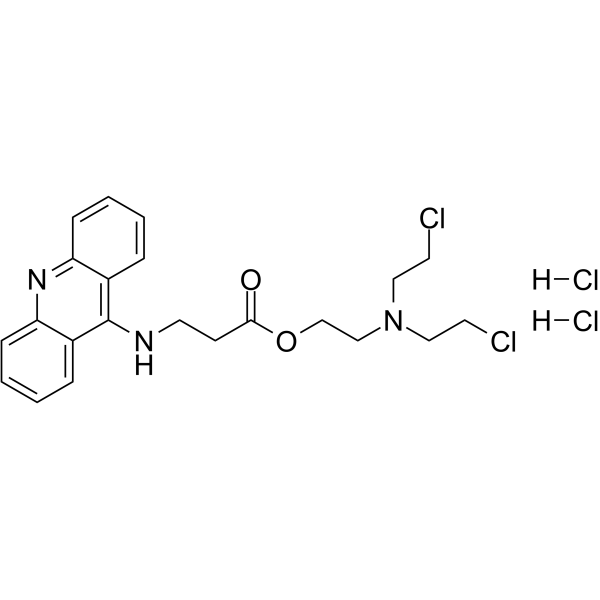
Amustaline (S-303) dihydrochloride, a nucleic acid-targeted alkylator, is an efficient pathogen inactivation agent for blood components containing red blood cells. Amustaline dihydrochloride has three components: an acridine anchor (an intercalator that targets nucleic acids non-covalently), an effector (a bis-alkylator group that reacts with nucleophiles), and a linker (a small flexible carbon chain containing a labile ester bond that hydrolyzes at neutral pH to yield non-reactive breakdown products) .
|
-
-
- HY-P3432
-
|
|
Biochemical Assay Reagents
|
Others
|
|
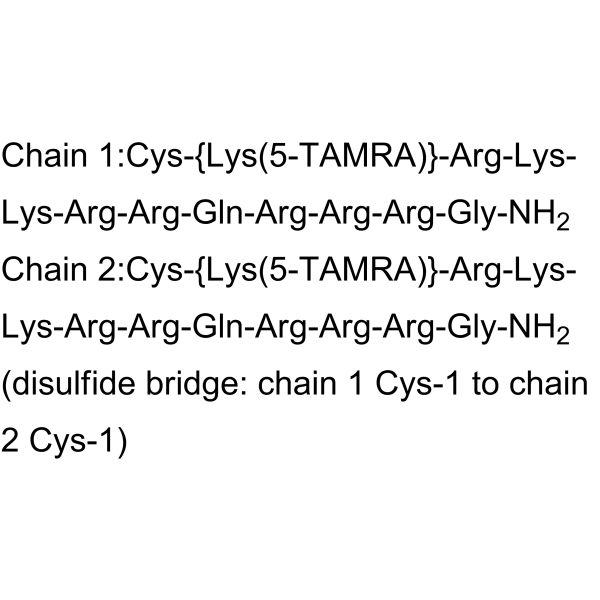
DfTat is a dimer of the prototypical cell-penetrating peptide TAT. DfTat can deliver small molecules, peptides and proteins into live cells with a particularly high efficiency. DfTat labeled with the rhodamine can be used as a tracer for easy detection .
|
-
-
- HY-W017567
-
|
trans-2-Hexenoic Acid Ethyl Ester
|
Biochemical Assay Reagents
|
Others
|
|
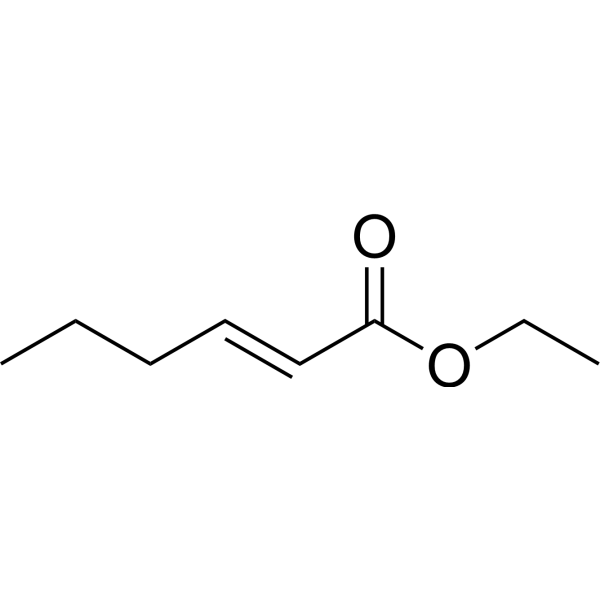
Ethyl (E)-2-hexenoate consists of a six-carbon chain with a double bond between the 2nd and 3rd carbon atoms, an ethyl ester group attached to the 1st carbon atom, and a A methyl group connected by 4 carbon atoms. This compound has a fruity, sweet or floral aroma and is commonly used as a flavoring in foods such as baked goods, confectionary and beverages.
|
-
-
- HY-P10204
-
|
|
Wnt
|
Cancer
|
|
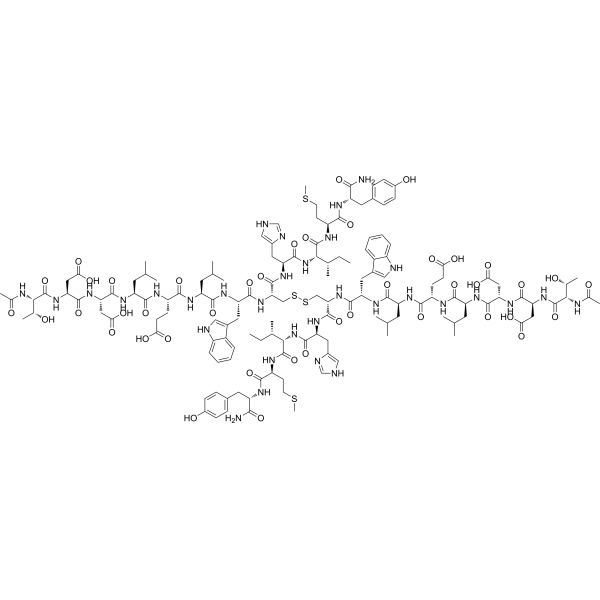
FZD7 antagonist 1 (peptide 34) is a dFz7-21 analogue. FZD7 antagonist 1 is an FZD7 antagonist that inhibits the wnt3a with IC50 value of 9.2 nM. FZD7 antagonist 1 blocks TcdB−FZD interaction via targeting FZD receptors .
|
-
-
- HY-W127393
-
|
|
Biochemical Assay Reagents
|
Others
|
|
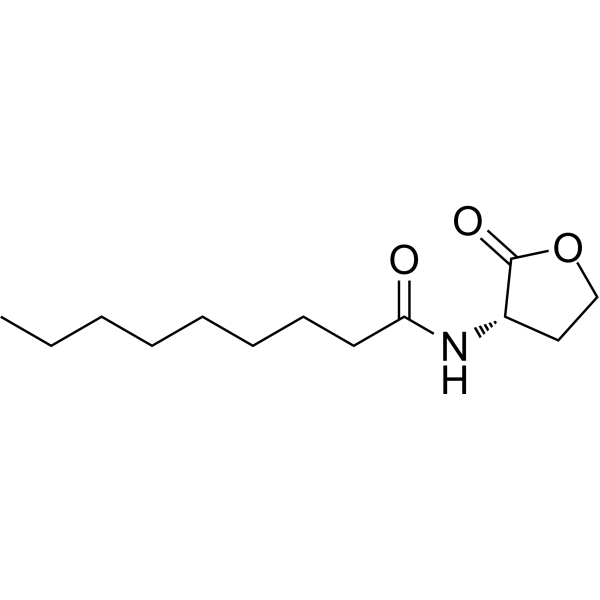
Quorum sensing is a regulatory system used by bacteria to control gene expression in response to increased cell density. This regulatory process manifests itself in a variety of phenotypes, including biofilm formation and virulence factor production. Coordinated gene expression is achieved through the production, release and detection of small diffusible signaling molecules called autoinducers. N-acylated homoserine lactones (AHLs) comprise a class of such autoinducers, each of which generally consists of a fatty acid coupled to a homoserine lactone (HSL). Modulation of bacterial quorum-sensing signaling systems to suppress pathogenesis represents a new approach to antimicrobial research for infectious diseases. AHLs differ in acyl length (C4-C18), C3 substitution (hydrogen, hydroxyl, or oxo group), and the presence or absence of one or more carbon-carbon double bonds in the fatty acid chain. These differences confer signaling specificity through the affinity of the LuxR family of transcriptional regulators. C9-HSL is a rare odd-numbered acyl carbon chain produced by wild-type Erwinia carotovora strain SCC 3193 grown in nutrient-rich Luria-Bertani broth (LB) medium.
|
-
-
- HY-P4890
-
-

-
- HY-P10693
-
-

-
- HY-P11246
-
|
|
RXFP Receptor
|
Metabolic Disease
|
|
A13:B7-24-GG is an engineered analogue of insulin-like peptide 5 (INSL5), a selective RXFP4 agonist with a Ki value of 2.29 nM. A13:B7-24-GG has an extremely low binding affinity for RXFP3 (Ki = 602.56 nM) and an inhibitory effect on cAMP (EC50) of 1.17 nM. Activation of RXFP4 by A13:B7-24-GG leads to the recruitment of β-Arrestin2, with an EC50 of 22.39 nM. A13:B7-24-GG can be used for research on chronic constipation .
|
-

-
- HY-133587
-
-
-
- HY-157738
-
|
|
Biochemical Assay Reagents
|
Others
|
|
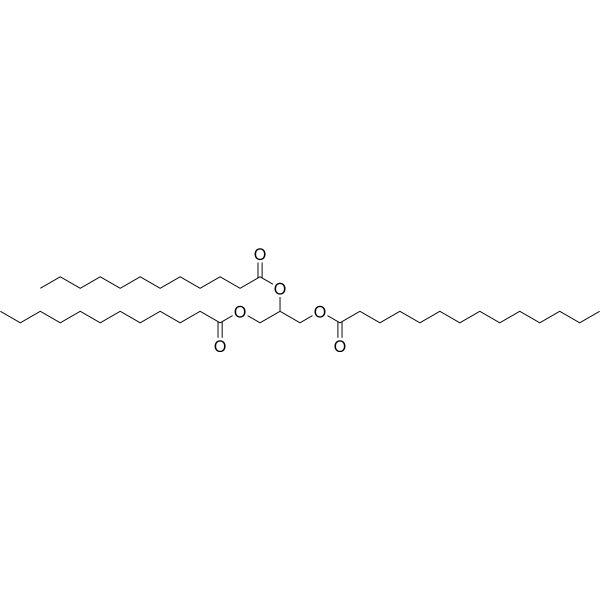
1,2-Dilauroyl-3-myristoyl-rac-glycerol is a medium carbon chain glyceride which can be used for synthesis of functional edible oil .
|
-
-
- HY-155442
-
|
|
Biochemical Assay Reagents
|
Inflammation/Immunology
|
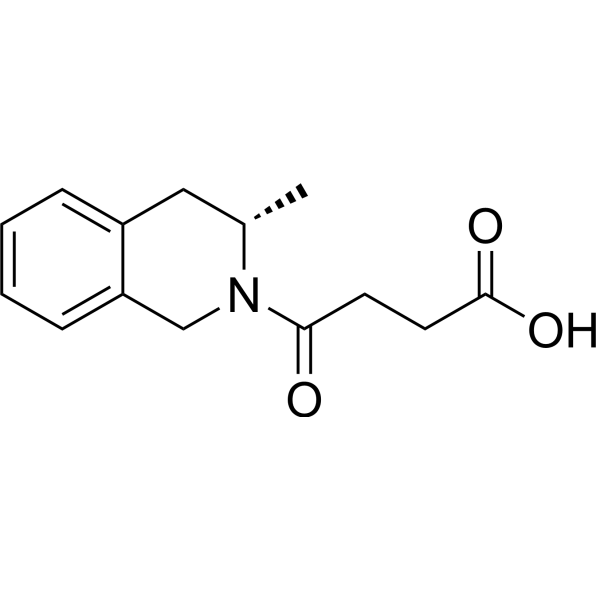
MIQ-N-succinate is a hapten with a four-carbon chain. MIQ-N-succinate consist of MIQ and succinic anhydride. MIQ-N-succinate has a carboxylic acid end group to attach to the lysine residues on the carrier proteins .
|
-
-
- HY-W800819
-
|
|
Biochemical Assay Reagents
|
Others
|
|
Arachidic Acid N-Hydroxysuccinimide Ester is a lipid comprised of a saturated fatty acid with a 20-carbon chain with a terminal NHS ester. The NHS ester can be used to label the primary amines (-NH2) of proteins, amine-modified oligonucleotides, and other amine-containing molecules.
|
-

-
- HY-W190939
-
|
|
Biochemical Assay Reagents
|
Others
|
|
C11-PEG9-alcohol is a linker with an aliphatic carbon chain and a PEG chain. The hydrophilic PEG chain increases the water solubility of the compounds in the aqueous media. The hydroxyl group enables further derivatization or replacement with other reactive functional groups.
|
-

-
- HY-P4062
-
|
BIL
|
Insulin Receptor
|
Metabolic Disease
|
|
Insulin peglispro (BIL) is a basal insulin with a flat, prolonged activity profile. Insulin peglispro can exhibit better glycaemic control compared to conventional insulins .
|
-

-
- HY-P4890A
-
-

-
- HY-130656
-
|
cis-8-Eicosenoic acid
|
Endogenous Metabolite
|
Metabolic Disease
|
|
8(Z)-Eicosenoic acid is a cis-unsaturated free fatty acid with a 20-carbon chain. It potentiates acetylcholine (ACh) receptor channel currents without depression and enhances PCKε phosphorylation of a substrate peptide in Xenopus oocytes. 8(Z)-Eicosenoic acid constitutes 6% of the fatty acid pool in seed oil isolated from B. collina.
|
-

-
- HY-W190941
-
|
3,6,9,12,15-Pentaoxahexacosan-1-ol
|
Biochemical Assay Reagents
|
Others
|
|
C11-PEG6-alcohol (3,6,9,12,15-Pentaoxahexacosan-1-ol) is a linker with an aliphatic carbon chain and a PEG chain. The hydrophilic PEG chain increases the water solubility of the compounds in the aqueous media. The hydroxyl group enables further derivatization or replacement with other reactive functional groups.
|
-

-
- HY-106991AR
-
|
S-303 dihydrochloride (Standard)
|
HIV
Bacterial
Reference Standards
CHIKV
|
Infection
|
|
Amustaline (dihydrochloride) (Standard) is the analytical standard of Amustaline (dihydrochloride). This product is intended for research and analytical applications. Amustaline (S-303) dihydrochloride, a nucleic acid-targeted alkylator, is an efficient pathogen inactivation agent for blood components containing red blood cells. Amustaline dihydrochloride has three components: an acridine anchor (an intercalator that targets nucleic acids non-covalently), an effector (a bis-alkylator group that reacts with nucleophiles), and a linker (a small flexible carbon chain containing a labile ester bond that hydrolyzes at neutral pH to yield non-reactive breakdown products) .
|
-

-
- HY-P1372
-
|
|
PKC
|
Others
|
|
PKC ζ pseudosubstrate, a PKC ζ inhibitor peptide, can be attached to cell permeabilization vector peptide .
|
-

-
- HY-P1371
-
|
KKWKMRRNQFWIKIQRC CSVEIWD*
|
PKC
|
Others
|
|
Pseudo RACK1, a peptide, is a PKC agonist with homologous sequences of PKC. Pseudo RACK1 interacts selectively with β-PKC at an autoregulatory site (RACK-binding site) and activates it in the absence of PKC activators, following inducing PKC-mediated histone phosphorylation .
|
-

-
- HY-114773
-
|
|
Biochemical Assay Reagents
|
Others
|
|
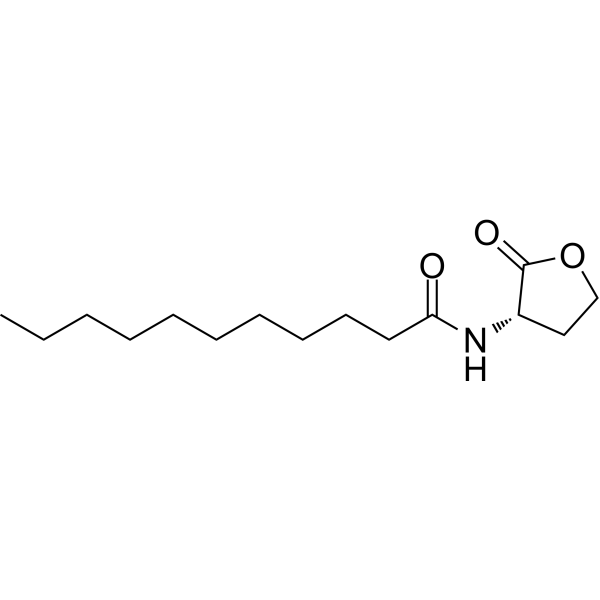
Quorum sensing is a regulatory system used by bacteria to control gene expression in response to increased cell density. This regulatory process manifests itself in a variety of phenotypes, including biofilm formation and virulence factor production. Coordinated gene expression is achieved through the production, release and detection of small diffusible signaling molecules called autoinducers. N-acylated homoserine lactones (AHLs) comprise a class of such autoinducers, each of which generally consists of a fatty acid coupled to a homoserine lactone (HSL). Modulation of bacterial quorum-sensing signaling systems to suppress pathogenesis represents a new approach to antimicrobial research for infectious diseases. AHLs differ in acyl length (C4-C18), C3 substitution (hydrogen, hydroxyl, or oxo group), and the presence or absence of one or more carbon-carbon double bonds in the fatty acid chain. These differences confer signaling specificity through the affinity of the LuxR family of transcriptional regulators. C11-HSL has a rare odd-numbered acyl carbon chain and may be a minor quorum-sensing signaling molecule in Pseudomonas aeruginosa strains.
|
-
-
- HY-N17693
-
|
|
Others
|
Others
|
|
LysoPS (C16:1) is a lysophosphatidylserine with ratio of its carbon chain to double bonds and double bonds is 16:1 .
|
-

-
- HY-N16496
-
|
|
Others
|
Others
|
|
17-Oxoheptadecanoic acid is a ω-oxocarboxylic acid with a carbon chain length of 17 carbon atoms. 17-Oxoheptadecanoic acid can be as a tracer for atmospheric source organic matter .
|
-

-
- HY-139281
-
|
N-C12-Deoxysphingosine
|
Drug Derivative
|
Others
|
|
C12 1-Deoxyceramide (m18:1/12:0), a synthetic sphingolipid containing a 12-carbon chain, is widely employed in scientific investigations focusing on the intricate mechanisms underlying sphingolipid-mediated cellular signaling pathways.
|
-

-
- HY-W800616
-
|
|
Biochemical Assay Reagents
|
Others
|
|
C11-PEG4-alcohol is a linker with an aliphatic carbon chain and a PEG chain. The hydrophilic PEG chain increases the water solubility of the compounds in the aqueous media. The hydroxyl group enables further derivatization or replacement with other reactive functional groups.
|
-

-
- HY-E71112
-
|
|
Biochemical Assay Reagents
|
Others
|
|
(S)-3-Amino-2-methylpropionate transaminase (EC 2.6.1.22) acts on β-alanine and other ω-amino acids having carbon chains between 2 and 5. The two enantiomers of the 2-methyl-3-oxopropanoate formed by the enzyme interconvert by enolization.
|
-

-
- HY-D3375
-
|
|
Fluorescent Dye
|
Neurological Disease
|
|
RAPID DiI is a cyanine dye with orange-red fluorescenc (EX≈550 nm; Em≈565 nm). RAPID DiI is a lipophilic dye that labels cell membranes by inserting its two long hydrocarbon (C18 carbon) chains into the lipid bilayer. RAPID DiI is weakly fluorescent until incorporated into membranes. RAPID DiI diffuses laterally to stain the entire cell, allowing it to be used as an anterograde and retrograde tracer of neurons.
|
-

-
- HY-D3372
-
|
Dilinoleyl DiO
|
Fluorescent Dye
|
Neurological Disease
|
|
RAPID DiO (Dilinoleyl DiO) is a cyanine dye with green fluorescence (EX≈490 nm; Em≈505 nm). RAPID DiO is a lipophilic dye that labels cell membranes by inserting its two long hydrocarbon (C18 carbon) chains into the lipid bilayer. RAPID DiO is weakly fluorescent until incorporated into membranes. RAPID DiO diffuses laterally to stain the entire cell, allowing it to be used as an anterograde and retrograde tracer of neurons.
|
-

-
- HY-W018829R
-
|
Undecylenic aldehyde (Standard)
|
Biochemical Assay Reagents
Reference Standards
|
Others
|
|
10-Undecenal (Standard) is the analytical standard of 10-Undecenal (HY-W018829). This product is intended for research and analytical applications. 10-Undecenal consists of an 11-carbon chain with a double bond between the 9th and 10th carbon atoms and an aldehyde group attached to the 1st carbon atom. This compound has a pungent or fatty smell and is commonly used as a flavoring commodity in foods such as bakery, confectionary and beverages.
|
-

-
- HY-W004303S
-
|
Tetradecyl Aldehyde-d27
|
Isotope-Labeled Compounds
|
Others
|
|
Tetradecanal-d27 (Tetradecyl Aldehyde-d27) is the deuterium labeled Tetradecanal. Tetradecanal is a compound belonging to the class of fatty aldehydes. It is an aldehyde with a 14-carbon chain that occurs naturally in certain plant and animal sources, such as coconut oil and butter. Due to its unique properties, Tetradecanal has several uses in industry, such as a flavoring agent in certain foods and as a precursor for the production of perfumes and other cosmetics. It is also used as an insecticide and insecticide due to its ability to repel certain types of insects.
|
-

-
- HY-P11548
-
|
|
Bacterial
|
Infection
|
|
Rattusin is an antimicrobial peptide. Rattusin exerts bactericidal activity by damaging membrane integrity. Rattusin can be used for antimicrobial research .
|
-

-
- HY-P11625
-
|
|
RXFP Receptor
|
Cardiovascular Disease
|
|
R9-13 is a fatty acid-conjugated relaxin and an agonist of LGR7 (RXFP1). R9-13 induces sustained pubic symphysis elongation in estrogen-pretreated mice. R9-13 exhibits long-acting pharmacokinetic profiles in rodents, with in vivo activity lasting up to one week after administration. R9-13 can be used in studies related to acute heart failure .
|
-

| Cat. No. |
Product Name |
Type |
-
- HY-D3375
-
|
|
Fluorescent Dyes
|
|
RAPID DiI is a cyanine dye with orange-red fluorescenc (EX≈550 nm; Em≈565 nm). RAPID DiI is a lipophilic dye that labels cell membranes by inserting its two long hydrocarbon (C18 carbon) chains into the lipid bilayer. RAPID DiI is weakly fluorescent until incorporated into membranes. RAPID DiI diffuses laterally to stain the entire cell, allowing it to be used as an anterograde and retrograde tracer of neurons.
|
-
- HY-D3372
-
|
Dilinoleyl DiO
|
Fluorescent Dyes
|
|
RAPID DiO (Dilinoleyl DiO) is a cyanine dye with green fluorescence (EX≈490 nm; Em≈505 nm). RAPID DiO is a lipophilic dye that labels cell membranes by inserting its two long hydrocarbon (C18 carbon) chains into the lipid bilayer. RAPID DiO is weakly fluorescent until incorporated into membranes. RAPID DiO diffuses laterally to stain the entire cell, allowing it to be used as an anterograde and retrograde tracer of neurons.
|
| Cat. No. |
Product Name |
Type |
-
- HY-W015936
-
|
trans-Hex-2-en-1-ol
|
Biochemical Assay Reagents
|
|
(E)-Hex-2-en-1-ol belongs to the class of unsaturated alcohols consisting of a six-carbon chain with a double bond between carbon atoms 2 and 3 and a hydroxyl group attached to carbon atom 1. The compound has a grassy or herbaceous smell and is commonly used as a flavoring in foods such as baked goods, candy and beverages. It can also be used as a fragrance ingredient in personal care products and as a starting material for the synthesis of other organic compounds. Furthermore, (E)-hex-2-en-1-ol can be used as a solvent or reagent in various chemical reactions.
|
-
- HY-W018829
-
|
Undecylenic aldehyde
|
Biochemical Assay Reagents
|
|
10-Undecenal consists of an 11-carbon chain with a double bond between the 9th and 10th carbon atoms and an aldehyde group attached to the 1st carbon atom. This compound has a pungent or fatty smell and is commonly used as a flavoring commodity in foods such as bakery, confectionary and beverages.
|
-
- HY-W017690
-
|
|
Biochemical Assay Reagents
|
|
(2E,4E)-Hexa-2,4-dien-1-ol consists of a six-carbon chain with two conjugated double bonds between carbon atoms 2 and 3 and between carbon atoms 4 and 5, and a The hydroxyl group attached to carbon atom 1. This compound has a floral fragrance and can be found in a variety of plants in nature.
|
-
- HY-W017567
-
|
trans-2-Hexenoic Acid Ethyl Ester
|
Biochemical Assay Reagents
|
|
Ethyl (E)-2-hexenoate consists of a six-carbon chain with a double bond between the 2nd and 3rd carbon atoms, an ethyl ester group attached to the 1st carbon atom, and a A methyl group connected by 4 carbon atoms. This compound has a fruity, sweet or floral aroma and is commonly used as a flavoring in foods such as baked goods, confectionary and beverages.
|
-
- HY-W127393
-
|
|
Biochemical Assay Reagents
|
|
Quorum sensing is a regulatory system used by bacteria to control gene expression in response to increased cell density. This regulatory process manifests itself in a variety of phenotypes, including biofilm formation and virulence factor production. Coordinated gene expression is achieved through the production, release and detection of small diffusible signaling molecules called autoinducers. N-acylated homoserine lactones (AHLs) comprise a class of such autoinducers, each of which generally consists of a fatty acid coupled to a homoserine lactone (HSL). Modulation of bacterial quorum-sensing signaling systems to suppress pathogenesis represents a new approach to antimicrobial research for infectious diseases. AHLs differ in acyl length (C4-C18), C3 substitution (hydrogen, hydroxyl, or oxo group), and the presence or absence of one or more carbon-carbon double bonds in the fatty acid chain. These differences confer signaling specificity through the affinity of the LuxR family of transcriptional regulators. C9-HSL is a rare odd-numbered acyl carbon chain produced by wild-type Erwinia carotovora strain SCC 3193 grown in nutrient-rich Luria-Bertani broth (LB) medium.
|
-
- HY-114773
-
|
|
Biochemical Assay Reagents
|
|
Quorum sensing is a regulatory system used by bacteria to control gene expression in response to increased cell density. This regulatory process manifests itself in a variety of phenotypes, including biofilm formation and virulence factor production. Coordinated gene expression is achieved through the production, release and detection of small diffusible signaling molecules called autoinducers. N-acylated homoserine lactones (AHLs) comprise a class of such autoinducers, each of which generally consists of a fatty acid coupled to a homoserine lactone (HSL). Modulation of bacterial quorum-sensing signaling systems to suppress pathogenesis represents a new approach to antimicrobial research for infectious diseases. AHLs differ in acyl length (C4-C18), C3 substitution (hydrogen, hydroxyl, or oxo group), and the presence or absence of one or more carbon-carbon double bonds in the fatty acid chain. These differences confer signaling specificity through the affinity of the LuxR family of transcriptional regulators. C11-HSL has a rare odd-numbered acyl carbon chain and may be a minor quorum-sensing signaling molecule in Pseudomonas aeruginosa strains.
|
-
- HY-W018829R
-
|
Undecylenic aldehyde (Standard)
|
Biochemical Assay Reagents
|
|
10-Undecenal (Standard) is the analytical standard of 10-Undecenal (HY-W018829). This product is intended for research and analytical applications. 10-Undecenal consists of an 11-carbon chain with a double bond between the 9th and 10th carbon atoms and an aldehyde group attached to the 1st carbon atom. This compound has a pungent or fatty smell and is commonly used as a flavoring commodity in foods such as bakery, confectionary and beverages.
|
| Cat. No. |
Product Name |
Target |
Research Area |
-
- HY-P3479
-
|
|
Insulin Receptor
|
Metabolic Disease
|
|
Insulin (swine) is an orally active insulin derived from pigs. Insulin (swine) when administered orally acts as an antigen to reduce the severity of pancreatic lymphocyte infiltration, but has no metabolic effect on blood glucose levels. Insulin (swine) increases glucose oxidation, stimulates lipogenesis, and lowers blood glucose levels. Insulin (swine) can be used in diabetes research .
|
-
- HY-P3432
-
|
|
Biochemical Assay Reagents
|
Others
|
|
DfTat is a dimer of the prototypical cell-penetrating peptide TAT. DfTat can deliver small molecules, peptides and proteins into live cells with a particularly high efficiency. DfTat labeled with the rhodamine can be used as a tracer for easy detection .
|
-
- HY-P10204
-
|
|
Wnt
|
Cancer
|
|
FZD7 antagonist 1 (peptide 34) is a dFz7-21 analogue. FZD7 antagonist 1 is an FZD7 antagonist that inhibits the wnt3a with IC50 value of 9.2 nM. FZD7 antagonist 1 blocks TcdB−FZD interaction via targeting FZD receptors .
|
-
- HY-P11361
-
|
|
Peptides
|
Metabolic Disease
|
|
Des B30 Insulin is a bioactive insulin analogue lacking the B30 amino acid residue. Des B30 Insulin can be used for the study of diabetes .
|
-
- HY-P4890
-
-
- HY-P10693
-
-
- HY-P11246
-
|
|
RXFP Receptor
|
Metabolic Disease
|
|
A13:B7-24-GG is an engineered analogue of insulin-like peptide 5 (INSL5), a selective RXFP4 agonist with a Ki value of 2.29 nM. A13:B7-24-GG has an extremely low binding affinity for RXFP3 (Ki = 602.56 nM) and an inhibitory effect on cAMP (EC50) of 1.17 nM. Activation of RXFP4 by A13:B7-24-GG leads to the recruitment of β-Arrestin2, with an EC50 of 22.39 nM. A13:B7-24-GG can be used for research on chronic constipation .
|
-
- HY-P4062
-
|
BIL
|
Insulin Receptor
|
Metabolic Disease
|
|
Insulin peglispro (BIL) is a basal insulin with a flat, prolonged activity profile. Insulin peglispro can exhibit better glycaemic control compared to conventional insulins .
|
-
- HY-P4890A
-
-
- HY-P1372
-
|
|
PKC
|
Others
|
|
PKC ζ pseudosubstrate, a PKC ζ inhibitor peptide, can be attached to cell permeabilization vector peptide .
|
-
- HY-P1371
-
|
KKWKMRRNQFWIKIQRC CSVEIWD*
|
PKC
|
Others
|
|
Pseudo RACK1, a peptide, is a PKC agonist with homologous sequences of PKC. Pseudo RACK1 interacts selectively with β-PKC at an autoregulatory site (RACK-binding site) and activates it in the absence of PKC activators, following inducing PKC-mediated histone phosphorylation .
|
-
- HY-P10014
-
-
- HY-P11548
-
|
|
Bacterial
|
Infection
|
|
Rattusin is an antimicrobial peptide. Rattusin exerts bactericidal activity by damaging membrane integrity. Rattusin can be used for antimicrobial research .
|
-
- HY-P11625
-
|
|
RXFP Receptor
|
Cardiovascular Disease
|
|
R9-13 is a fatty acid-conjugated relaxin and an agonist of LGR7 (RXFP1). R9-13 induces sustained pubic symphysis elongation in estrogen-pretreated mice. R9-13 exhibits long-acting pharmacokinetic profiles in rodents, with in vivo activity lasting up to one week after administration. R9-13 can be used in studies related to acute heart failure .
|
| Cat. No. |
Product Name |
Category |
Target |
Chemical Structure |
| Cat. No. |
Product Name |
Chemical Structure |
-
- HY-W004303S
-
|
|
|
Tetradecanal-d27 (Tetradecyl Aldehyde-d27) is the deuterium labeled Tetradecanal. Tetradecanal is a compound belonging to the class of fatty aldehydes. It is an aldehyde with a 14-carbon chain that occurs naturally in certain plant and animal sources, such as coconut oil and butter. Due to its unique properties, Tetradecanal has several uses in industry, such as a flavoring agent in certain foods and as a precursor for the production of perfumes and other cosmetics. It is also used as an insecticide and insecticide due to its ability to repel certain types of insects.
|
-
Your information is safe with us. * Required Fields.
Inquiry Information
- Product Name:
- Cat. No.:
- Quantity:
- MCE Japan Authorized Agent:








