



Microorganisms
-
Microorganisms (4949)

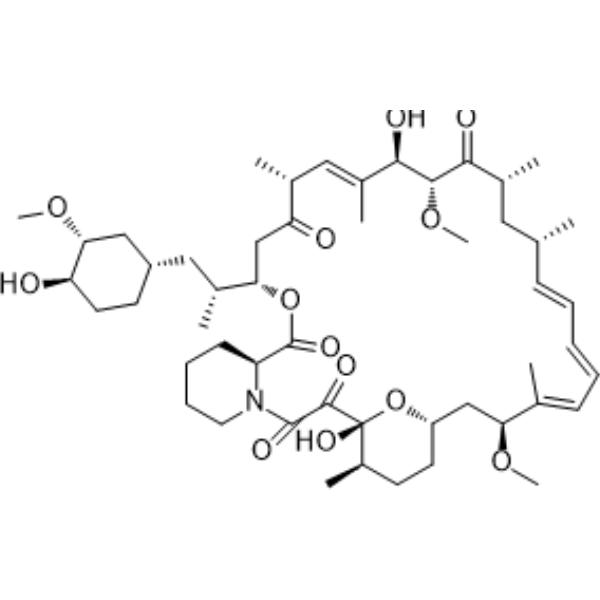
- Formule: C51H79NO13
- Masse moléculaire: 914.17
Rapamycin (Sirolimus; AY 22989) is a potent and specific blood-brain barrier-transmissible mTOR inhibitor with an IC50 of 0.1 nM in HEK293 cells. Rapamycin is a molecular glue that binds FKBP12 and mTOR proteins together, thereby inhibiting mTOR kinase activity. Rapamycin binds to FKBP12 and specifically acts as an allosteric inhibitor of mTORC1. Rapamycin is an autophagy activator, an immunosuppressant.
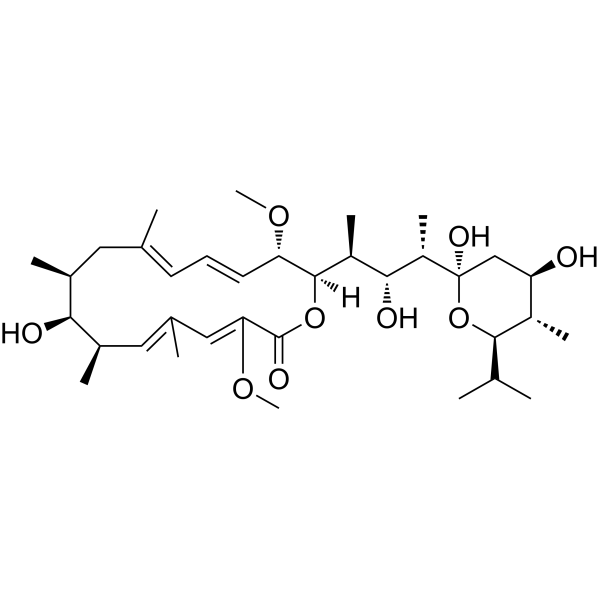
- Formule: C35H58O9
- Masse moléculaire: 622.83
Bafilomycin A1 (BafA1) is a specific and reversible inhibitor of vacuolar H+-ATPase (V-ATPase) with IC50 values of 4-400 nmol/mg. Bafilomycin A1, a macrolide antibiotic, is also used as an autophagy inhibitor at the late stage. Bafilomycin A1 blocks autophagosome-lysosome fusion and inhibits acidification and protein degradation in lysosomes of cultured cells. Bafilomycin A1 induces apoptosis.
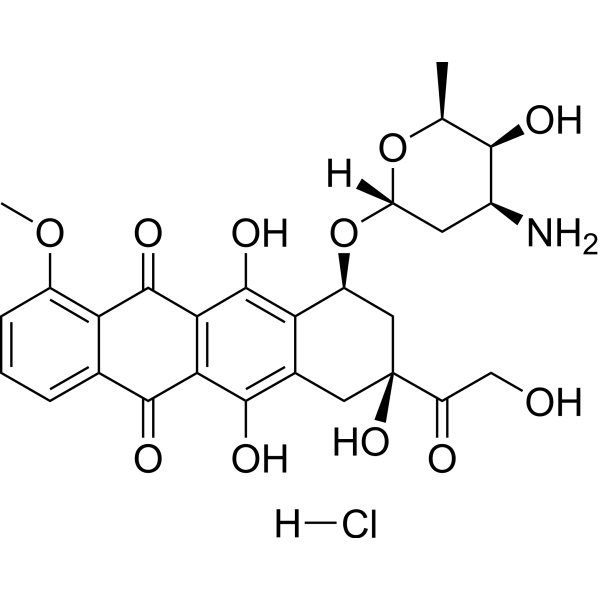
- Formule: C27H30ClNO11
- Masse moléculaire: 579.98
Doxorubicin hydrochloride (Hydroxydaunorubicin hydrochloride; ADR), a cytotoxic anthracycline antibiotic, is an anti-cancer chemotherapy agent. Doxorubicin hydrochloride is a potent human DNA topoisomerase I and topoisomerase II inhibitor with IC50s of 0.8 μM and 2.67 μM, respectively. Doxorubicin hydrochloride reduces basal phosphorylation of AMPK and its downstream target acetyl-CoA carboxylase. Doxorubicin hydrochloride induces apoptosis and autophagy.
Lipopolysaccharides, from E. coli O55:B5 (LPS, from Escherichia coli (O55:B5)) are endotoxins and TLR4 activators extracted from Escherichia coli (E. coli O55:B5) and are classified as S (smooth) type LPS. Lipopolysaccharides, from E. coli O55:B5 possess the typical three-part structure: O-antigen, core oligosaccharide, and lipid A. Lipopolysaccharides, from E. coli O55:B5 activate TLR-4 in immune cells, exhibit high pyrogenicity, and demonstrate dose and serotype specificity. Lipopolysaccharides, from E. coli O55:B5 can be widely used to induce cellular inflammation and establish animal models related to inflammation.
It is recommended to prepare a solution with concentration ≥2 mg/mL. Vortex thoroughly for more than 10 minutes. Due to the adsorption characteristics of LPS, silanized container or low adsorption centrifuge tubes should be used for aliquoting and storage, and mix thoroughly before use.
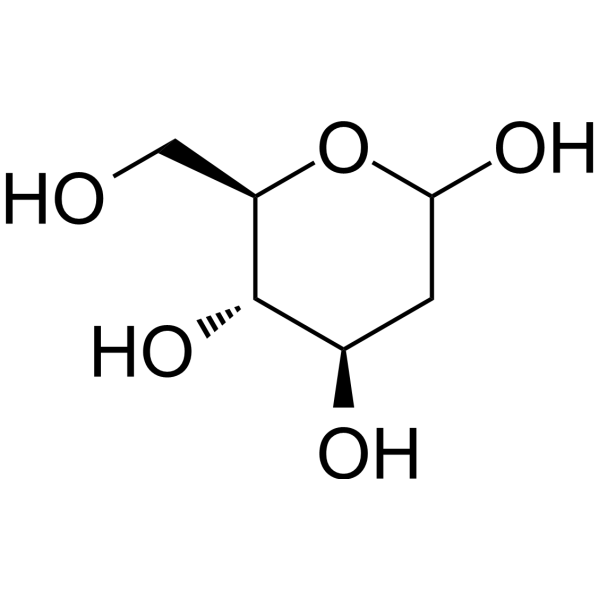
- Formule: C6H12O5
- Masse moléculaire: 164.16
2-Deoxy-D-glucose is a glucose analog that acts as a competitive inhibitor of glucose metabolism, inhibiting glycolysis via its actions on hexokinase.

- Formule: C8H10O2
- Masse moléculaire: 138.17
2-Hydroxyphenylethanol is a molecular chaperone that rescues misfolded P123S mutant pendrin, promoting translocation from the cytoplasm to the plasma membrane. 2-Hydroxyphenylethanol can be used for the research of pendred syndrome.

- Formule: C7H14O7
- Masse moléculaire: 210.18
Sedoheptulose is a heptulose. Sedoheptulose, in the form of phosphate esters, functions as a metabolic intermediate in the pentose phosphate pathway. Sedoheptulose serves as a starting material for the chemical synthesis of pseudoaminosugars and chiral substituted furans.

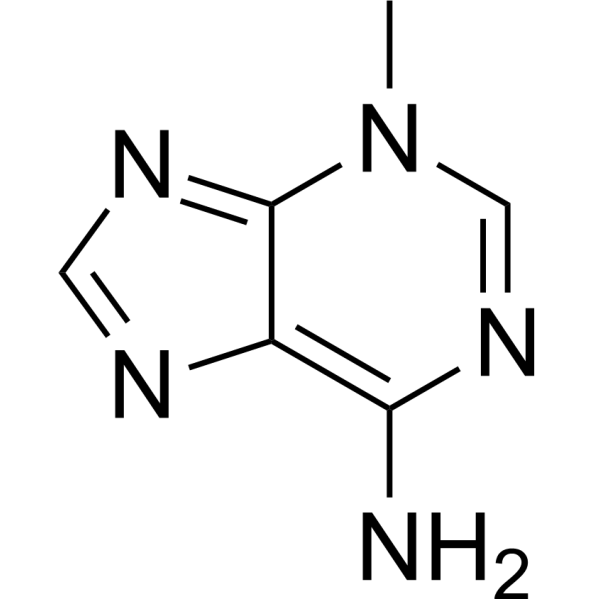
- Formule: C5H9NO3
- Masse moléculaire: 131.13
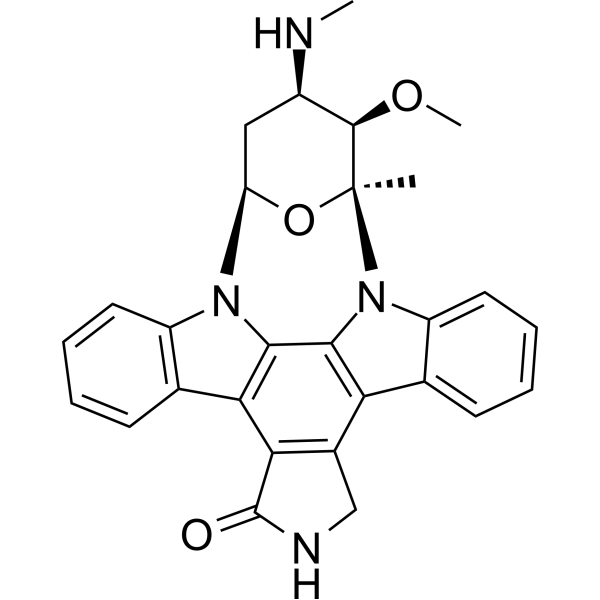
- Formule: C28H26N4O3
- Masse moléculaire: 466.53
Staurosporine is a potent, ATP-competitive and non-selective inhibitor of protein kinases with IC50s of 6 nM, 15 nM, 2 nM, and 3 nM for PKC, PKA, c-Fgr, and Phosphorylase kinase respectively. Staurosporine also inhibits TAOK2 with an IC50 of 3 μM. Staurosporine is an apoptosis inducer.
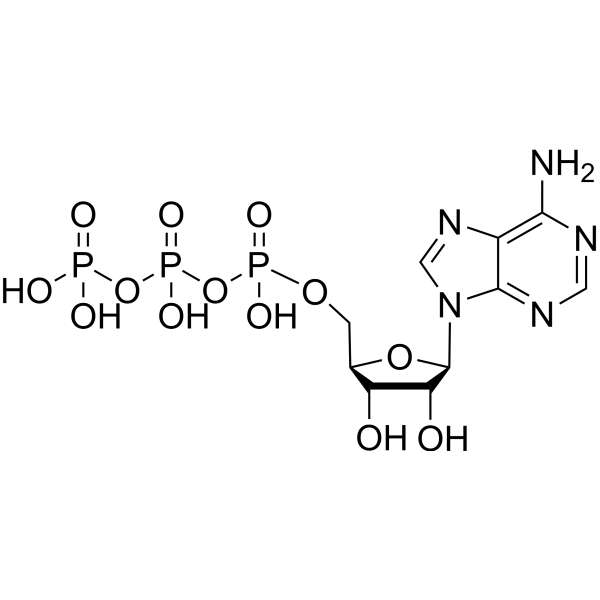
- Formule: C10H16N5O13P3
- Masse moléculaire: 507.18
ATP (Adenosine 5'-triphosphate) is a central component of energy storage and metabolism in vivo. ATP provides the metabolic energy to drive metabolic pumps and serves as a coenzyme in cells. ATP is an important endogenous signaling molecule in immunity and inflammation. ATP can activate the NLRP3 inflammasome and induce IL-1β and chemokines secretion. ATP has anti-bacterial infection effects and can protect mice against bacterial infection in mice.
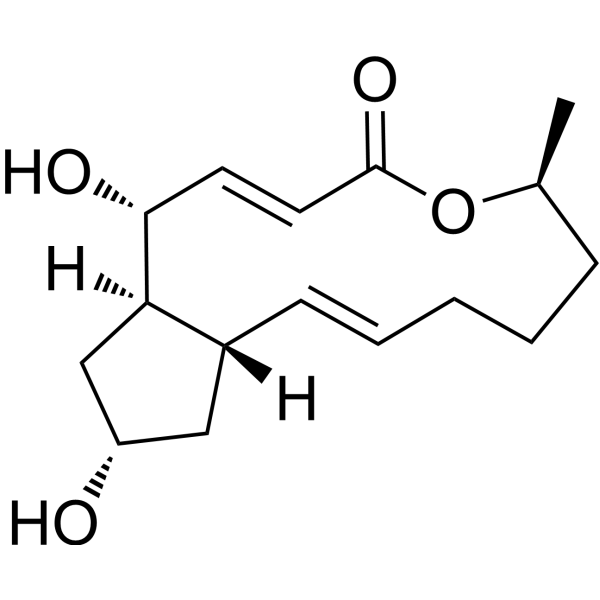
- Formule: C16H24O4
- Masse moléculaire: 280.36
Brefeldin A (BFA) is a lactone antibiotic and a specific inhibitor of protein trafficking. Brefeldin A blocks the transport of secreted and membrane proteins from endoplasmic reticulum to Golgi apparatus. Brefeldin A is also an autophagy and mitophagy inhibitor. Brefeldin A inhibits HSV-1 and has anti-cancer activity.
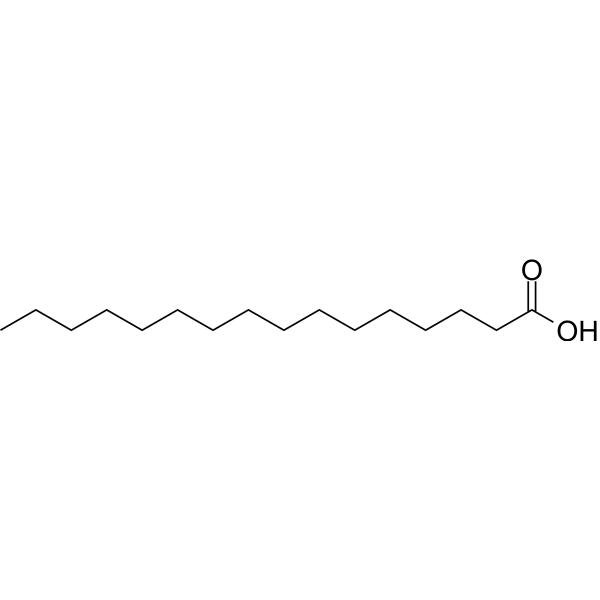
- Formule: C16H32O2
- Masse moléculaire: 256.42
Palmitic acid is a long-chain saturated fatty acid commonly found in both animals and plants. PA can induce the expression of glucose-regulated protein 78 (GRP78) and CCAAT/enhancer binding protein homologous protein (CHOP) in in mouse granulosa cells. Palmitic acid is used to establish a cell steatosis model.
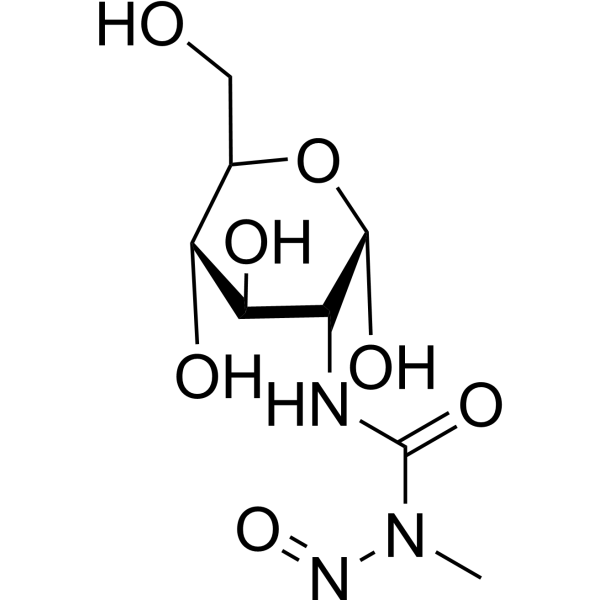
- Formule: C8H15N3O7
- Masse moléculaire: 265.22
Streptozotocin (Streptozocin; STZ) is an antibiotic widely used in experimental animal models of induced diabetes. Streptozotocin enters B cells via the glucose transporter (GLUT2) and causes the alkylation of DNA ( DNA-methylating ). Streptozotocin can induce the apoptosis of β cells.
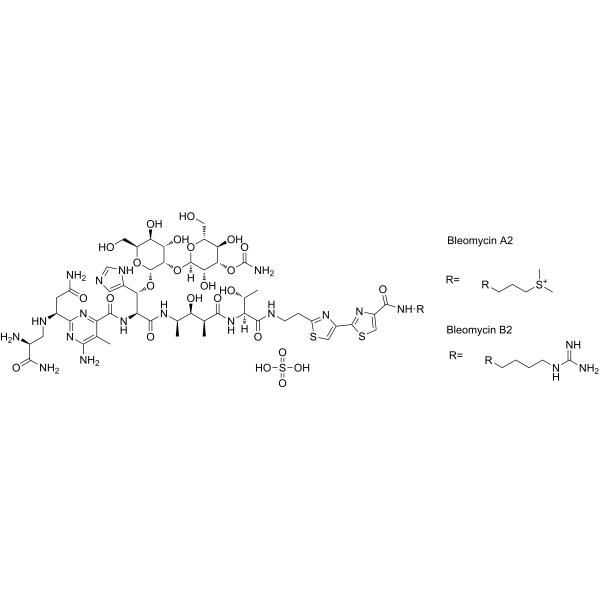
- Masse moléculaire: 1523 (average)
Bleomycin sulfate is a DNA synthesis inhibitor. Bleomycin hydrochloride is a DNA damaging agent. Bleomycin sulfate is an antitumor antibiotic.
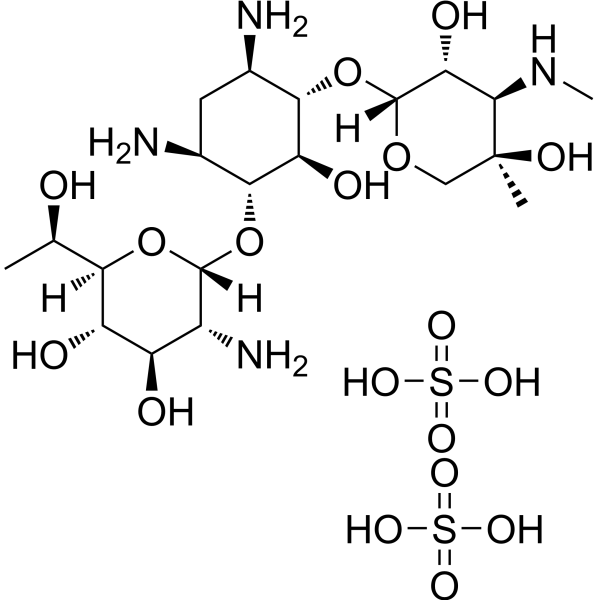
- Formule: C20H44N4O18S2
- Masse moléculaire: 692.71
G-418 disulfate (Geneticin sulfate), is an aminoglycoside antibiotic, inhibits protein synthesis in eukaryotes and prokaryotes. G-418 disulfate is commonly used as a selective agent for eukaryotic cells.
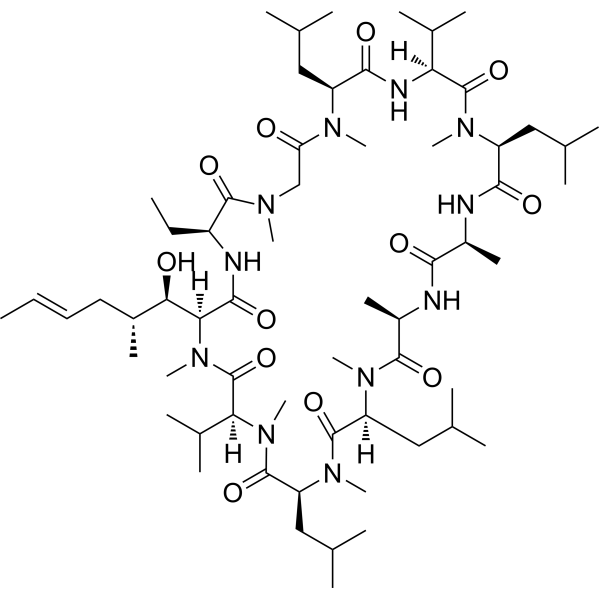
- Formule: C62H111N11O12
- Masse moléculaire: 1202.61
Cyclosporin A (Cyclosporine A) is an immunosuppressant which binds to the cyclophilin and inhibits phosphatase activity of protein phosphatase 2B (PP2B/calcineurin) with an IC50 of 5 nM. Cyclosporin A is a molecular glue, binds to cyclophilin and calcineurin, leading to inactivation of nuclear Factor of activated T Cells (NFAT) and a subsequent decrease in the immune response. Cyclosporin A also inhibits CD11a/CD18 adhesion.
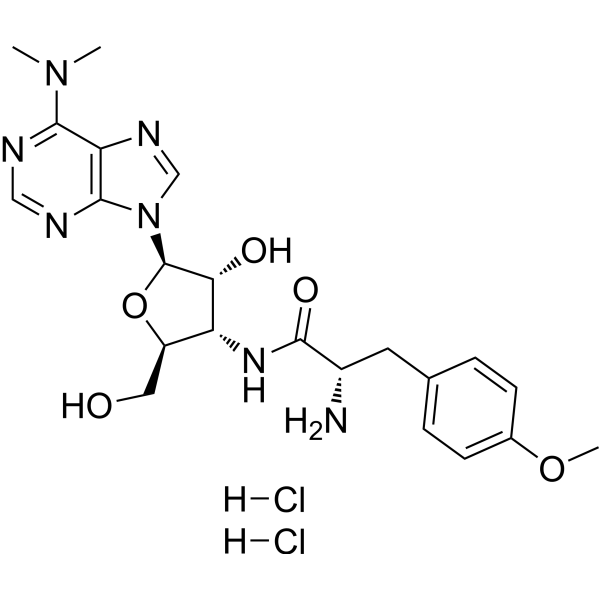
- Formule: C22H31Cl2N7O5
- Masse moléculaire: 544.43
Puromycin dihydrochloride (CL13900 dihydrochloride), an aminonucleoside antibiotic, inhibits protein synthesis.
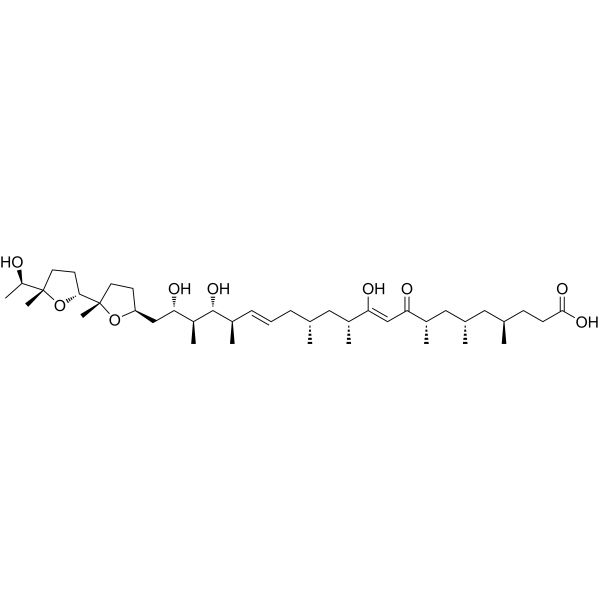
- Formule: C41H72O9
- Masse moléculaire: 709.01
Ionomycin (SQ23377) is a potent, selective calcium ionophore and an antibiotic produced by Streptomyces conglobatus. Ionomycin (SQ23377) is highly specific for divalent cations (Ca>Mg>Sr=Ba). Ionomycin (SQ23377) promotes apoptosis. Ionomycin also induces the activation of protein kinase C (PKC).
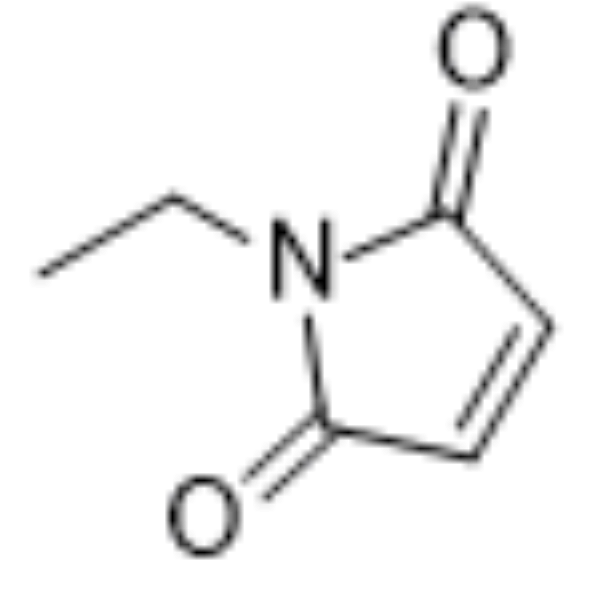
- Formule: C6H7NO2
- Masse moléculaire: 125.13
N-Ethylmaleimide (NEM) derives from maleic acid, it can alkylates free sulfhydryl. N-Ethylmaleimide is an irreversible cysteine protease inhibitor. N-ethylmaleimide specific inhibits phosphate transport in mitochondria. N-Ethylmaleimide inhibits prolyl endopeptidase with an IC50 value of 6.3 μM. N-Ethylmaleimide can be used to modify cysteine residues in proteins and peptides.



