1. Search Result
Search Result
Results for "

cholesterol+efflux

" in MedChemExpress (MCE) Product Catalog:

32

Inhibitors & Agonists

1

Fluorescent Dye

1

Biochemical Assay Reagents

9

Peptides

4

Natural
Products

Cat. No. Product Name Target Research Areas Chemical Structure
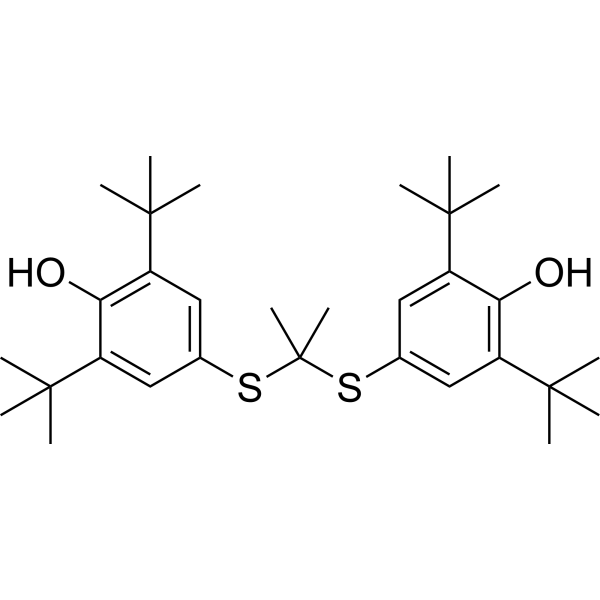
  • HY-B0388
    Probucol
    2 Publications Verification

    DH-581

    Virus Protease Apoptosis Reactive Oxygen Species (ROS) Glutathione Peroxidase Caspase Infection Neurological Disease Metabolic Disease Inflammation/Immunology Cancer
    Probucol (DH-581) is an anti-hyperlipidemic agent. Probucol activates glutathione peroxidase. Probucol promotes low density lipoprotein (LDL) catabolism, inhibits ABCA1-dependent cholesterol efflux, and decreases HDL-C levels. Probucol also has anti-inflammatory, antioxidant and neuroprotective properties. Probucol can be used for researches on bone, cardiovascular, cancer, neurological, and metabolism-related diseases .
    Probucol
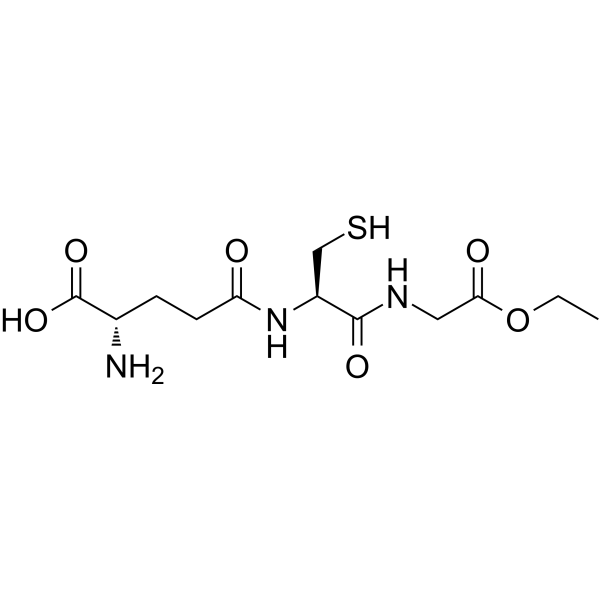
  • HY-134124

    Reactive Oxygen Species (ROS) Metabolic Disease
    Glutathione ethyl ester is a cell-permeable GSH donor and provides an efficient supply of GSH to the oocyte. Glutathione ethyl ester shows positive effect on the in vitro production of embryos by enhancement of the antioxidative defense .
    Glutathione ethyl ester
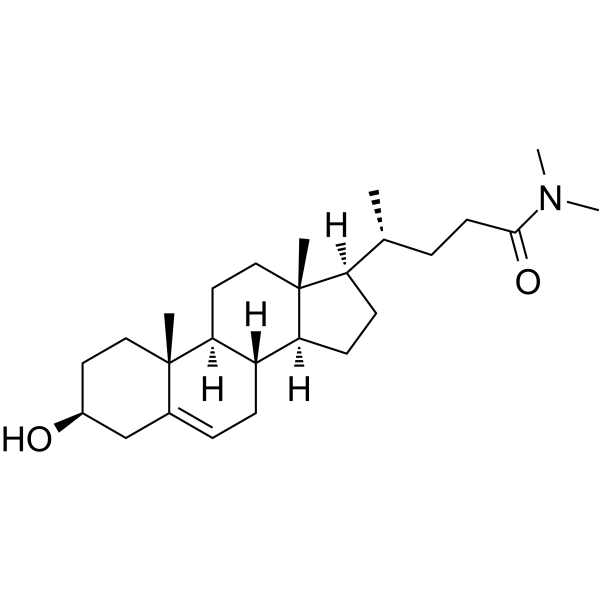
  • HY-129098
    DMHCA
    1 Publications Verification

    LXR Metabolic Disease
    DMHCA, a potent and selective LXR agonist, specifically activates the cholesterol efflux arm of the LXR pathway without stimulating triglyceride synthesis. DMHCA has anti-inflammatory effects?and can be used for the research of cholesterol homeostasis diabetes .
    DMHCA
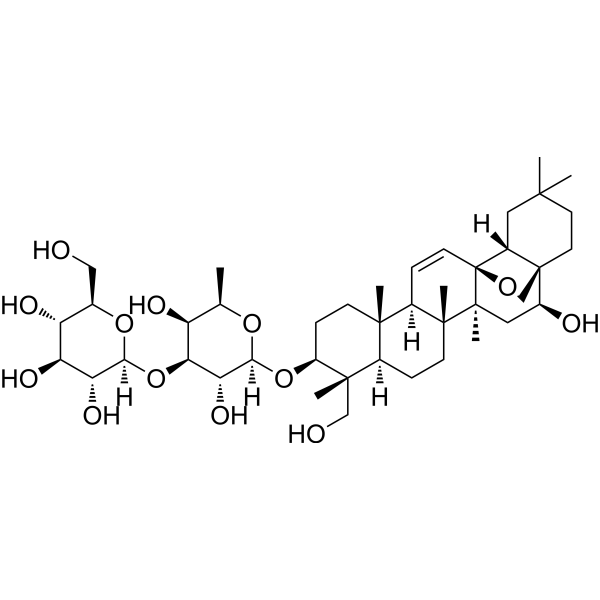
  • HY-N0246
    Saikosaponin A
    5 Publications Verification

    LXR Bacterial Inflammation/Immunology Cancer
    Saikosaponin A is the main active ingredient in Bupleurum chinense, which can regulate lipid metabolism and promote cholesterol efflux in early atherosclerosis. In addition, Saikosaponin A may also serve as a potential peroxisome proliferator-activated receptor γ (PPAR-γ) agonist, significantly promoting the expression of PPAR-γ. Saikosaponin A can be used in the study of hyperlipidemic pancreatitis .
    Saikosaponin A
  • HY-P6306
    CS-6253
    1 Publications Verification

    Apolipoprotein Amyloid-β Neurological Disease Metabolic Disease
    CS-6253 is an agonist of ABCA1. CS-6253 can regulate lipoprotein metabolism, promote high-density lipoprotein biogenesis, and cellular cholesterol efflux. CS-6253 also has certain neuroprotective effects and can clear from the brain. CS-6253 can be used for research on cholesterol metabolism and diseases such as Alzheimer’s disease .
    CS-6253
  • HY-N2419
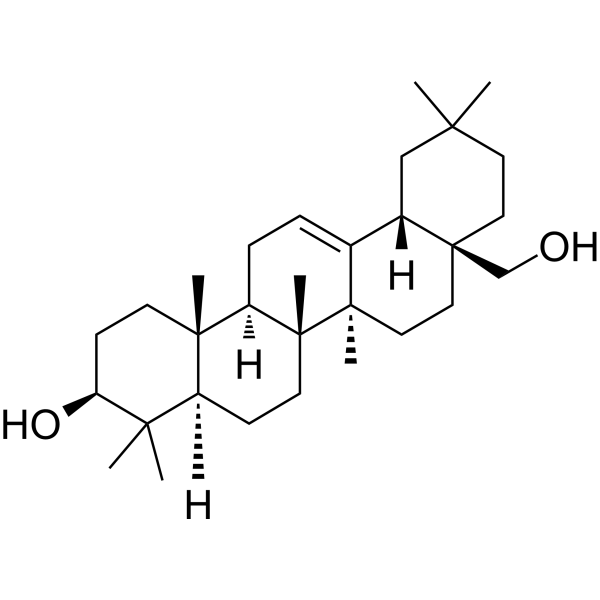
    Erythrodiol
    1 Publications Verification

    Endogenous Metabolite Metabolic Disease
    Erythrodiol is an olive oil component. Erythrodiol promotes Cholesterol efflux (ChE) by selectively inhibiting the degradation of ABCA1 protein. Erythrodiol is a good candidate to be further explored for therapeutic or preventive application in the context of atherosclerosis .
    Erythrodiol
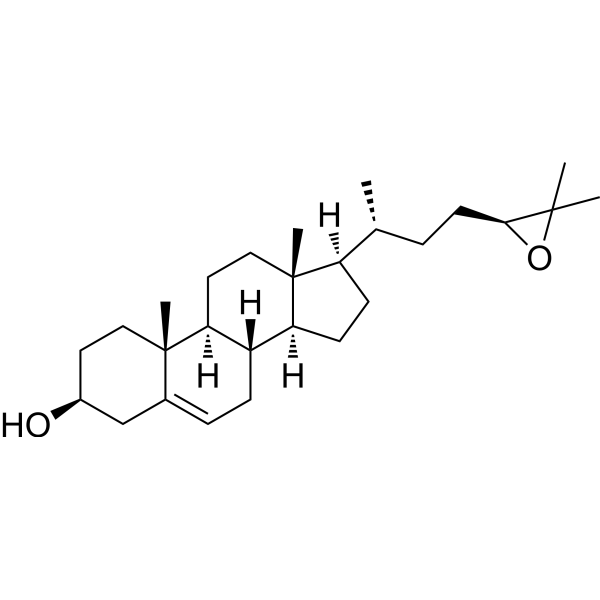
  • HY-W040150

    LXR Neurological Disease Inflammation/Immunology Cancer
    24S,25-Epoxycholesterol is an agonist for Liver X Receptor (LXR). 24S,25-Epoxycholesterol exhibits properties in regulating the cholesterol efflux , inhibiting tumor growth against gastric cancer and glioblastoma and inducing apoptosis in BMMC cells .
    (24S,25)-Epoxycholesterol
  • HY-123402
    GSK3987
    2 Publications Verification

    LXR Metabolic Disease
    GSK3987 is a pan LXRα/β agonist with EC50s of 50 nM, 40 nM for LXRα-SRC1 and LXRβ-SRC1, respectively. GSK3987 increases the expression of ABCA1 and SREBP-1c. GSK3987 induces cellular cholesterol efflux and triglyceride accumulation .
    GSK3987
  • HY-W674245

    ATP-binding cassette (ABC) transporters Cardiovascular Disease
    10-Hydroxyhexadecanoic acid is a hydroxy fatty acid found in Camembert cheese. 10-Hydroxyhexadecanoic acid can promote cholesterol efflux from ABCA1 and ABCG1, preventing the accumulation of excess cholesterol in cells. 10-Hydroxyhexadecanoic acid can be used in anti-atherosclerosis research .
    10-Hydroxyhexadecanoic acid
  • HY-P6306A
    CS-6253 TFA
    1 Publications Verification

    Apolipoprotein Amyloid-β Neurological Disease Metabolic Disease
    CS-6253 TFA is an agonist of ABCA1. CS-6253 TFA can regulate lipoprotein metabolism, promote high-density lipoprotein biogenesis, and cellular cholesterol efflux. CS-6253 TFA also has certain neuroprotective effects and can clear from the brain. CS-6253 TFA can be used for research on cholesterol metabolism and diseases such as Alzheimer’s disease .
    CS-6253 TFA
  • HY-165061

    Sciadonic acid

    Apolipoprotein Inflammation/Immunology
    5(Z),11(Z),14(Z)-Eicosatrienoic acid (Sciadonic acid), a polyunsaturated fatty acid sourced from maritime pine seed oil, gymnospermae leaves and seeds, and freshwater gastropods, has been shown to reduce high-density lipoprotein and ApoA1 levels in transgenic mice expressing human ApoA1 when included in their diet. In vitro studies indicate that it diminishes cholesterol efflux, and when applied topically in its methyl ester form, it alleviates inflammatory processes, likely by displacing arachidonic acid from phospholipid pools and lowering concentrations of downstream inflammatory mediators such as prostaglandin E2 and leukotrienes.
    5(Z),11(Z),14(Z)-Eicosatrienoic acid
  • HY-W590664

    Endogenous Metabolite Cardiovascular Disease
    C2 Dihydroceramide is a derivative of C2 Ceramide (HY-101180). C2 Dihydroceramide enhances the ABCA1-mediated cholesterol efflux to apolipoprotein A-I (apoA-I) without causing cytotoxicity .
    C2 Dihydroceramide
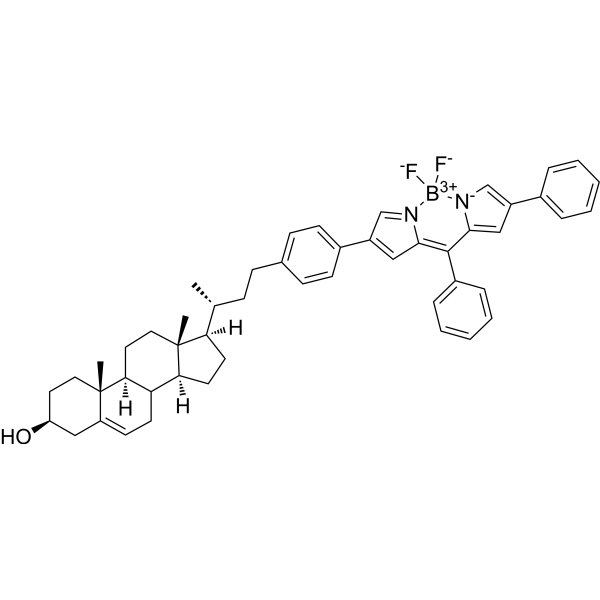
  • HY-D2262

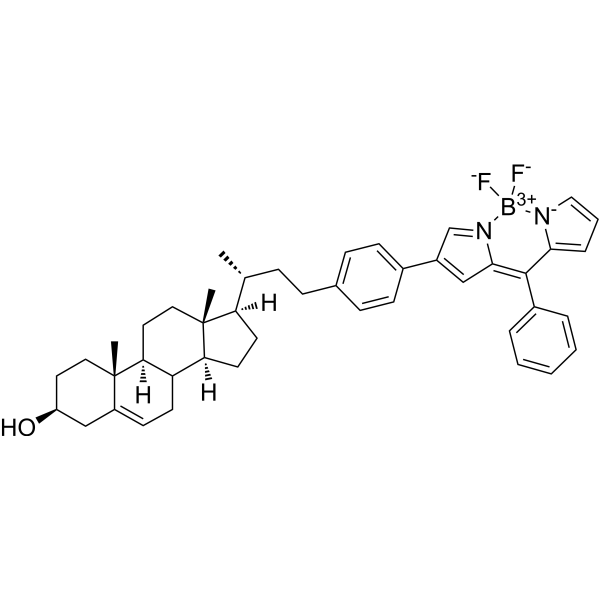
    Fluorescent Dye Metabolic Disease
    BODIPY-cholesterol conjugate-2 (compound 6) is a BODIPY-cholesterol conjugate. BODIPY-cholesterol conjugate-2 is a useful probe for simultaneous visualization of intracellular cholesterol pools and for monitoring cholesterol efflux from cells to extracellular acceptors. (λex=589 nm, λem=638 nm) .
    BODIPY-cholesterol conjugate-2
  • HY-124187

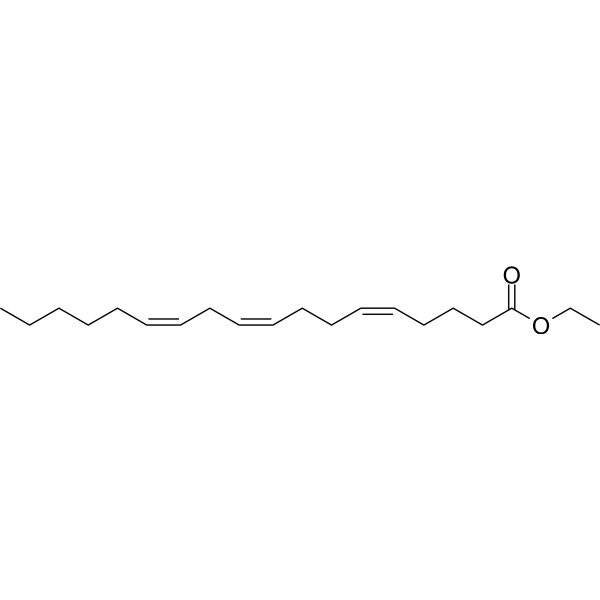
    Ethyl pinolenate

    Biochemical Assay Reagents Others
    Pinolenic acid is a polyunsaturated fatty acid found in the seed oils of red pine (Pinus orientalis) and maritime pine (Pinus pinaster). Both oils were found to have lipid-lowering properties. A diet containing marine pine nut oil (MPSO) reduces HDL and ApoA1 levels in transgenic mice expressing human ApoA1. MPSO was found to reduce cholesterol efflux in vitro. Korean pine nut oil supplements may help obesity by reducing appetite. People who take this oil experience an increase in the satiety hormones CCK and GLP-1 and a decrease in appetite. The activity of the oil is attributed to pinolenic acid. Pinolenic acid is not metabolized to arachidonic acid and can reduce the level of arachidonic acid in the phosphatidylinositol fraction of HepG2 cells from 15.9% to 7.0%. Pinolenic acid ethyl ester is a neutral, more lipophilic form of the free acid.
    Pinolenic acid ethyl ester
  • HY-N0246R

    Reference Standards LXR Bacterial Metabolic Disease Inflammation/Immunology
    Saikosaponin A (Standard) is the analytical standard of Saikosaponin A. This product is intended for research and analytical applications. Saikosaponin A is the main active ingredient in Bupleurum chinense, which can regulate lipid metabolism and promote cholesterol efflux in early atherosclerosis. In addition, Saikosaponin A may also act as a potential peroxisome proliferator-activated receptor-γ (PPAR-γ) agonist, significantly promoting the expression of PPAR-γ. Saikosaponin A can be used in the study of hyperlipidemic pancreatitis .
    Saikosaponin A (Standard)
  • HY-P2424

    CCK-J

    Calcium Channel Others
    Cholecystokinin-J (CCK-J), a cholecystokinin, stimulates Ca 2+ release .
    Cholecystokinin-J
  • HY-124273

    L-threo Cer(d18:1/2:0); L-threo Ceramide (d18:1/2:0); N-acetyl-L-threo-Sphingosine

    Endogenous Metabolite Cardiovascular Disease
    C2 L-threo Ceramide (d18:1/2:0) (L-threo Cer(d18:1/2:0); L-threo Ceramide (d18:1/2:0)) is a bioactive sphingolipid and cell-permeable analog of naturally occurring ceramides. It stimulates cholesterol efflux in CHO cells expressing the human ABCA1 receptor when used at a concentration of 10 μM, however, this efflux is 50% less than that stimulated by C2 ceramide. C2 L-threo Ceramide inhibits IL-4 production by 17% in EL4 T cells stimulated with phorbol 12-myristate 13-acetate when used at a concentration of 10 μM. It also induces cell cycle arrest in the G0/G1 phase and a 7-fold increase in sphingosine accumulation as well as inhibits growth of HL-60 leukemia cells.
    C2 L-threo Ceramide (d18:1/2:0)
  • HY-P10906

    Biochemical Assay Reagents Others
    Talovirtide is a peptide containing L-valyl .
    Talovirtide
  • HY-P11455

    Liposome Others
    Lipopeptide CPE4 is a PEG-modified peptide E4 [(EIAALEK) 4]. Lipopeptide CPE4 is capable of coiled-coil formation when attached to liposomes. Lipopeptide CPE4 triggers membrane fusion between liposomes and living cells with concomitant efficient cytosolic delivery of a variety of compounds such as fluorescent dyes Propidium Iodide (PI) (HY-D0815) and TO-PRO-3 iodide (HY-117070), and Doxorubicin (DOX) (HY-15142A). Lipopeptide CPE4 can be used for drug delivery research .
    Lipopeptide CPE4
  • HY-P10872

    SARS-CoV Infection
    P315V3 is an pan inhibitor for coronavirus, that inhibits SARS-CoV-2 prototypePT, Delta, BA.1 and BA.4 strain with IC50s of 10.9, 8.9, 8.6, and 2.7 nM. P315V3 exhibits cytotoxicity in Vero cell with CC50 of 4.3 μM. P315V3 exhibits anti-infectious efficacy in mouse models .
    P315V3
  • HY-D2261

    Fluorescent Dye Metabolic Disease
    BODIPY-cholesterol conjugate-1 (compound 5) is a BODIPY-cholesterol conjugate. BODIPY-cholesterol conjugate-1 is a useful probe for simultaneous visualization of intracellular cholesterol pools and for monitoring cholesterol efflux from cells to extracellular acceptors . (λex 541 nm, λem 615 nm).
    BODIPY-cholesterol conjugate-1
  • HY-P5878

    Biochemical Assay Reagents Metabolic Disease
    RG33 Peptide is a diabetes inhibitor that significantly improves glucose clearance in insulin-resistant mice. RG33 Peptide effectively solubilizes lipid vesicles and promotes cholesterol efflux in cultured macrophages. RG33 Peptide is used in research into type 2 diabetes (T2D) .
    RG33 Peptide
  • HY-N2419R

    Reference Standards Endogenous Metabolite Metabolic Disease
    Erythrodiol (Standard) is the analytical standard of Erythrodiol. This product is intended for research and analytical applications. Erythrodiol is an olive oil component. Erythrodiol promotes Cholesterol efflux (ChE) by selectively inhibiting the degradation of ABCA1 protein. Erythrodiol is a good candidate to be further explored for therapeutic or preventive application in the context of atherosclerosis .
    Erythrodiol (Standard)
  • HY-117555

    Apolipoprotein PPAR ATP-binding cassette (ABC) transporters Cardiovascular Disease
    4010B-30 is a upregulator of apolipoprotein A-I (ApoA-I). 4010B-30 regulates ApoA-I gene expression through activation of PPARγ. 4010B-30 promotes cholesterol efflux and ABCA1 expression. 4010B-30 protects against atherosclerotic lesion development in ApoE -/- mice .
    4010B-30
  • HY-115780

    LXR ATP-binding cassette (ABC) transporters Cardiovascular Disease
    E17110 is a liver X receptor β (LXRβ) agonist with an EC50 of 0.72 μM. E17110 can increase the expression of ATP-binding cassette transporter A1 (ABCA1) and G1 (ABCG1) in RAW264.7 macrophages. E17110 also reduce cellular lipid accumulation and promoted cholesterol efflux. E17110 can be used for the research of cardiovascular disease, such as atherosclerosis .
    E17110
  • HY-129289

    HIV Infection Inflammation/Immunology
    NSC 13987 is a Nef site I inhibitor. NSC 13987 binds to Nef site I and disrupts the Nef-calnexin interaction. NSC 13987 restores cholesterol efflux inhibited by Nef. NSC 13987 is applicable to the research of HIV-associated atherosclerosis .
    NSC 13987
  • HY-P11766

    GALA-cholesterol

    Biochemical Assay Reagents Cancer
    GALA-chol is a cholesterol-conjugated pH-responsive fusion peptide that can serve as a delivery adjuvant. GALA-chol enhances the endocytosis of siRNA RET/PTC1-SQ nanoparticles, inhibits cell viability, and undergoes pH-responsive charge conversion in the acidic lysosomal environment, thereby promoting lysosomal escape of small extracellular vesicle (sEV) cargo. GALA-chol anchors to the sEV membrane and maintains the structural integrity and intrinsic homing activity of sEVs. GALA-chol can be used in studies related to adjuvant delivery .
    GALA-chol
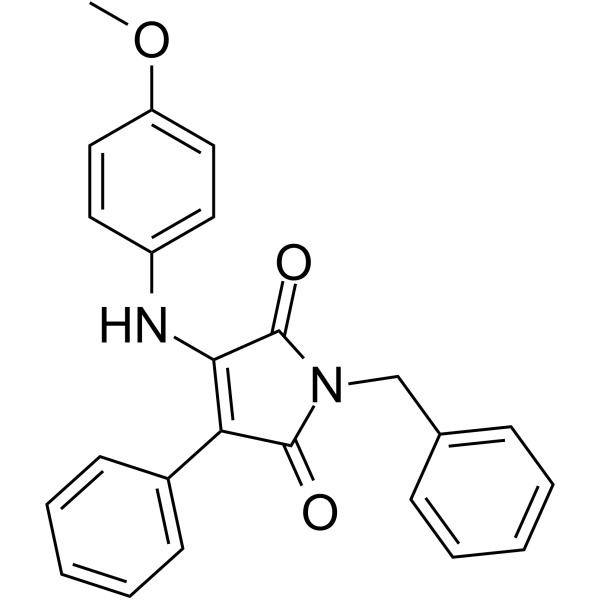
  • HY-181520

    ATP-binding cassette (ABC) transporters Metabolic Disease
    ABCA1 inducer 3 (Compound 85) is an orally active ABCA1 inducer and lipid-modulating agent. ABCA1 inducer 3 increases ABCA1 expression. ABCA1 inducer 3 upregulates hepatic Abcg5 and Abcg8 mRNA expression. ABCA1 inducer 3 promotes cholesterol efflux. ABCA1 inducer 3 improves hyperlipidemia .
    ABCA1 inducer 3
  • HY-182938

    Autophagy Metabolic Disease
    Autophagy activator-2 is a potent autophagy activator with EC50 values of 14.33 μM. Autophagy activator-2 acts as a proteostasis modulator and small-molecule chaperone that upregulates I1061T mutant NPC1 expression and facilitates cholesterol efflux. Autophagy activator-2 reduces lysosomal hydrolase levels. Autophagy activator-2 can be used for the study of Niemann-Pick Type C disease .
    Autophagy activator-2
  • HY-120433

    Scavenger Receptor Class B type I (SR-BI) Inflammation/Immunology
    BLT-3 is an inhibitor of scavenger receptor class B type I (SR-BI) that exerts reversible, non-cell-type-specific inhibitory effects on SR-BI-mediated lipid transport. BLT-3 inhibits SR-BI-mediated selective lipid uptake from HDL as well as cholesterol efflux from cells to HDL. BLT-3 enhances the binding of HDL to SR-BI. BLT-3 is applicable to research related to atherosclerosis and coronary heart disease .
    BLT-3
  • HY-186045

    Histone Methyltransferase Apoptosis DNA/RNA Synthesis ATP-binding cassette (ABC) transporters Cancer
    SKLB06489 is a selective and orally active inhibitor of type I PRMT enzymes, with IC50 values of 64.55 nM (PRMT1), 4.21 nM (PRMT6), and 51.27 nM (PRMT8). SKLB06489 inhibits cell proliferation, colony formation, DNA replication, and DNA damage repair in cancer cells. SKLB06489 induces G0/G1-phase cell cycle arrest and apoptosis in cancer cells. SKLB06489 enhances intracellular cholesterol efflux via ABCA1 and ABCG1 upregulation, disrupts cholesterol metabolic homeostasis, and suppresses tumor growth in subcutaneous xenograft models. SKLB06489 can be used for the research of triple-negative breast cancer (TNBC) .
    SKLB06489
  • HY-181509

    Reactive Oxygen Species (ROS) Interleukin Related ATP-binding cassette (ABC) transporters Inflammation/Immunology
    TNF-α/IL-1β/IL-6-IN-1 is an anti-inflammatory agent. TNF-α/IL-1β/IL-6-IN-1 exerts anti-inflammatory effects by downregulating the expression of pro-inflammatory cytokines such as TNF-α, IL-1β and IL-6, and inhibiting the production of ROS. TNF-α/IL-1β/IL-6-IN-1 upregulates ABCG1 to promote cholesterol efflux. TNF-α/IL-1β/IL-6-IN-1 can be used in the research of inflammatory and lipid metabolic diseases such as atherosclerosis .
    TNF-α/IL-1β/IL-6-IN-1

Inquiry Online

Your information is safe with us. * Required Fields.

Salutation


Country or Region *

Applicant Name *


Organization Name *

Department *


Email Address *


Product Name *

Cat. No.


Requested quantity *

Phone Number *


Remarks

Inquiry Online

Inquiry Information

Product Name:
Cat. No.:
Quantity:
MCE Japan Authorized Agent: