



PFM067
Based on 1 publication(s) in Google Scholar
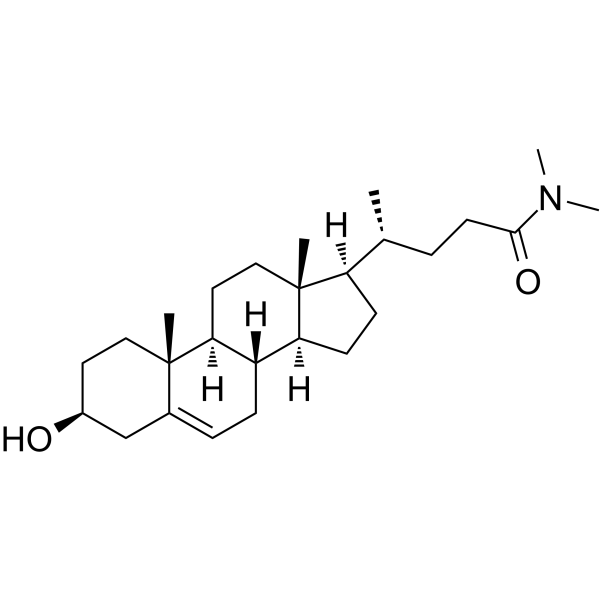
PFM067 (DMHCA) is an orally active cholestenoic acid amide derivative. PFM067 exhibits antiviral activity against HSV‑2, HSV‑1, and HRV‑A1. PFM067 directly binds the ORD domain of human OSBP with a Kd of 3.96 μM. PFM067 blocks late HSV-2 replication, cell-to-cell fusion, syncytium formation, and infectious progeny production, retains glycoproteins in the cis-Golgi, and may block capsid nuclear egress. PFM067 agonizes LXRβ and inhibits DHCR24, restoring membrane fluidity in diabetic CD34+ cells and CAC cells. PFM067 protects retinal vascular/visual function in diabetic mice. PFM067 can be used in research related to herpesvirus infection and type 2 diabetes.
For research use only. We do not sell to patients.
- Purity : 99.91%
- CAS No.: 79066-03-8
- Formula: C26H43NO2
- Molecular Weight:401.63
-
Storage:Powder -20°C, 3 years , 4°C, 2 years ; In solvent -80°C, 6 months , -20°C, 1 month

To place orders, for customer services and technical support, please contact: MedChemExpress USA
Tel: 609-228-6898 E-mail: [email protected] [email protected]


-
 Biological Activity
-
Chemical Information
-
Solvent & Solubility
- Protocols
- Purity & Documentation
- References
-
 Help & FAQs


-
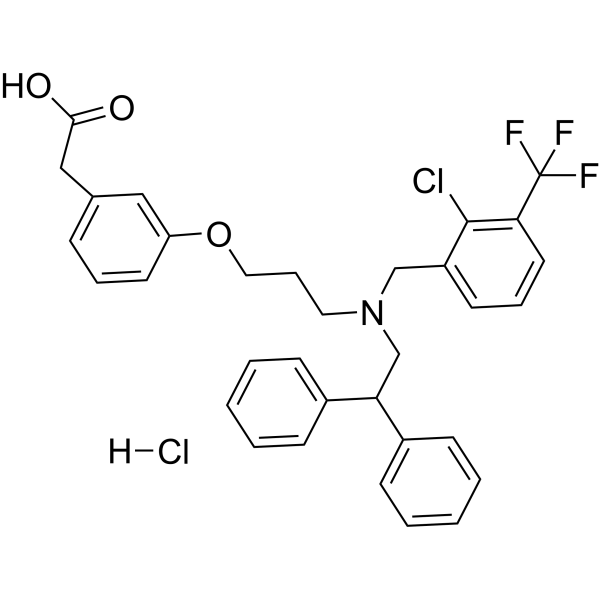
HY-10627A
GW3965 hydrochlorideLXR Agonist -
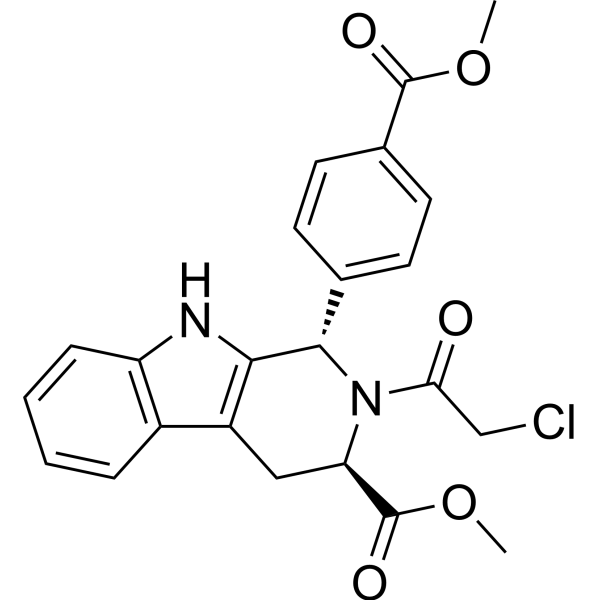
HY-100218A
RSL3GPX4 Inhibitor -
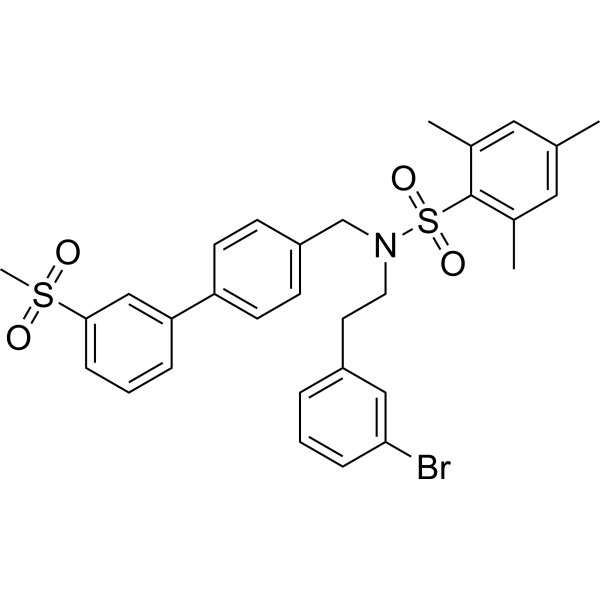
HY-16972
SR9243LXR Inverse Agonist -
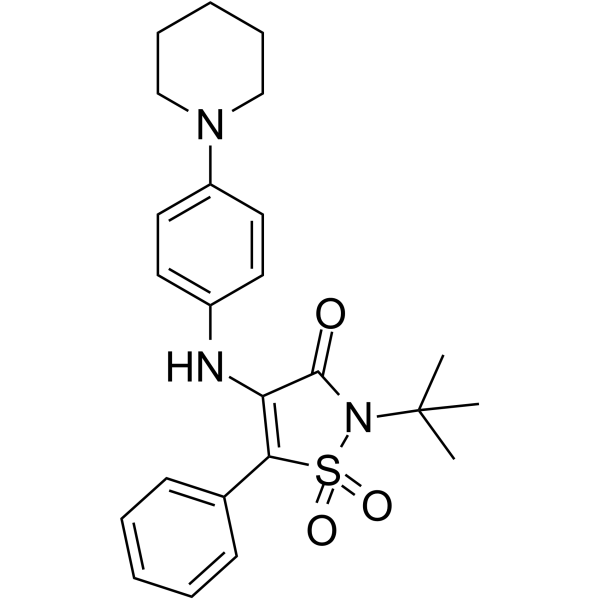
HY-18282
AZ876LXR Agonist -

HY-10627AR
GW3965 hydrochloride (Standard)LXR Agonist -
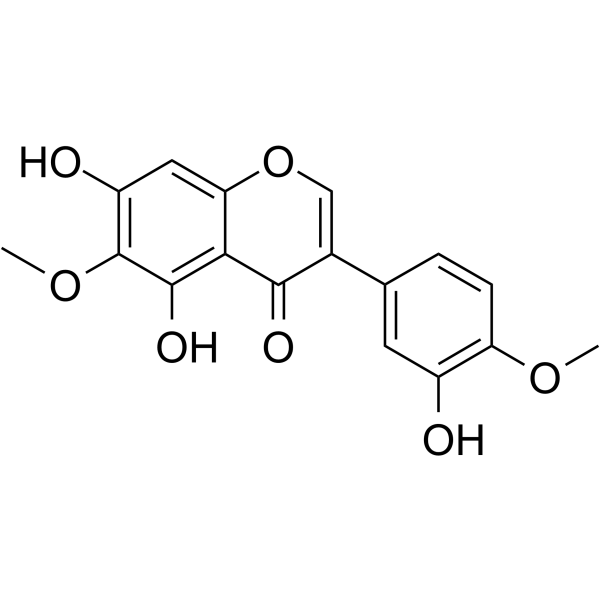
HY-N2509
Iristectorigenin BLXR Modulator -
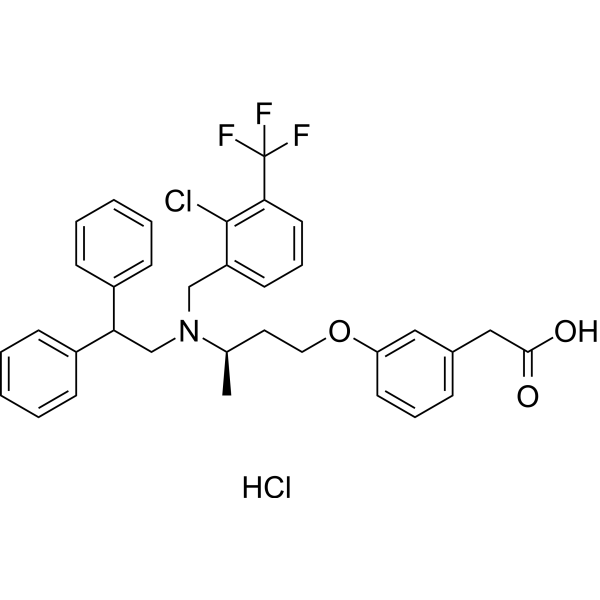
HY-111498
RGX-104 hydrochlorideLXR Agonist -
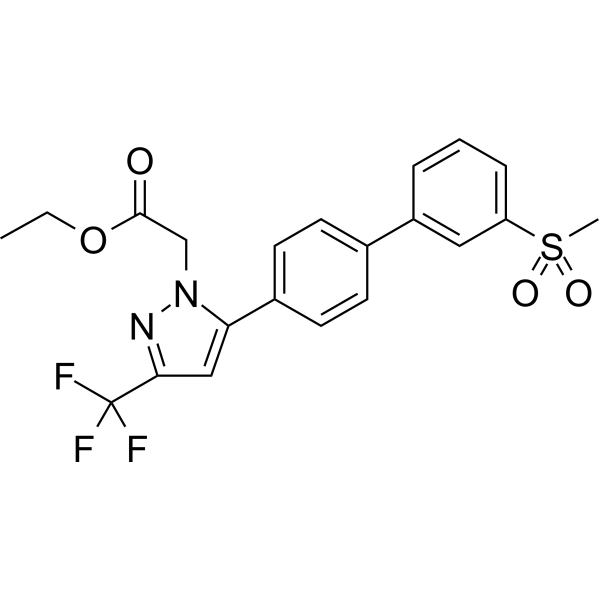
HY-109073
RovazolacLXR Modulator -
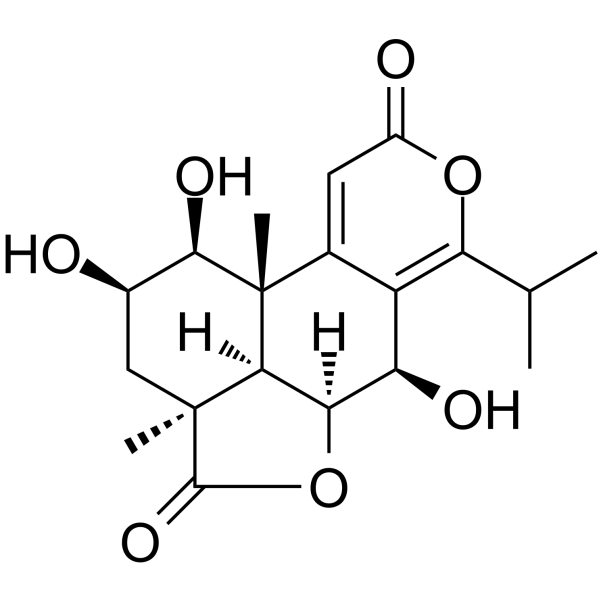
HY-N3216
Nagilactone BLXR Agonist -

HY-109073R
Rovazolac (Standard)Reference Standard -

HY-18282R
AZ876 (Standard)LXR Agonist -

HY-N3867
Ethyl 2,4,6-trihydroxybenzoateNatural Product
Publications Citing Use of MedChemExpress (MCE) PFM067
More

Biological Activity
Description
|
LXRβ |
DHCR24 |
HSV-1 |
HSV-2 |
Cellular Effect
|
Cell Line

|
Type | Value | Description | References |
|---|---|---|---|---|
| Vero | EC50 |
1.9 μM
|
Inhibition of HSV-2 strain MS plaque formation in Vero cells by PFM067 added 24 hrs before viral inoculum and assessed 24 hrs after infection by indirect immunoperoxidase using anti-gD antibody.
Inhibition of HSV-2 strain MS plaque formation in Vero cells by PFM067 added 24 hrs before viral inoculum and assessed 24 hrs after infection by indirect immunoperoxidase using anti-gD antibody.
|
j.antiviral.2023.105634 |
| Vero | EC50 |
1.3 μM
|
Inhibition of HSV-2 strain MS plaque formation in Vero cells by PFM067 added at viral inoculum and assessed 24 hrs after infection by indirect immunoperoxidase using anti-gD antibody.
Inhibition of HSV-2 strain MS plaque formation in Vero cells by PFM067 added at viral inoculum and assessed 24 hrs after infection by indirect immunoperoxidase using anti-gD antibody.
|
j.antiviral.2023.105634 |
| Vero | EC50 |
3.3 μM
|
Inhibition of HSV-1 strain LV plaque formation in Vero cells by PFM067 added before viral inoculum and assessed 48 hrs post-infection by indirect immunoperoxidase.
Inhibition of HSV-1 strain LV plaque formation in Vero cells by PFM067 added before viral inoculum and assessed 48 hrs post-infection by indirect immunoperoxidase.
|
j.antiviral.2023.105634 |
| Vero | EC50 |
1.2 μM
|
Inhibition of HSV-1 strain LV plaque formation in Vero cells by PFM067 added at viral inoculum and assessed 48 hrs post-infection by indirect immunoperoxidase.
Inhibition of HSV-1 strain LV plaque formation in Vero cells by PFM067 added at viral inoculum and assessed 48 hrs post-infection by indirect immunoperoxidase.
|
j.antiviral.2023.105634 |
| MRC5 | EC50 |
1.0 μM
|
Inhibition of HSV-2 plaque formation in MRC-5 human diploid fibroblasts by PFM067 added before viral inoculum in a plaque reduction assay.
Inhibition of HSV-2 plaque formation in MRC-5 human diploid fibroblasts by PFM067 added before viral inoculum in a plaque reduction assay.
|
j.antiviral.2023.105634 |
| MRC5 | EC50 |
1.1 μM
|
Inhibition of HSV-2 plaque formation in MRC-5 human diploid fibroblasts by PFM067 added at viral inoculum in a plaque reduction assay.
Inhibition of HSV-2 plaque formation in MRC-5 human diploid fibroblasts by PFM067 added at viral inoculum in a plaque reduction assay.
|
j.antiviral.2023.105634 |
| Vero | CC50 |
200 μM
|
Cytotoxicity against Vero cells with CC50 >200 μM in plaque reduction assays for HSV-2 and HSV-1 and in MTS viability assay after 24 or 48 hrs.
Cytotoxicity against Vero cells with CC50 >200 μM in plaque reduction assays for HSV-2 and HSV-1 and in MTS viability assay after 24 or 48 hrs.
|
j.antiviral.2023.105634 |
| MRC5 | CC50 |
50 μM
|
Cytotoxicity against MRC-5 human diploid fibroblasts with CC50 >50 μM in a plaque reduction assay.
Cytotoxicity against MRC-5 human diploid fibroblasts with CC50 >50 μM in a plaque reduction assay.
|
j.antiviral.2023.105634 |
| HeLa | EC50 |
0.13 μM
|
Antiviral activity against HSV-2 strain MS in HeLa cells assessed by plaque reduction after 24 hrs.
Antiviral activity against HSV-2 strain MS in HeLa cells assessed by plaque reduction after 24 hrs.
|
42541847 |
| HeLa | CC50 |
200 μM
|
Cytotoxicity against HeLa cells assessed by MTS assay after 24 hrs with CC50 greater than 200 μM.
Cytotoxicity against HeLa cells assessed by MTS assay after 24 hrs with CC50 greater than 200 μM.
|
42541847 |
| HeLa | EC50 |
1.018 μM
|
Antiviral activity against HRV-A1 in HeLa cells assessed by immunocytochemical focus reduction.
Antiviral activity against HRV-A1 in HeLa cells assessed by immunocytochemical focus reduction.
|
42541847 |
| HeLa | CC50 |
50 μM
|
Cytotoxicity against HeLa cells in AdV-5 antiviral assay with CC50 greater than 50 μM.
Cytotoxicity against HeLa cells in AdV-5 antiviral assay with CC50 greater than 50 μM.
|
42541847 |
In Vitro
PFM067 maintains Vero cell viability below 200 μM, with CC50 >200 μM[1].
PFM067 (16.7 μM) strongly reduces the production of infectious HSV-2 progeny virus in Vero cells[1].
PFM067 (0.6-50 μM; exposed simultaneously with infection for 12 h, or pre-exposed for 24 h followed by infection for 12 h) inhibits HSV-2-induced syncytium formation in Vero cells and reduces complete and incomplete infection events after pre-exposure[1].
PFM067 (0.2-16.7 μM) reduces HSV-2-induced syncytium size in Vero cells when added after infection, consistent with inhibition of cell-to-cell fusion[1].
PFM067 does not prevent the accumulation of intranuclear capsids in HSV-2-infected Vero cells but is associated with the absence of extranuclear virus particles[1].
PFM067 (EC90; 11 h) causes HSV-2 glycoproteins to be retained in the cis-Golgi apparatus and restricts ICP5 to the nucleus in infected Vero cells[1].
PFM067 (EC90; 24 h) does not inhibit early ICP8 expression but reduces cytoplasmic ICP5 in HSV-2-infected Vero cells while maintaining gB and gD expression, consistent with a late-stage block[1].
PFM067 inhibits HSV-1 plaque formation in Vero cells, with an EC50 of 3.3 μM when administered before infection and an EC50 of 1.2 μM when administered during infection; it inhibits HSV-2 replication in MRC-5 fibroblasts, with an EC50 of 1.0 μM when administered before infection and an EC50 of 1.1 μM when administered during infection[1].
PFM067 inhibits HSV-2 replication in HeLa cells with an EC50 of 0.13 μM, and no cytotoxicity is detected at concentrations up to >200 μM; only at 50 μM does it cause mild LDH release in HeLa and Hep-2 cells[2].
PFM067 reduces HSV-2 progeny virus production in HeLa cells and shows enhanced antiviral activity when OSBP is silenced[2].
PFM067 inhibits HRV-A1 replication in HeLa cells with an EC50 of 1.018 μM, but shows no antiviral activity against AdV-5[2].
PFM067 (DMHCA) (10 μM; 16-18 h) restores the membrane fluidity of diabetic human peripheral blood CD34+ cells, as measured by FRAP, to non-diabetic baseline levels; it restores the membrane fluidity of diabetic mouse CD45+CD11b-CD133+FLK1+ CACs, as measured by FRAP, to above non-diabetic baseline levels[3].
MedChemExpress (MCE) has not independently confirmed the accuracy of these methods. They are for reference only.
-
Cell Line:Vero cells
-
Concentration:EC90 (1.9 μM during infection; 4.3 μM before infection)
-
Incubation Time:11 h
-
Result:Sequestered HSV-2 glycoproteins in the cis-Golgi and restricts ICP5 to nuclei in infected Vero cells.
-
Cell Line:Vero cells
-
Concentration:EC90 (1.9 μM during infection; 4.3 μM before infection)
-
Incubation Time:24 h
-
Result:Did not inhibit early ICP8 expression but reduces cytoplasmic ICP5 while preserving gB and gD expression in HSV-2-infected Vero cells, consistent with a late-stage block.
In Vivo
MedChemExpress (MCE) has not independently confirmed the accuracy of these methods. They are for reference only.


Chemical Information
-
CAS No. 79066-03-8
-
Appearance Solid
-
Molecular Weight 401.63
-
Formula C26H43NO2
-
Color White to off-white
-
SMILES
C[C@@]12[C@](CC[C@]2([H])[C@H](C)CCC(N(C)C)=O)([H])[C@@]3([H])[C@@](CC1)([H])[C@@]4(C(C[C@H](CC4)O)=CC3)C
-
Synonyms
DMHCA
-
Shipping
Room temperature in continental US; may vary elsewhere.
-
Storage
Powder -20°C 3 years 4°C 2 years In solvent -80°C 6 months -20°C 1 month


Publications (1)
-
Journal Impact Factor
-
Most Recent
-
Biochim Biophys Acta Mol Basis Dis
CX3CR1 deficiency promotes resolution of hepatic ischemia-reperfusion injury by regulating homeostatic function of liver infiltrating macrophages. [Abstract]2024 Jun;1870(5):167130. PMID: 38537684


Solvent & Solubility
In Vitro:
DMSO : 7.69 mg/mL (19.15 mM; Need ultrasonic; Hygroscopic DMSO has a significant impact on the solubility of product, please use newly opened DMSO)
Please refer to the solubility information to select the appropriate solvent. Once prepared, please aliquot and store the solution to prevent product inactivation from repeated freeze-thaw cycles.
Storage method and period of stock solution: -80°C, 6 months; -20°C, 1 month. When stored at -80°C, please use it within 6 months. When stored at -20°C, please use it within 1 month.
Concentration (start) × Volume (start) = Concentration (final) × Volume (final)
In Vivo:
Select the appropriate dissolution method based on your experimental animal and administration route.
- For the following dissolution methods, please ensure to first prepare a clear stock solution using an In Vitro approach and then sequentially add co-solvents:
- To ensure reliable experimental results, the clarified stock solution can be appropriately stored based on storage conditions. As for the working solution for In Vivo experiments, it is recommended to prepare freshly and use it on the same day.
- The percentages shown for the solvents indicate their volumetric ratio in the final prepared solution. If precipitation or phase separation occurs during preparation, heat and/or sonication can be used to aid dissolution.
Add each solvent one by one: 10% DMSO 90% (20% SBE-β-CD in Saline)
Solubility: ≥ 0.77 mg/mL (1.92 mM); Clear solution
This protocol yields a clear solution of ≥ 0.77 mg/mL (saturation unknown).
Taking 1 mL working solution as an example, add 100 μL DMSO stock solution (7.7 mg/mL) to 900 μL 20% SBE-β-CD in Saline, and mix evenly.
Preparation of 20% SBE-β-CD in Saline (4°C, storage for one week): 2 g SBE-β-CD powder is dissolved in 10 mL Saline, completely dissolve until clear.
In Vivo Dissolution Calculator
Please enter the basic information of animal experiments:
-
-
-
-
Recommended: Prepare an additional quantity of animals to account for potential losses during experiments.
Please enter your animal formula composition:
-
%DMSO +
Recommended: Keep the proportion of DMSO in working solution below 2% if your animal is weak.
-
%+
-
+%Tween-80 + +
-
%Saline +
The co-solvents required include: DMSO, . All of co-solvents are available by MedChemExpress (MCE). , Tween 80. All of co-solvents are available by MedChemExpress (MCE).
Working solution concentration: 0.22 mg/mL
Method for preparing stock solution: mg drug dissolved in μL DMSO. Stock solution concentration: mg/mL.
1. Take μL DMSO stock solution;
2. Add μL .
μL , mix evenly;
3. Then add μL Tween 80, mix evenly;
4. Then add μL
Please ensure that the stock solution in the first step is dissolved to a clear state, and add co-solvents in sequence. You can use ultrasonic heating (ultrasonic cleaner, recommended frequency 20-40 kHz), vortexing, etc. to assist dissolution.


Purity & Documentation
-
Data Sheet (291 KB)
-
SDS (254 KB)
- English - EN (254 KB)
- Français - FR (254 KB)
- Deutsch - DE (254 KB)
- Norwegian - NO (254 KB)
- Español - ES (254 KB)
- Swedish - SV (254 KB)
- Italian - IT (254 KB)
- Korean - KR (254 KB)
- Portuguese - PT (254 KB)
-
Handling Instructions (2659 KB)
References


Complete Stock Solution Preparation Table
Please refer to the solubility information to select the appropriate solvent. Once prepared, please aliquot and store the solution to prevent product inactivation from repeated freeze-thaw cycles.
Storage method and period of stock solution: -80°C, 6 months; -20°C, 1 month. When stored at -80°C, please use it within 6 months. When stored at -20°C, please use it within 1 month.
| Optional Solvent | Concentration Solvent Mass | 1 mg | 5 mg | 10 mg | 25 mg |
|---|---|---|---|---|---|
| DMSO | 1 mM | 2.4899 mL | 12.4493 mL | 24.8985 mL | 62.2463 mL |
| 5 mM | 0.4980 mL | 2.4899 mL | 4.9797 mL | 12.4493 mL | |
| 10 mM | 0.2490 mL | 1.2449 mL | 2.4899 mL | 6.2246 mL | |
| 15 mM | 0.1660 mL | 0.8300 mL | 1.6599 mL | 4.1498 mL |


PFM067 Related Classifications
HY-129098 Related Classifications
 Powered by Bioz
Keywords
- PFM067
- 79066-03-8
- DMHCA
- PFM 067
- PFM-067
- LXR
- Dehydrocholesterol Reductase (DHCR)
- HSV
- Enterovirus
- Liver X receptor
- Dehydrocholesterol Reductase
- Herpes simplex virus
- Rhinovirus
- HRV
- HRVs
- HEV
- HEVs
- DHCR24 inhibition
- HSV-2 inhibitor
- HSV-2 replication
- LXRβ agonist
- OSBP ORD domain
- capsid nuclear egress
- cell-to-cell fusion
- cis-Golgi glycoprotein sequestration
- syncytium formation
- type 2 diabetes
- Inhibitor
- inhibitor
- inhibit