1. Search Result
Search Result
Results for "

gut microbiota metabolite

" in MedChemExpress (MCE) Product Catalog:

19

Inhibitors & Agonists

1

Screening Libraries

13

Natural
Products

2

Isotope-Labeled Compounds

Cat. No. Product Name Target Research Areas Chemical Structure
  • HY-113270A

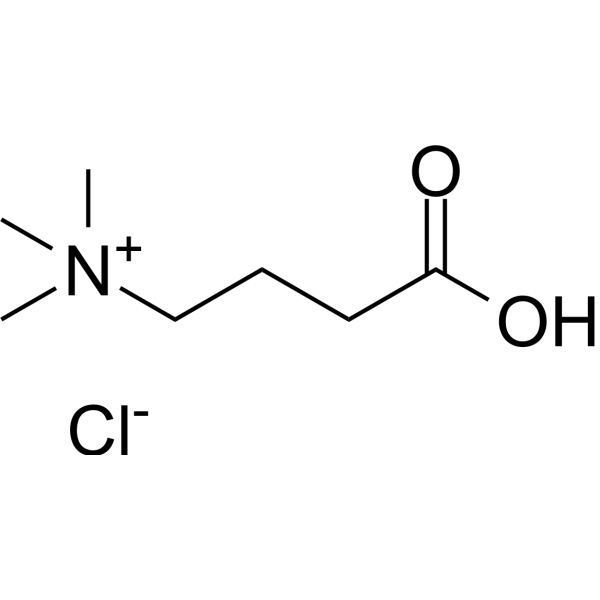
    γ-Butyrobetaine chloride; Deoxycarnitine chloride

    Endogenous Metabolite Cardiovascular Disease Metabolic Disease
    Actinine (γ-Butyrobetaine) chloride is angiopathic substance produced as an intermediary metabolite by gut microbiota that feed on carnitine in dietary red meat.
    Actinine chloride
  • HY-W011910
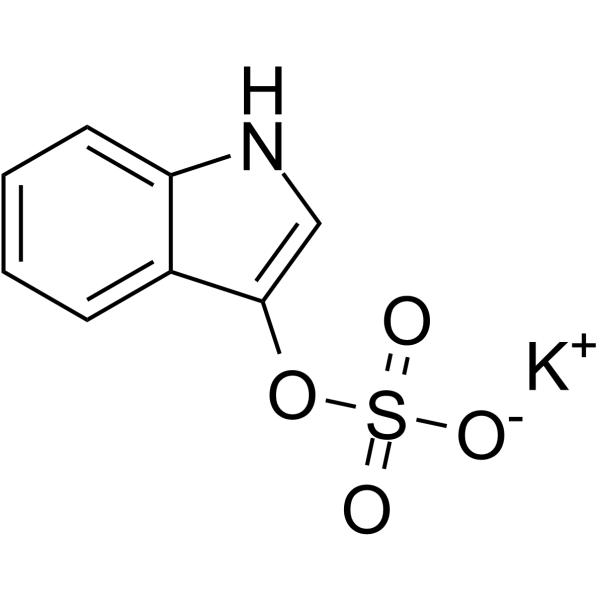
    Potassium 1H-indol-3-yl sulfate
    1 Publications Verification

    Endogenous Metabolite Aryl Hydrocarbon Receptor Cytochrome P450 UGT Interleukin Related Metabolic Disease
    Potassium 1H-indol-3-yl sulfate is a metabolite of tryptophan, produced by intestinal microorganisms and combined with sulfate in the liver before entering the circulatory system. Potassium 1H-indol-3-yl sulfate is a potent endogenous agonist of the aryl hydrocarbon receptor (AhR) and a urinary toxin. Potassium 1H-indol-3-yl sulfate can be used for research on kidney diseases .
    Potassium 1H-indol-3-yl sulfate
  • HY-N7387

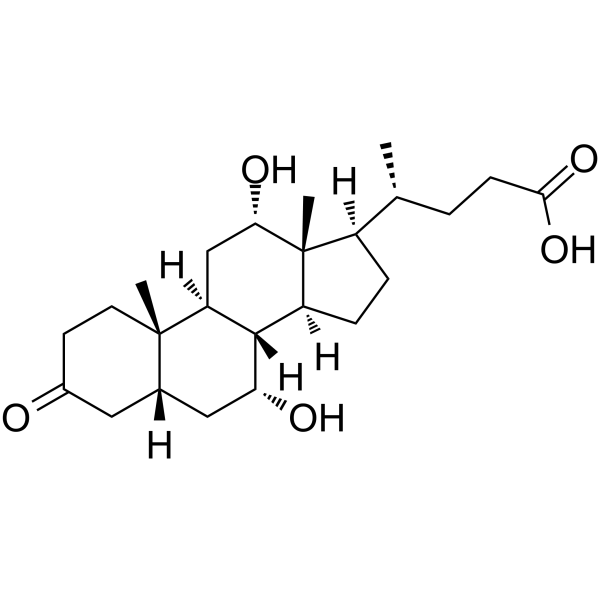
    3-Dehydrocholic acid

    Endogenous Metabolite Metabolic Disease
    3-Oxocholic acid is an oxo-bile acid metabolite and also a major degradation product from cholic by C. perfringens in the intestine. 3-Oxocholic acid is steroid acid found predominantly in bile of mammals .
    3-​Oxocholic acid
  • HY-W032915

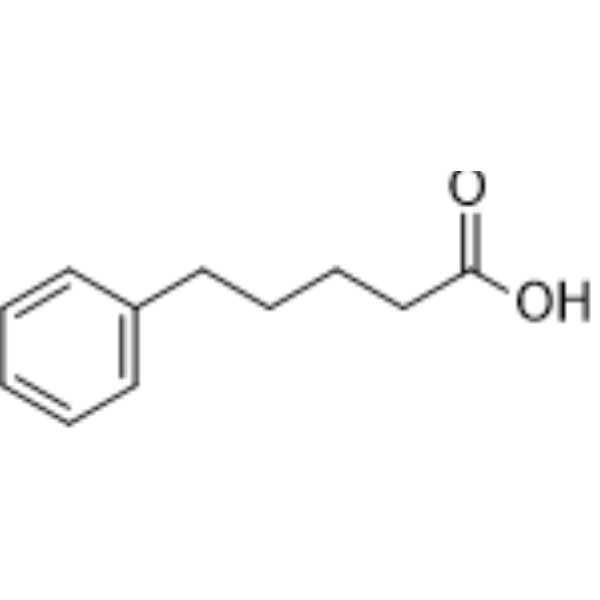
    5-Phenylpentanoic acid

    Endogenous Metabolite Others
    5-Phenylvaleric acid (5-Phenylpentanoic acid) is a major metabolite produced by the gut microbiota during the metabolism of flavan-3-ols and can serve as a biomarker for flavan-3-ol intake. 5-Phenylvaleric acid can also be used as a raw material for the synthesis of polyhydroxyalkanoates .
    5-Phenylvaleric acid
  • HY-128442

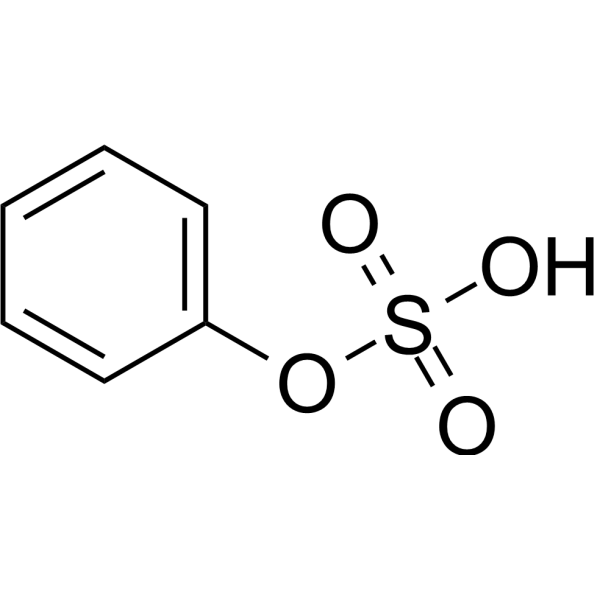
    Phenyl hydrogen sulfate

    Endogenous Metabolite Metabolic Disease
    Phenyl sulfate is an orally active gut microbiota-derived metabolite. Phenyl sulfate induces albuminuria and podocyte damage in experimental models of diabetes. Phenyl sulfate can be used as a disease marker in diabetic kidney disease .
    Phenyl sulfate
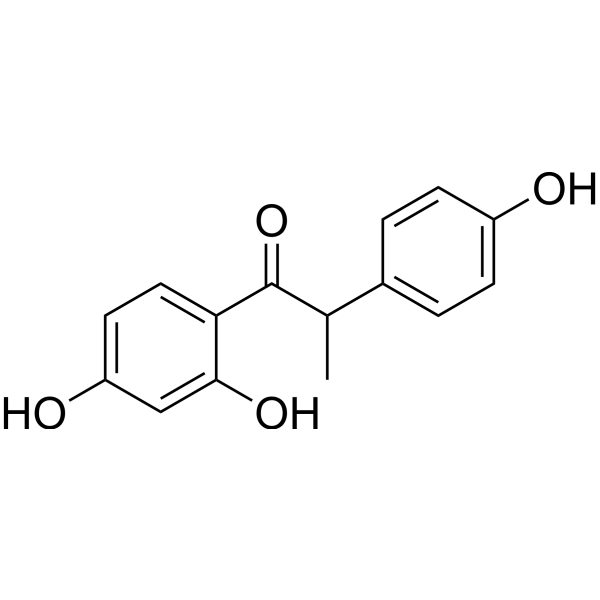
  • HY-N4075

    Endogenous Metabolite Metabolic Disease Cancer
    O-Desmethylangolensin is a metabolite of soy isoflavone, daidzein metabolized by gut microbiota. O-Desmethylangolensin possesses antioxidant activity .
    O-Desmethylangolensin
  • HY-113270AS

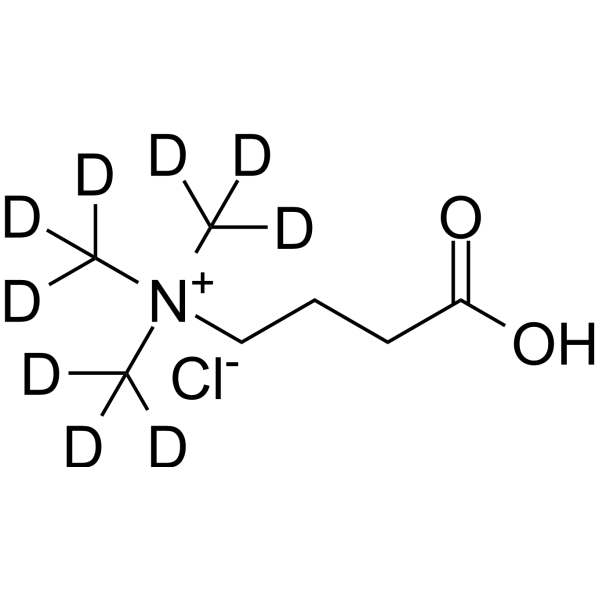
    γ-Butyrobetaine-d9 hydrochloride; Deoxycarnitine-d9 hydrochloride

    Endogenous Metabolite Cardiovascular Disease Metabolic Disease
    Actinine-d9 chloride is the deuterium labeled Actinine chloride. Actinine chloride is angiopathic substance produced as an intermediary metabolite by gut microbiota that feed on carnitine in dietary red meat .
    Actinine-d9 chloride
  • HY-W015229R

    Indole-3-propionic acid (Standard); 3-IPA (Standard)

    Reference Standards Endogenous Metabolite Reactive Oxygen Species (ROS) Neurological Disease Metabolic Disease
    3-Indolepropionic acid (Standard) is the analytical standard of 3-Indolepropionic acid. This product is intended for research and analytical applications. 3-Indolepropionic acid is shown to be a powerful antioxidant and has potential in the treatment for Alzheimer’s disease. In Vitro: 3-Indolepropionic acid is shown to be a powerful antioxidant and has potential in the treatment for Alzheimer’s disease . 3-Indolepropionic acid is a more potent scavenger of hydroxyl radicals than melatonin. Similar to melatonin but unlike other antioxidants, 3-Indolepropionic acid scavenges radicals without subsequently generating reactive and pro-oxidant intermediate compounds . It is also suggested that indolepropionic acid, a gut microbiota-produced metabolite, is a potential biomarker for the development of type 2 diabetes (T2D) that may mediate its protective effect by preservation of β-cell function .
    3-Indolepropionic acid (Standard)
  • HY-N8049

    Endogenous Metabolite Cardiovascular Disease Metabolic Disease
    Urolithin M7 is an orally active metabolite, which is generated through gut microbiota metabolism. Urolithin M7 inhibits oxidative stress and modulates inflammatory signaling pathways. Urolithin M7 is promising for research of gut microbiota metabolism and cardiovascular diseases .
    Urolithin M7
  • HY-W509797

    Drug Metabolite Inflammation/Immunology
    5-(3',4'-Dihydroxyphenyl)-γ-valerolactone is a gut microbiota metabolite of (-)-Epicatechin (HY-N0001). 5-(3',4'-Dihydroxyphenyl)-γ-valerolactone exhibits antioxidant activity .
    5-(3',4'-Dihydroxyphenyl)-γ-valerolactone
  • HY-113270AR

    γ-Butyrobetaine chloride (Standard); Deoxycarnitine chloride (Standard)

    Endogenous Metabolite Reference Standards Cardiovascular Disease Metabolic Disease
    Actinine (chloride) (Standard) is the analytical standard of Actinine (chloride). This product is intended for research and analytical applications. Actinine (γ-Butyrobetaine) chloride is angiopathic substance produced as an intermediary metabolite by gut microbiota that feed on carnitine in dietary red meat.
    Actinine chloride (Standard)
  • HY-W740611

    Drug Intermediate Inflammation/Immunology
    Trihydroxycoprostane (THCP) is a polyhydroxysterane compound with a 5β configuration. ITrihydroxycoprostane acts as a key intermediate in the biosynthesis of bile acids from cholesterol and also serves as an important sterol metabolite generated by host-gut microbiota interactions. Trihydroxycoprostane can be used for mechanistic studies of diseases such as non-alcoholic fatty liver disease, inflammatory bowel disease, and bile acid metabolism disorders .
    Trihydroxycoprostane
  • HY-145534

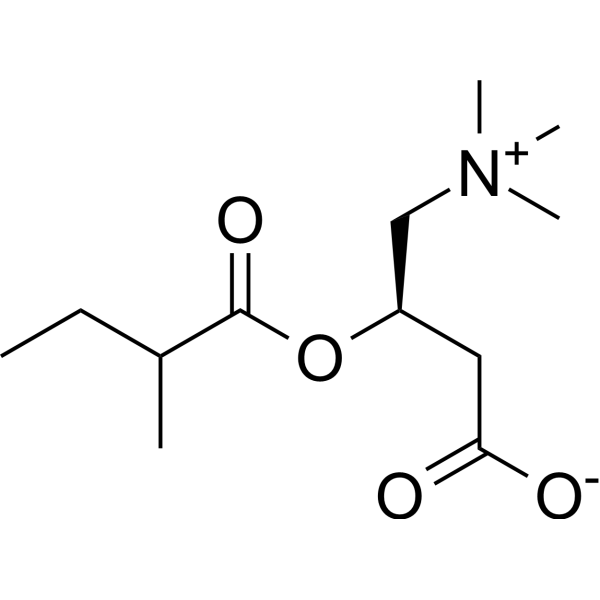
    CAR 8:1; C8:1 Carnitine; L-Carnitine trans-2-octenoyl ester

    Biochemical Assay Reagents Metabolic Disease
    trans-2-Octenoyl-L-carnitine (CAR 8:1; C8:1 Carnitine; L-Carnitine trans-2-octenoyl ester) is a medium-chain monounsaturated acylcarnitine that rarely occurs in healthy humans, and it is a fatty acid oxidation-related metabolite associated with gut microbiota-host co-metabolism. trans-2-Octenoyl-L-carnitine can serve as an analytical reference standard for qualitative and quantitative detection of carnitine metabolites in scientific research, particularly in human urine samples.
    trans-2-Octenoyl-L-carnitine
  • HY-114852

    Endogenous Metabolite Others
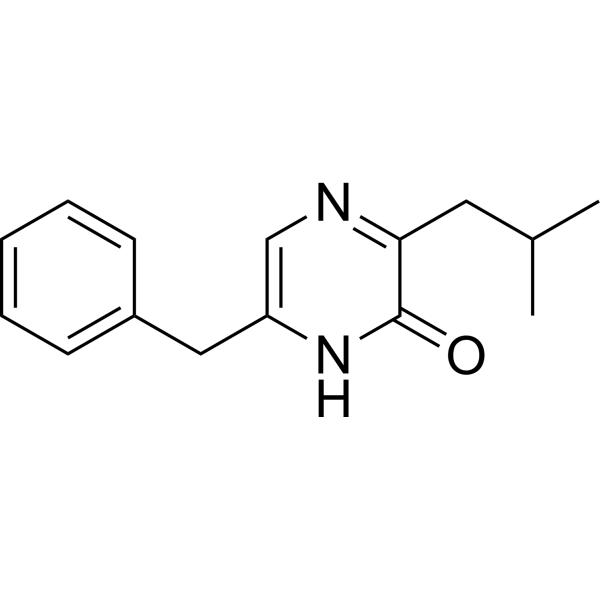
    Pheleuin (Compound PZN10), a pyrazinone, is found in gut microbiota-derived metabolites .
    Pheleuin
  • HY-128442R

    Phenyl hydrogen sulfate (Standard)

    Endogenous Metabolite Reference Standards Metabolic Disease
    Phenyl sulfate (Standard) is the analytical standard of Phenyl sulfate. This product is intended for research and analytical applications. Phenyl sulfate is an orally active gut microbiota-derived metabolite. Phenyl sulfate induces albuminuria and podocyte damage in experimental models of diabetes. Phenyl sulfate can be used as a disease marker in diabetic kidney disease .
    Phenyl sulfate (Standard)
  • HY-N7387R

    3-Dehydrocholic acid (Standard)

    Reference Standards Endogenous Metabolite Metabolic Disease
    Butylphthalide (Standard) is the analytical standard of Butylphthalide. This product is intended for research and analytical applications. Butylphthalide (3-n-Butylphthalide) is an active molecule against cerebral ischemia. It was originally isolated from celery species and has been shown to be effective in stroke animal models.
    3-​Oxocholic acid (Standard)
  • HY-153993

    Endogenous Metabolite Others
    Pyrocatechol sulfate is a phenolic metabolite present in human blood plasma, associated with the intake of certain foods such as berries and the status of the gut microbiota. Pyrocatechol sulfate can serve as a biomarker for uremia. Along with other phenolic sulfates, Pyrocatechol sulfate plays a role in regulating various biological functions, including those related to brain health and the rhythmic beating of cardiomyocytes .
    Pyrocatechol sulfate
  • HY-W032915R

    5-Phenylpentanoic acid (Standard)

    Reference Standards Endogenous Metabolite Others
    5-Phenylvaleric acid (Standard) is an analytical standard for 5-Phenylvaleric acid (HY-W032915). This product is used for research and analytical applications. 5-Phenylvaleric acid (5-Phenylpentanoic acid) is a major metabolite produced by the gut microbiota during the metabolism of flavan-3-ols and can serve as a biomarker for flavan-3-ol intake. 5-Phenylvaleric acid can also be used as a raw material for the synthesis of polyhydroxyalkanoates.
    5-Phenylvaleric acid (Standard)
  • HY-W032915S

    5-Phenylpentanoic acid-13

    Isotope-Labeled Compounds Endogenous Metabolite Others
    5-Phenylvaleric acid-d13 (5-Phenylpentanoic acid-d13) is the deuterium labeled 5-Phenylvaleric acid (HY-W032915). 5-Phenylvaleric acid (5-Phenylpentanoic acid) is a major metabolite produced by the gut microbiota during the metabolism of flavan-3-ols and can serve as a biomarker for flavan-3-ol intake. 5-Phenylvaleric acid can also be used as a raw material for the synthesis of polyhydroxyalkanoates .
    5-Phenylvaleric acid-d13

Inquiry Online

Your information is safe with us. * Required Fields.

Salutation


Country or Region *

Applicant Name *


Organization Name *

Department *


Email Address *


Product Name *

Cat. No.


Requested quantity *

Phone Number *


Remarks

Inquiry Online

Inquiry Information

Product Name:
Cat. No.:
Quantity:
MCE Japan Authorized Agent:

