Search Result
Results for "
metal chelating ability
" in MedChemExpress (MCE) Product Catalog:
12
Biochemical Assay Reagents
| Cat. No. |
Product Name |
Target |
Research Areas |
Chemical Structure |
-
- HY-W018746
-
|
Ethylenediaminetetraacetic acid disodium
|
Environmental Pollutants
Biochemical Assay Reagents
|
Others
|
|
EDTA disodium salt, also known as ethylenediaminetetraacetic acid disodium, belongs to the chelating agent category, which is formed by chelating a central metal ion with four carboxylate groups and two amine groups. This compound, with its ability to bind and chelate metal ions such as calcium, magnesium and iron, is commonly used in a variety of applications, including industrial, medical and research settings. It is used as a preservative in food and beverage, as a stabilizer in medicine, as a chelating agent in water treatment, and as a reagent in biochemical and biomedical research. In addition, EDTA disodium salt has been studied for potential research effects such as improving heavy metal poisoning and cardiovascular disease.
|
-

-
- HY-108309
-
|
Methylenediphosphonic acid
|
Biochemical Assay Reagents
|
Others
|
|
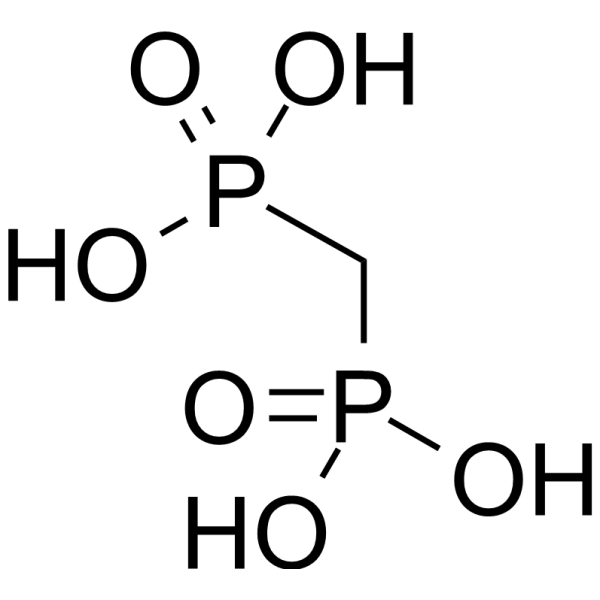
Medronic acid (Methylenediphosphonic acid) is a methylene-substituted bisphosphonate. Medronic acid has an affinity for the surface of hydroxyapatite crystals in the bone matrix and adheres to them. Medronic acid can be used in complex with radioisotopes in bone imaging. Due to its strong metal chelating ability, medronic acid is also used as a water treatment chemical. In addition, medronic acid is used as a solvent additive to improve peak shape and signal of metal-sensitive metabolites in LC/MS analysis .
|
-
-
- HY-132989
-
|
|
Biochemical Assay Reagents
Bacterial
|
Cardiovascular Disease
Infection
Inflammation/Immunology
|
|
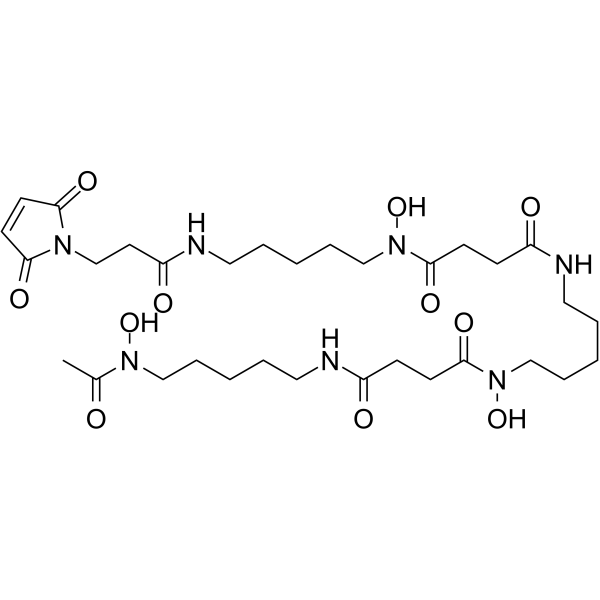
Mal-Deferoxamine is a maleimide-functionalized trihydroxamate siderophore derivative that can be isolated from Streptomyces pilosus. Mal-Deferoxamine possesses highly specific Fe (III) chelating ability, and the stability of complexes formed between it and non-Fe (III) metal ions is significantly lower. Mal-Deferoxamine exhibits growth inhibitory effects against Gram-positive bacteria, but shows no obvious inhibitory activity against Gram-negative bacteria (MIC>50 μM). Mal-Deferoxamine is mainly suitable for scientific research in hematology and related fields .
|
-
-
- HY-W035903
-
|
2-Aminoethanol hydrochloride
|
Biochemical Assay Reagents
|
Others
|
|
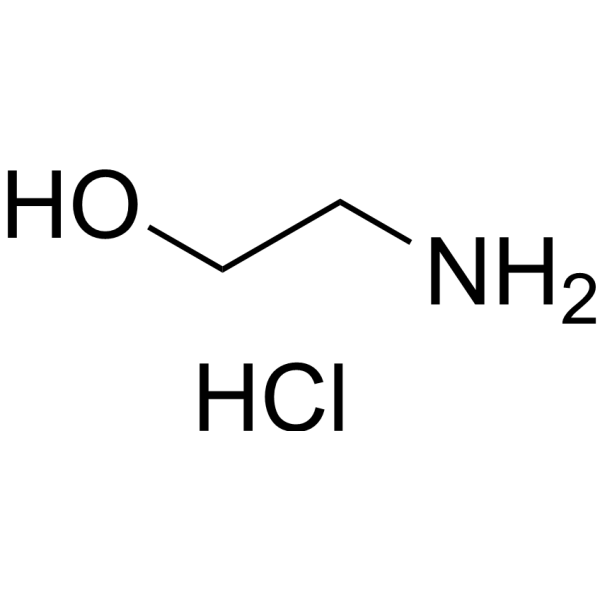
Ethanolamine hydrochloride, is an organic compound used in various industrial applications. It is a white or colorless solid that is soluble in water and has a faint odor. One of the major uses of Ethanolamine hydrochloride is in the production of detergents and surfactants. Used as a raw material in the manufacture of compounds such as ethylenediaminetetraacetic acid (EDTA) and diethanolamine, which are commonly used in household and industrial cleaning products. Ethanolamine hydrochloride is also used in the synthesis of pharmaceuticals, agrochemicals and rubber processing agents. It acts as a buffer in certain chemical reactions, helping to adjust pH and maintain stability. Ethanolamine hydrochloride can be used for gas purification and metal corrosion inhibitor. Its ability to react with acid gases such as carbon dioxide and sulfur dioxide makes it useful for removing impurities from natural gas and other industrial gases. Overall, Ethanolamine hydrochloride is a multifunctional compound with many potential industrial applications. Its ability to act as a buffer, chelating agent, and corrosion inhibitor makes it an important tool in a variety of industries.
|
-
-
- HY-W013178
-
|
|
Biochemical Assay Reagents
|
Others
|
|
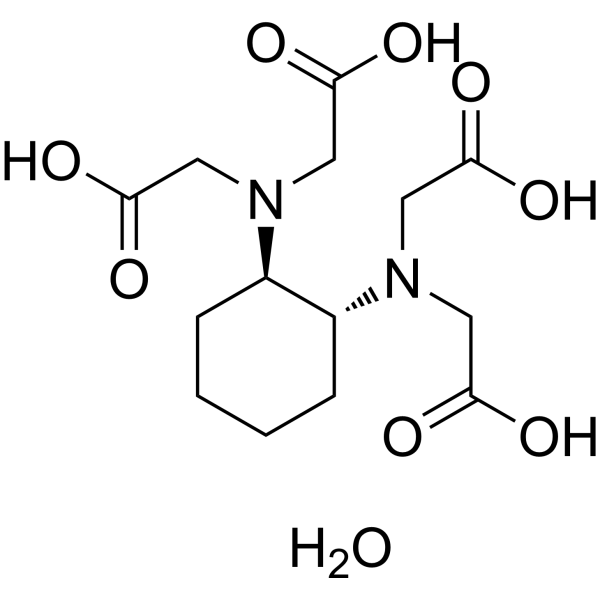
DCTA monohydrate is an organic acid. DCTA refers to N,N,N',N' -tetraacetic acid, which has a strong chelating ability. DCTA monohydrate can be used as a chelating agent and coordination reagent for metal ions. DCTA monohydrate, for example, forms stable complexes with many metal ions, including calcium, magnesium and zinc. DCTA modified with ethylene glycol is selective to calcium ions in the presence of magnesium ions .
|
-
-
- HY-W034566
-
|
Hexaaza-18-crown-6; 1,4,7,10,13,16-Hexaazacyclooctadecane
|
Biochemical Assay Reagents
|
Others
|
|
Hexacyclen is an organic compound with a unique macrocyclic structure composed of six nitrogen-containing rings. It is commonly used as a chelating agent in chemistry and biochemistry due to its ability to bind metal ions. Inhibitors of certain diseases such as cancer. In biochemistry, Hexacyclen is often used to selectively bind metal ions in proteins or enzymes to study their structure and function. Due to its large size and complex structure, Hexacyclen is not widely used in daily products or applications .
|
-

-
- HY-W013851
-
|
|
Environmental Pollutants
Biochemical Assay Reagents
|
Others
|
|
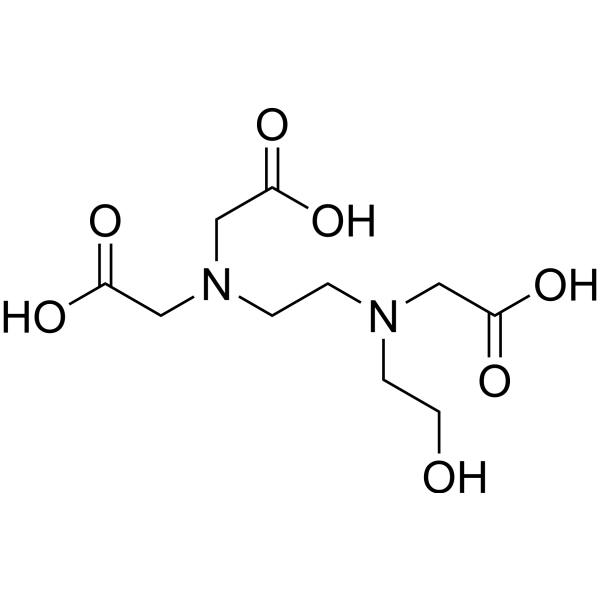
EDTA-OH is a chelating agent, which forms thermodynamically stable chelates with metal ions like calcium, magnesium, iron, zinc and copper . EDTA-OH exhibits ability of phytoremediation in heavy-metal-contaminated soils . EDTA-OH is able to cross brain-blood barrier .
|
-
-
- HY-158067
-
|
DFO-DBCO
|
Biochemical Assay Reagents
Radionuclide-Drug Conjugates (RDCs)
|
Cancer
|
|
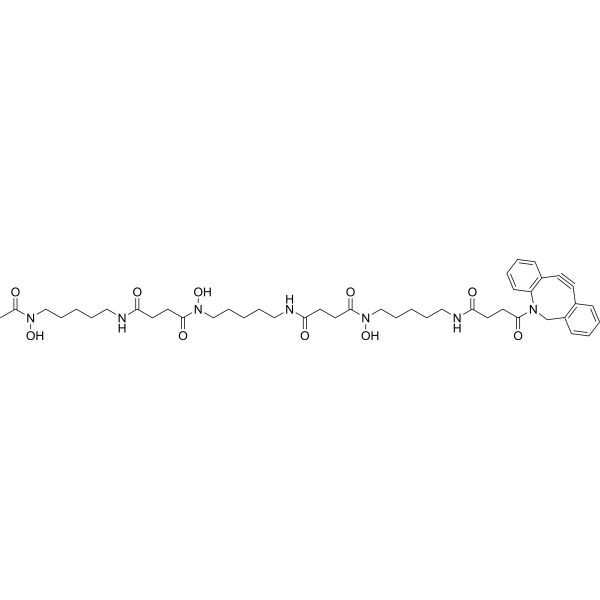
Deferoxamine-DBCO is a bifunctional chelating agent. Deferoxamine-DBCO efficiently chelates with radioactive metals (such as 89Zr) through the DFO structure to achieve radiolabeling. Deferoxamine-DBCO undergoes a metal-free Huisgen cycloaddition reaction with azide-containing biomolecules (such as siRNA, monoclonal antibodies) under bioorthogonal conditions through the DBCO structure to achieve targeted coupling. Deferoxamine-DBCO has efficient metal chelating ability and specific bioorthogonal reaction activity. Deferoxamine-DBCO can be used for targeted radioactive imaging studies of tumors .
|
-
-
- HY-137428
-
-

-
- HY-N0814A
-
|
Inositol hexaphosphate dodecasodium hydrate; SNF472 dodecasodium hydrate
|
Xanthine Oxidase
Endogenous Metabolite
|
Neurological Disease
Inflammation/Immunology
|
|
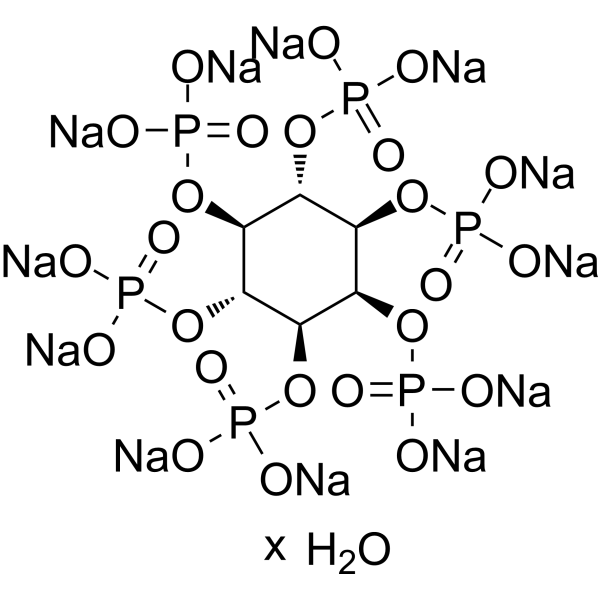
Phytic acid (Inositol hexaphosphate) dodecasodium hydrate is a phosphorus storage compound of seeds and cereal grains. Phytic acid dodecasodium hydrate is known as a food inhibitor, which has a strong ability to chelate multivalent metal ions, specially zinc, calcium, iron and as with protein residue. Phytic acid dodecasodium hydrate inhibits the enzymatic superoxide source xanthine oxidase (XO), and has antioxidative, neuroprotective, anti-inflammatory effects .
|
-
-
- HY-W013494R
-
|
|
Reference Standards
Endogenous Metabolite
|
Metabolic Disease
Cancer
|
L-Carnosine (Standard) is the analytical standard of L-Carnosine. This product is intended for research and analytical applications. L-Carnosine is a dipeptide of the amino acids beta-alanine and histidine and has the potential to suppress many of the biochemical changes that accompany aging.
In Vitro: L-Carnosine is a dipeptide of the amino acids beta-alanine and histidine and has the potential to suppress many of the biochemical changes that accompany aging .
L-Carnosine also exhibits some antioxidant effects. The antioxidant mechanism of L-Carnosine is attributed to its chelating effect against metal ions, superoxide dismutase (SOD)-like activity, and ROS and free radicals scavenging ability .
|
-

-
- HY-W018746R
-
|
Ethylenediaminetetraacetic acid disodium (Standard)
|
Biochemical Assay Reagents
Reference Standards
|
Others
|
|
EDTA (disodium) (Standard) is the analytical standard of EDTA (disodium). This product is intended for research and analytical applications. EDTA disodium salt, also known as ethylenediaminetetraacetic acid disodium, belongs to the chelating agent category, which is formed by chelating a central metal ion with four carboxylate groups and two amine groups. This compound, with its ability to bind and chelate metal ions such as calcium, magnesium and iron, is commonly used in a variety of applications, including industrial, medical and research settings. It is used as a preservative in food and beverage, as a stabilizer in medicine, as a chelating agent in water treatment, and as a reagent in biochemical and biomedical research. In addition, EDTA disodium salt has been studied for potential research effects such as improving heavy metal poisoning and cardiovascular disease.
|
-

-
- HY-158072
-
|
|
Biochemical Assay Reagents
Radionuclide-Drug Conjugates (RDCs)
|
Cancer
|
|
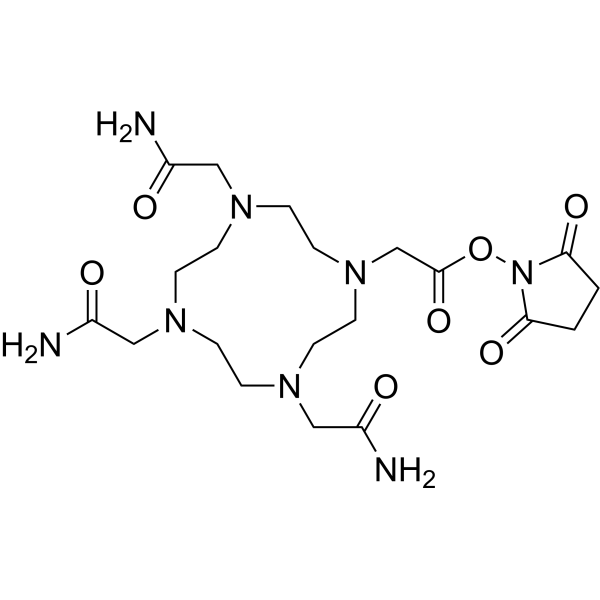
DOTAM-NHS-ester is a bifunctional chelator and a macrocyclic DOTA derivative used for tumor pre-targeting. DOTAM-NHS-ester combines the efficient metal chelating ability of DOTAM macrocyclic ligands with the bioconjugation function of NHS ester active groups, and can be widely used in the biomedical field for metal labeling, molecular imaging and drug delivery development .
|
-
-
- HY-149820
-
|
|
Monoamine Oxidase
|
Neurological Disease
|
|
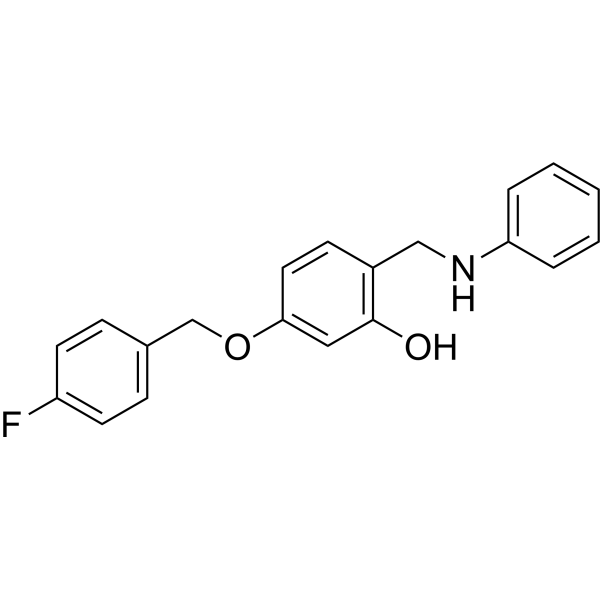
MAO-B-IN-22 (compound 6h) is a potent MAO-B inhibitor with an IC50 of 0.014 μM. MAO-B-IN-22 has high antioxidant activity, good metal chelating ability, proper BBB permeability and significant neuroprotective effect .
|
-
-
- HY-108309R
-
|
Methylenediphosphonic acid (Standard)
|
Biochemical Assay Reagents
Reference Standards
|
Others
|
|
Medronic acid (Standard) is the analytical standard of Medronic acid. This product is intended for research and analytical applications. Medronic acid (Methylenediphosphonic acid) is a methylene-substituted bisphosphonate. Medronic acid has affinity for and adheres to the surface of hydroxyapatite crystals in the bone matrix. Medronic acid can be used in bone imaging, while being complexed with radioisotopes. Due to its strong metal-chelating ability, Medronic acid can also be used as a water treatment chemical .
|
-

-
- HY-W133934A
-
|
|
Biochemical Assay Reagents
|
Others
|
|
EDTA magnesium disodium, 99% is a chelating agent with the ability to effectively bind metal ions (including calcium, magnesium, and iron) and remove them from solution.
|
-

-
- HY-117710B
-
|
|
Cholinesterase (ChE)
Amyloid-β
ERK
TNF Receptor
Interleukin Related
|
Neurological Disease
|
|
AD-35 is an orally active anti-Alzheimer's disease (AD) agent with moderate AChE inhibitory activity and metal ion chelating ability. AD-35 exhibits IC50 values for AChE and BuChE of 793 nM and 31428 nM, respectively. AD-35 can form chelates with Cu²⁺ and Fe³⁺, but its chelating ability for Zn²⁺ is relatively weak. AD-35 can inhibit Aβ aggregation and disassemble the formed Aβ aggregates, and inhibit Aβ-induced ERK phosphorylation. AD-35 inhibits neuroinflammation in AD rat models and demonstrates a strong effect in improving cognitive function .
|
-

-
- HY-N0814B
-
|
Inositol hexaphosphate hexasodium; SNF472
|
Xanthine Oxidase
Endogenous Metabolite
|
Neurological Disease
Inflammation/Immunology
|
|
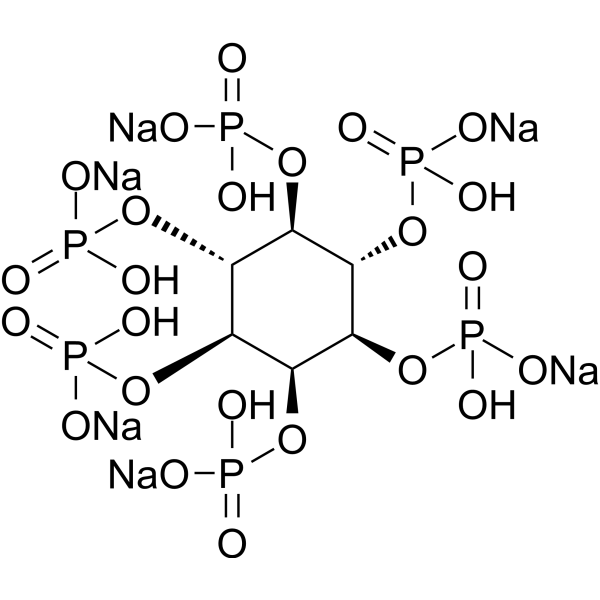
Phytic acid (Inositol hexaphosphate) hexasodium is a phosphorus storage compound of seeds and cereal grains. Phytic acid hexasodium has a strong ability to chelate multivalent metal ions, specially zinc, calcium, iron and as with protein residue. Phytic acid hexasodium inhibits the enzymatic superoxide source xanthine oxidase (XO), and has antioxidative, neuroprotective, anti-inflammatory effects.
|
-
-
- HY-W140537
-
|
|
Biochemical Assay Reagents
|
Others
|
|
EDTA diammonium salt hydrate, 97% is a derivative of ethylenediaminetetraacetic acid (EDTA), commonly used as a chelating agent in various applications due to its ability to bind with various metal ions and form stable complexes.
|
-

-
- HY-W034576
-
|
Hexaaza-18-crown-6 hexahydrochloride; 1,4,7,10,13,16-Hexaazacyclooctadecane hexahydrochloride
|
Biochemical Assay Reagents
|
Cancer
|
|
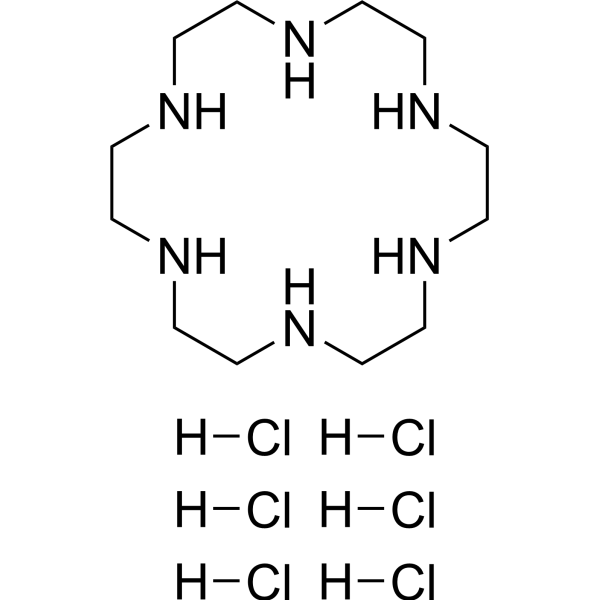
Hexacyclen (Cycloalkene) is an organic compound with a unique macrocyclic structure composed of six nitrogen-containing rings. Hexacyclen is commonly used as a chelating agent in chemistry and biochemistry due to its ability to bind metal ions, and is often used to selectively bind metal ions in proteins or enzymes to study their structure and function. Hexacyclen also acts as an inhibitor of cancer .
|
-
-
- HY-149984
-
|
|
Monoamine Oxidase
|
Neurological Disease
Inflammation/Immunology
|
|
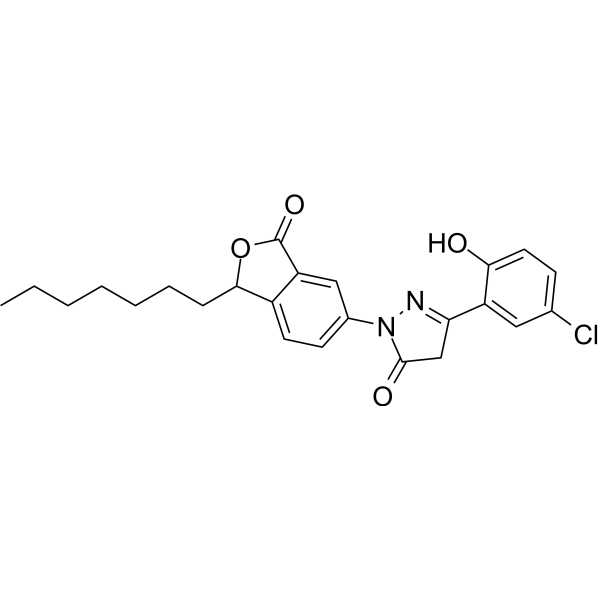
MAO-B-IN-21 is an excellent MAO-B inhibitor with antioxidant activity and anti-Aβ aggregation activity. MAO-B-IN-21 also exhibits metal-ion chelating ability, anti-neuroinflammation (NO, TNF-α), neuroprotective activity and BBB permeability. MAO-B-IN-21 significantly improves the memory and cognitive impairment in Aβ1-42 induced Alzheimer's disease mice model .
|
-
-
- HY-W034566A
-
|
Hexaaza-18-crown-6 trisulfate; 1,4,7,10,13,16-Hexaazacyclooctadecane trisulfate
|
Biochemical Assay Reagents
|
Others
|
|
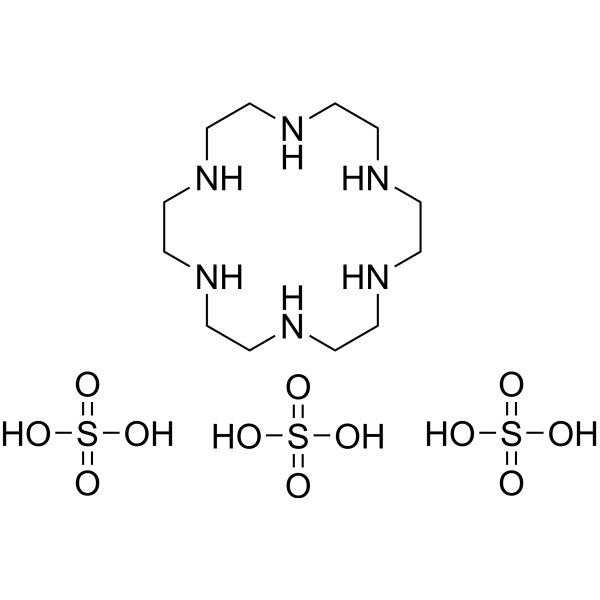
Hexacyclen, also known as cycloalkene, is an organic compound with a unique macrocyclic structure composed of six nitrogen-containing rings. It is commonly used as a chelating agent in chemistry and biochemistry due to its ability to bind metal ions. Inhibitors of certain diseases such as cancer. In biochemistry, Hexacyclen is often used to selectively bind metal ions in proteins or enzymes to study their structure and function. Due to its large size and complex structure, Hexacyclen is not widely used in daily products or applications.
|
-
-
- HY-168301
-
|
|
Cholinesterase (ChE)
Amyloid-β
|
Neurological Disease
|
|
CL-13 is a butyrylcholinesterase (BChE) inhibitor, with an IC50 of 1.15 μM, and a selectivity index (SI) of 9.2 for acetylcholinesterase. CL-13 shows antioxidant activity in SH-SY5Y cells (DPPH EC50 = 47.01 μM) and has the ability to chelate metals involved in Aβ aggregation and/or oxidative stress, showing no neurotoxicity at 50 μM. CL-13 can reverse cognitive impairment caused by scopolamine (HY-N0296) without affecting the mice's motor skills .
|
-

-
- HY-155085
-
|
|
Monoamine Oxidase
Amyloid-β
Cholinesterase (ChE)
|
Neurological Disease
|
|
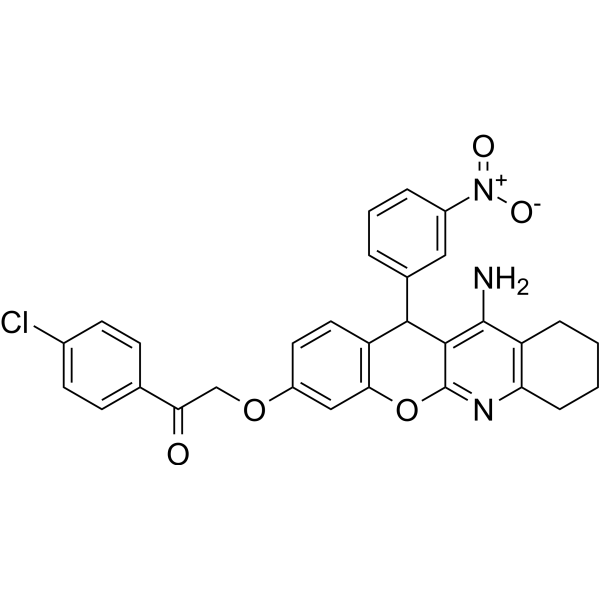
hAChE-IN-3 (compounds 5c) is a potent and blood-brain barrier permeable AChE, BuChE, MAO-B-IN-1 and BACE-1 inhibitor, with IC50 values of 0.44, 0.08, 5.15 and 0.38 μM, respectively. hAChE-IN-3 has antioxidant activity and metal chelating ability. In addition, hAChE-IN-3 can bind to peripheral anion sites, and affect β amyloid and reduce Alzheimer's-associated neurodegeneration. hAChE-IN-3 has the potential for the research of Alzheimer's disease .
|
-
-
- HY-162933
-
|
|
Cholinesterase (ChE)
|
Metabolic Disease
|
|
AChE-IN-77 (5d) is a potent AChE and BACE1 inhibitor, with IC50 values of 29.46 µM ans 2.85 µM for AChE and BACE1 in vitro metal chelating ability against Fe 3+ .
|
-

-
- HY-182788
-
|
|
GSK-3
Tau Protein
Amyloid-β
β-catenin
|
Neurological Disease
|
|
Multitarget AD-IN-7 is an orally active multi-target anti-AD compound. Multitarget AD-IN-7 exhibits inhibitory activity against GSK-3β and GSK-3α (IC50 = 0.66, 0.83 nM). Multitarget AD-IN-7 upregulates the expression of p-GSK-3β-Ser9, inhibits the phosphorylation of tau-Ser396, targets Aβ1-42, chelates pathogenic metal ions, scavenges ABTS•+, upregulates the expression of β-catenin and neurogenesis biomarkers, and promotes neurite outgrowth. Multitarget AD-IN-7 improves motor ability in Alzheimer's disease zebrafish. Multitarget AD-IN-7 is applicable to research related to Alzheimer's disease .
|
-

| Cat. No. |
Product Name |
Type |
-
- HY-W018746
-
|
Ethylenediaminetetraacetic acid disodium
|
Biochemical Assay Reagents
|
|
EDTA disodium salt, also known as ethylenediaminetetraacetic acid disodium, belongs to the chelating agent category, which is formed by chelating a central metal ion with four carboxylate groups and two amine groups. This compound, with its ability to bind and chelate metal ions such as calcium, magnesium and iron, is commonly used in a variety of applications, including industrial, medical and research settings. It is used as a preservative in food and beverage, as a stabilizer in medicine, as a chelating agent in water treatment, and as a reagent in biochemical and biomedical research. In addition, EDTA disodium salt has been studied for potential research effects such as improving heavy metal poisoning and cardiovascular disease.
|
-
- HY-W035903
-
|
2-Aminoethanol hydrochloride
|
Biochemical Assay Reagents
|
|
Ethanolamine hydrochloride, is an organic compound used in various industrial applications. It is a white or colorless solid that is soluble in water and has a faint odor. One of the major uses of Ethanolamine hydrochloride is in the production of detergents and surfactants. Used as a raw material in the manufacture of compounds such as ethylenediaminetetraacetic acid (EDTA) and diethanolamine, which are commonly used in household and industrial cleaning products. Ethanolamine hydrochloride is also used in the synthesis of pharmaceuticals, agrochemicals and rubber processing agents. It acts as a buffer in certain chemical reactions, helping to adjust pH and maintain stability. Ethanolamine hydrochloride can be used for gas purification and metal corrosion inhibitor. Its ability to react with acid gases such as carbon dioxide and sulfur dioxide makes it useful for removing impurities from natural gas and other industrial gases. Overall, Ethanolamine hydrochloride is a multifunctional compound with many potential industrial applications. Its ability to act as a buffer, chelating agent, and corrosion inhibitor makes it an important tool in a variety of industries.
|
-
- HY-W013178
-
|
|
Biochemical Assay Reagents
|
|
DCTA monohydrate is an organic acid. DCTA refers to N,N,N',N' -tetraacetic acid, which has a strong chelating ability. DCTA monohydrate can be used as a chelating agent and coordination reagent for metal ions. DCTA monohydrate, for example, forms stable complexes with many metal ions, including calcium, magnesium and zinc. DCTA modified with ethylene glycol is selective to calcium ions in the presence of magnesium ions .
|
-
- HY-W034566
-
|
Hexaaza-18-crown-6; 1,4,7,10,13,16-Hexaazacyclooctadecane
|
Biochemical Assay Reagents
|
|
Hexacyclen is an organic compound with a unique macrocyclic structure composed of six nitrogen-containing rings. It is commonly used as a chelating agent in chemistry and biochemistry due to its ability to bind metal ions. Inhibitors of certain diseases such as cancer. In biochemistry, Hexacyclen is often used to selectively bind metal ions in proteins or enzymes to study their structure and function. Due to its large size and complex structure, Hexacyclen is not widely used in daily products or applications .
|
-
- HY-W013851
-
|
|
Biochemical Assay Reagents
|
|
EDTA-OH is a chelating agent, which forms thermodynamically stable chelates with metal ions like calcium, magnesium, iron, zinc and copper . EDTA-OH exhibits ability of phytoremediation in heavy-metal-contaminated soils . EDTA-OH is able to cross brain-blood barrier .
|
-
- HY-158067
-
|
DFO-DBCO
|
Biochemical Assay Reagents
|
|
Deferoxamine-DBCO is a bifunctional chelating agent. Deferoxamine-DBCO efficiently chelates with radioactive metals (such as 89Zr) through the DFO structure to achieve radiolabeling. Deferoxamine-DBCO undergoes a metal-free Huisgen cycloaddition reaction with azide-containing biomolecules (such as siRNA, monoclonal antibodies) under bioorthogonal conditions through the DBCO structure to achieve targeted coupling. Deferoxamine-DBCO has efficient metal chelating ability and specific bioorthogonal reaction activity. Deferoxamine-DBCO can be used for targeted radioactive imaging studies of tumors .
|
-
- HY-W018746R
-
|
Ethylenediaminetetraacetic acid disodium (Standard)
|
Biochemical Assay Reagents
|
|
EDTA (disodium) (Standard) is the analytical standard of EDTA (disodium). This product is intended for research and analytical applications. EDTA disodium salt, also known as ethylenediaminetetraacetic acid disodium, belongs to the chelating agent category, which is formed by chelating a central metal ion with four carboxylate groups and two amine groups. This compound, with its ability to bind and chelate metal ions such as calcium, magnesium and iron, is commonly used in a variety of applications, including industrial, medical and research settings. It is used as a preservative in food and beverage, as a stabilizer in medicine, as a chelating agent in water treatment, and as a reagent in biochemical and biomedical research. In addition, EDTA disodium salt has been studied for potential research effects such as improving heavy metal poisoning and cardiovascular disease.
|
-
- HY-158072
-
|
|
Biochemical Assay Reagents
|
|
DOTAM-NHS-ester is a bifunctional chelator and a macrocyclic DOTA derivative used for tumor pre-targeting. DOTAM-NHS-ester combines the efficient metal chelating ability of DOTAM macrocyclic ligands with the bioconjugation function of NHS ester active groups, and can be widely used in the biomedical field for metal labeling, molecular imaging and drug delivery development .
|
-
- HY-W133934A
-
|
|
Biochemical Assay Reagents
|
|
EDTA magnesium disodium, 99% is a chelating agent with the ability to effectively bind metal ions (including calcium, magnesium, and iron) and remove them from solution.
|
-
- HY-W140537
-
|
|
Biochemical Assay Reagents
|
|
EDTA diammonium salt hydrate, 97% is a derivative of ethylenediaminetetraacetic acid (EDTA), commonly used as a chelating agent in various applications due to its ability to bind with various metal ions and form stable complexes.
|
-
- HY-W034576
-
|
Hexaaza-18-crown-6 hexahydrochloride; 1,4,7,10,13,16-Hexaazacyclooctadecane hexahydrochloride
|
Biochemical Assay Reagents
|
|
Hexacyclen (Cycloalkene) is an organic compound with a unique macrocyclic structure composed of six nitrogen-containing rings. Hexacyclen is commonly used as a chelating agent in chemistry and biochemistry due to its ability to bind metal ions, and is often used to selectively bind metal ions in proteins or enzymes to study their structure and function. Hexacyclen also acts as an inhibitor of cancer .
|
-
- HY-W034566A
-
|
Hexaaza-18-crown-6 trisulfate; 1,4,7,10,13,16-Hexaazacyclooctadecane trisulfate
|
Biochemical Assay Reagents
|
|
Hexacyclen, also known as cycloalkene, is an organic compound with a unique macrocyclic structure composed of six nitrogen-containing rings. It is commonly used as a chelating agent in chemistry and biochemistry due to its ability to bind metal ions. Inhibitors of certain diseases such as cancer. In biochemistry, Hexacyclen is often used to selectively bind metal ions in proteins or enzymes to study their structure and function. Due to its large size and complex structure, Hexacyclen is not widely used in daily products or applications.
|
| Cat. No. |
Product Name |
Target |
Research Area |
-
- HY-W013494R
-
|
|
Reference Standards
Endogenous Metabolite
|
Metabolic Disease
Cancer
|
L-Carnosine (Standard) is the analytical standard of L-Carnosine. This product is intended for research and analytical applications. L-Carnosine is a dipeptide of the amino acids beta-alanine and histidine and has the potential to suppress many of the biochemical changes that accompany aging.
In Vitro: L-Carnosine is a dipeptide of the amino acids beta-alanine and histidine and has the potential to suppress many of the biochemical changes that accompany aging .
L-Carnosine also exhibits some antioxidant effects. The antioxidant mechanism of L-Carnosine is attributed to its chelating effect against metal ions, superoxide dismutase (SOD)-like activity, and ROS and free radicals scavenging ability .
|
| Cat. No. |
Product Name |
Category |
Target |
Chemical Structure |
-
- HY-N0814A
-
|
Inositol hexaphosphate dodecasodium hydrate; SNF472 dodecasodium hydrate
|
other families
Ketones, Aldehydes, Acids
Plants
Endogenous metabolite
Source Classification
|
Xanthine Oxidase
Endogenous Metabolite
|
|
Phytic acid (Inositol hexaphosphate) dodecasodium hydrate is a phosphorus storage compound of seeds and cereal grains. Phytic acid dodecasodium hydrate is known as a food inhibitor, which has a strong ability to chelate multivalent metal ions, specially zinc, calcium, iron and as with protein residue. Phytic acid dodecasodium hydrate inhibits the enzymatic superoxide source xanthine oxidase (XO), and has antioxidative, neuroprotective, anti-inflammatory effects .
|
-
-
- HY-W013494R
-
-
-
- HY-N0814B
-
|
Inositol hexaphosphate hexasodium; SNF472
|
other families
Ketones, Aldehydes, Acids
Plants
Source Classification
|
Xanthine Oxidase
Endogenous Metabolite
|
|
Phytic acid (Inositol hexaphosphate) hexasodium is a phosphorus storage compound of seeds and cereal grains. Phytic acid hexasodium has a strong ability to chelate multivalent metal ions, specially zinc, calcium, iron and as with protein residue. Phytic acid hexasodium inhibits the enzymatic superoxide source xanthine oxidase (XO), and has antioxidative, neuroprotective, anti-inflammatory effects.
|
-
| Cat. No. |
Product Name |
|
Classification |
-
- HY-158067
-
|
DFO-DBCO
|
|
DBCO
|
|
Deferoxamine-DBCO is a bifunctional chelating agent. Deferoxamine-DBCO efficiently chelates with radioactive metals (such as 89Zr) through the DFO structure to achieve radiolabeling. Deferoxamine-DBCO undergoes a metal-free Huisgen cycloaddition reaction with azide-containing biomolecules (such as siRNA, monoclonal antibodies) under bioorthogonal conditions through the DBCO structure to achieve targeted coupling. Deferoxamine-DBCO has efficient metal chelating ability and specific bioorthogonal reaction activity. Deferoxamine-DBCO can be used for targeted radioactive imaging studies of tumors .
|
Your information is safe with us. * Required Fields.
Inquiry Information
- Product Name:
- Cat. No.:
- Quantity:
- MCE Japan Authorized Agent:








