1. Search Result
Search Result
Pathways Recommended: Neuronal Signaling
Results for "

neuronal norepinephrine

" in MedChemExpress (MCE) Product Catalog:

18

Inhibitors & Agonists

3

Isotope-Labeled Compounds

Cat. No. Product Name Target Research Areas Chemical Structure
  • HY-B1272
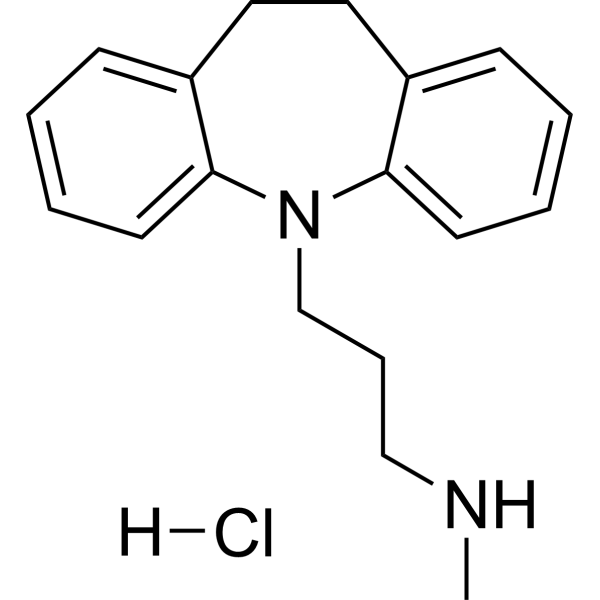
    Desipramine hydrochloride
    Maximum Cited Publications
    15 Publications Verification

    Adrenergic Receptor ERK JNK p38 MAPK NF-κB AP-1 Apoptosis Reactive Oxygen Species (ROS) Mitochondrial Metabolism TNF Receptor Neurological Disease Inflammation/Immunology Cancer
    Desipramine hydrochloride is a first-generation tricyclic antidepressant. Desipramine hydrochloride selectively binds to norepinephrine transporter and blocks neuronal norepinephrine reuptake. Desipramine hydrochloride activates MAPK signaling via ERK1/2, JNK, and p38, represses NF-κB and AP-1 activity, and induces apoptosis via ROS elevation, mitochondrial membrane potential reduction, and intracellular calcium increase. Desipramine hydrochloride also shows anyi-inflammatory activity, inhibiting TNF-α production. Desipramine hydrochloride can be used for the research of hepatocellular cancer, inflammation, and neurological diseases .
    Desipramine hydrochloride
  • HY-14542A
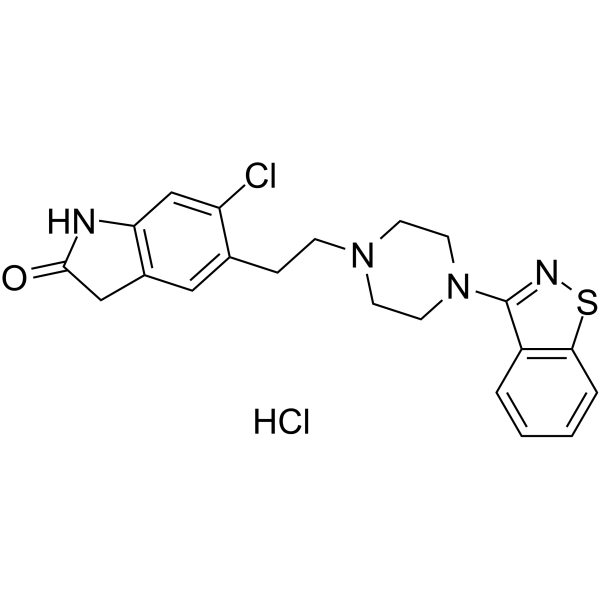
    Ziprasidone hydrochloride
    3 Publications Verification

    CP-88059 hydrochloride

    5-HT Receptor Dopamine Receptor Neurological Disease
    Ziprasidone (CP-88059) hydrochloride is an orally active combined 5-HT and dopamine receptor antagonist . Ziprasidone hydrochloride has affinities for Rat D2 (Ki=4.8 nM), 5-HT2A (Ki=0.42 nM) and 5-HT1A (Ki=3.4 nM) .
    Ziprasidone hydrochloride
  • HY-U00050

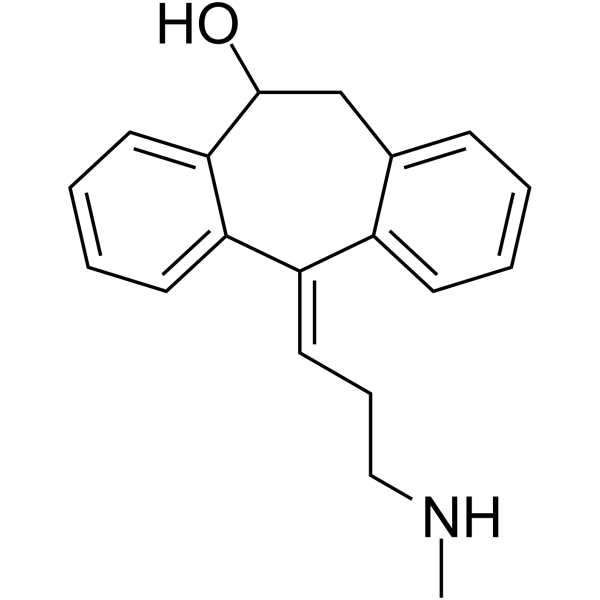
    E-10-OH-NT

    Drug Metabolite Adrenergic Receptor mAChR Neurological Disease
    (E)-10-Hydroxynortriptyline (E-10-OH-NT) is a blood-brain barrier-permeable norepinephrine uptake inhibitor. (E)-10-Hydroxynortriptyline effectively promotes central norepinephrine neuronal transmission, with little interindividual variation in in vivo potency. (E)-10-Hydroxynortriptyline has low affinity for muscarinic receptors, exhibits only extremely weak anticholinergic activity, and does not inhibit salivary secretion. (E)-10-Hydroxynortriptyline can be used in studies related to depression .
    (E)-10-Hydroxynortriptyline
  • HY-135115

    3,4-DHPEA-EA

    α-synuclein HDAC Adrenergic Receptor Inflammation/Immunology
    Oleuropein Aglycone (3,4-DHPEA-EA) is a polyphenol and the aglycone form of oleuropein (HY-N0292), formed by enzymatic, acidic or acetylated hydrolysis of oleuropein. Dietary intake of oleuropein Aglycone (50 mg/kg diet) increases the number of neuronal autophagic vesicles, reverses cognitive deficits in the TgCRND8 transgenic mouse model of Alzheimer's disease, and reduces the levels of histone deacetylase 2 (HDAC2) in the cortex and hippocampus. Oleuropein Aglycone increases urinary norepinephrine, interscapular brown adipose tissue epinephrine, and UCP1 protein levels, and reduced plasma leptin levels and total abdominal adipose tissue weight in a rat model of high-fat diet-induced obesity. Oleuropein Aglycone also reduced lung neutrophil infiltration, lipid peroxidation, and IL-1β levels in a mouse model of carrageenan-induced pleurisy.
    Oleuropein Aglycone
  • HY-B1272A

    Adrenergic Receptor ERK JNK p38 MAPK NF-κB AP-1 Apoptosis Reactive Oxygen Species (ROS) Mitochondrial Metabolism TNF Receptor Neurological Disease Inflammation/Immunology Cancer
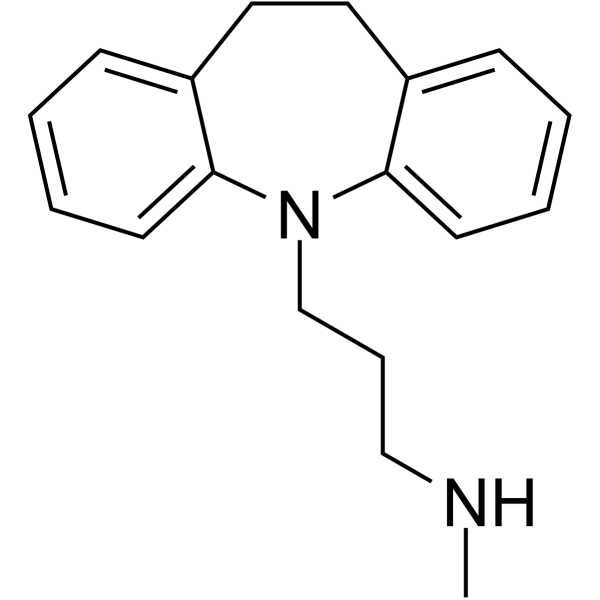
    Desipramine is a first-generation tricyclic antidepressant. Desipramine selectively binds to norepinephrine transporter and blocks neuronal norepinephrine reuptake. Desipramine activates MAPK signaling via ERK1/2, JNK, and p38, represses NF-κB and AP-1 activity, and induces apoptosis via ROS elevation, mitochondrial membrane potential reduction, and intracellular calcium increase. Desipramine also shows anyi-inflammatory activity, inhibiting TNF-α production. Desipramine can be used for the research of hepatocellular cancer, inflammation, and neurological diseases .
    Desipramine
  • HY-116211

    WIN-25978

    Biochemical Assay Reagents Neurological Disease
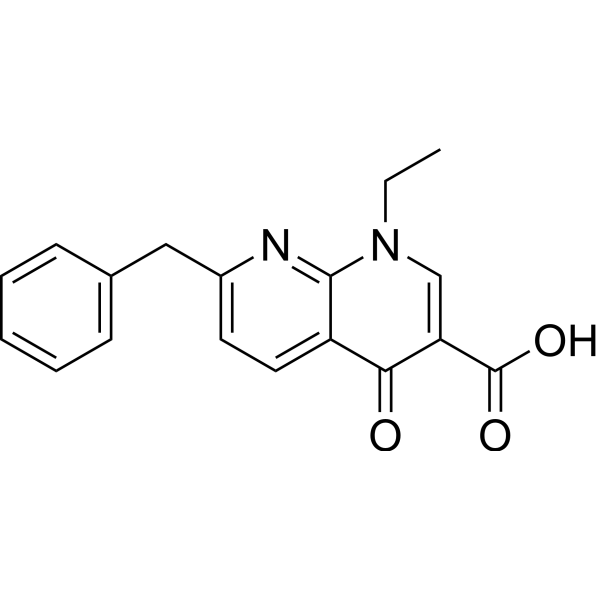
    Amfonelic acid (WIN-25978) is a highly selective dopamine reuptake inhibitor. Amfonelic acid interferes with the in vitro neuronal uptake of norepinephrine in the iris of rats, but does not alter the concentrations of norepinephrine or dopamine in the whole mouse brain. Amfonelic acid can be used as a pharmacological tool to study the brain reward system, dopamine pathway and dopamine transporter .
    Amfonelic acid
  • HY-18610A

    Ro 8-4650

    Dopamine Transporter Adrenergic Receptor 5-HT Receptor Neurological Disease
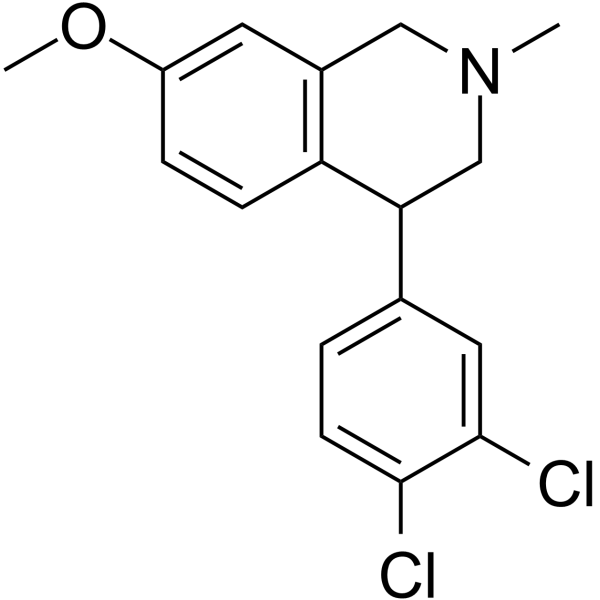
    Diclofensine (Ro 8-46500) is an orally active neuronal monoamine uptake inhibitor. Diclofensine blocks the uptake of dopamine, noradrenaline, and serotonin by rat brain synaptosomes with IC50 values of 0.74, 2.3 and 3.7 nM, respectively. Diclofensine potentiates norepinephrine-induced hypertension and attenuates Tyramine (HY-W007606)-induced hypertension. Diclofensine produces psychostimulant and mood-elevating effects without causing sudden disappearance or withdrawal reactions. Diclofensine can be used in the research of moderate to severe depression .
    Diclofensine
  • HY-B1272R

    Reference Standards Adrenergic Receptor ERK JNK p38 MAPK NF-κB AP-1 Apoptosis Reactive Oxygen Species (ROS) Mitochondrial Metabolism TNF Receptor Neurological Disease Inflammation/Immunology Cancer
    Desipramine hydrochloride (Standard) is the analytical standard of Desipramine hydrochloride (HY-B1272). This product is intended for research and analytical applications. Desipramine hydrochloride is a first-generation tricyclic antidepressant. Desipramine hydrochloride selectively binds to norepinephrine transporter and blocks neuronal norepinephrine reuptake. Desipramine hydrochloride activates MAPK signaling via ERK1/2, JNK, and p38, represses NF-κB and AP-1 activity, and induces apoptosis via ROS elevation, mitochondrial membrane potential reduction, and intracellular calcium increase. Desipramine hydrochloride also shows anyi-inflammatory activity, inhibiting TNF-α production. Desipramine hydrochloride can be used for the research of hepatocellular cancer, inflammation, and neurological diseases .
    Desipramine hydrochloride (Standard)
  • HY-118387

    Potassium Channel Cardiovascular Disease
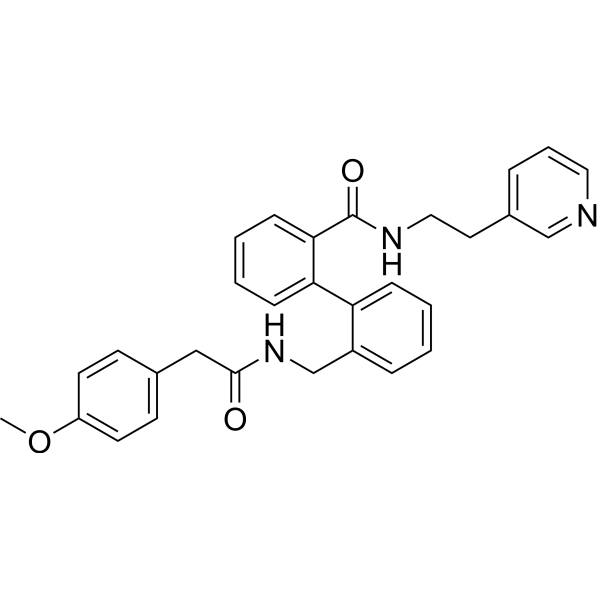
    AVE-0118 is a Kv1.5 potassium channel blocker and antiarrhythmic agent. AVE-0118 blocks neuronal Kv1.5 potassium channels, thereby enhancing the release of norepinephrine. AVE-0118 enhances field stimulation-induced neurogenic contraction, an effect sensitive to α1-adrenergic receptor blockade. AVE-0118 terminates persistent atrial fibrillation in some dogs. AVE-0118 is applicable to research related to atrial fibrillation and persistent atrial fibrillation .
    AVE-0118
  • HY-18610

    Ro 8-4650 hydrochloride

    Dopamine Transporter Adrenergic Receptor 5-HT Receptor Neurological Disease
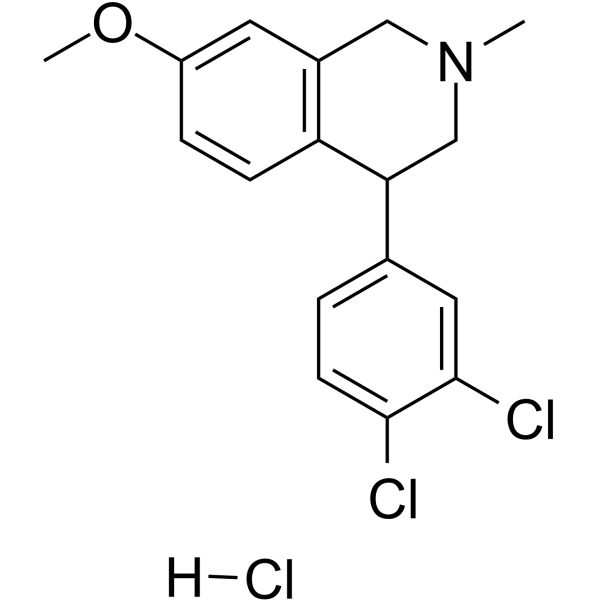
    Diclofensine (Ro 8-46500) hydrochloride is an orally active neuronal monoamine uptake inhibitor. Diclofensine hydrochloride blocks the uptake of dopamine, noradrenaline, and serotonin by rat brain synaptosomes with IC50 values of 0.74, 2.3 and 3.7 nM, respectively. Diclofensine hydrochloride potentiates norepinephrine-induced hypertension and attenuates Tyramine (HY-W007606)-induced hypertension. Diclofensine hydrochloride produces psychostimulant and mood-elevating effects without causing sudden disappearance or withdrawal reactions. Diclofensine hydrochloride can be used in the research of moderate to severe depression .
    Diclofensine hydrochloride
  • HY-W982195

    Adrenergic Receptor 5-HT Receptor Neurological Disease
    Napamezole hydrochloride is an orally active α-2 adrenergic receptor antagonist and serotonin (5-HT Receptor) reuptake inhibitor, with Ki values of 28 nM and 93 nM for rat α-2 and α-1 adrenergic receptors, respectively. Napamezole hydrochloride can be used for the research of depression .
    Napamezole hydrochloride
  • HY-118064A

    LY-368975 hydrochloride

    Monoamine Transporter Neurological Disease
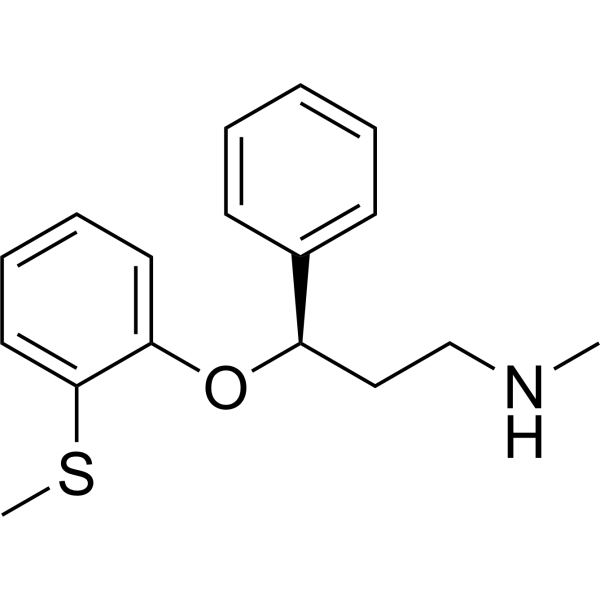
    (R)-Thionisoxetine hydrochloride (LY-368975 hydrochloride) is a potent and selective central and peripheral norepinephrine (NE) uptake inhibitor. (R)-Thionisoxetine hydrochloride prevents 6-hydroxydopamine-induced hypothalamic NE depletion with an ED50 of 0.21 mg/kg. (R)-Thionisoxetine hydrochloride can be used in the study of a variety of diseases, including depression and urinary incontinence .
    (R)-Thionisoxetine hydrochloride
  • HY-118064

    LY-368975

    Dopamine Receptor Neurological Disease
    (R)-Thionisoxetine is a potent and selective inhibitor of central and peripheral norepinephrine (NE) uptake. (R)-thionisoxetine prevented hypothalamic NE depletion by 6-hydroxydopamine with an ED50 of 0.21 mg/kg. (R)-Thionisoxetine can be used for the research of a variety of diseases including depression and urinary incontinence .
    (R)-Thionisoxetine
  • HY-164009

    Adrenergic Receptor Dopamine Receptor 5-HT Receptor Neurological Disease
    Teniloxazine is an inhibitor for norepinephrine neuronal reuptake and an weak inhibitor for reuptake of Serotonin (HY-B1473A) and Dopamine (HY-B0451). Teniloxazine exhibits antidepressant, antihypoxic and anti-amnestic properties without anticholinergic, sedative, and cardiovascular adverse effects .
    Teniloxazine
  • HY-B1272AS

    Adrenergic Receptor ERK JNK p38 MAPK NF-κB AP-1 Apoptosis Reactive Oxygen Species (ROS) Mitochondrial Metabolism TNF Receptor Neurological Disease Inflammation/Immunology Cancer
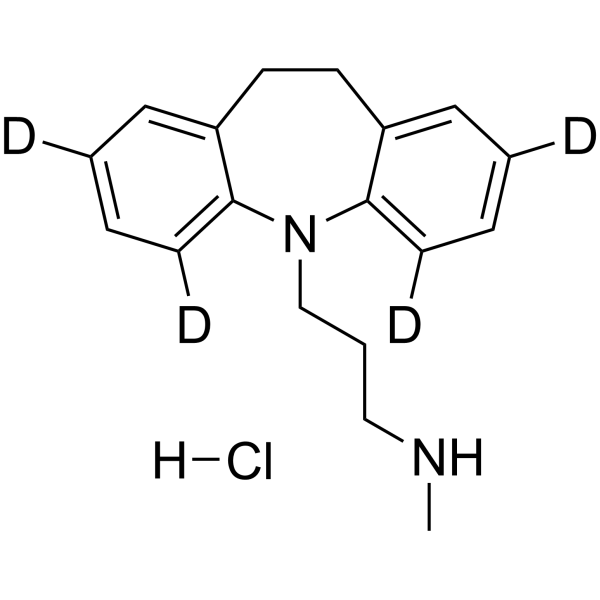
    Desipramine-d4 is the deuterium labeled Desipramine (HY-B1272A). Desipramine is a first-generation tricyclic antidepressant. Desipramine selectively binds to norepinephrine transporter and blocks neuronal norepinephrine reuptake. Desipramine activates MAPK signaling via ERK1/2, JNK, and p38, represses NF-κB and AP-1 activity, and induces apoptosis via ROS elevation, mitochondrial membrane potential reduction, and intracellular calcium increase. Desipramine also shows anyi-inflammatory activity, inhibiting TNF-α production. Desipramine can be used for the research of hepatocellular cancer, inflammation, and neurological diseases .
    Desipramine-d4
  • HY-B1272AS1

    Isotope-Labeled Compounds Adrenergic Receptor ERK JNK p38 MAPK NF-κB AP-1 Apoptosis Reactive Oxygen Species (ROS) Mitochondrial Metabolism TNF Receptor Neurological Disease Inflammation/Immunology Cancer
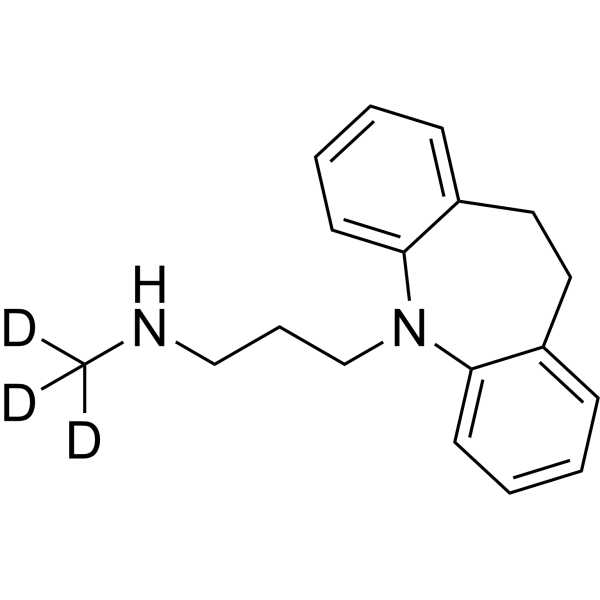
    Desipramine-d3 is the deuterium labeled Desipramine (HY-B1272A). Desipramine is a first-generation tricyclic antidepressant. Desipramine selectively binds to norepinephrine transporter and blocks neuronal norepinephrine reuptake. Desipramine activates MAPK signaling via ERK1/2, JNK, and p38, represses NF-κB and AP-1 activity, and induces apoptosis via ROS elevation, mitochondrial membrane potential reduction, and intracellular calcium increase. Desipramine also shows anyi-inflammatory activity, inhibiting TNF-α production. Desipramine can be used for the research of hepatocellular cancer, inflammation, and neurological diseases .
    Desipramine-d3
  • HY-18610R

    Ro 8-4650 hydrochloride (Standard)

    Reference Standards Dopamine Transporter Adrenergic Receptor 5-HT Receptor Neurological Disease
    Diclofensine (Ro 8-4650) hydrochloride (Standard) is the analytical standard of Diclofensine hydrochloride. This product is intended for research and analytical applications. Diclofensine hydrochloride is an orally active neuronal monoamine uptake inhibitor. Diclofensine hydrochloride blocks the uptake of dopamine, noradrenaline, and serotonin by rat brain synaptosomes with IC50 values of 0.74, 2.3 and 3.7 nM, respectively. Diclofensine hydrochloride potentiates norepinephrine-induced hypertension and attenuates Tyramine (HY-W007606)-induced hypertension. Diclofensine hydrochloride produces psychostimulant and mood-elevating effects without causing sudden disappearance or withdrawal reactions. Diclofensine hydrochloride can be used in the research of moderate to severe depression.
    Diclofensine hydrochloride (Standard)
  • HY-18610S

    Isotope-Labeled Compounds Dopamine Transporter Adrenergic Receptor 5-HT Receptor Neurological Disease
    Diclofensine-d3 (Ro-8-4650-d3) hydrochloride is the deuterium labeled Diclofensine hydrochloride. Diclofensine hydrochloride is an orally active neuronal monoamine uptake inhibitor. Diclofensine hydrochloride blocks the uptake of dopamine, noradrenaline, and serotonin by rat brain synaptosomes with IC50 values of 0.74, 2.3 and 3.7 nM, respectively. Diclofensine hydrochloride potentiates norepinephrine-induced hypertension and attenuates Tyramine (HY-W007606)-induced hypertension. Diclofensine hydrochloride produces psychostimulant and mood-elevating effects without causing sudden disappearance or withdrawal reactions. Diclofensine hydrochloride can be used in the research of moderate to severe depression.
    Diclofensine-d3 hydrochloride

Inquiry Online

Your information is safe with us. * Required Fields.

Salutation


Country or Region *

Applicant Name *


Organization Name *

Department *


Email Address *


Product Name *

Cat. No.


Requested quantity *

Phone Number *


Remarks

Inquiry Online

Inquiry Information

Product Name:
Cat. No.:
Quantity:
MCE Japan Authorized Agent:

