1. Search Result
Search Result
Results for "

steroid biosynthesis

" in MedChemExpress (MCE) Product Catalog:

20

Inhibitors & Agonists

3

Natural
Products

3

Isotope-Labeled Compounds

Targets Recommended:
Cat. No. Product Name Target Research Areas Chemical Structure
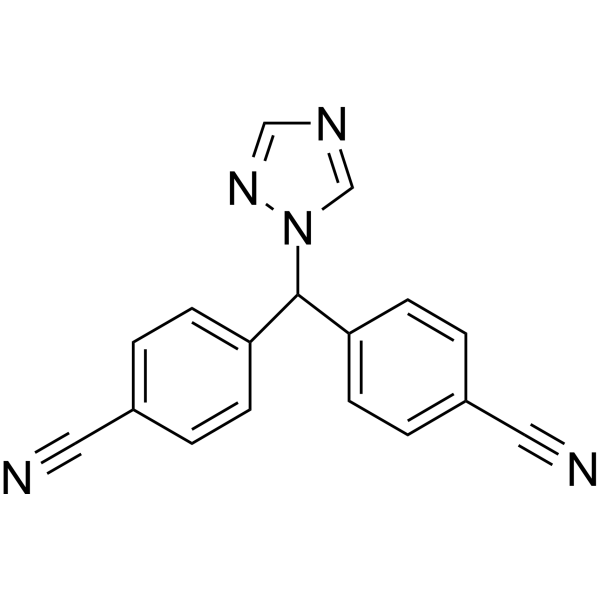
  • HY-14248
    Letrozole
    15+ Cited Publications

    CGS 20267

    Cytochrome P450 Autophagy Cancer
    Letrozole (CGS 20267) is a potent, selective, reversible and orally active non-steroidal inhibitor of aromatase, with an IC50 of 11.5 nM. Letrozole selective inhibits estrogen biosynthesis, and can be used for the research of breast cancer .
    Letrozole
  • HY-12502A
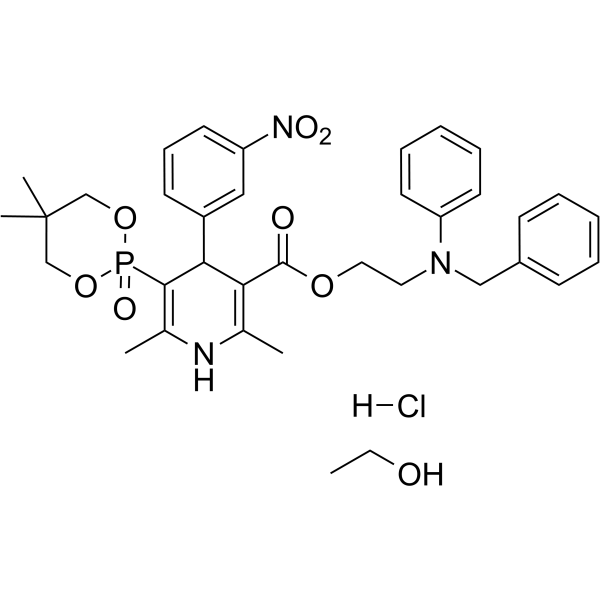
    Efonidipine hydrochloride monoethanolate
    1 Publications Verification

    NZ-105 hydrochloride monoethanolate; (±)-Efonidipine hydrochloride monoethanolate

    Calcium Channel SARS-CoV Cardiovascular Disease Neurological Disease Cancer
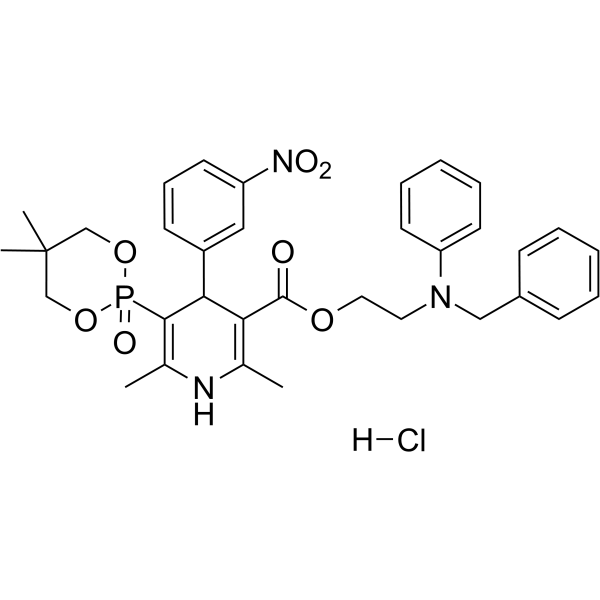
    Efonidipine (NZ-105) hydrochloride monoethanolate is an orally active dual L-type and T-type calcium channel blocker (CCB) with IC50 values of 1.8 and 350 nM, respectively. Efonidipine hydrochloride monoethanolate inhibits SARS-CoV-2 main protease. Efonidipine hydrochloride monoethanolate modulates adrenal steroidogenesis by increasing the expression of steroidogenic acute regulatory protein (StAR), dbcAMP-or angiotensin II-induced StAR mRNA expression and DHEA-S production, while suppressing the biosynthesis of aldosterone and cortisol. Efonidipine hydrochloride monoethanolate reduces plasma aldosterone levels in vivo. Efonidipine hydrochloride monoethanolate improves cardiac function in heart failure models by inhibiting T-type calcium channels (via both tonic and use-dependent blockade), independently of blood pressure reduction. Efonidipine hydrochloride monoethanolate can be used for research in hypertension, heart failure, and disorders involving dysregulated steroid hormone synthesis .
    Efonidipine hydrochloride monoethanolate
  • HY-B1162
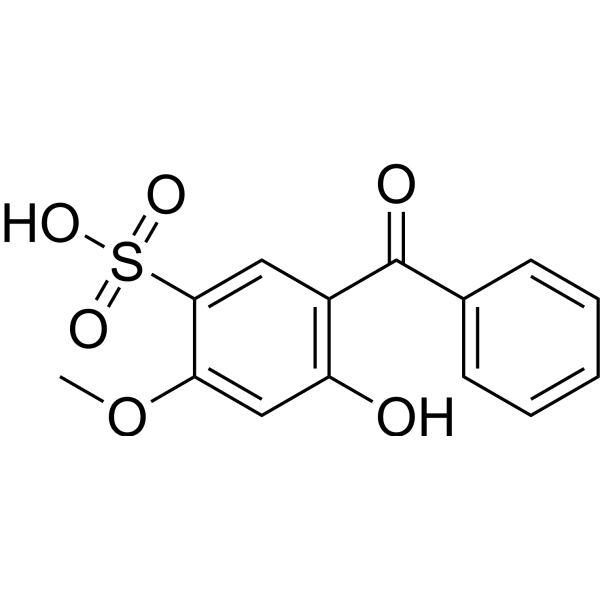
    Sulisobenzone
    1 Publications Verification

    Benzophenone-4

    Environmental Pollutants Biochemical Assay Reagents Metabolic Disease
    Sulisobenzone (Benzophenone-4) is a benzophenone-type UV filter. Sulisobenzone can act as a endocrine disrupting compound. Sulisobenzone disrupts energy metabolism, nucleotide synthesis, oxidative stress response, and endocrine function. Sulisobenzone thyroid hormone biosynthesis and induces oxidative stress .
    Sulisobenzone
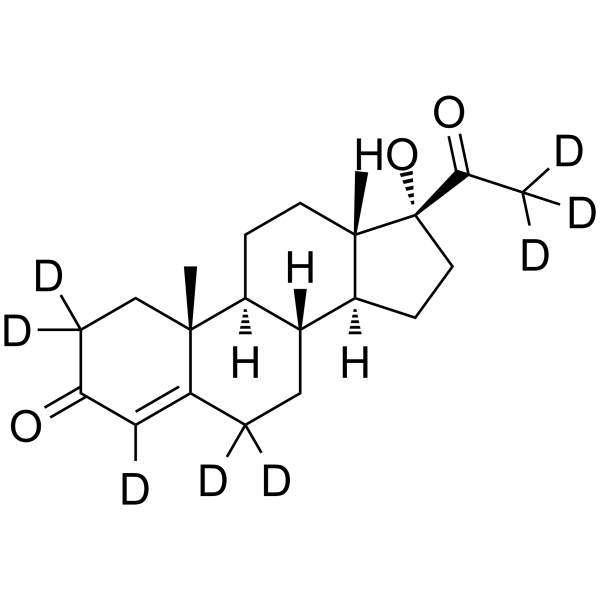
  • HY-B0891S

    17-Hydroxyprogesterone-d8; 17-OHP-d8

    Isotope-Labeled Compounds Progesterone Receptor Endogenous Metabolite Others
    17α-Hydroxyprogesterone-d8 is the deuterium labeled 17α-Hydroxyprogesterone. 17α-Hydroxyprogesterone (17-Hydroxyprogesterone) is an endogenous progestogen as well as chemical intermediate in the biosynthesis of other steroid hormones, including the corticosteroids and the androgens and the estrogens.
    17α-Hydroxyprogesterone-d8
  • HY-12502
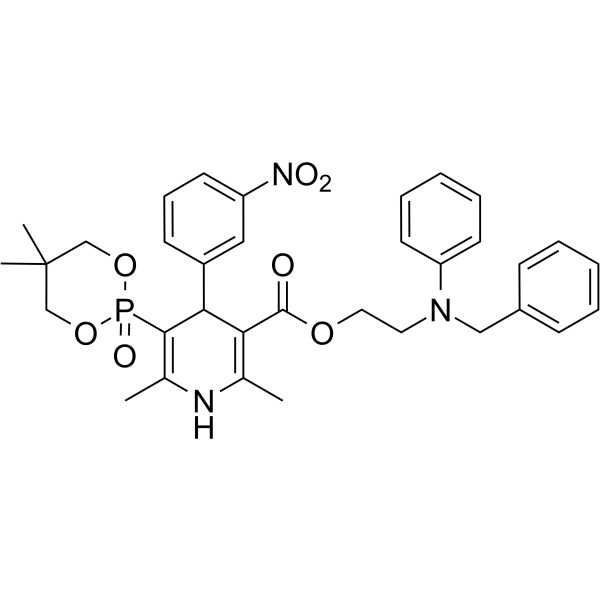
    Efonidipine
    1 Publications Verification

    NZ-105; (±)-Efonidipine

    Calcium Channel SARS-CoV Cardiovascular Disease Neurological Disease Cancer
    Efonidipine (NZ-105) is an orally active dual L-type and T-type calcium channel blocker (CCB) with IC50 values of 1.8 and 350 nM, respectively. Efonidipine inhibits SARS-CoV-2 main protease. Efonidipine modulates adrenal steroidogenesis by increasing the expression of steroidogenic acute regulatory protein (StAR), dbcAMP-or angiotensin II-induced StAR mRNA expression and DHEA-S production, while suppressing the biosynthesis of aldosterone and cortisol. Efonidipine reduces plasma aldosterone levels in vivo. Efonidipine improves cardiac function in heart failure models by inhibiting T-type calcium channels (via both tonic and use-dependent blockade), independently of blood pressure reduction. Efonidipine can be used for research in hypertension, heart failure, and disorders involving dysregulated steroid hormone synthesis .
    Efonidipine
  • HY-14248R

    CGS 20267 (Standard)

    Cytochrome P450 Reference Standards Autophagy Cancer
    Letrozole (Standard) is the analytical standard of Letrozole. This product is intended for research and analytical applications. Letrozole (CGS 20267) is a potent, selective, reversible and orally active non-steroidal inhibitor of aromatase, with an IC50 of 11.5 nM. Letrozole selective inhibits estrogen biosynthesis, and can be used for the research of breast cancer .
    Letrozole (Standard)
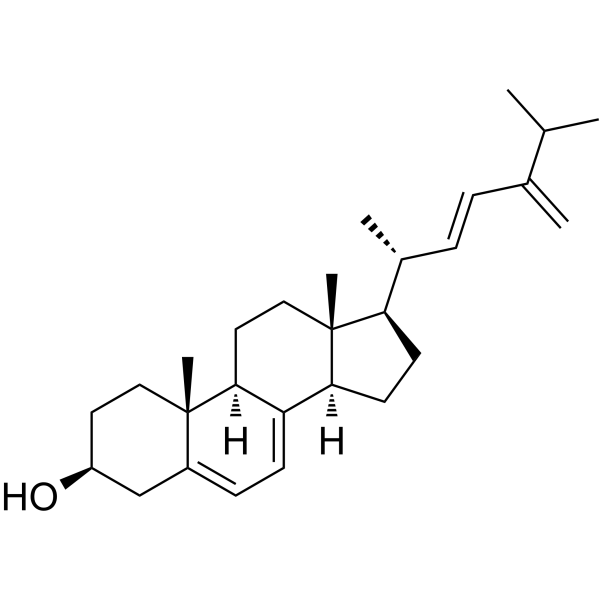
  • HY-130702

    Drug Derivative Others
    24(28)-Dehydroergosterol is a derivative of Episterol .
    24(28)-Dehydroergosterol
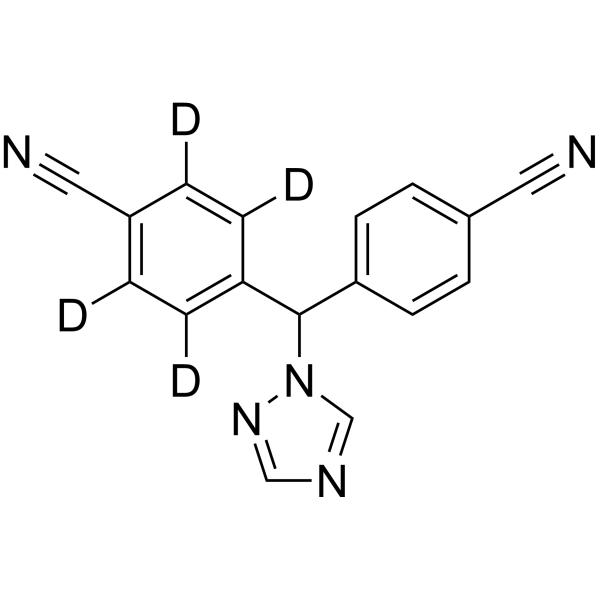
  • HY-14248S

    Isotope-Labeled Compounds Cytochrome P450 Autophagy Cancer
    Letrozole-d4 (CGS 20267-d4) is the deuterium labeled Letrozole. Letrozole (CGS 20267) is a potent, selective, reversible and orally active non-steroidal inhibitor of aromatase, with an IC50 of 11.5 nM. Letrozole selective inhibits estrogen biosynthesis, and can be used for the research of breast cancer .
    Letrozole-d4
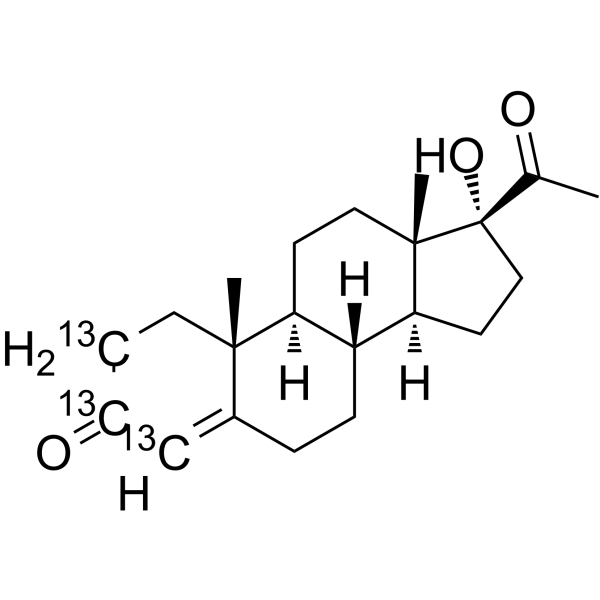
  • HY-B0891S1

    17-Hydroxyprogesterone-13C3; 17-OHP-13C3

    Isotope-Labeled Compounds Progesterone Receptor Endogenous Metabolite Others
    17α-Hydroxyprogesterone- 13C3 is the 13C-labeled 17α-Hydroxyprogesterone. 17α-Hydroxyprogesterone (17-Hydroxyprogesterone) is an endogenous progestogen as well as chemical intermediate in the biosynthesis of other steroid hormones, including the corticosteroids and the androgens and the estrogens.
    17α-Hydroxyprogesterone-13C3
  • HY-130703

    Fungal Infection
    5-Dehydroepisterol is an episterol derivative and an intermediate in steroid biosynthesis. 5-Dehydroepisterol can be formed by C-5 sterol desaturase and converted into 24-methylenecholesterol by 7-dehydrocholesterol reductase. 5-Dehydroepisterol has anti-fungal activities .
    5-Dehydroepisterol
  • HY-E70245

    Cholyl-coenzyme A

    Biochemical Assay Reagents Metabolic Disease
    Cholyl-CoA (Cholyl-coenzyme A) is a biologically active steroidal acyl-coenzyme A intermediate. Cholyl-CoA reacts with taurine in the presence of liver supernatant enzymes to promote the synthesis of taurocholic acid. Cholyl-CoA is formed by the activation of cholic acid with coenzyme A. Cholyl-CoA plays a key role in the biosynthesis, metabolism and conjugation reactions of bile acids .
    Cholyl-CoA
  • HY-113155A

    Drug Intermediate Neurological Disease
    17-Hydroxypregnenolone sulfate sodium is a key intermediate in adrenal and gonadal steroidogenesis. 17-Hydroxypregnenolone sulfate sodium acts as a precursor in the biosynthesis of steroid hormones (e.g., glucocorticoids, sex hormones). 17-Hydroxypregnenolone sulfate sodium is promising for research of adrenal function development and neurosteroid-related diseases (e.g., cognitive impairment, neurodegenerative diseases) .
    17-Hydroxypregnenolone sulfate sodium
  • HY-B2058

    Fungal Androgen Receptor Infection
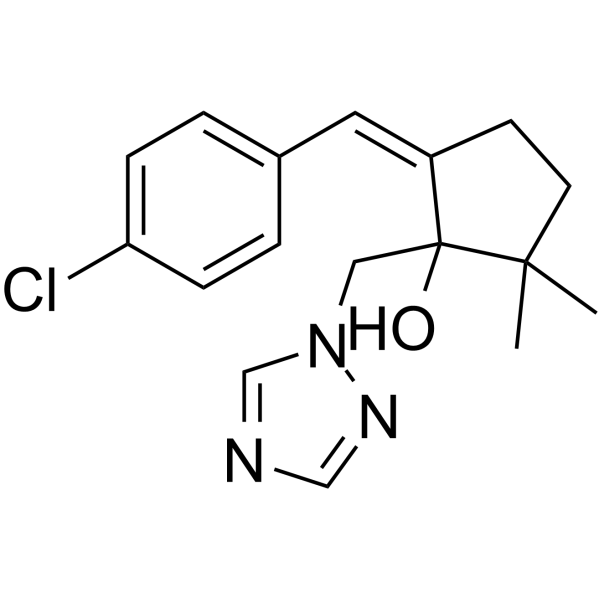
    Triticonazole is an orally active triazole fungicide and androgen receptor antagonist. Triticonazole inhibits testosterone-induced androgen receptor activation and reduces basal testosterone secretion. Prenatal exposure to Triticonazole causes shortened anogenital distance in male rat fetuses and induces organ-specific histopathological changes in pigs. Triticonazole can be used for detoxification of seeds contaminated with fungal pathogens, but there is a risk of animal poisoning if the treated seeds are used as animal feed .
    Triticonazole
  • HY-12502B

    NZ-105 hydrochloride; (±)-Efonidipine hydrochloride

    Calcium Channel SARS-CoV Cardiovascular Disease Cancer
    Efonidipine (NZ-105) hydrochloride is an orally active dual L-type and T-type calcium channel blocker (CCB) with IC50 values of 1.8 and 350 nM, respectively. Efonidipine hydrochloride inhibits SARS-CoV-2 main protease. Efonidipine hydrochloride modulates adrenal steroidogenesis by increasing the expression of steroidogenic acute regulatory protein (StAR), dbcAMP-or angiotensin II-induced StAR mRNA expression and DHEA-S production, while suppressing the biosynthesis of aldosterone and cortisol. Efonidipine hydrochloride reduces plasma aldosterone levels in vivo. Efonidipine hydrochloride improves cardiac function in heart failure models by inhibiting T-type calcium channels (via both tonic and use-dependent blockade), independently of blood pressure reduction. Efonidipine hydrochloride can be used for research in hypertension, heart failure, and disorders involving dysregulated steroid hormone synthesis .
    Efonidipine hydrochloride
  • HY-156251

    Fungal Infection
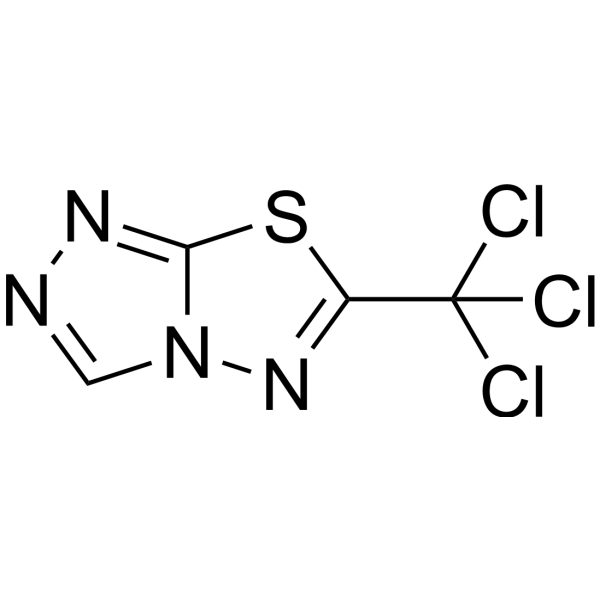
    Antifungal agent 74 (compound 3c) is a potent antifungal agent that displays excellent fungicidal activity against C. arachidicola and R. solani. Antifungal agent 74 exerts its fungicidal activity by disrupting steroid biosynthesis and ribosome biogenesis in eukaryotes .
    Antifungal agent 74
  • HY-137178

    Endogenous Metabolite Metabolic Disease
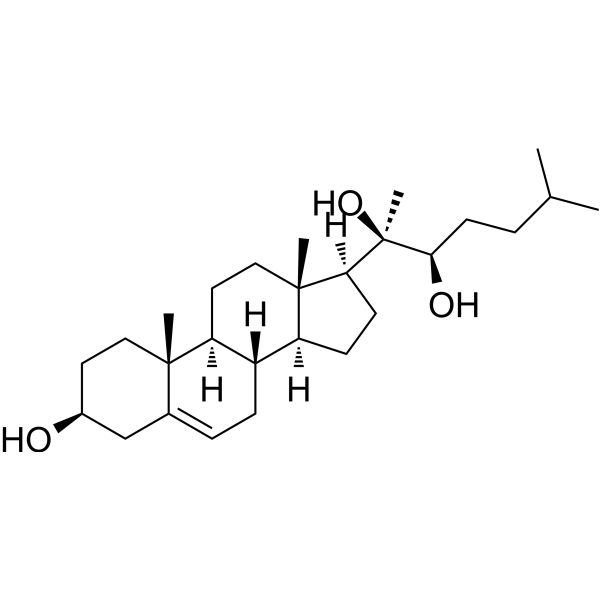
    20α,22R-Dihydroxycholesterol is an endogenous metabolic intermediate. 20α,22R-Dihydroxycholesterol involved in the biosynthesis of cholesterol to steroid hormones .
    20α,22R-Dihydroxycholesterol
  • HY-117358

    Others Inflammation/Immunology
    KW-5805 is an anti-ulcer agent that promotes the biosynthesis, storage and secretion of gastric mucus, improves gastric mucosal hemodynamics, and inhibits the decrease in gastric mucosal blood volume and mucosal oxygenation caused by steroid shock .
    KW-5805
  • HY-12502AR

    NZ-105 hydrochloride monoethanolate (Standard); (±)-Efonidipine hydrochloride monoethanolate (Standard)

    Reference Standards Calcium Channel SARS-CoV Cardiovascular Disease
    Efonidipine (NZ-105) hydrochloride monoethanolate (Standard) is the analytical standard of Efonidipine hydrochloride monoethanolate (HY-12502AR). This product is intended for research and analytical applications. Efonidipine (NZ-105) hydrochloride monoethanolate is an orally active dual L-type and T-type calcium channel blocker (CCB) with IC50 values of 1.8 and 350 nM, respectively. Efonidipine hydrochloride monoethanolate inhibits SARS-CoV-2 main protease. Efonidipine hydrochloride monoethanolate modulates adrenal steroidogenesis by increasing the expression of steroidogenic acute regulatory protein (StAR), dbcAMP-or angiotensin II-induced StAR mRNA expression and DHEA-S production, while suppressing the biosynthesis of aldosterone and cortisol. Efonidipine hydrochloride monoethanolate reduces plasma aldosterone levels in vivo. Efonidipine hydrochloride monoethanolate improves cardiac function in heart failure models by inhibiting T-type calcium channels (via both tonic and use-dependent blockade), independently of blood pressure reduction. Efonidipine hydrochloride monoethanolate can be used for research in hypertension, heart failure, and disorders involving dysregulated steroid hormone synthesis .
    Efonidipine hydrochloride monoethanolate (Standard)
  • HY-179686

    Cytochrome P450 Cancer
    CYP11A1-IN-2 (Compound 61) is a selective cholesterol side-chain cleavage enzyme (CYP11A1) inhibitor. CYP11A1-IN-2 can inhibitor steroid biosynthesis and can be used for the research of steroid hormone-dependent cancers, such as prostate cancer .
    CYP11A1-IN-2
  • HY-181163

    Caspase COX Cytochrome P450 Steroid Sulfatase Apoptosis Cancer
    Caspase-3/7 activator 4 is a caspase-3 activator and caspase-7 activator. Caspase-3/7 activator 4 inhibits key enzymes in estrogen biosynthesis, including aromatase (IC50 = 38.3 nM) and steroid sulfatase (IC50 = 12.7 µM), and selectively suppresses COX-2 (IC50 = 5.38 µM). Caspase-3/7 activator 4 shows strong antioxidant activity (DPPH: IC50 = 16.26 µM). Caspase-3/7 activator 4 inhibits estrogen synthesis, suppresses estrogen availability, reduces prostaglandin production, increases caspase-3/7 expression, induces G0/G1 cell cycle arrest, induces apoptotic cell death, reduces circulating TNF-α and VEGFR-II levels, restores hepatorenal function markers and histoarchitecture, restores antioxidant defense enzyme activity, reduces lipid peroxidation, exerts antiproliferative activity against breast cancer cells, exerts antitumor activity in the Ehrlich ascites carcinoma models. Caspase-3/7 activator 4 can be used for the research of breast cancer, ehrlich ascites carcinoma .
    Caspase-3/7 activator 4

Inquiry Online

Your information is safe with us. * Required Fields.

Salutation


Country or Region *

Applicant Name *


Organization Name *

Department *


Email Address *


Product Name *

Cat. No.


Requested quantity *

Phone Number *


Remarks

Inquiry Online

Inquiry Information

Product Name:
Cat. No.:
Quantity:
MCE Japan Authorized Agent:

