



Alkaloids
-
- Acridone Alkaloids (6)
- Aporphine Alkaloids (10)
- Bisbenzylisoquinoline Alkaloids (3)
- Carbazole Alkaloids (16)
- Imidazole Alkaloids (10)
- Indole Alkaloids (479)
- Indolizidine Alkaloids (1)
- Monoterpene Indole Alkaloids (6)
- Oxindole Alkaloids (1)
- Pyrrolizidine Alkaloids (8)
- Quinazoline Alkaloids (1)
- Quinolizidine Alkaloids (3)
- Steroid Alkaloids (3)
- Tropane Alkaloids (1)
- Quinoline Alkaloids (205)
- Isoquinoline Alkaloids (252)
- Pyrrole Alkaloids (304)
- Pyridine Alkaloids (189)
- Piperidine Alkaloids (233)
- Alkaloid Dimers (36)
- Other Alkaloids (761)
-
Alkaloids (2547)

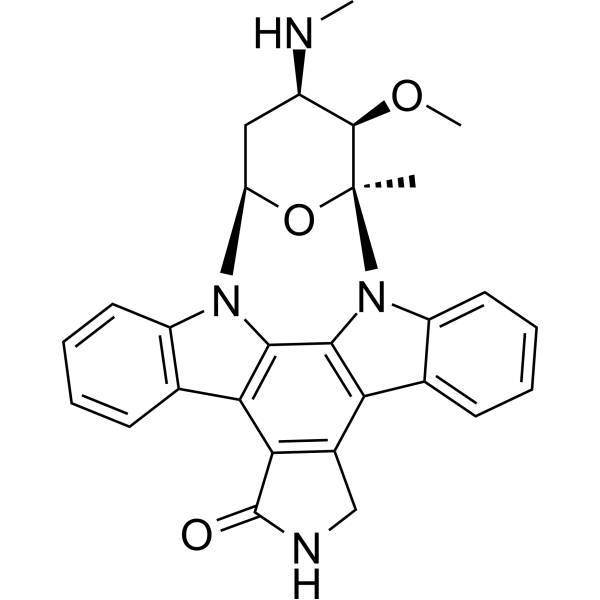
- Formula: C28H26N4O3
- Molecular Weight: 466.53
Staurosporine is a potent, ATP-competitive and non-selective inhibitor of protein kinases with IC50s of 6 nM, 15 nM, 2 nM, and 3 nM for PKC, PKA, c-Fgr, and Phosphorylase kinase respectively. Staurosporine also inhibits TAOK2 with an IC50 of 3 μM. Staurosporine is an apoptosis inducer.
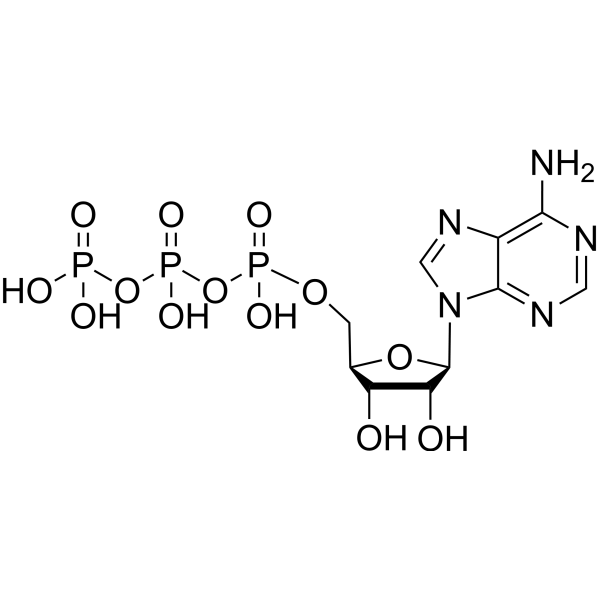
- Formula: C10H16N5O13P3
- Molecular Weight: 507.18
ATP (Adenosine 5'-triphosphate) is a central component of energy storage and metabolism in vivo. ATP provides the metabolic energy to drive metabolic pumps and serves as a coenzyme in cells. ATP is an important endogenous signaling molecule in immunity and inflammation. ATP can activate the NLRP3 inflammasome and induce IL-1β and chemokines secretion. ATP has anti-bacterial infection effects and can protect mice against bacterial infection in mice.
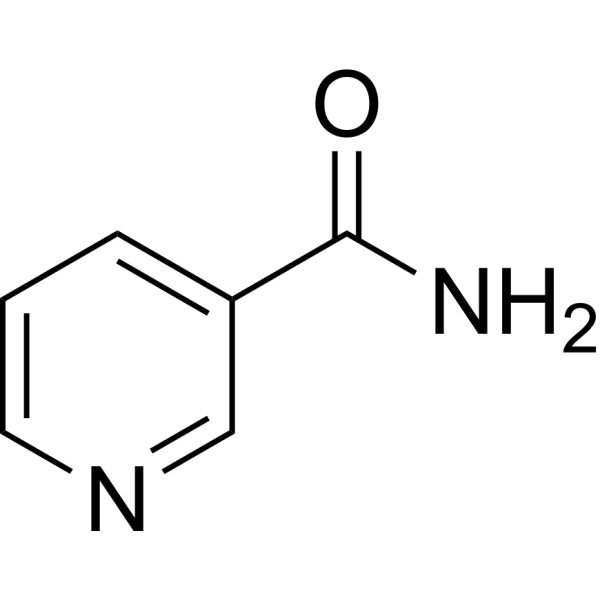
- Formula: C6H6N2O
- Molecular Weight: 122.12
Nicotinamide is a form of vitamin B3 or niacin. Nicotinamide Hydrochloride inhibits SIRT2 activity (IC50: 2 μM). Nicotinamide also inhibits SIRT1. Nicotinamide increases cellular NAD+, ATP, ROS levels. Nicotinamide inhibits tumor growth and improves survival. Nicotinamide also has anti-HBV activity.
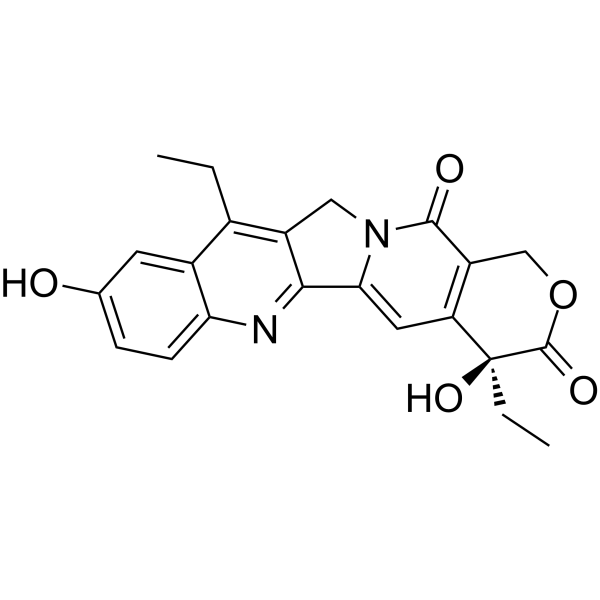
- Formula: C22H20N2O5
- Molecular Weight: 392.40
SN-38 is an active metabolite of the Topoisomerase I inhibitor Irinotecan. SN-38 can bind to RPL15. SN-38 inhibits DNA and RNA synthesis with IC50s of 0.077 and 1.3 μM, respectively. SN-38 is a payload of sacituzumab govitecan (HY -132254).
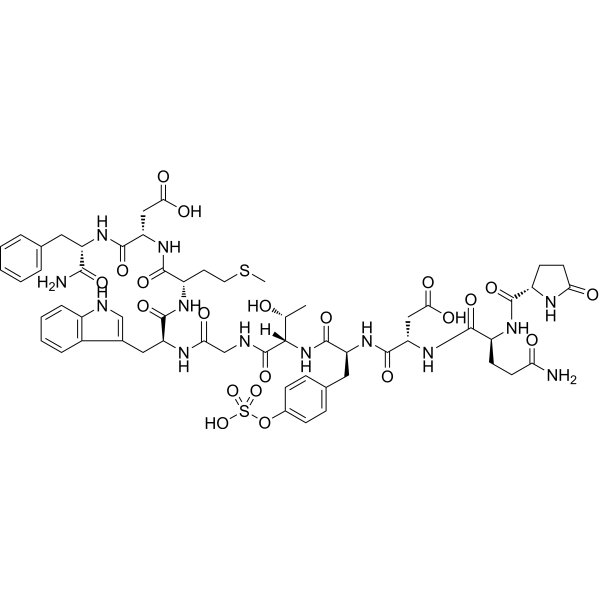
- Formula: C58H73N13O21S2
- Molecular Weight: 1352.41
Caerulein is a decapeptide and a potent cholecystokinin receptor agonist. Caerulein is a safe and effective cholecystokinetic agent with a direct spasmogenic effect on the gallbladder muscle and bile ducts.
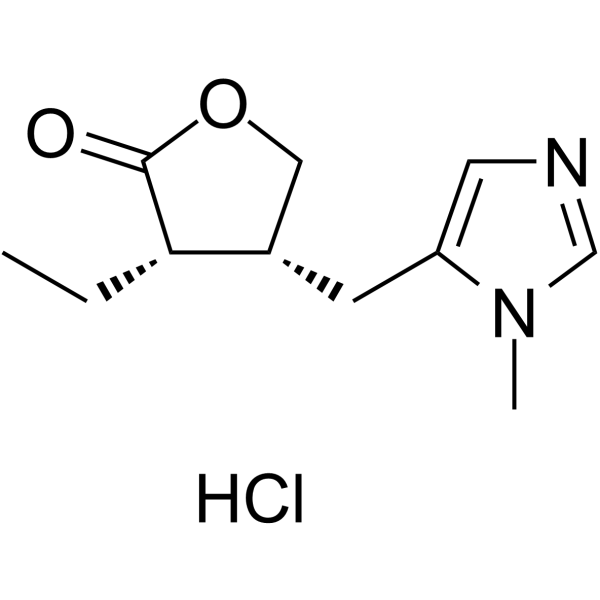
- Formula: C11H17ClN2O2
- Molecular Weight: 244.72
Pilocarpine Hydrochloride is an orally active, selective M3 muscarinic acetylcholine receptor agonist. Pilocarpine Hydrochloride can induce seizures and is used in research on conditions such as epilepsy, dry mouth (xerostomia), and elevated intraocular pressure.
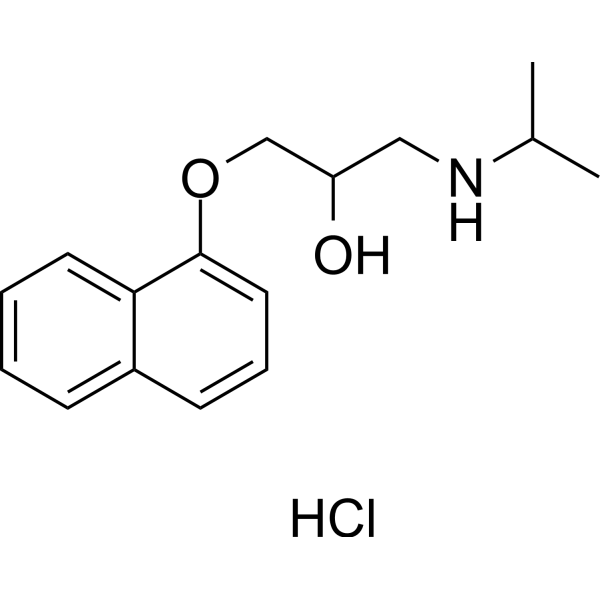
- Formula: C16H22ClNO2
- Molecular Weight: 295.80
Propranolol hydrochloride is a nonselective and BBB-permeableβ-adrenergic receptor (βAR) antagonist, has high affinity for the β1AR and β2AR with Ki values of 1.8 nM and 0.8 nM, respectively. Propranolol hydrochloride inhibits [3H]-DHA binding to rat brain membrane preparation with an IC50 of 12 nM. Propranolol hydrochloride is used for study of hypertension, pheochromocytoma, myocardial infarction, cardiac arrhythmias, angina pectoris, and hypertrophic cardiomyopathy.
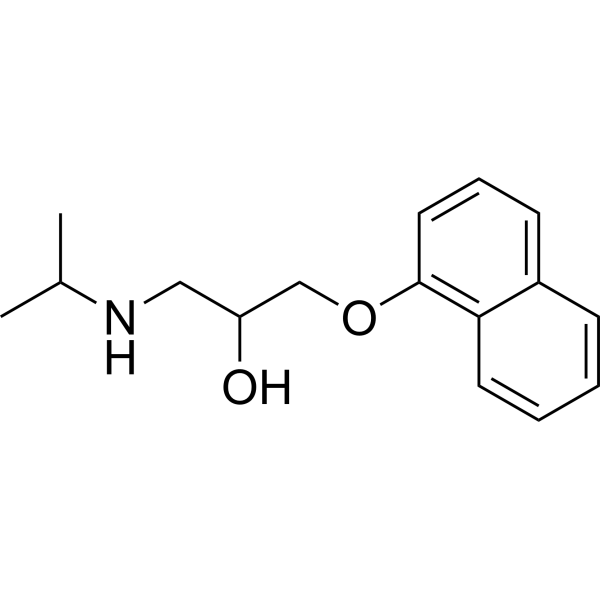
- Formula: C16H21NO2
- Molecular Weight: 259.34
Propranolol is a nonselective and BBB-permeable β-adrenergic receptor (βAR) antagonist, has high affinity for the β1AR and β2AR with Ki values of 1.8 nM and 0.8 nM, respectively. Propranolol inhibits [3H]-DHA binding to rat brain membrane preparation with an IC50 of 12 nM. Propranolol is used for the study of hypertension, pheochromocytoma, myocardial infarction, cardiac arrhythmias, angina pectoris, and hypertrophic cardiomyopathy.
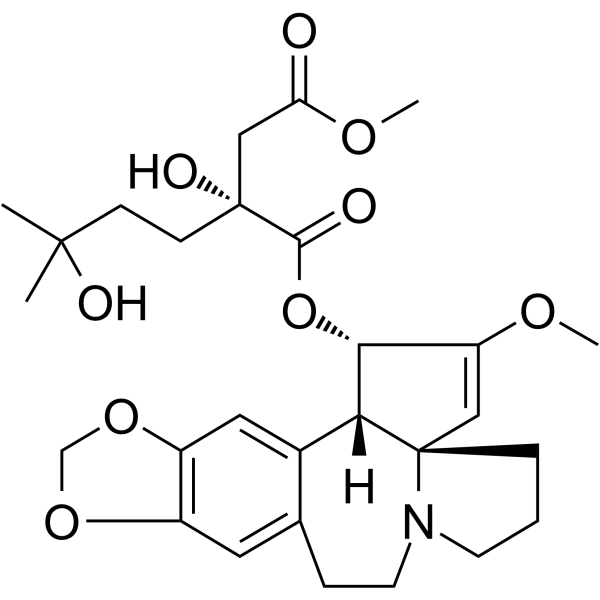
- Formula: C28H37NO9
- Molecular Weight: 531.59
Harringtonine is a natural Cephalotaxus alkaloid that inhibits protein synthesis. Harringtonine has anti-chikungunya virus (CHIKV) activities with an EC50 of 0.24 μM.
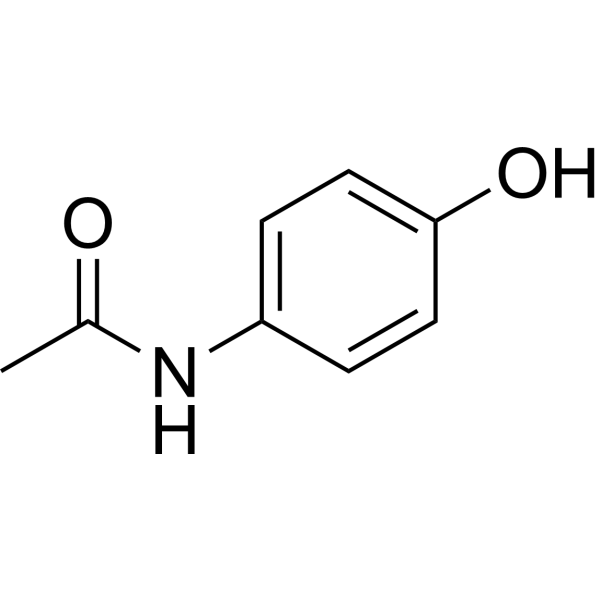
- Formula: C8H9NO2
- Molecular Weight: 151.16
Acetaminophen (Paracetamol) is a selective cyclooxygenase-2 (COX-2) inhibitor with an IC50 of 25.8 μM; is a widely used antipyretic and analgesic agent.. Acetaminophen is a potent hepatic N-acetyltransferase 2 (NAT2) inhibitor. Acetaminophen induces ferroptosis and leads to acute liver injury in mice model.

- Formula: C22H29N7O5
- Molecular Weight: 471.51
Puromycin dihydrochloride is the dihydrochloride salt of puromycin. Puromycin is an aminoglycoside antibiotic that inhibits protein synthesis.
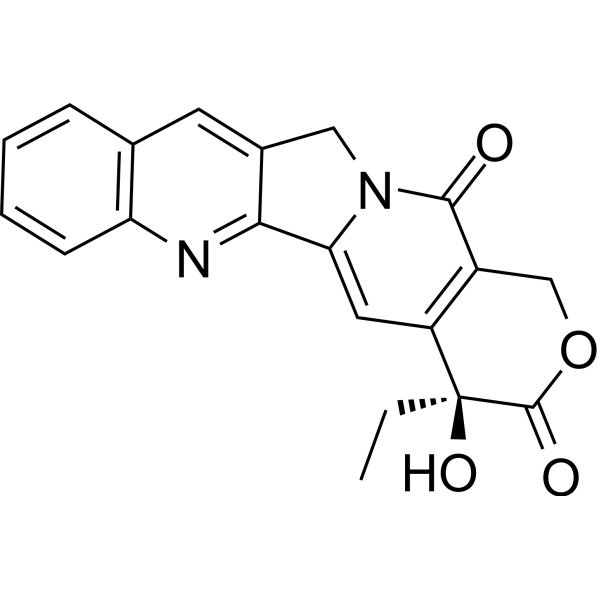
- Formula: C20H16N2O4
- Molecular Weight: 348.35
Camptothecin (CPT), a kind of alkaloid, is a DNA topoisomerase I (Topo I) inhibitor with an IC50 of 679 nM. Camptothecin (CPT) exhibits powerful antineoplastic activity against colorectal, breast, lung and ovarian cancers, modulates hypoxia-inducible factor-1α (HIF-1α) activity by changing microRNAs (miRNA) expression patterns in human cancer cells.
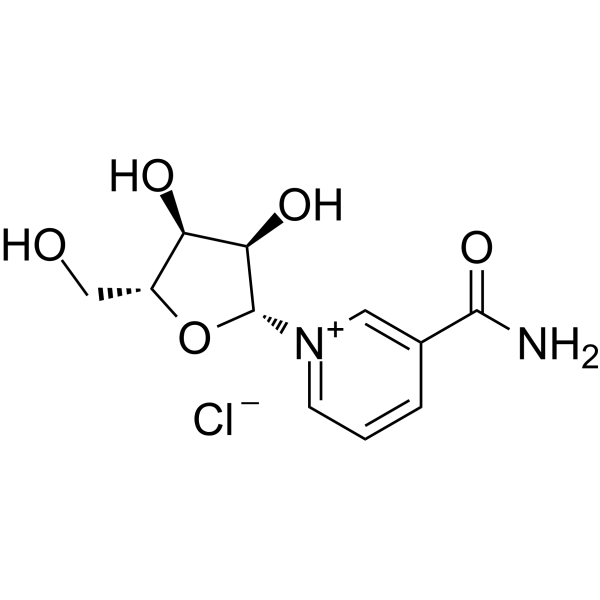
- Formula: C11H15ClN2O5
- Molecular Weight: 290.70
Nicotinamide riboside Chloride, an orally active NAD+ precursor, increases NAD+ levels and activates SIRT1 and SIRT3. Nicotinamide riboside Chloride is a source of vitamin B3 (niacin) and enhances oxidative metabolism, protection against high fat diet-induced metabolic abnormalities. Nicotinamide riboside Chloride reduces cognitive deterioration in a transgenic mouse model of Alzheimer’s disease.
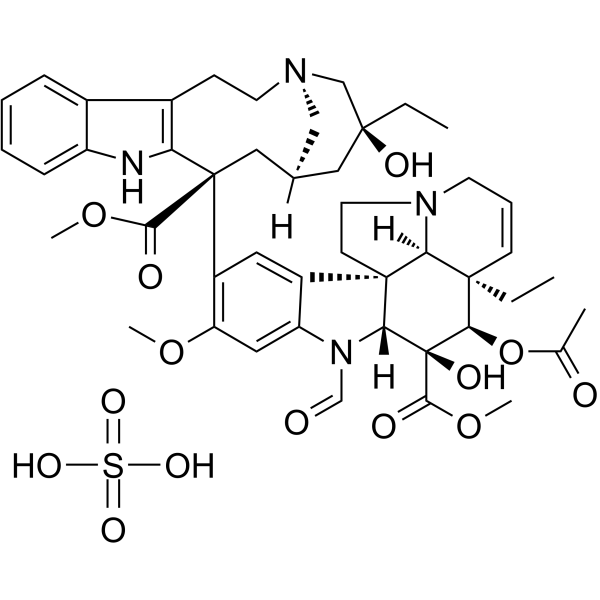
- Formula: C46H58N4O14S
- Molecular Weight: 923.04
Vincristine (Leurocristine; NSC-67574; 22-Oxovincaleukoblastine) sulfate is a microtubule inhibitor that disrupts microtubule polymerization by binding to β-tubulin (with a Ki of 85 nM in bovine), arrests the cell cycle and induces apoptosis. Vincristine sulfate inhibits cell replication, tumor blood flow and the proliferation of various cancer cells, while triggering effects such as oxidative stress, inflammation, calcium overload, epithelial-mesenchymal transition and peripheral neuropathic pain. Vincristine sulfate upregulates the expression of various transporters and nuclear receptors, and enriches gastric cancer stem-like cells. Vincristine sulfate is used in research related to various tumors including acute lymphoblastic leukemia, lymphoma, melanoma, gastric cancer, solid tumors and sarcomas.
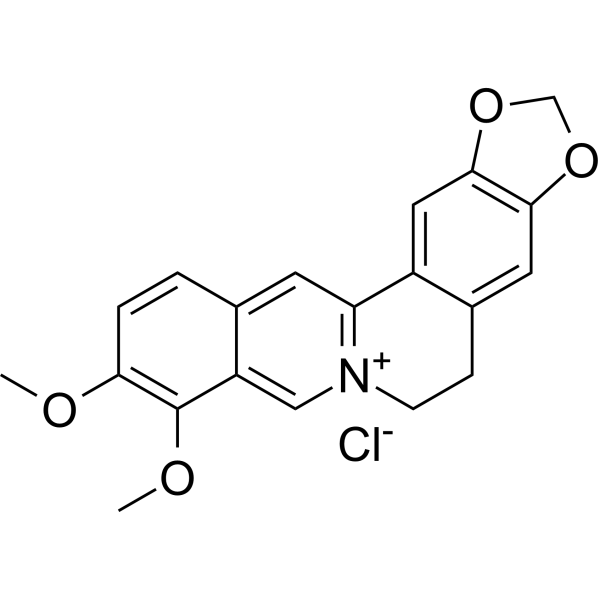
- Formula: C20H18ClNO4
- Molecular Weight: 371.81
Berberine chloride is an alkaloid that acts as an antibiotic. Berberine chloride induces reactive oxygen species (ROS) generation and inhibits DNA topoisomerase. Antineoplastic properties.
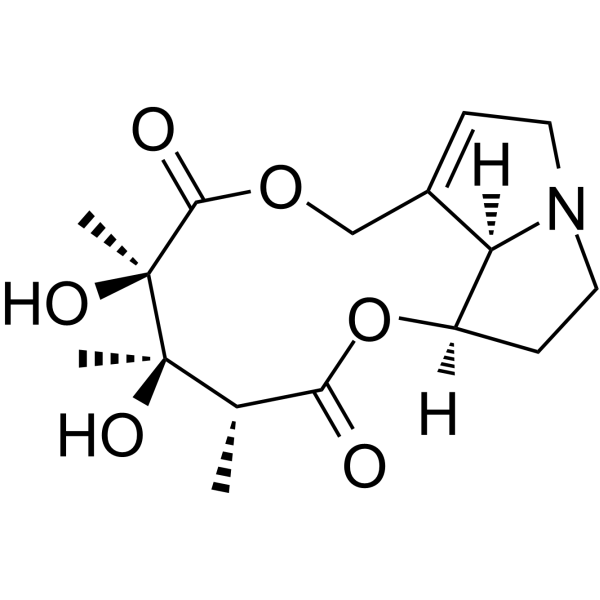
- Formula: C16H23NO6
- Molecular Weight: 325.36
Monocrotaline is an 11-membered macrocyclic pyrrolizidine alkaloid. Monocrotaline inhibits OCT-1 and OCT-2 with IC50s of 36.8 µM and 1.8 mM, respectively. Monocrotaline has antitumor activity and is cytotoxic to hepatocellular carcinoma cells. Monocrotaline is used to induce a model of pulmonary hypertension in rodents. [2][6][8].
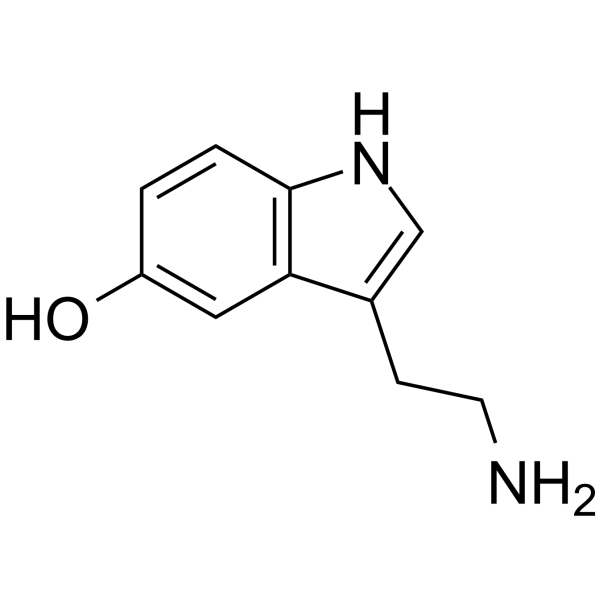
- Formula: C10H12N2O
- Molecular Weight: 176.22
Serotonin is a monoamine neurotransmitter in the CNS and an endogenous 5-HT receptor agonist. Serotonin is also a catechol O-methyltransferase (COMT) inhibitor with a Ki of 44 μM.
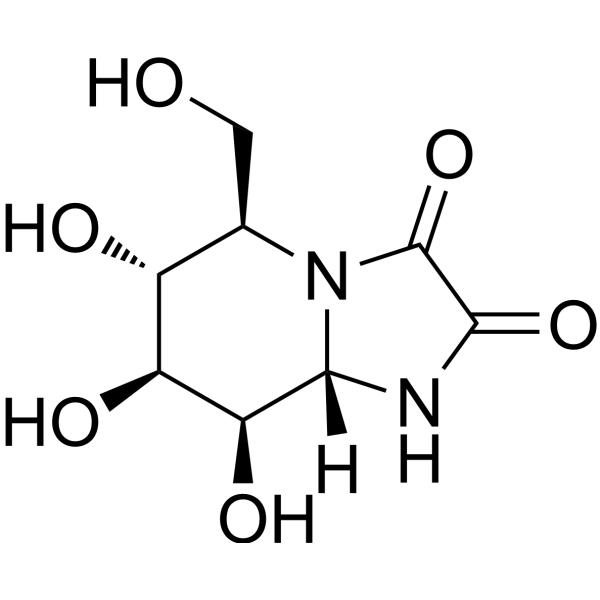
- Formula: C8H12N2O6
- Molecular Weight: 232.19
Kifunensine, a potent and selective inhibitor of class I α-mannosidases isolated from Actinomycete, prevents α-mannosidases I from trimming mannose residues on glycoproteins. Kifunensine inhibits ERAD.
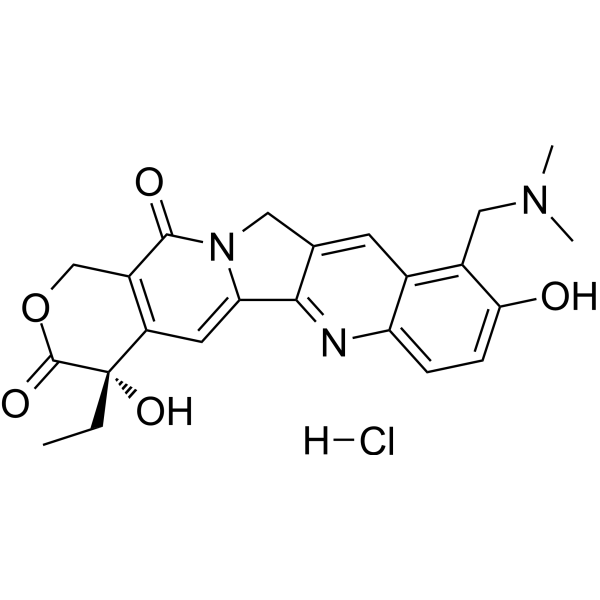
- Formula: C23H24ClN3O5
- Molecular Weight: 457.91
Topotecan Hydrochloride (SKF 104864A Hydrochloride) is a Topoisomerase I inhibitor with potent antineoplastic activities.



