



Other Alkaloids
-
Other Alkaloids (758)

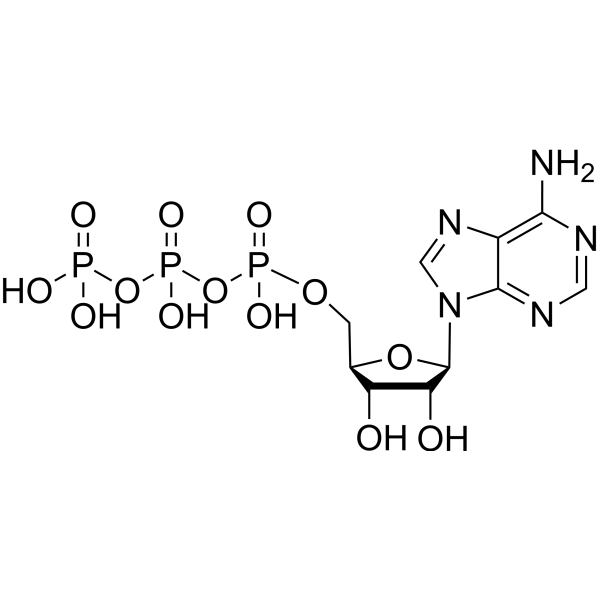
- Formula: C10H16N5O13P3
- Molecular Weight: 507.18
ATP (Adenosine 5'-triphosphate) is a central component of energy storage and metabolism in vivo. ATP provides the metabolic energy to drive metabolic pumps and serves as a coenzyme in cells. ATP is an important endogenous signaling molecule in immunity and inflammation. ATP can activate the NLRP3 inflammasome and induce IL-1β and chemokines secretion. ATP has anti-bacterial infection effects and can protect mice against bacterial infection in mice.
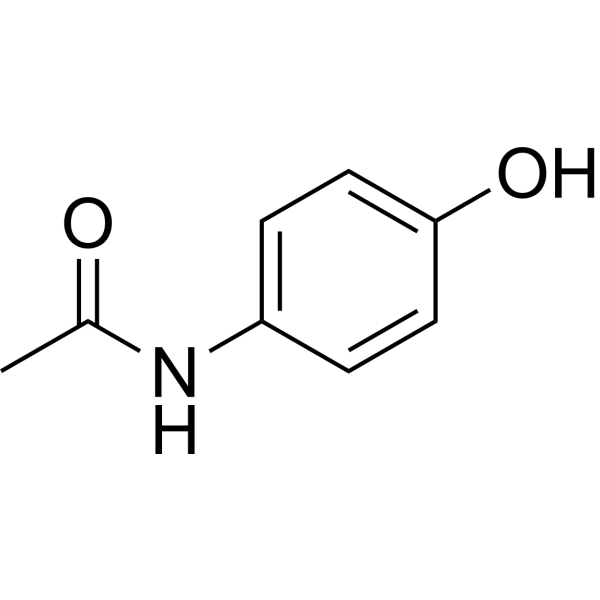
- Formula: C8H9NO2
- Molecular Weight: 151.16
Acetaminophen (Paracetamol) is a selective cyclooxygenase-2 (COX-2) inhibitor with an IC50 of 25.8 μM; is a widely used antipyretic and analgesic agent.. Acetaminophen is a potent hepatic N-acetyltransferase 2 (NAT2) inhibitor. Acetaminophen induces ferroptosis and leads to acute liver injury in mice model.

- Formula: C22H29N7O5
- Molecular Weight: 471.51
Puromycin dihydrochloride is the dihydrochloride salt of puromycin. Puromycin is an aminoglycoside antibiotic that inhibits protein synthesis.
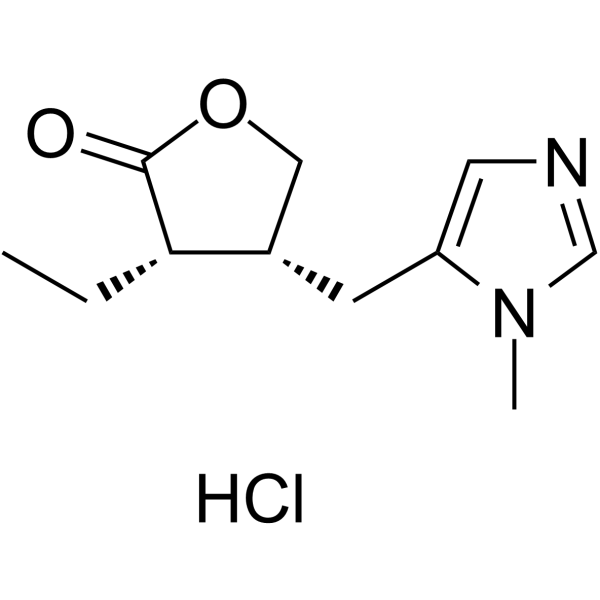
- Formula: C11H17ClN2O2
- Molecular Weight: 244.72
Pilocarpine Hydrochloride is an orally active, selective M3 muscarinic acetylcholine receptor agonist. Pilocarpine Hydrochloride can induce seizures and is used in research on conditions such as epilepsy, dry mouth (xerostomia), and elevated intraocular pressure.
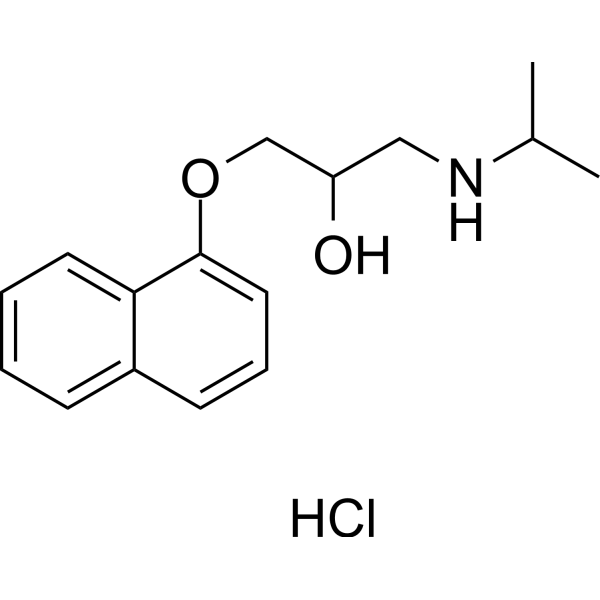
- Formula: C16H22ClNO2
- Molecular Weight: 295.80
Propranolol hydrochloride is a nonselective and BBB-permeableβ-adrenergic receptor (βAR) antagonist, has high affinity for the β1AR and β2AR with Ki values of 1.8 nM and 0.8 nM, respectively. Propranolol hydrochloride inhibits [3H]-DHA binding to rat brain membrane preparation with an IC50 of 12 nM. Propranolol hydrochloride is used for study of hypertension, pheochromocytoma, myocardial infarction, cardiac arrhythmias, angina pectoris, and hypertrophic cardiomyopathy.
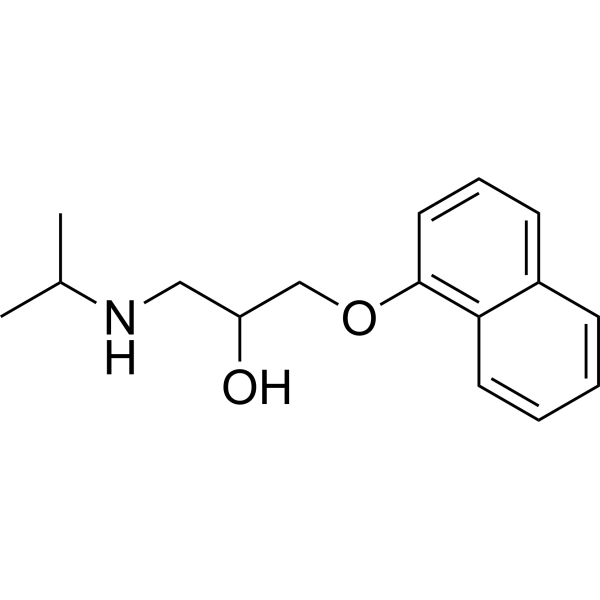
- Formula: C16H21NO2
- Molecular Weight: 259.34
Propranolol is a nonselective and BBB-permeable β-adrenergic receptor (βAR) antagonist, has high affinity for the β1AR and β2AR with Ki values of 1.8 nM and 0.8 nM, respectively. Propranolol inhibits [3H]-DHA binding to rat brain membrane preparation with an IC50 of 12 nM. Propranolol is used for the study of hypertension, pheochromocytoma, myocardial infarction, cardiac arrhythmias, angina pectoris, and hypertrophic cardiomyopathy.
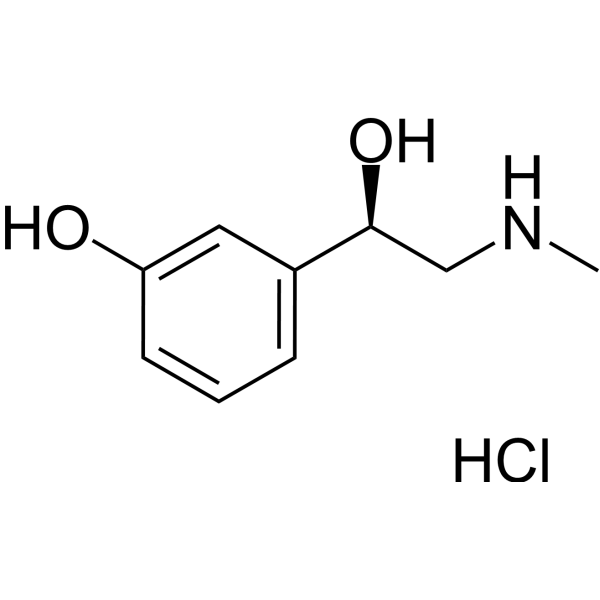
- Formula: C9H14ClNO2
- Molecular Weight: 203.67
(R)-(-)-Phenylephrine hydrochloride is a selective α1-adrenoceptor agonist with pKis of 5.86, 4.87 and 4.70 for α1D, α1B and α1A receptors respectively.
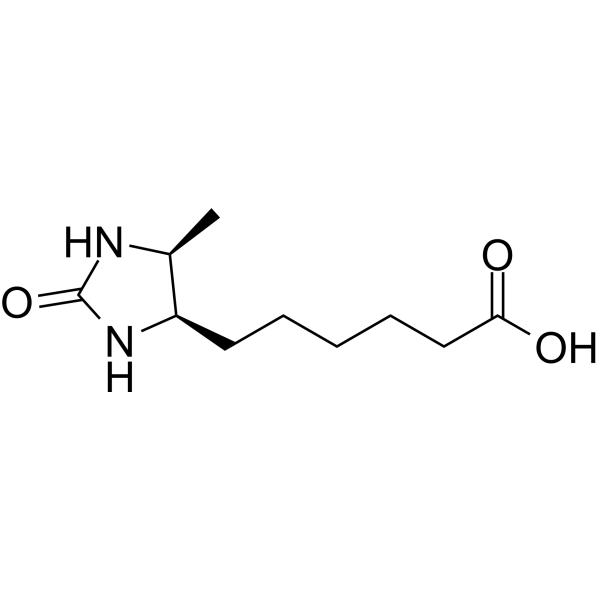
- Formula: C10H18N2O3
- Molecular Weight: 214.26
D-Desthiobiotin is a biotin derivative. D-Desthiobiotin increases testosterone. D-Desthiobiotin is used in affinity chromatography and protein chromatography, also can be used for protein and cell labeling, detection and isolation.
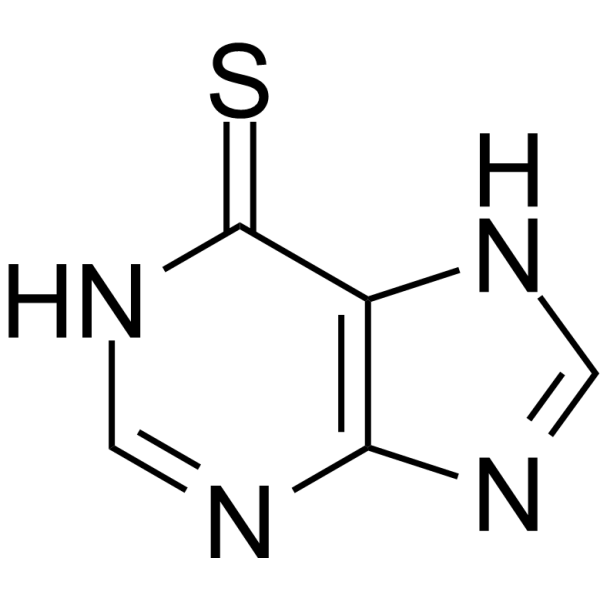
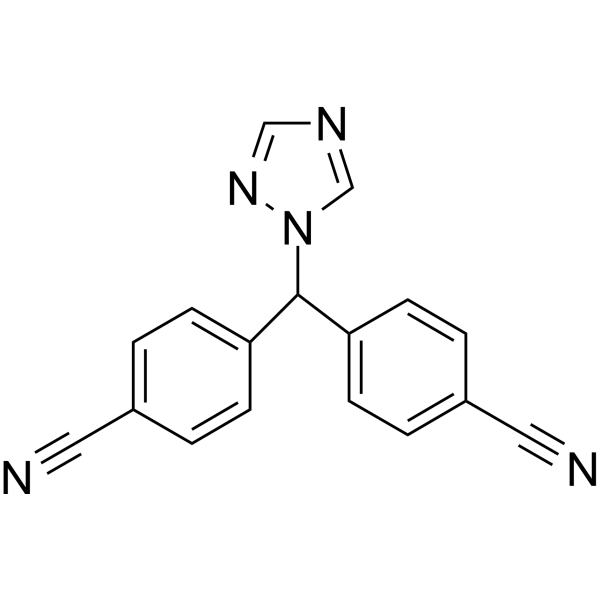
- Formula: C17H11N5
- Molecular Weight: 285.30
Letrozole (CGS 20267) is a potent, selective, reversible and orally active non-steroidal inhibitor of aromatase, with an IC50 of 11.5 nM. Letrozole selective inhibits estrogen biosynthesis, and can be used for the research of breast cancer.
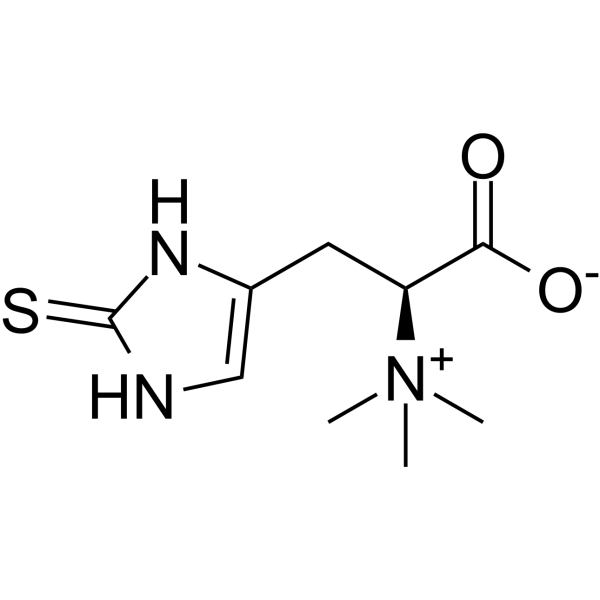
- Formula: C9H15N3O2S
- Molecular Weight: 229.30
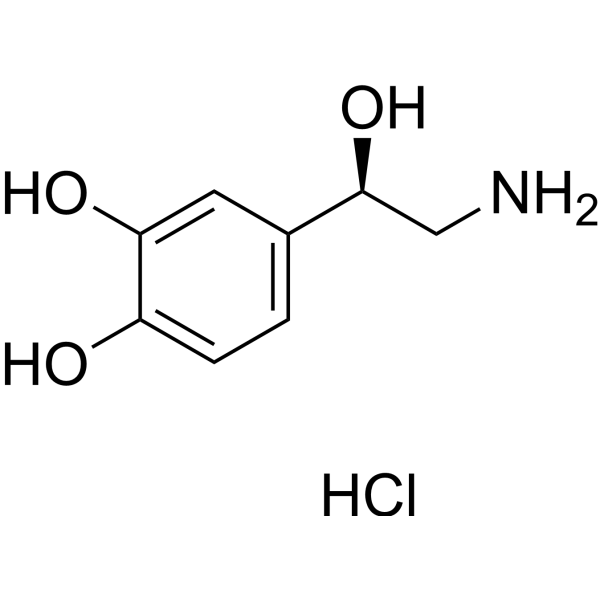
- Formula: C8H12ClNO3
- Molecular Weight: 205.64
Norepinephrine (Levarterenol; L-Noradrenaline) hydrochloride is a potent adrenergic receptor (AR) agonist. Norepinephrine activates α1, α2, β1 receptors.
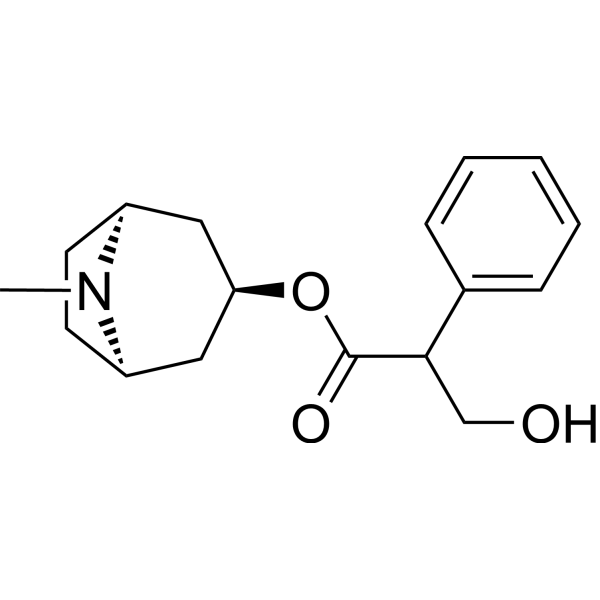
- Formula: C17H23NO3
- Molecular Weight: 289.38
Atropine (Tropine tropate) is a competitive muscarinic acetylcholine receptor (mAChR) antagonist with IC50 values of 0.39 and 0.71 nM for Human mAChR M4 and Chicken mAChR M4, respectively. Atropine inhibits ACh-induced relaxations in human pulmonary veins. Atropine can be used for research of anti-myopia and bradycardia.
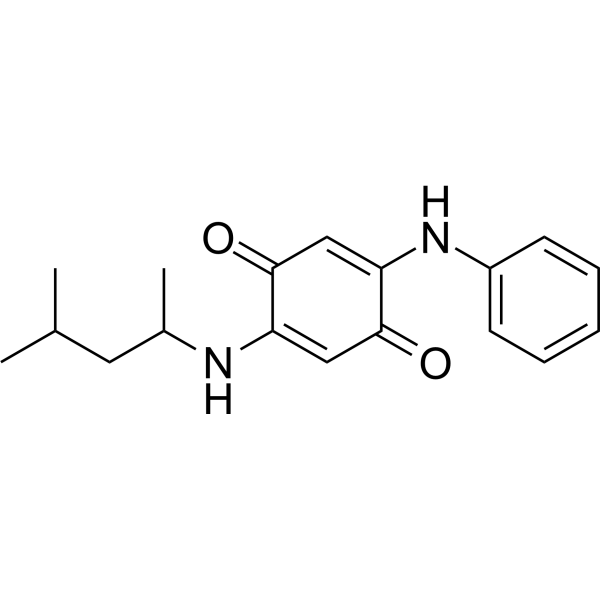
- Formula: C18H22N2O2
- Molecular Weight: 298.38
6PPD-Q (6PPD-Quinone) is an environmental pollutant that can be detected in human urine and is widely present in the environment. 6PPD-Q targets and binds to CNR2, CNR1, AA2AR, LCAT, and TRPA1, with CNR2 exhibiting the highest binding affinity, potentially acting as a CNR2 receptor agonist to activate cannabinoid receptors. 6PPD-Q induces intestinal inflammation and barrier damage by disrupting mitochondrial function, reducing neuronal glycolysis metabolites and TCA cycle intermediates, and exacerbating α-synuclein (α-syn) aggregation. 6PPD-Q is applicable in research on environmental toxicology, neurodegenerative diseases, and inflammation-related disorders.
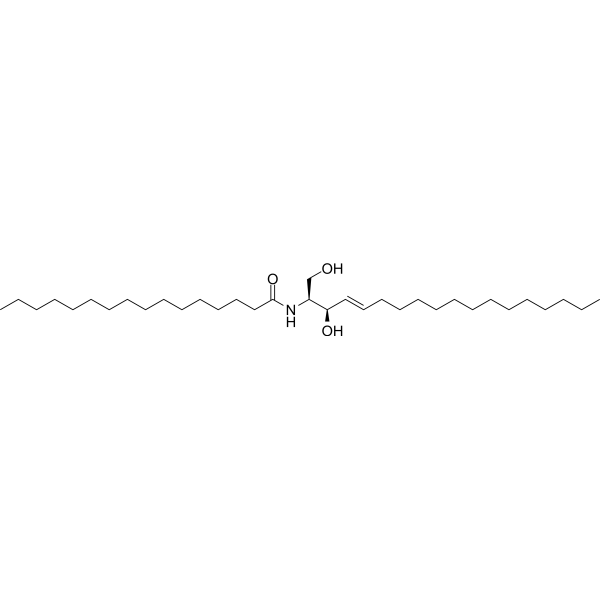
- Formula: C34H67NO3
- Molecular Weight: 537.90
C16-Ceramide (d18:1/16:0) is a natural small molecule activating p53 through the direct and selective binding.
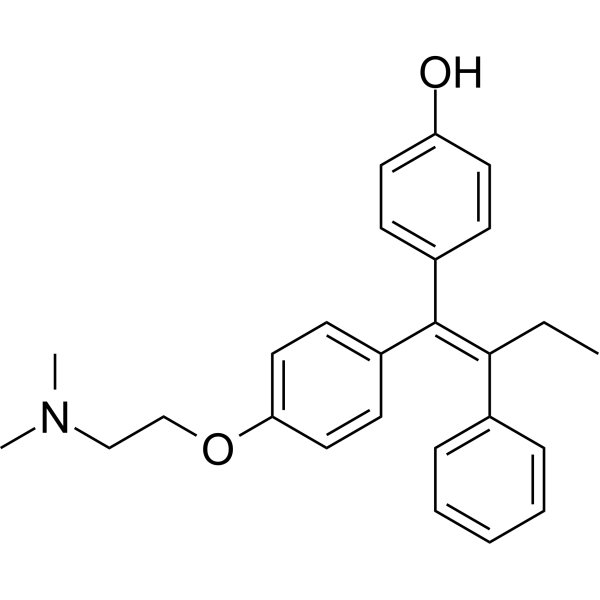
- Formula: C26H29NO2
- Molecular Weight: 387.51
(E/Z)-4-Hydroxytamoxifen (Afimoxifene) is a racemic compound of (Z)-4-Hydroxytamoxifen and (E)-4-Hydroxytamoxifen isomers. (E/Z)-4-Hydroxytamoxifen is a selective estrogen receptor modulator with mixed estrogenic and antiestrogenic activity, which is also an active metabolite of Tamoxifen (HY-13757A). (E/Z)-4-Hydroxytamoxifen is an agonist of the G protein-coupled estrogen receptor (GPER) with relatively low affinity (100-1000 nM). (E/Z)-4-Hydroxytamoxifen is promising for research of cyclical mastalgia, such as breast pain, tenderness, and nodularity.
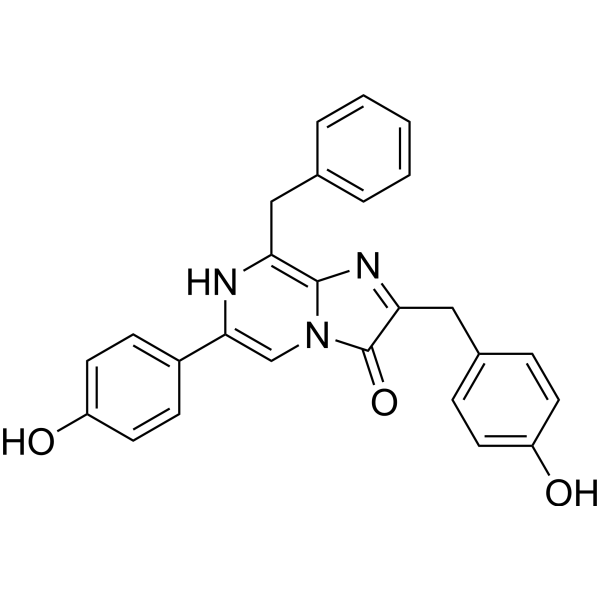
- Formula: C26H21N3O3
- Molecular Weight: 423.46
Coelenterazine is a luminescent enzyme substrate for apoaequorin and Renilla luciferase. Renilla luciferase and substrate coelenterazine has been used as the bioluminescence donor in bioluminescence resonance energy transfer (BRET) to detect protein-protein interactions. Coelenterazine is a superoxide anion-sensitive chemiluminescent probe and it can also be used in chemiluminescent detection of peroxynitrite (Ex/Em = 429/466 nm).
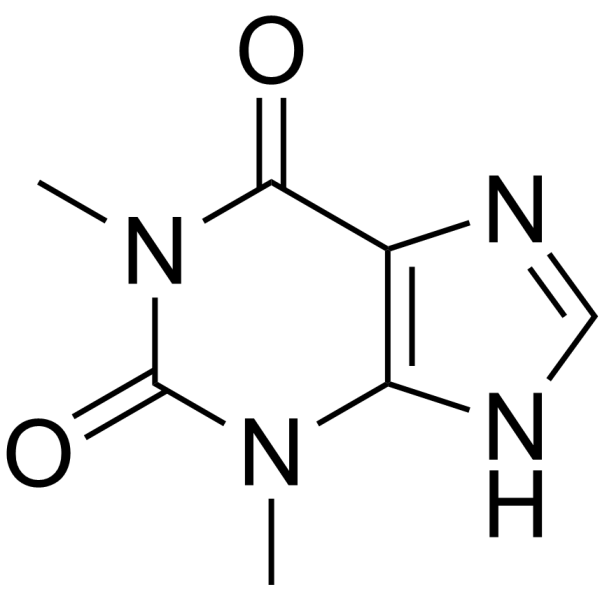
- Formula: C7H8N4O2
- Molecular Weight: 180.17
Theophylline (1,3-Dimethylxanthine) is a potent phosphodiesterase (PDE) inhibitor, adenosine receptor antagonist, and histone deacetylase (HDAC) activator. Theophylline (1,3-Dimethylxanthine) inhibits PDE3 activity to relax airway smooth muscle. Theophylline (1,3-Dimethylxanthine) has anti-inflammatory activity by increase IL-10 and inhibit NF-κB into the nucleus. Theophylline (1,3-Dimethylxanthine) induces apoptosis. Theophylline (1,3-Dimethylxanthine) can be used for asthma and chronic obstructive pulmonary disease (COPD) research.
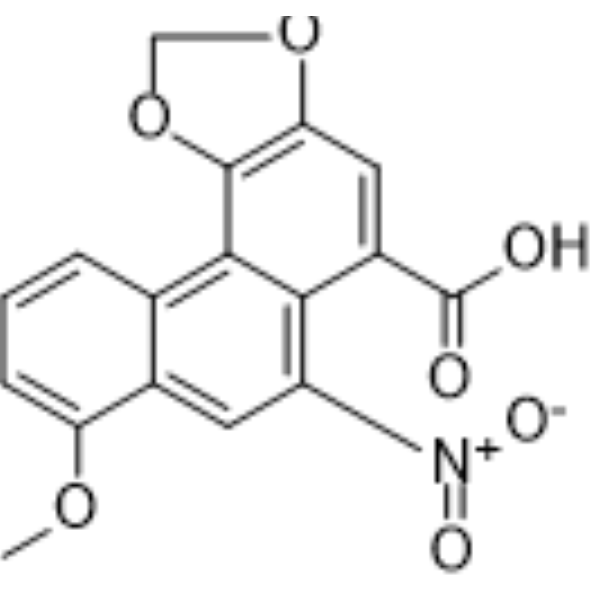
- Formula: C17H11NO7
- Molecular Weight: 341.27
Aristolochic acid A (Aristolochic acid I; TR 1736) is the main component of plant extract Aristolochic acids, which are found in various herbal plants of genus Aristolochia and Asarum. Aristolochic acid A significantly reduces both activator protein 1 (AP-1) and NF-κB activities. Aristolochic acid A reduces BLCAP gene expression in human cell lines.
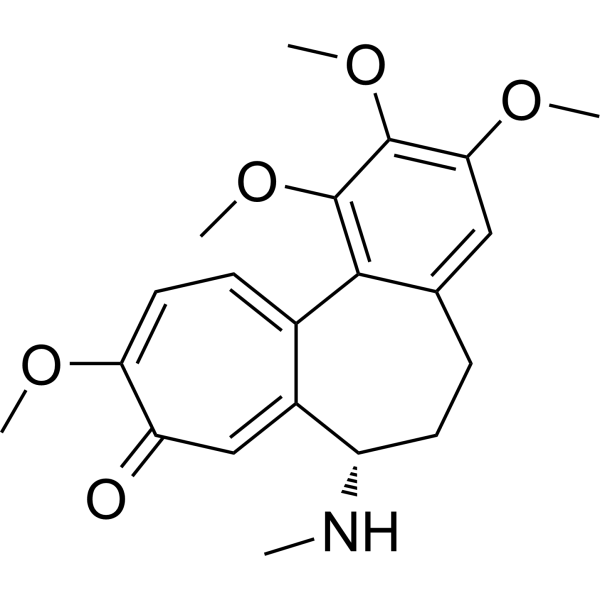
- Formula: C21H25NO5
- Molecular Weight: 371.43
Demecolcine is a potent mitotic inhibitor with an IC50 value of 2.4 μM for inhibition of tubulin polymerization. Colcemid (Demecolcine) can interact with tubulin dimers to induce anti-mitotic action and inhibit microtubule growth. Colcemid (Demecolcine) can be used for inflammatory disorders and cancer research.



