



Kainic acid
Based on 43 publication(s) in Google Scholar
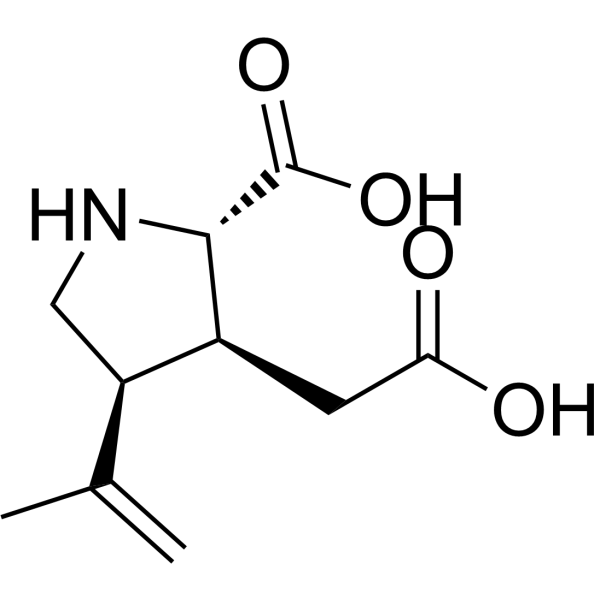
Kainic acid is a potent excitotoxic agent. Kainic acid hydrate also is an agonist for a subtype of ionotropic glutamate receptor. Kainic acid induces seizures.
Nos produits utilisent uniquement pour la recherche. Nous ne vendons pas aux patients.
- Pureté : 99.95%
- CAS No.: 487-79-6
- Formule: C10H15NO4
- Masse moléculaire:213.23
-
Stockage:Powder -20°C, 3 years , 4°C, 2 years ; In solvent -80°C, 6 months , -20°C, 1 month

To place orders, for customer services and technical support, please contact: MedChemExpress USA
Tel: 609-228-6898 E-mail: [email protected] [email protected]


-
 Activité biologique
-
Chemical Information
-
Solvant et solubilité
- Pureté et documentation
- Références
-
 Help & FAQs


-
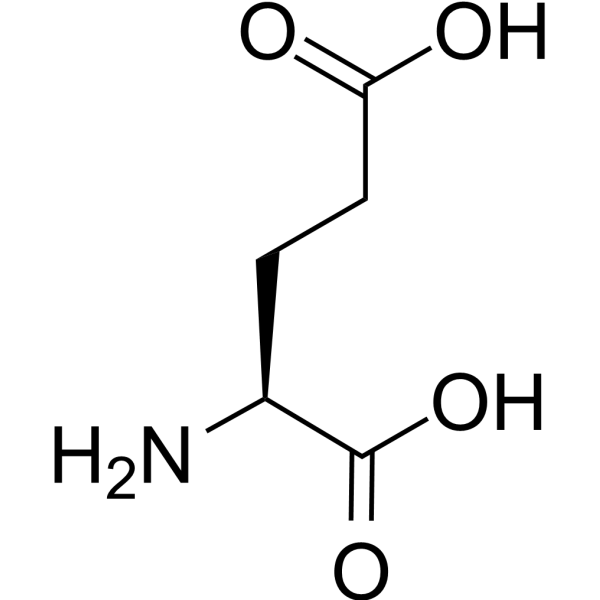
HY-14608
L-Glutamic acidGlutamate Receptors Agonist -

HY-E0264
Rodent Gnawing BlocksRodent Gnawing Block -
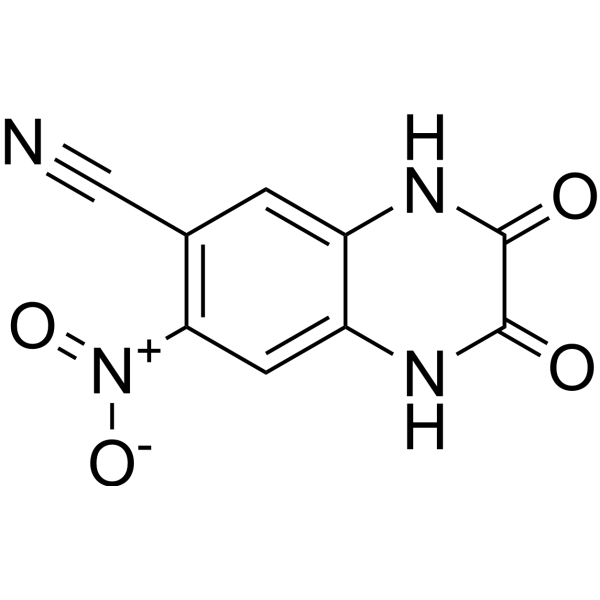
HY-15066
CNQXAMPA Antagonist -
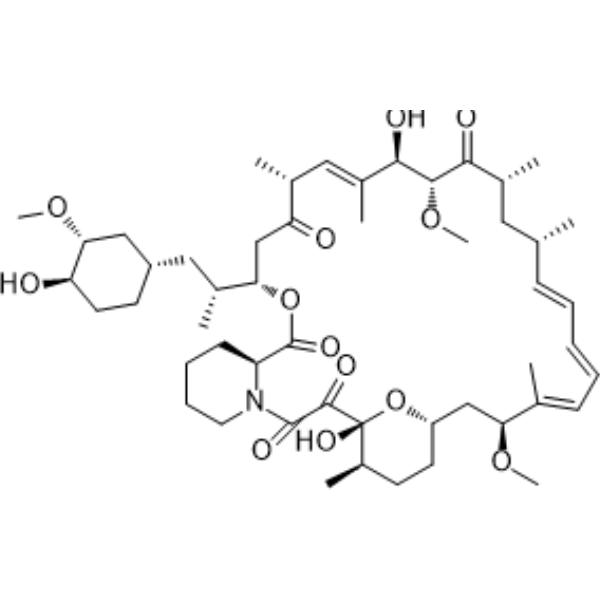
HY-10219
RapamycinmTOR Inhibitor -
HY-15371
ForskolinAdenylate Cyclase Activator -
HY-B0726
Pilocarpine HydrochloridemAChR Agonist -
HY-B1756
RotenoneMitochondrial Complex I Inhibitor -
HY-100815A
(S)-AMPAAMPA Receptor Agonist -
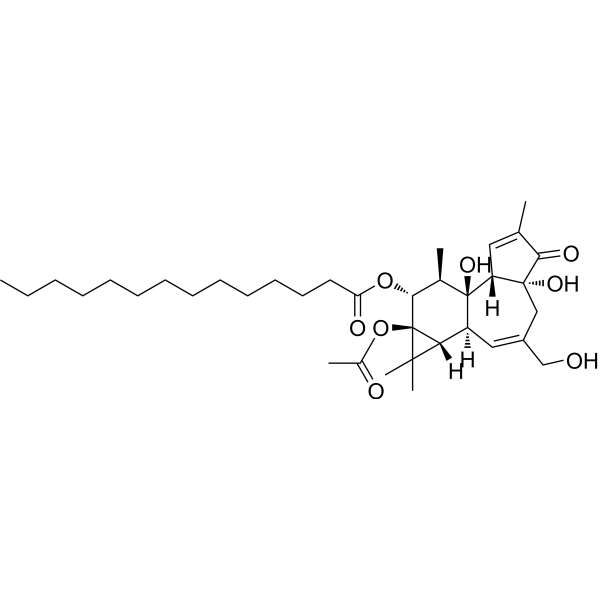
HY-18739
Phorbol 12-myristate 13-acetatePKC Activator -
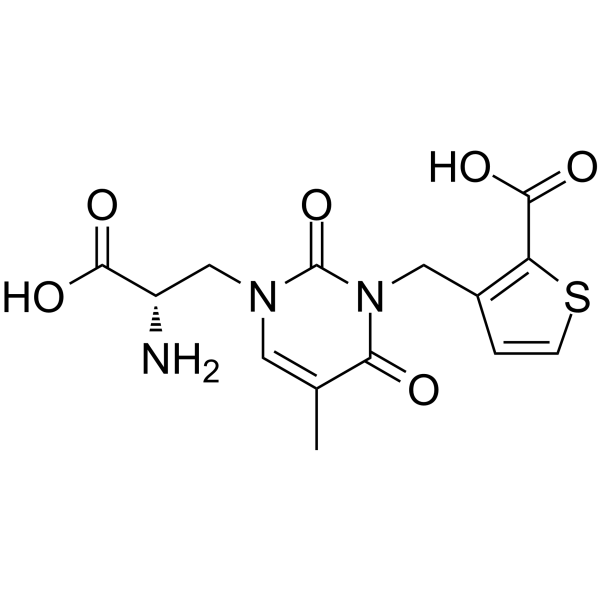
HY-107602
UBP310Selective GluR5 Antagonist -
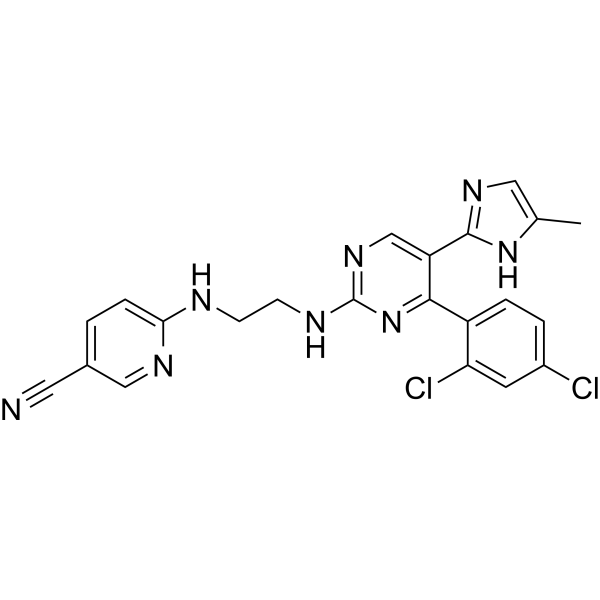
HY-10182
LaduviglusibGSK-3 Inhibitor -
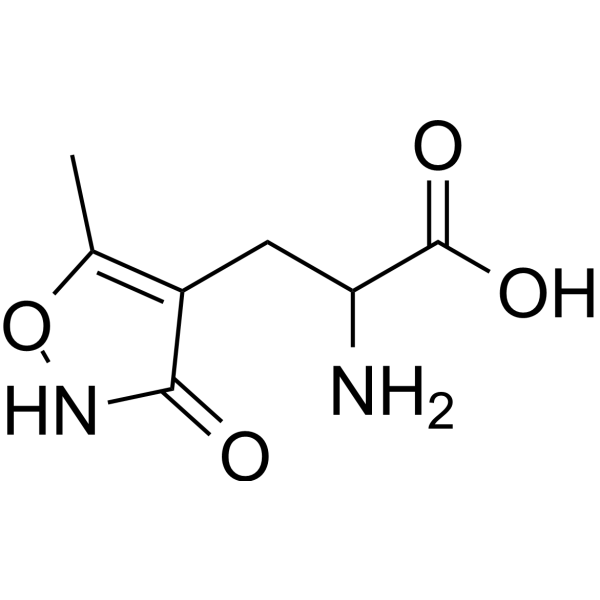
HY-100815B
(RS)-AMPAL-glutamic Acid Agonist
Publications Citing Use of MedChemExpress (MCE) Kainic acid
More- Nat Neurosci. 2025 Jul;28(7):1404-1417. [Abstract]
- Nat Neurosci. 2023 Apr;26(4):542-554. [Abstract]
- J Adv Res. 2026 Aug 1:S2090-1232(26)00605-3.
- Neuron. 2025 Aug 27:S0896-6273(25)00591-4. [Abstract]
- Nat Chem Biol. 2024 Dec;20(12):1586-1596. [Abstract]
- J Nanobiotechnology. 2025 May 5;23(1):332. [Abstract]
- Theranostics. 2024 Oct 7;14(16):6373-6391. [Abstract]
- Adv Sci (Weinh). 2026 Jan 28:e19642. [Abstract]
- Adv Sci (Weinh). 2025 Sep 14:e00402. [Abstract]
- Adv Sci (Weinh). 2025 Aug 29:e08161. [Abstract]
- J Neuroinflammation. 2021 May 11;18(1):112. [Abstract]
- Acta Pharmacol Sin. 2025 Apr 28. [Abstract]
- Cell Rep. 2026 Apr 10;45(4):117246. [Abstract]
- Transl Psychiatry. 2025 May 17;15(1):172. [Abstract]
- Pharmaceutics. 2025 Oct 31;17(11):1415. [Abstract]
- PLoS Biol. 2025 Sep 17;23(9):e3002993. [Abstract]
- CNS Neurosci Ther. 2025 Feb;31(2):e70238. [Abstract]
- CNS Neurosci Ther. 2025 Feb;31(2):e70253. [Abstract]
- CNS Neurosci Ther. 2025 Jan;31(1):e70191. [Abstract]
- Acta Neuropathol Commun. 2024 Nov 22;12(1):179. [Abstract]
- Pharmaceuticals (Basel). 2025 Oct 1;18(10):1481. [Abstract]
- Int Immunopharmacol. 2026 Feb 1:170:116080. [Abstract]
- Int Immunopharmacol. 2025 Apr 24:153:114516. [Abstract]
- Mol Neurobiol. 2025 Jul 17. [Abstract]
- Mol Neurobiol. 2025 Mar;62(3):3934-3955. [Abstract]
- Cell Signal. 2026 Aug:144:112553. [Abstract]
- J Neurochem. 2025 Mar;169(3):e70038. [Abstract]
- Neurochem Res. 2026 Aug 29;51(5):255.
- Prog Neuropsychopharmacol Biol Psychiatry. 2026 Jun 20:147:111763. [Abstract]
- Mol Brain. 2024 Nov 29;17(1):91. [Abstract]
- Neuroscience. 2025 Dec 5:590:83-92. [Abstract]
- Brain Res. 2022 Oct 15:1793:148052. [Abstract]
- Hum Cell. 2025 Dec 25;39(1):28. [Abstract]
- J Tradit Chin Med. 2022 Jun;42(3):379-388. [Abstract]
- Biochem Biophys Res Commun. 2021 Mar 19:545:195-202. [Abstract]
- Epilepsy Behav. 2025 Mar:164:110251. [Abstract]
- Epilepsy Res. 2026 May 14:225:107820. [Abstract]
- Cytotechnology. 2025 Apr;77(2):65. [Abstract]
- Res Sq. 2026 May 4.
- bioRxiv. 2026 Apr 20.
- Authorea. 2024 Dec 27.
- biorxiv. 2024 May 21.
- Research Square Preprint. 2024 Jan 24.
 Customer Validation & Images

-
IP
-
Bio/Physico-chemical Assay
-
IHC
-
RT-PCR
-
IHC


Activité biologique
Description
Cellular Effect
|
Cell Line

|
Type | Value | Description | References |
|---|---|---|---|---|
| HEK293 | EC50 |
0.7 μM
Compound: Kainate
|
Compound was tested for agonistic activity at Glutamate receptor 6 using HEK293 cells
Compound was tested for agonistic activity at Glutamate receptor 6 using HEK293 cells
|
[PMID: 10969973] |
| HEK293 | EC50 |
0.7 μM
Compound: 3
|
Effective concentration against human GluR6 expressed in HEK293 cells
Effective concentration against human GluR6 expressed in HEK293 cells
|
[PMID: 10821708] |
| HEK293 | EC50 |
1.8 μM
Compound: 1, KA
|
Agonist activity at rat recombinant GluR6(Q) RNA-edited isoform expressed in HEK293 cells assessed as increase in intracellular calcium level by Fluo-4/AM assay
Agonist activity at rat recombinant GluR6(Q) RNA-edited isoform expressed in HEK293 cells assessed as increase in intracellular calcium level by Fluo-4/AM assay
|
[PMID: 19588945] |
| HEK293 | EC50 |
12 μM
Compound: 3
|
Effective concentration required for evoking response in HEK293 cell
Effective concentration required for evoking response in HEK293 cell
|
[PMID: 10821708] |
| HEK293 | EC50 |
16.2 μM
Compound: Kainate
|
Compound was tested for agonistic activity at Glutamate receptor 5 using HEK293 cells
Compound was tested for agonistic activity at Glutamate receptor 5 using HEK293 cells
|
[PMID: 10969973] |
| HEK293 | EC50 |
16.2 μM
Compound: 3
|
Effective concentration against GluR5 expressed in HEK293 cells
Effective concentration against GluR5 expressed in HEK293 cells
|
[PMID: 10821708] |
| HEK293 | EC50 |
23 μM
Compound: 1, KA
|
Agonist activity at rat recombinant GluR1 flip isoform expressed in HEK293 cells assessed as increase in intracellular calcium level by Fluo-4/AM assay
Agonist activity at rat recombinant GluR1 flip isoform expressed in HEK293 cells assessed as increase in intracellular calcium level by Fluo-4/AM assay
|
[PMID: 19588945] |
| HEK293 | EC50 |
23 μM
Compound: Kainate
|
Agonist activity at rat recombinant GluA1 receptor flip isoform expressed in HEK293 cells assessed as effect on cyclothiazide-induced calcium flux by Fluo-4/AM staining-based fluorescence assay
Agonist activity at rat recombinant GluA1 receptor flip isoform expressed in HEK293 cells assessed as effect on cyclothiazide-induced calcium flux by Fluo-4/AM staining-based fluorescence assay
|
[PMID: 20096591] |
| HEK293 | EC50 |
37 μM
Compound: 1, KA
|
Agonist activity at rat recombinant GluR5(Q) RNA-edited isoform expressed in HEK293 cells assessed as increase in intracellular calcium level by Fluo-4/AM assay
Agonist activity at rat recombinant GluR5(Q) RNA-edited isoform expressed in HEK293 cells assessed as increase in intracellular calcium level by Fluo-4/AM assay
|
[PMID: 19588945] |
| HEK293 | EC50 |
380 μM
Compound: 1, KA
|
Agonist activity at rat recombinant GluR2(Q) RNA-edited isoform expressed in HEK293 cells assessed as increase in intracellular calcium level by Fluo-4/AM assay
Agonist activity at rat recombinant GluR2(Q) RNA-edited isoform expressed in HEK293 cells assessed as increase in intracellular calcium level by Fluo-4/AM assay
|
[PMID: 19588945] |
| HEK293 | EC50 |
380 μM
Compound: Kainate
|
Agonist activity at rat recombinant GluA2 receptor flip isoform expressed in HEK293 cells assessed as effect on cyclothiazide-induced calcium flux by Fluo-4/AM staining-based fluorescence assay
Agonist activity at rat recombinant GluA2 receptor flip isoform expressed in HEK293 cells assessed as effect on cyclothiazide-induced calcium flux by Fluo-4/AM staining-based fluorescence assay
|
[PMID: 20096591] |
| HEK293 | EC50 |
40 μM
Compound: 1, KA
|
Agonist activity at rat recombinant GluR3 flip isomer expressed in HEK293 cells assessed as increase in intracellular calcium level by Fluo-4/AM assay
Agonist activity at rat recombinant GluR3 flip isomer expressed in HEK293 cells assessed as increase in intracellular calcium level by Fluo-4/AM assay
|
[PMID: 19588945] |
| HEK293 | EC50 |
40 μM
Compound: Kainate
|
Agonist activity at rat recombinant GluA3 receptor flip isoform expressed in HEK293 cells assessed as effect on cyclothiazide-induced calcium flux by Fluo-4/AM staining-based fluorescence assay
Agonist activity at rat recombinant GluA3 receptor flip isoform expressed in HEK293 cells assessed as effect on cyclothiazide-induced calcium flux by Fluo-4/AM staining-based fluorescence assay
|
[PMID: 20096591] |
| HEK293 | EC50 |
47 μM
Compound: 1, KA
|
Agonist activity at rat recombinant GluR4 flip isomer expressed in HEK293 cells assessed as increase in intracellular calcium level by Fluo-4/AM assay
Agonist activity at rat recombinant GluR4 flip isomer expressed in HEK293 cells assessed as increase in intracellular calcium level by Fluo-4/AM assay
|
[PMID: 19588945] |
| HEK293 | EC50 |
47 μM
Compound: Kainate
|
Agonist activity at rat recombinant GluA4 receptor flip isoform expressed in HEK293 cells assessed as effect on cyclothiazide-induced calcium flux by Fluo-4/AM staining-based fluorescence assay
Agonist activity at rat recombinant GluA4 receptor flip isoform expressed in HEK293 cells assessed as effect on cyclothiazide-induced calcium flux by Fluo-4/AM staining-based fluorescence assay
|
[PMID: 20096591] |
| Neuron | EC50 |
17.3 μM
Compound: kainate
|
Excitotoxicity against C57BL/6N mouse hippocampal neurons after 48 hrs by MTT assay
Excitotoxicity against C57BL/6N mouse hippocampal neurons after 48 hrs by MTT assay
|
[PMID: 18083036] |
| Oocyte | EC50 |
10.57 μM
Compound: Kainate
|
Agonist activity at recombinant GluA2 receptor flop isoform expressed in Xenopus oocytes co-expressing gamma2-TARP
Agonist activity at recombinant GluA2 receptor flop isoform expressed in Xenopus oocytes co-expressing gamma2-TARP
|
[PMID: 20096591] |
| Oocyte | EC50 |
26.61 μM
Compound: Kainate
|
Agonist activity at recombinant GluA3 receptor flop isoform expressed in Xenopus oocytes co-expressing gamma2-TARP
Agonist activity at recombinant GluA3 receptor flop isoform expressed in Xenopus oocytes co-expressing gamma2-TARP
|
[PMID: 20096591] |
| Oocyte | EC50 |
27 μM
Compound: Kainate
|
Agonist activity at rat recombinant GluA1 receptor flop isoform expressed in Xenopus oocytes
Agonist activity at rat recombinant GluA1 receptor flop isoform expressed in Xenopus oocytes
|
[PMID: 20096591] |
| Oocyte | EC50 |
29.06 μM
Compound: Kainate
|
Agonist activity at recombinant GluA4 receptor flop isoform expressed in Xenopus oocytes co-expressing gamma2-TARP
Agonist activity at recombinant GluA4 receptor flop isoform expressed in Xenopus oocytes co-expressing gamma2-TARP
|
[PMID: 20096591] |
| Oocyte | EC50 |
31 μM
Compound: Kainate
|
Agonist activity at rat recombinant GluA3 receptor flop isoform expressed in Xenopus oocytes
Agonist activity at rat recombinant GluA3 receptor flop isoform expressed in Xenopus oocytes
|
[PMID: 20096591] |
| Oocyte | EC50 |
57.5 μM
Compound: Kainate
|
Agonist activity at recombinant GluA1A2 receptor flip isoform expressed in Xenopus oocytes
Agonist activity at recombinant GluA1A2 receptor flip isoform expressed in Xenopus oocytes
|
[PMID: 20096591] |
| Oocyte | EC50 |
60 μM
Compound: Kainate
|
Agonist activity at recombinant GluA1 receptor flop isoform expressed in Xenopus oocytes
Agonist activity at recombinant GluA1 receptor flop isoform expressed in Xenopus oocytes
|
[PMID: 20096591] |
| Oocyte | EC50 |
64.6 μM
Compound: Kainate
|
Agonist activity at recombinant GluA2A4 receptor flip isoform expressed in Xenopus oocytes
Agonist activity at recombinant GluA2A4 receptor flip isoform expressed in Xenopus oocytes
|
[PMID: 20096591] |
| Oocyte | EC50 |
7.51 μM
Compound: Kainate
|
Agonist activity at recombinant GluA1 receptor flip isoform expressed in Xenopus oocytes co-expressing gamma2-TARP
Agonist activity at recombinant GluA1 receptor flip isoform expressed in Xenopus oocytes co-expressing gamma2-TARP
|
[PMID: 20096591] |
| Oocyte | EC50 |
73 μM
Compound: Kainate
|
Agonist activity at recombinant GluA1 receptor flip isoform expressed in Xenopus oocytes
Agonist activity at recombinant GluA1 receptor flip isoform expressed in Xenopus oocytes
|
[PMID: 20096591] |
In Vivo
-
Animal Model:8 weeks, 200-250 g male adult Wistar rats[1]
-
Dosage:5 mg/kg
-
Administration:I.p.; hourly at least 3 h until status epilepticus
-
Result:Induced seizures in rats.
Induced Disease Models
Please do not refer to only one article to determine the experimental conditions. It is recommended to determine the optimal experimental conditions (animal strain, age, dosage, frequency and cycle, detection time and indicators, etc.) through preliminary experiments before the formal experiment.
Kainic acid-induced epilepsy model is an effective tool for studying temporal lobe epilepsy (TLE) and can be administered systemically, into the hippocampus, or amygdala, and is reproducible in various animal models. The systemic Kainic acid model closely resembles human TLE. When Kainic acid (5 nM) is injected into the neostriatum, substantia nigra, or cerebellum, over half of the compound disappears from the injection site and brain within 0.5 hours, with radioactivity detected in other brain regions at concentrations below 7 pM/mg tissue[3][4][6].
Administration: 10 μg in 5 μL • i.c.v.
(2) After the operation, skin was sutured, and keep the mice under a warming place until they wake up.
(3) 48 hours after lateral ventricle injection, the mice are anaesthetized using Isoflurane and then sequentially intracardially perfused with saline and PFA (4%, 30 mL). Rapidly remove The mouse brain processed for paraffin embedding or frozen sections.
Histology analysis: Showed Triangulated pyknotic nuclei and cytoplasmic shrinkage in the hippocampal neuron, and induced neuronal loss.
Administration: 10 mg/kg • i.p. • a single dose
(2) Kainic acid-treated animals may die during an acute period of intoxication, it's suggested to increase the number of animals per group.
(3) 72 hours later, the rats are anesthetized and immediately perfused transcardially with 50 mL 0.9% saline followed by 500 mL 0.1 m neutral phosphate-buffered formaldehyde (4%). And remove the brain and postfixed at 4°C overnight in the same fixative and dehydrated, embedded in paraffin, and cut into serial 6-μm-thick coronal sections at the level of the dorsal hippocampus.
Histology analysis: Resulted in a loss of pyramidal neurons in fields CA1 and CA3 of the hippocampus.
Increaseed the size, arborization, and stainability of GFAP-immunoreactive cells.
MedChemExpress (MCE) has not independently confirmed the accuracy of these methods. They are for reference only.


Chemical Information
-
CAS No. 487-79-6
-
Appearance Solid
-
Masse moléculaire 213.23
-
Formule C10H15NO4
-
Color White to off-white
-
SMILES
O=C(O)C[C@@H]1[C@@H](C(O)=O)NC[C@@H]1C(C)=C
-
Structure Classification
-
Initial Source
-
Livraison
Room temperature in continental US; may vary elsewhere.
-
Stockage
Powder -20°C 3 years 4°C 2 years In solvent -80°C 6 months -20°C 1 month


Publications (43)
-
Journal Impact Factor
-
Most Recent
-
Nat Neurosci
GABA-dependent microglial elimination of inhibitory synapses underlies neuronal hyperexcitability in epilepsy. [Abstract]2025 Jul;28(7):1404-1417. PMID: 40425792
Kainic acid purchased from MedChemExpress. Usage Cited in: Nat Neurosci. 2025 Jul;28(7):1404-1417. [Abstract]
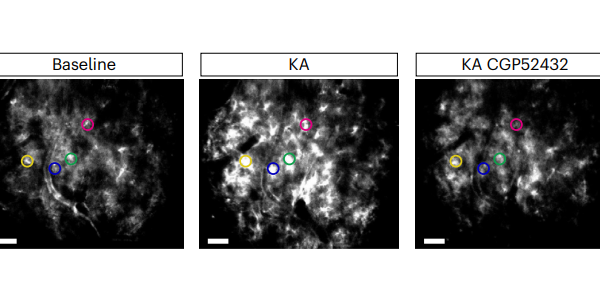
Kainic Acid (KA, i.p., 24 mg/kg, single dose in mouse model of TLE) administration markedly increased microglial calcium signal in both brain regions.
-
Nat Neurosci
2023 Apr;26(4):542-554. PMID: 36941428
Kainic acid purchased from MedChemExpress. Usage Cited in: Nat Neurosci. 2023 Apr;26(4):542-554. [Abstract]
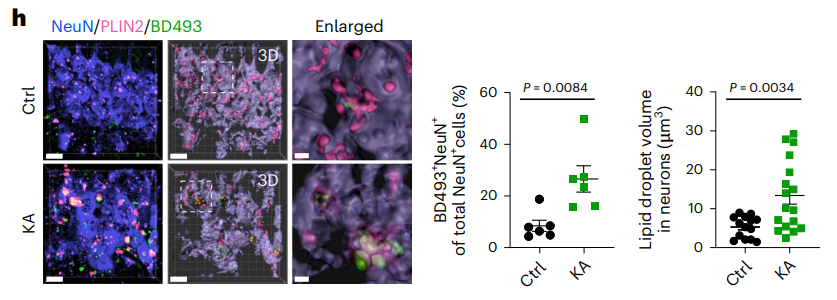
At the chronic stage (21 d after i.p., 24 mg/kg KA injection), both PLIN2/BD493 staining and electron microscopy of mouse hippocampus showed accumulation of LDs in neurons and astrocytes but not in microglia or oligodendrocytes.
-
-
Neuron
Aberrant coupling of glutamate and tyrosine kinase receptors enables neuronal control of brain-tumor growth. [Abstract]2025 Aug 27:S0896-6273(25)00591-4. PMID: 40897174 -
Nat Chem Biol
2024 Dec;20(12):1586-1596. PMID: 38898166 -
J Nanobiotechnology
Improving epilepsy management by targeting P2 × 7 receptor with ROS/electric responsive nanomicelles. [Abstract]2025 May 5;23(1):332. PMID: 40325469
Kainic acid purchased from MedChemExpress. Usage Cited in: J Nanobiotechnology. 2025 May 5;23(1):332. [Abstract]
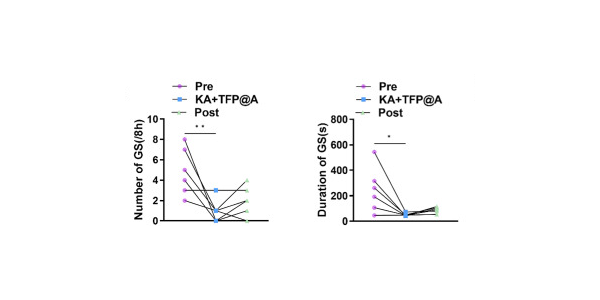
In the TFP@A-treated group, the number and duration of GS were significantly reduced by the second day of Kainic acid (KA, 0.5 mg/mL, 0.5 µL) treatment, with antiepileptic effects lasting until the third day
-
Theranostics
Targeted sonogenetic modulation of GABAergic interneurons in the hippocampal CA1 region in status epilepticus. [Abstract]2024 Oct 7;14(16):6373-6391. PMID: 39431014 -
Adv Sci (Weinh)
Microglial GPR35 Ameliorates Epileptogenesis and Neuroinflammation via PDGFA Domain 2 Signaling. [Abstract]2026 Jan 28:e19642. PMID: 41604576 -
Adv Sci (Weinh)
Pigment Epithelium-Derived Factor Deficiency Impairs Hippocampal Glutamate Homeostasis and Cognitive Function by Downregulating Astrocytic GLT-1. [Abstract]2025 Sep 14:e00402. PMID: 40946177 -
Adv Sci (Weinh)
Targeting ROCK2 to Restore Epileptic Synaptic Networks via Mitophagy Activation: Insights from Translational Imaging of SV2A In Vivo. [Abstract]2025 Aug 29:e08161. PMID: 40878444
Kainic acid purchased from MedChemExpress. Usage Cited in: Adv Sci (Weinh). 2025 Aug 29:e08161. [Abstract]
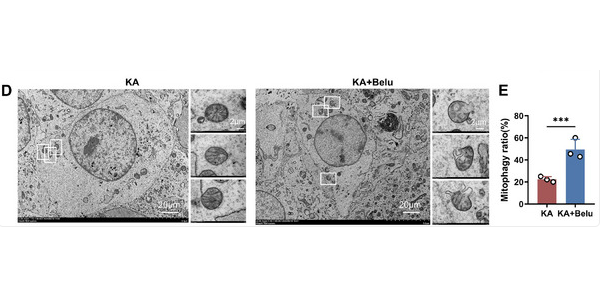
ROCK2 inhibition reversed KA (50 μM)-induced suppression of mitophagy, suggesting mitochondrial normalization.
-
J Neuroinflammation
The effect of dipeptidyl peptidase IV on disease-associated microglia phenotypic transformation in epilepsy. [Abstract]2021 May 11;18(1):112. PMID: 33975617 -
Acta Pharmacol Sin
Ursolic acid derivative UA312 ameliorates ionizing radiation-induced cardiotoxicity and neurodevelopmental toxicity in zebrafish via targeting chrna3 and grik5. [Abstract]2025 Apr 28. PMID: 40295836 -
Cell Rep
Thalamic glutamatergic neurons regulate seizure onset and generalization in temporal lobe epilepsy. [Abstract]2026 Apr 10;45(4):117246. PMID: 41966823 -
Transl Psychiatry
Stellate ganglion block diminishes consolidation of conditioned fear memory in mice by inhibiting the locus coeruleus to the basolateral amygdala neural circuit. [Abstract]2025 May 17;15(1):172. PMID: 40382311
Kainic acid purchased from MedChemExpress. Usage Cited in: Transl Psychiatry. 2025 May 17;15(1):172. [Abstract]
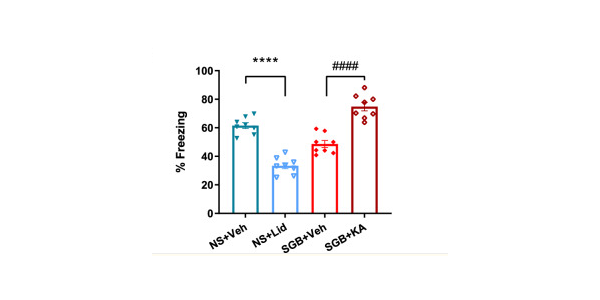
KA treatment: Lidocaine (3%) and KA (2 mg/mL) were infused bilaterally into the LC via delivery cannulas connected to the cannula drug delivery system in a 0.2 μL volume per side at a rate of 0.1 μL/10 s 30 min after training. Pharmacological inhibition of the LC reduced conditioned fear memory in mice, whereas activation of the LC reversed the SGB-induced reduction in conditioned fear memory [n = 8, F (3, 28) = 53.26, P < 0.0001; NS + Vehicle vs. NS + Lid, n = 8, P < 0.0001; SGB + Vehicle vs. SGB + KA, n = 8, P < 0.0001].
-
Pharmaceutics
8-Hydroxy-2-Anilino-1,4-Naphthoquinone Prevents Against Ferroptotic Neuronal Death and Kainate-Induced Epileptic Seizures. [Abstract]2025 Oct 31;17(11):1415. PMID: 41304754 -
PLoS Biol
Sensitive red fluorescent indicators for real-time visualization of potassium ion dynamics in vivo. [Abstract]2025 Sep 17;23(9):e3002993. PMID: 40961161 -
CNS Neurosci Ther
Astaxanthin Inhibits Ferroptosis of Hippocampal Neurons in Kainic Acid-Induced Epileptic Mice by Activating the Nrf2/GPX4 Signaling Pathway. [Abstract]2025 Feb;31(2):e70238. PMID: 39957487 -
CNS Neurosci Ther
Berberine Alleviates Kainic Acid-Induced Acute Epileptic Seizures in Mice via Reshaping Gut Microbiota-Associated Lipid Metabolism. [Abstract]2025 Feb;31(2):e70253. PMID: 39915895 -
CNS Neurosci Ther
2025 Jan;31(1):e70191. PMID: 39764629 -
Acta Neuropathol Commun
2024 Nov 22;12(1):179. PMID: 39578917 -
Pharmaceuticals (Basel)
2025 Oct 1;18(10):1481. PMID: 41155596 -
Int Immunopharmacol
CGRP alleviates epilepsy via JAK1-STAT1-P2RX7 signaling: a novel neuroprotective axis targeting neuronal damage. [Abstract]2026 Feb 1:170:116080. PMID: 41429063 -
Int Immunopharmacol
Melatonin alleviates retinal injury induced by vigabatrin and partially enhances its antiepileptic effects. [Abstract]2025 Apr 24:153:114516. PMID: 40154179 -
Mol Neurobiol
REST/NRSF Regulation of Epilepsy and Cognitive Impairment: Mechanisms and EEG Correlations. [Abstract]2025 Jul 17. PMID: 40676365 -
Mol Neurobiol
2025 Mar;62(3):3934-3955. PMID: 39354232 -
Cell Signal
Clec7a promotes hippocampal microglial activation in rats with status epilepticus via inducing the TLR4/MyD88/NF-κB signaling pathway. [Abstract]2026 Aug:144:112553. PMID: 42025892 -
J Neurochem
Cannabidiol Protects Against Neurotoxic Reactive Astrocytes-Induced Neuronal Death in Mouse Model of Epilepsy. [Abstract]2025 Mar;169(3):e70038. PMID: 40099400 -
-
Prog Neuropsychopharmacol Biol Psychiatry
Microglial HMGB2 mediates neuroinflammation and brain damage in Cx3cr1-creERT2 epileptic mice through astrocyte-derived CCL2. [Abstract]2026 Jun 20:147:111763. PMID: 42218973 -
Mol Brain
2024 Nov 29;17(1):91. PMID: 39614352 -
Neuroscience
Suppression of AKAP150 palmitoylation alleviates seizures in kainic acid-induced epilepsy mice. [Abstract]2025 Dec 5:590:83-92. PMID: 41187801 -
Brain Res
Lipopolysaccharide (LPS) increases susceptibility to epilepsy via interleukin-1 type 1 receptor signaling. [Abstract]2022 Oct 15:1793:148052. PMID: 35970265 -
Hum Cell
Neuroprotective activity of thiolutin in epileptic mice: the inhibition of NLRP3 inflammasome. [Abstract]2025 Dec 25;39(1):28. PMID: 41447420 -
J Tradit Chin Med
Electroacupuncture preconditioning alleviates myocardial ischemia-reperfusion injury through the hypothalamic paraventricular nucleus- interposed nucleus nerve pathway. [Abstract]2022 Jun;42(3):379-388. PMID: 35610007 -
Biochem Biophys Res Commun
miR-128 regulates epilepsy sensitivity in mice by suppressing SNAP-25 and SYT1 expression in the hippocampus. [Abstract]2021 Mar 19:545:195-202. PMID: 33571908 -
Epilepsy Behav
Butylphthalide may inhibit blood-brain barrier disruption through complement-related pathways to alleviate cognitive impairment in epileptic mice. [Abstract]2025 Mar:164:110251. PMID: 39827680 -
Epilepsy Res
Vitamin D3 prevents epileptic seizures by modulating the ras signalling pathway via Gnb1 and Casr in acute epilepsy mouse models. [Abstract]2026 May 14:225:107820. PMID: 42150281 -
Cytotechnology
Identification of plasma exosomal microRNAs and bioinformatics analysis of the microRNA-messenger RNA regulatory pathways in mice with status epilepticus. [Abstract]2025 Apr;77(2):65. PMID: 39991702 -
-
-
-
-


Solvant et solubilité
In Vitro:
DMSO : 40 mg/mL (187.59 mM; Need ultrasonic; Hygroscopic DMSO has a significant impact on the solubility of product, please use newly opened DMSO)
H2O : 10 mg/mL (46.90 mM; ultrasonic and warming and heat to 60°C)
Please refer to the solubility information to select the appropriate solvent. Once prepared, please aliquot and store the solution to prevent product inactivation from repeated freeze-thaw cycles.
Storage method and period of stock solution: -80°C, 6 months; -20°C, 1 month. When stored at -80°C, please use it within 6 months. When stored at -20°C, please use it within 1 month.
* Note: If you choose water as the stock solution, please dilute it to the working solution, then filter and sterilize it with a 0.22 μm filter before use.
Please refer to the solubility information to select the appropriate solvent. Once prepared, please aliquot and store the solution to prevent product inactivation from repeated freeze-thaw cycles.
Storage method and period of stock solution: -80°C, 6 months; -20°C, 1 month. When stored at -80°C, please use it within 6 months. When stored at -20°C, please use it within 1 month.
* Note: If you choose water as the stock solution, please dilute it to the working solution, then filter and sterilize it with a 0.22 μm filter before use.
Concentration (start) × Volume (start) = Concentration (final) × Volume (final)
In Vivo:
Select the appropriate dissolution method based on your experimental animal and administration route.
- For the following dissolution methods, please ensure to first prepare a clear stock solution using an In Vitro approach and then sequentially add co-solvents:
- To ensure reliable experimental results, the clarified stock solution can be appropriately stored based on storage conditions. As for the working solution for In Vivo experiments, it is recommended to prepare freshly and use it on the same day.
- The percentages shown for the solvents indicate their volumetric ratio in the final prepared solution. If precipitation or phase separation occurs during preparation, heat and/or sonication can be used to aid dissolution.
Add each solvent one by one: 10% DMSO 40% PEG300 5% Tween-80 45% Saline
Solubility: ≥ 2.5 mg/mL (11.72 mM); Clear solution
This protocol yields a clear solution of ≥ 2.5 mg/mL (saturation unknown).
Taking 1 mL working solution as an example, add 100 μL DMSO stock solution (25.0 mg/mL) to 400 μL PEG300, and mix evenly; then add 50 μL Tween-80 and mix evenly; then add 450 μL Saline to adjust the volume to 1 mL.
Preparation of Saline: Dissolve 0.9 g sodium chloride in ddH₂O and dilute to 100 mL to obtain a clear Saline solution.
Add each solvent one by one: 10% DMSO 90% (20% SBE-β-CD in Saline)
Solubility: ≥ 2.5 mg/mL (11.72 mM); Clear solution
This protocol yields a clear solution of ≥ 2.5 mg/mL (saturation unknown).
Taking 1 mL working solution as an example, add 100 μL DMSO stock solution (25.0 mg/mL) to 900 μL 20% SBE-β-CD in Saline, and mix evenly.
Preparation of 20% SBE-β-CD in Saline (4°C, storage for one week): 2 g SBE-β-CD powder is dissolved in 10 mL Saline, completely dissolve until clear.
In Vivo Dissolution Calculator
Please enter the basic information of animal experiments:
-
-
-
-
Recommended: Prepare an additional quantity of animals to account for potential losses during experiments.
Please enter your animal formula composition:
-
%DMSO +
Recommended: Keep the proportion of DMSO in working solution below 2% if your animal is weak.
-
%+
-
+%Tween-80 + +
-
%Saline +
The co-solvents required include: DMSO, . All of co-solvents are available by MedChemExpress (MCE). , Tween 80. All of co-solvents are available by MedChemExpress (MCE).
Working solution concentration: 0.22 mg/mL
Method for preparing stock solution: mg drug dissolved in μL DMSO. Stock solution concentration: mg/mL.
1. Take μL DMSO stock solution;
2. Add μL .
μL , mix evenly;
3. Then add μL Tween 80, mix evenly;
4. Then add μL
Please ensure that the stock solution in the first step is dissolved to a clear state, and add co-solvents in sequence. You can use ultrasonic heating (ultrasonic cleaner, recommended frequency 20-40 kHz), vortexing, etc. to assist dissolution.


Pureté et documentation
-
Fiche technique (288 KB)
-
SDS (393 KB)
- English - EN (393 KB)
- Français - FR (393 KB)
- Deutsch - DE (393 KB)
- Norwegian - NO (393 KB)
- Español - ES (393 KB)
- Swedish - SV (393 KB)
- Italian - IT (393 KB)
- Korean - KR (393 KB)
- Portuguese - PT (393 KB)
-
Instruction de manipulation (2659 KB)
Références
[1]. Cincioğlu-Palabiyik M, et al. Chronic levetiracetam decreases hippocampal and testicular aromatase expression in normal but not kainic acid-induced experimental model of acute seizures in rats. Neuroreport. 2017 Sep 27;28(14):903-909. [Content Brief]
[2]. Wang Q, et al. Kainic acid-mediated excitotoxicity as a model for neurodegeneration. Mol Neurobiol. 2005;31(1-3):3-16. [Content Brief]
[3]. Lévesque M, et al. The kainic acid model of temporal lobe epilepsy. Neurosci Biobehav Rev. 2013 Dec;37(10 Pt 2):2887-99. [Content Brief]
[4]. Scherer-Singler U, McGeer EG. Distribution and persistence of kainic acid in brain. Life Sci. 1979 Mar 12;24(11):1015-22. [Content Brief]
[5]. Zheng Z, et al. The effect of dipeptidyl peptidase IV on disease-associated microglia phenotypic transformation in epilepsy. J Neuroinflammation. 2021 May 11;18(1):112. [Content Brief]
[6]. Chung SY, et al. Melatonin attenuates kainic acid-induced hippocampal neurodegeneration and oxidative stress through microglial inhibition. J Pineal Res. 2003 Mar;34(2):95-102. [Content Brief]


Complete Stock Solution Preparation Table
Please refer to the solubility information to select the appropriate solvent. Once prepared, please aliquot and store the solution to prevent product inactivation from repeated freeze-thaw cycles.
Storage method and period of stock solution: -80°C, 6 months; -20°C, 1 month. When stored at -80°C, please use it within 6 months. When stored at -20°C, please use it within 1 month.
| Optional Solvent | Concentration Solvent Mass | 1 mg | 5 mg | 10 mg | 25 mg |
|---|---|---|---|---|---|
| H2O / DMSO | 1 mM | 4.6898 mL | 23.4489 mL | 46.8977 mL | 117.2443 mL |
| 5 mM | 0.9380 mL | 4.6898 mL | 9.3795 mL | 23.4489 mL | |
| 10 mM | 0.4690 mL | 2.3449 mL | 4.6898 mL | 11.7244 mL | |
| 15 mM | 0.3127 mL | 1.5633 mL | 3.1265 mL | 7.8163 mL | |
| 20 mM | 0.2345 mL | 1.1724 mL | 2.3449 mL | 5.8622 mL | |
| 25 mM | 0.1876 mL | 0.9380 mL | 1.8759 mL | 4.6898 mL | |
| 30 mM | 0.1563 mL | 0.7816 mL | 1.5633 mL | 3.9081 mL | |
| 40 mM | 0.1172 mL | 0.5862 mL | 1.1724 mL | 2.9311 mL | |
| DMSO | 50 mM | 0.0938 mL | 0.4690 mL | 0.9380 mL | 2.3449 mL |
| 60 mM | 0.0782 mL | 0.3908 mL | 0.7816 mL | 1.9541 mL | |
| 80 mM | 0.0586 mL | 0.2931 mL | 0.5862 mL | 1.4656 mL | |
| 100 mM | 0.0469 mL | 0.2345 mL | 0.4690 mL | 1.1724 mL |
* Note: If you choose water as the stock solution, please dilute it to the working solution, then filter and sterilize it with a 0.22 μm filter before use.


Kainic acid Related Classifications
HY-N2309 Related Classifications
 Powered by Bioz