1. Search Result
Search Result
Results for "

urinary biomarker

" in MedChemExpress (MCE) Product Catalog:

31

Inhibitors & Agonists

11

Natural
Products

10

Isotope-Labeled Compounds

2

Oligonucleotides

Cat. No. Product Name Target Research Areas Chemical Structure
  • HY-77641

    Endogenous Metabolite Metabolic Disease
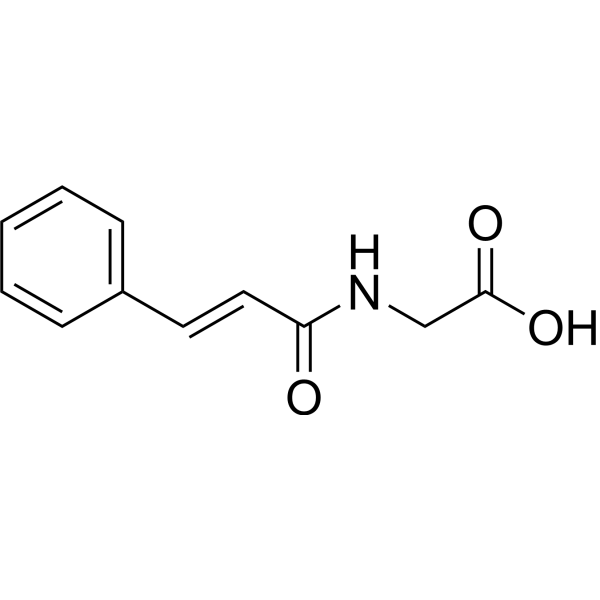
    Cinnamoylglycine is a human urinary metabolite and PPG analog. Cinnamoylglycine is a conjugate of cinnamic acid and glycine. Cinnamoylglycine is used as a urine marker. Cinnamoylglycine can be used in adipogenic differentiation studies .
    Cinnamoylglycine
  • HY-111645
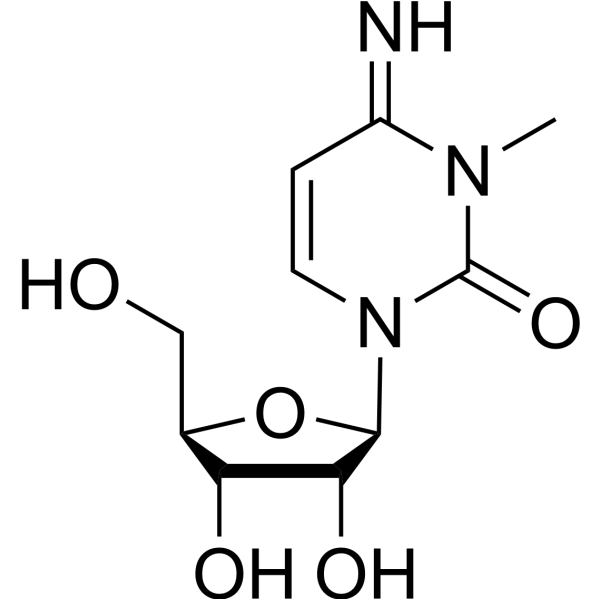
    3-Methylcytidine
    3 Publications Verification

    Nucleoside Antimetabolite/Analog Cancer
    3-Methylcytidine, a urinary nucleoside, can be used as a biomarker of four different types of cancer: lung cancer, gastric cancer, colon cancer, and breast cancer .
    3-Methylcytidine
  • HY-113247

    Drug Metabolite Others
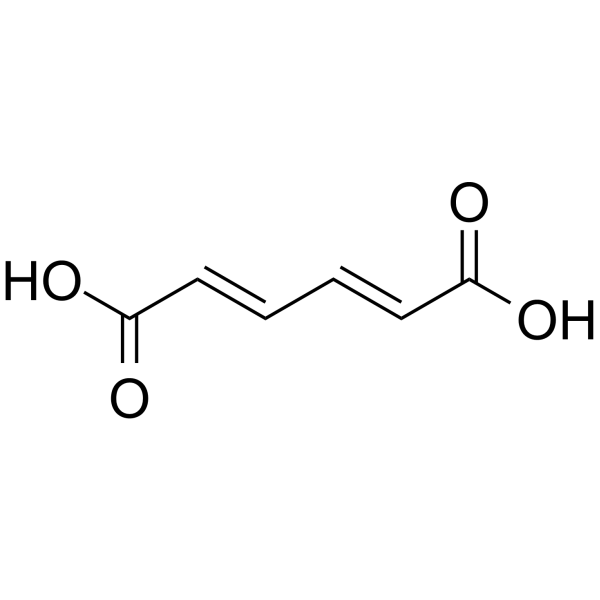
    trans-trans-Muconic acid is a urinary metabolite of Benzene. trans-trans-Muconic acid serves as a urinary biomarker for occupational benzene exposure .
    trans-trans-Muconic acid
  • HY-114988

    tetranor-PGEM

    Drug Metabolite Metabolic Disease Inflammation/Immunology Cancer
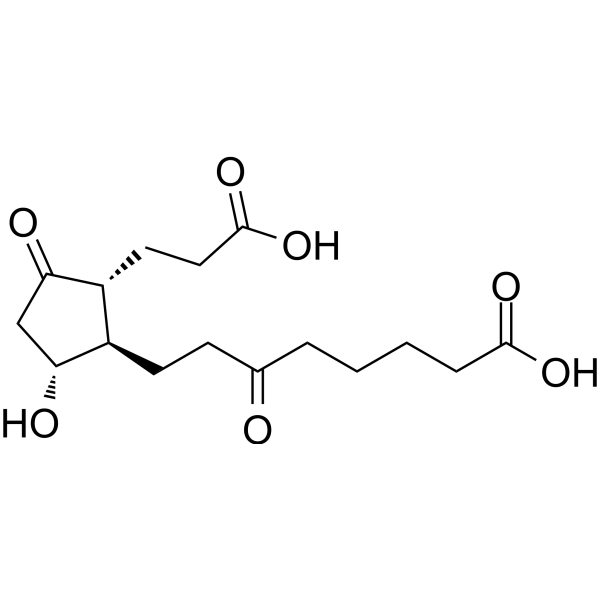
    PGE-M (tetranor-PGEM) is a metabolite of Prostaglandin E2 (HY-101952) and also an inflammatory biomarker. Urinary PGE-M is a potential biomarker for detecting advanced colorectal tumors. PGE-M can be used in studies related to colorectal cancer, obesity, aging and breast cancer .
    PGE-M
  • HY-128387

    Endogenous Metabolite Cardiovascular Disease
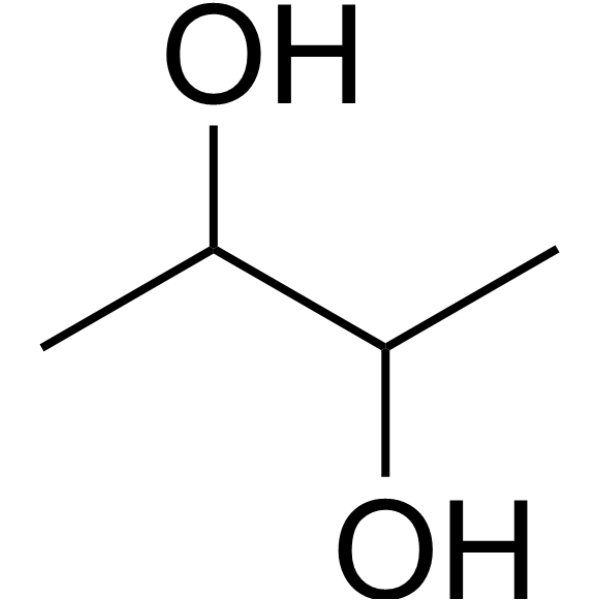
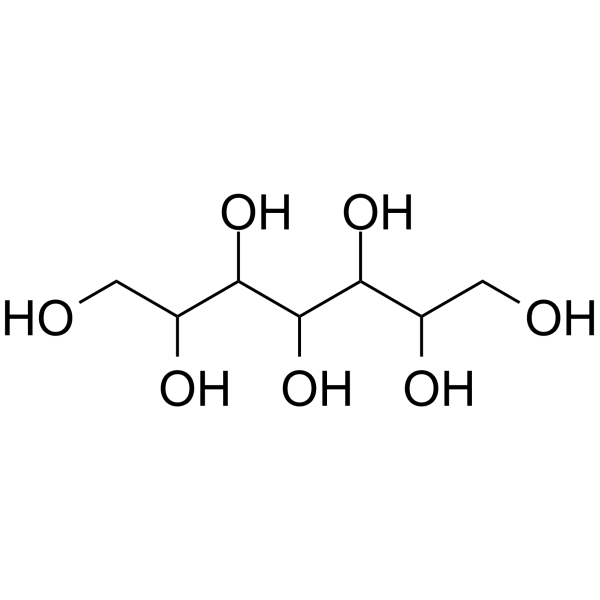
    2,3-Butanediol is microbially derived compound that is a discriminating urinary biomarker of Fmo5 -/- mice. 2,3-Butanediol prevents age-related increases in the plasma concentration of cholesterol. 2,3-Butanediol has potential applications in the manufacture of printing inks, perfumes, fumigants, moistening and softening agents, plasticizers, and as a carrier for pharmaceuticals .
    2,3-Butanediol
  • HY-W011168

    Nucleoside Antimetabolite/Analog DNA/RNA Synthesis Inflammation/Immunology Cancer
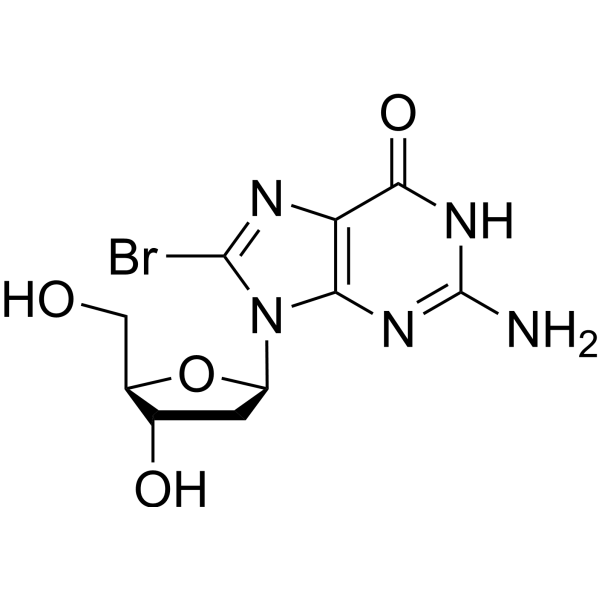
    8-Bromo-2'-deoxyguanosine is an inflammation-related DNA halogenated adduct and an early biomarker of inflammation-induced oxidative tissue damage. The formation of 8-Bromo-2'-deoxyguanosine precedes that of oxidative and nitrative products, and it can be generated via the MPO-H2O2-Cl --Br - system. 8-Bromo-2'-deoxyguanosine serves as the immunogen for preparing the monoclonal antibody mAb8B3, which can be used to detect early DNA modifications in preclinical models; its urinary level also increases significantly in inflammatory disease models. 8-Bromo-2'-deoxyguanosine can also be produced in the dermis of UV-B irradiated mice, and the extract of Coprinus comatus significantly reduces its level. 8-Bromo-2'-deoxyguanosine finds applications in studies related to inflammatory diseases, diabetes, hepatocellular carcinoma, and UV-B induced skin inflammation .
    8-Bromo-2'-deoxyguanosine
  • HY-134611

    β-hydroxyethoxyacetic acid; HEAA

    Drug Metabolite Others
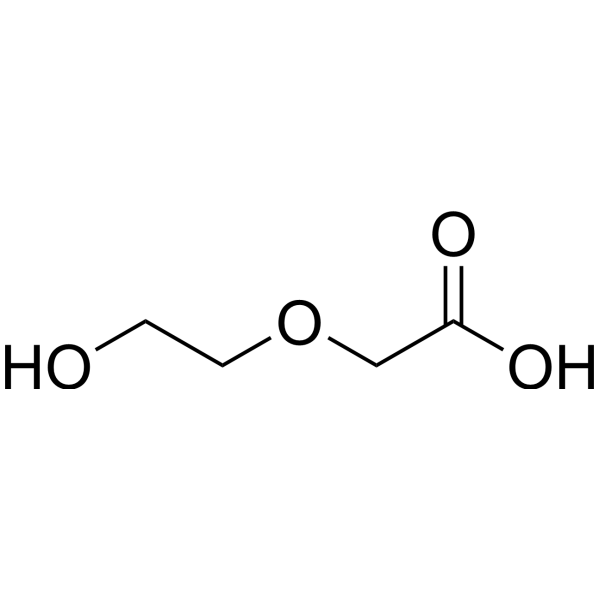
    (2-Hydroxyethoxy)acetic acid (β-hydroxyethoxyacetic acid) is the main urinary metabolite of 1,4-Dioxane. (2-Hydroxyethoxy)acetic acid is a reliable and sensitive shortterm biomarker in urine .
    (2-Hydroxyethoxy)acetic acid
  • HY-113340

    Endogenous Metabolite Others
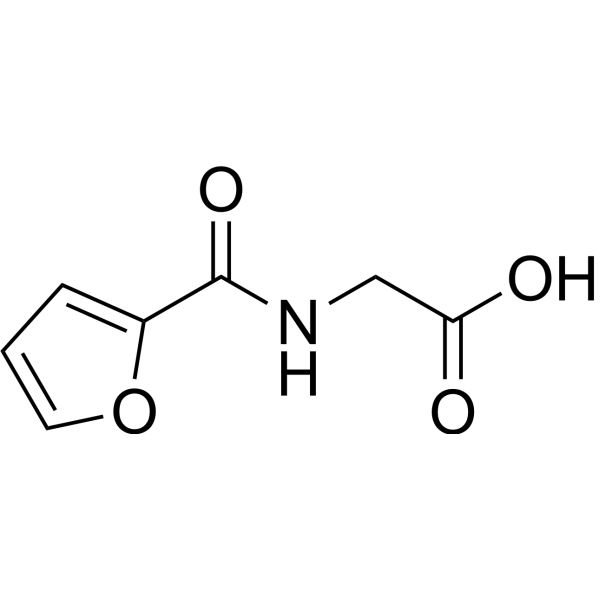
    2-Furoylglycine, a urinary metabolite in human, is a putative biomarker for coffee consumption .
    2-Furoylglycine
  • HY-111645R

    Nucleoside Antimetabolite/Analog Reference Standards Cancer
    3-Methylcytidine (Standard) is the analytical standard of 3-Methylcytidine. This product is intended for research and analytical applications. 3-Methylcytidine, a urinary nucleoside, can be used as a biomarker of four different types of cancer: lung cancer, gastric cancer, colon cancer, and breast cancer .
    3-Methylcytidine (Standard)
  • HY-136410

    Endogenous Metabolite Metabolic Disease
    4-hydroxy Nonenal Mercapturic Acid is a major urinary metabolite of 4-hydroxy-2-nonenal (4-HNE). 4-hydroxy Nonenal Mercapturic Acid metabolites include reduced alcohols, aldehydes, and carboxylic acids, which further form gamma-lactols and gamma-lactones, resulting in 4-5 final urinary metabolites in vivo. 4-hydroxy Nonenal Mercapturic Acid can be used as a biomarker to assess oxidative stress .
    4-hydroxy Nonenal Mercapturic Acid
  • HY-Y1097S

    2-(Methoxycarbonyl)benzoic acid-d4

    Isotope-Labeled Compounds Cancer
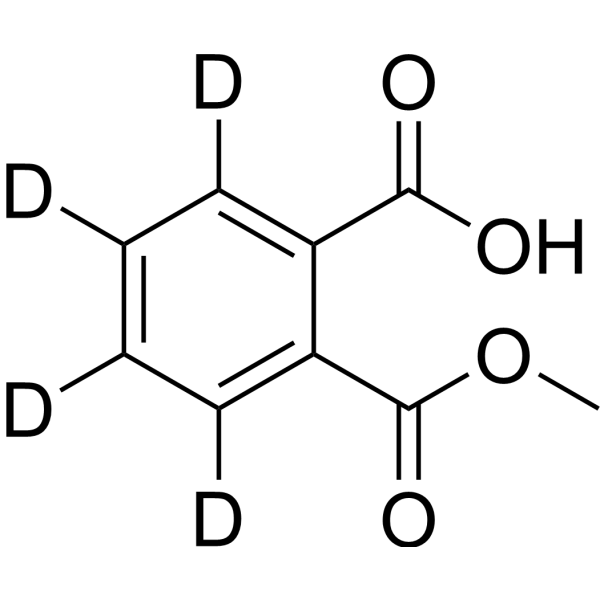
    Monomethyl phthalate-d4 (2-(Methoxycarbonyl)benzoic acid-d4) is the deuterium labeled Monomethyl phthalate. Monomethyl phthalate is a phthalate metabolite. Monomethyl phthalate acts as a urinary biomarker of phthalates exposure and can be used as a standard for the determination of thyroid cancer and benign nodule .
    Monomethyl phthalate-d4
  • HY-113247S

    Endogenous Metabolite Metabolic Disease
    trans-trans-Muconic acid-d4 is the deuterium labeled trans-trans-Muconic acid . trans-trans-Muconic acid is a urinary metabolite of benzene and has been used as a biomarker of exposure to benzene in human .
    trans-trans-Muconic acid-d4
  • HY-128387R

    Reference Standards Endogenous Metabolite Cardiovascular Disease
    2,3-Butanediol (Standard) is the analytical standard of 2,3-Butanediol (HY-128387). This product is intended for research and analytical applications. 2,3-Butanediol is microbially derived compound that is a discriminating urinary biomarker of Fmo5 -/- mice. 2,3-Butanediol prevents age-related increases in the plasma concentration of cholesterol. 2,3-Butanediol has potential applications in the manufacture of printing inks, perfumes, fumigants, moistening and softening agents, plasticizers, and as a carrier for pharmaceuticals.
    2,3-Butanediol (Standard)
  • HY-128387S1

    Isotope-Labeled Compounds Endogenous Metabolite Cardiovascular Disease
    2,3-Butanediol-d8 is the deuterium labeled 2,3-Butanediol (HY-128387) . 2,3-Butanediol is microbially derived compound that is a discriminating urinary biomarker of Fmo5 -/- mice. 2,3-Butanediol prevents age-related increases in the plasma concentration of cholesterol. 2,3-Butanediol has potential applications in the manufacture of printing inks, perfumes, fumigants, moistening and softening agents, plasticizers, and as a carrier for pharmaceuticals .
    2,3-Butanediol-d8
  • HY-114652

    2-Amino-α-carboline; AαC

    Endogenous Metabolite Cancer
    AalphaC (AαC) is a potential carcinogen with carcinogenic activity. AalphaC is an important biomarker in tobacco smoke and is associated with tobacco smoke exposure. Urinary concentrations of AalphaC are significantly higher in dedicated smokers than in non-smokers, indicating its importance in monitoring tobacco exposure. AalphaC levels increase significantly with increasing serum nicotine levels, indicating its close relationship with tobacco use. In addition, consuming high-temperature cooked beef significantly increases the amount of AalphaC in urine, while consuming vegetables is associated with a decrease in AalphaC concentrations. Smoking half a pack of cigarettes is associated with a significant increase in the amount of AalphaC, which further confirms the biological activity of AalphaC and its association with dietary habits .
    AalphaC
  • HY-77641S

    Isotope-Labeled Compounds Endogenous Metabolite Metabolic Disease
    Cinnamoylglycine-d2 is the deuterium labeled Cinnamoylglycine. Cinnamoylglycine is a glycine conjugate of cinnamic acid and a urinary metabolite in human. Cinnamoylglycine is used as a potential urinary biomarker indicating intact or disrupted colonization resistance during and after antibiotic treatment .
    Cinnamoylglycine-d2
  • HY-113144AS

    Isotope-Labeled Compounds Endogenous Metabolite Metabolic Disease Cancer
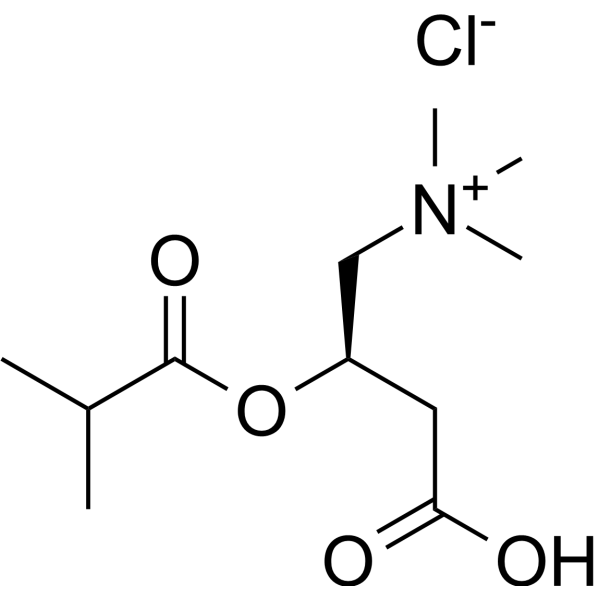
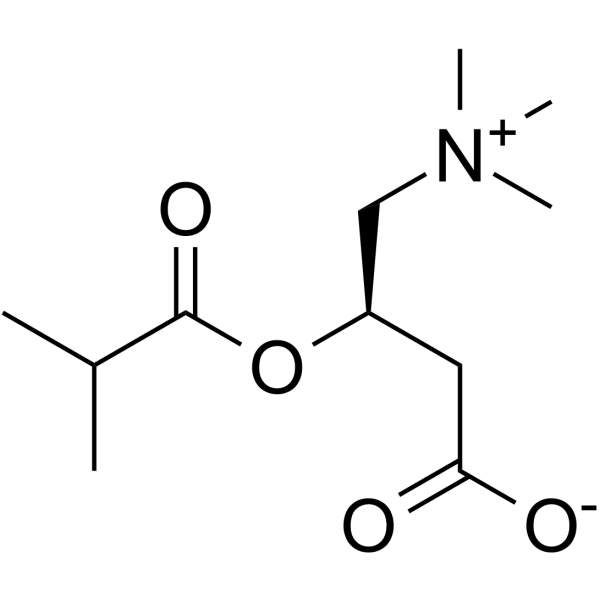
    L-Hexanoylcarnitine-d3 chloride is the deuterium labeled L-Hexanoylcarnitine chloride. L-Hexanoylcarnitine chloride is an acylcarnitine and also a urinary biomarker for hyperlipidemia. The expression of L-Hexanoylcarnitine chloride is upregulated in colorectal cancer cells, which is associated with metabolic pathways related to cell growth and proliferation. L-Hexanoylcarnitine chloride can be used in studies related to hyperlipidemia and stage B colorectal cancer .
    L-Hexanoylcarnitine-d3 chloride
  • HY-W585928

    Drug Metabolite Neurological Disease
    Di-o-cresyl phosphate is a urinary metabolite of tri-o-cresyl phosphate (HY-W011086), o,o,m-tricresyl phosphate, and o,o,p-tricresyl phosphate, and serves as a biomarker for monitoring exposure to ortho-isomers of tricresyl phosphate. Di-o-cresyl phosphate is not a metabolite of mono-o-tricresyl phosphate. Di-o-cresyl phosphate can be used in studies related to delayed neuropathy (OPIDN) .
    Di-o-cresyl phosphate
  • HY-77641R

    Reference Standards Endogenous Metabolite Metabolic Disease
    Cinnamoylglycine (Standard) is the analytical standard of Cinnamoylglycine. This product is intended for research and analytical applications. Cinnamoylglycine is a glycine conjugate of cinnamic acid and a urinary metabolite in human. Cinnamoylglycine is used as a potential urinary biomarker indicating intact or disrupted colonization resistance during and after antibiotic treatment .
    Cinnamoylglycine (Standard)
  • HY-133668R

    Drug Metabolite Reference Standards Cancer
    Sulfamonomethoxine (sodium) (Standard) is the analytical standard of Sulfamonomethoxine (sodium). This product is intended for research and analytical applications. Sulfamonomethoxine sodium is a long acting sulfonamide antibacterial agent, used in blood kinetic studies,and blocks the synthesis of folic acid by inhibiting synthetase of dihydropteroate .
    Monoethyl phthalate (Standard)
  • HY-117659

    Prostaglandin D Metabolite

    Prostaglandin Receptor Inflammation/Immunology
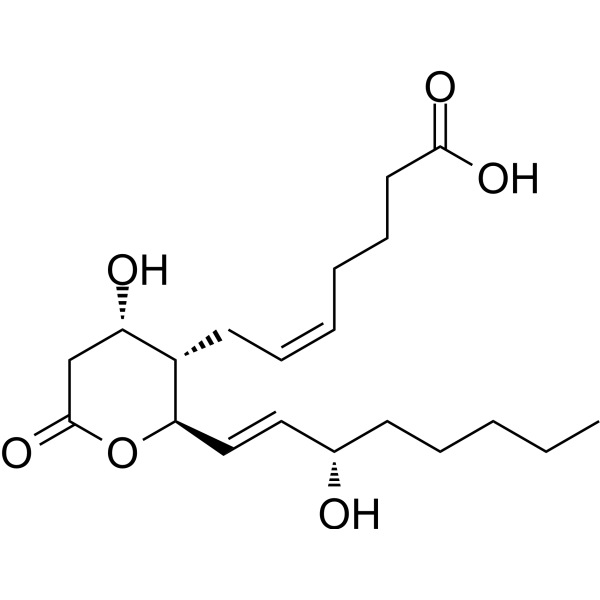
    PGDM (Prostaglandin D Metabolite) is the main urinary metabolite of Prostaglandin D2 and is prone to reversible cyclization. PGDM may serve as a biomarker for the endogenous production of PGD2 or be used to evaluate the severity of acute allergic reactions .
    PGDM
  • HY-113247S1

    Isotope-Labeled Compounds Endogenous Metabolite Metabolic Disease
    trans-trans-Muconic acid-d4-1 is a deuterium labeled trans-trans-Muconic acid (HY-113247). trans-trans-Muconic acid is a urinary metabolite of benzene and has been used as a biomarker of exposure to benzene in human.
    Muconic acid-d4
  • HY-113247R

    Reference Standards Endogenous Metabolite Metabolic Disease
    trans-trans-Muconic acid (Standard) is the analytical standard of trans-trans-Muconic acid. This product is intended for research and analytical applications. trans-trans-Muconic acid is a urinary metabolite of benzene and has been used as a biomarker of exposure to benzene in human. trans-trans-Muconic acid is mutagenic in an E. coli assay .
    trans-trans-Muconic acid (Standard)
  • HY-113144R

    Reference Standards Endogenous Metabolite Metabolic Disease
    L-Hexanoylcarnitine (Standard) is the analytical standard of L-Hexanoylcarnitine. This product is intended for research and analytical applications. L-Hexanoylcarnitine is an acylcarnitine and also a urinary biomarker for hyperlipidemia. The expression of L-Hexanoylcarnitine is upregulated in colorectal cancer cells, which is associated with metabolic pathways related to cell growth and proliferation. L-Hexanoylcarnitine can be used in studies related to hyperlipidemia and stage B colorectal cancer.
    L-Hexanoylcarnitine (Standard)
  • HY-113144S

    Isotope-Labeled Compounds Endogenous Metabolite Metabolic Disease Cancer
    L-Hexanoylcarnitine-d9 is deuterium labeled L-Hexanoylcarnitine. L-Hexanoylcarnitine is an acylcarnitine and also a urinary biomarker for hyperlipidemia. The expression of L-Hexanoylcarnitine is upregulated in colorectal cancer cells, which is associated with metabolic pathways related to cell growth and proliferation. L-Hexanoylcarnitine can be used in studies related to hyperlipidemia and stage B colorectal cancer .
    L-Hexanoylcarnitine-d9
  • HY-128387S

    Isotope-Labeled Compounds Endogenous Metabolite Infection
    2,3-Butanediol-d6 is the deuterium labeled 2,3-Butanediol (HY-128387) . 2,3-Butanediol is microbially derived compound that is a discriminating urinary biomarker of Fmo5 -/- mice. 2,3-Butanediol prevents age-related increases in the plasma concentration of cholesterol. 2,3-Butanediol has potential applications in the manufacture of printing inks, perfumes, fumigants, moistening and softening agents, plasticizers, and as a carrier for pharmaceuticals .
    2,3-Butanediol-d6
  • HY-W700491

    2-Amino-α-carboline-15N3; AαC-15N3

    Isotope-Labeled Compounds Endogenous Metabolite Cancer
    AalphaC- 15N3 (2-Amino-α-carboline- 15N3) is 15N labeled AalphaC. AalphaC (AαC) is a potential carcinogen with carcinogenic activity. AalphaC is an important biomarker in tobacco smoke and is associated with tobacco smoke exposure. Urinary concentrations of AalphaC are significantly higher in dedicated smokers than in non-smokers, indicating its importance in monitoring tobacco exposure. AalphaC levels increase significantly with increasing serum nicotine levels, indicating its close relationship with tobacco use. In addition, consuming high-temperature cooked beef significantly increases the amount of AalphaC in urine, while consuming vegetables is associated with a decrease in AalphaC concentrations. Smoking half a pack of cigarettes is associated with a significant increase in the amount of AalphaC, which further confirms the biological activity of AalphaC and its association with dietary habits .
    AalphaC-15N3
  • HY-W767399

    Isotope-Labeled Compounds DNA/RNA Synthesis Nucleoside Antimetabolite/Analog Cancer
    8-Bromo-2'-deoxyguanosine- 13C, 15N2 is the 13C- and 15N-labeled 8-Bromo-2'-deoxyguanosine (HY-W011168). 8-Bromo-2'-deoxyguanosine is an inflammation-related DNA halogenated adduct and an early biomarker of inflammation-induced oxidative tissue damage. The formation of 8-Bromo-2'-deoxyguanosine precedes that of oxidative and nitrative products, and it can be generated via the MPO-H2O2-Cl --Br - system. 8-Bromo-2'-deoxyguanosine serves as the immunogen for preparing the monoclonal antibody mAb8B3, which can be used to detect early DNA modifications in preclinical models; its urinary level also increases significantly in inflammatory disease models. 8-Bromo-2'-deoxyguanosine can also be produced in the dermis of UV-B irradiated mice, and the extract of Coprinus comatus significantly reduces its level. 8-Bromo-2'-deoxyguanosine finds applications in studies related to inflammatory diseases, diabetes, hepatocellular carcinoma, and UV-B induced skin inflammation .
    8-Bromo-2'-deoxyguanosine-13C,15N2
  • HY-W013187

    Nucleoside Antimetabolite/Analog Metabolic Disease
    3-Methylcytidine (methosulfate), a urinary nucleoside, can be used as a biomarker of four different types of cancer: lung cancer, gastric cancer, colon cancer, and breast cancer.
    3-Methylcytidine methosulfate
  • HY-113340R

    Endogenous Metabolite Reference Standards Others
    2-Furoylglycine (Standard) is the analytical standard of 2-Furoylglycine. This product is intended for research and analytical applications. 2-Furoylglycine, a urinary metabolite in human, is a putative biomarker for coffee consumption .
    2-Furoylglycine (Standard)
  • HY-W726483

    Drug Metabolite Others
    5Oxo-MEHTP is an urinary metabolite of di(2-ethylhexyl) terephthalate (DEHTP). 5Oxo-MEHTP is predominantly excreted in glucuronidated form via urine .
    5Oxo-MEHTP

Inquiry Online

Your information is safe with us. * Required Fields.

Salutation


Country or Region *

Applicant Name *


Organization Name *

Department *


Email Address *


Product Name *

Cat. No.


Requested quantity *

Phone Number *


Remarks

Inquiry Online

Inquiry Information

Product Name:
Cat. No.:
Quantity:
MCE Japan Authorized Agent:

