



Guanosine
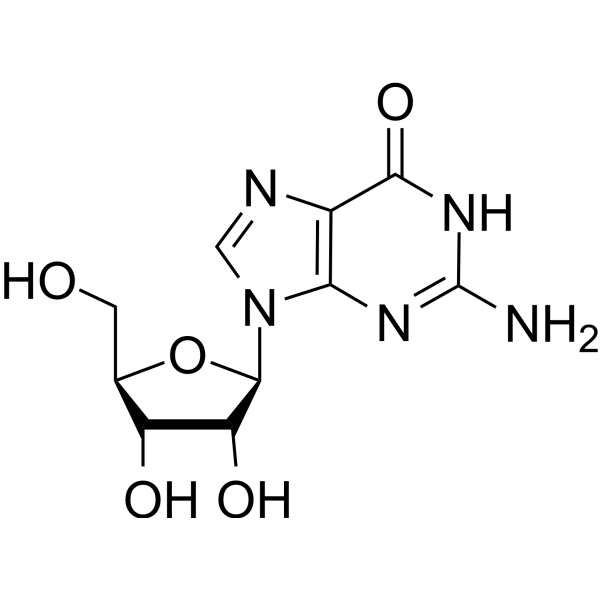
- Formula: C10H13N5O5
- Molecular Weight: 283.24
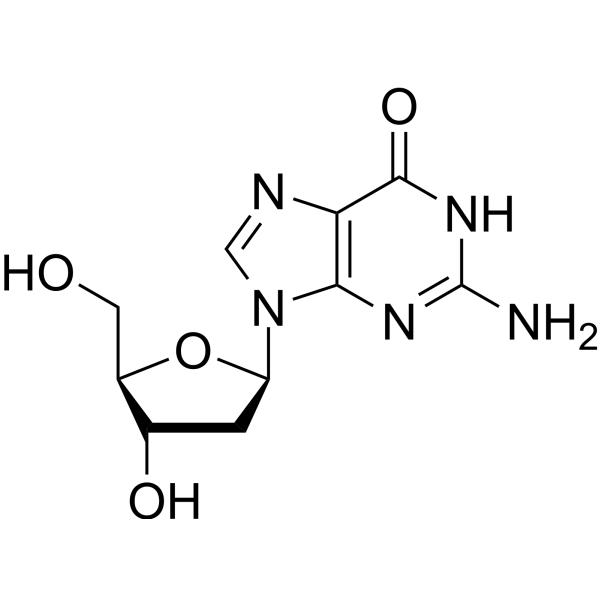
- Formula: C10H13N5O4
- Molecular Weight: 267.25
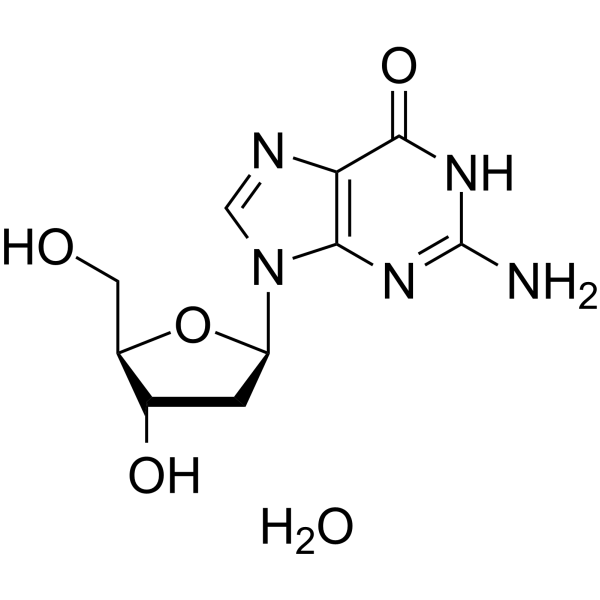
2’-Deoxyguanosine (Deoxyguanosine) is a purine nucleoside with a variety of biological activities. 2’-Deoxyguanosine can induce DNA division in mouse thymus cells. 2’-Deoxyguanosine is a potent cell division inhibitor in plant cells.
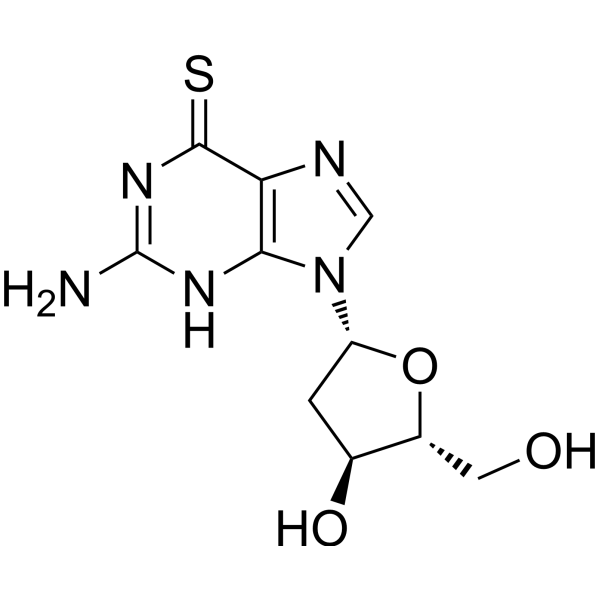
- Formula: C10H13N5O3S
- Molecular Weight: 283.31
6-Thio-2'-Deoxyguanosine is a nucleoside analogue that can be incorporated into de novo-synthesized telomeres by telomerase.
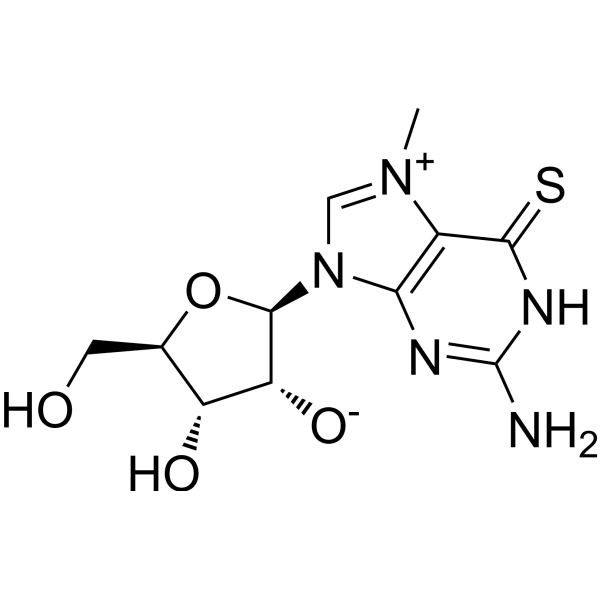
- Formula: C11H15N5O4S
- Molecular Weight: 313.33
7-Methyl-6-thioguanosine (MESG) is a chromogenic substrate that can be converted to 7-methyl-6-thioguanine in the presence of purine nucleoside phosphorylase and inorganic phosphate. 7-Methyl-6-thioguanosine can be used to quantify inorganic phosphate. 7-Methyl-6-thioguanosine can also be used to determine the activities of purine nucleoside phosphorylase and protein phosphatases.
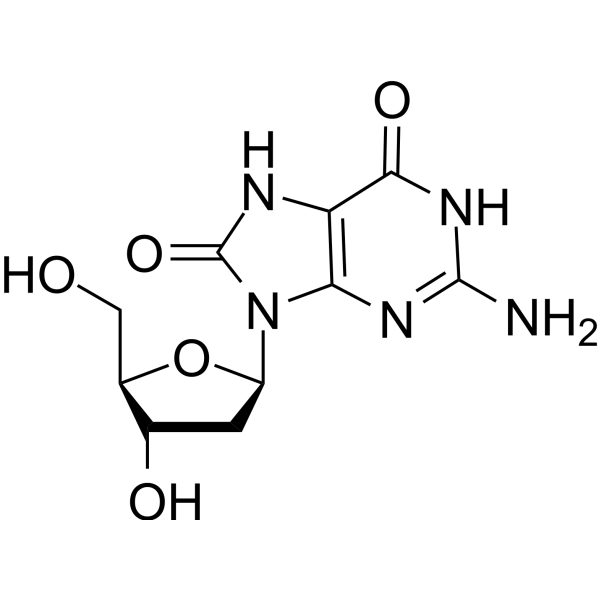
- Formula: C10H13N5O5
- Molecular Weight: 283.24
8-Hydroxy-2'-deoxyguanosine is a critical biomarker of oxidative stress and carcinogenesis.
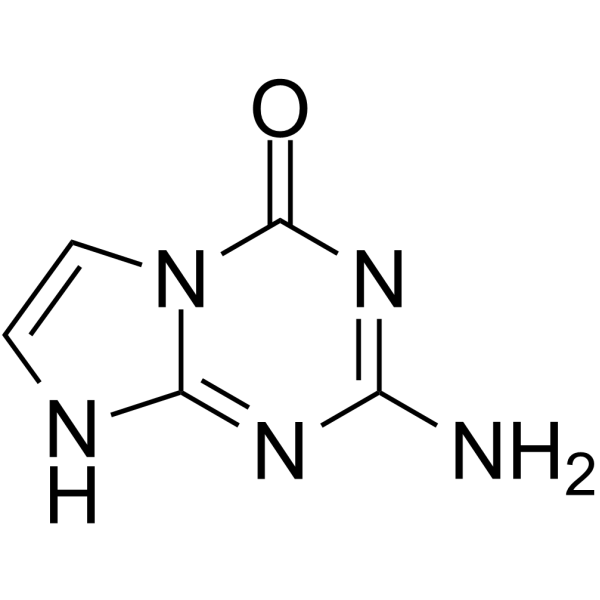
- Formula: C5H5N5O
- Molecular Weight: 151.13
5-Aza-7-deazaguanine is a substrate for wild-type (WT) E. coli purine nucleoside phosphorylase and its Ser90Ala mutant in the synthesis of base-modified nucleosides.
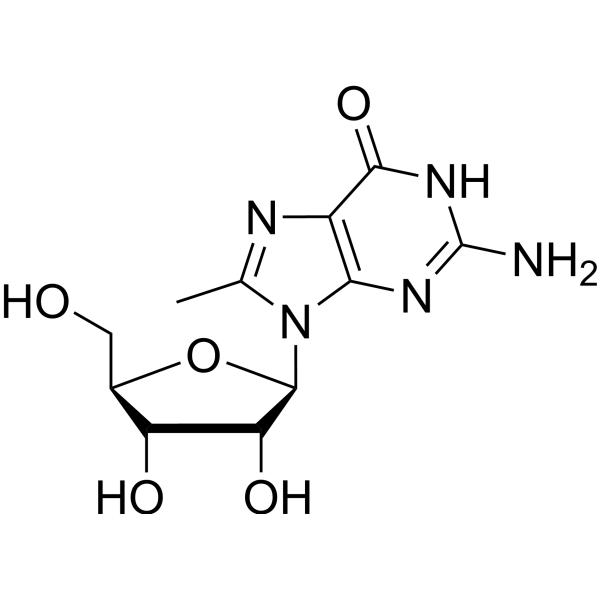
- Formula: C11H15N5O5
- Molecular Weight: 297.27
8-Methylguanosine (m(8)rG) is a purine nucleoside analog. The incorporation of 8-methylguanosine in oligonucleotides stabilizes the Z form more dramatically than does the incorporation of 8-methyl-2'-deoxyguanosine (m(8)G).
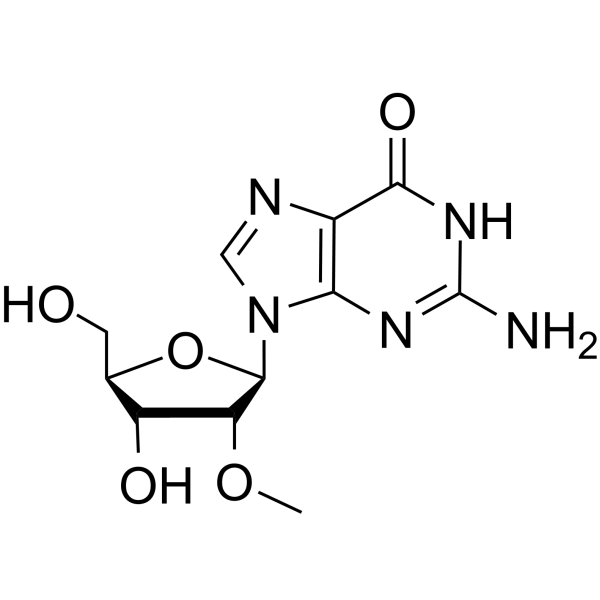
- Formula: C11H15N5O5
- Molecular Weight: 297.27
2'-O-Methylguanosine is a modified nucleoside produced in tRNAs by the action of tRNA guanosine-2’-O-methyltransferase. 2'-O-Methylguanosine results in apoptotic changes of cells.
- Formula: C10H15N5O5
- Molecular Weight: 285.26
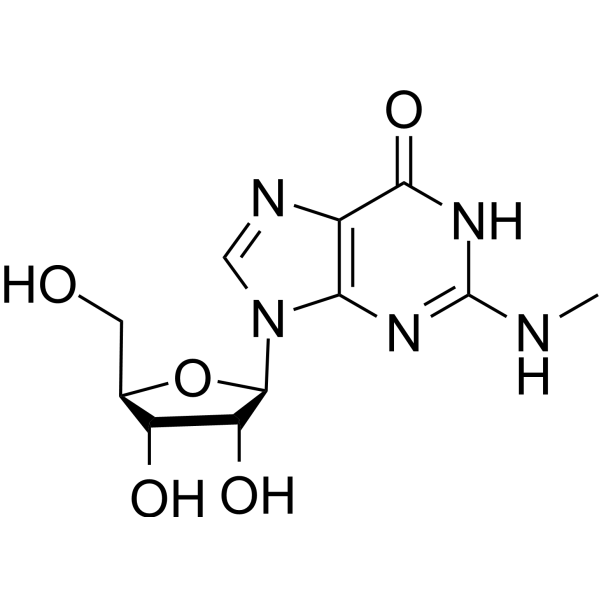
- Formula: C11H15N5O5
- Molecular Weight: 297.27
N2-Methylguanosine is a commonly modified nucleoside in rRNA and tRNA, with specific distributions in both E. coli rRNA and eukaryotic tRNA. N2-Methylguanosine can be found in urine. N2-Methylguanosine affects the structure and stability of RNA.
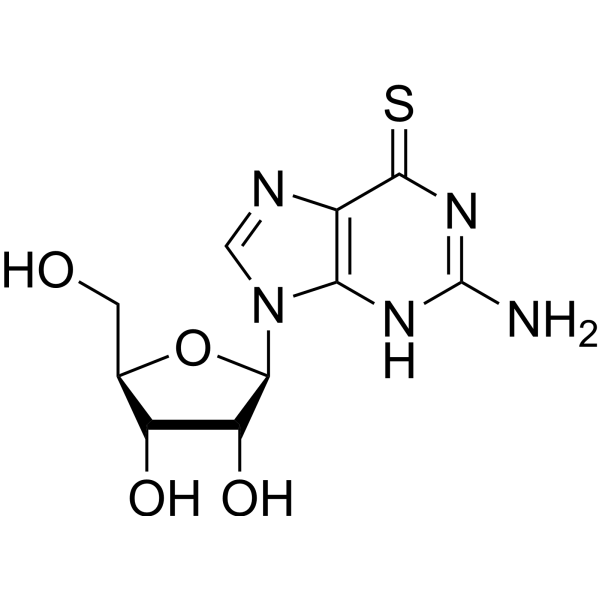
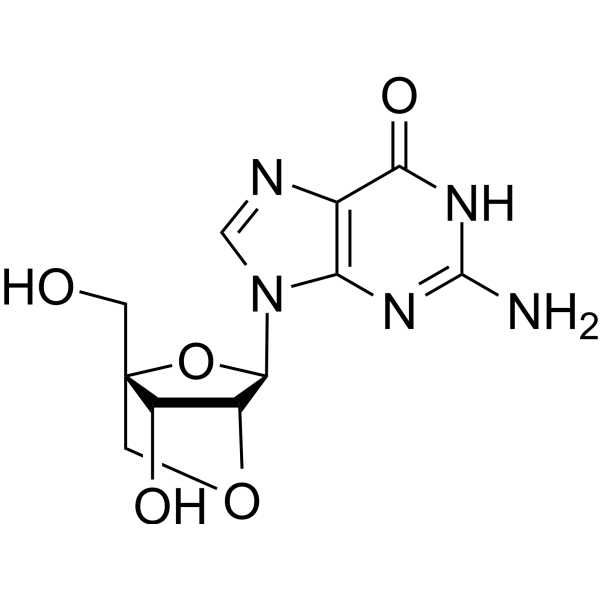
- Formula: C11H13N5O5
- Molecular Weight: 295.25
2′-O,4′-C-Methyleneguanosine (LNA-G) is a reverse guanine analog, where LNA (locked nucleic acid) is a nucleic acid analog. LNA modification can be widely used in various fields, such as effective binding affinity with complementary sequences and stronger nuclease resistance than natural nucleotides, providing great potential for application in disease diagnosis and research. 2'-O,4'-C-Methyleneguanosine is a substrate for KOD DNA polymerase, which incorporates LNA-G nucleotides into growing DNA strands, including consecutive incorporations , to generate full-length extension products.
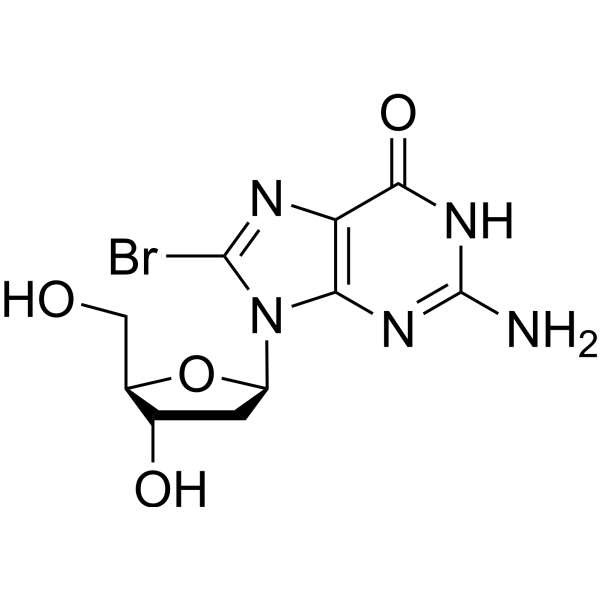
- Formula: C10H12BrN5O4
- Molecular Weight: 346.14
8-Bromo-2'-deoxyguanosine is an inflammation-related DNA halogenated adduct and an early biomarker of inflammation-induced oxidative tissue damage. The formation of 8-Bromo-2'-deoxyguanosine precedes that of oxidative and nitrative products, and it can be generated via the MPO-H2O2-Cl--Br- system. 8-Bromo-2'-deoxyguanosine serves as the immunogen for preparing the monoclonal antibody mAb8B3, which can be used to detect early DNA modifications in preclinical models; its urinary level also increases significantly in inflammatory disease models. 8-Bromo-2'-deoxyguanosine can also be produced in the dermis of UV-B irradiated mice, and the extract of Coprinus comatus significantly reduces its level. 8-Bromo-2'-deoxyguanosine finds applications in studies related to inflammatory diseases, diabetes, hepatocellular carcinoma, and UV-B induced skin inflammation.
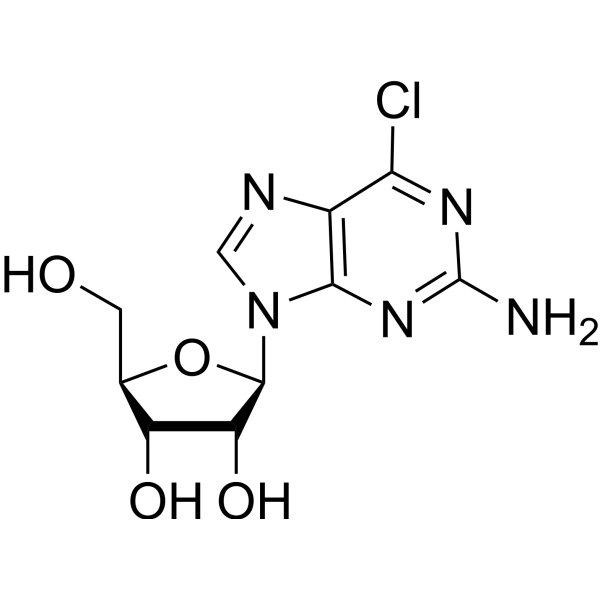
- Formula: C10H12ClN5O4
- Molecular Weight: 301.69
6-Chloroguanineriboside (6-Chloroguanosine) is a purine nucleoside analog. 6-Chloroguanineriboside has extremely low affinity for guanosine binding sites in rat brain (Ki: 253.1 μM).

- Formula: C14H19N5O6
- Molecular Weight: 353.33
iBu-rG (N-Isobutyrylguanosine) is a nucleoside compound that can be used to synthesize oligoribonucleotides.
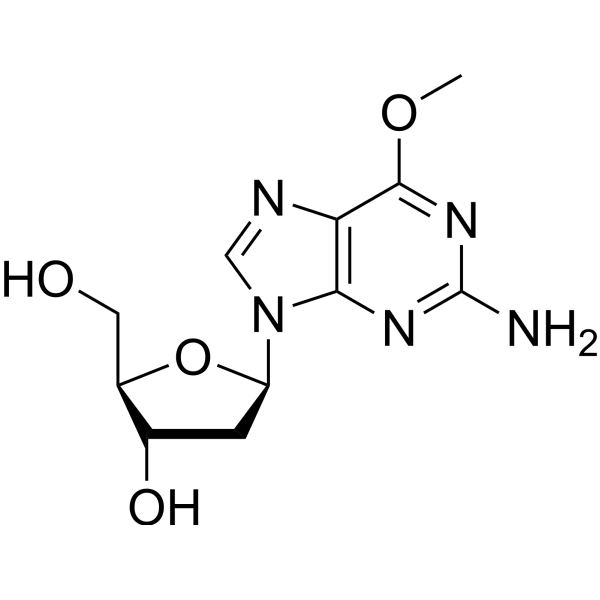
- Formula: C11H15N5O4
- Molecular Weight: 281.27
O6-Methyldeoxy guanosine; DNA adduct is a purine nucleoside analog. Purine nucleoside analogs have broad antitumor activity targeting indolent lymphoid malignancies. Anticancer mechanisms in this process rely on inhibition of DNA synthesis, induction of apoptosis, etc.
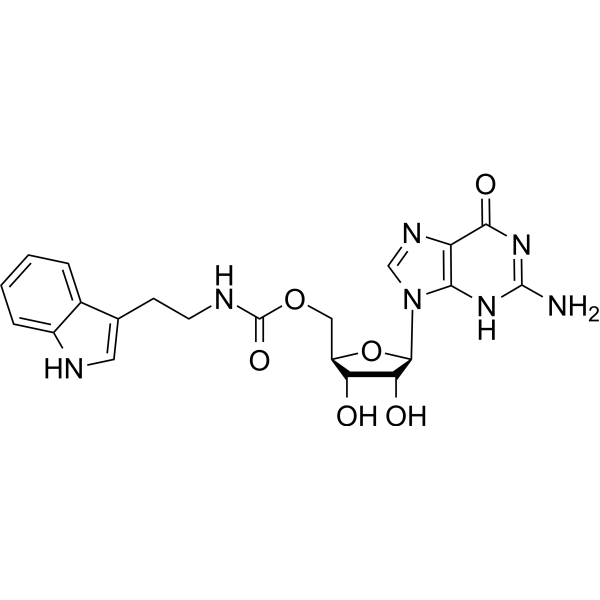
- Formula: C21H23N7O6
- Molecular Weight: 469.45
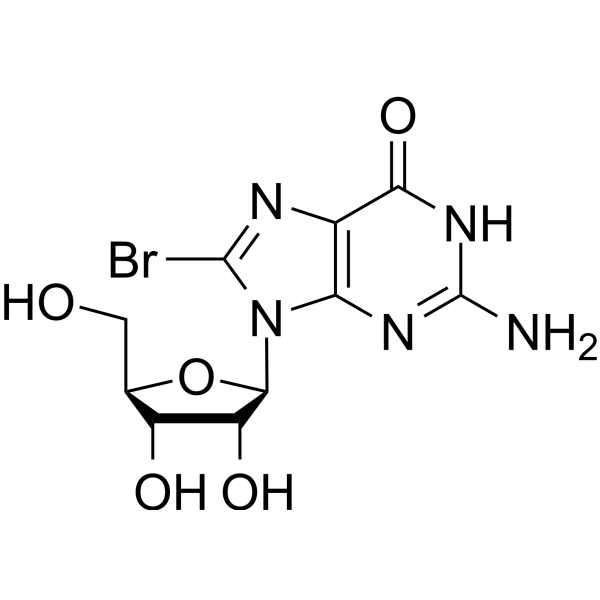
- Formula: C10H12BrN5O5
- Molecular Weight: 362.14
8-Bromoguanosine is a purine nucleoside, a brominated derivative of guanosine. 8-Bromoguanosine can reduce the conformational heterogeneity of RNA to enhance its function.
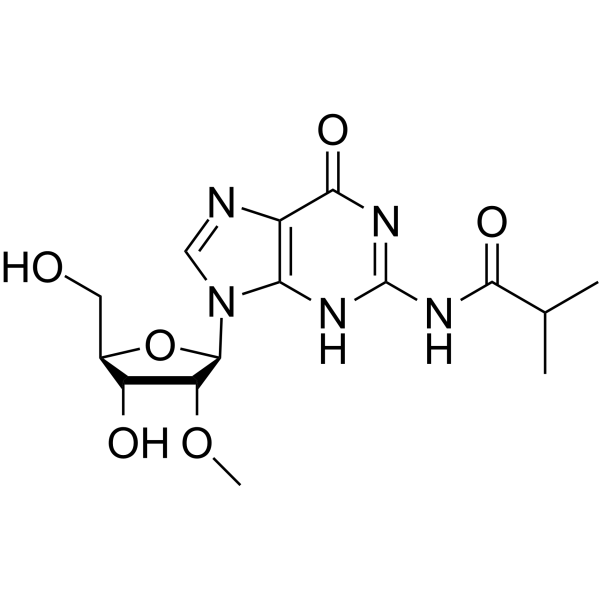
- Formula: C15H21N5O6
- Molecular Weight: 367.36
N2-Isobutyryl-2'-O-methylguanosine is a nucleic acid synthesis intermediate (e.g., used in antisense oligonucleotides, mRNA modification), for example, it is a key monomer for the synthesis of 2'-O-methyl oligoribonucleotides. N2-Isobutyryl-2'-O-methylguanosine enables the final product to form stable double strands with complementary RNA and is not easily degraded by nucleases. N2-Isobutyryl-2'-O-methylguanosine is mainly used in molecular biology research, and can be used to prepare RNA hybridization probes or participate in related biochemical research such as pre-mRNA splicing mechanisms.
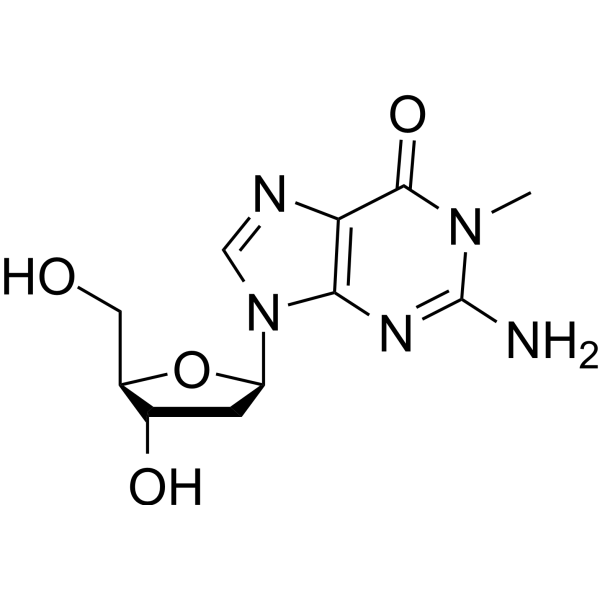
- Formula: C11H15N5O4
- Molecular Weight: 281.27
2’-Deoxy-N1-methylguanosine is a purine nucleoside analog. Purine nucleoside analogs have broad antitumor activity targeting indolent lymphoid malignancies. Anticancer mechanisms in this process rely on inhibition of DNA synthesis, induction of apoptosis, etc.



