



SPHINX31
Based on 13 publication(s) in Google Scholar
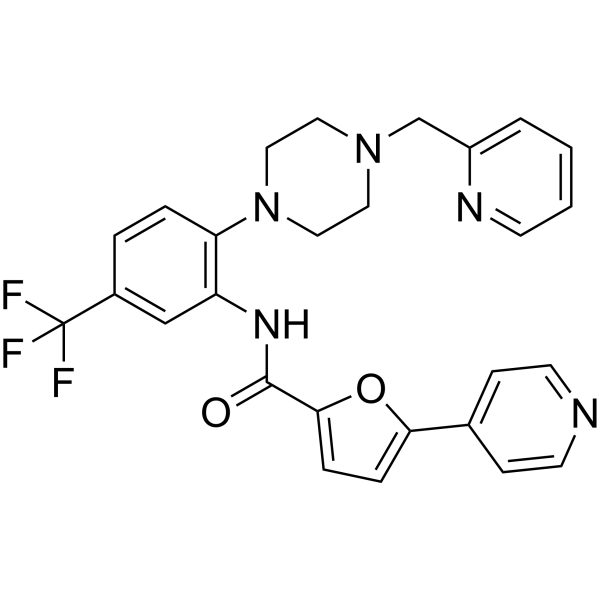
SPHINX31 is a potent and selective SRPK1 inhibitor, with an IC50 of 5.9 nM. SPHINX31 inhibits phosphorylation of serine/arginine-rich splicing factor 1 (SRSF1). SPHINX31 also decreases the mRNA expression of pro-angiogenic VEGF-A165a isoform. SPHINX31 can be used to research neovascular eye disease.
Nur für Forschungszwecke. Wir verkaufen nicht an Patienten.
- Reinheit : 99.25%
- CAS. Nr.: 1818389-84-2
- Formel: C27H24F3N5O2
- Molecular Weight:507.51
-
Speicherung:Powder -20°C, 3 years , 4°C, 2 years ; In solvent -80°C, 2 years , -20°C, 1 year

To place orders, for customer services and technical support, please contact: MedChemExpress USA
Tel: 609-228-6898 E-mail: [email protected] [email protected]


-
 Biologische Aktivität
-
Chemical Information
-
Lösungsmittel & Löslichkeit
- Protokoll
- Reinheit & Dokumentation
- Verweise
-
 Help & FAQs


-
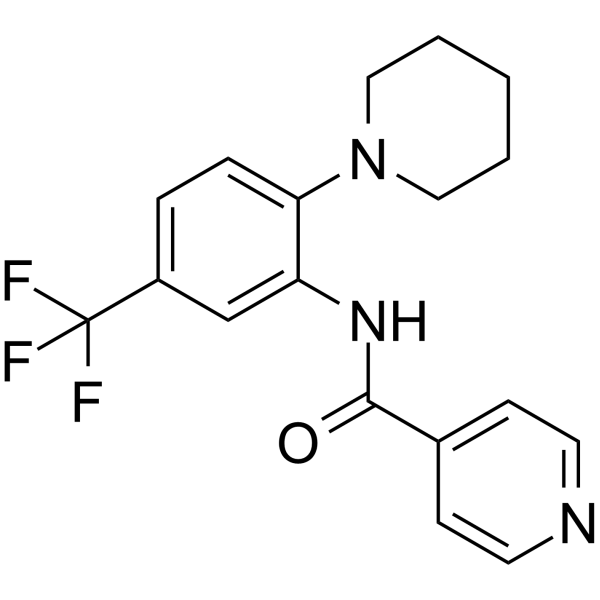
HY-13949
SRPIN340Virus Protease Inhibitor -
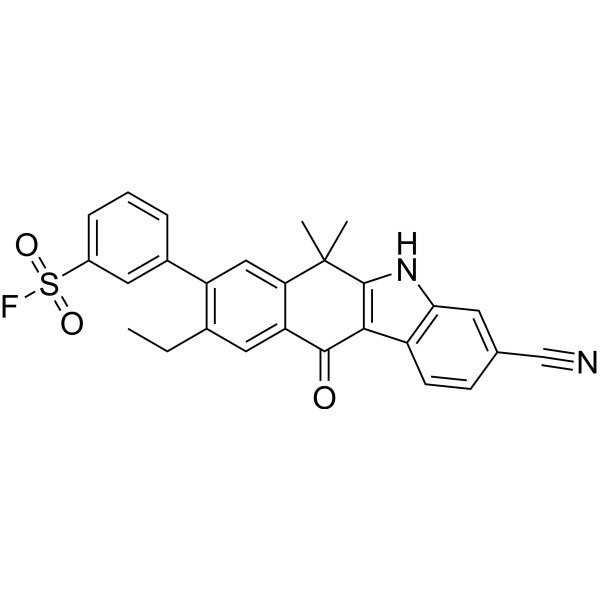
HY-116856
SRPKIN-1SRPK1/2 Inhibitor -
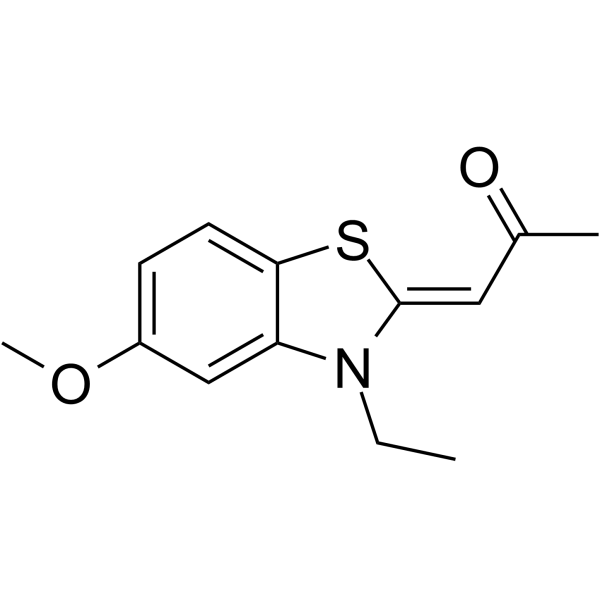
HY-15338
TG003CLK1 Inhibitor -
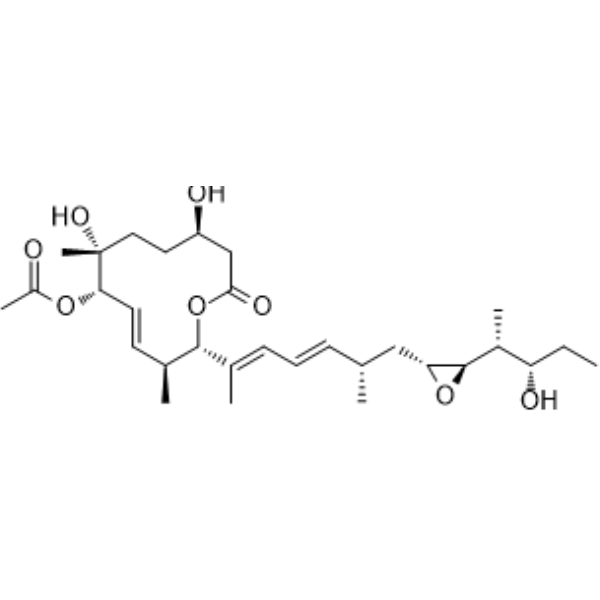
HY-16399
Pladienolide BSplicing Inhibitor -
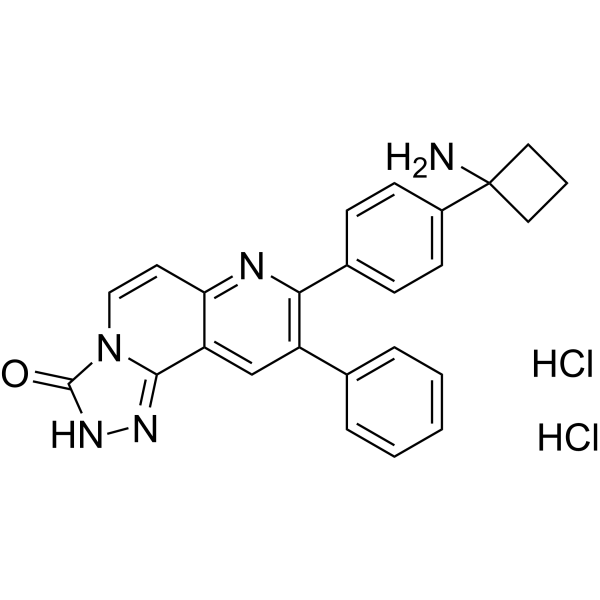
HY-10358
MK-2206 dihydrochlorideAllosteric Akt Inhibitor -
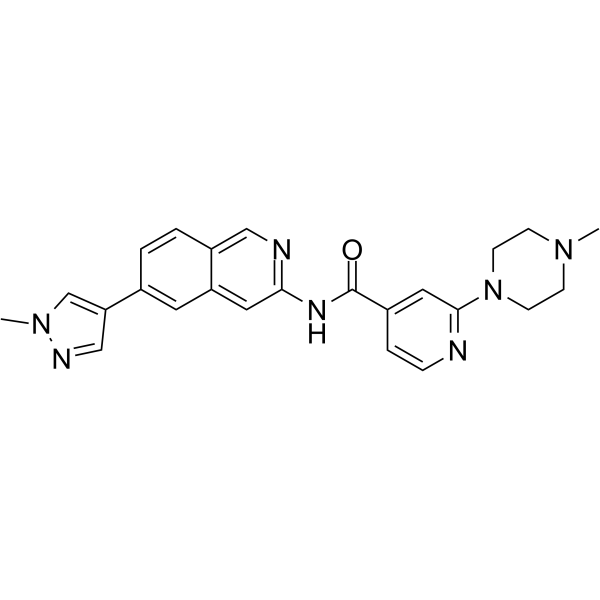
HY-137435
CirtuvivintCLK Inhibitor -
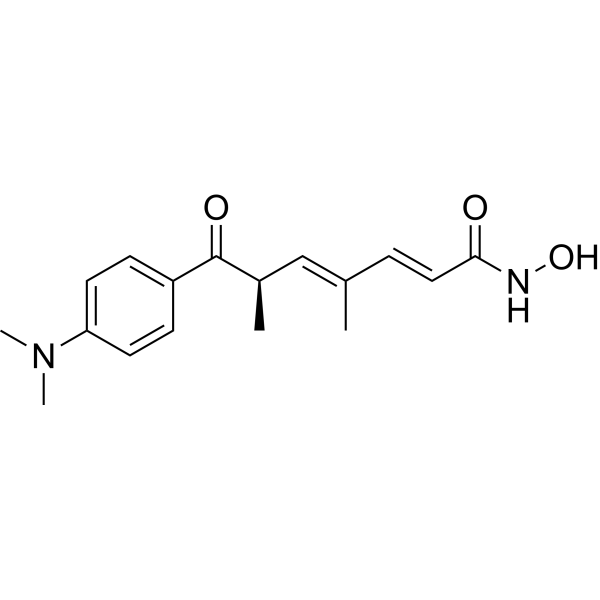
HY-15144
Trichostatin AHDAC Class I/II Inhibitor -
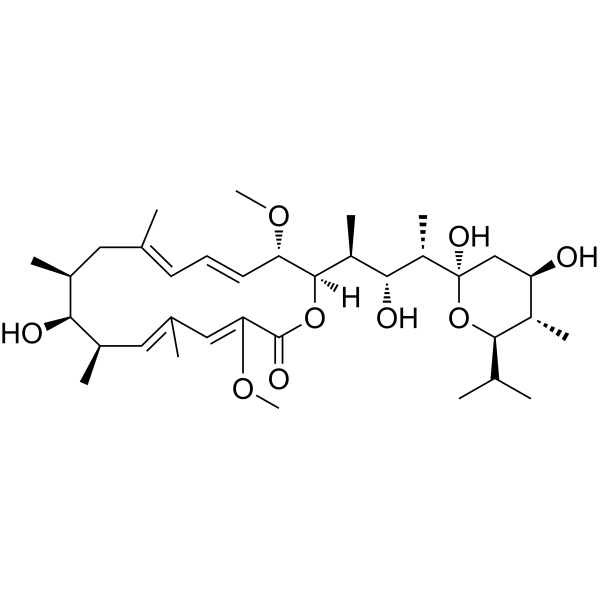
HY-100558
Bafilomycin A1V-ATPase Inhibitor -

HY-K0301
Cell Counting Kit-8 -
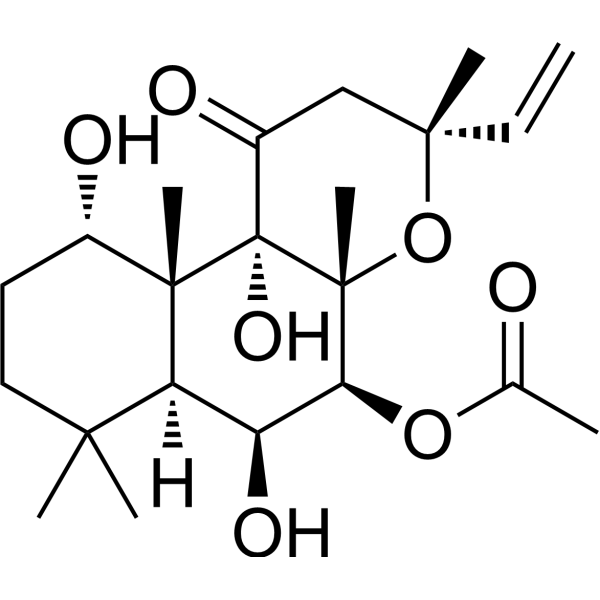
HY-15371
ForskolinAdenylate Cyclase Activator -
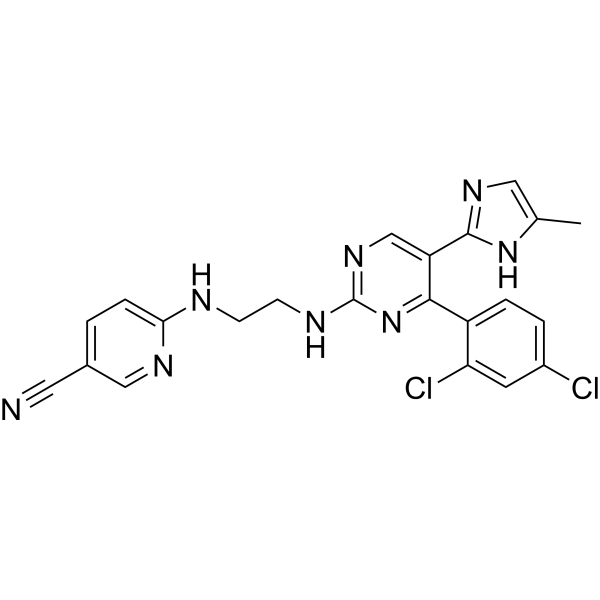
HY-10182
LaduviglusibGSK-3 Inhibitor -
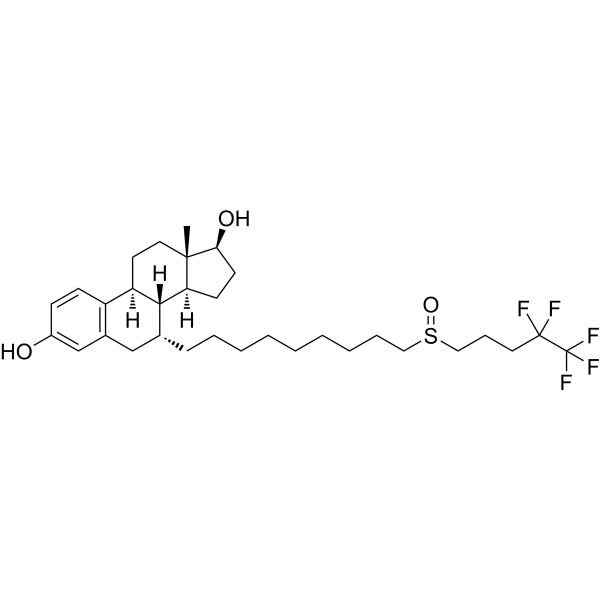
HY-13636
FulvestrantEstrogen Receptor Antagonist
Publications Citing Use of MedChemExpress (MCE) SPHINX31
More- Nat Commun. 2024 Aug 13;15(1):6953. [Abstract]
- Blood Adv. 2024 Aug 13;8(15):3880-3892. [Abstract]
- Sci Signal. 2022 Oct 25;15(757):eabm0808. [Abstract]
- Front Pharmacol. 2022 Jun 30;13:920601. [Abstract]
- Med Oncol. 2025 Jul 26;42(9):379. [Abstract]
- BMC Cancer. 2022 Oct 27;22(1):1100. [Abstract]
- Toxins. 2024 Sep 14;16(9):394. [Abstract]
- Front Oncol. 2026 Jan 2:15:1712170. [Abstract]
- J Food Drug Anal. 2025 Mar 31;33(1):31-47. [Abstract]
- Glycobiology. 2024 Dec 10;34(12):cwae081. [Abstract]
- Mol Biol Rep. 2025 Nov 6;53(1):55. [Abstract]
- SSRN. 2023 Jun 20.
- bioRxiv. 2020 Dec 16:2020.08.14.251207. [Abstract]
 Customer Validation & Images

-
Cell Proliferation/Viability Assay
-
Cell Proliferation/Viability Assay
-
Microbiological Assay
-
Cell Proliferation/Viability Assay
-
IF
Alle VEGFR Isoform-spezifische Produkte anzeigen
More

Biologische Aktivität
Beschreibung
IC50 & Target
In Vitro
SPHINX31 (0.3-10 μM; 24 h) significantly down-regulates the expression of VEGF-A165a mRNA[2].
SPHINX31 (0.3 μM; 24 h) suppresses SRSF1 phosphorylation and nuclear localization[2].
SPHINX31 (0.3-10 μM; 24 h) decreases pre-tube formation and the rate of migration for human umbilical vein endothelial cells (HUVECs)[2].
MedChemExpress (MCE) has not independently confirmed the accuracy of these methods. They are for reference only. Further protocols information, click here.
-
Cell Line:HuCCA-1 cells
-
Concentration:0.3, 1, 3 and 10 μM
-
Incubation Time:24 h
-
Result:Significantly down-regulated about 60% of the expression of VEGF-A165a mRNA compared with the control cells.
-
Cell Line:HuCCA-1 cells
-
Concentration:0.3 μM
-
Incubation Time:24 h
-
Result:Suppressed SRSF1 phosphorylation and nuclear localization, which thereby induced less expression of pro-angiogenic VEGF-A165a in HuCCA-1 cells.
-
Cell Line:HuCCA-1 cells
-
Concentration:0.3, 1, 3 and 10 μM
-
Incubation Time:24 h
-
Result:Decreased pre-tube formation of the cells network area to about 50% of the control group.
Decreased the rate of migration for HUVECs.
In Vivo
MedChemExpress (MCE) has not independently confirmed the accuracy of these methods. They are for reference only.
-
Animal Model:Norway Brown rats (intraperitoneally injected with 50 mg/kg Streptozotocin (HY-10219) to induce type I diabetes)[3]
-
Dosage:200 μg/mL
-
Administration:Twice daily topical eye drops
-
Result:Reduced retinal permeability in the diabetics (7.92 ± 1.65 × 10⁻⁴ cms-1) less than before induction of diabetes (8.15 ± 2.33 × 10⁻⁴ cms-1), and less than the control group (8.85 ± 1.29 × 10⁻⁴ cms-1), while the diabetes group was 12.67 ± 1.09 × 10⁻⁴ cms-1.


Chemical Information
-
CAS. Nr. 1818389-84-2
-
Appearance Solid
-
Molecular Weight 507.51
-
Formel C27H24F3N5O2
-
Color White to off-white
-
SMILES
O=C(NC1=C(N2CCN(CC3=CC=CC=N3)CC2)C=CC(C(F)(F)F)=C1)C4=CC=C(O4)C5=CC=NC=C5
-
Versand
Room temperature in continental US; may vary elsewhere.
-
Speicherung
Powder -20°C 3 years 4°C 2 years In solvent -80°C 2 years -20°C 1 year


Publications (13)
-
Journal Impact Factor
-
Most Recent
-
Nat Commun
2024 Aug 13;15(1):6953. PMID: 39138205 -
Blood Adv
Deep PIM kinase substrate profiling reveals new rational co-therapeutic strategies for acute myeloid leukemia. [Abstract]2024 Aug 13;8(15):3880-3892. PMID: 38739710
SPHINX31 purchased from MedChemExpress. Usage Cited in: Blood Adv. 2024 Aug 13;8(15):3880-3892. [Abstract]
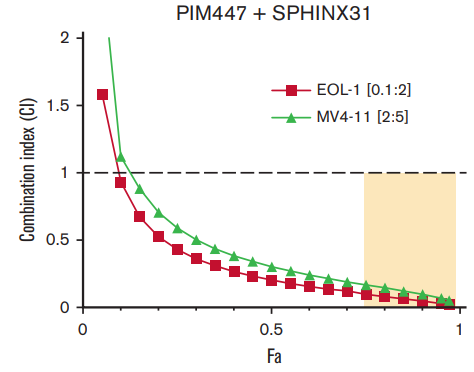
MLL-rearranged EOL-1 and MV4-11 cells were treated with PIM447 + SPHINX31 (0.25, 0.5, 1.0, 2.0, 4.00 μM for EOL-1 cells; 0.625 1.25 2.5 5.0 10.0 μM for MV4-11 cells; 48 h) or each compound alone. CI values were calculated using CompuSyn. Fa-CI plots were generated based on constant dose ratio drug combination data. CI < 1 indicates synergy; CI > 1 indicates antagonism; CI = 1 indicates additivity. The tan shaded area indicates synergy and strong effect (fraction affected, Fa > 0.75). The results showed that the combination treatment produced a potent synergistic killing effect in EOL-1 and MV4-11 cells.
-
Sci Signal
Host protein kinases required for SARS-CoV-2 nucleocapsid phosphorylation and viral replication. [Abstract]2022 Oct 25;15(757):eabm0808. PMID: 36282911
SPHINX31 purchased from MedChemExpress. Usage Cited in: Sci Signal. 2022 Oct 25;15(757):eabm0808. [Abstract]
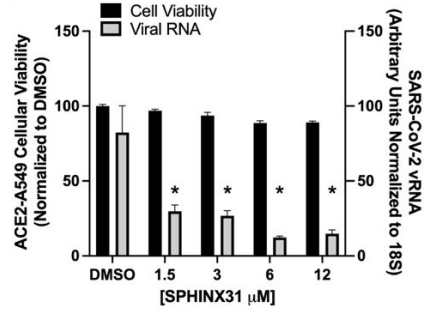
Cellular viability (left axis) was measured after ACE2-A549 cells were treated with the indicated concentrations of SPHINX31 (1.5-12 μM; 48 h for viability analysis and 12 h for qRT-PCR analysis). Data are from four independent biological replicates. SARS-CoV-2 viral RNA abundance (right axis) was measured by qRT-PCR analysis 24 hours after infection of cells. Data are from four independent biological replicates.
SPHINX31 purchased from MedChemExpress. Usage Cited in: Sci Signal. 2022 Oct 25;15(757):eabm0808. [Abstract]
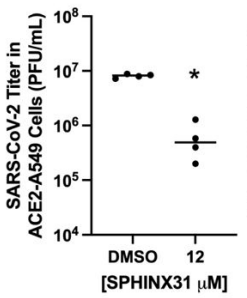
Infectious viral titers were measured by plaque assay of the supernatants of cells that were treated with SPHINX31 (12 μM; 12 h) and infected for 48 hours. Data are from four independent biological replicates.
-
Front Pharmacol
Icariside Ⅱ Attenuates Palmitic Acid-Induced Endothelial Dysfunction Through SRPK1-Akt-eNOS Signaling Pathway. [Abstract]2022 Jun 30;13:920601. PMID: 35846993
SPHINX31 purchased from MedChemExpress. Usage Cited in: Front Pharmacol. 2022 Jun 30;13:920601. [Abstract]
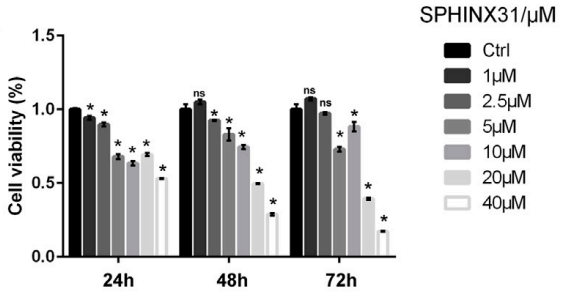
HUVECs were treated with different concentrations of SPHINX31 (1-40 μM; 24-72 h) for the indicated time with cell viability measured via CCK-8. The results showed that SPHINX31 reduced HUVEC cell viability in a dose-dependent manner.
SPHINX31 purchased from MedChemExpress. Usage Cited in: Front Pharmacol. 2022 Jun 30;13:920601. [Abstract]
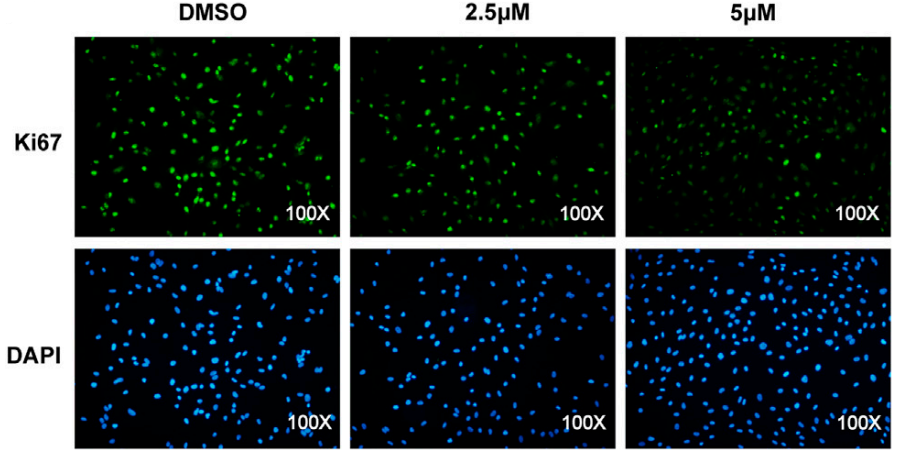
After treatment with different concentrations (2.5 and 5 μM) of SPHINX31 for 24 h, the immunofluorescence staining for Ki-67 (green) and DAPI (blue) was determined.
SPHINX31 purchased from MedChemExpress. Usage Cited in: Front Pharmacol. 2022 Jun 30;13:920601. [Abstract]
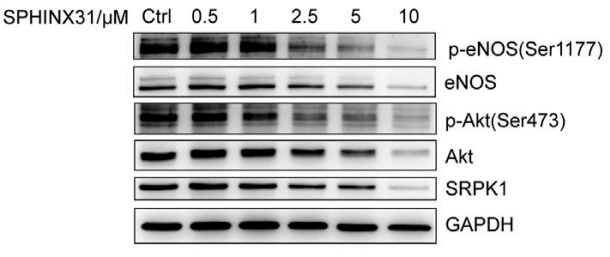
HUVECs were treated with different concentrations of SPHINX31 (1.5-10 μM) for 24 h. The levels of eNOS, phosphor-eNOS (Ser1177), Akt, phosphor-Akt (Ser473), and SRPK1 were determined by western blot. The results showed that SPHINX31 significantly reduced the expression and phosphorylation levels of Akt and eNOS by inhibiting SRPK1, implying that the Akt-eNOS signaling pathway was interdicted by the inhibition of SRPK1.
-
Med Oncol
Effects of PELP1 on proliferation, metastasis and angiogenesis of epithelial ovarian cancer. [Abstract]2025 Jul 26;42(9):379. PMID: 40715657 -
BMC Cancer
Inhibition of SRPK1, a key splicing regulator, exhibits antitumor and chemotherapeutic-sensitizing effects on extranodal NK/T-cell lymphoma cells. [Abstract]2022 Oct 27;22(1):1100. PMID: 36303126 -
Toxins
Proteome and Phosphoproteome Profiling Reveal the Toxic Mechanism of Clostridium perfringens Epsilon Toxin in MDCK Cells. [Abstract]2024 Sep 14;16(9):394. PMID: 39330852 -
Front Oncol
HPV-driven transcriptome and splicing rewiring under SRPK1 inhibition in cervical cancer. [Abstract]2026 Jan 2:15:1712170. PMID: 41551143 -
J Food Drug Anal
Xanthohumol as a potential therapeutic strategy for acute myeloid leukemia: Targeting the FLT3/SRPK1 signaling axis. [Abstract]2025 Mar 31;33(1):31-47. PMID: 40202412 -
Glycobiology
Compromised CDK12 activity causes dependency on the high activity of O-GlcNAc transferase. [Abstract]2024 Dec 10;34(12):cwae081. PMID: 39361894 -
Mol Biol Rep
Targeting SRPK1 to regulate alternative splicing in prostate cancer: the roles of MALAT1 and TUG1. [Abstract]2025 Nov 6;53(1):55. PMID: 41196435 -
-
bioRxiv
The FDA-approved drug Alectinib compromises SARS-CoV-2 nucleocapsid phosphorylation and inhibits viral infection in vitro. [Abstract]2020 Dec 16:2020.08.14.251207. PMID: 32817937


Lösungsmittel & Löslichkeit
In Vitro:
DMSO : 15 mg/mL (29.56 mM; Need ultrasonic; Hygroscopic DMSO has a significant impact on the solubility of product, please use newly opened DMSO)
Please refer to the solubility information to select the appropriate solvent. Once prepared, please aliquot and store the solution to prevent product inactivation from repeated freeze-thaw cycles.
Storage method and period of stock solution: -80°C, 2 years; -20°C, 1 year. When stored at -80°C, please use it within 2 years. When stored at -20°C, please use it within 1 year.
Please refer to the solubility information to select the appropriate solvent. Once prepared, please aliquot and store the solution to prevent product inactivation from repeated freeze-thaw cycles.
Storage method and period of stock solution: -80°C, 2 years; -20°C, 1 year. When stored at -80°C, please use it within 2 years. When stored at -20°C, please use it within 1 year.
Konzentration (Stammlösung) × Volumen (Stammlösung) = Konzentration (Ziellösung) × Volumen (Ziellösung)
In Vivo:
Select the appropriate dissolution method based on your experimental animal and administration route.
- For the following dissolution methods, please ensure to first prepare a clear stock solution using an In Vitro approach and then sequentially add co-solvents:
- To ensure reliable experimental results, the clarified stock solution can be appropriately stored based on storage conditions. As for the working solution for In Vivo experiments, it is recommended to prepare freshly and use it on the same day.
- The percentages shown for the solvents indicate their volumetric ratio in the final prepared solution. If precipitation or phase separation occurs during preparation, heat and/or sonication can be used to aid dissolution.
Add each solvent one by one: 10% DMSO 40% PEG300 5% Tween-80 45% Saline
Solubility: ≥ 2 mg/mL (3.94 mM); Clear solution
This protocol yields a clear solution of ≥ 2 mg/mL (saturation unknown).
Taking 1 mL working solution as an example, add 100 μL DMSO stock solution (20.0 mg/mL) to 400 μL PEG300, and mix evenly; then add 50 μL Tween-80 and mix evenly; then add 450 μL Saline to adjust the volume to 1 mL.
Preparation of Saline: Dissolve 0.9 g sodium chloride in ddH₂O and dilute to 100 mL to obtain a clear Saline solution.
For the following dissolution methods, please prepare the working solution directly:
It is recommended to prepare fresh solutions and use them promptly within a short period of time.
The percentages shown for the solvents indicate their volumetric ratio in the final prepared solution. If precipitation or phase separation occurs during preparation, heat and/or sonication can be used to aid dissolution.
Add each solvent one by one: 50% PEG300 50% Saline
Solubility: 25 mg/mL (49.26 mM); Suspended solution; Need ultrasonic
In Vivo Dissolution Calculator
Please enter the basic information of animal experiments:
-
-
-
-
Recommended: Prepare an additional quantity of animals to account for potential losses during experiments.
Please enter your animal formula composition:
-
%DMSO +
Recommended: Keep the proportion of DMSO in working solution below 2% if your animal is weak.
-
%+
-
+%Tween-80 + +
-
%Saline +
The co-solvents required include: DMSO, . All of co-solvents are available by MedChemExpress (MCE). , Tween 80. All of co-solvents are available by MedChemExpress (MCE).
Working solution concentration: 0.22 mg/mL
Method for preparing stock solution: mg drug dissolved in μL DMSO. Stock solution concentration: mg/mL.
1. Take μL DMSO stock solution;
2. Add μL .
μL , mix evenly;
3. Then add μL Tween 80, mix evenly;
4. Then add μL
Please ensure that the stock solution in the first step is dissolved to a clear state, and add co-solvents in sequence. You can use ultrasonic heating (ultrasonic cleaner, recommended frequency 20-40 kHz), vortexing, etc. to assist dissolution.

Protokoll
-
Kinase activity and phosphorylation assays
Kinase activity assays measure the ability of kinases to transfer phosphate groups from ATP to specific substrates, while phosphorylation assays detect the presence and levels of phosphorylated proteins. Common methods include radiolabeled ATP incorporation (e. g. ,), ADP release detection via bioluminescence (e. g. ,[3]), enzyme-linked immunosorbent assays (ELISA) for phospho-specific epitopes (e. g. ,[6]), and microtiter-based formats for high-throughput screening (e. g. ,[8]). The ADP-Glo assay quantifies kinase activity by measuring ADP produced during phosphorylation using a luciferase-based system. Radiometric assays involve autoradiography or scintillation counting after incorporation of 32P-labeled ATP into substrate proteins. ELISA-based approaches rely on phospho-specific antibodies to detect activated kinases in cell lysates or purified samples.
-
RT-PCR
Reverse transcription technology uses RNA as a template to synthesize DNA. RT-PCR is simple, specific and sensitive, and can be used to detect gene expression levels and expression differences in cells; detect RNA virus content; clone cDNA sequences of specific genes.
-
Western Blot
Western blotting (WB) is a commonly used experimental method in molecular biology, biochemistry, and immunogenetics for identifying and quantifying target proteins. It combines gel electrophoresis with immunoassay, enabling researchers to analyze protein expression, post-translational modifications, and molecular weight.
-
RNA extraction experimental
By lysing cells, releasing RNA, and removing impurities such as proteins and DNA, high-purity RNA products are finally obtained. The commonly used traditional method is the guanidine isothiocyanate/phenol/chloroform method (Trizol), which is suitable for a variety of animal materials including animal tissues, microorganisms, cultured cells, etc., and most plant materials.
-
Cell Cytotoxicity Assay
Cytotoxicity assays are usually based on the assessment of cell membrane damage, which can also be indirectly detected by measuring cell viability. Detection methods include MTT assay, CKK-8 assay, LDH assay and ATP assay, etc.
-
Protocol for Kinase activity and phosphorylation assays
Kinase activity assays measure transfer of phosphate from ATP to a protein or peptide substrate, generating phosphorylated substrate, ADP, or incorporated radiolabeled phosphate as the readout; phosphorylation assays measure site-specific phosphorylation in cells or tissues as a proxy for kinase-pathway activation, inhibition, or substrate regulation. Phosphorylation can be detected by phospho-specific Western blot, immunoprecipitation kinase assay, phospho-immunofluorescence, phospho-flow cytometry, luminescent ADP detection, radiolabeled ATP incorporation, or reporter-based pathway assays, and these readouts can be applied to cancer cells, primary neurons, mouse tumors, organoids, inflammatory macrophages, ferroptosis studies, and mitophagy studies when the kinase target is biologically relevant.
-
Real Time qPCR (Q-PCR)
Real-time quantitative PCR (qPCR) quantifies an amplifiable nucleic-acid target by monitoring fluorescence during PCR cycling rather than measuring product only after amplification. The increase in fluorescence tracks accumulation of PCR product, and the quantification cycle (Cq; historically also Ct/CP) is related to the initial amount of target: samples containing more starting target generally reach the defined fluorescence threshold in fewer cycles.


Reinheit & Dokumentation
-
Data Sheet (283 KB)
-
SDS (393 KB)
- English - EN (393 KB)
- Français - FR (393 KB)
- Deutsch - DE (393 KB)
- Norwegian - NO (393 KB)
- Español - ES (393 KB)
- Swedish - SV (393 KB)
- Italian - IT (393 KB)
- Korean - KR (393 KB)
- Portuguese - PT (393 KB)
-
Handling Instructions (2659 KB)
Verweise
[1]. Batson J, et al. Development of Potent, Selective SRPK1 Inhibitors as Potential Topical Therapeutics for Neovascular Eye Disease. ACS Chem Biol. 2017 Mar 17;12(3):825-832. [Content Brief]
[2]. Supradit K, et al. Inhibition of serine/arginine-rich protein kinase-1 (SRPK1) prevents cholangiocarcinoma cells induced angiogenesis. Toxicol In Vitro. 2022 Aug;82:105385. [Content Brief]


Complete Stock Solution Preparation Table
Please refer to the solubility information to select the appropriate solvent. Once prepared, please aliquot and store the solution to prevent product inactivation from repeated freeze-thaw cycles.
Storage method and period of stock solution: -80°C, 2 years; -20°C, 1 year. When stored at -80°C, please use it within 2 years. When stored at -20°C, please use it within 1 year.
| Optional Solvent | Concentration Solvent Mass | 1 mg | 5 mg | 10 mg | 25 mg |
|---|---|---|---|---|---|
| DMSO | 1 mM | 1.9704 mL | 9.8520 mL | 19.7040 mL | 49.2601 mL |
| 5 mM | 0.3941 mL | 1.9704 mL | 3.9408 mL | 9.8520 mL | |
| 10 mM | 0.1970 mL | 0.9852 mL | 1.9704 mL | 4.9260 mL | |
| 15 mM | 0.1314 mL | 0.6568 mL | 1.3136 mL | 3.2840 mL | |
| 20 mM | 0.0985 mL | 0.4926 mL | 0.9852 mL | 2.4630 mL | |
| 25 mM | 0.0788 mL | 0.3941 mL | 0.7882 mL | 1.9704 mL |


SPHINX31 Related Classifications
HY-117661 Related Classifications
 Powered by Bioz