



Lenalidomide hydrochloride
Based on 64 publication(s) in Google Scholar
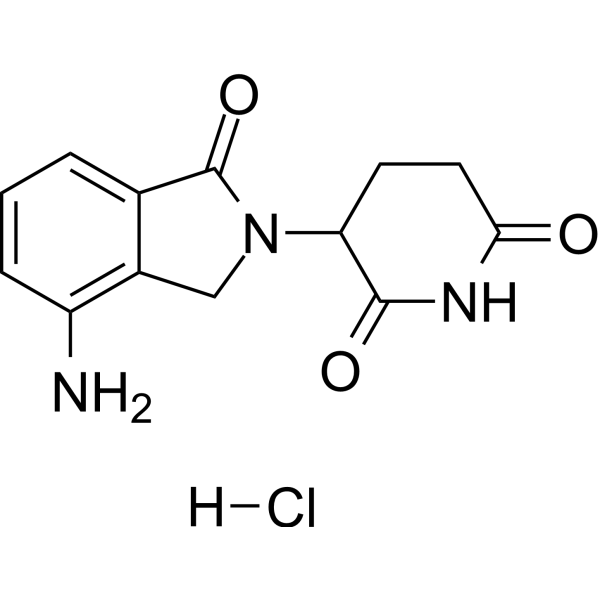
Lenalidomide hydrochloride (CC-5013 hydrochloride) is an orally active immunomodulatory agent that binds CRBN as a molecular glue to alter substrate specificity, inducing ubiquitination and proteasome-dependent degradation of IKZF1, IKZF3 and CK1α. Lenalidomide hydrochloride induces apoptosis by degrading IKZF1/3, and activates p53 by degrading CK1α. Lenalidomide hydrochloride promotes IL-2 release and effector functions of CD8+ T/NK cells, while inhibiting TNF-α secretion and M1-type pyroptosis. Lenalidomide hydrochloride can be used in research related to hematological malignancies, acute liver failure and acute kidney injury.
For research use only. We do not sell to patients.
- CAS No.: 1243329-97-6
- Formula: C13H14ClN3O3
- Molecular Weight:295.72
-
Storage:
Please store the product under the recommended conditions in the Certificate of Analysis.

To place orders, for customer services and technical support, please contact: MedChemExpress USA
Tel: 609-228-6898 E-mail: [email protected] [email protected]


-
 Biological Activity
-
Chemical Information
- Protocols
- Purity & Documentation
- References
-
 Help & FAQs


-
HY-A0003
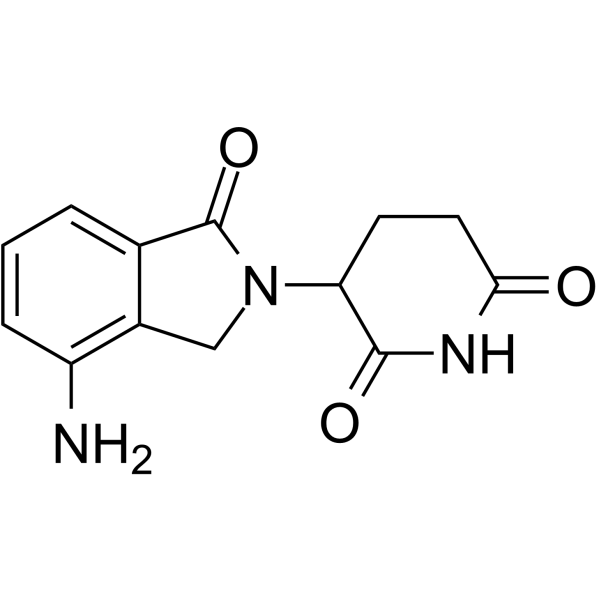
LenalidomideImmunomodulator -

HY-A0003R
Lenalidomide (Standard)Reference Standard -
HY-10984
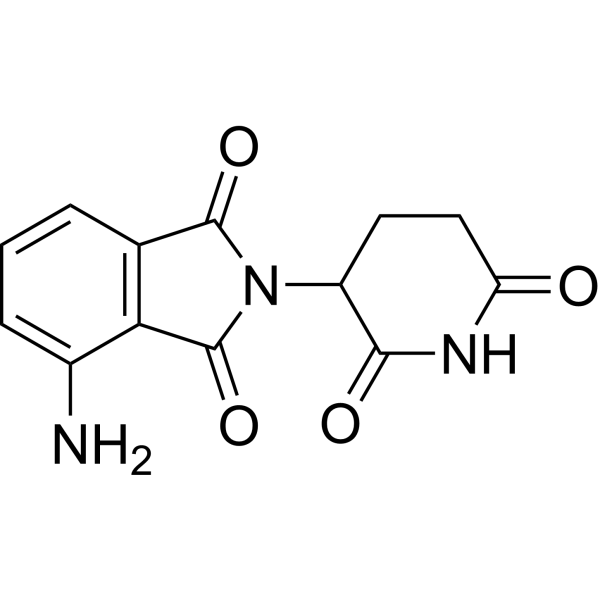
PomalidomideImmunomodulatory Agent -
HY-15760
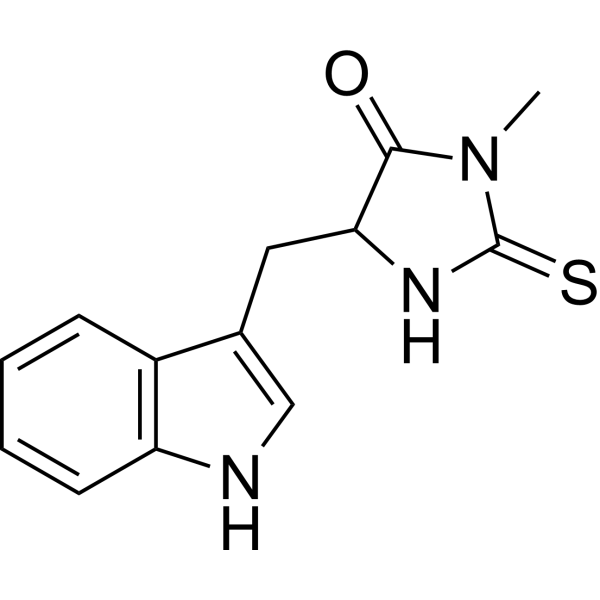
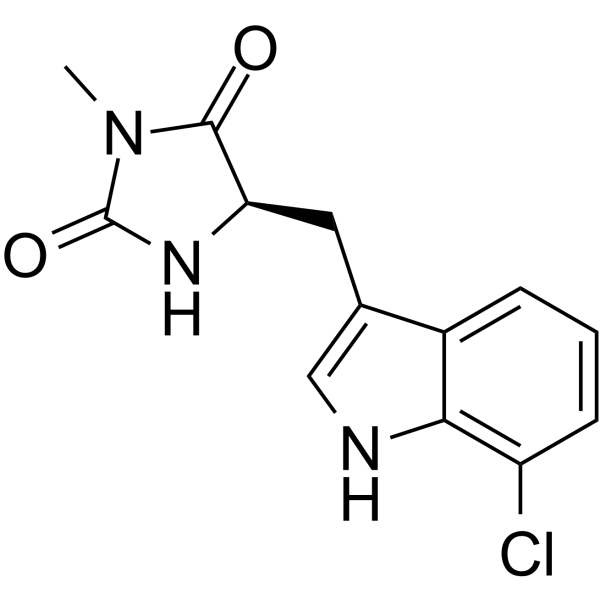
Necrostatin-1RIPK1 Inhibitor -
HY-14622
Necrostatin 2RIP kinase Inhibitor -
HY-A0003B
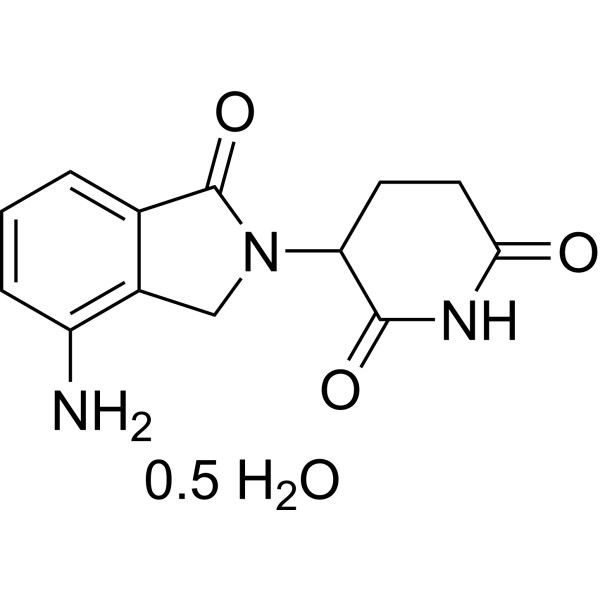
Lenalidomide hemihydrateImmunomodulator -

HY-15760R
Necrostatin-1 (Standard)RIPK1 Inhibitor -
HY-14622A
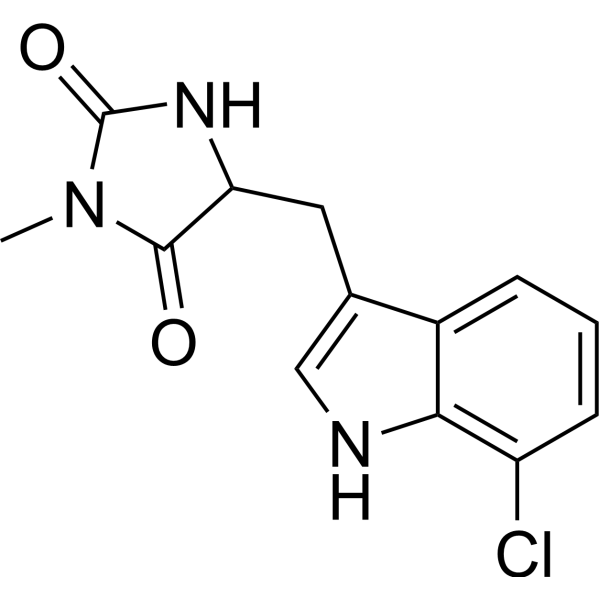
Necrostatin 2 racemateRIPK1 Inhibitor -
HY-110203
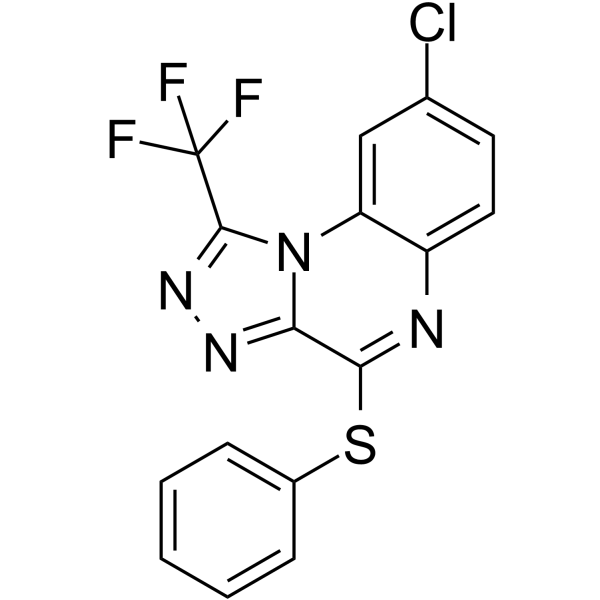
R-7050TNF Receptor Antagonist -
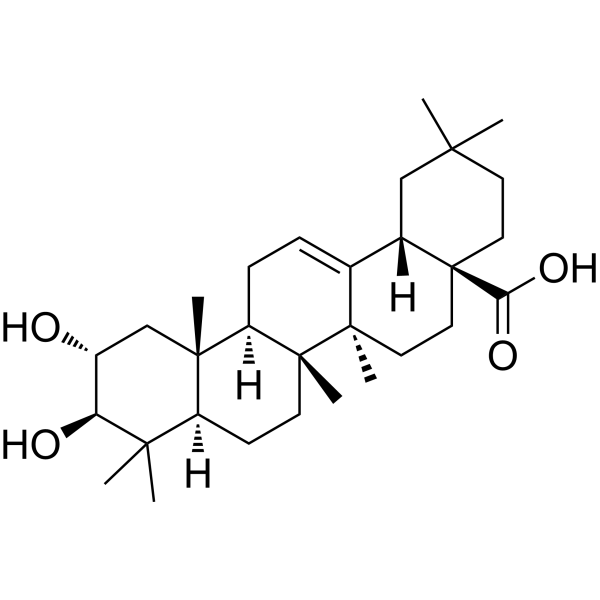
HY-N0629
Maslinic acidBacterial Inhibitor -

HY-10984R
Pomalidomide (Standard)Immunomodulatory Agent -
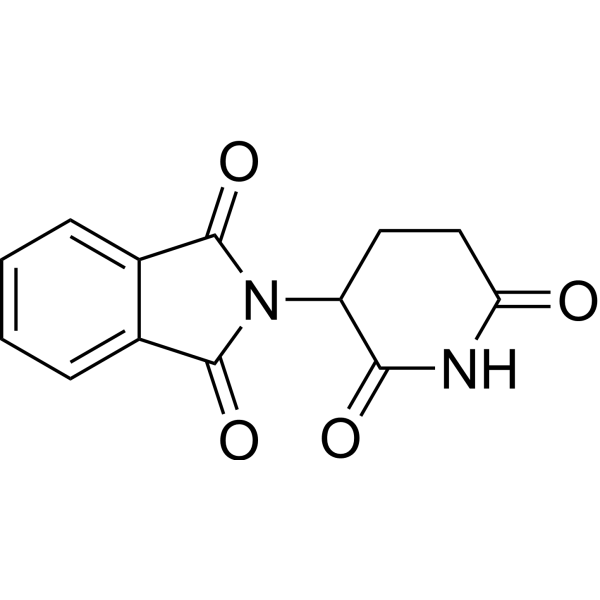
HY-14658
ThalidomideCereblon Inhibitor
Publications Citing Use of MedChemExpress (MCE) Lenalidomide hydrochloride
More- Nature. 2024 Sep;633(8030):670-677. [Abstract]
- Cancer Cell. 2022 Nov 14;40(11):1294-1305.e4. [Abstract]
- Cell. 2018 Sep 20;175(1):171-185.e25. [Abstract]
- Nat Cancer. 2022 May;3(5):595-613. [Abstract]
- Cancer Res. 2025 Jan 2;85(1):101-117. [Abstract]
- Nat Commun. 2026 Feb 12;17(1):1493. [Abstract]
- Nat Commun. 2025 Nov 6;16(1):9805. [Abstract]
- Nat Commun. 2025 Sep 1;16(1):8155. [Abstract]
- Nat Commun. 2017 May 22:8:15398. [Abstract]
- Nat Chem Biol. 2021 Jun;17(6):711-717. [Abstract]
- Microbiome. 2025 Feb 28;13(1):56. [Abstract]
- Adv Sci (Weinh). 2026 Apr;13(21):e18975. [Abstract]
- Cell Rep Med. 2025 Apr 15;6(4):102053. [Abstract]
- Cell Rep Med. 2024 Mar 19;5(3):101472. [Abstract]
- Cell Death Dis. 2026 Aug 6.
- Cell Commun Signal. 2025 May 7;23(1):216. [Abstract]
- Acta Pharmacol Sin. 2025 Mar 25. [Abstract]
- Acta Pharmacol Sin. 2020 Sep;41(9):1246-1254. [Abstract]
- J Transl Med. 2024 Dec 3;22(1):1095. [Abstract]
- Leukemia. 2025 Mar;39(3):720-733. [Abstract]
- Int J Biol Macromol. 2026 Jan 7;340:150099.
- Mol Ther Oncol. 2025 Feb 20;33(1):200952. [Abstract]
- Free Radic Biol Med. 2023 Jul:203:86-101. [Abstract]
- Cell Rep. 2024 May 8;43(5):114211. [Abstract]
- Cell Syst. 2018 Apr 25;6(4):424-443.e7. [Abstract]
- J Med Chem. 2026 May 28;69(10):12669-12677. [Abstract]
- Cell Rep Methods. 2023 Oct 23;3(10):100599. [Abstract]
- Eur J Pharmacol. 2025 Dec 5:1008:178303. [Abstract]
- Int Immunopharmacol. 2025 Jun 17:158:114831. [Abstract]
- Int J Mol Sci. 2023 Sep 14;24(18):14097. [Abstract]
- Front Cell Infect Microbiol. 2022 Jul 28;12:954814. [Abstract]
- Inflammation. 2019 Feb;42(1):221-234. [Abstract]
- ACS Omega. 2024 Dec 3;9(50):49739-49748. [Abstract]
- Biochim Biophys Acta Mol Basis Dis. 2022 Oct 1;1868(10):166472. [Abstract]
- Cancer Sci. 2019 Dec;110(12):3802-3810. [Abstract]
- Am J Pathol. 2015 Jun;185(6):1783-94. [Abstract]
- Neoplasia. 2025 Oct 27:70:101243. [Abstract]
- Cancers (Basel). 2024 Mar 28;16(7):1319. [Abstract]
- Oncol Rep. 2018 Jun;39(6):2873-2880. [Abstract]
- iScience. 2022 Jul 19;25(8):104781. [Abstract]
- Bioengineering (Basel). 2025 Oct 19;12(10):1121. [Abstract]
- Clin Chim Acta. 2024 Jan 15:553:117707. [Abstract]
- ACS Pharmacol Transl Sci. 2021 Feb 26;4(2):941-952. [Abstract]
- Cancer Med. 2026 Jun;15(6):e71985. [Abstract]
- Exp Cell Res. 2020 Aug 1;393(1):112054. [Abstract]
- Food Chem Toxicol. 2019 Mar:125:392-402. [Abstract]
- SSRN. 2026 Jun 16.
- Charles University. 2026.
- bioRxiv. 2026 Feb 8:2026.02.06.704516. [Abstract]
- Chemrxiv. 2025 Nov 17.
- Harvard University. 2025.
- bioRxiv. 2024 October 19.
- Patent. US20240261246A1.
- bioRxiv. 2024 June 12.
- Universidad de Navarra. 2024 Feb 28.
- Patent. US20220332776A1.
- Oxid Med Cell Longev. 2021 Dec 29:2021:8302831. [Abstract]
- Patent. US20210379039A1.
- University of Washington. 2021 Aug 31.
- bioRxiv. April.
- Patent. US20180263995A1.
- Elife. 2018 Aug 1:7:e38430. [Abstract]
- Patent. US20170360780A1.
- Masaryk University. 2014.
 Customer Validation & Images

-
WB

-
Cell Proliferation/Viability Assay

-
WB

-
WB
-
WB


Biological Activity
Description
|
Cereblon |
IKZF1 |
IKZF3 |
In Vitro
Lenalidomide hydrochloride (0.01-10 μM; 0-24 h) induces CRBN-dependent post-translational degradation of CK1α in multiple human hematopoietic cell lines[1].
Lenalidomide hydrochloride (1-10 μM; 90 min-4 h) mediates the physical interaction between CK1α and CRBN, thereby enabling CRL4CRBN-dependent ubiquitination of CK1α in human hematopoietic cells and cell-free systems[1].
Lenalidomide hydrochloride (1 μM; 5-25 days) specifically depletes CD34+ cells derived from patients with del (5q) myelodysplastic syndrome (MDS), and this effect is reversed by CSNK1A1 overexpression; in contrast, CSNK1A1 downregulation sensitizes primary human CD34+ hematopoietic stem/progenitor cells to Lenalidomide hydrochloride[1].
Lenalidomide hydrochloride (0.01-10 μM; 4-24 h) induces the degradation of CK1α, IKZF1 and IKZF3 in mouse Ba/F3 cells carrying the mouse Crbn I391V mutation and human 293T cells[1].
Lenalidomide hydrochloride (0.3-10 μM; 6-72 h) selectively induces the degradation of CK1α in human MDS-L and KG-1 myeloid cells, and this effect is blocked by competition with the cereblon modulator CC-122 (HY-100507)[1].
Lenalidomide hydrochloride selectively destabilizes exogenous IKZF1 and IKZF3 (but not other Ikaros family members or IRF4) in a proteasome-dependent and cullin-dependent manner in 293FT embryonic kidney cells[4].
Lenalidomide hydrochloride induces proteasomal degradation of endogenous IKZF1 (in U937 leukemia cells) as well as endogenous IKZF1 and IKZF3 (in MM1S and L363 myeloma cells) via a post-transcriptional, cullin-dependent mechanism[4].
Lenalidomide hydrochloride-induced degradation of IKZF1 and IKZF3 in 293FT embryonic kidney cells, U937 leukemia cells, and MM1S, L363 and KMS34 myeloma cells is strictly dependent on functional cereblon[4].
Lenalidomide hydrochloride mediates direct and specific interactions between cereblon and IKZF1/IKZF3, thereby triggering cereblon-dependent ubiquitination of IKZF1[4].
Lenalidomide hydrochloride exerts antiproliferative effects on MM1S, KMS34 and L363 myeloma cells via cereblon-dependent degradation of IKZF1 and IKZF3, and this mechanism is both necessary and sufficient for its anti-myeloma activity[4].
MedChemExpress (MCE) has not independently confirmed the accuracy of these methods. They are for reference only.
-
Cell Line:human del(5q) myeloid KG-1 cells, human multiple myeloma MM1S cells, human chronic myelogenous leukemia K562 cells, human T-cell leukemia Jurkat cells, human embryonic kidney 293T cells
-
Concentration:1 μM (KG-1 cells); 0.01, 0.1, 1 and 10 μM (MM1S, K562, Jurkat cells); 10 μM (293T cells)
-
Incubation Time:0, 1, 2, 3, 5, 8, 24 h (KG-1 cells); 24 h (MM1S, K562, Jurkat cells); 5 h (293T cells)
-
Result:Caused time-dependent decreases in CK1α protein levels in KG-1 cells, with visible reduction by 2 hours and near-complete loss by 24 hours at 1 μM.
Decreased CK1α levels in MM1S, K562, and Jurkat cells, with no effect on CSNK1A1 mRNA expression at 0.01-10 μM for 24 h.
Eliminated lenalidomide-dependent CK1α degradation in 293T cells with homozygous CRBN inactivation at 10 μM for 5 h.
In Vivo
Lenalidomide hydrochloride (0.5-45 mg/kg; i.v., i.p., p.o.; single bolus) is well-tolerated at doses up to 15 mg/kg i.v., 22.5 mg/kg i.p., and 45 mg/kg p.o. in healthy ICR mice, with preferential distribution to lung, liver, heart, and spleen, and limited brain penetration detectable only at i.v. doses of 5 mg/kg and higher[5].
MedChemExpress (MCE) has not independently confirmed the accuracy of these methods. They are for reference only.
-
Animal Model:C57BL/6 (female)[1]
-
Dosage:10 mg/kg
-
Administration:i.p.; daily; 14 days
-
Result:Did not alter CK1α protein levels in mouse bone marrow cells.
-
Animal Model:C57BL/6J; CRBN (female, 8-12 weeks of age, multiple myeloma model via Vk12653 myeloma cell injection 2 weeks prior to autologous stem cell transplantation with suboptimal donor T cell dose)[2]
-
Dosage:50 mg/kg
-
Administration:p.o.; daily; 21 days starting on day +14 after transplantation
-
Result:Showed no antimyeloma activity as monotherapy with suboptimal T cell dose.
Drove synergistic antimyeloma efficacy in combination with anti-TIGIT.
Reduced serum M-band progression in combination with anti-TIGIT.
Improved survival in combination with anti-TIGIT.
Reduced the frequency of exhausted CD8+ T cells in combination with anti-TIGIT.
Expanded central memory CD8+ T cell subsets in combination with anti-TIGIT.
Enhanced IFN-γ production from PD-1+ CD8+ T cells in combination with anti-TIGIT.
Increased expression of Il7r and Ikzf2 genes associated with memory T cell maintenance in bone marrow CD8+ T cells in combination with anti-TIGIT.
Fully protected long-term survivors against myeloma rechallenge in combination with anti-TIGIT.
-
Animal Model:C57/BL6 (male, 8-10 weeks old, 20-25 g, LPS and D-Gal induced)[3]
-
Dosage:3 mg/kg
-
Administration:i.p.; single dose (2 hours before LPS/D-Gal exposure)
-
Result:Reduced liver lobular structural damage, hepatocyte necrosis, and inflammatory cell infiltration in liver tissue.
Ameliorated renal tubular epithelial swelling, brush border loss, and vacuolar degeneration in kidney tissue.
Decreased serum levels of alanine aminotransferase, aspartate aminotransferase, total bilirubin, blood urea nitrogen, creatinine, TNF-α, HMGB1, IL-1β, and IL-18 compared to the model group.
Decreased protein levels of IL-1β, IL-18, NLRP3, caspase-1 p10+p12, and GSDMD in liver and kidney tissues.
Reduced expression of M1 macrophage markers CD68 and iNOS in liver and kidney tissues.
-
Animal Model:ICR mice (8-10 weeks of age)[5]
-
Dosage:0.5、1.5、5、10、15 mg/kg (i.v.);
0.5、10、22.5 mg/kg (i.p.);
45 mg/kg (p.o.) -
Administration:i.v.; single bolus; i.p.; single bolus; p.o.; single bolus
-
Result:Caused no observable toxicity up to 24 hours post-dose at 15 mg/kg i.v., 22.5 mg/kg i.p., and 45 mg/kg p.o., with one fatal event occurring immediately after 15 mg/kg i.v. administration.
Reached highest tissue concentrations at 2 minutes post-10 mg/kg i.v. dose in lung (15 μg/g), followed by liver (5 μg/g), heart (2.4 μg/g), and spleen (1.3 μg/g).
Decreased to less than 15 ng/g in all tissues by 8 hours post-10 mg/kg i.v. dose.
Was detectable in brain tissue only after i.v. doses of 5 and 10 mg/kg.


Chemical Information
-
CAS No. 1243329-97-6
-
Molecular Weight 295.72
-
Formula C13H14ClN3O3
-
SMILES
O=C1C2=CC=CC(N)=C2CN1C(C(N3)=O)CCC3=O.[H]Cl
-
Synonyms
CC-5013 hydrochloride
-
Shipping
Room temperature in continental US; may vary elsewhere.
-
Storage
Please store the product under the recommended conditions in the Certificate of Analysis.


Publications (64)
-
Journal Impact Factor
-
Most Recent
-
Nature
2024 Sep;633(8030):670-677. PMID: 39198645 -
Cancer Cell
2022 Nov 14;40(11):1294-1305.e4. PMID: 36084652 -
Cell
Small Molecules Co-targeting CKIα and the Transcriptional Kinases CDK7/9 Control AML in Preclinical Models. [Abstract]2018 Sep 20;175(1):171-185.e25. PMID: 30146162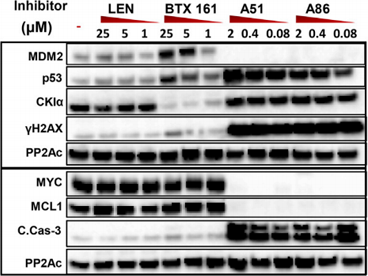
Lenalidomide hydrochloride purchased from MedChemExpress. Usage Cited in: Cell. 2018 Sep 20;175(1):171-185.e25. [Abstract]
WB analysis of MV4-11 cells treated for 6.5 hr with Lenalidomide, BTX161, A51, or A86 at the indicated concentrations or DMSO.
-
Nat Cancer
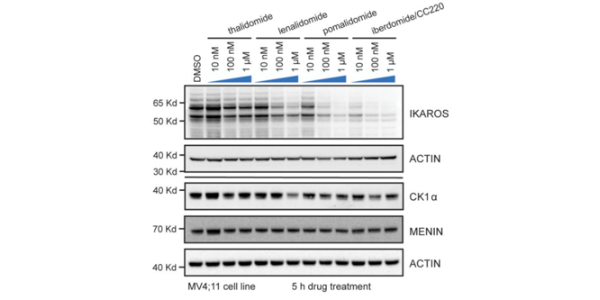
IKAROS and MENIN coordinate therapeutically actionable leukemogenic gene expression in MLL-r acute myeloid leukemia. [Abstract]2022 May;3(5):595-613. PMID: 35534777
Lenalidomide hydrochloride purchased from MedChemExpress. Usage Cited in: Nat Cancer. 2022 May;3(5):595-613. [Abstract]
Western blot analysis for IKAROS, CK1α and MENIN protein following treatment of MV4;11 human MLL-r AML cell line for 5 hours with increasing doses of Thalidomide, lenalidomide, Pomalidomide and iberdomide (10,100, 1000 nM), using ACTIN as a loading control.
-
Cancer Res
Targeted Degradation of SOS1 Exhibits Potent Anticancer Activity and Overcomes Resistance in KRAS-Mutant Tumors and BCR-ABL-Positive Leukemia. [Abstract]2025 Jan 2;85(1):101-117. PMID: 39437162 -
Nat Commun
Tissue-resident macrophage survival depends on mitochondrial function regulated by SerpinB2 in chronic inflammation. [Abstract]2026 Feb 12;17(1):1493. PMID: 41680163
Lenalidomide hydrochloride purchased from MedChemExpress. Usage Cited in: Nat Commun. 2026 Feb 12;17(1):1493. [Abstract]
Lenalidomide (5 μM; for 2 hours followed by stimulation with 250 milliunits of IFN-γ for 24 hours) significantly blocked IFN-γ-mediated SerpinB2 downregulation in BMDM.
-
Nat Commun
PROTAC repurposing uncovers a noncanonical binding surface that mediates chemical degradation of nuclear receptors. [Abstract]2025 Nov 6;16(1):9805. PMID: 41198675
Lenalidomide hydrochloride purchased from MedChemExpress. Usage Cited in: Nat Commun. 2025 Nov 6;16(1):9805. [Abstract]
Lenalidomide (LEN; 0.1, 1, 10 μM; 2 h) showed no effect for the expression of 3xFLAG-PXR and MDM2 protein in SNU-C43xFLAG-PXR cells.
-
Nat Commun
Multiple myeloma associated long non-coding RNA PLUM confers chemoresistance by enhancing PRC2 mediated UPR pathway activation. [Abstract]2025 Sep 1;16(1):8155. PMID: 40890111 -
Nat Commun
pSILAC mass spectrometry reveals ZFP91 as IMiD-dependent substrate of the CRL4CRBN ubiquitin ligase. [Abstract]2017 May 22:8:15398. PMID: 28530236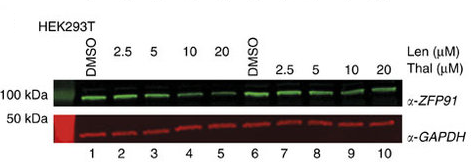
Lenalidomide hydrochloride purchased from MedChemExpress. Usage Cited in: Nat Commun. 2017 May 22:8:15398. [Abstract]
HEK293T cells are treated with 50 μg/mL Cycloheximide and increasing concentrations of Lenalidomide, Thalidomide or with DMSO, and cells are incubated for 6 h. ZFP91 and GAPDH levels are detected using anti-ZFP91 or anti-GAPDH immunoblotting.
-
Nat Chem Biol
2021 Jun;17(6):711-717. PMID: 34035522 -
Microbiome
2025 Feb 28;13(1):56. PMID: 40022244 -
Adv Sci (Weinh)
Targeting PRKCN, an Essential Driver Orchestrating mTOR-IRF4 Axis Independently of Kinase Activity, in Multiple Myeloma. [Abstract]2026 Apr;13(21):e18975. PMID: 41655233
Lenalidomide hydrochloride purchased from MedChemExpress. Usage Cited in: Adv Sci (Weinh). 2026 Apr;13(21):e18975. [Abstract]
Lenalidomide (LEN; 0, 2.5, 5, 10 μM; 24 h) inhibited cell proliferative for RPMI-8226-EV or RPMI-8226-PRKCN cells.
-
Cell Rep Med
CAN-Scan: A multi-omic phenotype-driven precision oncology platform identifies prognostic biomarkers of therapy response for colorectal cancer. [Abstract]2025 Apr 15;6(4):102053. PMID: 40187357 -
Cell Rep Med
STAT3 couples activated tyrosine kinase signaling to the oncogenic core transcriptional regulatory circuitry of anaplastic large cell lymphoma. [Abstract]2024 Mar 19;5(3):101472. PMID: 38508140 -
-
Cell Commun Signal
IKZF1 as a potential therapeutic target for dendritic cell-mediated immunotherapy in IgA nephropathy. [Abstract]2025 May 7;23(1):216. PMID: 40336063 -
Acta Pharmacol Sin
2025 Mar 25. PMID: 40133626 -
Acta Pharmacol Sin
The novel cereblon modulator CC-885 inhibits mitophagy via selective degradation of BNIP3L. [Abstract]2020 Sep;41(9):1246-1254. PMID: 32210356
Lenalidomide hydrochloride purchased from MedChemExpress. Usage Cited in: Acta Pharmacol Sin. 2020 Sep;41(9):1246-1254. [Abstract]
Lenalidomide (LEN; 0.5, 1 μM; 24 h) failed to degrade the BNIP3L protein of the 293T cells stably transfected with Flag-tagged BNIP3L.
-
J Transl Med
Doxorubicin synergizes bortezomib-induced multiple myeloma cell death by inhibiting aggresome formation and augmenting endoplasmic reticulum/Golgi stress and apoptosis. [Abstract]2024 Dec 3;22(1):1095. PMID: 39623468 -
Leukemia
2025 Mar;39(3):720-733. PMID: 39885295 -
-
Mol Ther Oncol
Dual CARM1-and IKZF3-targeting: A novel approach to multiple myeloma therapy synergy between CARM1 inhibition and IMiDs. [Abstract]2025 Feb 20;33(1):200952. PMID: 40123976 -
Free Radic Biol Med
Targeting ABCB6 with nitidine chloride inhibits PI3K/AKT signaling pathway to promote ferroptosis in multiple myeloma. [Abstract]2023 Jul:203:86-101. PMID: 37044150 -
Cell Rep
Identification of WNK1 as a therapeutic target to suppress IgH/MYC expression in multiple myeloma. [Abstract]2024 May 8;43(5):114211. PMID: 38722741 -
Cell Syst
A Library of Phosphoproteomic and Chromatin Signatures for Characterizing Cellular Responses to Drug Perturbations. [Abstract]2018 Apr 25;6(4):424-443.e7. PMID: 29655704 -
J Med Chem
Real-Time NanoBRET Target Engagement Reveals Permeability-Activity Relationships in BET-Targeting Degraders. [Abstract]2026 May 28;69(10):12669-12677. PMID: 42139371 -
Cell Rep Methods
RECOVER identifies synergistic drug combinations in vitro through sequential model optimization. [Abstract]2023 Oct 23;3(10):100599. PMID: 37797618 -
Eur J Pharmacol
Doxorubicin-mediated retardation of aggresome formation enhances Carfilzomib-induced cell death synergistically by augmenting ER stress and proapoptotic signaling. [Abstract]2025 Dec 5:1008:178303. PMID: 41183585 -
Int Immunopharmacol
Pomalidomide promotes macrophage control of Mycobacterium tuberculosis via enhancing HDAC6-mediated autophagy. [Abstract]2025 Jun 17:158:114831. PMID: 40373598 -
Int J Mol Sci
Lenalidomide Promotes Thrombosis Formation, but Does Not Affect Platelet Activation in Multiple Myeloma. [Abstract]2023 Sep 14;24(18):14097. PMID: 37762399 -
Front Cell Infect Microbiol
Lenalidomide potentially reduced the level of cell- associated HIV RNA and improved persistent inflammation in patients with HIV-associated cryptococcal meningitis a pilot study. [Abstract]2022 Jul 28;12:954814. PMID: 35967862 -
Inflammation
Progranulin Promotes Regeneration of Inflammatory Periodontal Bone Defect in Rats via Anti-inflammation, Osteoclastogenic Inhibition, and Osteogenic Promotion. [Abstract]2019 Feb;42(1):221-234. PMID: 30187338 -
ACS Omega
Dynamic Detection of the E3-PROTAC-Target Protein Ternary Complex In Vitro and In Vivo via Bimolecular Fluorescence Complementation. [Abstract]2024 Dec 3;9(50):49739-49748. PMID: 39713624 -
Biochim Biophys Acta Mol Basis Dis
Dengue virus is involved in insulin resistance via the downregulation of IRS-1 by inducing TNF-α secretion. [Abstract]2022 Oct 1;1868(10):166472. PMID: 35752384 -
Cancer Sci
Activity of TAS4464, a novel NEDD8 activating enzyme E1 inhibitor, against multiple myeloma via inactivation of nuclear factor κB pathways. [Abstract]2019 Dec;110(12):3802-3810. PMID: 31583781 -
Am J Pathol
Pathophysiological function of endogenous calcitonin gene-related peptide in ocular vascular diseases. [Abstract]2015 Jun;185(6):1783-94. PMID: 25857228 -
Neoplasia
Cholesterol biosynthesis as a drug-induced vulnerability in diffuse large B cell lymphoma insensitive to EZH2 inhibition. [Abstract]2025 Oct 27:70:101243. PMID: 41151153 -
Cancers (Basel)
Synergy between BRD9- and IKZF3-Targeting as a Therapeutic Strategy for Multiple Myeloma. [Abstract]2024 Mar 28;16(7):1319. PMID: 38610997 -
Oncol Rep
Microvesicles shed from bortezomib-treated or lenalidomide-treated human myeloma cells inhibit angiogenesis in vitro. [Abstract]2018 Jun;39(6):2873-2880. PMID: 29693175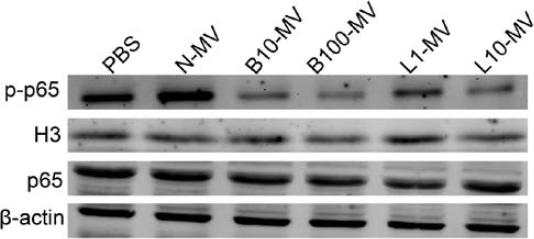
Lenalidomide hydrochloride purchased from MedChemExpress. Usage Cited in: Oncol Rep. 2018 Jun;39(6):2873-2880. [Abstract]
Representative western blot membranes showing the expression levels of NF-κB p-p65 and H3 in nuclear protein and of NF-κB p65 and β-actin in total protein. β-actin and H3 are used as internal controls.
-
iScience
Identification of a drug-response gene in multiple myeloma through longitudinal single-cell transcriptome sequencing. [Abstract]2022 Jul 19;25(8):104781. PMID: 35992084 -
Bioengineering (Basel)
Precision Oncology for High-Grade Gliomas: A Tumor Organoid Model for Adjuvant Treatment Selection. [Abstract]2025 Oct 19;12(10):1121. PMID: 41155119 -
Clin Chim Acta
2024 Jan 15:553:117707. PMID: 38103853 -
ACS Pharmacol Transl Sci
General Stepwise Approach to Optimize a TR-FRET Assay for Characterizing the BRD/PROTAC/CRBN Ternary Complex. [Abstract]2021 Feb 26;4(2):941-952. PMID: 33860212 -
Cancer Med
Synergistic Antitumor Activity of HAT Inhibitor A485 and XPO1 Inhibitor KPT8602 in Multiple Myeloma. [Abstract]2026 Jun;15(6):e71985. PMID: 42231094 -
Exp Cell Res
Network-based analysis with primary cells reveals drug response landscape of acute myeloid leukemia. [Abstract]2020 Aug 1;393(1):112054. PMID: 32376287 -
Food Chem Toxicol
Inorganic arsenic induces pyroptosis and pancreatic β cells dysfunction through stimulating the IRE1α/TNF-α pathway and protective effect of taurine. [Abstract]2019 Mar:125:392-402. PMID: 30660605 -
-
-
bioRxiv
Regulation of BCL11A DNA binding and expression in human erythrocyte precursor HUDEP-2 cells. [Abstract]2026 Feb 8:2026.02.06.704516. PMID: 41822826 -
-
-
-
-
-
-
-
Oxid Med Cell Longev
TNF- α Induces Neutrophil Apoptosis Delay and Promotes Intestinal Ischemia-Reperfusion-Induced Lung Injury through Activating JNK/FoxO3a Pathway. [Abstract]2021 Dec 29:2021:8302831. PMID: 35003520 -
-
-
-
-
Elife
Thalidomide promotes degradation of SALL4, a transcription factor implicated in Duane Radial Ray syndrome. [Abstract]2018 Aug 1:7:e38430. PMID: 30067223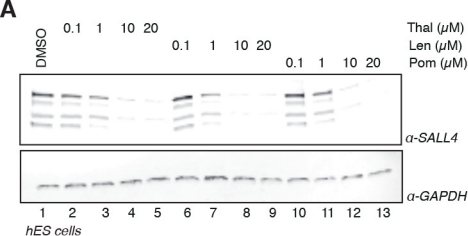
Lenalidomide hydrochloride purchased from MedChemExpress. Usage Cited in: Elife. 2018 Aug 1:7:e38430. [Abstract]
H9 hESC are treated with increasing concentrations of Thalidomide, Lenalidomide, Pomalidomide, or DMSO as a control. Following 24 h of incubation, SALL4 and GAPDH protein levels are assessed by western blot analysis.
-
-


Purity & Documentation
References
[1]. Krönke J, et al. Lenalidomide induces ubiquitination and degradation of CK1α in del(5q) MDS. Nature. 2015 Jul 9;523(7559):183-188. [Content Brief]
[2]. Minnie SA, et al. TIGIT inhibition and lenalidomide synergistically promote antimyeloma immune responses after stem cell transplantation in mice. The Journal of clinical investigation. 2023 Feb 15;133(4):e157907. [Content Brief]
[3]. Wang Y, et al. TNF-α/HMGB1 inflammation signalling pathway regulates pyroptosis during liver failure and acute kidney injury. Cell Prolif. 2020 Jun;53(6):e12829. [Content Brief]
[4]. Lu G, et al. The myeloma drug lenalidomide promotes the cereblon-dependent destruction of Ikaros proteins. Science (New York, N.Y.). 2014 Jan 17;343(6168):305-9. [Content Brief]
[5]. Rozewski DM, et al. Pharmacokinetics and tissue disposition of lenalidomide in mice. The AAPS journal. 2012 Dec;14(4):872-82. [Content Brief]

Calculators
Concentration (start) × Volume (start) = Concentration (final) × Volume (final)


Lenalidomide hydrochloride Related Classifications
HY-A0003A Related Classifications
 Powered by Bioz