Infection
-
Infection Related Products (18687)
Related Products (18687)

-
Antibodies (22)
-
Cefotaxime (Standard)
 0 ImagesSynonyms: Cefotaxim (Standard); HR-756 (Standard)
Cefotaxime (Standard) is the analytical standard of Cefotaxime. This product is intended for research and analytical applications. Cefotaxime, a β-lactamase stable cephalosporin and a third-generation cephalosporin antibiotic, possesses broad-spectrum antibiotic activity against numerous Gram-positive and Gram-negative bacteria.
-
Calcium disodium edetate hydrate
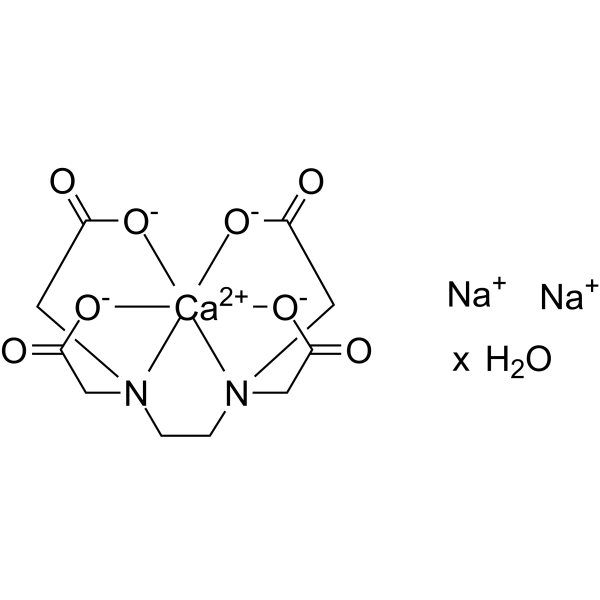 0 ImagesSynonyms: EDTA disodium calcium salt hydrate; Ethylenediaminetetraacetic acid disodium calcium salt hydrate
Calcium disodium edetate hydrate (EDTA disodium calcium salt hydrate) is a metal chelator and antifungal agent. Calcium disodium edetate hydrate chelates Mn2+, damages mitochondria, and interferes with carbohydrate metabolic pathways, particularly the synthesis of pyruvate in glycolysis. Calcium disodium edetate hydrate inhibits Penicillium digitatum and delays conidial germination. Calcium disodium edetate (hydrate) enhances the host defense system of citrus fruits. Calcium disodium edetate hydrate is applicable to research related to citrus green mold.
-
Gomisin M2
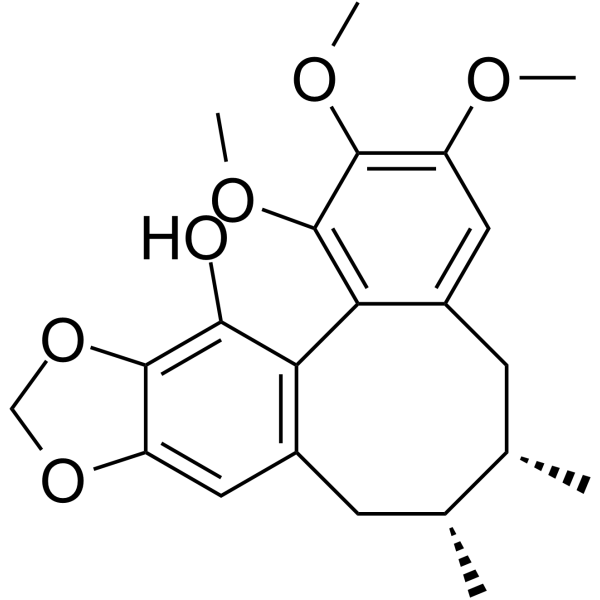 0 ImagesSynonyms: (+)-Gomisin M2
Gomisin M2 ((+)-Gomisin M2) is a lignan isolated from the fruits of Schisandra rubriflora with anti-HIV activity (EC50 of 2.4 μM). Gomisin M2 exhibits anti-cancer and anti-allergic activities and has the potential for Alzheimer’s disease research.
-
Aspochalasin D
 0 Images
Aspochalasin D is a co-metabolite originally isolated from A. microcysticus with aspochalasins A, B, and C, that is initially thought to be inactive. It has antibacterial activity against Gram-positive and Gram-negative bacteria at a concentration of 1 mg/ml.2 Aspochalasin D is more cytotoxic, via apoptosis, to Ba/F3-V12 cells in an IL-3-free medium than in an IL-3-containing medium (IC50s=0.49 and 1.9 μg/mL, respectively).
-
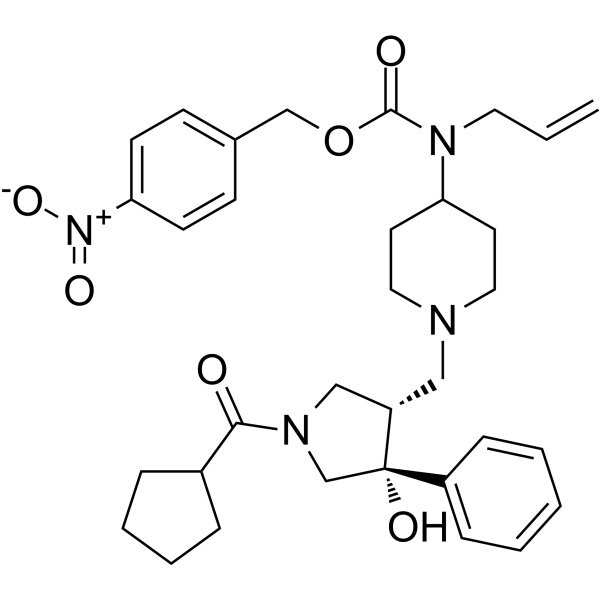
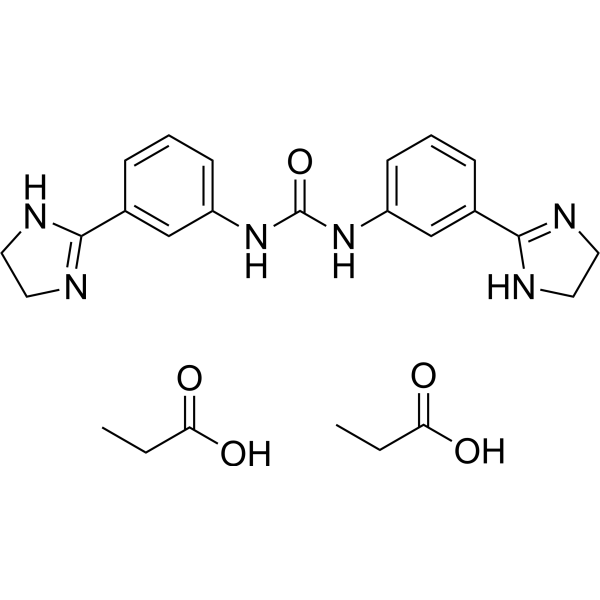
DNA31
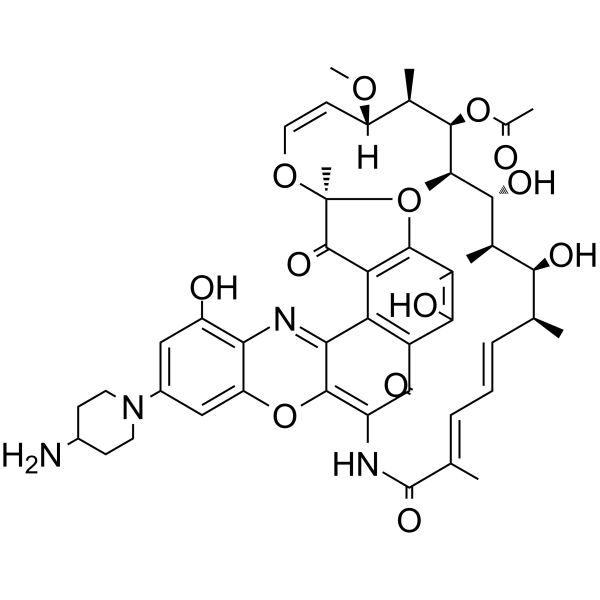 0 ImagesCat. No.: HY-128917CAS No.: 845626-57-5
DNA31 is a potent RNA polymerase inhibitor.
-
Antifungal agent 136
 0 Images
Antifungal agent 136 is a CYP51 inhibitor and antifungal agent. Antifungal agent 136 downregulates the expression of interleukin-6 to alleviate inflammatory responses. Antifungal agent 136 exhibits activity against both drug-sensitive and drug-resistant Candida albicans strains. Antifungal agent 136 can be used in the research of fungal infections and inflammatory diseases.
-
Brain Derived Basic Fibroblast Growth Factor (1-24)
 0 ImagesSynonyms: FGF basic (1-24)
Brain Derived Basic Fibroblast Growth Factor (1-24) (FGF basic 1-24) is a synthetic peptide, shows anti-bacterial and anti-HBV activities. Brain Derived Basic Fibroblast Growth Factor (1-24) can be used in infection disease and immune disease research.
-
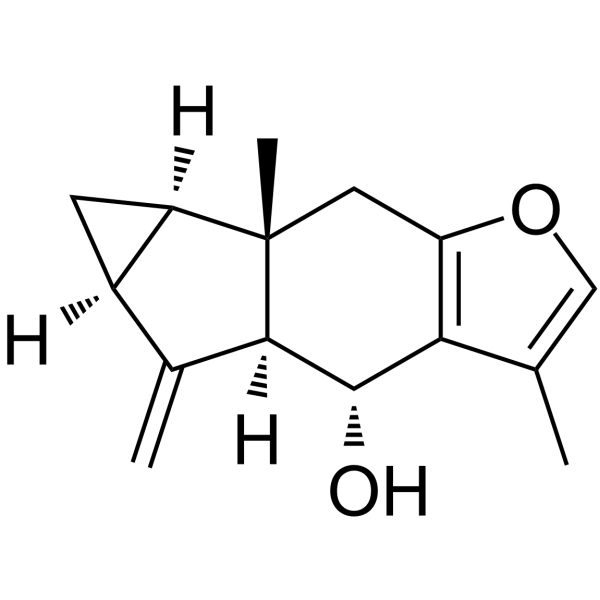
Lindenenol
 0 Images
Lindenenol is isolated from Radix linderae, with antioxidant and antibacterial activities.
-
λ-Cyhalothrin (Standard)
 0 Images
λ-Cyhalothrin (Standard) is the analytical standard of λ-Cyhalothrin. This product is intended for research and analytical applications. λ-Cyhalothrin is a high efficiency, broad-spectrum type II synthetic pyrethroid insecticide containing α-cyano group. λ-Cyhalothrin is used to control a wide range of pests in a variety of applications. λ-Cyhalothrin is a neurotoxin that targets sodium channels in the membranes of neurons in the central nervous system.
-
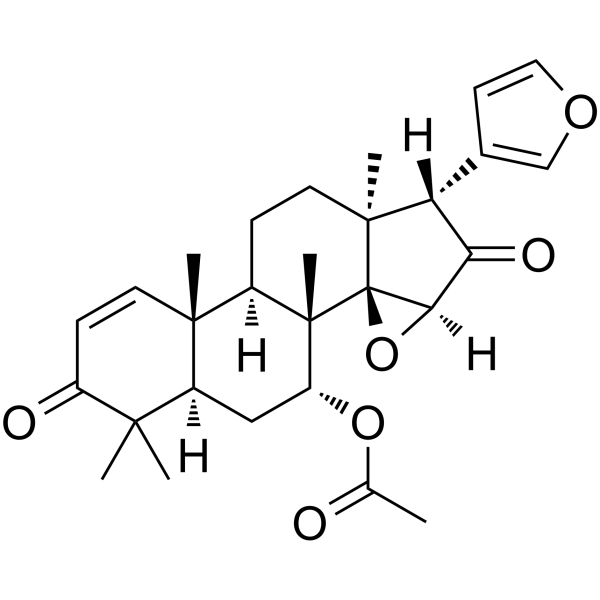
Epoxyazadiradione
 0 Images
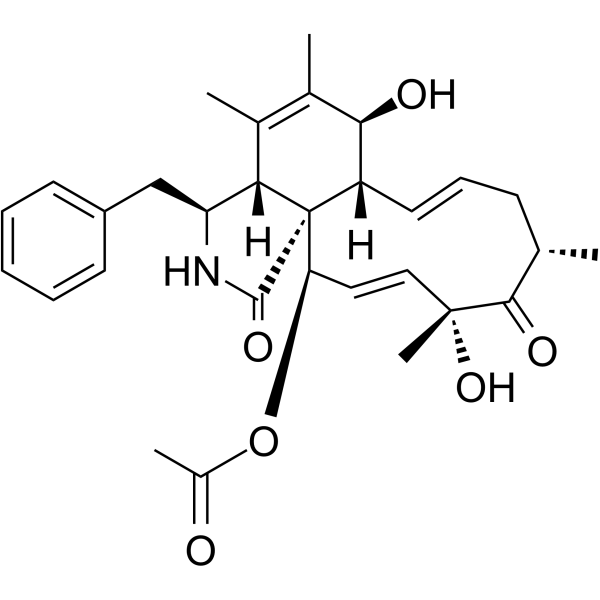
Epoxyazadiradione is a limonoid purified from neem (Azadirachta indica) fruits. Epoxyazadiradione inhibits the tautomerase activity of MIF of both human (huMIF) and malaria parasites (Plasmodium falciparum (PfMIF) and Plasmodium yoelii (PyMIF)) non-competitively in a reversible fashion (Ki, 2.11-5.23 μM). Epoxyazadiradione has the potential against proinflammatory reactions induced by MIF of both malaria parasites and human.
-
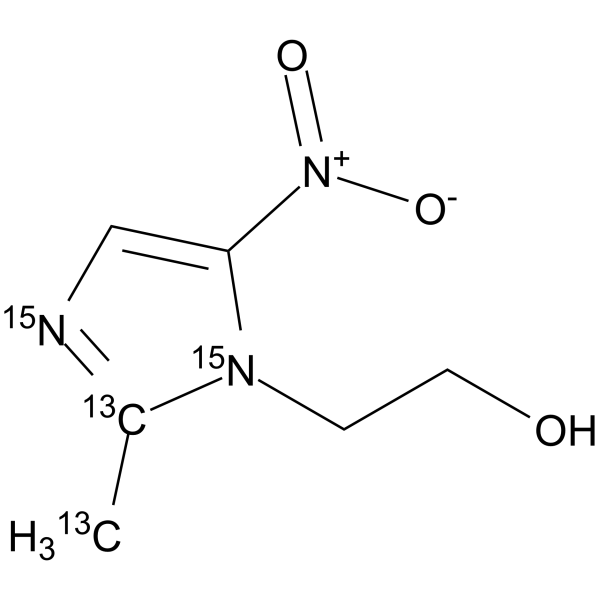
Metronidazole-13C2,15N2
 0 Images
Metronidazole-13C2,15N2 is the 13C-labeled and 15N-labeled Metronidazole. Metronidazole is a nitroimidazole antibiotic medication used particularly for anaerobic bacteria and protozoa.
-
Arjunolic acid
 0 Images
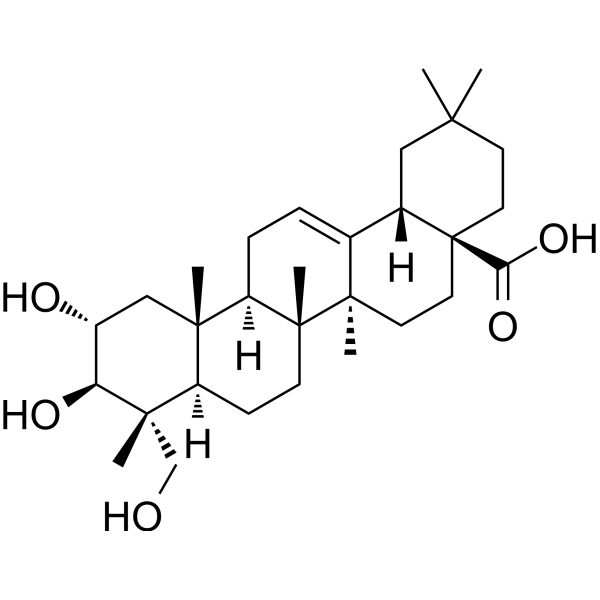
Arjunolic acid is an orally active, multifunctional bioactive compound. Arjunolic acid exhibits free radical scavenging activity, as well as fungal and bacterial activities. Arjunolic acid induces apoptosis (Apoptosis) in various cancer cells. Arjunolic acid protects hepatocytes against induced oxidative stress and apoptosis by reducing reactive oxygen species and inhibiting NF-κB activation. Arjunolic acid regulates pancreatic dysfunction in type 2 diabetic rats by blocking the activation of the TLR-4/MyD88 and canonical Wnt pathways. Arjunolic acid inhibits neuroinflammation and ameliorates depressive behaviors via the SIRT1/AMPK/Notch1 signaling pathway in microglia. Arjunolic acid improves Crohn's disease-like colitis by restoring gut microbiota composition and inhibiting TLR4 signaling. Arjunolic acid suppresses osteosarcoma progression by inhibiting Wnt3a-mediated M2 polarization of macrophages. Arjunolic acid ameliorates diabetic retinopathy via the autophagy pathway regulated by AMPK/mTOR/HO-1. Arjunolic acid is applicable to research related to type 2 diabetes, organ toxicity, depression, Crohn's disease, osteosarcoma, diabetic retinopathy, and testicular dysfunction.
-
Hck-IN-1
 0 Images
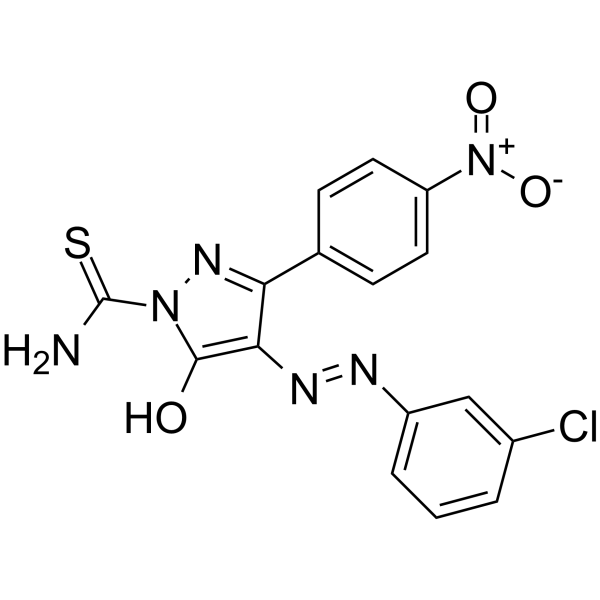
Hck-IN-1 (compound B9), a diphenylpyrazolo compound, is a selective Nef-dependent Hck inhibitor with IC50s of 2.8 μM, >20 μM for Nef:Hck complex and Hck, respectively. Hck-IN-1 is a direct and wide HIV-1 Nef antagonists with an IC50 of 100-300 nM for wild-type HIV-1 replication. Hck-IN-1 binds pocket residue Asn126 and has anti-retroviral activity.
-
HMMNI
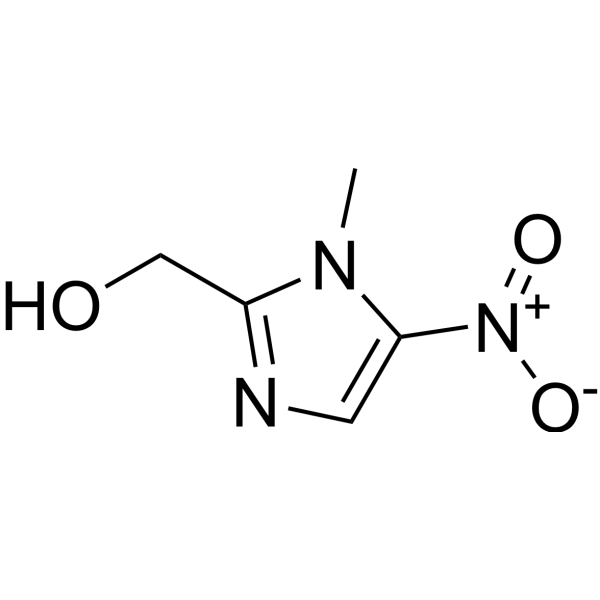 0 ImagesSynonyms: Hydroxy Dimetridazole
HMMNI (Hydroxy dimetridazole) is a hydroxy metabolite of Dimetridazole (HY-B1244). Dimetridazole is a nitroimidazole class drug that combats protozoan infections.
-
Cyanosafracin B
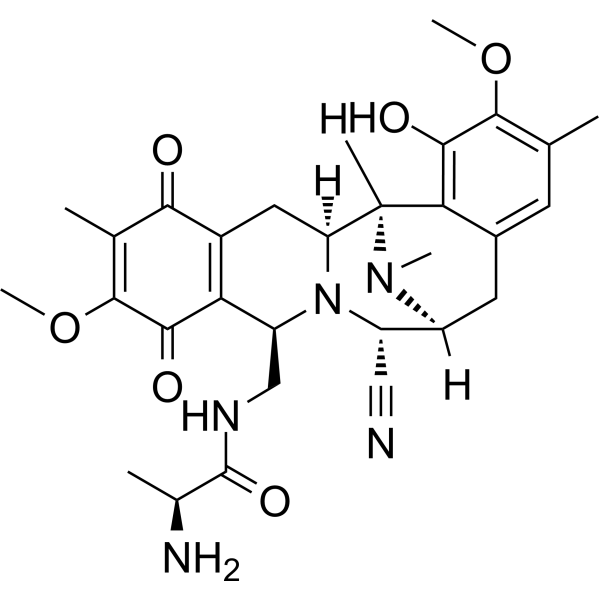 0 ImagesCat. No.: HY-137787CAS No.: 96996-50-8
Cyanosafracin B is an Antibiotic. Cyanosafracin B is present in the fermentation products of Pseudomonas fluorescens. Cyanosafracin B can be used for the synthesis of Ecteinascidin.
-
LK-60
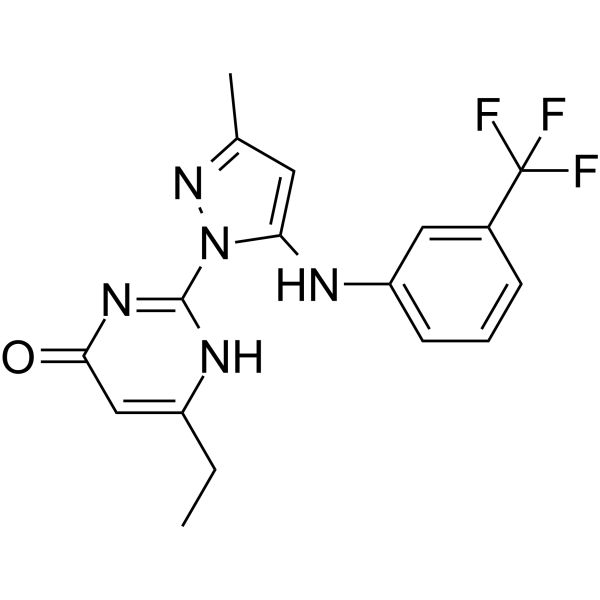 0 Images
LK-60 is a potent DprE1 inhibitor. LK-60 effectively inhibits the proliferation of Mycobacterium tuberculosis. LK-60 has good safety profiles to gut microbiota and human cells.