



Cholinesterase (ChE)
Cholinesterase (ChE) is a family of enzymes present in the central nervous system, particularly in nervous tissue, muscle and red cells, which catalyze the hydrolysis of the neurotransmitter acetylcholine into choline and acetic acid, a reaction necessary to allow a cholinergic neuron to return to its resting state after activation. It is one of many important enzymes needed for the proper functioning of the nervous systems of humans.
There are two types: acetylcholinesterase (AChE, acetylcholine hydrolase) and butyrylcholinesterase (BChE, acylcholine acylhydrolase), also known as nonspecific cholinesterase or pseudocholinesterase. AChE is primarily found in the blood on red blood cell membranes, in neuromuscular junctions, and in neural synapses, while BChE is produced in the liver and found primarily in plasma. The difference between the two types of cholinesterase is their relative preferences for substrates: AChE hydrolyzes acetylcholine faster while BChE hydrolyzes butyrylcholine faster.
Cholinesterase (ChE) Isoform Specific Products
All Product Categories
-
Cholinesterase (ChE) Inhibitors
(913)
View all products
-
Cholinesterase (ChE) Agonists
(5)
View all products
-
Cholinesterase (ChE) Antagonists
(10)
View all products
-
Cholinesterase (ChE) Activators
(32)
View all products
-
Cholinesterase (ChE) Modulators
(10)
View all products
-
Cholinesterase (ChE) Chemical
(1)
View all products
-
Cholinesterase (ChE) Inducer
(1)
View all products
-
Cholinesterase (ChE) Controls
(6)
View all products
-
Cholinesterase (ChE) Substrates
(2)
View all products
-
Cholinesterase (ChE) Related Products (1062)
Related Products (1062)

-
Antibodies (2)
-
Cholinesterase (ChE) Isoform Comparison
-
Chlorpyrifos (Standard)
 0 ImagesChlorpyrifos (Standard) is the analytical standard of Chlorpyrifos. This product is intended for research and analytical applications. Chlorpyrifos is a neurotoxic insecticide that belongs to the class of thionite esters. Chlorpyrifos is also a AChE inhibitor that affects neurological function in insects, humans and other animals. Chlorpyrifos interferes with cell replication and differentiation, ultimately altering synaptic transmission in neurons.
-
Edrophonium chloride
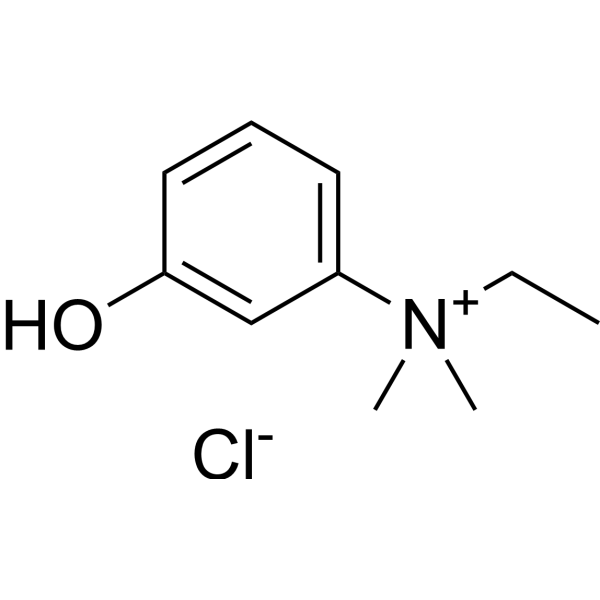 0 ImagesEdrophonium chloride is a short-acting acetylcholinesterase (AChE) inhibitor. Edrophonium chloride has Ki values of 0.2, 0.2, and 0.4 μM and IC50 values of 0.2, 0.05, and 0.5 μM for AChE in human erythrocytes, purified calf forebrain, and purified octopus brain, respectively. Edrophonium chloride can be used to detect early digitalis toxicity and in the study of myasthenia gravis.
-
Polygalic acid
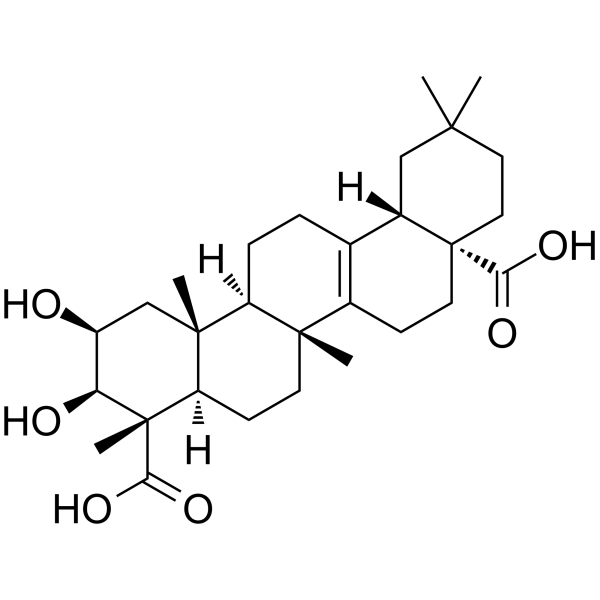 0 ImagesPolygalic acid is a polyphenolic acid with neuroprotective effects, and also an inhibitor of African swine fever virus polymerase (AsfvPolX), with an IC50 value of 5.05 μM. Polygalic acid alleviates neuroinflammation by regulating cholinergic activity, and its fecal level decreases in diseased mice. Polygalic acid can be used in research related to painful diabetic peripheral neuropathy complicated with cognitive impairment and African swine fever.
-
Demecarium Bromide
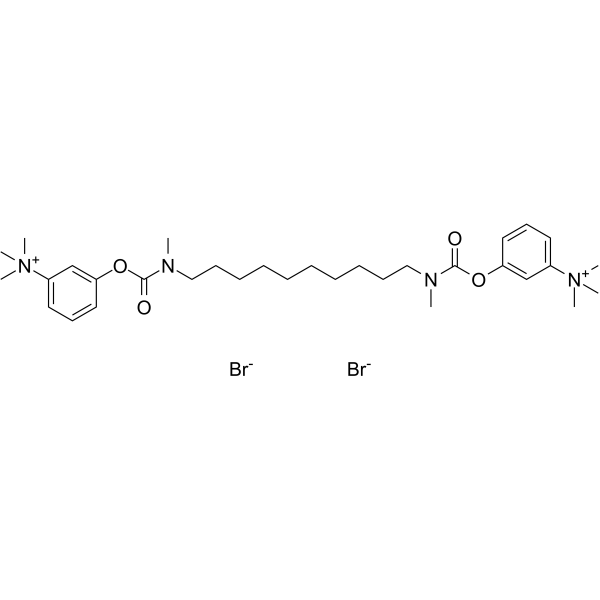 0 ImagesDemecarium Bromide (BC-48) is a potent cholinesterase inhibitor, with an apparent affinity (Kiapp) of 0.15 μM. Demecarium Bromide (BC-48) is used as a glaucoma agent.
-
N-Desmethyl Galanthamine
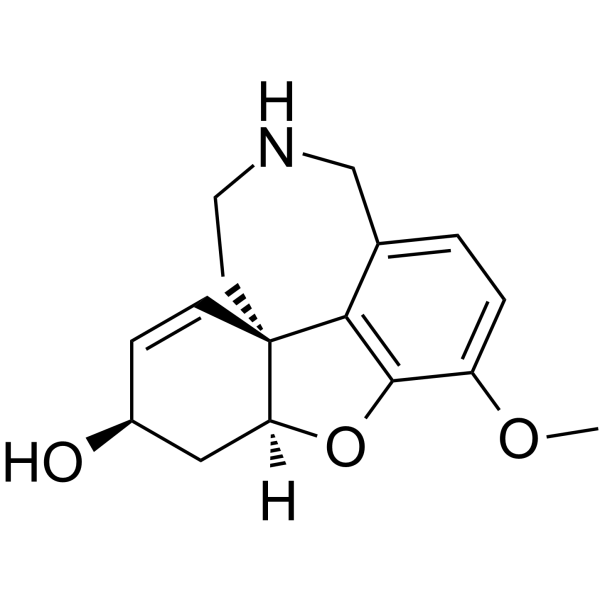 0 ImagesSynonyms: NorgalanthamineN-Desmethyl Galanthamine (N-Norgalanthamine) is a metabolite of Galanthamine (HY-76299). N-Desmethyl Galanthamine is an EeAChE inhibitor with an IC50 of 2.76 μM. N-Desmethyl Galanthamine can be used in the research of Alzheimer's disease.
-
ML352
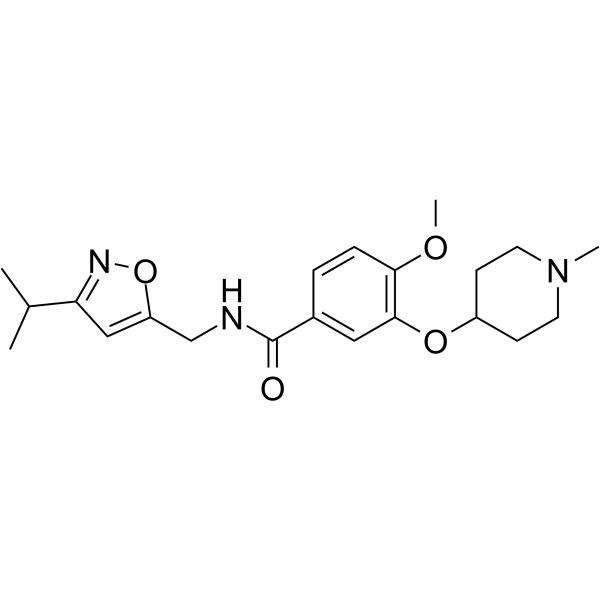 0 ImagesML352 is a noncompetitive inhibitor of the presynaptic choline transporter (CHT) with Ki values of 92 and 166 nM for HEK293 cells expressing human CHT and mouse forebrain synaptosomes, respectively.
-
Pteryxin
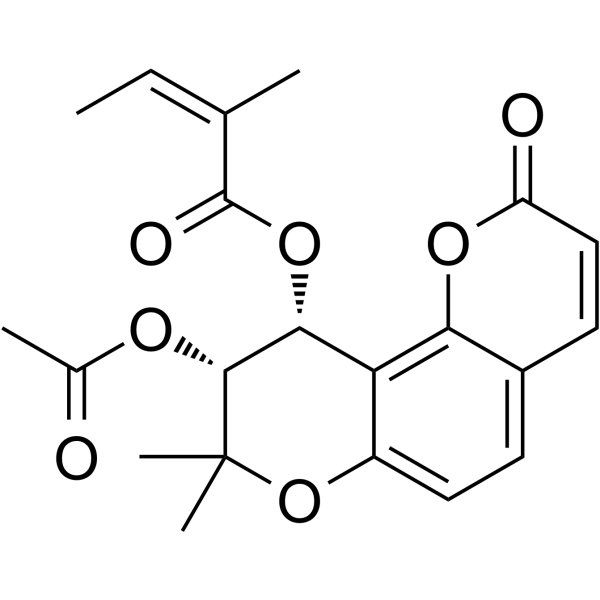 0 ImagesSynonyms: (+)-PteryxinPteryxin ((+)-Pteryxin) is an orally active multi-target inhibitor that targets NF-κB, MAPK, NLRP3 inflammasome, and Nrf2/ARE pathways. Pteryxin is also a BChE inhibitor (IC50=12.96 μg/mL) with a low inhibitory efficiency on AChE. Pteryxin inhibits the Ca2+-calcineurin-NFATc1 pathway by blocking NF-κB/MAPK signaling, inhibiting NLRP3 inflammasome activation, and reducing ROS generation, and activates Nrf2-mediated antioxidant enzyme expression. Pteryxin has anti-inflammatory, antioxidant, and osteoclastogenesis inhibitory activities. Pteryxin can be used in the study of inflammatory diseases, osteoporosis, diabetes, and Alzheimer's disease.
-
Methyl orsellinate
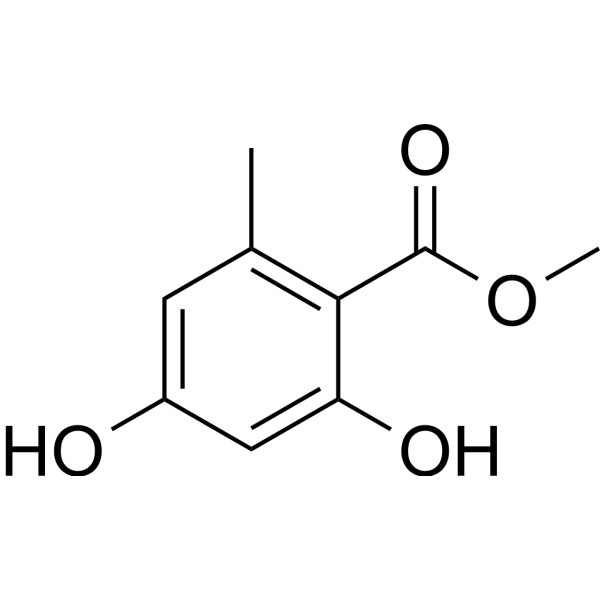 0 ImagesMethyl orsellinate acts as an antiviral agent and insecticide. Methyl orsellinate exhibits enzyme inhibitory activity, with an IC50 of 59.6 µM against porcine leukocyte 5-lipoxygenase (5-LOX); it inhibits soybean 15-lipoxygenase (15-LOX), and shows weak inhibitory activity against acetylcholinesterase (AChE) and glutathione S-transferase (GST). Methyl orsellinate displays contact toxicity against adult Drosophila suzukii. Methyl orsellinate shows anti-HSV-1 activity. Methyl orsellinate can be used in studies related to *Drosophila suzukii* infestation and HSV-1 infection.
-
Kaempferol-3,7-di-O-β-glucoside
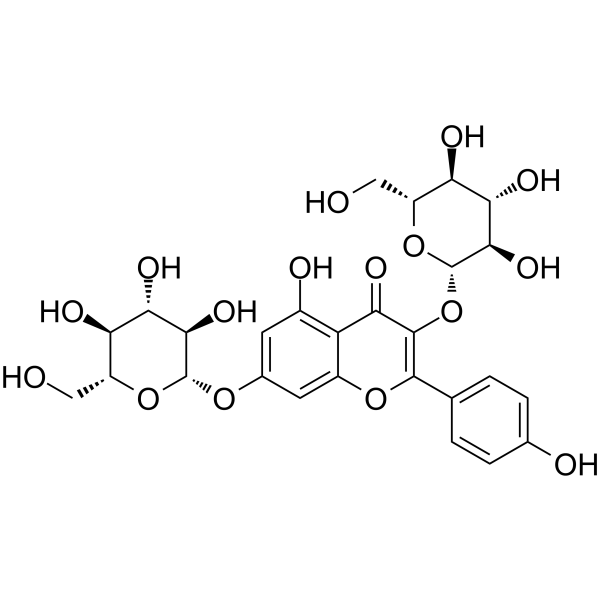 0 ImagesSynonyms: Kaempferol 3,7-diglucosideKaempferol-3,7-di-O-β-glucoside (Kaempferol 3,7-diglucoside), a flavonol, possesses enzyme inhibition property towards α-amylase, α-glucosidase and Acetylcholinesterase. Kaempferol-3,7-di-O-β-glucoside protects differentiating neuronal cells, SH-SY5Y from Amyloid β peptide-induced injury. Kaempferol-3,7-di-O-β-glucoside has the potential for Alzheimer's research.
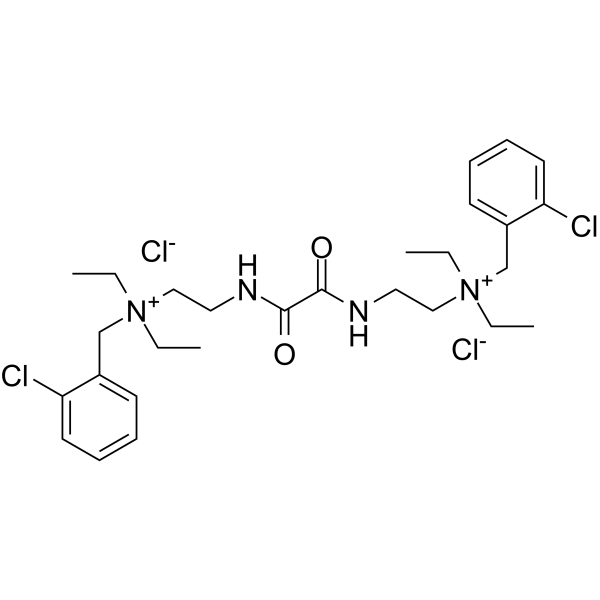
-
Aldicarb sulfone
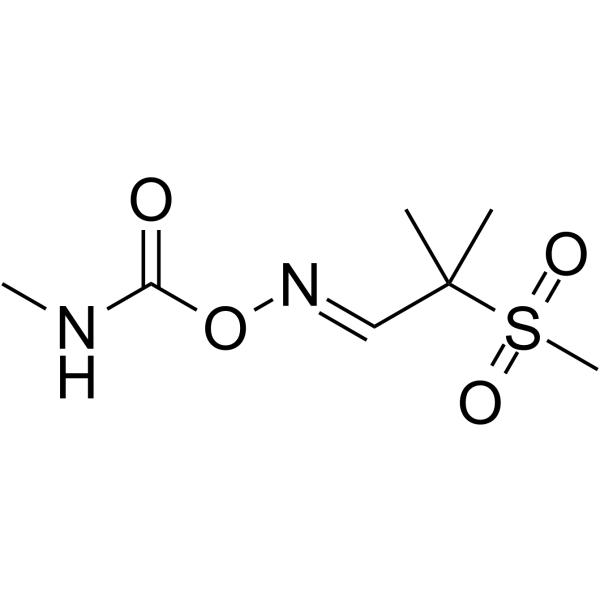 0 ImagesAldicarb sulfone is one of the metabolites of the carbamate pesticide Aldicarb and has insecticidal activity. Aldicarb sulfone is also an inhibitor of cholinesterase.
-
TMPyP tetrachloride
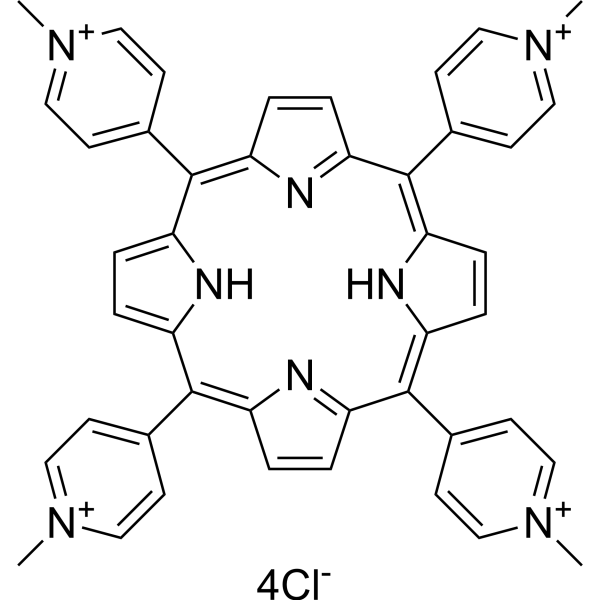 0 ImagesTMPyP tetrachloride is a quadruplex-specific ligand. TMPyP tetrachloride inhibits the interaction between G-quadruplexes and IGF-1. TMPyP tetrachloride is a telomerase inhibitor and inhibits cancer cells proliferation. TMPyP tetrachloride is also a stabilizer of nucleic acid secondary structure and an acetylcholinesterase inhibitor. Besides, TMPyP tetrachloride has antiviral activity against SARS-CoV-2.
-
PCS1055 dihydrochloride
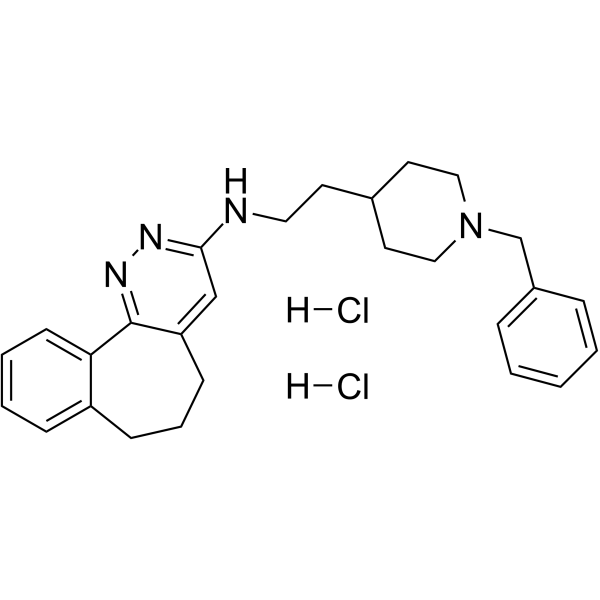 0 ImagesPCS1055 dihydrochloride is a potent, selective and competitive muscarinic M4 receptor antagonist with an IC50 of 18.1 nM and a Kd of 5.72 nM. PCS1055 dihydrochloride inhibits radioligand [3H]-NMS binding to the M4 receptor with a Ki of 6.5 nM. PCS1055 dihydrochloride exhibits >100-fold selectivity over M1-, M3-, and M5-receptors and 30-fold selectivity at the M2 receptor. PCS1055 dihydrochloride is also a potent AChE inhibitor with IC50 s of 22 nM and 120 nM for electric eel and human AChE, respectively.
-
Glycyl-L-glutamic acid
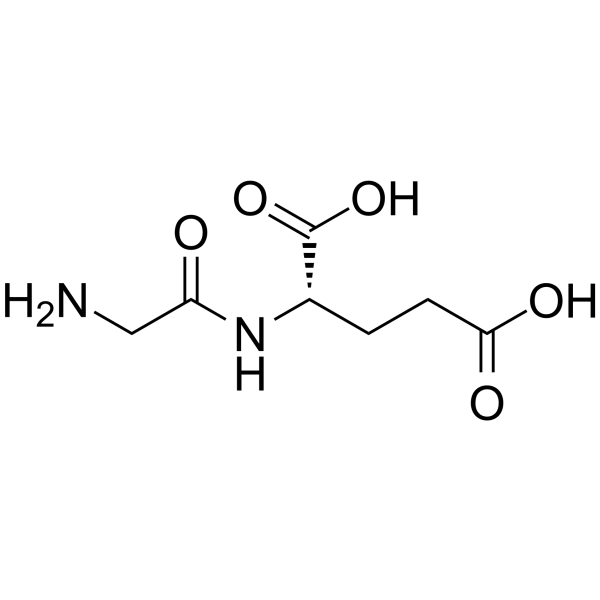 0 ImagesSynonyms: H-Gly-Glu-OH; Gly-Glu
-
Dimethoate-d6
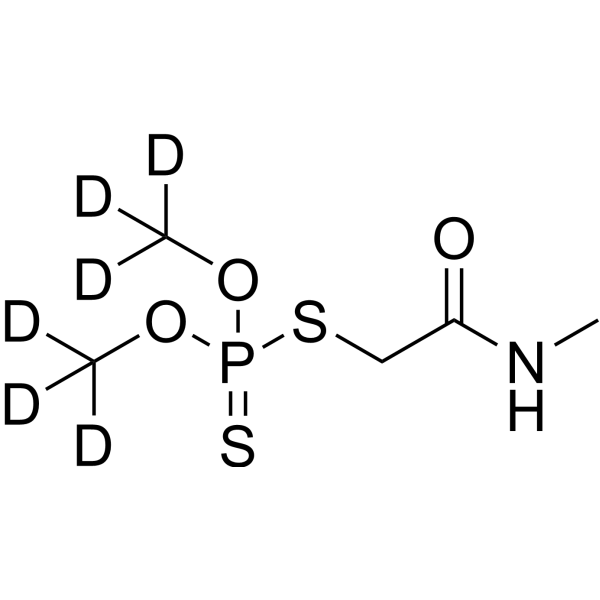 0 ImagesDimethoate-d6 is the deuterium labeled Dimethoate. Dimethoate is an organophosphate insecticide and acaricide. Dimethoate is an orally active acetylcholinesterase inhibitor. Dimethoate induces reactive oxygen species (ROS). Dimethoate induces DNA damage and cell apoptosis in vivo. Dimethoate affect immune system in mice.
-
Coumarin 106
 0 ImagesSynonyms: Coumarin 478
-
Dimethoate (Standard)
 0 ImagesDimethoate (Standard) is the analytical standard of Dimethoate. This product is intended for research and analytical applications. Dimethoate is an organophosphate insecticide and acaricide. Dimethoate is an orally active acetylcholinesterase inhibitor. Dimethoate induces reactive oxygen species (ROS). Dimethoate induces DNA damage and cell apoptosis in vivo. Dimethoate affect immune system in mice.




