Cholinesterase (ChE)
Cholinesterase (ChE) is a family of enzymes present in the central nervous system, particularly in nervous tissue, muscle and red cells, which catalyze the hydrolysis of the neurotransmitter acetylcholine into choline and acetic acid, a reaction necessary to allow a cholinergic neuron to return to its resting state after activation. It is one of many important enzymes needed for the proper functioning of the nervous systems of humans.
There are two types: acetylcholinesterase (AChE, acetylcholine hydrolase) and butyrylcholinesterase (BChE, acylcholine acylhydrolase), also known as nonspecific cholinesterase or pseudocholinesterase. AChE is primarily found in the blood on red blood cell membranes, in neuromuscular junctions, and in neural synapses, while BChE is produced in the liver and found primarily in plasma. The difference between the two types of cholinesterase is their relative preferences for substrates: AChE hydrolyzes acetylcholine faster while BChE hydrolyzes butyrylcholine faster.
Cholinesterase (ChE) Isoform Specific Products
All Product Categories
-
Cholinesterase (ChE) Inhibitors
(922)
View all products
-
Cholinesterase (ChE) Agonists
(5)
View all products
-
Cholinesterase (ChE) Antagonists
(10)
View all products
-
Cholinesterase (ChE) Activators
(33)
View all products
-
Cholinesterase (ChE) Modulators
(11)
View all products
-
Cholinesterase (ChE) Chemical
(1)
View all products
-
Cholinesterase (ChE) Inducer
(1)
View all products
-
Cholinesterase (ChE) Controls
(6)
View all products
-
Cholinesterase (ChE) Substrates
(2)
View all products
-
Cholinesterase (ChE) Related Products (1069)
Related Products (1069)

-
Antibodies (2)
-
Cholinesterase (ChE) Isoform Comparison
-
N-Nornuciferine
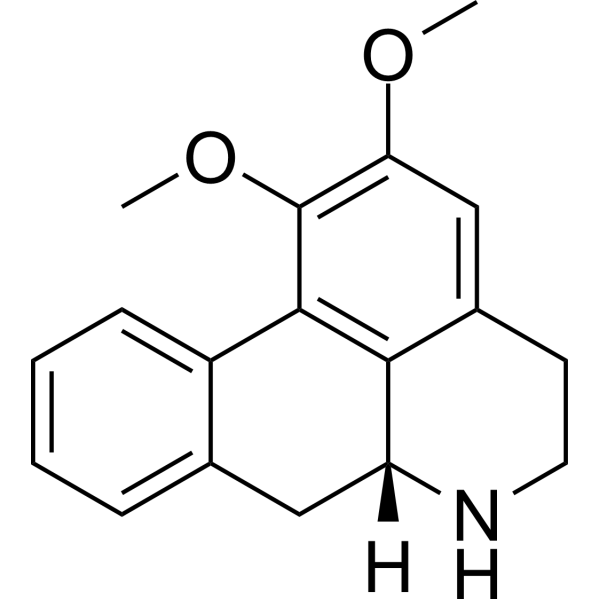 0 ImagesN-Nornuciferine is an orally active, blood-brain barrier-permeable CYP2D6 inhibitor, with an IC50 of 3.76 μM and a Ki of 2.34 μM against human CYP2D6. N-Nornuciferine also acts as a BChE inhibitor, showing an IC50 of 5.6 μM in mice. N-Nornuciferine can be used in the research of neurological-related diseases.
-
Mca-YVADAP-Lys(Dnp)-OH TFA
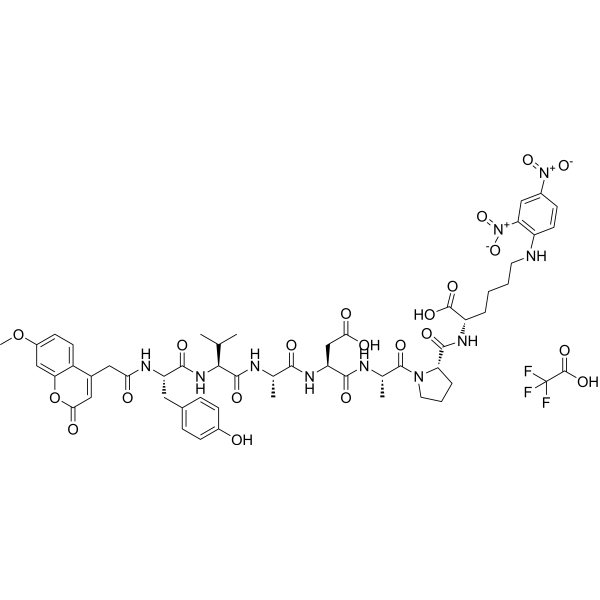 0 ImagesCat. No.: HY-P2616APurity: 98.29%Mca-YVADAP-Lys(Dnp)-OH TFA is a fluorogenic substrate for caspase-1 and angiotensin-converting enzyme 2 (ACE2).
-
Acotiamide
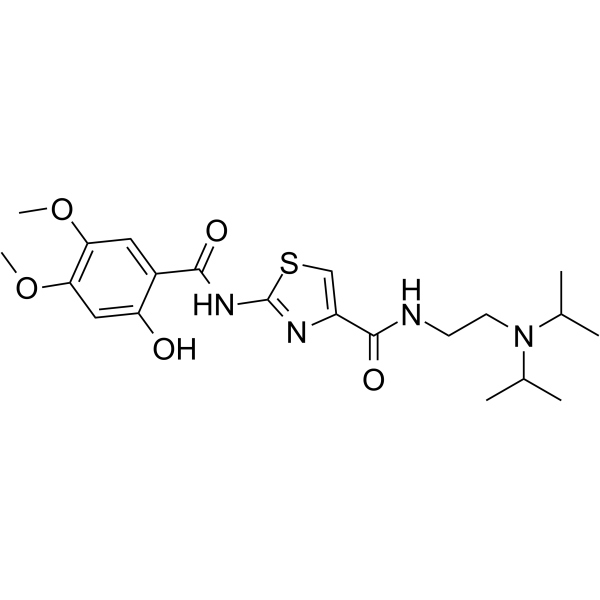 0 ImagesSynonyms: Z-338 free base; YM443 free baseAcotiamide is an orally active, selective and reversible acetylcholinesterase (AChE) inhibitor, with an IC50 of 1.79 μM. Acotiamide can enhance gastric contractility and accelerate delayed gastric emptying. Acotiamide has the potential for the research of functional dyspepsia involving gastric motility dysfunction and intestinal inflammatory.
-
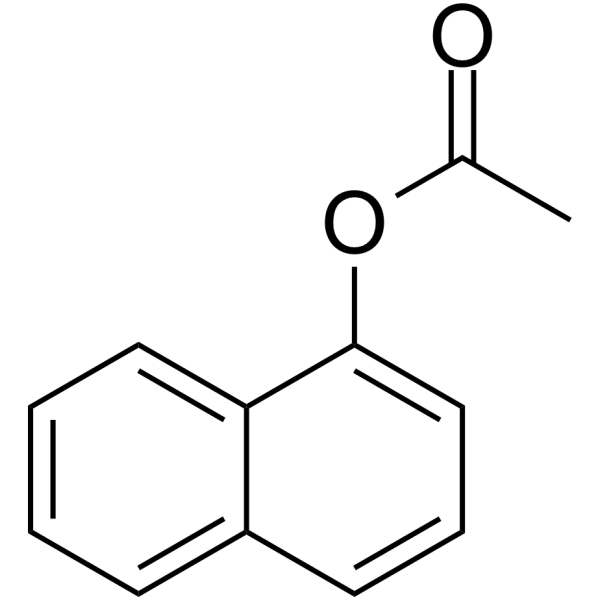
AChE-IN-84
 0 ImagesCat. No.: HY-W009431CAS No.: 3779-42-8AChE-IN-84 (compound 21) is an AChE inhibitor.
-
N-Benzylglycine ethyl ester
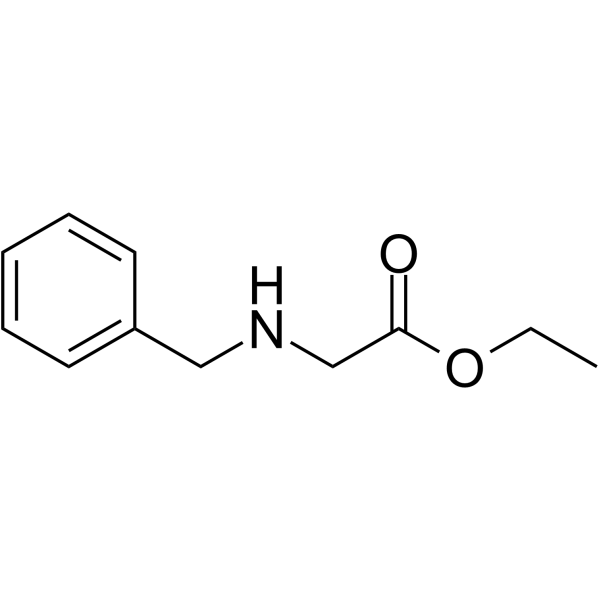 0 ImagesN-Benzylglycine ethyl ester is an N-substituted glycine derivative. N-Benzylglycine ethyl ester is bound to PDB code: 1B41. N-Benzylglycine ethyl ester can be used in Alzheimer's disease research.
-
L-β-Imidazolelactic acid
 0 ImagesL-β-Imidazolelactic acid is an inhibitor of Cholinesterase and Monoamine oxidase, and also the final metabolite of L-Histidine (HY-N0832). L-β-Imidazolelactic acid increases the activity of Superoxide dismutase. L-β-Imidazolelactic acid is applicable to research related to liver cirrhosis and histidinemia.
-
Fenobucarb
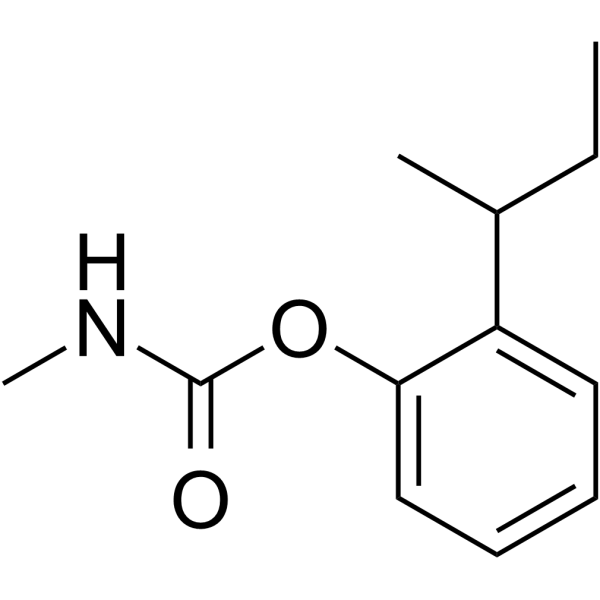 0 ImagesFenobucarb is a carbamate insecticide. Fenobucarb induces zebrafish developmental neurotoxicity through pathways involved in inflammation, oxidative stress, degeneration and apoptosis. Fenobucarb is a possible risk factor to cardiovascular and cerebrovascular systems in animals.
-
Gypsogenin
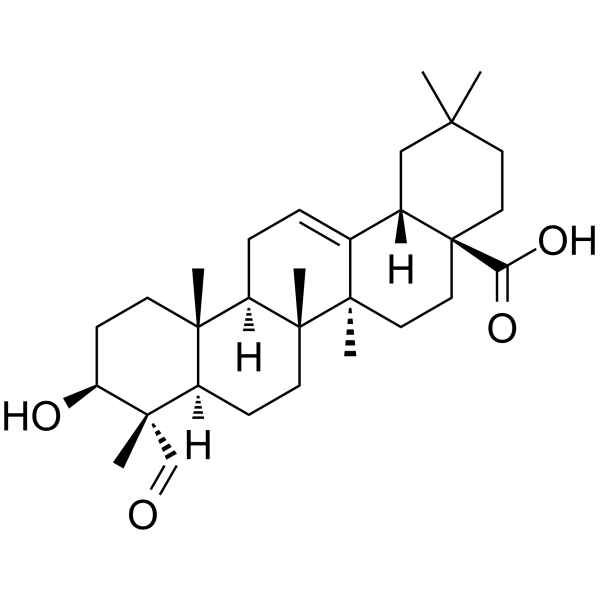 0 ImagesGypsogenin is a selective mixed-type BChE inhibitor (Ki=19.99 μM) that also exhibits significant cytotoxicity against various human cancer cell lines. Gypsogenin inhibits tumor growth by inducing cell cycle arrest and triggering apoptosis. Gypsogenin displays antibacterial activity against bacteria such as Bacillus subtilis and Bacillus thuringiensis, and often serves as a key parent nucleus for the synthesis of anticancer compounds. Gypsogenin is widely used in research on Alzheimer's disease and various cancers including colon cancer, melanoma, and leukemia.
-
Polygalacic acid
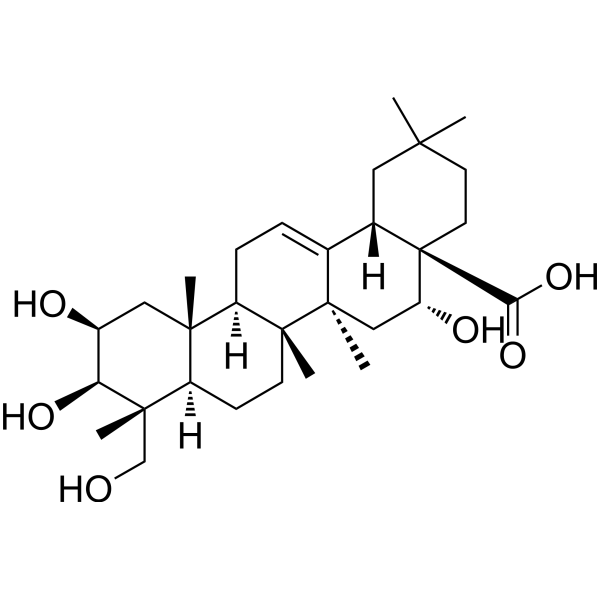 0 ImagesPolygalacic acid, is a triterpene, isolated from the root of Polygala tenuifolia Willd. Polygalacic acid inhibits MMP expression. Polygalacic acid may have a therapeutic effect in Osteoarthritis (OA) treatment . Polygalacic acid exerts a significant neuroprotective effect on cognitive impairment, PA improves cholinergic system reactivity by inhibiting acetylcholinesterase (AChE) activity, increasing choline acetyltransferase (ChAT) activity, and elevating levels of acetylcholine (Ach) in the hippocampus and frontal cortex.
-
Ovalbumin (154-159)
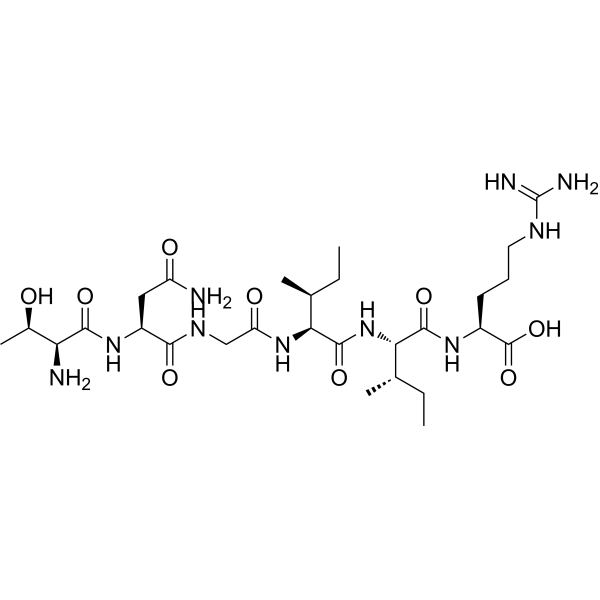 0 ImagesOvalbumin (154-159) is a protein fragment consisting of residues 154-159 of chicken ovalbumin. Ovalbumin (154-159) is also a poorly conserved sequence (Thr-Asn-Gly-Ile-Ile-Arg) in the α-subunit of the Torpedo acetylcholine receptor, located within the α150-164 epitope region, and exhibits significant angiotensin-converting enzyme (ACE) inhibitory activity.
-
4-Methylbenzylidene camphor-d4
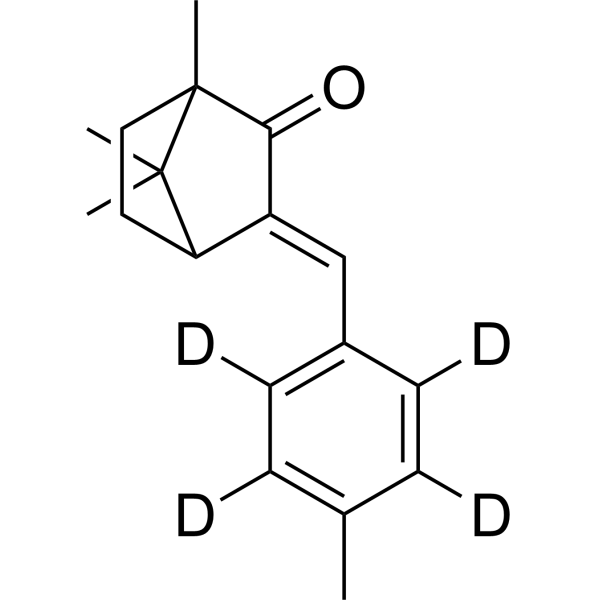 0 Images4-Methylbenzylidene camphor-d4 is the deuterium labeled 4-Methylbenzylidene camphor.

-
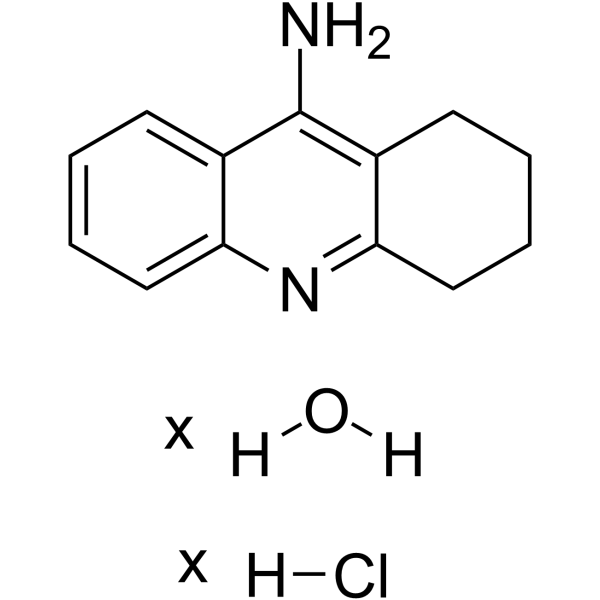
9-Acridinecarboxylic acid
 0 Images9-Acridinecarboxylic acid is a precursor of a cholinesterase inhibitor, and its derivatives have nanomolar inhibitory potency against AChE and BChE.
-
Ipidacrine
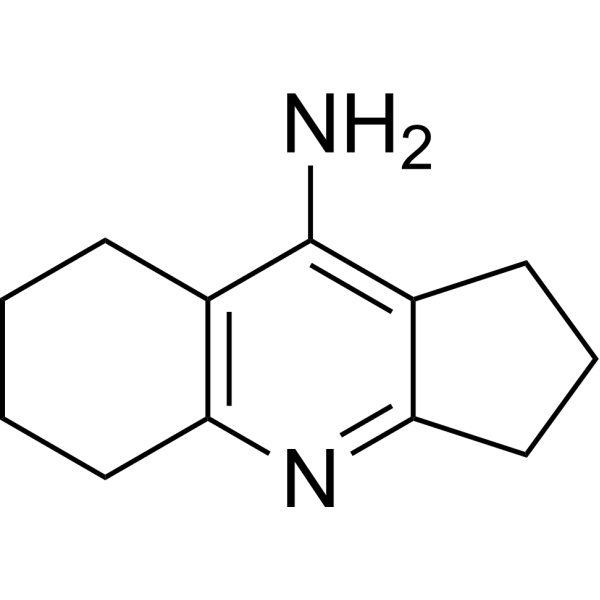 0 ImagesSynonyms: NIK-247 free base; Amiridine free baseIpidacrine is orally active and brain-penetrant AChE and BuChE inhibitors with IC50 values of 1 μM and 1.9 μM, respectively, which is also a partial agonist of M2-cholinergic receptors and a reversible cholinesterase inhibitor. Ipidacrine has a stimulating effect on neuromuscular transmission and excitation along the nerve fibres with a moderately anti-pain effect. Ipidacrine is an aminopyridines and is structurally similar to Tacrine (HY-111338). Ipidacrine is effective in various amnesia models, improves erectile function and inhibits K+ and Na+-channels in the neuronal membrane in diabetic rats. Ipidacrine is promising for research of Alzheimer’s disease, ischaemic stroke, idiopathic neuropathy of the facial nerve, diabetes mellitus-induced erectile dysfunction and other deficits in central or peripheral cholinergic deseases.
-
Theasaponin E1
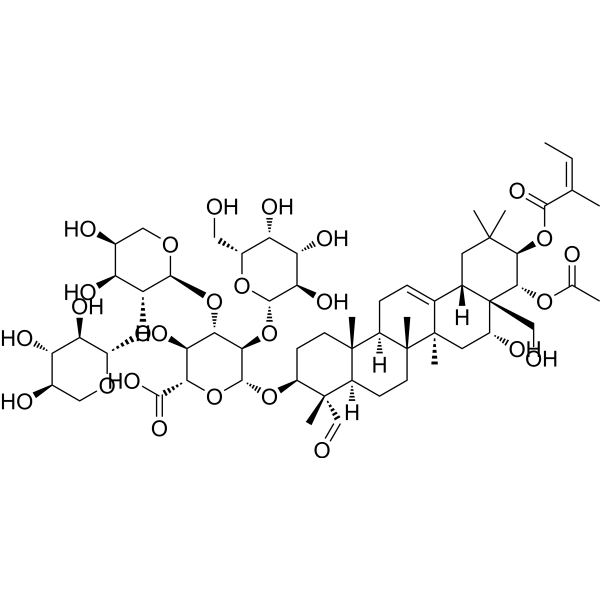 0 ImagesTheasaponin E1 is an orally effective tea saponin. Theasaponin E1 inhibits the proliferation of cancer cells by activating apoptosis. Theasaponin E1 inhibits angiogenesis in ovarian cancer cells and HUVECs by reducing the expression of VEGF. Theasaponin E1 upregulates the phosphorylation level of ATM protein and the expression level of PTEN protein in cancer cells, decreases the phosphorylation levels of Akt, mTOR, p70S6K and 4E-BP1 proteins, downregulates the expression of HIF-1α and NF-κB, and reduces the protein expression of Notch ligands Dll4 and Jagged1. Theasaponin E1 exerts neuroprotective effects by inhibiting the activity of acetylcholinesterase, activating α-secretase and neprilysin, reducing the concentration of Aβ, and inhibiting the activities of β-secretase and γ-secretase. Theasaponin E1 exhibits toxic effects on cancer cells and quinone reductase-inducing activity, and inhibits tumor growth in vivo. Theasaponin E1 induces ferroptosis in Pomacea canaliculata by synergistically disrupting cholesterol homeostasis and sphingolipid metabolism. Theasaponin E1 possesses anti-biofilm activity against Candida albicans. Theasaponin E1 can be used in the research of ovarian cancer, obesity, Alzheimer's disease and fungal infections.