



Fungal
An antifungal agent is a drug that selectively eliminates fungal pathogens from a host with minimal toxicity to the host.
Classes: 1. Polyene Antifungal Drugs: Amphotericin, nystatin, and pimaricin interact with sterols in the cell membrane (ergosterol in fungi, cholesterol in humans) to form channels through which small molecules leak from the inside of the fungal cell to the outside. 2. Azole Antifungal Drugs: Fluconazole, itraconazole, and ketoconazole inhibit cytochrome P450-dependent enzymes (particularly C14-demethylase) involved in the biosynthesis of ergosterol, which is required for fungal cell membrane structure and function. 3. Allylamine and Morpholine Antifungal Drugs: lylamines (naftifine, terbinafine) inhibit ergosterol biosynthesis at the level of squalene epoxidase. The morpholine drug, amorolfine, inhibits the same pathway at a later step. 4. Antimetabolite Antifungal Drugs: 5-Fluorocytosine acts as an inhibitor of both DNA and RNA synthesis via the intracytoplasmic conversion of 5-fluorocytosine to 5-fluorouracil.
All Product Categories
-
Fungal Related Products (2737)
Related Products (2737)

-
Antibodies (1)
-
Related Compound Screening Libraries (1)
-
Antifungal agent 86
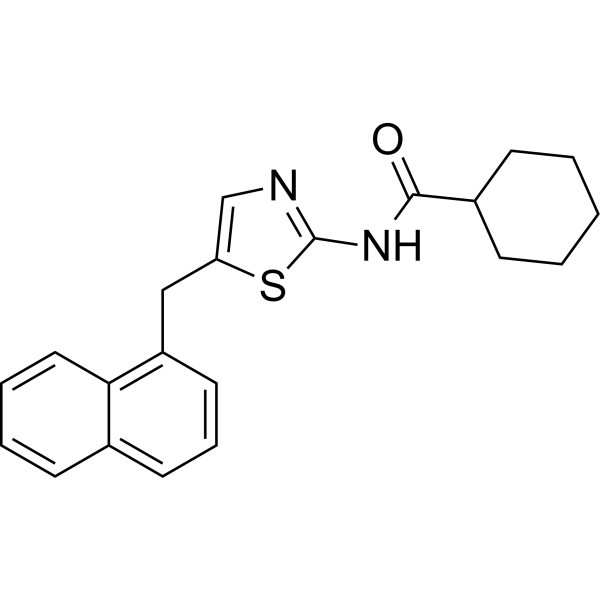 0 ImagesCat. No.: HY-118847CAS No.: 327077-97-4Antifungal agent 86 (Compound 41F5) is an antifungal agent. Antifungal agent 86 is highly active against Histoplasma yeast and Cryptococcus neoformans (MIC50: 0.4-0.8 μM).
-
β-Sitosteryl linoleate
 0 Imagesβ-Sitosteryl linoleate is an antifungal agent with a MIC of 500 μg/mL against Alternaria alternata. β-Sitosteryl linoleate disrupts the mycelia of A. alternata and causes leakage of cellular contents. β-Sitosteryl linoleate can be used in studies on A. alternata-related fungal infections, Alternaria brown spot and the mechanisms of phytopathogenic fungi, as well as in GC/MS analytical studies of steryl esters.
-
Antifungal agent 93
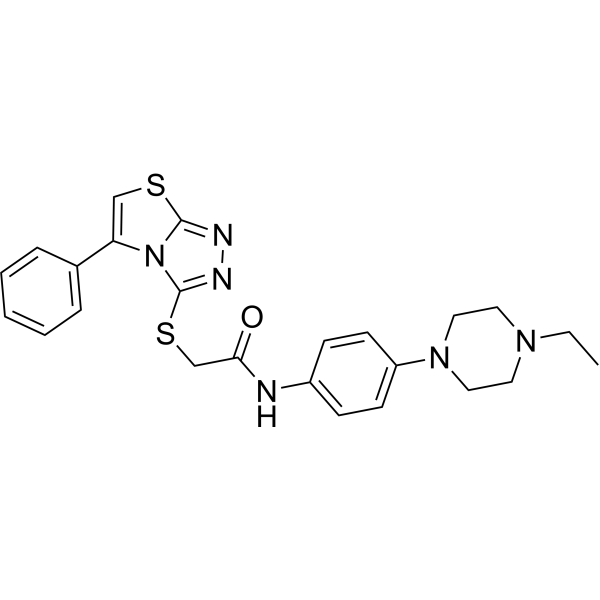 0 ImagesCat. No.: HY-161312Antifungal agent 93 (compound 10) is a potent antifungal agent. Antifungal agent 93 shows antimicrobial activity.
-
Dehydropipernonaline
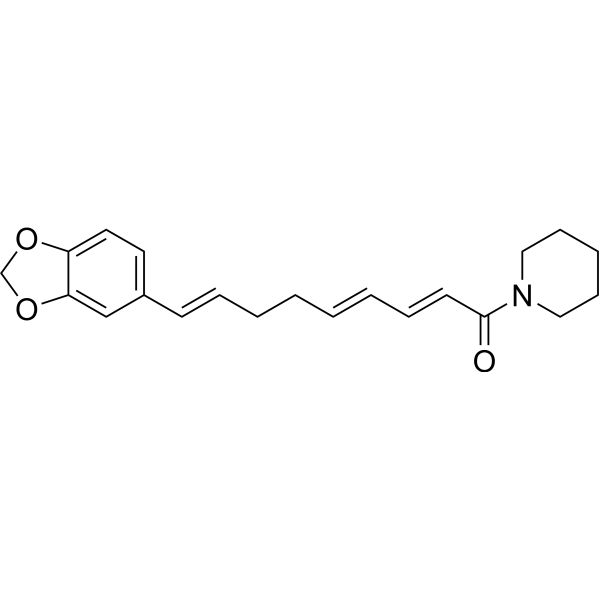 0 ImagesCat. No.: HY-N12122CAS No.: 107584-38-3Dehydropipernonaline (Compound 24) is an amide compound. Dehydropipernonaline shows considerable cytotoxicity to L5178Y mouse lymphoma cells (IC508.9μM). Dehydropipernonaline can be used for screening antifungal and cytotoxicity .
-
Nudicaucin B
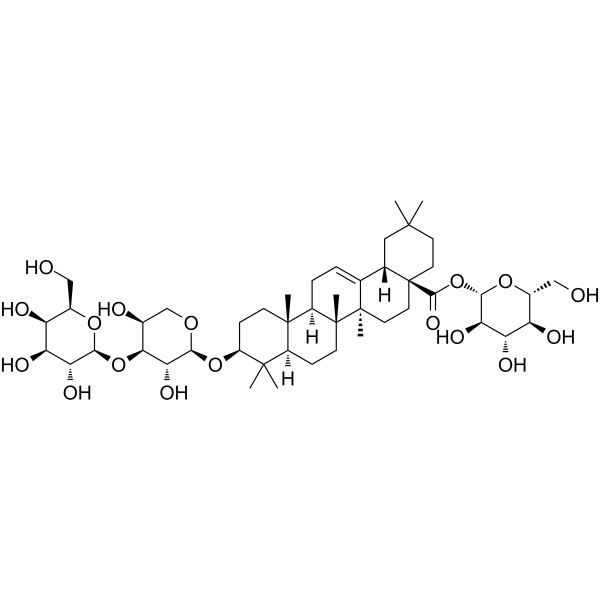 0 ImagesCat. No.: HY-N5085CAS No.: 211557-36-7Nudicaucin B is a triterpenoid saponi found in Hedyotis nudicaulis. Nudicaucin B has antifungal activities.
-
Dihydro-N-caffeoyltyramine
 0 ImagesCat. No.: HY-169751CAS No.: 501939-19-1Dihydro-N-caffeoyltyramine is a new phenolic amide that can be isolated from the root bark of wolfberry and has strong antioxidant activity and antifungal effects. Dihydro-N-caffeoyltyramine downregulates the expression of cyclooxygenase-2 by inhibiting the activity of C/EBP and AP-1 transcription factors.
-
Laccase-IN-1
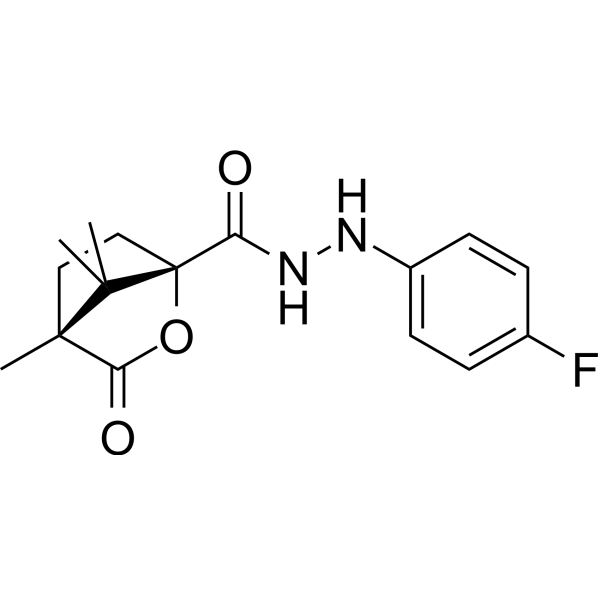 0 ImagesCat. No.: HY-149614CAS No.: 2991094-41-6Laccase-IN-1 (compound 4b) is an orally active inhibitor of laccase, with the IC50 of 11.3 μM. Laccase-IN-1 displays protective and curative effects on apple fruits infected by B. dothidea. Laccase-IN-1 enhances the cell membrane permeability, destroys the mycelial surface morphology and the cell ultrastructure, and reduces the ergosterol and exopolysaccharide contents of B. dothidea.
-
LEX-K02
 0 ImagesCat. No.: HY-189090CAS No.: 3106140-37-5LEX-K02 is a broad-spectrum and potent thiazole amide antifungal agent with an EC50 of 0.140 μM. LEX-K02 inhibits fungal growth by disrupting the fungal cell membrane to cause leakage of intracellular substances and targeting the map00510 pathway to interfere with N-glycan biosynthesis. LEX-K02 can be used in studies related to Gaeumannomyces graminis infection.
-
Esculentoside B
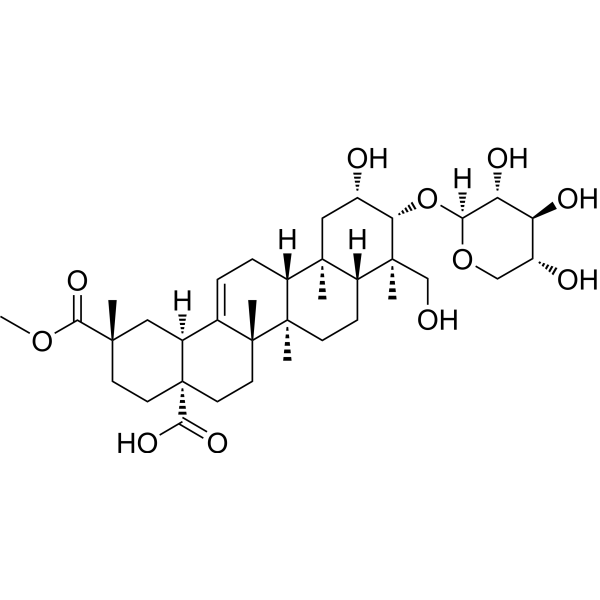 0 ImagesSynonyms: Phytolaccoside BEsculentoside B (Phytolaccoside B) is a natural product from the roots of Phytolacca acinosa Roxb. Esculentoside B is neurotoxic to zebrafish larvae, and impairs their central nervous system development. Esculentoside B inhibits inflammatory response and has antifungal activity.
-
Pyraoxystrobin (Standard)
 0 ImagesCat. No.: HY-W715372RCAS No.: 862588-11-2Pyraoxystrobin (Standard) is the analytical standard of Pyraoxystrobin. This product is intended for research and analytical applications. Pyraoxystrobin is a QoI fungicide, with an EC50 of 0.0094 μg/mL for M. oryzae isolates. Pyraoxystrobin can be used for the research of M. oryzae in rice fields.
-
Antifungal agent 178
 0 ImagesCat. No.: HY-189257CAS No.: 848488-07-3Antifungal agent 178 is an indole-oxazole alkaloid analog and a fungal cell membrane disruptor that exhibits low phytotoxicity toward plants. Antifungal agent 178 disrupts the integrity of hyphal cell membranes, leading to cytoplasmic leakage and inhibition of hyphal growth, and induces morphological changes in hyphae. Antifungal agent 178 can be used in research related to fungal plant diseases.
-
Antifungal agent 14
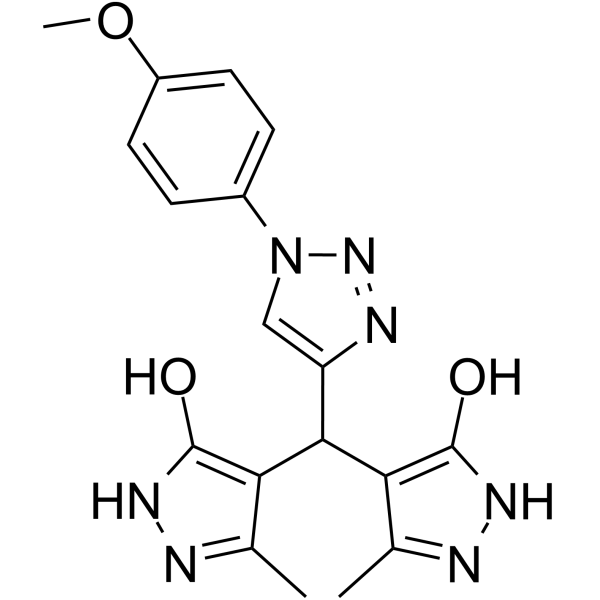 0 ImagesCat. No.: HY-139713CAS No.: 2710259-38-2Antifungal agent 14 exhibits broad-spectrum activity against the fungal strains with excellent minimum inhibitory concentration values.
-
Coccinin
 0 ImagesCat. No.: HY-P11176CAS No.: 1177990-16-7Coccinin is an antifungal peptide. Coccinin can be purified from the seeds of large scarlet runner beans. Coccinin inhibits HIV-1 reverse transcriptase. Coccinin shows antifungal activity against M. arachidicola, F. oxysporum, P. piricola, B. cinerea, C. comatus and R. solani, with IC50s of 75, 81, 89, 109, 122 and 134 μM, respectively.
-
4,6-Dibromo indole
 0 ImagesCat. No.: HY-W102893CAS No.: 99910-50-64,6-Dibromo indole is a natural product found in the adipose tissue of bottlenose dolphins, algae, and invertebrates including species of the genus Tubastrea, with multiple activities such as nematicidal and antifungal properties. 4,6-Dibromo indole inhibits the motility of Caenorhabditis elegans and induces a multi-stage nematicidal effect. 4,6-Dibromo indole inhibits the growth, biofilm formation, and yeast-hypha transition of Candida, induces ROS accumulation, disrupts hyphal networks, and reduces biofilm biomass. 4,6-Dibromo indole can be used in studies on crop damage related to nematode infestation and Candida infection.
-
Albaconazole
 0 ImagesCat. No.: HY-106141CAS No.: 187949-02-6Synonyms: UR 9825Albaconazole (UR 9825) is a broad-spectrum triazole and oral activity antifungal agent.
-
KK14(R)
 0 ImagesCat. No.: HY-P10329CAS No.: 2415098-35-8KK14(R) is an analog of the de novo synthetic peptide KK14, which exhibits antifungal activity against Fusarium culmorum, Penicillium expansum and Aspergillus niger , with MICs of 6.25, 12.5 and 12.5 μg/mL, respecitvely. KK14(R) exhibits good heat- and pH-stability. KK14(R) exhibits cytotoxicity against cells Caco-2 and RAW264.7.
-
Aurein 2.5
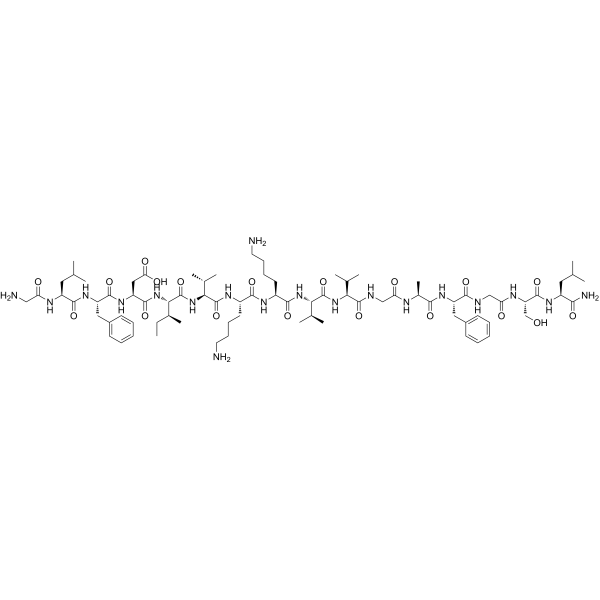 0 ImagesCat. No.: HY-P5572CAS No.: 302343-09-5Aurein 2.5 is an antibiotic antimicrobial peptide. Aurein 2.5 has antibacterial and antifungal activity
-
Antibacterial agent 73
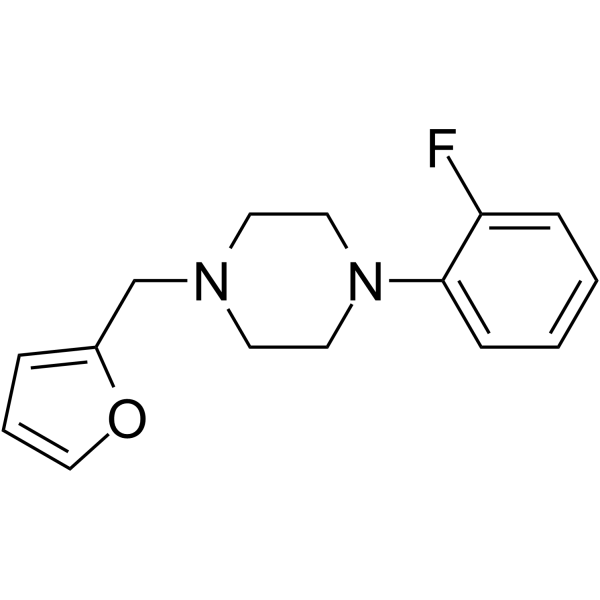 0 ImagesCat. No.: HY-143232CAS No.: 414885-92-0Antibacterial agent 73 (compound 7a) is a potent antimicrobial agent. Antibacterial agent 73 exhibits very good antitubercular activity (MIC=0.65 µg/mL) against Mtb H37Rv. Antibacterial agent 73 shows good activity against fungal and bacterial. Antibacterial agent 73 also shows cytotoxicity in MCF-7 breast cancer cell lines, with IC50 of 8.20 μM.
-
Variotin
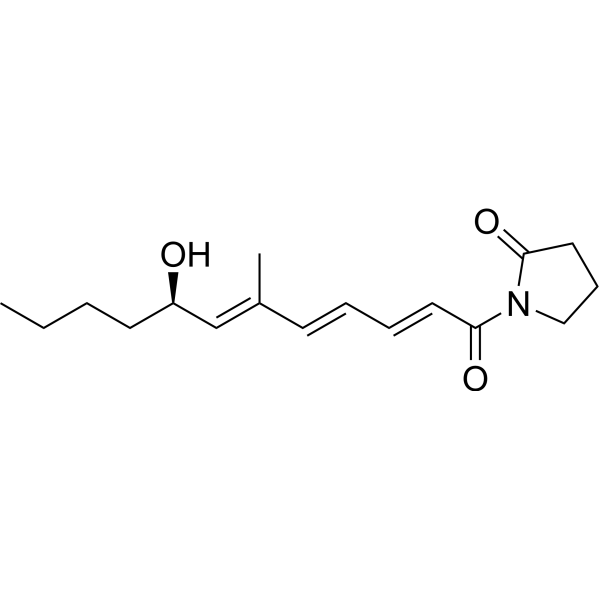 0 ImagesCat. No.: HY-19584CAS No.: 19504-77-9Variotin is an Anti-Fungal Agent. Variotin has a strong antibiotic activity on dermatophytes such as Trichophyton, Microsporum, and Epidermophyton, and also pathogenic fungi in internal mycosis such as Blastomyces and Cryptococcus.
-
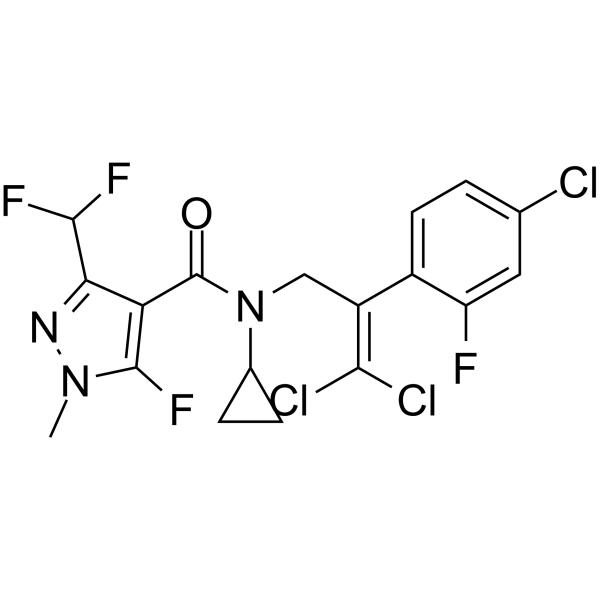
SDH-IN-8
 0 ImagesCat. No.: HY-149601CAS No.: 2757173-77-4SDH-IN-8 (compound G40) is a potent succinate dehydrogenase (SDH) inhibitor with an IC50 of 27 nM for porcine SDH. SDH-IN-8 has fungicidal properties.




