



Glycosidase
Glycosidase
Glycosidase are a class of enzymes which catalyze the hydrolysis of glycosidic bonds. In living organisms, Glycosidase are involved in carbohydrate metabolism. They can degrade polysaccharides such as starch and glycogen into monosaccharides, providing energy for cells. Glycosidase also participate in the synthesis and modification of biological macromolecules such as glycoproteins and glycolipids, playing a crucial role in cell recognition and signal transduction. Additionally, in plants and microorganisms, Glycosidase are involved in the metabolism of cell wall polysaccharide components, affecting cell growth, differentiation, and morphogenesis. Gene mutations of Glycosidase can trigger genetic diseases, leading to abnormal metabolism in the body and damage to organ functions. Changes in their activity are associated with various diseases such as diabetes, infectious diseases, and tumors, and can influence the occurrence and development of diseases[1][2].
References:
- [1]. Wang X, et al. Metabolites extracted from microorganisms as potential inhibitors of glycosidases (α-glucosidase and α-amylase): A review. Front Microbiol. 2022 Nov 17;13:1050869.
- [2]. Ohtsubo K, et al. Glycosylation in cellular mechanisms of health and disease. Cell. 2006 Sep 8;126(5):855-67. [Content Brief]
All Product Categories
-
Glycosidase Inhibitors
(444)
View all products
-
Glycosidase Antagonist
(1)
View all products
-
Glycosidase Activators
(19)
View all products
-
Glycosidase Modulators
(8)
View all products
-
Glycosidase Chemical
(1)
View all products
-
Glycosidase Inducers
(2)
View all products
-
Glycosidase Degrader
(1)
View all products
-
Glycosidase Controls
(5)
View all products
-
Glycosidase Substrates
(23)
View all products
-
Glycosidase Ligands
(3)
View all products
-
Glycosidase Related Products (682)
Related Products (682)

-
Antibodies (3)
-
Cyclophellitol aziridine
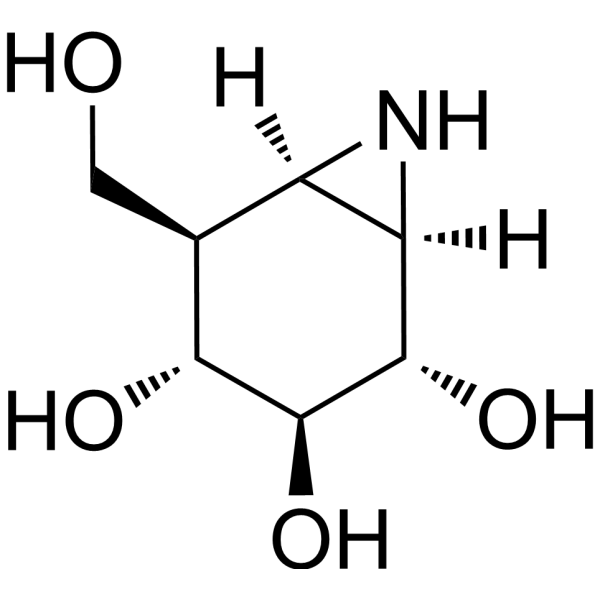 0 ImagesCat. No.: HY-156838CAS No.: 136861-97-7Cyclophellitol aziridine is a cyclophenol analogue and a potent β-glucosidase inhibitor.
-
Glucocerebrosidase-IN-1
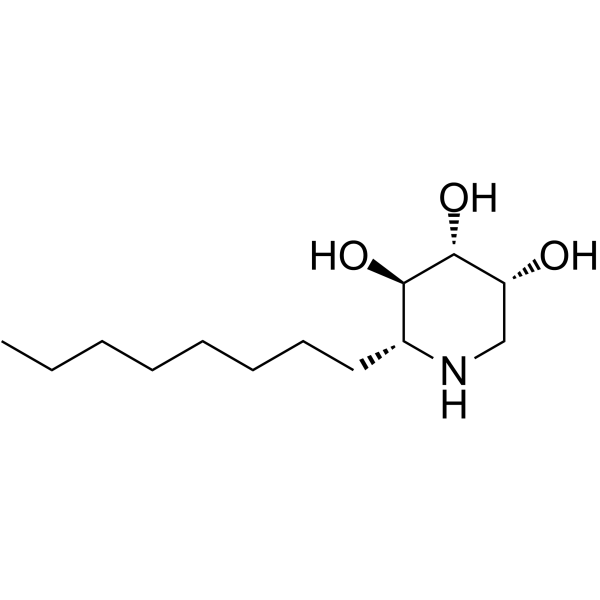 0 ImagesGlucocerebrosidase-IN-1 (compound 11a) is a potent and selective GCase (glucocerebrosidase) inhibitor, with an IC50 of 29.3 μM and a Ki of 18.5 μM. Glucocerebrosidase-IN-1 can be used for the research of Gaucher disease (GD) and Parkinson’s disease (PD).
-
IHVR-17028
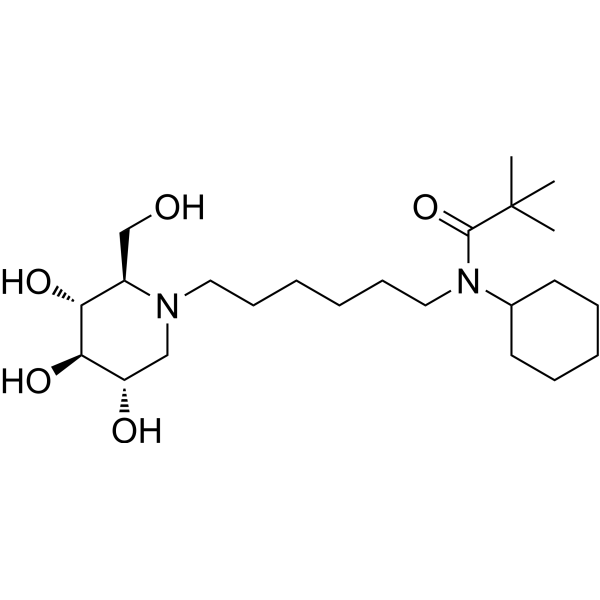 0 ImagesIHVR-17028 is a potent and broad-spectrum antiviral agent. IHVR-17028 exhibits antiviral activity against BVDV, TCRV and DENV with EC50 values of 0.4 μM, 0.26 μM, 0.3 μM, respectively. IHVR-17028 is a potent ER α-glucosidase I inhibitor with an IC50 of 0.24 μM. IHVR-17028 can be used for infectious diseases research.
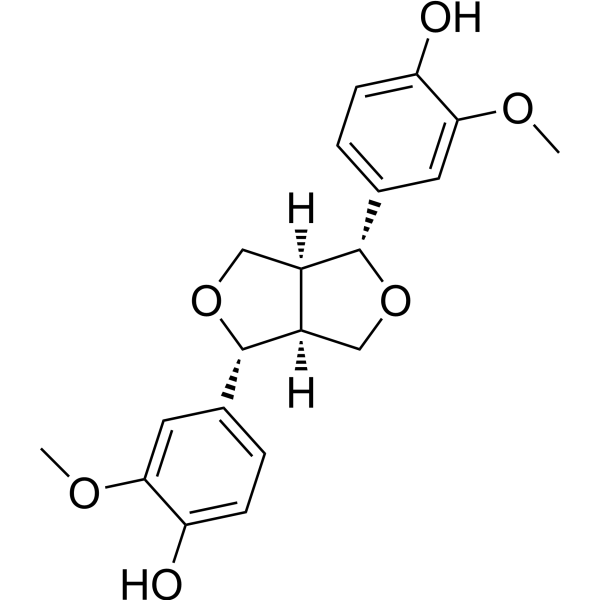
-
4-Nitrophenyl β-D-mannopyranoside
 0 ImagesSynonyms: p-Nitrophenyl β-D-Mannopyranoside4-Nitrophenyl β-D-mannopyranoside is a useful substrate for β-D-mannopyranosidase. 4-Nitrophenyl β-D-mannopyranoside is also a substrate for GH1-glucosidase (EaBgl1A) and α-L-rhamnosidase.
-
Lotusine
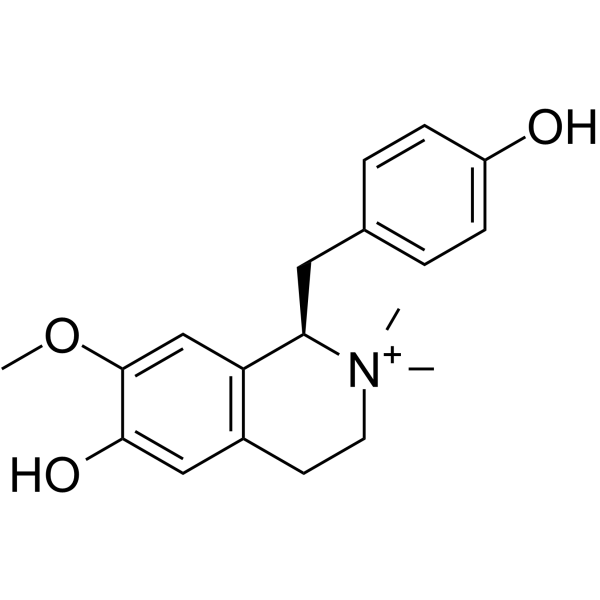 0 ImagesLotusine is an orally active signaling pathway modulator and enzyme inhibitor, with an IC50 of 30.60 μg/mL against α-amylase and an IC50 of 36.15 μg/mL against α-glucosidase. Lotusine inhibits the EGFR-Akt-ERK signaling pathway by reducing the levels of phosphorylated EGFR, Akt and ERK. Lotusine induces apoptosis, triggers G0/G1 cell cycle arrest and inhibits cancer cell proliferation. Lotusine reduces lipid peroxidation and increases the activities of SOD, CAT and GPx. Lotusine is applicable to researches related to non-small cell lung cancer, type 2 diabetes and autism spectrum disorder.
-
Celgosivir
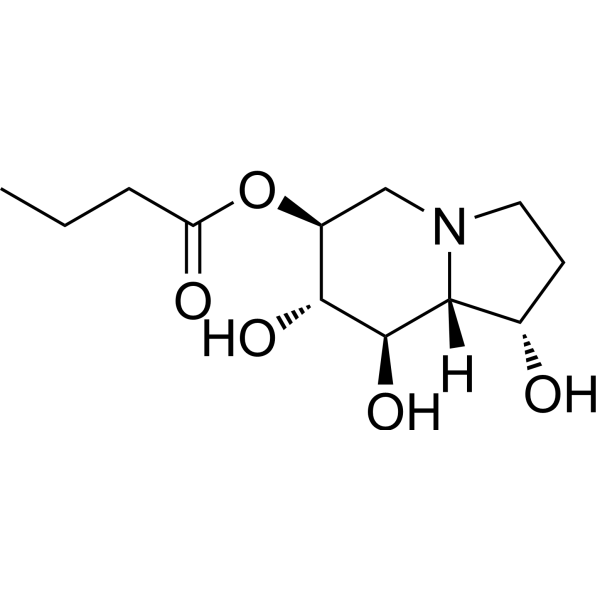 0 ImagesSynonyms: MBI 3253; MDL 28574; MX3253Celgosivir (MBI 3253; MDL 28574; MX3253) is an α-glucosidase I inhibitor; inhibits bovine viral diarrhoea virus (BVDV) with an IC50 of 1.27 μM in in vitro assay.
-
α-Glucosidase-IN-11
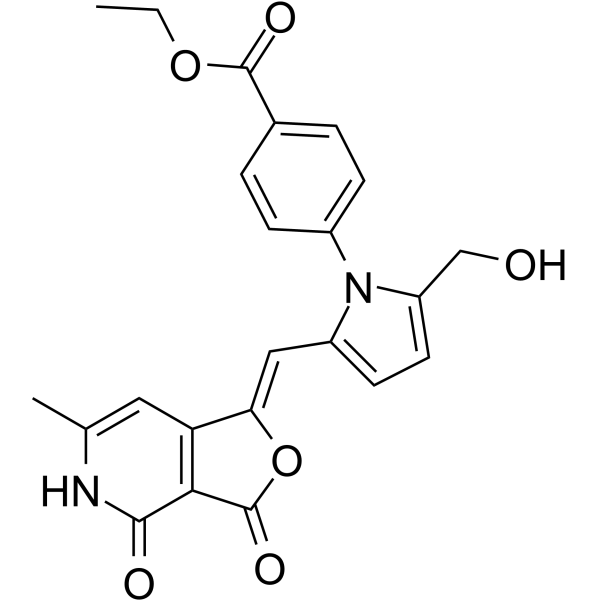 0 ImagesCat. No.: HY-150560CAS No.: 2411744-76-6α-Glucosidase-IN-11 is a highly permeable competitive α-glucosidase inhibitor with the IC50 value of 0.56 μM. α-Glucosidase-IN-11 binds to Trp residues in α-glucosidase and regulates protein folding. α-Glucosidase-IN-11 can be used to regulate blood glucose levels.
-
PNGase A
 0 ImagesCat. No.: HY-E70555PNGase A is a β-aspartylglucosaminidase and N-glycan-releasing enzyme. PNGase A catalyzes hydrolysis reactions to release the N-glycan moiety from glycoproteins or glycopeptides. PNGase A releases N-linked oligosaccharides containing core α-1,3 fucose from glycopeptides. PNGase A undergoes self-deglycosylation, which may cause contamination of endogenous glycan structures in N-glycan analysis. PNGase A cannot be heterologously expressed in recombinant expression systems; it can be extracted and purified from almond seeds.
-
Endoglycosidase S (D233Q mutant)
 0 ImagesCat. No.: HY-E70883Synonyms: EndoS D233QEndoglycosidase S (D233Q mutant) (EndoS D233Q) is a mutant endoglycosidase, which catalyzes the glycosylation of Trastuzumab (HY-P9907)-GlcNAc with the functionalized, non-natural glycans to give glycosylated monoclonal Abs (mAbs) carrying two glycans each functionalized with two reaction handles.
-
α1-6 Mannosidase, Xanthomonas phaseoli
 0 Imagesα1-6 Mannosidase, Xanthomonas phaseoli is a highly specific exoglycosidase that removes unbranched α1-6 linked mannose residues from oligosaccharides.
-
Pedalitin
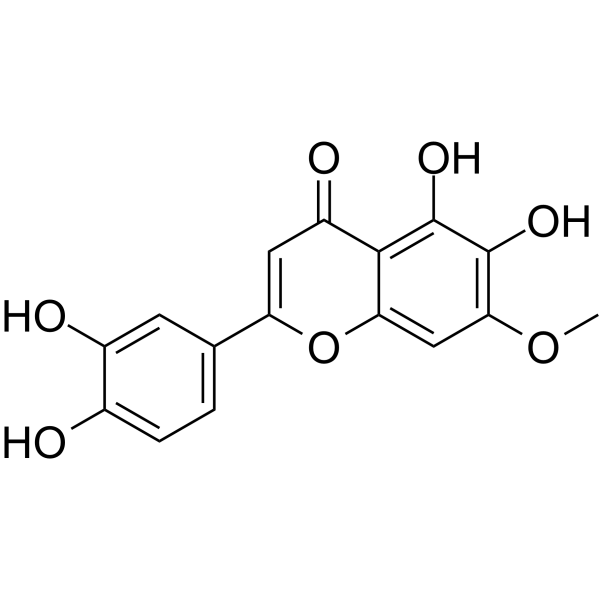 0 ImagesPedalitin is a inhibitor of tyrosinase(IC50=0.28 mM) and α-glucosidase(IC50=0.29 mM).
-
N-Methylmoranoline
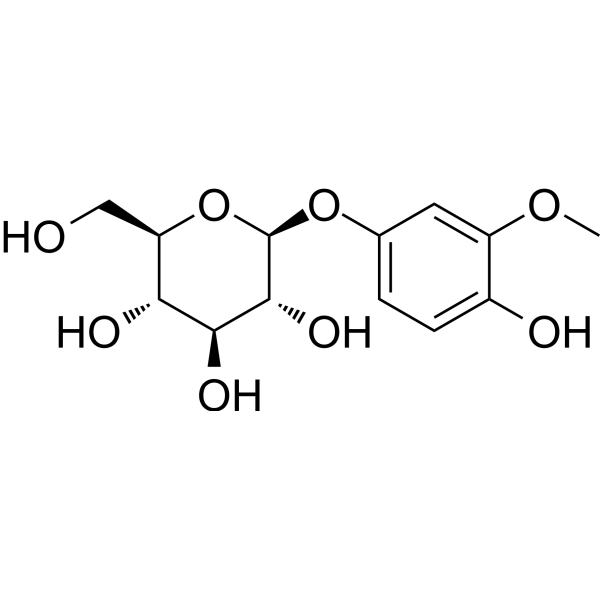
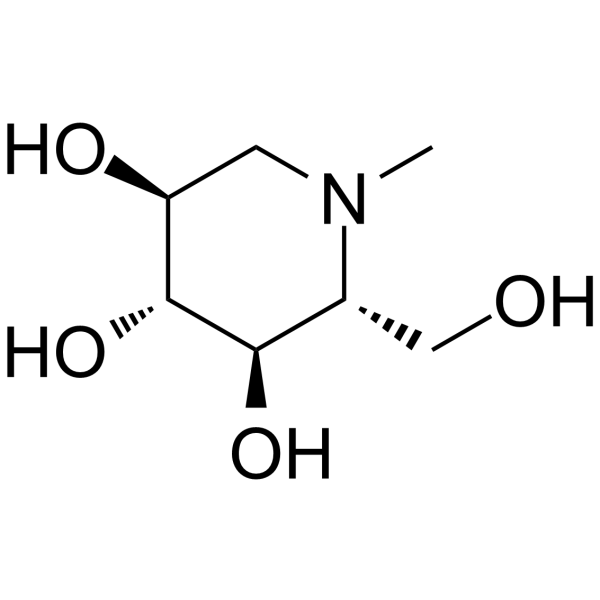 0 ImagesSynonyms: MOR 14; N-Methyl-1-deoxynojirimycin; N-MethylmoranolinN-Methylmoranoline (MOR 14) is an α-glucosidase inhibitor.
-
(Z)-3-Butylidenephthalide
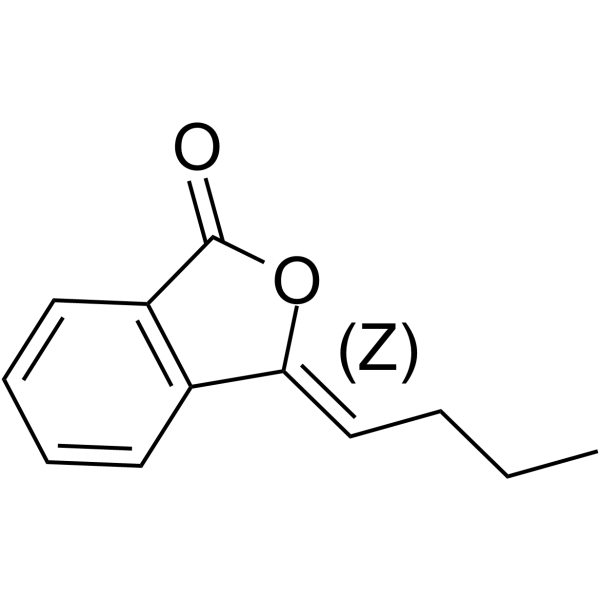 0 ImagesSynonyms: (Z)-Butylidenephthalide(Z)-3-Butylidenephthalide is an antihyperglycemic agent by inhibiting the activity of intestinal and yeast R-glucosidases (IC50=2.35 mM; Ki=4.86 mM).
-
ML198
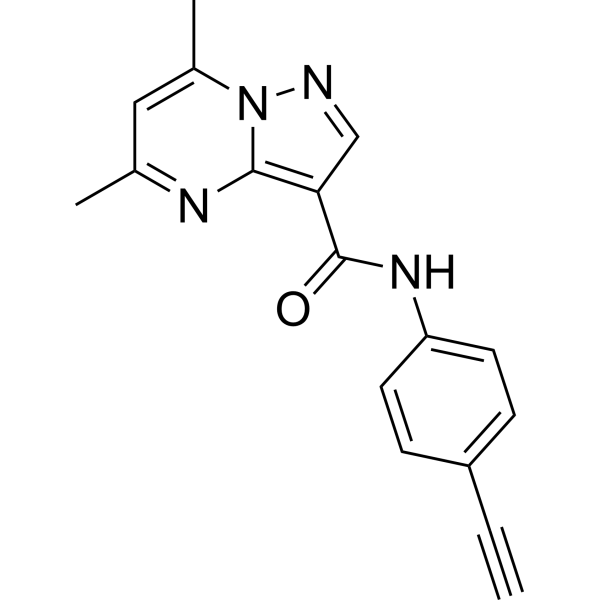 0 ImagesML198 is a glucocerebrosidase (GCase) modulator with an EC50 of 0.4 μM. ML198 is an activator and non-inhibitory chaperone of glucocerebrosidase. ML198 can be used for the research of Gaucher disease. ML198 is a click chemistry reagent, it contains an Alkyne group and can undergo copper-catalyzed azide-alkyne cycloaddition (CuAAc) with molecules containing Azide groups.

-
ML266
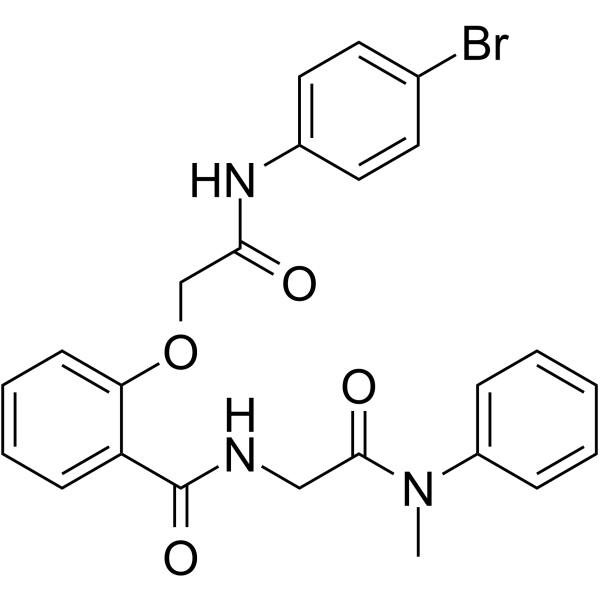 0 ImagesML266 is glucocerebrosidase (GCase) molecule chaperone with IC50 of 2.5 µM. ML266 binds to GCase and transports of the mutant protein to the lysosome, and resume the activity of GCase. ML266 dose not inhibit the GCase enzyme’s action. ML266 has the potential for the research of gaucher disease.
-
α-Glucosidase-IN-22
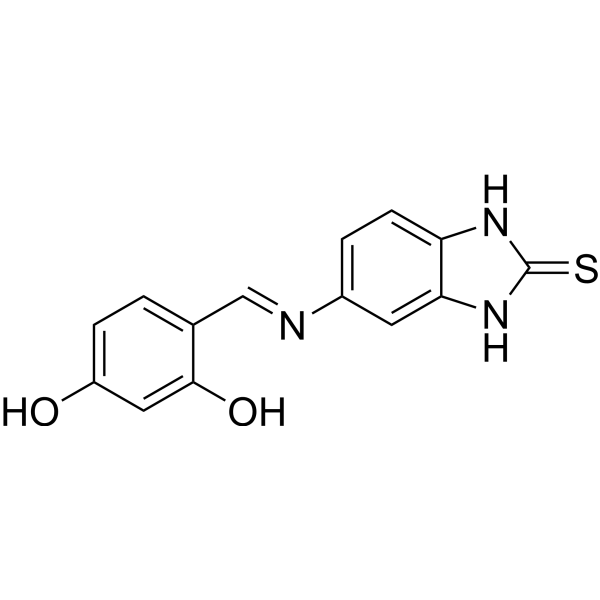 0 Imagesα-Glucosidase-IN-22 (Compound 7i) is a α-glucosidase inhibitor with an IC50 value of 0.64 μM. α-Glucosidase-IN-22 can be used for the research of type 2 diabetes.




