



Glycosidase Inhibitor
-
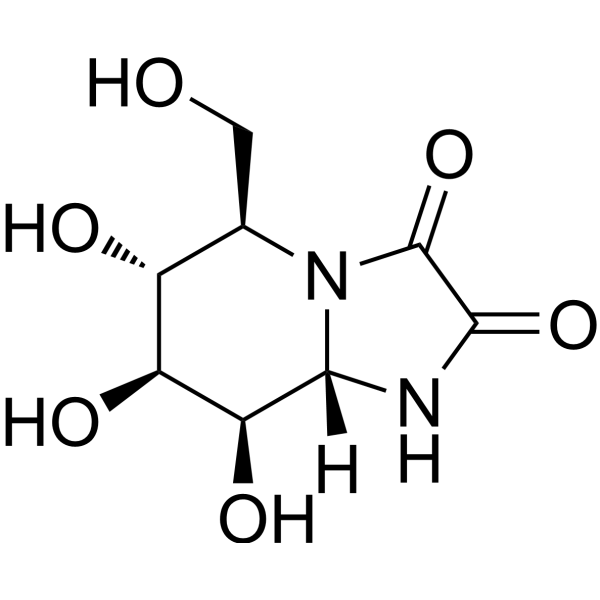
Kifunensine
 0 ImagesSynonyms: FR-900494
Kifunensine, a potent and selective inhibitor of class I α-mannosidases isolated from Actinomycete, prevents α-mannosidases I from trimming mannose residues on glycoproteins. Kifunensine inhibits ERAD.
![rel-(1R,2R,3S,4S,5R,6S)-7-Oxabicyclo[4.1.0]heptane-2,3,4,5-tetraol](https://file.medchemexpress.com/product_pic/hy-100944.gif "Click to View rel-(1R,2R,3S,4S,5R,6S)-7-Oxabicyclo[4.1.0]heptane-2,3,4,5-tetraol Product Detail")
-
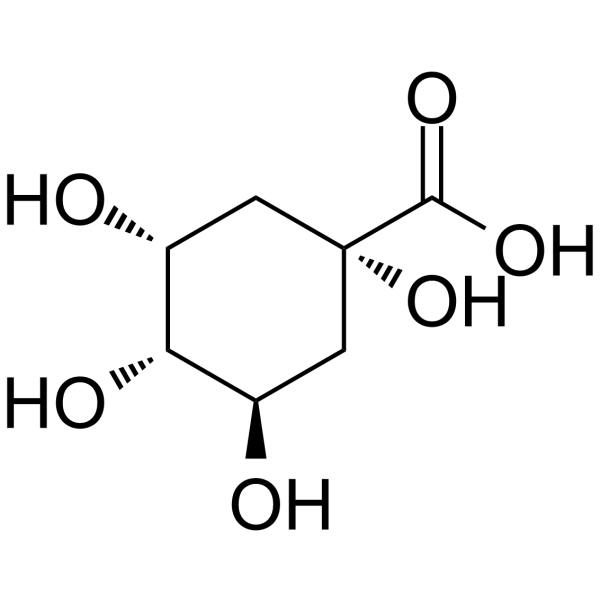
3,4-Dicaffeoylquinic acid
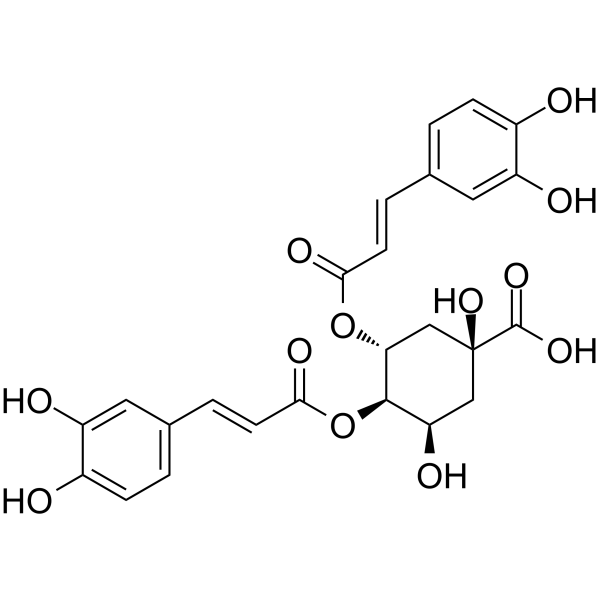 0 ImagesSynonyms: 3,4-Di-O-caffeoylquinic acid; Isochlorogenic acid B
3,4-Dicaffeoylquinic acid (3,4-Di-O-caffeoylquinic acid), naturally isolated from Laggera alata, has antioxidative, DNA protective, neuroprotective and hepatoprotective properties. 3,4-Dicaffeoylquinic acid exerts apoptosis-mediated cytotoxicity and α-glucosidase inhibitory effects. 3,4-Dicaffeoylquinic acid possesses a unique mechanism of anti-influenza viral activity, that is, enhancing viral clearance by increasing TRAIL.
-
4,5-Dicaffeoylquinic acid
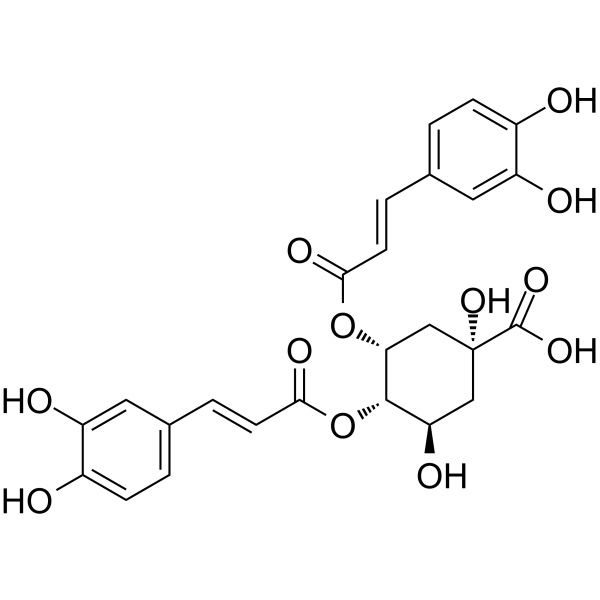 0 ImagesSynonyms: Isochlorogenic acid C; 4,5-diCQA
4,5-Dicaffeoylquinic acid (Isochlorogenic acid C) is an antioxidant, can be isolated from Gynura divaricata and Laggera alata. 4,5-Dicaffeoylquinic acid reduces islet cell apoptosis and improves pancreatic function in type 2 diabetic mice, and has obvious inhibitory activities against yeast α-glucosidase. 4,5-Dicaffeoylquinic acid inhibits prostate cancer cells through cell cycle arrest. 4,5-Dicaffeoylquinic acid also has anti-apoptotic, anti-injury and anti-hepatitis B virus effects.
-
1-Deoxynojirimycin
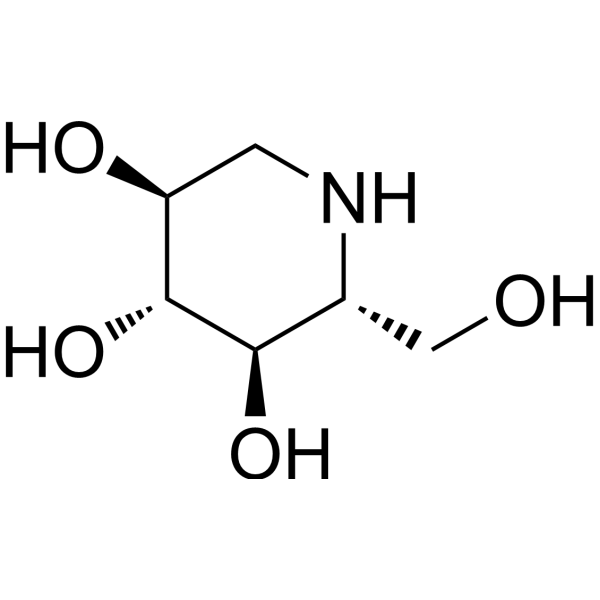 0 ImagesSynonyms: Duvoglustat
1-Deoxynojirimycin (Duvoglustat) is a potent and orally active α-glucosidase inhibitor. 1-Deoxynojirimycin suppresses postprandial blood glucose and is widely used for diabetes mellitus. 1-Deoxynojirimycin possesses antihyperglycemic, anti-obesity, and antiviral features.
-
Castanospermine
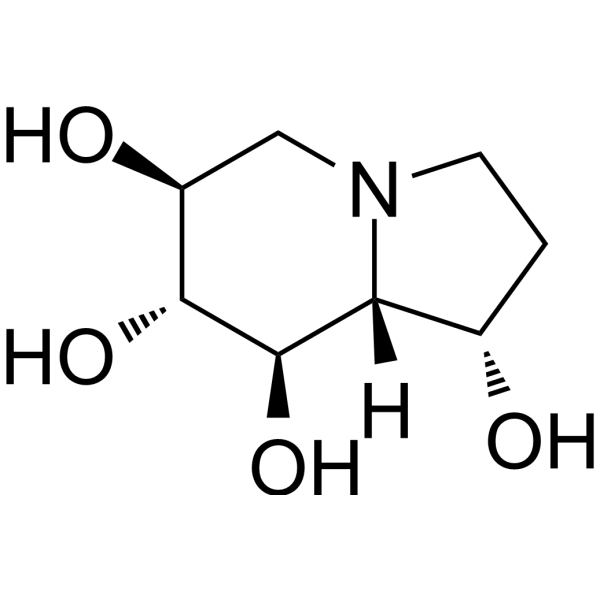 0 Images
Castanospermine is a natural alkaloid that can be extracted from black beans or the Moreton Bay chestnut tree (Castanospermum australae). Castanospermine is an α/ β-glucosidase inhibitor. Castanospermine has anti-inflammatory, antiviral replication and anti-metastatic effects on prostate cancer. Castanospermine can be used as an immunosuppressant to prevent transplant rejection.
-
K284-6111
 0 Images
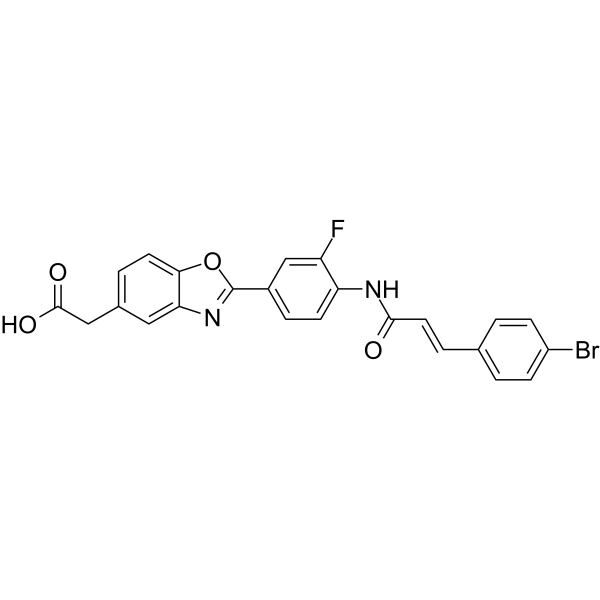
K284-6111 is a high-affinity and orally active CHI3L1 inhibitor, and inhibits CHI3L1 expression. K284-6111 inhibits ERK and NF-κB pathway. K284-6111 suppresses nuclear translocation of p50 and p65, and phosphorylation of IκB. K284-6111 improves memory dysfunction by alleviating amyloidogenesis and neuroinflammation, with the reduction of inflammatory proteins (eg: iNOS, COX-2, GFAP, and Iba-1). K284-6111 reduces atopic-like skin inflammation and inhibits LPS (HY-D1056) -induced liver injury. K284-6111 can be used for the study of Alzheimer's diseases and sepsis like hepatic injury.
-
Miglitol
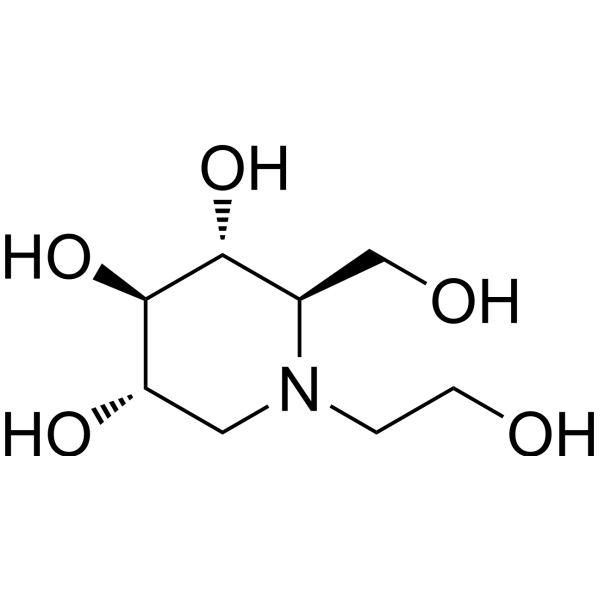 0 ImagesSynonyms: BAY1099; BAY-m1099
Miglitol (BAY-m1099) is an orally active antidiabetic compound that inhibits the breakdown of glycoconjugates into glucose. Miglitol inhibits glycoside hydrolase enzymes called α-glucosidases. Miglitol inhibits oxidative stress-induced apoptosis and mitochondrial ROS over-production in endothelial cells by enhancement of AMP-activated protein kinase. Dietary supplementation with Miglitol from pre-onset stage in OLETF rats delays the onset and development of diabetes and preserves the insulin secretory function of pancreatic islets.
-
3,5-Dihydroxybenzaldehyde
 0 Images
3,5-Dihydroxybenzaldehyde is an α-glucosidase inhibitor with an IC50 of 0.47 μg/mL. 3,5-Dihydroxybenzaldehyde exerts bactericidal activity against Campylobacter jejuni, Escherichia coli O157:H7, Listeria monocytogenes and Salmonella enterica. 3,5-Dihydroxybenzaldehyde can be used in glucose metabolism-related research.
-
Fagomine
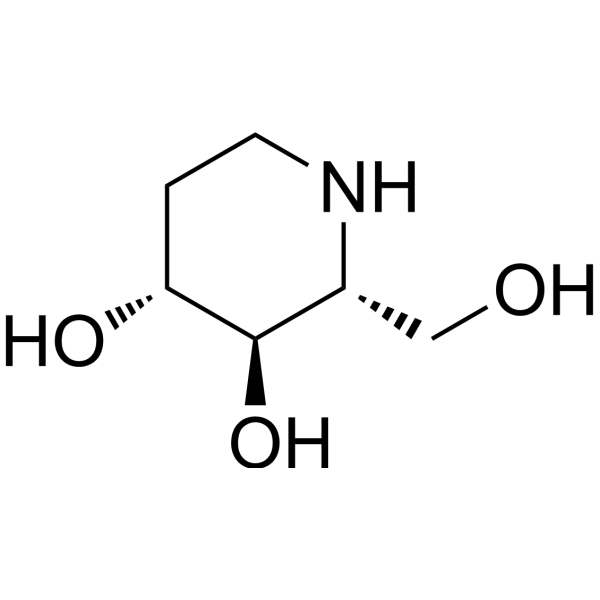 0 ImagesSynonyms: D-Fagomine
Fagomine is a mild glycosidase inhibitor. The Ki of the iminosugar Fagomine is 4.8 μM, 39 μM, and 70 μM for Amyloglucosidase (A.niger), β-Glucosidase (bovine), and Isomaltase (yeast), respectively.
-
Rebaudioside A
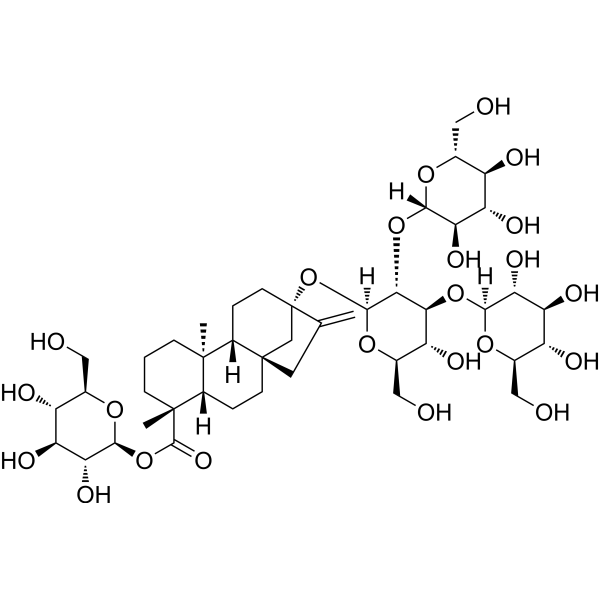 0 Images
Rebaudioside A is an orally effective steviol glycoside with high sweetness. Rebaudioside A acts as an inhibitor of α-glucosidase with an IC50 value of 35.01 μg/mL. Rebaudioside A increases the ATP/ADP ratio in β cells in a glucose-dependent manner, thereby inhibiting KATP channels, leading to membrane depolarization, calcium influx, and ultimately stimulating insulin secretion. Rebaudioside A activates the SREBP signaling pathway by inhibiting HMGCR, the rate-limiting enzyme in cholesterol synthesis, resulting in increased expression of LDLR on the cell surface, thus promoting the uptake of LDL-C in the blood. Rebaudioside A can be used for studies on blood glucose and lipid regulation as well as anti-obesity.
-
Docosapentaenoic acid (22n-3)
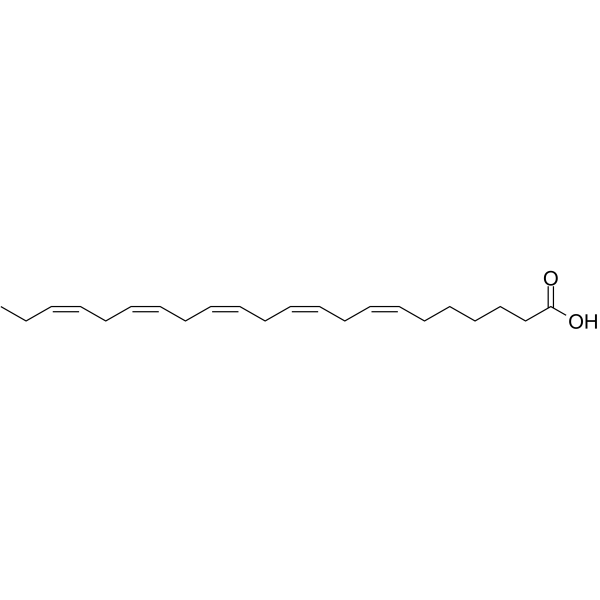 0 ImagesSynonyms: Clupanodonic acid
Docosapentaenoic acid (22n-3) is a component of phospholipids. Docosapentaenoic acid 22n-3 has inhibitory activity against α-amylase and α-glucosidase, with IC50s value of 17 μg/mL and 22 μg/mL, respectively. Docosapentaenoic acid 22n-3 increases cell vitality. Docosapentaenoic acid 22n-3 has a weak anti-inflammatory effect.
-
Migalastat hydrochloride
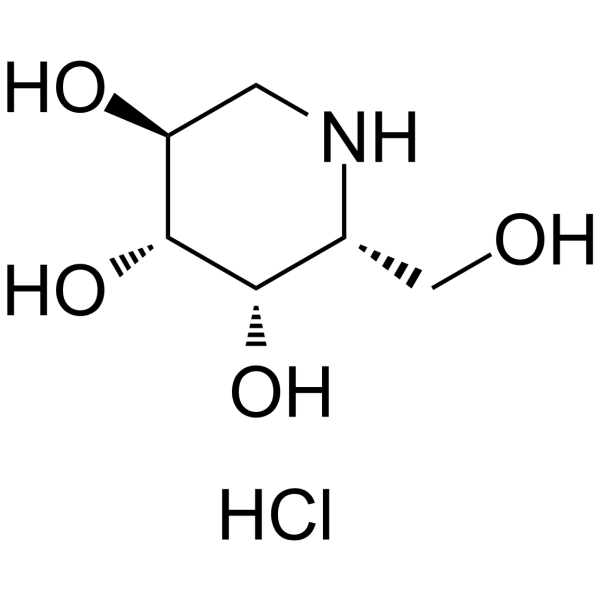 0 ImagesSynonyms: GR181413A
Migalastat (GR181413A free base) hydrochloride is an orally active α-galactosidase A molecular chaperone, with an IC50 value of 0.04 μM for human α-Gal A. Migalastat binds to the active site of certain unstable mutant forms of α-galactosidase A, facilitating their transport to the lysosome. After dissociation in the acidic environment, Migalastat enables the mutant α-galactosidase A to exhibit biological activity.
-
Afegostat
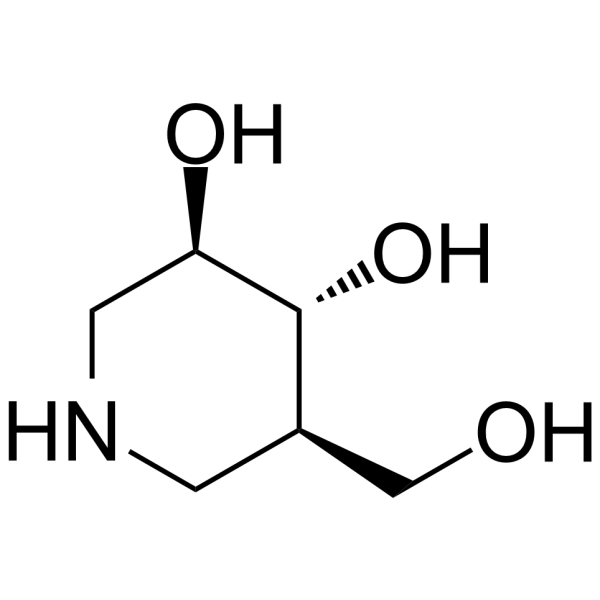 0 ImagesSynonyms: D-Isofagomine; Isofagomine
Afegostat is a pharmacological chaperone, which specifically and reversibly binds acid-β-glucosidase (GCase) in the endoplasmic reticulum (ER) with high affinity.
-
Glucosylsphingosine
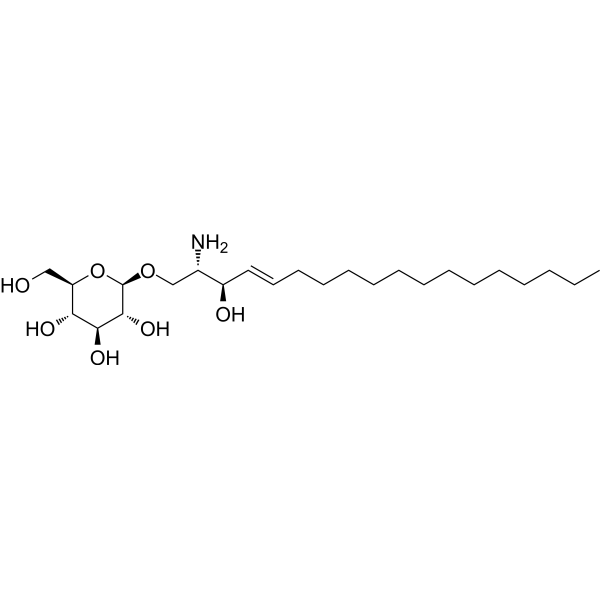 0 ImagesSynonyms: Glucopsychosine; Lyso-Gb1; Lyso-GL1
Glucosylsphingosine (lyso-Gb1) is a deacylated form of glucosylceramide with neurotoxicity and is also a noncompetitively inhibitor of glucocerebrosidase with a Ki value of 30 μM. Glucosylsphingosine is promising for research of Krabbe and Gaucher disease.
-
CHI3L1-IN-1
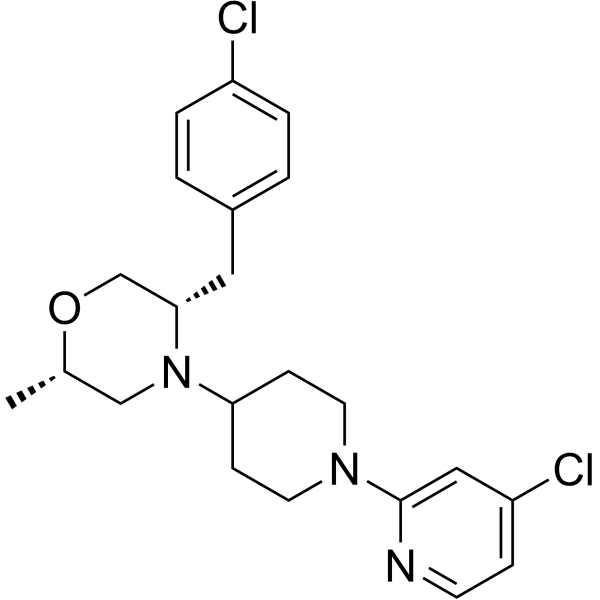 0 Images
CHI3L1-IN-1 (Compound 30) is an inhibitor for Chitinase-3-like protein 1 (CHI3L1) (YKL-40) with IC50 of 50 nM. CHI3L1-IN-1 inhibits hERG channel with an IC50 of 2.3 μM.



