



Endogenous Metabolite
Endogenous metabolites refer to the collective set of small-molecule chemical substances present within organelles, cells, organs, biological fluids, or entire organisms; their molecular weights are typically less than 1500 Da. These endogenous metabolites—including lipids, amino acids, short peptides, nucleic acids, carbohydrates, alcohols, and organic acids—not only participate in signal transduction governing genomic function but also receive upstream signals from the environment, thereby bridging the interrelationships among genotype, environment, and phenotype.
Based on their biological functions, microbial endogenous metabolites can be broadly classified into two categories: primary metabolites and secondary metabolites. Primary metabolites are the core molecules essential for supporting microbial growth and proliferation; they serve to provide energy to the microbes or act as precursors and cofactors for the synthesis of biological macromolecules. In contrast, microbial secondary metabolites are a class of low-molecular-weight products that are not strictly essential for microbial growth. Nevertheless, microbial secondary metabolites include numerous substances—such as antibiotics, anti-tumor agents, and cholesterol-lowering agents—that are of critical importance to human health[1][2][3]. Furthermore, the metabolome of a biological organism is influenced by a variety of endogenous factors, including age, sex, body composition, genetic background, and underlying pathological states. The small-molecule metabolites within an organism are diverse and highly distinct; their levels are typically subject to the synergistic regulation of a vast array of enzymes and transport proteins, undergoing processes of synthesis, transformation, degradation, and compartmentalized distribution. Metabolomics research based on endogenous metabolites has been widely applied in the fields of metabolic disorders, neurodegenerative diseases, cancer, cardiovascular diseases, and infectious diseases, where these metabolites hold potential utility as biomarkers or therapeutic targets[1][2][3].
Références:
- [1]. Seyedsayamdost MR. Toward a global picture of bacterial secondary metabolism. J Ind Microbiol Biotechnol. 2019 Mar;46(3-4):301-311. [Content Brief]
- [2]. Ruiz B, et al. Production of microbial secondary metabolites: regulation by the carbon source. Crit Rev Microbiol. 2010 May;36(2):146-67. [Content Brief]
- [3]. Wishart DS. Metabolomics for Investigating Physiological and Pathophysiological Processes. Physiol Rev. 2019 Oct 1;99(4):1819-1875. [Content Brief]
Endogenous Metabolite Isoform Specific Products
All Product Categories
-
Endogenous Metabolite Produits associés (8420)
Produits associés (8420)

-
Anticorps (477)
-
Endogenous Metabolite Isoform Comparison
-
Cortisone-d9
 0 ImagesCat. No.: HY-17461S4Synonyms: 17-Hydroxy-11-dehydrocorticosterone-d9; Kendall's compound E-d9Cortisone-d9 (17-Hydroxy-11-dehydrocorticosterone-d9) is the deuterium labeled Cortisone (HY-17461). Cortisone (17-Hydroxy-11-dehydrocorticosterone), an oxidized metabolite of Cortisol (a Glucocorticoid). Cortisone acts as an immunosuppressant and anti-inflammatory agent. Cortisone can partially intervene in binding of Glucocorticoid to Glucocorticoid-receptor at high concentrations.
-
Tocol
 0 ImagesTocol (Desmethyltocopherol) is a synthetic vitamin E derivative. Unlike (±)-α-tocopherol, (±)-tocol does not suppress retinol-induced erythrocyte hemolysis or increase microviscosity of rat liver phosphatidylcholine (PC) liposomes.
-
(E)-2-Decenoic acid (Standard)
 0 Images(E)-2-Decenoic acid (Standard) is the analytical standard of (E)-2-Decenoic acid. This product is intended for research and analytical applications. (E)-2-Decenoic acid is an interesting fatty acid isolated from royal jelly secretions of honey bees.
-
L-2-Aminobutyric acid (Standard)
 0 ImagesCat. No.: HY-W010589RCAS No.: 1492-24-6Synonyms: H-Abu-OH (Standard)L-2-Aminobutyric acid (Standard) is the analytical standard of L-2-Aminobutyric acid. This product is intended for research and analytical applications. L-2-Aminobutyric acid is a non-proteinogenic amino acid that exists in human tissues and body fluids. L-2-Aminobutyric acid is formed by the transamination of oxobutyric acid. L-2-Aminobutyric acid can serve as a precursor for anticonvulsant and anti-tuberculosis agents and is a key intermediate in the chemical and pharmaceutical industries.
-
Thyroxine hydrochloride-13C6
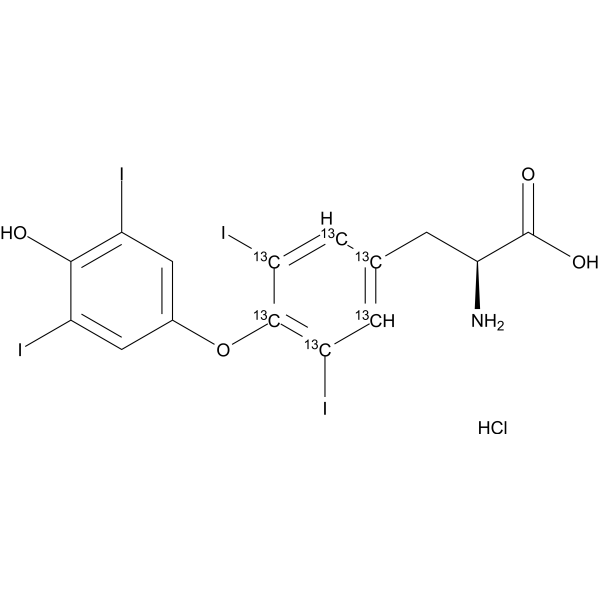 0 ImagesCat. No.: HY-18341S1CAS No.: 1421769-38-1Synonyms: Levothyroxine-13C6; T4-13C6Thyroxine hydrochloride-13C6 is the 13C-labeled L-Thyroxine. L-Thyroxine (Levothyroxine; T4) is a synthetic hormone for the research of hypothyroidism. DIO enzymes convert biologically active thyroid hormone (Triiodothyronine,T3) from L-Thyroxine (T4).
-
Cycloechinulin
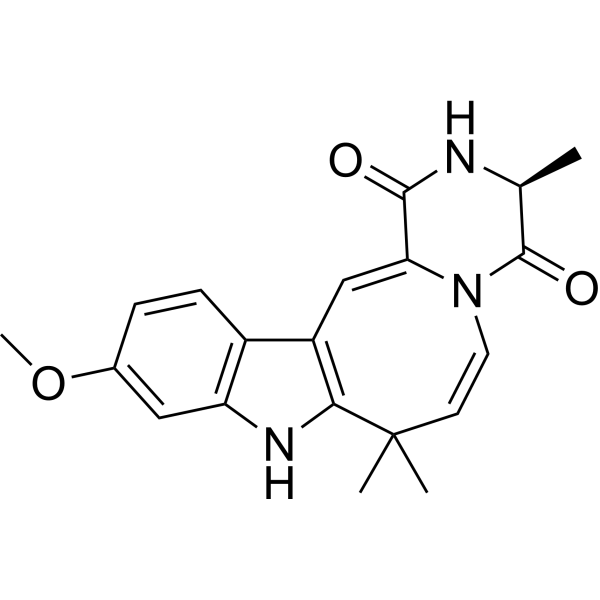 0 ImagesCat. No.: HY-117713CAS No.: 143086-29-7Cycloechinulin is a diketopiperazine fungal metabolite.
-
2,6-Diaminoheptanedioic acid-13C7
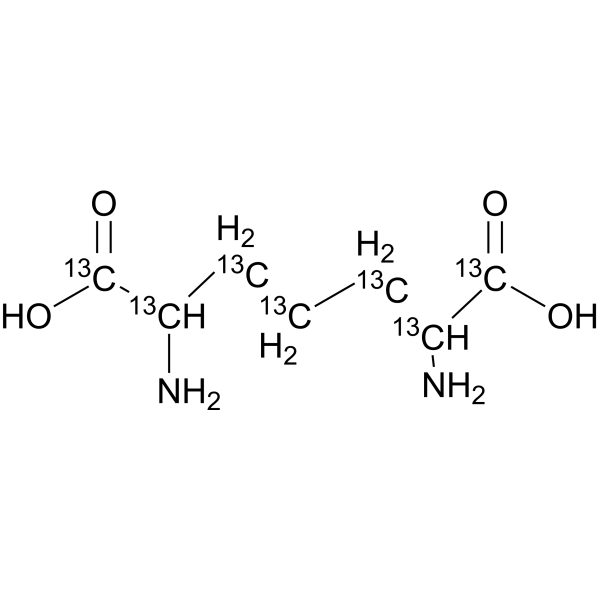 0 ImagesCat. No.: HY-W753671CAS No.: 1485529-87-02,6-Diaminoheptanedioic Acid-13C7 is a 13C7 labeled version of 2,6-Diaminoheptanedioic acid (HY-128746). 2,6-Diaminoheptanedioic acid is an endogenous metabolite.
-
KR-27425
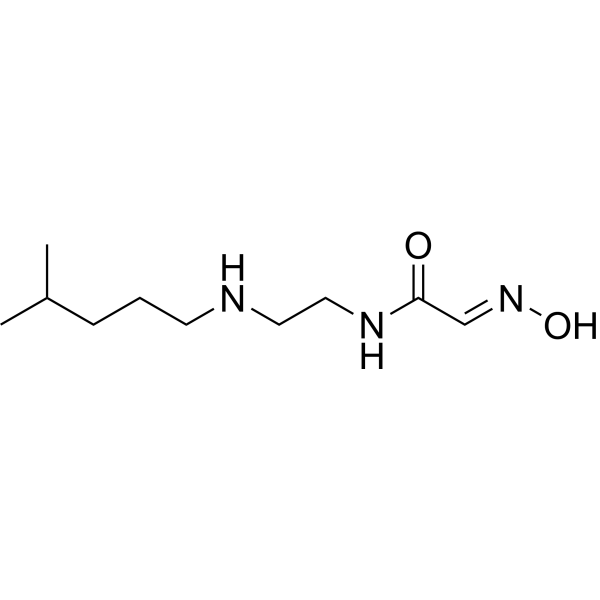 0 ImagesCat. No.: HY-156399CAS No.: 3047755-18-7AChE activator 1 (compound 13) is a non-pyridinium oxime reactivator of paraoxon-inhibited acetylcholinesterase(AChE).
-
D-Lyxose-13C-3
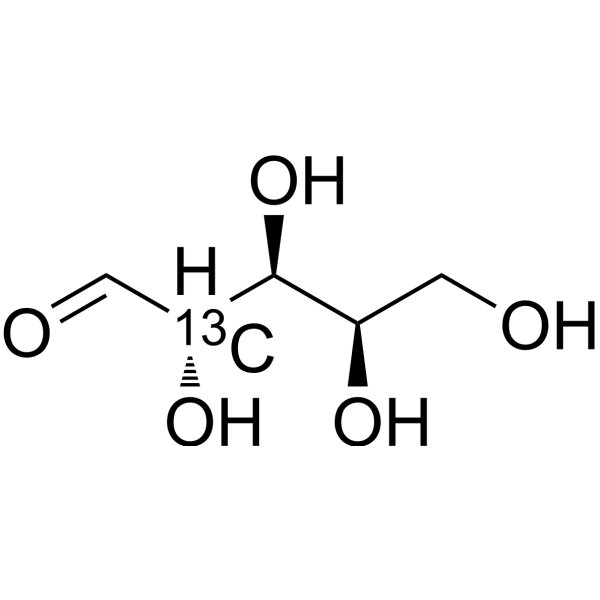 0 ImagesCat. No.: HY-128753S4CAS No.: 83379-39-9D-Lyxose-13C-3 is the 13C labeled D-Lyxose. D-Lyxose is an endogenous metabolite. D-Lyxose is a rare pentose sugar with significant potential for drug synthesis. D-Lyxose can be used as a starting material for anti-tumor drugs such as alpha galactose ceramide immunostimulants. D-Lyxose can be used as a precursor for L-nucleoside analogs for the development of antiviral drugs. D-Lyxose can be used as a synthetic intermediate for other rare sugars such as L-ribose.
-
Fumiquinazoline D
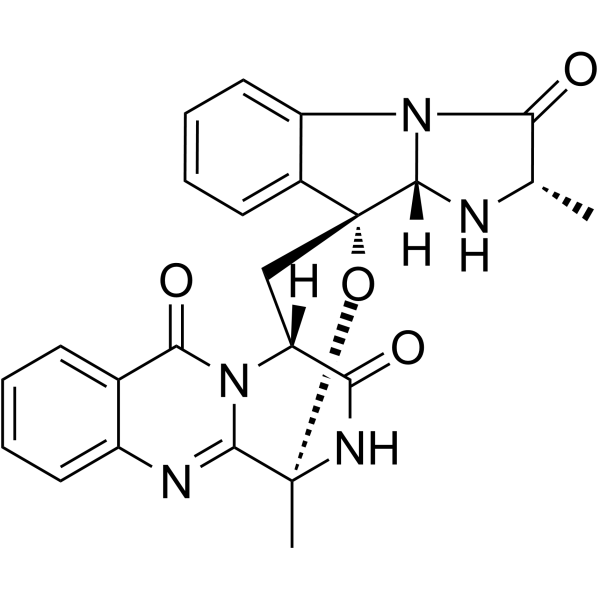 0 ImagesCat. No.: HY-125523CAS No.: 140715-86-2Fumiquinazoline D, a secondary metabolite, is a mycotoxin.
-
Excisanin D
 0 ImagesCat. No.: HY-N21886CAS No.: 194026-50-1Excisanin D is an ent-kaurane diterpenoid found in the leaves of Isodon excisa. Excisanin D can be used in research on gastrointestinal diseases.
-
D-mannose-d7
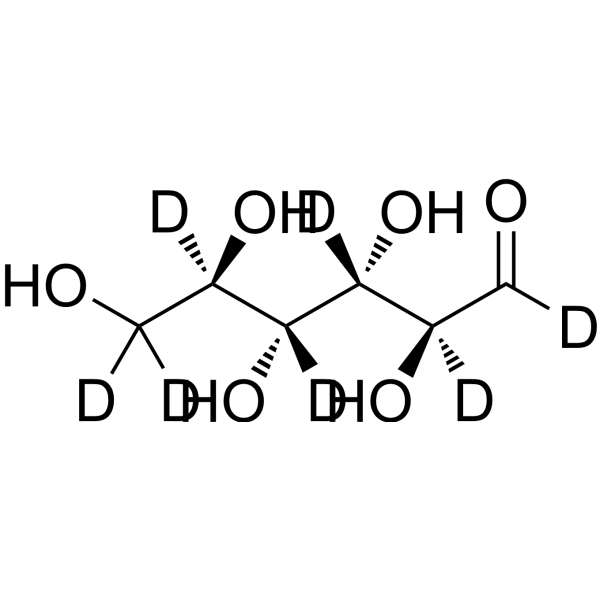 0 ImagesCat. No.: HY-N0379S15D-mannose-d7 is the deuterium labeled D-Mannose. D-Mannose is a carbohydrate, which plays an important role in human metabolism, especially in the glycosylationof specific prote.
-
1,5-Anhydrosorbitol-13C6
 0 ImagesCat. No.: HY-W768181CAS No.: 2751790-80-2Synonyms: 1,5-Anhydro-D-glucitol-13C61,5-Anhydrosorbitol-13C6 (1,5-Anhydro-D-glucitol-13C6) is the 13C-labeled 1,5-Anhydrosorbitol (HY-113075). 1,5-Anhydrosorbitol is a short-term marker for glycemic control.
-
α-Amylase, Escherichia coli
 0 ImagesCat. No.: HY-B2193Dα-Amylase, Escherichia coli (EC 3.2.1.1) is a protein enzyme that hydrolyses alpha bonds of large, alpha-linked polysaccharides, such as starch and glycogen, yielding glucose and maltose.
-
Cyclohexaneacetic acid (Standard)
 0 ImagesCyclohexaneacetic acid (Standard) is the analytical standard of Cyclohexaneacetic acid (HY-W018653). This product is intended for research and analytical applications. Cyclohexaneacetic acid is a model naphthenic acid and saturated cyclic acetic acid, and can serve as a monomeric component in naphthenic acid mixtures. Cyclohexaneacetic acid can be biodegraded via β-oxidation and is commonly used as a substrate for studying the degradation of model naphthenic acids by microalgae and microbial inocula. Cyclohexaneacetic acid can slow the growth of Botryococcus braunii and prolong the lag phase of both microalgae. Cyclohexaneacetic acid can be used in research related to environmental remediation.
-
Meclofenamic acid sodium hydrate
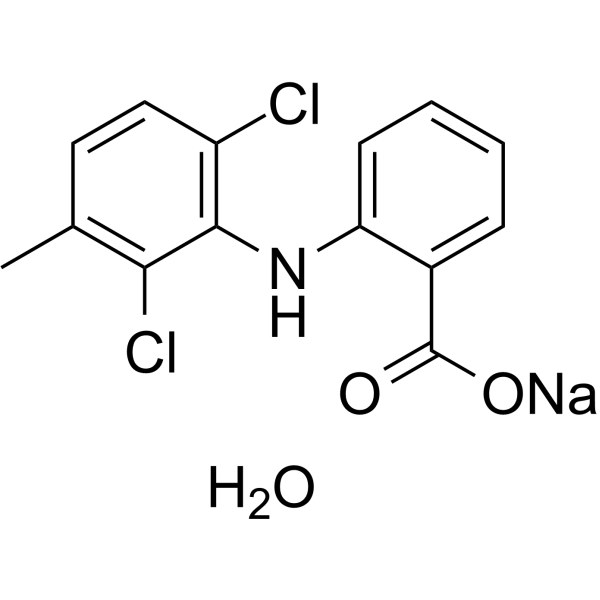 0 ImagesSynonyms: Meclofenamate sodium hydrateMeclofenamic acid (Meclofenamate) sodium hydrate is a non-steroidal anti-inflammatory agent. Meclofenamic acid sodium hydrate is a highly selective FTO (fat mass and obesity-associated) enzyme inhibitor. Meclofenamic acid sodium hydrate competes with FTO binding for the m(6)A-containing nucleic acid. Meclofenamic acid sodium hydrate is a non-selective gap-junction blocker. Meclofenamic acid sodium hydrate inhibits hKv2.1 and hKv1.1, with IC50 values of 56.0 and 155.9 μM, respectively.
-
Gamma-Glutamyl Transferase, Human
 0 ImagesCat. No.: HY-E70996Gamma-Glutamyl Transferase, Human (EC 2.3.2.2) is an enzyme capable of transferring the γ-glutamyl functional group. Gamma-Glutamyl Transferase, Human (EC 2.3.2.2) catalyzes the transfer of the γ-glutamyl group of glutathione to a receptor, which can be an amino acid, peptide, or water (to produce glutamate).
-
(Rac)-Folic acid-13C5,15N
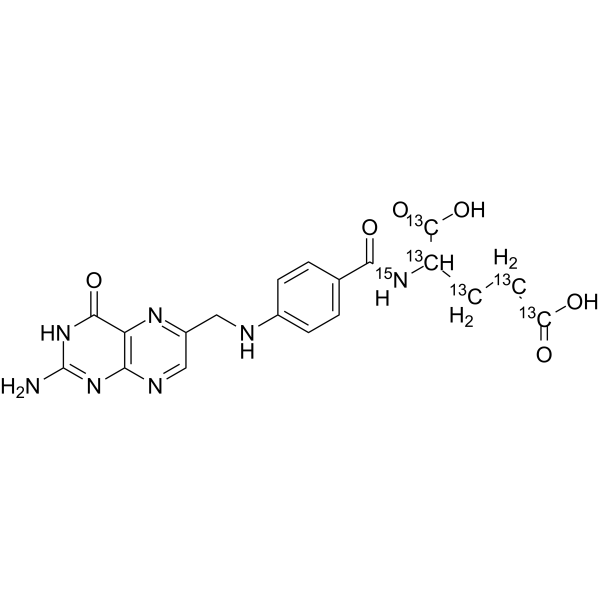 0 ImagesCat. No.: HY-16637S2Synonyms: (Rac)-Vitamin B9-13C5,15N; (Rac)-Vitamin M-13C5,15N(Rac)-Folic acid-13C5,15N is the 13C-labeled and 15N-labeled Folic acid. Folic acid (Vitamin M; Vitamin B9) is a B vitamin; is necessary for the production and maintenance of new cells, for DNA synthesis and RNA synthesis.
-
Sabinene hydrate
 0 ImagesSabinene hydrate is a volatile organic compound of a bicyclic monoterpene alcohol. Sabinene hydrate, as a plant secondary metabolite, is naturally present in various plants and their essential oils. Sabinene hydrate exhibits broad-spectrum but varying-intensity antibacterial activity, with the greatest sensitivity to Gram-positive bacteria, especially Bacillus subtilis (MIC = 0.0312 mg/mL) and Staphylococcus aureus (MIC = 0.0625 mg/mL). Sabinene hydrate also shows certain sensitivity to Escherichia coli and Candida albicans, with MIC values of 0.125 mg/mL for both. Sabinene hydrate can be used in the research of the ecological functions of plant defense substances.
-
NAPQI-d3
 0 ImagesCat. No.: HY-W744265Synonyms: N-Acetyl-4-benzoquinone Imine-d3NAPQI-d3 (N-Acetyl-4-benzoquinone Imine-d3) is the deuterium labeled NAPQI (HY-W017464). NAPQI is the toxic metabolite of Acetaminophen (HY-66005). NAPQI is also an inhibitor of enzymes in the vitamin K cycle. NAPQI is rapidly detoxified by glutathione (GSH), but in situations of GSH deficiency, excess NAPQI reacts with cysteine residues in proteins, causing cell death and toxicity in the liver.




