



IP
Prostaglandin receptor IP (prostacyclin receptor, PTGIR) is the primary receptor for prostacyclin (PGI₂) and belongs to the class A rhodopsin-like G protein-coupled receptor family, where it predominantly couples to Gs proteins and stimulates adenylyl cyclase-dependent cAMP production[1][2]. Mechanistically, IP receptor activation promotes vascular smooth muscle relaxation, inhibits platelet aggregation, and contributes to vascular homeostasis through cAMP-mediated signaling pathways[1][3]. Beyond its established cardiovascular functions, prostacyclin-IP signaling also regulates vascular smooth muscle cell differentiation and proliferation and participates in inflammatory processes that influence disease progression in distinct pathological contexts[1]. In experimental and disease settings, altered prostacyclin signaling has been linked to pulmonary vascular disease, atherosclerosis, and inflammatory disorders, supporting the use of IP receptor modulation as a research framework for studying vascular remodeling and inflammation[1][4]. Compared with other prostanoid receptor subtypes that preferentially recognize prostaglandins such as PGE₂, PGD₂, PGF₂α, or thromboxane-derived ligands, the IP receptor exhibits preferential responsiveness to prostacyclin and functions primarily as a relaxant prostanoid receptor that elevates intracellular cAMP signaling[2][3]. The IP receptor has also been reported to exist in alternatively spliced isoforms that differ in their C-terminal regions and activate distinct downstream signaling responses, providing an additional level of biological specificity relative to related prostanoid receptors[3]. For experimental applications, stable prostacyclin analogs and IP receptor agonists, including epoprostenol, iloprost, and treprostinil, are widely used to investigate prostacyclin-dependent signaling and vascular biology because endogenous PGI₂ is chemically unstable and rapidly degraded in vivo[1][4][5].
References:
- [1]. Stitham J, et al. Prostacyclin: an inflammatory paradox. Front Pharmacol. 2011 May 13;2:24. [Content Brief]
- [2]. Guidetopharmacology. database.
- [3]. Wikipedia.
- [4]. Gomberg-Maitland M, et al. Prostacyclin therapies for the treatment of pulmonary arterial hypertension. Eur Respir J. 2008;31(4):891-901.
- [5]. Wikipedia.
-
IP Related Products (23)
Related Products (23)

- 1
- 2
-
Treprostinil
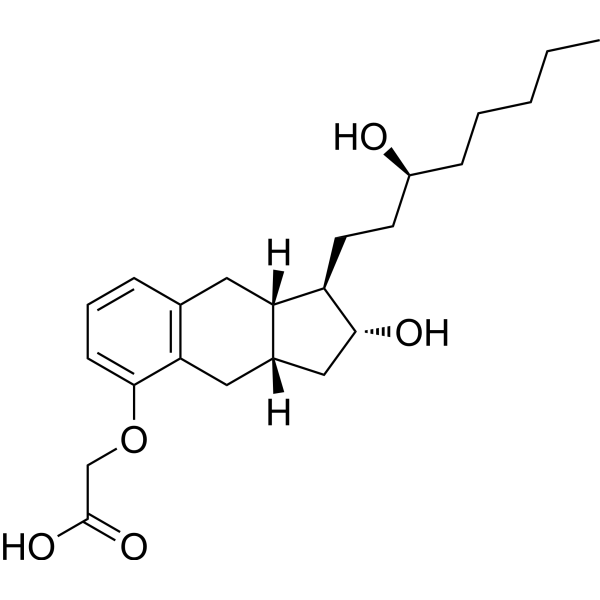 0 ImagesSynonyms: UT-15Treprostinil (UT-15) is a potent DP1 and EP2 agonist with EC50 values of 0.6±0.1 and 6.2±1.2 nM, respectively.
-
Iloprost
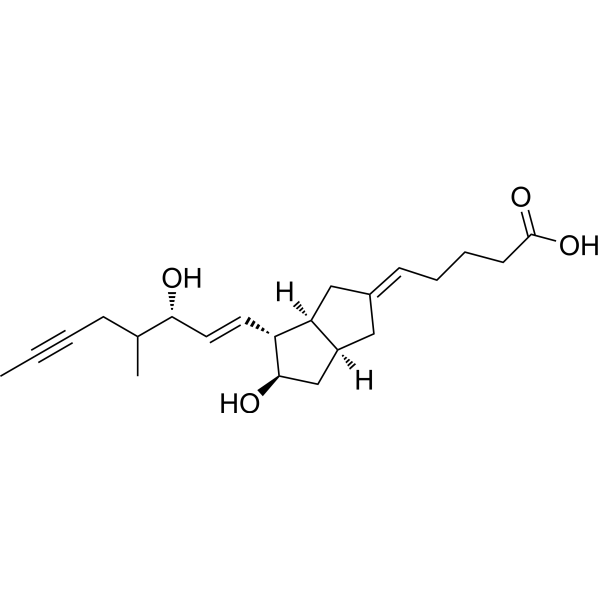 0 ImagesSynonyms: Ciloprost; ZK 36374Iloprost (ZK 36374; Ciloprost) is a prostacyclin (PGI2) analogue, involves in embryo development and inflammation improvement, and inhibits tumor metastasis. Iloprost can be used for peripheral vascular research.
-
RO1138452
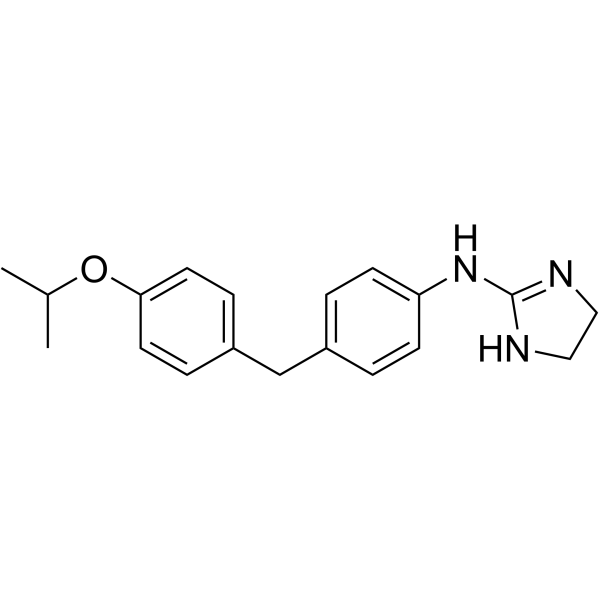 0 ImagesSynonyms: CAY10441RO1138452 is a potent and selective IP (prostacyclin) receptor antagonist. RO1138452 displays high affinity for IP receptors. In human platelets, pKi is 9.3±0.1; in a recombinant IP receptor system, pKi is 8.7±0.06.
-
Beraprost sodium
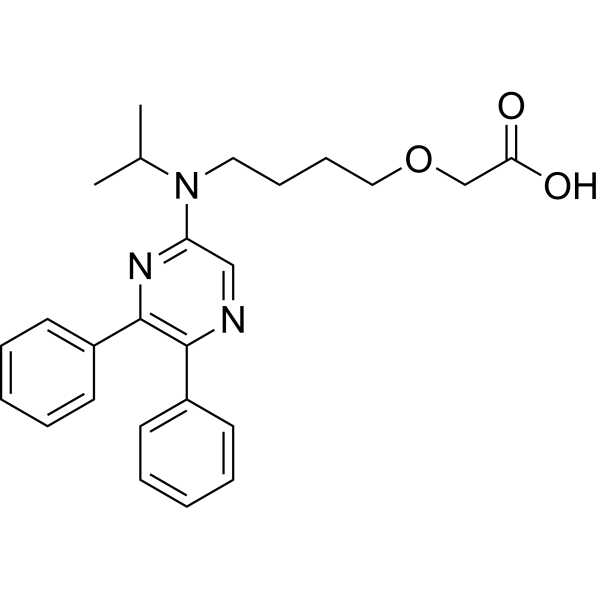
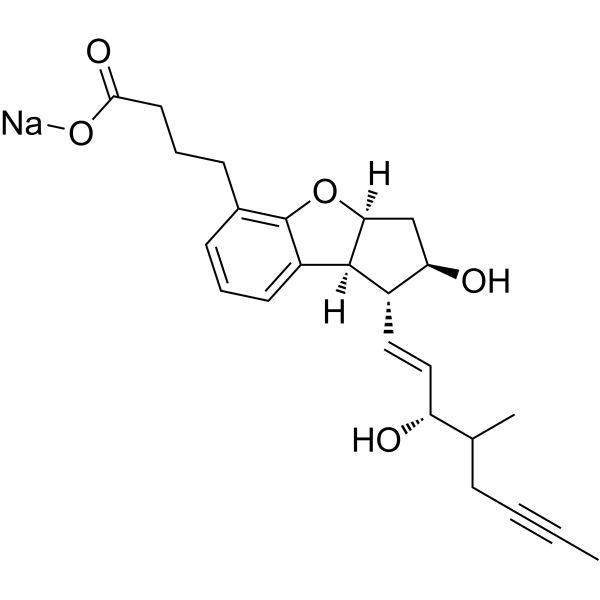 0 ImagesSynonyms: TRK-100; ML 1129 sodiumBeraprost sodium (TRK-100), a prostacyclin analog, is a stable and orally active proagent of PGI2. Beraprost sodium (TRK-100) is a potent vasodilator, has the potential for pulmonary arterial hypertension treatment through expanding renal vessels, improving microcirculation. Beraprost sodium (TRK-100) is a click chemistry reagent, it contains an Alkyne group and can undergo copper-catalyzed azide-alkyne cycloaddition (CuAAc) with molecules containing Azide groups.
-
Carbacyclin
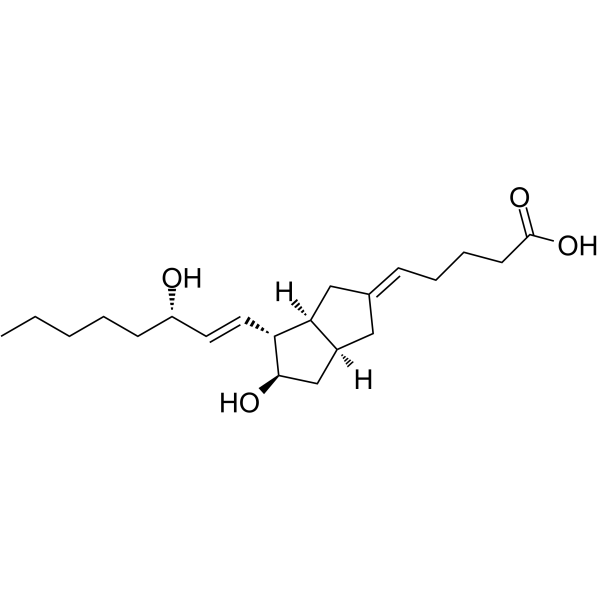 0 ImagesSynonyms: Carbaprostacyclin; Carba-PGI2Carbacyclin is a PGI2 analogue, acts as a prostacyclin (PGI2) receptor agonist and vasodilator, and potently inhibits platelet aggregation.
-
Prostaglandin J2
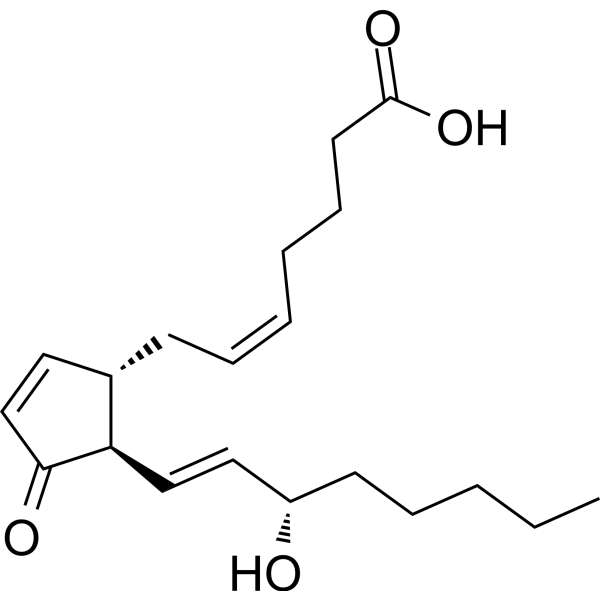 0 ImagesSynonyms: PGJ2Prostaglandin J2 (PGJ2), an endogenous metabolite of Prostaglandin D2 (PGD2; HY-101988), is a potent PGD2 receptor (DP) agonist with Kis of 0.9 nM and 6.6 nM for hDP and hCRTH2, respectively. Prostaglandin J2 stimulates intracellular cyclic AMP production with an EC50 value of 1.2 nM. Prostaglandin J2 induces oxidative stress and neuronal apoptosis. Prostaglandin J2 induces the accumulation/aggregation of ubiquitinated (Ub) proteins. Prostaglandin J2 is highly neurotoxic and potentially contributes to many neurodegenerative conditions, including Alzheimer's (AD) and Parkinson's diseases (PD).
-
Treprostinil sodium
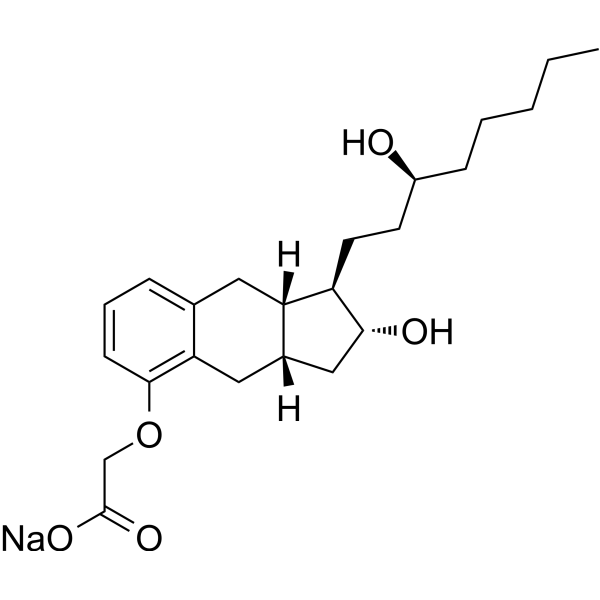 0 ImagesSynonyms: UT-15 sodiumTreprostinil (UT-15) sodium is a potent DP1 and EP2 agonist with EC50 values of 0.6±0.1 and 6.2±1.2 nM, respectively.
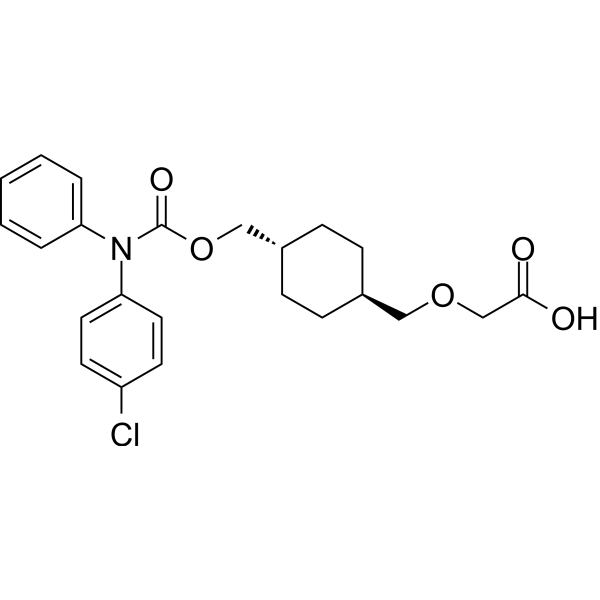
-
Cefminox sodium
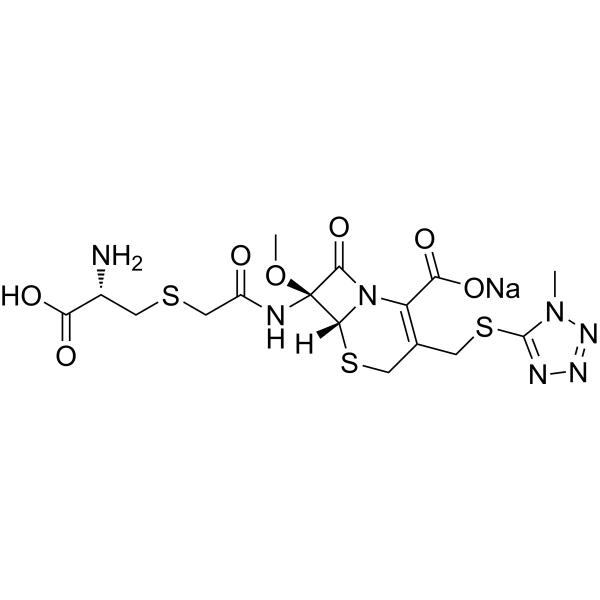 0 ImagesSynonyms: MT-141Cefminox sodium (MT-141) is a semisynthetic cephamycin, which exhibits antibacterial activity. Cefminox sodium is a broad-spectrum, bactericidal cephalosporin antibiotic. Cefminox sodium also acts as a dual agonist of prostacyclin receptor (IP) and PPARγ. Cefminox sodium upregulates cAMP production and PTEN expression and inhibits Akt/mTOR signaling. Cefminox sodium also prevents pulmonary arterial hypertension in rat model.
-
L 888607
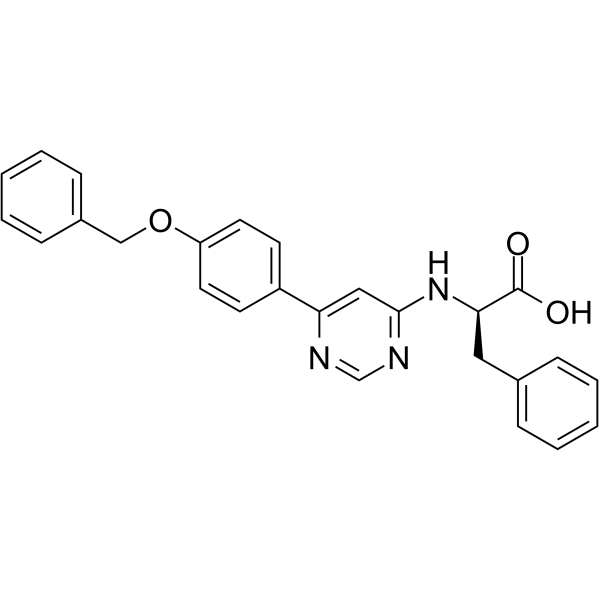
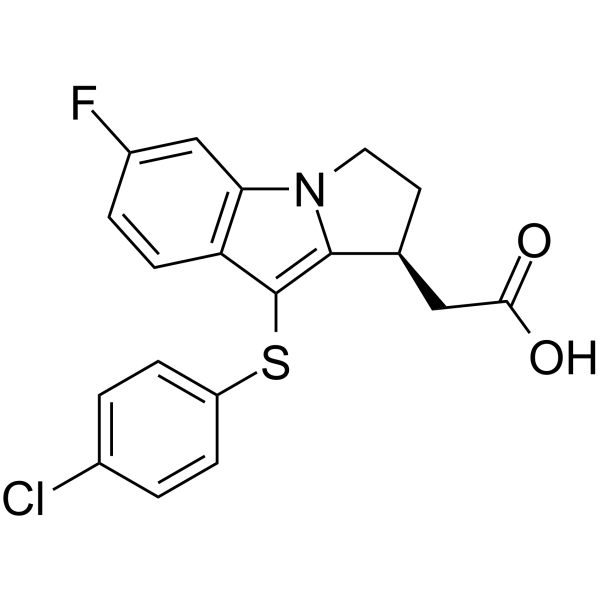 0 ImagesL 888607 is a potent, selective, stable and orally active CRTH2 agonist. L 888607 has high affinity for the human CRTH2 receptor with a Ki value of 4 nM. L 888607 can be used for the research of several physiological events and metabolite.
-
Treprostinil diethanolamine
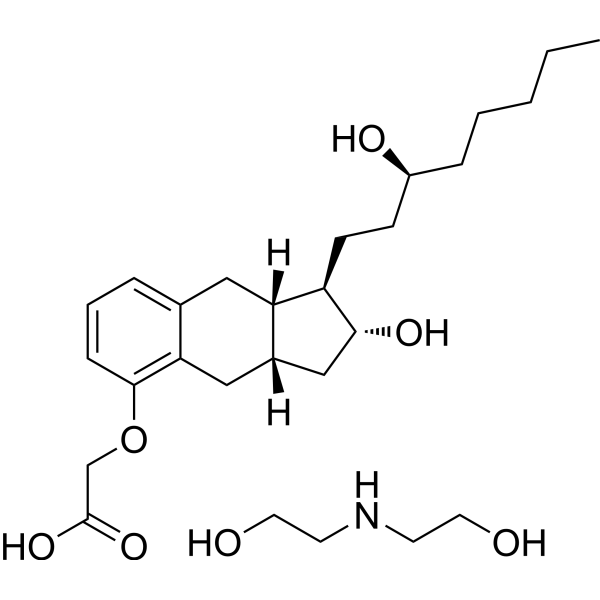 0 ImagesSynonyms: UT-15CTreprostinil (UT-15C) diethanolamine is a potent EP2, DP1 and IP agonist with Ki values of 3.6, 4.4, 32.1, 212, 826, 2505 and 4680 nM for EP2, DP1, IP, EP1, EP4, EP3 and FP, respectively. Treprostinil (UT-15C) diethanolamine increases upregulation of cAMP toward maintaining homeostasis within the vasculature. Treprostinil (UT-15C) diethanolamine can result in vasodilatation of human pulmonary arteries.
-
Taprostene
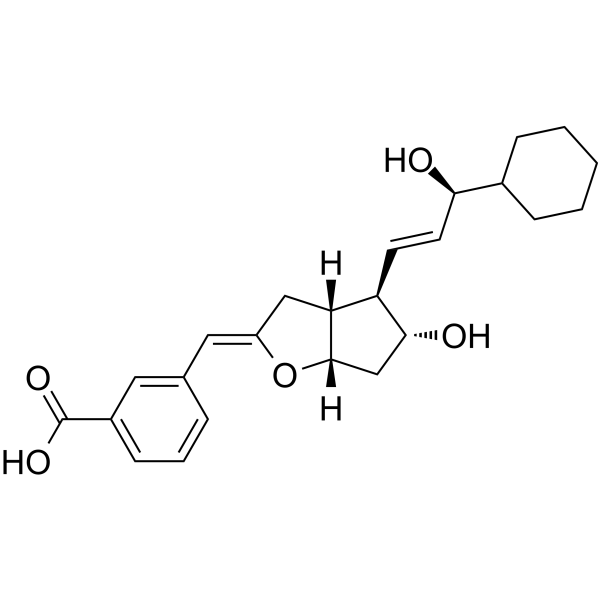 0 ImagesCat. No.: HY-114671CAS No.: 108945-35-3Synonyms: CG-4203Taprostene (CG-4203) is a synthetic, chemically stable analogue of Prostacyclin (PGI2). Taprostene exhibits endothelium and myocardial protecting actions after acute myocardial ischemia and reperfusion in cats. Taprostene enhances cytoprotective actions, while minimizing unwanted hemodynamic effects.
-
Iloprost-d4
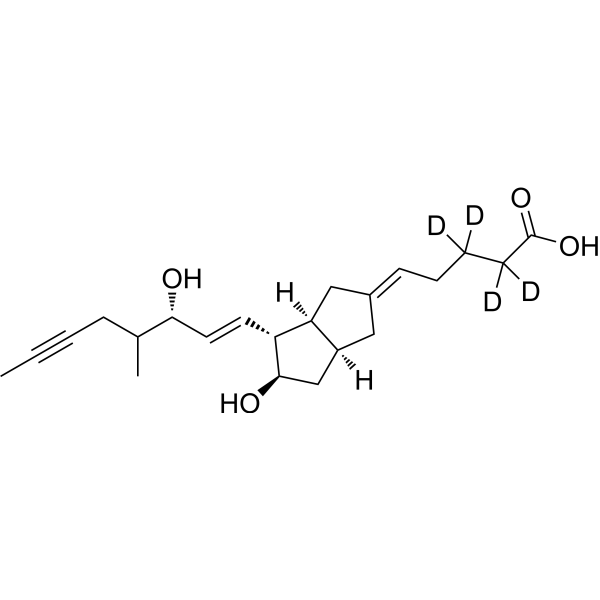 0 ImagesCat. No.: HY-A0096SCAS No.: 1035094-10-0Iloprost-d4 (Ciloprost-d4) is the deuterium labeled Iloprost. Iloprost (ZK 36374) is a synthetic analogue of prostacyclin PGI2.
-
Selexipag-d6
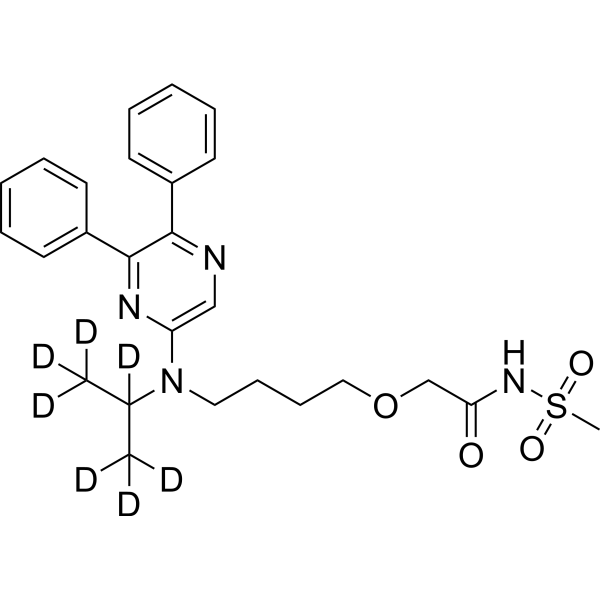
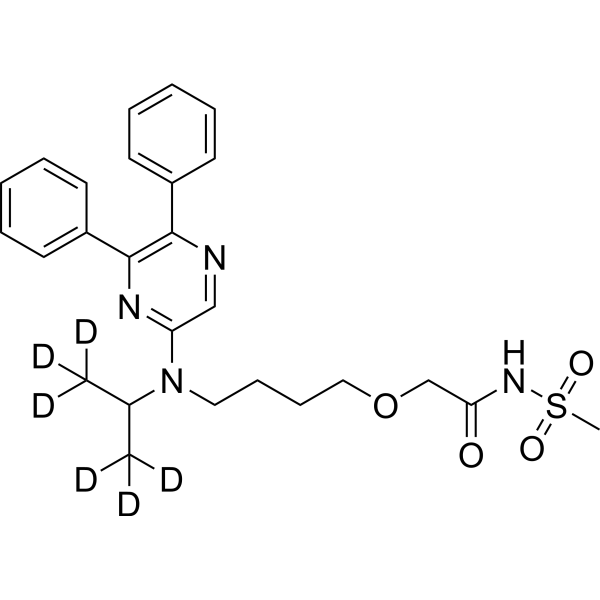 0 ImagesCat. No.: HY-14870S3CAS No.: 1265295-92-8Synonyms: NS-304-d6; ACT-293987-d6Selexipag-d6 is deuterium labeled Selexipag. Selexipag (NS-304) is an orally available and potent agonist for the Prostacyclin (PGI2) receptor (IP receptor).
-
MK-447
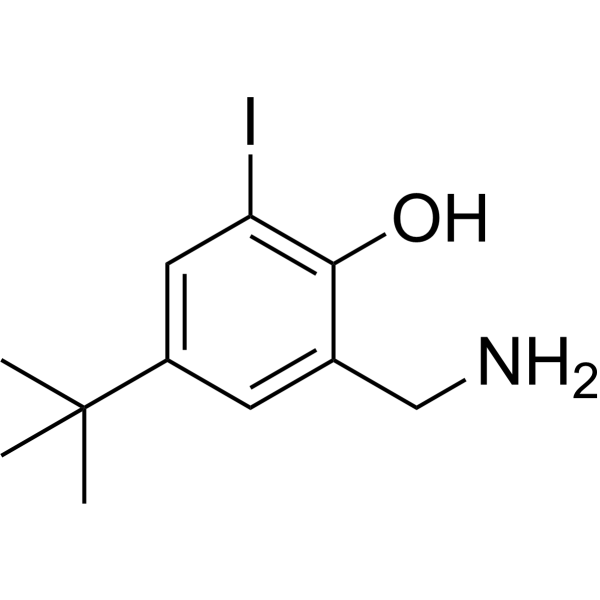 0 ImagesCat. No.: HY-100297CAS No.: 58456-91-0MK-447 is a free radical scavenger, also a nonsteroidal antiinflammatory agent, and enhances the formation of the endoperoxide, PGH2, and other prostaglandins.
-
2-(E-2-decenoylamino)ethyl 2-(cyclohexylethyl) sulfide
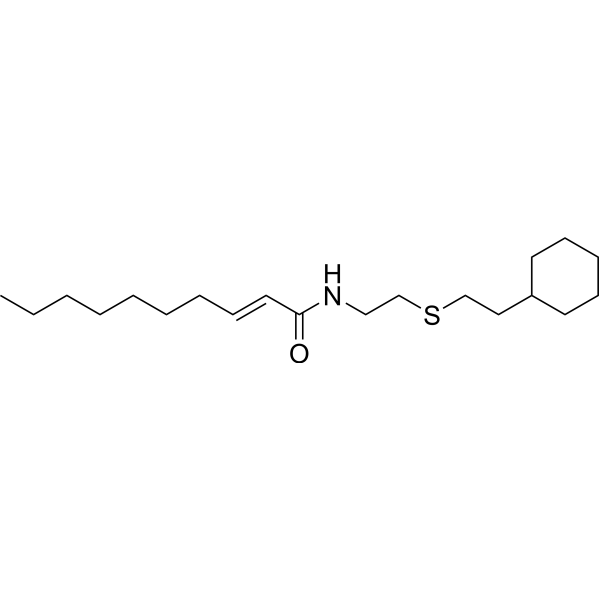 0 ImagesCat. No.: HY-100287CAS No.: 137089-36-22-(E-2-decenoylamino)ethyl 2-(cyclohexylethyl) sulfide is a compound that inhibits stress-induced ulcer and low toxicity, and can maintain the content of phospholipase A2 and prostaglandin E2 in ulcerated rats induced by water immersed restrained stress.
- 1
- 2



