



Glyoxalase (GLO) Inhibitor
- 1
- 2
-
BrBzGCp2
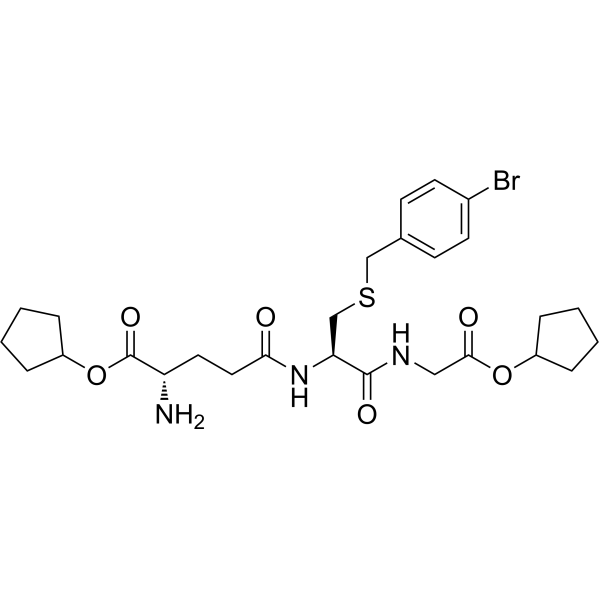 0 ImagesSynonyms: S-p-Bromobenzylglutathione cyclopentyl diester
BrBzGCp2 is a Glyoxalase 1 (GLO1) inhibitor, with a GC50 of 4.23 μM in HL-60 cells. BrBzGCp2 possesses antitumor and neuroprotective activity.
-
N,S-Bis-Fmoc-Glutathione
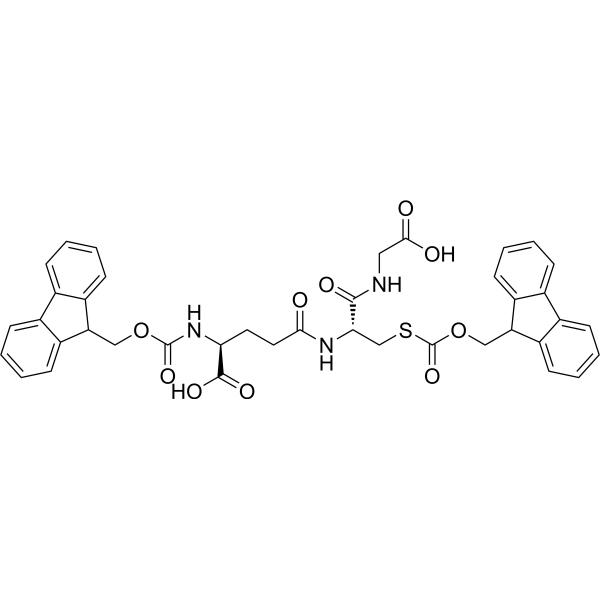 0 Images
N,S-Bis-Fmoc-Glutathione is a potent glyoxalase II inhibitor with a Ki value of 0.75 μM and an IC50 of 2.5 μM.
-
S-Methylglutathione
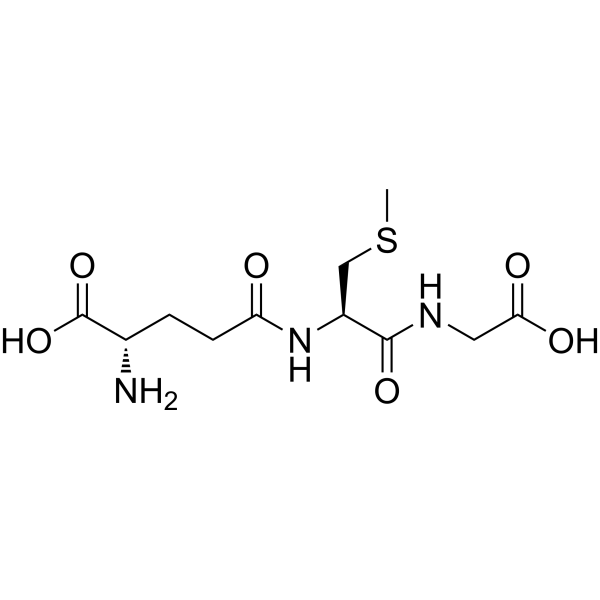 0 Images
S-Methylglutathione is an S-substitued glutathione and a stronger nucleophile than GSH. S-Methylglutathione has inhibitory effect on glyoxalase 1.
-
Glyoxalase I inhibitor free base
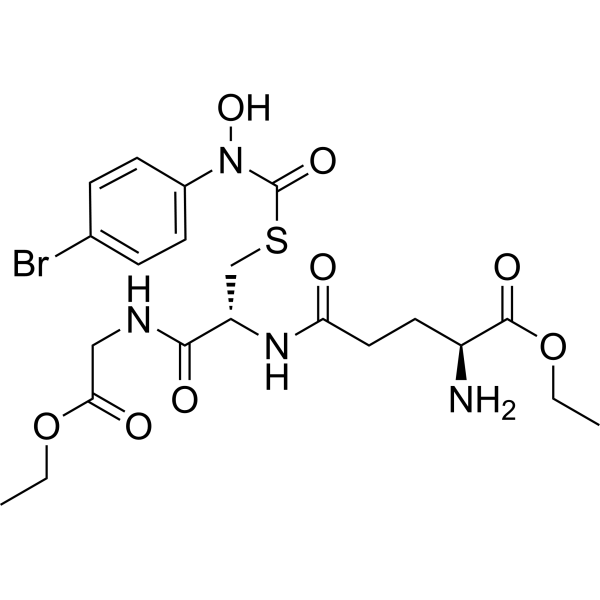 0 Images
Glyoxalase I inhibitor free base (3(Et)2) is the inhibitor for glyoxalase I (GLO), and can be used in antitumor research.
-
HBPC–GSH
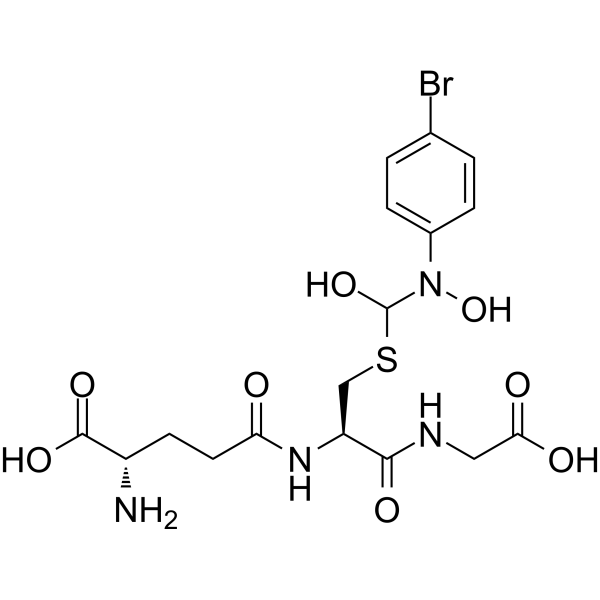 0 ImagesCat. No.: HY-148216CAS No.: 156727-62-7
HBPC-GSH is a glyoxalase (Glo) inhibitor (cGloI IC50=0.6 μM; cGloII IC50=1.6 μM), a glutathione derivative. HBPC-GSH can be used in antimalarial research.
-
CAD-09
 0 ImagesCat. No.: HY-189378
CAD-09 is a GLO I inhibitor. CAD-09 exerts anticancer effects against leukemia.
-
N,S-Bis-Fmoc-Glutathione TFA
 0 ImagesCat. No.: HY-P4277APurity: 98.08%
N,S-Bis-Fmoc-Glutathione TFA is a potent glyoxalase II inhibitor with a Ki value of 0.75 μM and an IC50 of 2.5 μM.
-
2-Dimethylaminophenol
 0 Images
2-Dimethylaminophenol is an inhibitor of human glyoxalase 1 (GLO1). 2-Dimethylaminophenol disrupts metal binding by substituting the pyridine nitrogen donor with a dimethylamino group.
-
Glyoxalase I inhibitor
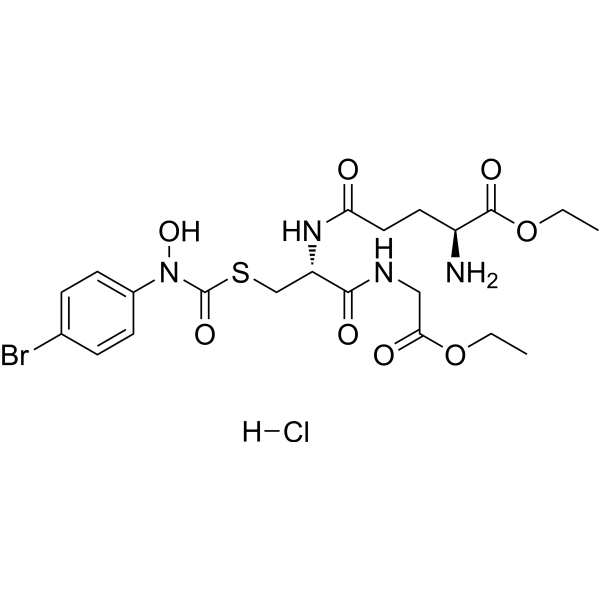 0 ImagesCat. No.: HY-15167CAS No.: 221174-33-0
Glyoxalase I inhibitor (3(Et)2) is the inhibitor for glyoxalase I (GLO), and can be used in antitumor research.
-
TLSC702
 0 ImagesCat. No.: HY-117208CAS No.: 748786-57-4
TLSC702 is a human glyoxalase I (hGLO I) inhibitor with an IC50 of 2.0 μM. TLSC702 inhibits the activity of human glyoxalase I, thereby leading to the accumulation of methylglyoxal and its derived advanced glycation end products. TLSC702 inhibits tumor cell proliferation, induces apoptotic morphological changes, internucleosomal DNA fragmentation and PARP cleavage in tumor cells. TLSC702 can be used in research related to leukemia and lung cancer.
-
Glyoxalase I inhibitor 6
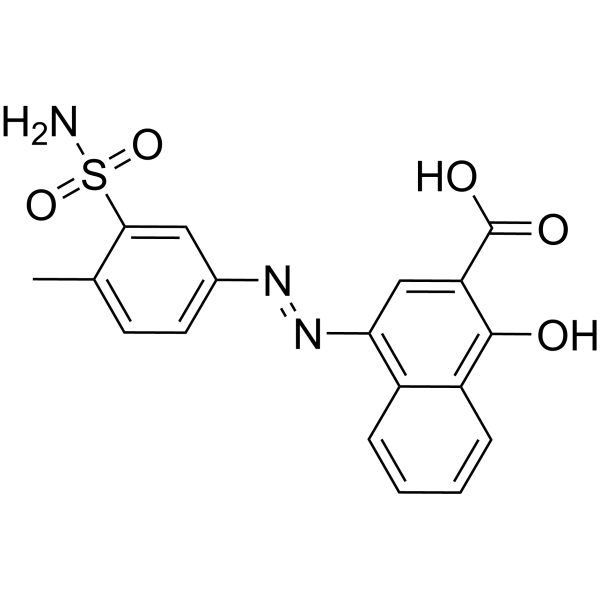 0 Images
Glyoxalase I inhibitor 6 (Compound 9j) is a glyoxalase I (Glo-I) inhibitor with an IC50 of 1.13 μM. Glyoxalase I inhibitor 6 can be used as anticancer agent with low toxicity.
-
Glyoxalase I inhibitor 3
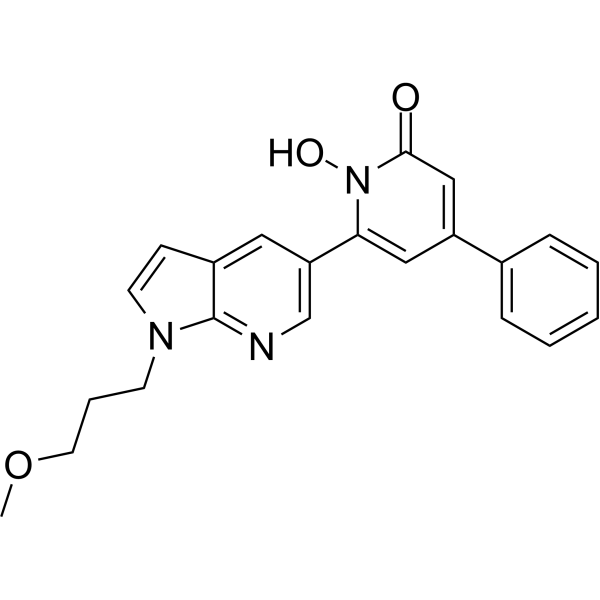 0 Images
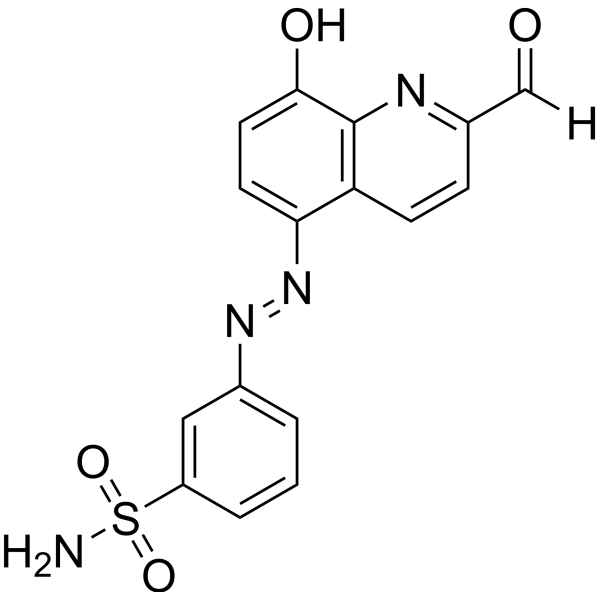
Glyoxalase I inhibitor 3 (compound 22g) is a potent glyoxalase I (GLO1) inhibitor with an IC50 of 0.011 µM. Glyoxalase I inhibitor 3 has the potential for the research of depression and anxiety.
-
Enzyme-IN-4
 0 ImagesCat. No.: HY-W842446CAS No.: 58265-74-0
Enzyme-IN-4 is a competitive inhibitor of glyoxalase I that can be found in Stereum hirsutum. Enzyme-IN-4 has a Ki value of 4.6 μM against rat liver glyoxalase I.
-
Glyoxalase I inhibitor 7
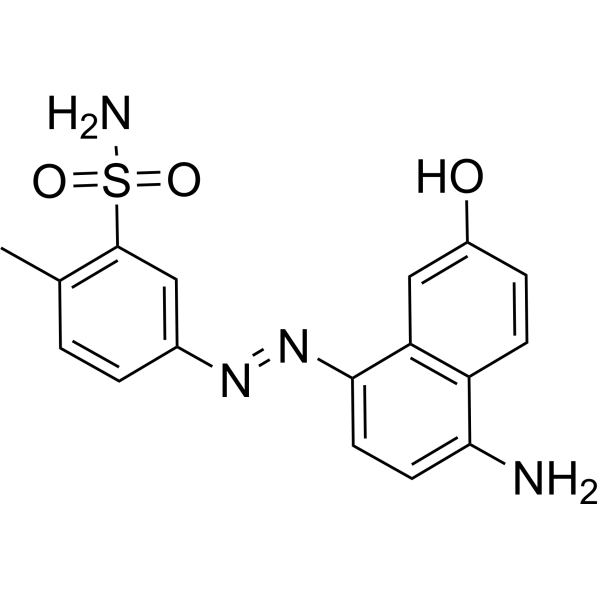 0 ImagesCat. No.: HY-147649CAS No.: 2455508-31-1
Glyoxalase I inhibitor 7 (Compound 6) is a glyoxalase I (Glo-I) inhibitor with an IC50 of 3.65 μM. Glyoxalase I inhibitor 7 can be used as anticancer agent.
-
COMC-6
 0 ImagesCat. No.: HY-153154CAS No.: 106281-45-2Synonyms: 2-Crotonyloxymethyl-2-cyclohexenone
COMC-6 is an anticancer agent and can be used for study of cancer.
-
Glyoxalase I inhibitor 4
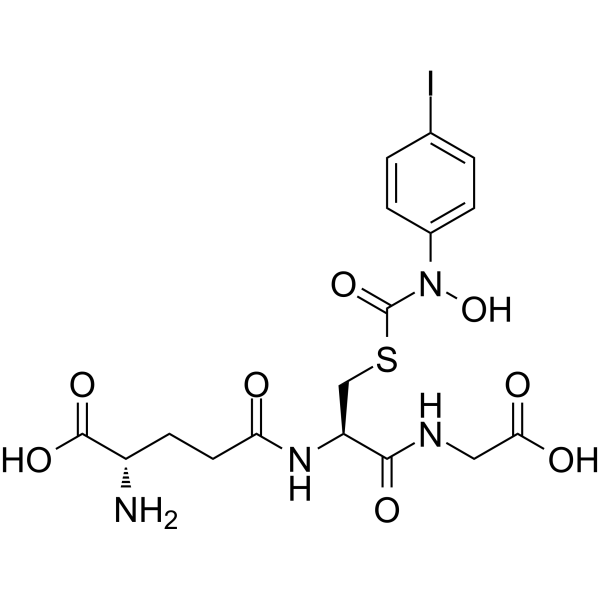 0 ImagesCat. No.: HY-146656CAS No.: 250155-72-7
Glyoxalase I inhibitor 4 (compound 14) is a potent glyoxalase I inhibitor with an Ki of 10 nM.
-
Glyoxalase I inhibitor 1
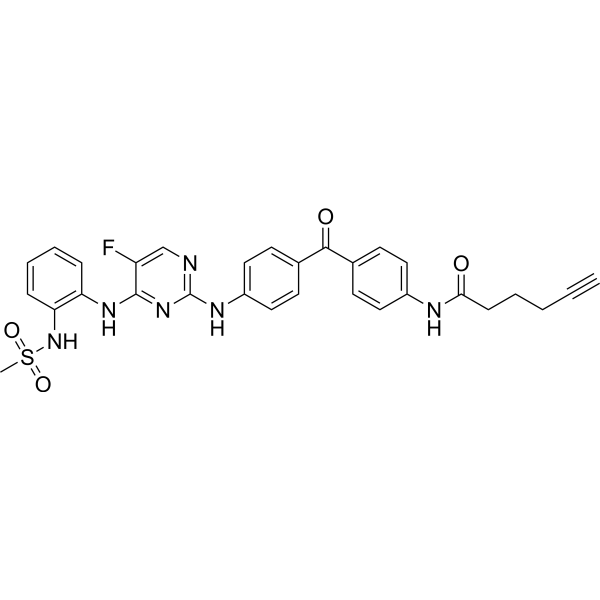 0 ImagesCat. No.: HY-146653CAS No.: 1622952-07-1
Glyoxalase I inhibitor 1 (compound 23) is a potent glyoxalase I (GLO1) inhibitor with an IC50 of 26 nM. Glyoxalase I inhibitor 1 is a click chemistry reagent, itcontains an Alkyne group and can undergo copper-catalyzed azide-alkyne cycloaddition (CuAAc) with molecules containing Azide groups.
-
Glyoxalase I inhibitor 2
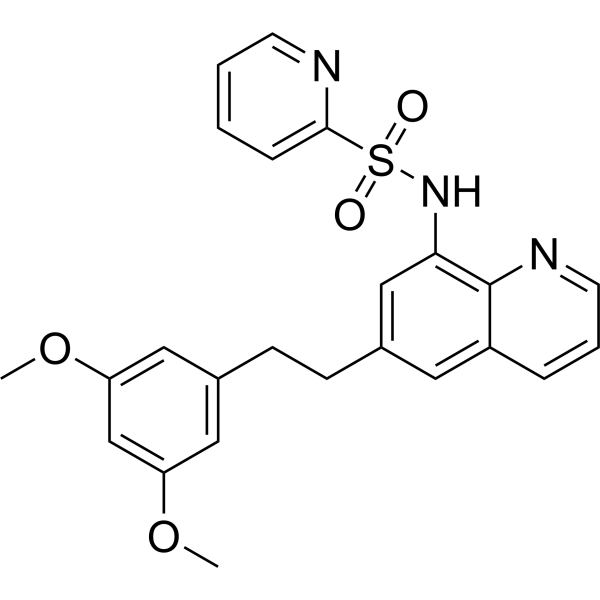 0 ImagesCat. No.: HY-146654CAS No.: 2314467-61-1
Glyoxalase I inhibitor 2 (compound 26) is a potent glyoxalase I (GLO1) inhibitor with an IC50 of 0.5 µM. Glyoxalase I inhibitor 2 has the potential for the research of depression and anxiety.
-
COTC
 0 ImagesCat. No.: HY-N12255CAS No.: 57449-30-6
COTC is a bacterial metabolite with anticancer activity that is found in S. griseosporeus. COTC inhibits glyoxalase in the presence of glutathione (GSH). COTC also inhibits the proliferation of HeLa cells (IC50 = 18 µg/mL), as well as reduces tumor growth and improves survival in an Ehrlich murine spontaneous adenocarcinoma model.
- 1
- 2



