



Necroptosis
Necroptosis is a form of regulated necrotic cell death mediated by receptor-interacting serine-threonine kinase 3 (RIPK3) and mixed lineage kinase domain-like (MLKL) and generally manifests with morphological features of necrosis. Necroptosis is characterized by early loss of plasma membrane integrity, leakage of intracellular contents, and organelle swelling. The cells dying through necroptosis lack the typical apoptotic characteristics, such as membrane blebbing, chromatin condensation, and intranucleosomal DNA cleavage into 180 bp DNA laddering, but may show TUNEL positivity.
Necroptosis triggers innate immune responses by rupturing dead cells and releasing intracellular components, it can be caused by Toll-like receptor (TLR)-3 and TLR-4 agonists, tumor necrosis factor (TNF), certain microbial infections, and T cell receptors. Necroptosis signaling is modulated by receptor-interacting protein kinase (RIPK) 1 when the activity of caspase-8 becomes compromised. Activated death receptors (DRs) cause the activation of receptor-interacting serine-threonine kinase 1 (RIPK1) and the RIPK1 kinase activity-dependent formation of an RIPK1-RIPK3-MLKL, which is complex II. RIPK3 phosphorylates MLKL, ultimately leading to necrosis through plasma membrane disruption and cell lysis.
All Product Categories
-
Necroptosis Related Products (176)
Related Products (176)

-
NecroX-2
 0 ImagesCat. No.: HY-179037CAS No.: 1120333-38-1NecroX-2 is a potent inhibitor of caspase-independent necrosis. NecroX-2 exhibits antioxidant activity by scavenging DPPH radicals and peroxynitrite. NecroX-2 inhibits t-BHP-induced mitochondrial ROS/RNS generation, and protects t-BHP and Doxorubicin (HY-15142A)-induced cell death in vitro. NecroX-2 can be used for research on neurological diseases.
-
Necrosis inhibitor 3
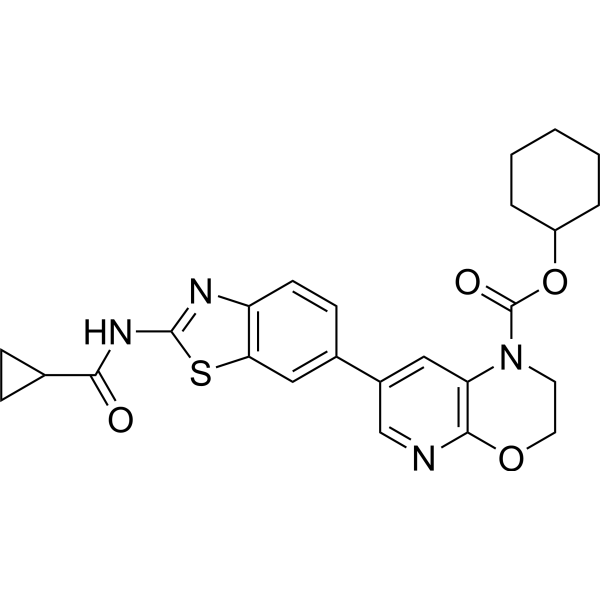 0 ImagesCat. No.: HY-160170CAS No.: 2258670-86-7Necrosis inhibitor 3 (compound B3) is a poteng inhibitor of necrosis, with the IC50 value of 0.29 nM in HT29 cells.
-
AG311
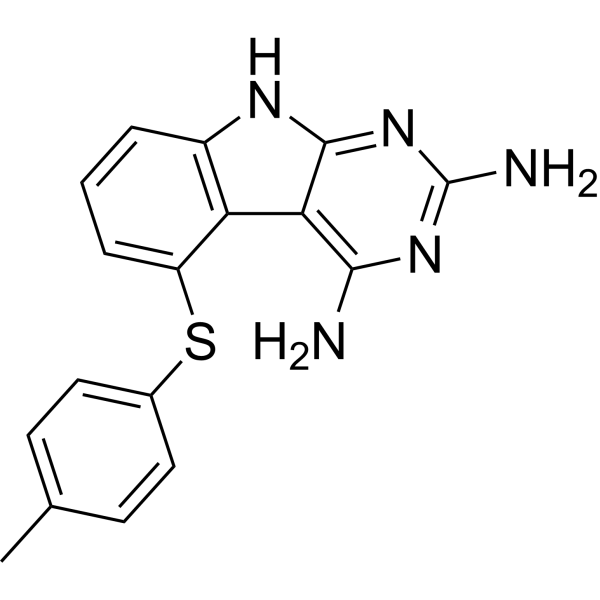 0 ImagesCat. No.: HY-116107CAS No.: 1126602-42-3AG311 is an anticancer and antimetastatic agent. AG311 induces rapid necrosis in numerous cancer cell lines.
-
VDX-111
 0 ImagesCat. No.: HY-156920CAS No.: 158983-23-4VDX-111 is an analog of vitamin D. VDX-111 exhibits cytotoxicity in ovarian cancer cells through upregulation of RIPK1/RIPK3 pathway and induction of necroptosis. VDX-111 promotes expressions of cytokines and exhibits antitumor activity in mouse model.
-
UH15-38 TFA
 0 ImagesCat. No.: HY-158312APurity: 99.77%UH15-38 TFA is a potent RIPK3 inhibitor with an IC50 value of 20 nM. UH15-38 TFA blocks IAV (influenza A virus)-activated necroptosis. UH15-38 TFA dampens IAV-induced lung injury.
-
Antitumor agent-218
 0 ImagesCat. No.: HY-183797CAS No.: 3094774-72-5Antitumor agent-218 is an aggregation-induced emission (AIE)-based photosensitizer. Antitumor agent-218 selectively accumulates in the endoplasmic reticulum, and generates ROS within the endoplasmic reticulum upon irradiation to induce necroptosis of tumor cells. Antitumor agent-218 can be used in cancer-related research.
-
RIP1 kinase inhibitor 8
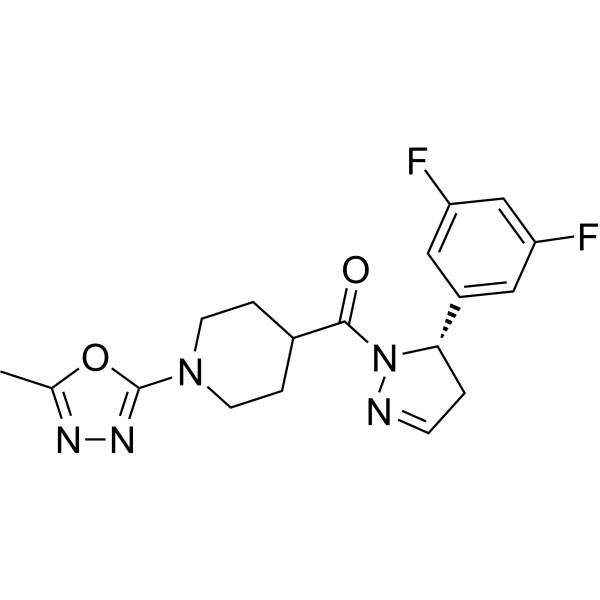 0 ImagesCat. No.: HY-155804CAS No.: 2226735-54-0RIP1 kinase inhibitor 8 (Compound 77) is a potent and highly selective dihydropyrazole (DHP) RIP1 kinase inhibitor with an IC50 of 20 nM. RIP1 kinase inhibitor 8 prevents necrotic cell death. RIP1 kinase inhibitor 8 shows a favorable pharmacokinetic profile in multiple species.
-
Cholicamideβ
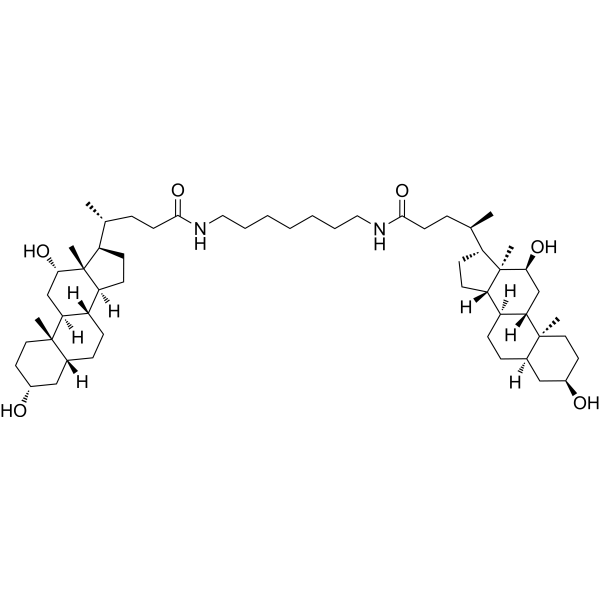 0 ImagesCat. No.: HY-156087CAS No.: 3036578-71-6Cholicamideβ (GMP) is a GMP grade of Cholicamideβ. Cholicamideβ (compound 6) is a self-assembling, small molecule, cancer vaccine adjuvant. Cholicamideβ can form virus-like particles with low cytotoxicity. Cholicamideβ, upon binding to peptide antigens, enhances antigen presentation by dendritic cells and induces antigen-specific T cells. Cholicamideβ can induce apoptosis and necrosis.
-
Artepillin C (Standard)
 0 ImagesCat. No.: HY-N10319RCAS No.: 72944-19-5Artepillin C (Standard) is the analytical standard of Artepillin C (HY-N10319). This product is intended for research and analytical applications. Artepillin C is an orally active CREB/CRTC2 inhibitor and TRPA1 covalent agonist (EC50=1.8 μM). Artepillin C inhibits CREB/CRTC2-mediated gene transcription and downregulates BMAL1 expression to regulate glucose and lipid metabolism. Artepillin C can also activate TRPA1 channels to induce spicy taste signals. Artepillin C can inhibit tumor cell proliferation, induce apoptosis, improve insulin resistance and inhibit liver lipid synthesis. Artepillin C can be used in the study of metabolic syndrome, tumor prevention and treatment, and inflammation.
-
LJ-2698
 0 ImagesCat. No.: HY-153149CAS No.: 945457-84-1Synonyms: FM101LJ-2698 (FM101) is an orally active adenosine A3 receptor (Adenosine A3 Receptor) antagonist. LJ-2698 blocks adenosine A3 receptor-dependent pro-inflammatory JNK, ERK, and NF-κB signaling pathways. LJ-2698 prevents alveolar cavity enlargement, restores pulmonary function, and inhibits matrix metalloproteinase activity and pulmonary cell apoptosis (apoptosis) in mice. LJ-2698 induces mitochondrial dysfunction, necroptosis, and intrinsic apoptosis. LJ-2698 ameliorates renal injury in mice with diabetic nephropathy, and alleviates diet-induced hepatic inflammation and fibrosis. LJ-2698 can be used in the research of emphysema, diabetic nephropathy, and metabolic dysfunction-associated steatotic liver disease.
-
SZM-1209
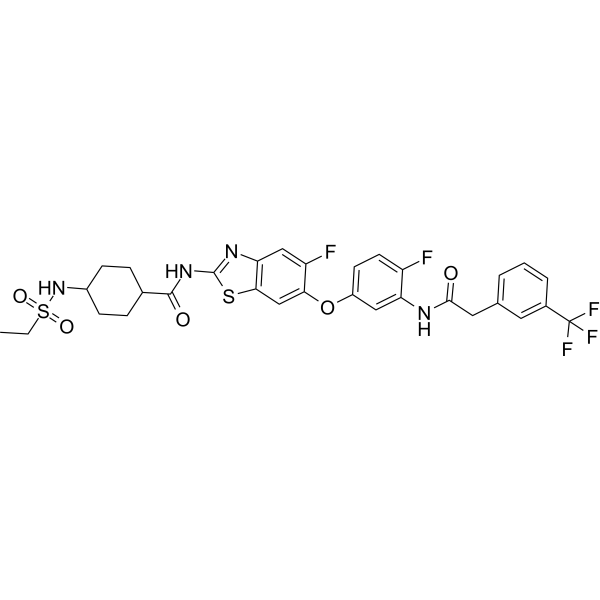 0 ImagesCat. No.: HY-149052CAS No.: 2919801-86-6SZM-1209 is an orally active, potent and specific RIPK1 inhibitor, with a Kd of 85 nM. SZM-1209 exhibits high anti-necroptotic activity (EC50=22.4 ± 8.1 nM). SZM-1209 shows anti-SIRS (systemic inflammatory response syndrome), and anti-ALI (acute lung injury) effects.
-
MLKL-IN-3
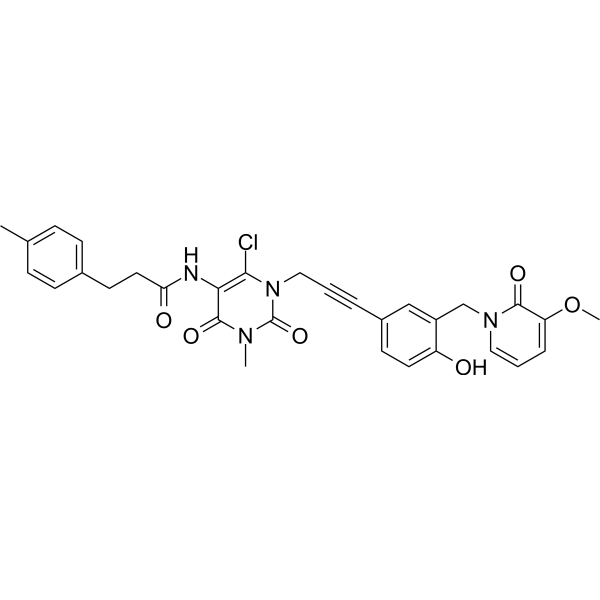 0 ImagesCat. No.: HY-151541CAS No.: 3031406-27-3MLKL-IN-3 (compound 66) is a potent MLKL (Mixed lineage kinase domain-like protein) inhibitor. MLKL-IN-3 inhibits necroptosis in HT-29 cells and acts downstream of MLKL phosphorylation, with EC50 of 31 nM. MLKL-IN-3 is a click chemistry reagent, it contains an Alkyne group and can undergo copper-catalyzed azide-alkyne cycloaddition (CuAAc) with molecules containing Azide groups.
-
(rel)-Salcolin A
 0 ImagesCat. No.: HY-N16764CAS No.: 1977557-69-9(rel)-Salcolin A is a flavonoid lignan compound with anticancer, anti-inflammatory, and neuroprotective activities. (rel)-Salcolin A has IC50 values ??of 66.69 μM and 56.12 μM against anaplastic thyroid carcinoma cells (HTH83) and papillary thyroid carcinoma cells (TPC1), respectively. (rel)-Salcolin A also inhibits LPS-induced NO production with an IC50 of 14.65 μM. (rel)-Salcolin A exerts its effects by inducing necroptosis in thyroid cancer cells, inhibiting the production of the inflammatory factor NO, and protecting against glutamate-induced neuronal cell damage, with a neuroprotective E50 of 47.44 μM. (rel)-Salcolin A can be used in research related to thyroid cancer, anti-inflammation, and neuroprotection. (rel)-Salcolin A can be naturally extracted from the leaves of Casearia arborea and the stems of Zea mays (corn).
-
DW34
 0 ImagesCat. No.: HY-173564CAS No.: 2758171-54-7DW34 is an orally active pan-BRD4-D1 biased inhibitor with additional BRD4-D2 inhibitive activity. DW34 displays comparable inhibitive efficacy to I-BET151 (HY-13235) (EC50 = 0.16 μM) with low nanomolar EC50 values of 0.14 μM. DW34 significantly reduces liver inflammation induced by LPS (HY-D1056) and APAP (HY-66005) via reducing chemokine expression and cellular necrosis.
-
RIP1 kinase inhibitor 9
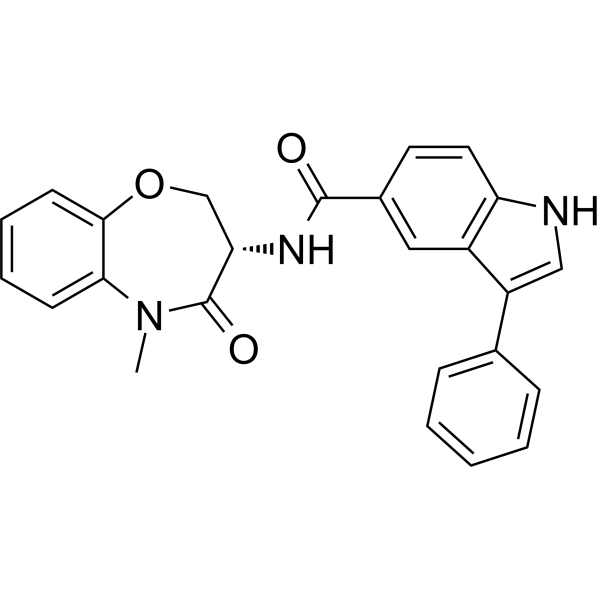 0 ImagesCat. No.: HY-163390CAS No.: 3040025-57-5RIP1 kinase inhibitor 9 (compound SY-1) is a selective RIP kinase inhibitor. RIP1 kinase inhibitor 9 effectively suppresses the central inflammatory response induced by epilepsy. RIP1 kinase inhibitor 9 inhibits Z-VAD-FMK (HY-16658B)-induced necroptosis in HT-29 cells with an EC50 of 7.04 nM.
-
SRS6-11
 0 ImagesCat. No.: HY-183232SRS6-11 is an iron death-independent necrotic cell death (Necrosis) inducer. SRS6-11 retains significant lethality in the presence of α-tocopherol (HY-W020044). SRS6-11 can be used in fibrosarcoma research.
-
Tetrachlorohydroquinone (Standard)
 0 ImagesCat. No.: HY-W144308RCAS No.: 87-87-6Synonyms: TCHQ (Standard); Tetrachloroquinol (Standard)Tetrachlorohydroquinone (Standard) is the analytical standard of Tetrachlorohydroquinone (HY-W144308). This product is intended for research and analytical applications. Tetrachlorohydroquinone (TCHQ) is a metabolite of Pentachlorophenol. Tetrachlorohydroquinone induces reactive oxidant stress (ROS), inhibits apoptosis and induces necrosis in primary mouse splenocytes. Tetrachlorohydroquinone increases DNA lesions and induces oxidative stress in rodents.
-
Chlorhexidine diacetate (Standard)
 0 ImagesChlorhexidine diacetate (Standard) is the analytical standard of Chlorhexidine diacetate (HY-W013699). This product is intended for research and analytical applications. Chlorhexidine diacetate is a orally active cationic antimicrobial agent that targets microbial cell membranes. Chlorhexidine diacetate binds to cell membrane phospholipids non-specifically, destroys membrane structure and induces leakage of cell contents. Chlorhexidine diacetate has broad-spectrum bactericidal activity against both Gram-positive and Gram-negative bacteria. Chlorhexidine diacetate can interfere with membrane permeability, cause protein precipitation and energy metabolism disorders, such as rapid inhibition of microbial growth and induction of cell death (necrosis or apoptosis).
-
Necroptosis inducer 2
 0 ImagesCat. No.: HY-183538Necroptosis inducer 2 is a necroptosis inducer and copper chelator. Necroptosis inducer 2 chelates intracellular free copper ions, disrupts redox homeostasis, elevates ROS levels, disrupts mitochondrial membrane potential, and induces cancer cell necroptosis. Necroptosis inducer 2 upregulates the necroptosis markers p-MLKL and p-RIP3 expression. Necroptosis inducer 2 exhibits anti-tumor activity in mice. Necroptosis inducer 2 can be used for the research of cancer, such as triple-negative breast cancer.
-
Anticancer agent 178
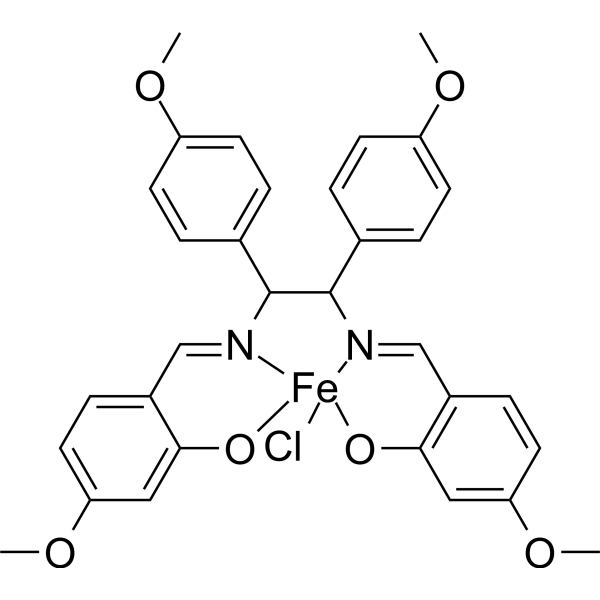 0 ImagesCat. No.: HY-162046Anticancer agent 178 (compound C2) is a potent anticancer agent. Anticancer agent 178 inhibits MDA-MB 231 cells proliferation and metabolic activity with IC50s of 1.1 and 4.2 μM. Anticancer agent 178 induces ferroptosis and necroptosis in cells.



