



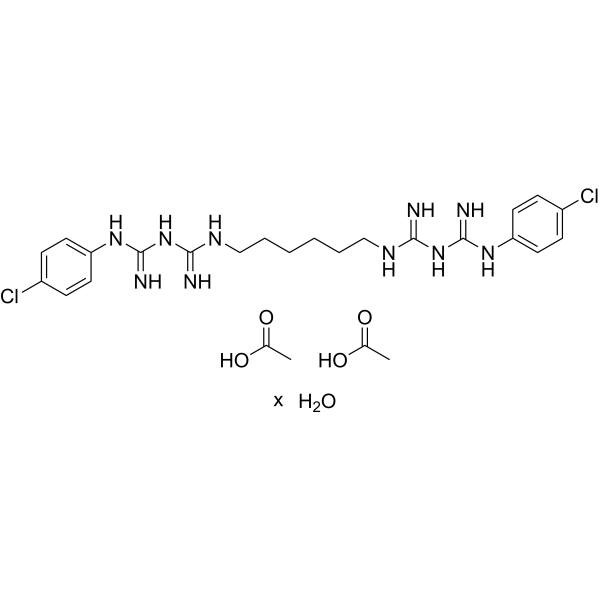
Chlorhexidine acetate hydrate
Based on 11 publication(s) in Google Scholar
Chlorhexidine acetate hydrate is a orally active cationic antimicrobial agent that targets microbial cell membranes. Chlorhexidine acetate hydrate binds to cell membrane phospholipids non-specifically, destroys membrane structure and induces leakage of cell contents. Chlorhexidine acetate hydrate has broad-spectrum bactericidal activity against both Gram-positive and Gram-negative bacteria. Chlorhexidine acetate hydrate can interfere with membrane permeability, cause protein precipitation and energy metabolism disorders, such as rapid inhibition of microbial growth and induction of cell death (necrosis or apoptosis).
Nur für Forschungszwecke. Wir verkaufen nicht an Patienten.
- CAS. Nr.: 206986-79-0
- Formel: C22H30Cl2N10.2C2H4O2.xH2O
-
Speicherung:
Please store the product under the recommended conditions in the Certificate of Analysis.

To place orders, for customer services and technical support, please contact: MedChemExpress USA
Tel: 609-228-6898 E-mail: [email protected] [email protected]


-
 Biologische Aktivität
-
Chemical Information
- Protokoll
- Reinheit & Dokumentation
- Verweise
-
 Help & FAQs


Publications Citing Use of MedChemExpress (MCE) Chlorhexidine acetate hydrate
More- Nat Commun. 2021 Mar 29;12(1):1940. [Abstract]
- Cell Death Dis. 2022 Apr 22;13(4):396. [Abstract]
- Antioxidants (Basel). 2024 May 29;13(6):667. [Abstract]
- Cell Oncol (Dordr). 2025 Jun;48(3):637-654. [Abstract]
- Front Cell Dev Biol. 2021 Mar 30:9:633259. [Abstract]
- Transl Oncol. 2024 Jul:45:101958. [Abstract]
- Cell Signal. 2021 Jul:83:110002. [Abstract]
- Mol Oncol. 2020 Feb;14(2):373-386. [Abstract]
- J Funct Foods. 2024 Jun.
- Genes (Basel). 2021 Apr 7;12(4):537. [Abstract]
- bioRxiv. 2024 Nov 06.
 Customer Validation & Images

-
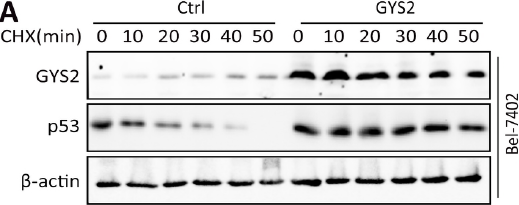
WB
Alle Antibiotic Isoform-spezifische Produkte anzeigen
More

Biologische Aktivität
Beschreibung
In Vitro
1. Cell death assay:
Chlorhexidine acetate hydrate (0.000125%-0.016%; 24 h) induces cell death in L929 fibroblasts, inducing a pattern of cell necrosis and/or apoptosis, as well as cell stress. Furthermore, Chlorhexidine acetate hydrate induces apoptosis at lower concentrations and necrosis at higher concentrations, and increases the expression of heat shock protein 70 (a marker of cell stress). Chlorhexidine acetate hydrate may have an adverse effect on the resolution of apical periodontitis[1].
2. Cell viability experiment:
Chlorhexidine acetate hydrate (0.0005%-0.5%; 30 min) causes the death of canine embryonic fibroblasts with concentration of ≥0.013%, while allows the cells to survive with concentration of ≤0.006%[2].
3. Bacterial survival experiment:
Chlorhexidine acetate hydrate (0.0005%-0.5%; 30 min) has a concentration-dependent bactericidal effect on Staphylococcus aureus, and kills Staphylococcus aureus with concentration of ≥0.05%, while allows the bacteria to survive with concentration of ≤0.03%[2].
MedChemExpress (MCE) has not independently confirmed the accuracy of these methods. They are for reference only. Further protocols information, click here.
In Vivo
Chlorhexidine (0.125%-1.0%; subcutaneous injection; single dose) acetate hydrate causes toxic effects in the plantar space of the hind paw of Balb/c mice. Concentrations ≥0.5% induces coagulative necrosis of the epidermis, dermis and subcutaneous tissues and neutrophil-dominated inflammatory responses, while concentrations ≤0.25% induces moderate inflammation and interstitial edema[1].
2. Lung inhalation toxicity test:
Chlorhexidine (0.125%-1%; intratracheal instillation; single dose; 8-week observation) acetate hydrate causes collagen fiber deposition and inflammatory cell infiltration in lung tissue in the C57BL/6J mouse model, leading to restrictive ventilation dysfunction. Transcriptome analysis shows that genes related to extracellular matrix deposition and mucus secretion (such as Muc5b and Muc5ac) are upregulated[3].
3. Genetic toxicity test:
0.12% Chlorhexidine dihydrochloride (0.5 mL; oral, twice a day for 8 days) causes DNA damage in peripheral blood and oral mucosal cells of rats, without causing chromosome breakage or loss in erythrocytes[4].
MedChemExpress (MCE) has not independently confirmed the accuracy of these methods. They are for reference only.
-
Animal Model:One hundred and eighty male Imprinting Control Region (ICR) mice at 6 to8-wk-old (body weight, 25 ± 3 g) were randomized to six groups[1].
-
Dosage:Chlorhexidine gluconate 0.05%, and Chlorhexidine gluconate 0.025%.
-
Administration:One-time intraperitoneal injection.
-
Result:A total of 48 mice (26.7%) developed postoperative intra-abdominal abscesses. Mice that had Chlorhexidine gluconate 0.05% lavage had significantly lower incidence of postoperative intra-abdominal abscesses compared with that of group D mice that had saline lavage only (P = 0.0113). Microscopic peritoneal fibrosis occurred significantly more among group E mice that had Chlorhexidine gluconate 0.05% lavage compared with group D mice that had saline lavage only (P = < 0.005).


Chemical Information
-
CAS. Nr. 206986-79-0
-
Formel C22H30Cl2N10.2C2H4O2.xH2O
-
SMILES
N=C(NC1=CC=C(Cl)C=C1)NC(NCCCCCCNC(NC(NC2=CC=C(Cl)C=C2)=N)=N)=N.CC(O)=O.CC(O)=O.[x].O
-
Versand
Room temperature in continental US; may vary elsewhere.
-
Speicherung
Please store the product under the recommended conditions in the Certificate of Analysis.


Publications (11)
-
Journal Impact Factor
-
Most Recent
-
Nat Commun
The folate cycle enzyme MTHFD2 induces cancer immune evasion through PD-L1 up-regulation. [Abstract]2021 Mar 29;12(1):1940. PMID: 33782411 -
Cell Death Dis
HJURP regulates cell proliferation and chemo-resistance via YAP1/NDRG1 transcriptional axis in triple-negative breast cancer. [Abstract]2022 Apr 22;13(4):396. PMID: 35459269 -
Antioxidants (Basel)
Pitavastatin Calcium Confers Fungicidal Properties to Fluconazole by Inhibiting Ubiquinone Biosynthesis and Generating Reactive Oxygen Species. [Abstract]2024 May 29;13(6):667. PMID: 38929106 -
Cell Oncol (Dordr)
UBE2Q2 promotes tumor progression and glycolysis of hepatocellular carcinoma through NF-κB/HIF1α signal pathway. [Abstract]2025 Jun;48(3):637-654. PMID: 39833608 -
Front Cell Dev Biol
2021 Mar 30:9:633259. PMID: 33859984 -
Transl Oncol
20-hydroxyecdysone suppresses bladder cancer progression via inhibiting USP21: A mechanism associated with deubiquitination and degradation of p65. [Abstract]2024 Jul:45:101958. PMID: 38663220 -
Cell Signal
2021 Jul:83:110002. PMID: 33823241 -
Mol Oncol
Loss of RDM1 enhances hepatocellular carcinoma progression via p53 and Ras/Raf/ERK pathways. [Abstract]2020 Feb;14(2):373-386. PMID: 31670863 -
-
Genes (Basel)
Autosomal Recessive Retinitis Pigmentosa Associated with Three Novel REEP6 Variants in Chinese Population. [Abstract]2021 Apr 7;12(4):537. PMID: 33917198 -

Protokoll
-
Research Protocol for Infectious Diseases
Infectious-disease experiments test how pathogens interact with host barriers, innate immune receptors, inflammatory signaling, pathogen replication, and tissue injury; pattern-recognition receptors such as TLRs, RIG-I-like receptors, NOD-like receptors, and inflammasomes detect microbial molecules and activate NF-κB, interferon, and cytokine responses. The central hypothesis is that infection severity reflects the balance between pathogen burden and host response: protective inflammation restricts pathogen growth, whereas excessive or mislocalized inflammation contributes to tissue damage and disease phenotype. Unresolved questions include which host pathways are protective versus pathogenic, why some infection models fail to translate to human disease, and which combined readouts best predict clinically relevant infection outcomes.
-
Apoptosis
Apoptosis, also called programmed cell death, is generally characterized by distinct morphological characteristics.
-
TUNEL staining for apoptotic DNA fragmentation
TUNEL staining detects DNA strand breaks by using terminal deoxynucleotidyl transferase to add labeled nucleotides to exposed 3′-OH DNA termini, generating either microscopic staining in fixed cells or tissue sections, or fluorescence/cytometric signal in cell suspensions. TUNEL positivity reflects DNA fragmentation but should not be interpreted alone as definitive apoptosis, because TUNEL can also label necrotic, autolytic, mechanically damaged, or DNA-repair-associated DNA breaks.
-
Cell Cytotoxicity Assay
Cytotoxicity assays are usually based on the assessment of cell membrane damage, which can also be indirectly detected by measuring cell viability. Detection methods include MTT assay, CKK-8 assay, LDH assay and ATP assay, etc.
-
Mammalian live/dead viability and cytotoxicity staining
Live/dead viability and cytotoxicity staining assays are based on the simultaneous detection of intracellular esterase activity in metabolically active (viable) cells and membrane integrity loss in non-viable cells. In commonly used dual-staining approaches, membrane-permeant fluorogenic substrates are converted by intracellular esterases into fluorescent products in live cells, while impermeant DNA-binding dyes selectively enter cells with compromised plasma membranes and label nucleic acids in dead or dying cells, enabling discrimination between viable and non-viable populations by fluorescence microscopy or flow cytometry.
-
Annexin V plus membrane-impermeant dye apoptosis staining
Annexin V-based apoptosis assays rely on the detection of phosphatidylserine (PS) externalization from the inner leaflet of the plasma membrane to the outer leaflet, an early biochemical hallmark of apoptosis. Fluorescently labeled Annexin V binds PS in a calcium-dependent manner, enabling identification of early apoptotic cells by flow cytometry or fluorescence microscopy. When combined with a membrane-impermeant DNA-binding dye (e. g. , propidium iodide), this approach allows discrimination between viable (Annexin V−/dye−), early apoptotic (Annexin V+/dye−), and late apoptotic or necrotic (Annexin V+/dye+) cell populations by assessing membrane integrity and PS exposure.
-
Transepithelial/transendothelial electrical resistance assay
TEER measures electrical resistance across epithelial or endothelial monolayers cultured on permeable supports, and the readout reflects ionic conductance through the cell barrier, especially the paracellular pathway regulated by junctional integrity. TEER can be measured without destroying the monolayer and is commonly used before or during transport, permeability, barrier-disruption, and barrier-maturation experiments. TEER values are influenced by biological maturation and technical conditions; reported factors include temperature, medium formulation, passage number, electrode geometry, membrane properties, and junctional length during early monolayer maturation. Therefore, TEER should be interpreted with blank-insert subtraction, area normalization, repeated readings, and, when possible, orthogonal barrier readouts such as FITC-dextran flux or tight-junction staining.
-
Apoptosis Solutions
Apoptosis is a regulated, generally non-lytic cell-death pathway that removes unwanted, damaged, infected, or abnormal cells through coordinated morphological changes, caspase activation, DNA fragmentation, and membrane remodeling. The intrinsic apoptosis pathway is controlled mainly by mitochondrial outer membrane permeabilization, BCL-2 family proteins, cytochrome c release, apoptosome formation, caspase-9 activation, and downstream executioner caspase-3/7 activation. The extrinsic apoptosis pathway is initiated by death receptors such as Fas, TNFR, and TRAIL receptors, which recruit adaptor proteins and activate caspase-8 before engaging executioner caspases or mitochondrial amplification through BID cleavage. Apoptosis is linked to many phenotypes, including cancer cell killing, tissue homeostasis, immune regulation, neurodegeneration, infection response, and treatment-induced cytotoxicity; unresolved questions include how apoptosis interacts with necroptosis, pyroptosis, ferroptos
-
Gram Staining of Tissue Sections
Gram staining of tissue sections is a histochemical technique used to differentiate Gram-positive and Gram-negative bacteria within histological specimens based on differences in bacterial cell wall structure and dye retention, adapted from classical bacteriological Gram staining into tissue-compatible “histological Gram stain” variants. In tissue applications, modifications of the Brown-Hopps and Brown-Brenn methods are commonly used to improve differentiation of microorganisms embedded within host connective tissue and to reduce overstaining or loss of Gram-negative signal, which are known limitations of earlier approaches. The principle relies on crystal violet-iodine complex retention in Gram-positive organisms and subsequent decolorization and counterstaining steps that allow contrast visualization of Gram-negative organisms against tissue background.
-
Bacterial live/dead nucleic-acid viability staining
The LIVE/DEAD bacterial viability staining method is based on differential permeability of nucleic-acid-binding fluorescent dyes, most commonly SYTO 9 and propidium iodide (PI), which enables discrimination of bacterial populations with intact versus compromised cytoplasmic membranes. SYTO 9 penetrates both intact and damaged bacterial membranes and binds nucleic acids to produce green fluorescence, whereas propidium iodide penetrates only cells with compromised membranes and fluoresces red while also reducing SYTO 9 signal through competitive binding and fluorescence interactions. The resulting fluorescence pattern is interpreted as a proxy for membrane integrity, which is widely used as an indicator of bacterial viability in microscopy, flow cytometry, and spectroscopic platforms. However, mechanistic studies show that SYTO 9 and PI interactions involve displacement and fluorescence resonance energy transfer effects, which can influence signal interpretation depending on dye ratios a


Reinheit & Dokumentation
Verweise
[1]. Faria G, et al. Evaluation of chlorhexidine toxicity injected in the paw of mice and added to cultured l929 fibroblasts. J Endod. 2007 Jun;33(6):715-22. [Content Brief]
[2]. Sanchez IR, et al. Chlorhexidine diacetate and povidone-iodine cytotoxicity to canine embryonic fibroblasts and Staphylococcus aureus. Vet Surg. 1988;17(4):182-185. [Content Brief]
[3]. Zhang J, et al. Pulmonary Toxicity Assessment after a Single Intratracheal Inhalation of Chlorhexidine Aerosol in Mice. Toxics. 2023 Nov 7;11(11):910. [Content Brief]
[4]. Ribeiro DA, et al. Chlorhexidine induces DNA damage in rat peripheral leukocytes and oral mucosal cells. J Periodontal Res. 2004 Oct;39(5):358-61. [Content Brief]

Calculators
Konzentration (Stammlösung) × Volumen (Stammlösung) = Konzentration (Ziellösung) × Volumen (Ziellösung)


Chlorhexidine acetate hydrate Related Classifications
HY-B1248A Related Classifications
 Powered by Bioz