



Virus Protease
Viral proteases are enzymes encoded by the genetic material (DNA or RNA) of viral pathogens. Viral proteases catalyze the cleavage of specific peptide bonds in viral polyprotein precursors or in cellular proteins. Viral proteases may use different catalytic mechanisms involving either serine, cysteine or aspartic acid residues to attack the scissile peptide bond. Selective recognition of these sequence patterns by a complementary substrate binding site of the enzyme ensures a high degree of specific recognition and cleavage.
Severe acute respiratory syndrome coronavirus 2 (SARS-CoV-2), is the cause of the respiratory illness coronavirus disease 2019 (COVID-19). Initial spike protein priming by transmembrane protease, serine 2 (TMPRSS2) is essential for entry of SARS-CoV-2. After a SARS-CoV-2 virion attaches to a target cell, the cell's protease TMPRSS2 cuts open the spike protein of the virus, exposing a fusion peptide.
All Product Categories
-
Virus Protease Related Products (393)
Related Products (393)

-
Antibodies (1)
-
CID15997213
 0 ImagesCat. No.: HY-171261CAS No.: 900134-28-3CID15997213 is a blood-brain barrier penetrating antiviral agent. CID15997213 targets the amino-terminal domain of the VEEV nonstructural protein 2 (nsP2). CID15997213 shows alphavirus-specific antiviral effect, inhibiting VEEV and Western equine encephalitis virus.
-
LP-130
 0 ImagesCat. No.: HY-120757CAS No.: 153314-49-9LP-130 is a statin-based inhibitor that is a universal inhibitor with nanomolar inhibitory activity against all tested retroviral proteases. Crystal structure studies of its binding to different retroviral proteases have shown that it can adapt to different active site regions to achieve inhibition.
-
AB-343
 0 ImagesCat. No.: HY-172214CAS No.: 3077209-48-1AB-343 is a selective covalent inhibitor of SARS-CoV-2 Mpro, with an IC50 of 8 nM and a Ki of 2.8 nM. AB-343 can effectively inhibit the main proteases of SARS-CoV-2 and many other coronaviruses, and is also active against some resistant variants. AB-343 can be used in the research of treating coronavirus infection-related diseases.
-
BFB78
 0 ImagesCat. No.: HY-181969BFB78 is a blood-brain barrier-permeable nsP2 protease inhibitor. BFB78 potently and broadly inhibits the purified nsP2 proteases of various alphaviruses, with IC50 values ranging from 21.6 nM (Mayaro virus; MAYV) to 130.7 nM (Chikungunya virus; CHIKV). BFB78 blocks viral replication in cell culture systems and reduces viral titers in the brains of mice. BFB78 can be used in studies related to Venezuelan equine encephalitis virus (VEEV) infection.
-
Angelicin (Standard)
 0 ImagesAngelicin (Standard) is the analytical standard of Angelicin. This product is intended for research and analytical applications. Angelicin is a natural tricyclic aromatic hydrocarbon compound that is structurally related to psoralen and has anti-cancer, anti-inflammatory, anti-viral and other activities. Cytotoxic, IC50: 49.56 μM; inhibits MHV-68, IC50: 5.39 μg/ml (28.95 μM).
-
Jun13698
 0 ImagesCat. No.: HY-181263Jun13698 is a SARS-CoV-2 main protease (Mpro) inhibitor with Ki values of 65.6 nM, 510.0 nM, and 117.5 nM against the wild-type, E166V, and E166A mutants, respectively. Jun13698 forms stable complexes with wild-type and mutant Mpro to mediate enzyme inhibition. Jun13698 exhibits antiviral activity against SARS-CoV-2 variants carrying the E166V/A mutation. Jun13698 is applicable to COVID-19-related research.
-
SARS-CoV-2 Mpro-IN-10
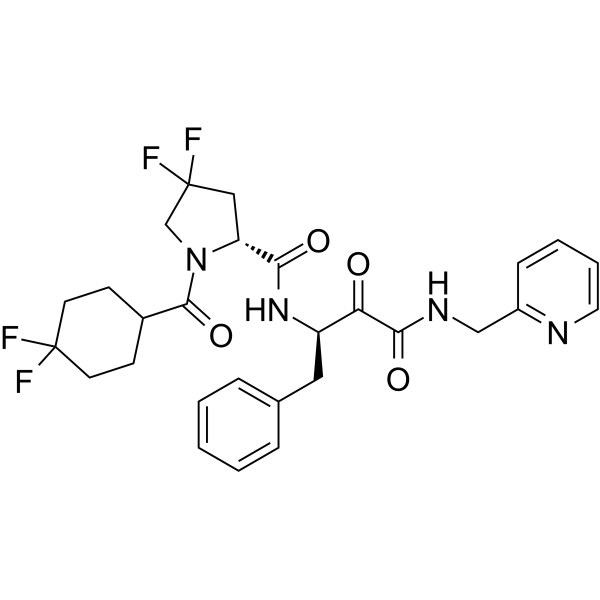 0 ImagesCat. No.: HY-155654CAS No.: 2982834-87-5SARS-CoV-2 Mpro-IN-10 (27h) is a potent Mpro inhibitor with IC50 value and EC50 values of 10.9 nM and 43.6 nM, respectively. SARS-CoV-2 Mpro-IN-10 can be used for the research of SARS-CoV-2 virus.
-
ZIKV-IN-5
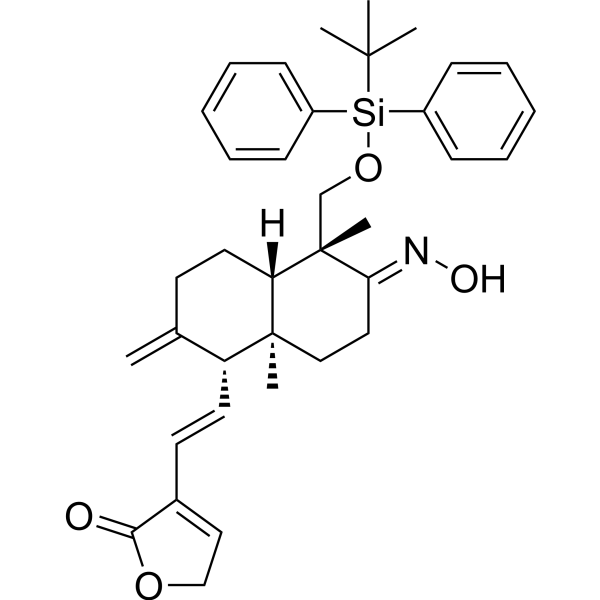 0 ImagesCat. No.: HY-151448CAS No.: 3033697-92-3ZIKV-IN-5 (compound 5c) is a low-cytotoxicity and acid-stable anti-ZIKV agent (EC50=0.71 μM). ZIKV-IN-5 effectively inhibits the activity of ZIKV NS5 MTase.
-
Anticancer agent 90
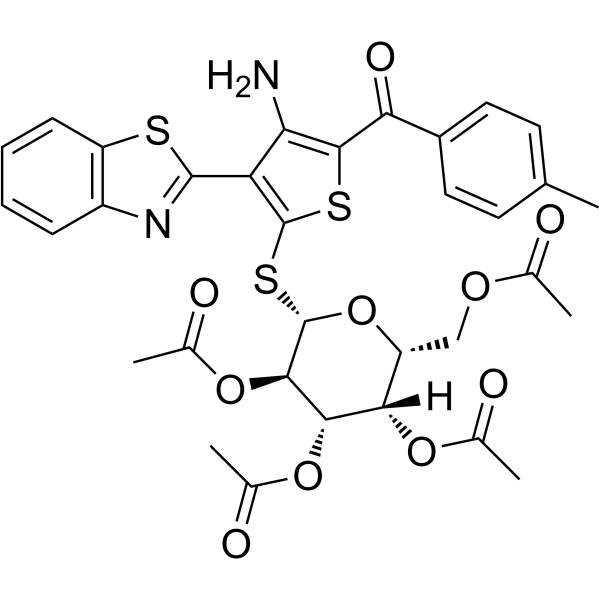 0 ImagesCat. No.: HY-151588CAS No.: 2977251-03-7Anticancer agent 90 is a benzothiazole-2-thiophene S-glycoside derivative with antitumor activity. Anticancer agent 90 has high inhibition against the two cell line from ovarian cancer (OVCAR-4), renal cancer (A498).
-
Aspirin-d7
 0 ImagesCat. No.: HY-W707656Aspirin-d7 is the deuterium labeled Aspirin (HY-14654). Aspirin (Acetylsalicylic acid) is an orally active, potent and irreversible inhibitor of cyclooxygenase COX-1 and COX-2, with IC50 values of 5 and 210 μg/mL, respectively. Aspirin induces apoptosis. Aspirin inhibits the activation of NF-κB. Aspirin also inhibits platelet prostaglandin synthetase, and can prevent coronary artery and cerebrovascular thrombosis.
-
BP-198
 0 ImagesCat. No.: HY-176440BP-198 is a inhibitor and a SNIPER-class degrader targeting to SARS-CoV-2 main protease (Mpro) , with antiviral activity. BP-198 recruits the IAP ubiquitin ligase complex to degrade target proteins via the ubiquitin-proteasome system. BP-198 also degrades protease mutants resistant to Nirmatrelvir (HY-138687). BP-198 can be used in studies related to COVID-19.
-
Pimelautide
 0 ImagesCat. No.: HY-126715CAS No.: 78512-63-7Synonyms: RP 44102Pimelautide (RP 44102), a desmuramyl peptidolipid, is an adjuvant. Pimelautide shows a LD50 of 410 mg/kg (i.v, mouse).
-
CYP2C1/CYP2C19-IN-2
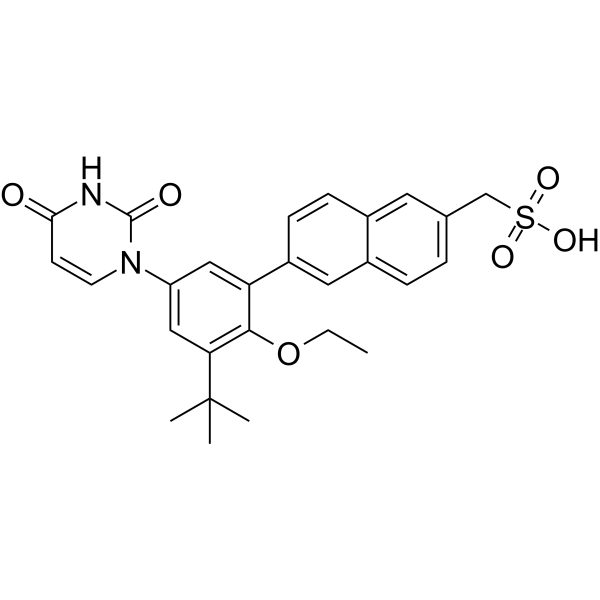 0 ImagesCat. No.: HY-151253CAS No.: 3010895-54-9CYP2C1/CYP2C19-IN-2 (compound 21d) is a potent CYP2C9/CYP2C19 inhibitor, possessing no hepatotoxicity and ames toxicity. CYP2C1/CYP2C19-IN-2 can be used in study of anti-ZIKV.
-
SP inhibitor 1
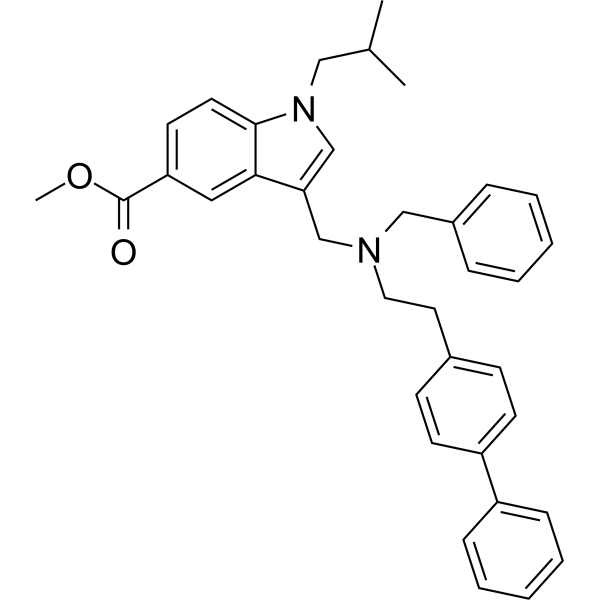 0 ImagesCat. No.: HY-144647CAS No.: 2766185-81-1SP inhibitor 1 (compound 34) is a selective SARS-CoV-2 spike protein (SP) inhibitor with an IC50 of 3.26 μM, >25 μM, >25 μM for SP, Mpro and PLpro protein, respectively. SP inhibitor 1 is a vitro SARS-CoV-2 replication inhibitor at non-toxic concentrations (0.32
-
DNDI-6510
 0 ImagesCat. No.: HY-176264DNDI-6510 (Compound (S)-x38) is a non-covalent SARS-CoV-2 MPro inhibitor with a IC50 of 0.04 μM. DNDI-6510 has a potent antiviral activity across SARS-CoV-2 and its variants as well as a weak efficacy to SARS-CoV-1. DNDI-6510 significantly improves drug exposure in metabolically humanized mice model (8HUM).
-
L-Lysine-13C dihydrochloride
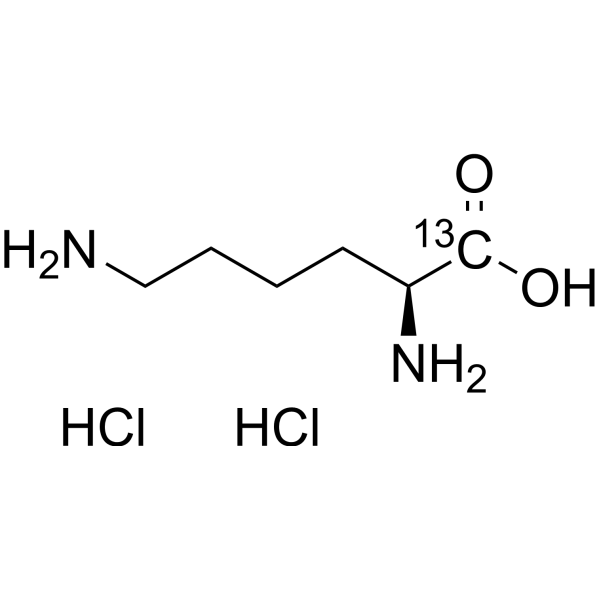 0 ImagesL-Lysine-13C (dihydrochloride) is the 13C-labeled L-Lysine dihydrochloride. L-lysine dihydrochloride is an essential amino acid for humans with various benefits including treating herpes, increasing calcium absorption, reducing diabetes-related illnesses and improving gut health.

-
N-Desmethylclozapine-d8
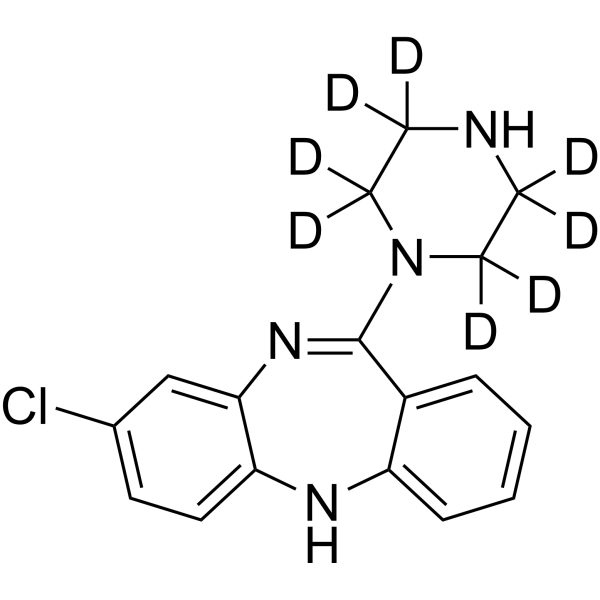 0 ImagesSynonyms: Norclozapine-d8; Desmethylclozapine-d8; Normethylclozapine-d8N-Desmethylclozapine-d8 is the deuterium labeled N-Desmethylclozapine. N-Desmethylclozapine is a major active metabolite of the atypical antipsychotic agent Clozapine. N-Desmethylclozapine is a potent, allosteric and partial M1 receptors agonist (EC50=115 nM) and is able to potentiate hippocampal N-methyl-d-aspartate (NMDA) receptor currents through M1 receptor activation. N-Desmethylclozapine is also a δ-opioid agonist.
-
Anti-Eastern equine encephalitis virus E2 protein Antibody (EEEV-3)
 0 ImagesCat. No.: HY-P991768Anti-Eastern equine encephalitis virus E2 protein Antibody (EEEV-3) reacts with the B domain of the E2 glycoprotein on the eastern equine encephalitis virus (EEEV). Anti-Eastern equine encephalitis virus E2 protein Antibody (EEEV-3) exhibits a modest inhibition of viral attachment to the plasma membrane of the cells. Recommend Isotype Controls: Mouse IgG2c kappa, Isotype Control (HY-P99981).
-
2,5-Dimethylcyclohexanol
 0 Images2,5-Dimethylcyclohexanol, a volatile organic compound, is a fatty acid that can be isolated from Amphora sp.. 2,5-Dimethylcyclohexanol has significant antineoplastic and antiviral activities with inhibition of SARS-CoV-2 Mpro. 2,5-Dimethylcyclohexanol also has potent antifungal activity against Pseudogymnoascus destructans. 2,5-Dimethylcyclohexanol compromises cell wall and membrane integrity while perturbing energy metabolism, increases the levels of ROS, ATP, Superoxide anion and GSH, and decreases CAT and SOD activities. And 2,5-Dimethylcyclohexanol alters virulence ribosomal genes expression, and disrupts the MAPK signaling pathways, inducing fungal cell apoptosis.




