1. Search Result
Search Result
Results for "

Ryanodine receptors (RyRs)

" in MedChemExpress (MCE) Product Catalog:

30

Inhibitors & Agonists

5

Peptides

2

Isotope-Labeled Compounds

Cat. No. 상품명 Target 연구분야 Chemical Structure
  • HY-W010950
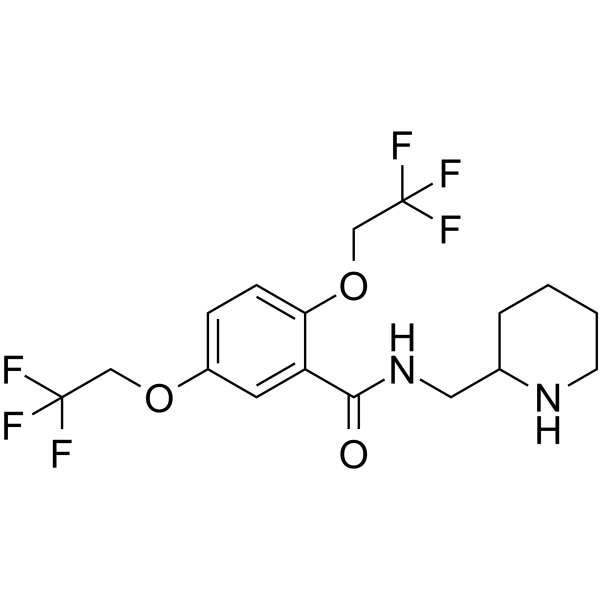
    Flecainide
    3 Publications Verification

    Potassium Channel Sodium Channel Cardiovascular Disease
    Flecainide is an orally active antiarrhythmic agent. Flecainide can block sodium channels and inhibit calcium ion release mediated by the cardiac ryanodine receptor (RyR2). Flecainide can be used in the research of diseases such as catecholaminergic polymorphic ventricular tachycardia (CPVT) .
    Flecainide
  • HY-119850

    ARM036; S44121

    Calcium Channel Cardiovascular Disease
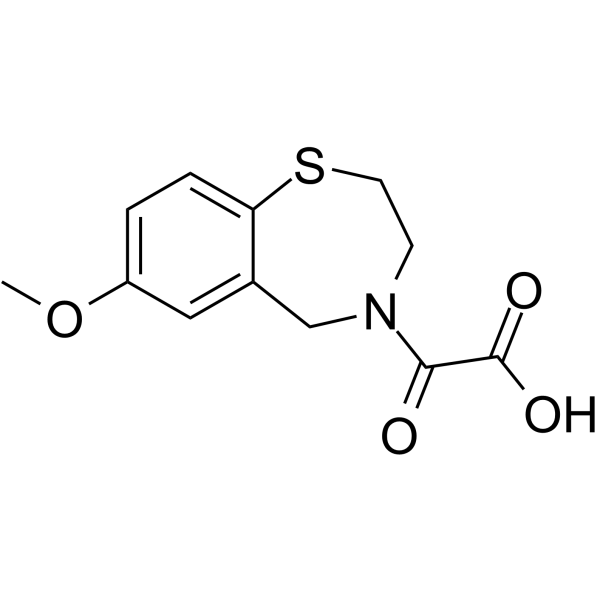
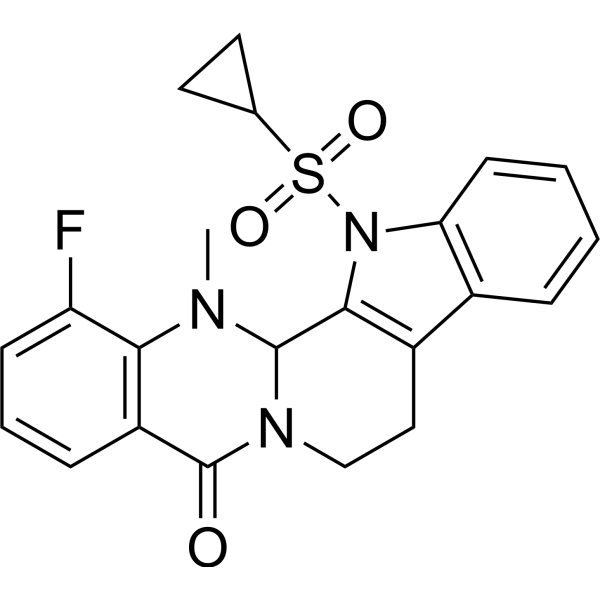
    Aladorian (ARM036; S44121) is a non-peptidic ryanodine receptor 2 (RyR2) stabilizer. Aladorian stabilizes RyR2 channels and rectifies abnormal Ca²⁺ handling in cardiomyocytes. Aladorian improves cardiomyocyte Ca²⁺ homeostasis independent of dystrophin restoration. Aladorian attenuates early cardiomyopathy and enhances left ventricular function in a canine muscular dystrophy model. Aladorian can be used for the research of heart failure, Duchenne muscular dystrophy-associated cardiomyopathy and muscular dystrophy .
    Aladorian
  • HY-159502

    ARM210

    Parasite Infection
    Surlorian is a ryanodine receptor (RyR) stabilizer .
    Surlorian
  • HY-113920A
    Azumolene
    3 Publications Verification

    EU4093 free base

    Calcium Channel Metabolic Disease
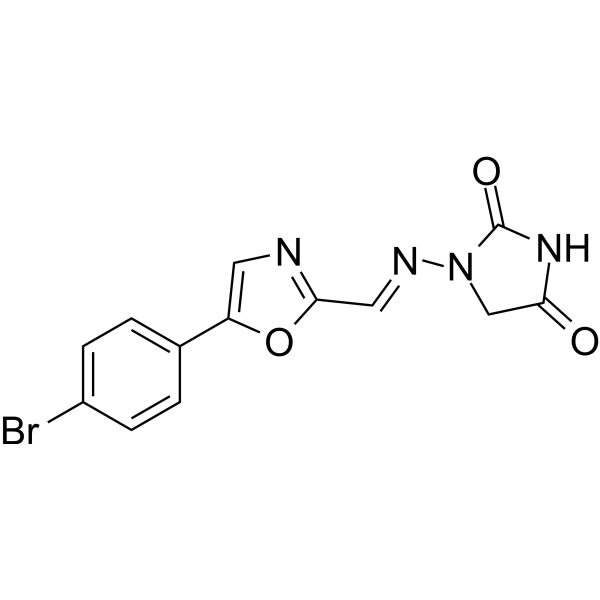
    Azumolene (EU4093 free base), a Dantrolene analog, is a muscle relaxant. Azumolene is a ryanodine receptor (RyR) modulator and inhibits the calcium-release through ryanodine receptor. Azumolene can be used for malignant hyperthermia research .
    Azumolene
  • HY-W010950A
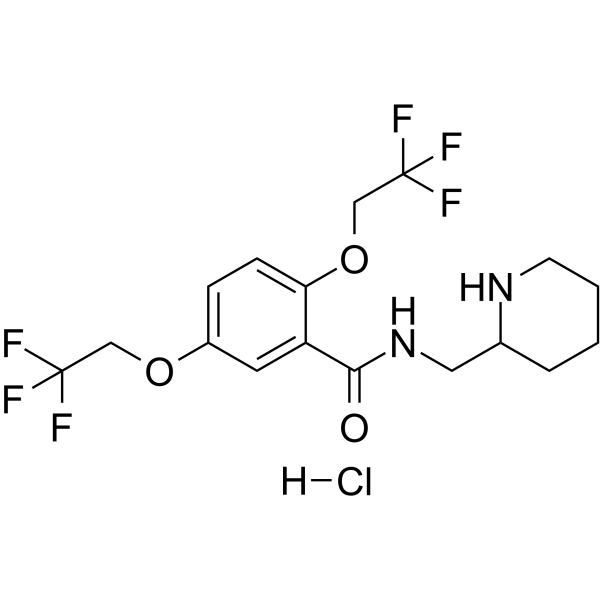
    Flecainide hydrochloride
    3 Publications Verification

    Potassium Channel Sodium Channel Cardiovascular Disease
    Flecainide hydrochloride is an orally active antiarrhythmic agent. Flecainide hydrochloride can block sodium channels and inhibit calcium ion release mediated by the cardiac ryanodine receptor (RyR2). Flecainide hydrochloride can be used in the research of diseases such as catecholaminergic polymorphic ventricular tachycardia (CPVT) .
    Flecainide hydrochloride
  • HY-A0079

    Amethocaine

    Sodium Channel Calcium Channel Neurological Disease
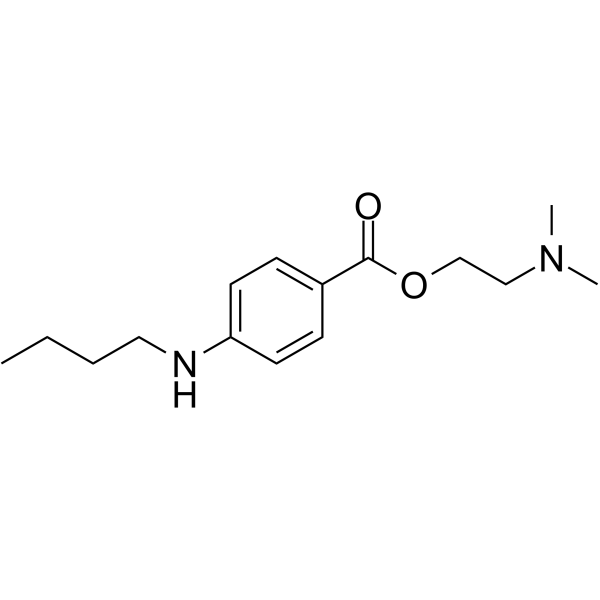
    Tetracaine (Amethocaine) is a sodium channel inhibitor and ryanodine receptor (RyR) inhibitor. Tetracaine blocks sodium conduction across nerve cell membranes, preventing rapid sodium ion influx and depolarization. Tetracaine exhibits biphasic effects on spontaneous sarcoplasmic reticulum Ca 2+ release in Ca 2+-overloaded ventricular myocytes, and increases sarcoplasmic reticulum Ca 2+ load. Tetracaine can be used in research related to eye diseases .
    Tetracaine
  • HY-N7491A

    Calcium Channel Cancer
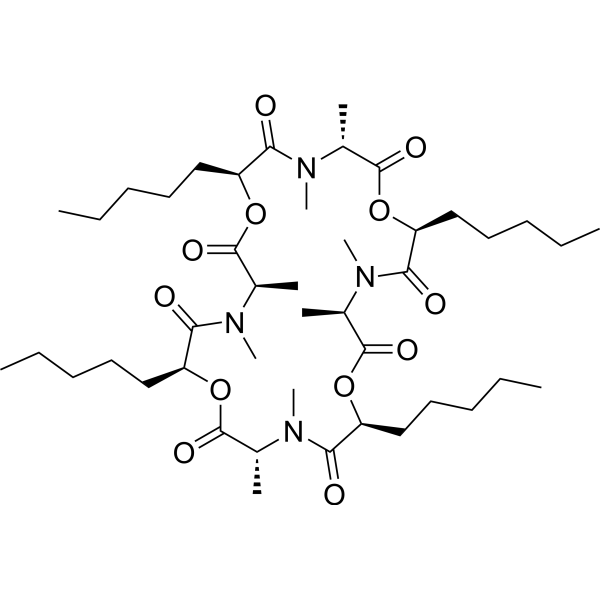
    ent-(+)-verticilide is a potent and selective inhibitor of cardiac ryanodine receptor (RyR2) calcium release channels with antiarrhythmic activity. ent-(+)-verticilide inhibits RyR2-mediated diastolic Ca2+ leak and exhibits higher potency and a distinct mechanism of action compared with theDantrolene and Tetracaine. ent-(+)-verticilide is a useful tool to investigate the therapeutic potential of targeting RyR2 hyperactivity in heart and brain pathologies .
    Ent-(+)-Verticilide
  • HY-P5114A

    Calcium Channel Others
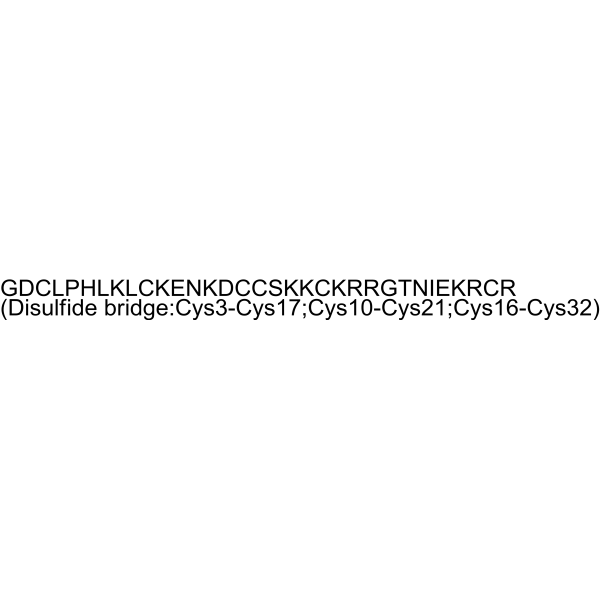
    Maurocalcine TFA is an agonist of ryanodine receptor (RyR) channel types 1, 2 and 3 with cellular permeability. Maurocalcine TFA induces [ 3H]ryanodine binding on RyR1 with an EC50 value of 2558 nM. Maurocalcine TFA exhibits a apparent affinity of 14 nM for RyR2. Maurocalcine TFA can be applied to in vivo cell tracking or other cell imaging techniques .
    Maurocalcine TFA
  • HY-P3037A

    Calcium Channel Neurological Disease
    Imperatoxin A TFA is a peptide toxin derived from the venom of the African scorpion Pandinus imperator. Imperatoxin A TFA is a Ca 2+-release channels/ryanodine receptors (RyRs) activator. Imperatoxin A TFA enhances the influx of Ca 2+ from the sarcoplasmatic reticulum into the cell .
    Imperatoxin A TFA
  • HY-W339331

    NNI-0001

    Insecticide Calcium Channel Reactive Oxygen Species (ROS) Apoptosis Infection Metabolic Disease
    Flubendiamide (NNI-0001) is an orally active phthalic diamide insecticide that acts by targeting insect ryanodine receptors (RyRs), causing insect muscle dysfunction, paralysis and death. Flubendiamide disrupts molting, metamorphosis and reproductive processes, induces oxidative stress by increasing the levels of ROS/RNS, MDA and 8OHdG and decreasing the levels of SOD, CAT and GST, activates the CncC/Maf apoptosis pathway, impairs calcium homeostasis, promotes adipogenesis, increases triglyceride accumulation, and upregulates the expression of regulatory factors for adipocyte differentiation and adipogenesis .
    Flubendiamide
  • HY-W010950S

    Potassium Channel Sodium Channel Isotope-Labeled Compounds Cardiovascular Disease
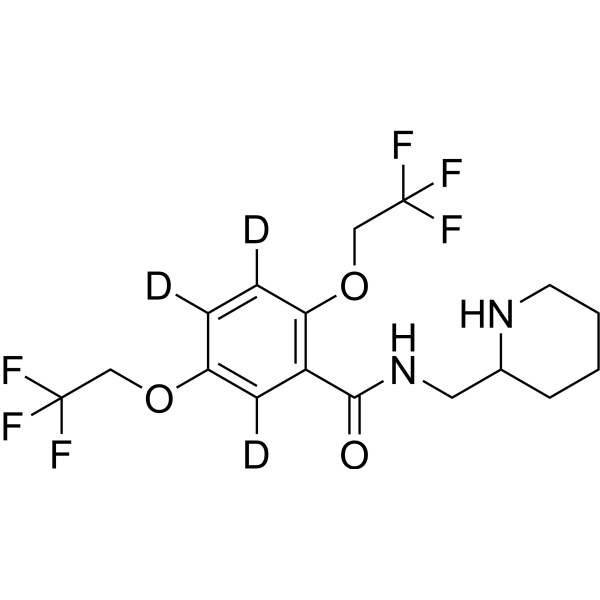
    Flecainide-d3 is the deuterium labeled Flecainide. Flecainide is an orally active antiarrhythmic agent. Flecainide can block sodium channels and inhibit calcium ion release mediated by the cardiac ryanodine receptor (RyR2). Flecainide can be used in the research of diseases such as catecholaminergic polymorphic ventricular tachycardia (CPVT) .
    Flecainide-d3
  • HY-Z7733

    Desmethylcarvedilol; BM-14242

    Calcium Channel Metabolic Disease
    O-Desmethylcarvedilol (Desmethylcarvedilol) is an active metabolite of the non-selective β-adrenergic receptor (β-AR) antagonist Carvedilol (HY-B0006). O-Desmethylcarvedilol inhibits store-overload-induced calcium release in HEK293 cells expressing the ryanodine receptor 2 (RyR2) R4496C (RyR2 R4496C) mutation (IC50 = 7.62 µM). O-Desmethylcarvedilol reduces increases in heart rate and prevents decreases in diastolic blood pressure induced by Isoproterenol (HY-B0468) in conscious rabbits (ED50s = 32 and 5 µg/kg, respectively) .
    O-Desmethylcarvedilol
  • HY-163157

    Parasite Others
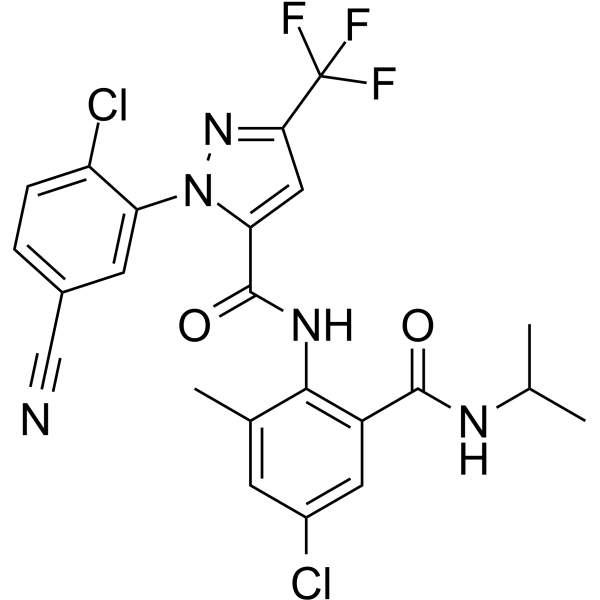
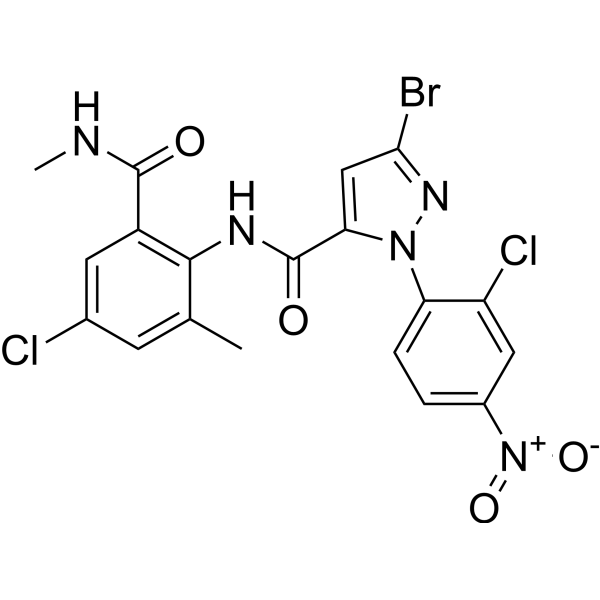
    Insecticidal agent 7 (Compound 21m) is an insecticide that targets the insect ryanodine receptors (RyRs) with a LC50 of 0.0937 mg/L for the Plutella xylostella. Insecticidal agent 7 (Compound 21m) exhibits good selectivity and low toxicity towards non-target organisms .
    Insecticidal agent 7
  • HY-164631

    Calcium Channel Cardiovascular Disease
    EL20 is a selective cardiac ryanodine receptor 2 (RyR2) inhibitor. EL20 inhibits diastolic Ca 2+ leakage from the sarcoplasmic reticulum, reducing delayed afterdepolarizations and triggered arrhythmias. EL20 is promising for research of cardiovascular diseases .
    EL20
  • HY-175506

    Parasite Calcium Channel Infection
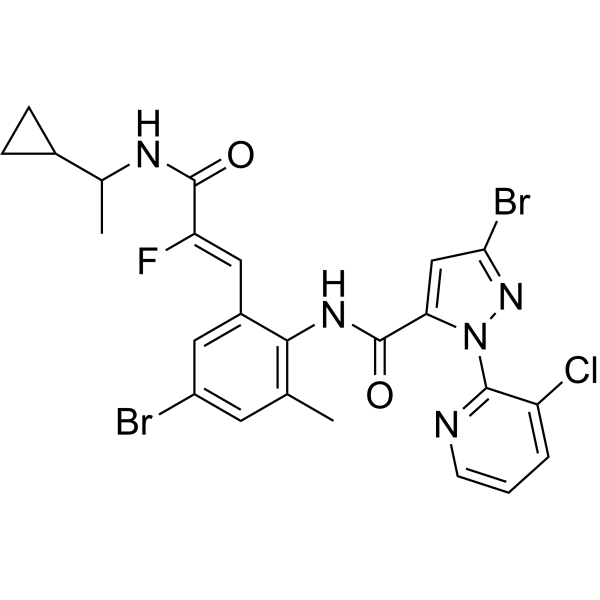
    RyRs activator 6 (compound C3) is a ryanodine receptor (RyRs) activator that activates calcium release in insect neurons. RyRs activator 6 has insecticidal activity .
    RyRs activator 6
  • HY-146110

    Parasite Infection
    RyRs activator 2 (compound 7o) is a potent activator of ryanodine receptors (RyRs). RyRs activator 2 is 30% larvicidal activity, comparable to chlorantraniliprole (30%) and better than cyantraniliprole (10%) .
    RyRs activator 2
  • HY-146109

    Parasite Infection
    RyRs activator 1 (compound 7f) is a potent activator of ryanodine receptors (RyRs). RyRs activator 1 at 0.5 mg/L displays 100% larvicidal activity. The larvicidal activity of RyRs activator 1 is 90% at 0.01 mg/L .
    RyRs activator 1
  • HY-P5114

    Calcium Channel Others
    Maurocalcine is an agonist of ryanodine receptor (RyR) channel types 1, 2 and 3 with cellular permeability. Maurocalcine induces [ 3H]ryanodine binding on RyR1 with an EC50 value of 2558 nM. Maurocalcine exhibits a apparent affinity of 14 nM for RyR2. Maurocalcine can be applied to in vivo cell tracking or other cell imaging techniques .
    Maurocalcine
  • HY-155394

    Calcium Channel Metabolic Disease
    RyRs activator 5 (Compd A-1) is an active ryanodine receptor agonist against Spodoptera frugiperda .
    RyRs activator 5
  • HY-155334

    Parasite Others
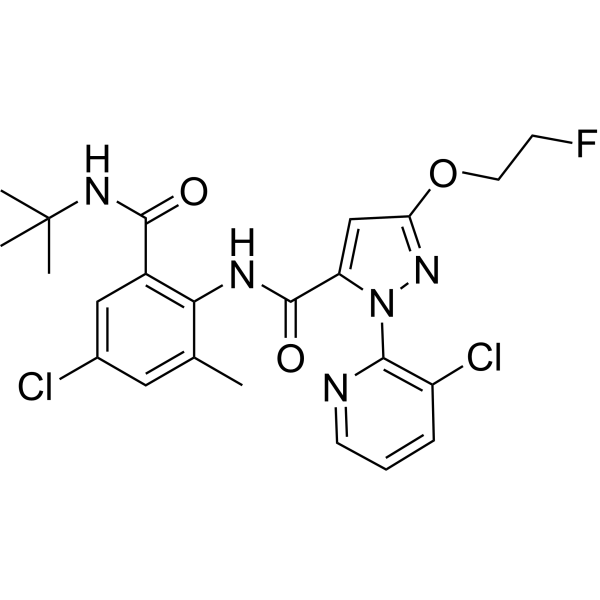
    RyRs activator 4 (compound B18) is an insect ryanodine receptor activator. RyRs activator 4 has a larvicidal activity of Mythimna separata with an LC50 value of 1.32 mg/L .
    RyRs activator 4
  • HY-149697

    Parasite Others
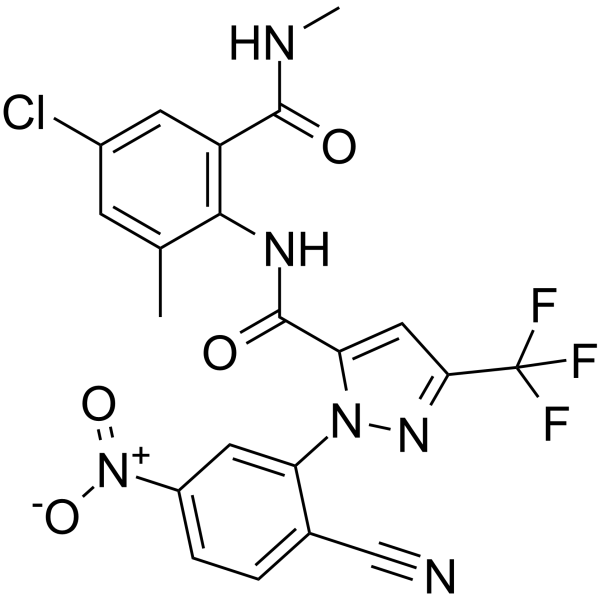
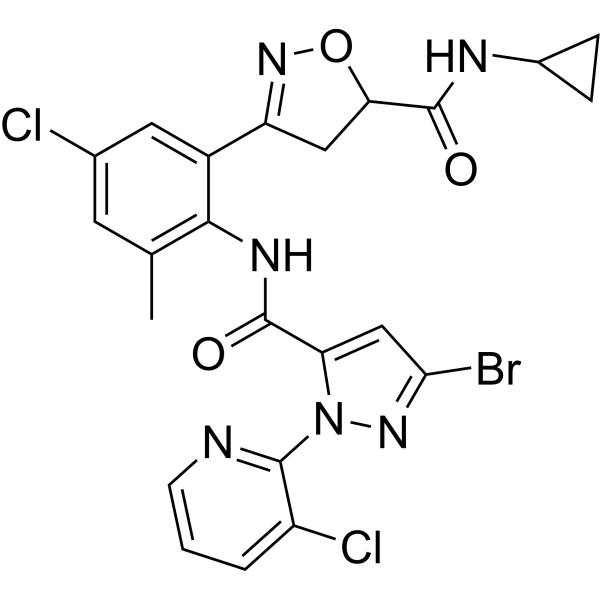
    Insecticidal agent 6 (Compound Im) is an insect ryanodine receptors (RyRs) inhibitor, with an EC50 value of 0.6308 µM against S. frugiperda RyRs. Insecticidal agent 6 has excellent insecticidal activity against lepidopteran pests and can be used for research on pests and diseases .
    Insecticidal agent 6
  • HY-156082

    Parasite Calcium Channel Others
    RyRs activator 3 (compound A4) is an effective insecticide against diamondback moths (M. separata) and diamondback moths (P. xylostella). The LC50 value of RyRs activator 3 against diamondback moth is 3.27 mg/L. RyRs activator 3 can bind to ryanodine receptor, increase cytoplasmic Ca2+ concentration, and produce biological toxicity .
    RyRs activator 3
  • HY-P3037

    Calcium Channel Neurological Disease
    Imperatoxin A, a peptide toxin derived from the venom of the African scorpion Pandinus imperator, activator of Ca 2+-release channels/ryanodine receptors (RyRs) enhances the influx of Ca 2+ from the sarcoplasmatic reticulum into the cell .
    Imperatoxin A
  • HY-138806

    Calcium Channel Neurological Disease
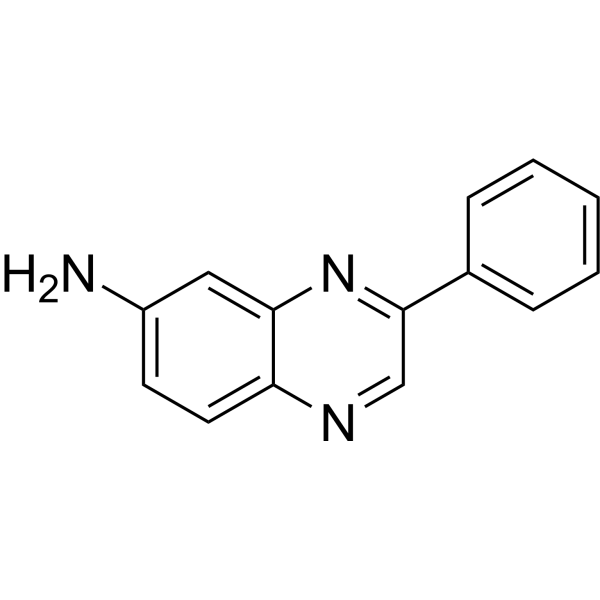
    PAQ (Compound 4c) is a quinoxaline derivative. PAQ is an orally active neuroprotective agent, which targets dopamine (DA) neurons and activates reticulum endoplasmic ryanodine receptor (RyR) channels, without effects on glia cells .
    PAQ
  • HY-W010950AR

    Reference Standards Potassium Channel Sodium Channel Cardiovascular Disease
    Flecainide hydrochloride is an orally active antiarrhythmic agent. Flecainide hydrochloride can block sodium channels and inhibit calcium ion release mediated by the cardiac ryanodine receptor (RyR2). Flecainide hydrochloride can be used in the research of diseases such as catecholaminergic polymorphic ventricular tachycardia (CPVT) .
    Flecainide hydrochloride (Standard)
  • HY-119850A

    ARM036 sodium; S44121 sodium

    Calcium Channel Cardiovascular Disease
    Aladorian (ARM036; S44121) sodium is a non-peptidic ryanodine receptor 2 (RyR2) stabilizer. Aladorian sodium stabilizes RyR2 channels and rectifies abnormal Ca²⁺ handling in cardiomyocytes. Aladorian sodium improves cardiomyocyte Ca 2+ homeostasis independent of dystrophin restoration. Aladorian sodium attenuates early cardiomyopathy and enhances left ventricular function in a canine muscular dystrophy model. Aladorian sodium can be used for the research of heart failure, Duchenne muscular dystrophy-associated cardiomyopathy and muscular dystrophy .
    Aladorian sodium
  • HY-W010950R

    Reference Standards Potassium Channel Sodium Channel Cardiovascular Disease
    Flecainide (Standard) is the analytical standard of Flecainide. This product is intended for research and analytical applications. Flecainide is an orally active antiarrhythmic agent. Flecainide can block sodium channels and inhibit calcium ion release mediated by the cardiac ryanodine receptor (RyR2). Flecainide can be used in the research of diseases such as catecholaminergic polymorphic ventricular tachycardia (CPVT) .
    Flecainide (Standard)
  • HY-166478S

    Desmethylcarvedilol-d5; BM-14242-d5

    Isotope-Labeled Compounds Calcium Channel Metabolic Disease
    O-Desmethyl carvedilol-d5 (Desmethylcarvedilol-d5) is deuterium labeled O-Desmethylcarvedilol. O-Desmethylcarvedilol (Desmethylcarvedilol) is an active metabolite of the non-selective β-adrenergic receptor (β-AR) antagonist Carvedilol (HY-B0006). O-Desmethylcarvedilol inhibits store-overload-induced calcium release in HEK293 cells expressing the ryanodine receptor 2 (RyR2) R4496C (RyR2 R4496C) mutation (IC50 = 7.62 μM). O-Desmethylcarvedilol reduces increases in heart rate and prevents decreases in diastolic blood pressure induced by Isoproterenol (HY-B0468) in conscious rabbits (ED50s = 32 and 5 μg/kg, respectively) .
    O-Desmethyl carvedilol-d5
  • HY-12542R

    F 368 (Standard)

    Reference Standards Calcium Channel Autophagy Neurological Disease Inflammation/Immunology
    Dantrolene (Standard) is the analytical standard of Dantrolene. This product is intended for research and analytical applications. Dantrolene is an orally active, non-competitive glutathione reductase inhibitor with a Ki of 111.6 μM and an IC50 of 52.3 μM. Dantrolene is a ryanodine receptor (RyR) antagonist and Ca2+ signaling stabilizer. Dantrolene is a direct-acting skeletal muscle relaxant. Dantrolene can be used for the research of muscle spasticity, malignant hyperthermia, Huntington's disease and other neuroleptic malignant syndrome .
    Dantrolene (Standard)
  • HY-12542AR

    Dantrolene sodium hydrate (Standard)

    Reference Standards Calcium Channel Autophagy Others
    Dantrolene (sodium hemiheptahydrate) (Standard) is the analytical standard of Dantrolene (sodium hemiheptahydrate). This product is intended for research and analytical applications. Dantrolene sodium hemiheptahydrate is an orally active, non-competitive glutathione reductase inhibitor with a Ki of 111.6 μM and an IC50 of 52.3 μM. Dantrolene sodium hemiheptahydrate is a ryanodine receptor (RyR) antagonist and Ca2+ signaling stabilizer. Dantrolene sodium hemiheptahydrate is a direct-acting skeletal muscle relaxant. Dantrolene sodium hemiheptahydrate can be used for the research of muscle spasticity, malignant hyperthermia, Huntington's disease and other neuroleptic malignant syndrome .
    Dantrolene sodium hemiheptahydrate (Standard)

온라인 문의

Your information is safe with us. * Required Fields.

호칭


Country or Region *

고객명 *


회사명 *

Department *


메일주소 *


상품명 *

Cat. No.


Requested quantity *

전화번호 *


비고

온라인 문의

Inquiry Information

상품명:
Cat. No.:
수량:
MCE Japan Authorized Agent: