1. Search Result
Search Result
Results for "

acute+myocardial+infarction

" in MedChemExpress (MCE) Product Catalog:

31

Inhibitors & Agonists

1

Biochemical Assay Reagents

4

Peptides

1

Inhibitory Antibodies

1

Natural
Products

1

Isotope-Labeled Compounds

Cat. No. Product Name Target Research Areas Chemical Structure
  • HY-108865

    Actilyse; Activase

    Ser/Thr Protease Cardiovascular Disease Cancer
    Alteplase (Actilyse; Activase), a tissue plasminogen activator prepared by recombination, is a thrombolytic agent that play important roles in acute ischemic stroke, pulmonary embolism, acute myocardial infarction, and occluded catheters .
    The product size below only indicate the effective content of Alteplase. The ratio of Alteplase effective content : total content = 1:46-1:50. The actual ratio depends on the batch.)
    Alteplase
  • HY-B1770

    Environmental Pollutants Biochemical Assay Reagents Cardiovascular Disease Endocrinology
    Sodium Iodide is a compound composed of sodium ions and iodine ions. Sodium Iodide scavenges hydrogen peroxide. Sodium Iodide maintains the level of thyroid hormone T3 through its iodine component. Sodium Iodide protects tissues from oxidative damage and regulates thyroid homeostasis. Sodium Iodide relieves acute myocardial infarction .
    Sodium Iodide,99%
  • HY-112205
    RR-11a
    3 Publications Verification

    Legumain Cancer
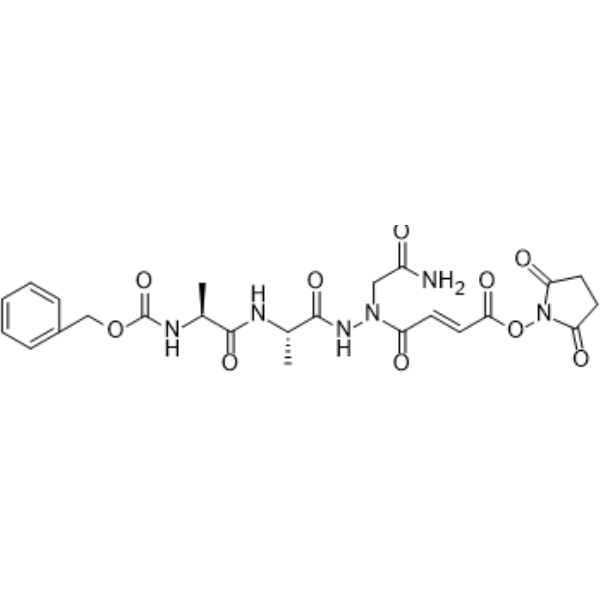
    RR-11a is a synthetic enzyme inhibitor of Legumain (IC50=31-55 nM). RR-11a can be used for the research of cancer and acute myocardial infarction (AMI) .
    RR-11a
  • HY-10081
    GS-6201
    1 Publications Verification

    CVT-6883

    Adenosine Receptor Inflammation/Immunology
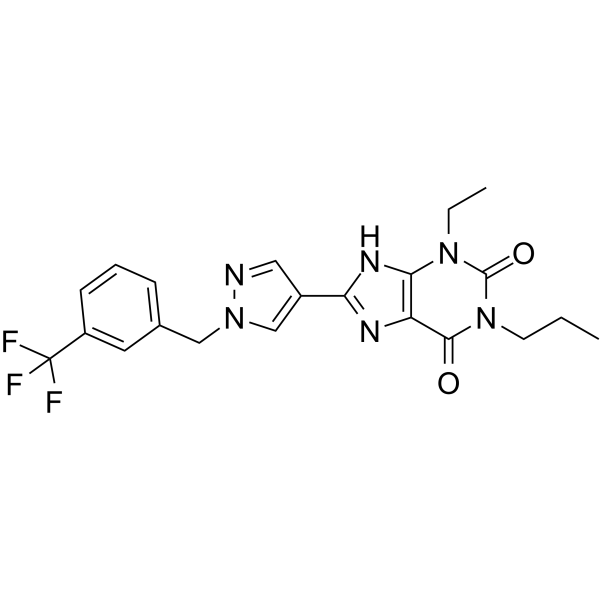
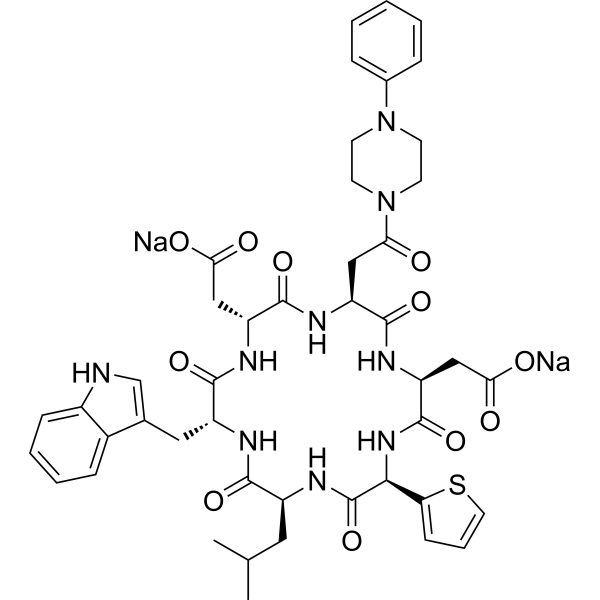
    GS-6201 (CVT-6883) is a selective adenosine A2B receptor antagonist. GS-6201 displays high affinity and selectivity for the human adenosine A2B receptors (Ki=22 nM) . GS-6201 reduces caspase-1 activity in the heart, and attenuates cardiac remodeling after acute myocardial infarction (AMI) in the mouse . GS-62013 attenuates the airway reactivity induced by NECA, AMP, or allergen in sensitized mice .
    GS-6201
  • HY-B1067

    Phenazoline hydrochloride

    Histamine Receptor HBV Neurological Disease Endocrinology
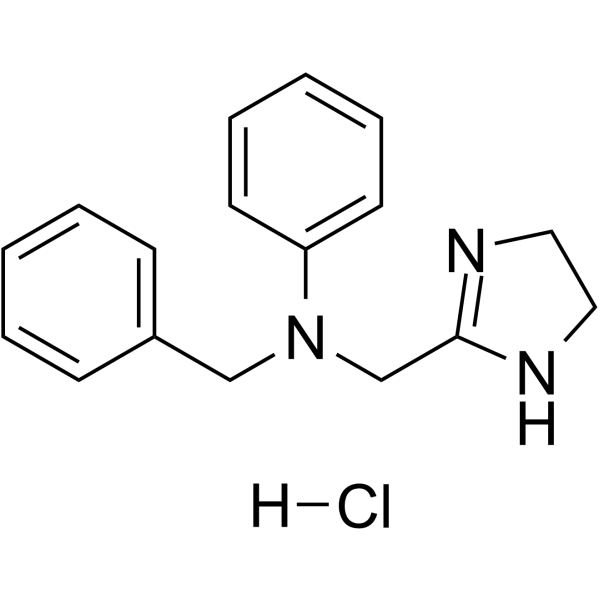
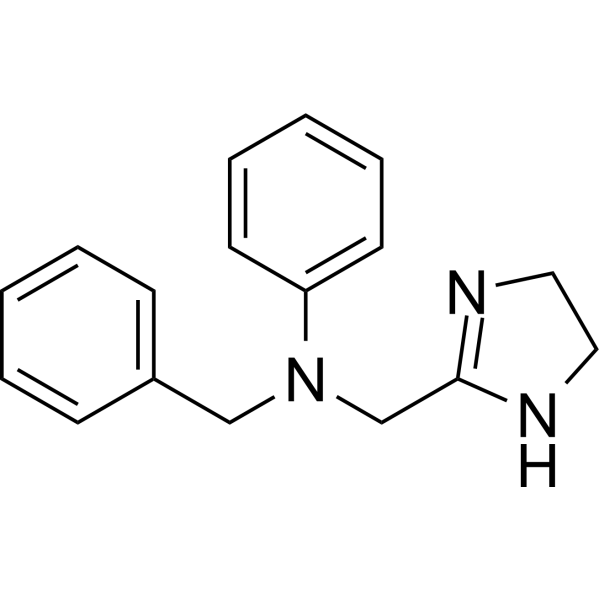
    Antazoline hydrochloride is a histamine H1 receptor antagonist with anticholinergic and antiviral properties. Antazoline hydrochloride can prevent histamine from acting on target cells through a reversible competition effect on histamine receptor sites of these cells. Antazoline hydrochloride can exert an antiallegic effect and prevent the occurrence of physiological reactions from the effect of blocking as well as inhibiting H1 receptor. Antazoline hydrochloride can effectively reduce HBV DNA in the extracellular supernatant in a dose-dependent manner, with EC50 of 2.910 μmol/L in HepAD38 cells. Antazoline hydrochloride also has a significant inhibitory effect on HBV DNA in the extracellular supernatant of Huh7 cells (EC50 = 2.349 μmol/L). Antazoline hydrochloride has anti-arrhythmic effect in acute myocardial infarctions. Antazoline hydrochloride can be studied in research for cardiovascular diseases, and HBV .
    Antazoline hydrochloride
  • HY-B0384
    Temocapril hydrochloride
    2 Publications Verification

    Angiotensin-converting Enzyme (ACE) Cardiovascular Disease
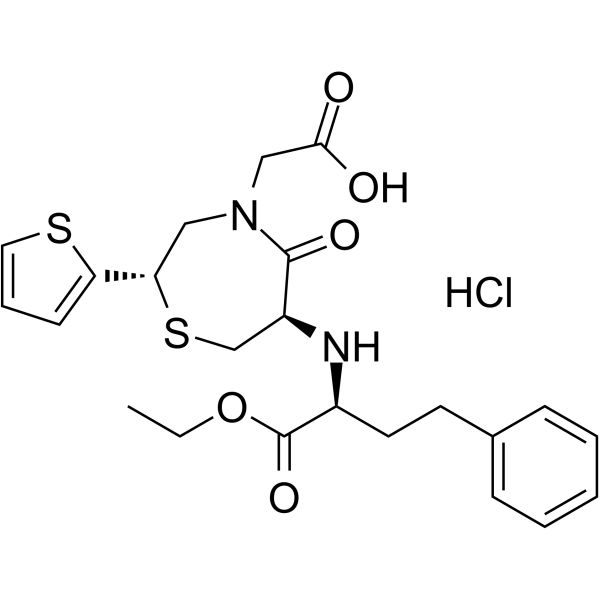
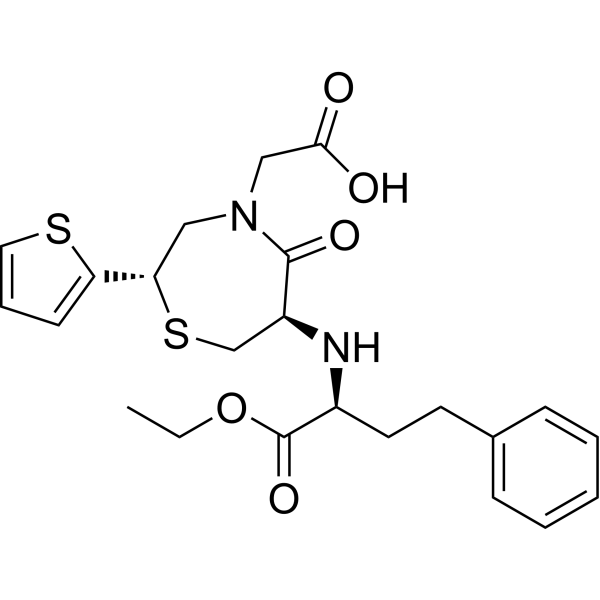
    Temocapril hydrochloride is an orally active angiotensin-converting enzyme (ACE) inhibitor. Temocapril hydrochloride can be used for the research of hypertension, congestive heart failure, acute myocardial infarction, insulin resistance, and renal diseases .
    Temocapril hydrochloride
  • HY-100713
    Temocapril
    2 Publications Verification

    Angiotensin-converting Enzyme (ACE) Cardiovascular Disease
    Temocapril is an orally active angiotensin-converting enzyme (ACE) inhibitor. Temocapril can be used for the research of hypertension, congestive heart failure, acute myocardial infarction, insulin resistance, and renal diseases .
    Temocapril
  • HY-106262B
    Delcasertib hydrochloride
    3 Publications Verification

    KAI-9803 hydrochloride; BMS-875944 hydrochloride

    PKC Cardiovascular Disease Inflammation/Immunology
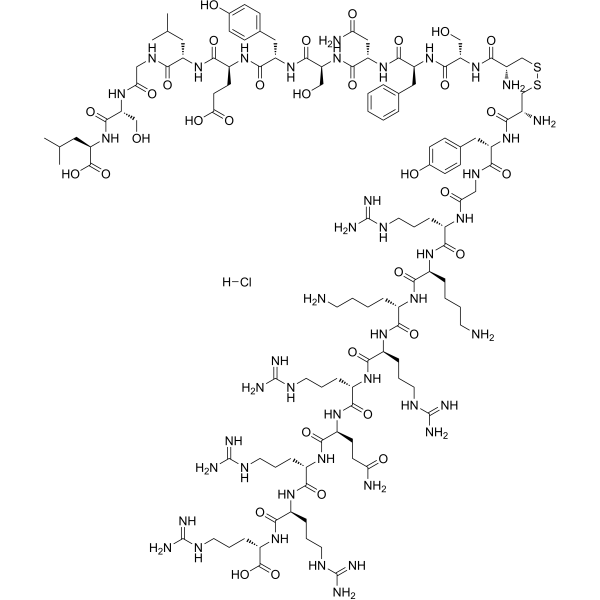
    Delcasertib (KAI-9803) hydrochloride is a potent and selective δ-protein kinase C (δPKC) inhibitor. Delcasertib (KAI-9803) hydrochloride could ameliorate injury associated with ischemia and reperfusion in animal models of acute myocardial infarction (MI) .
    Delcasertib hydrochloride
  • HY-107335

    Creatinol O-phosphate; Creatinol phosphate; Creatinolfosfate

    Biochemical Assay Reagents Cardiovascular Disease
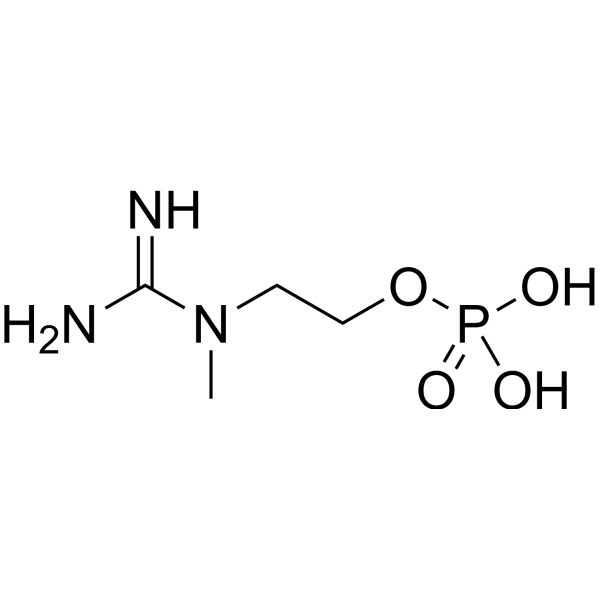
    Aplodan (Creatinol O-phosphate) is an antiischemic and antiarrhythmic agent. Aplodan has a protective action on cell membrane. Aplodan has the potential for the research of ischemic heart or acute myocardial infarction .
    Aplodan
  • HY-106262

    KAI-9803; BMS-875944

    PKC Cardiovascular Disease Inflammation/Immunology
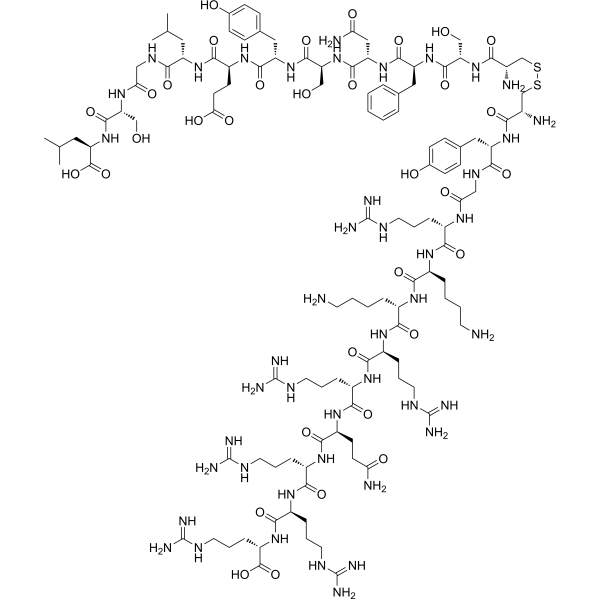
    Delcasertib (KAI-9803) is a potent and selective δ-protein kinase C (δPKC) inhibitor. Delcasertib (KAI-9803) could ameliorate injury associated with ischemia and reperfusion in animal models of acute myocardial infarction (MI) .
    Delcasertib
  • HY-117970

    MMP Cardiovascular Disease
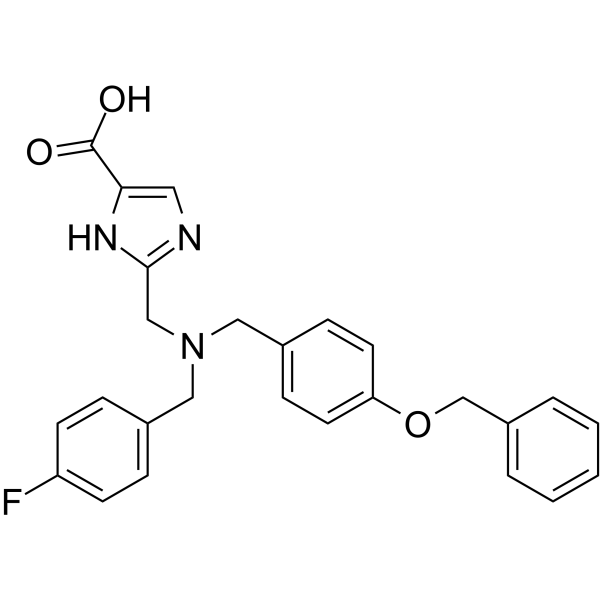
    MMPI-1154 is a promising novel cardio-cytoprotective imidazole-carboxylic acid (ICA) MMP-2 inhibitor(IC50=6.6 μM) and can be used for the study of acute myocardial infarction. MMPI-1154 also inhibits the activity of MMP-13, MMP-1 and MMP-9 with IC50s of 1.8 μM,10 μM, and 13 μM, respectively .
    MMPI-1154
  • HY-N11222

    C9 carnitine

    Endogenous Metabolite Cardiovascular Disease Cancer
    Nonanoylcarnitine is a metabolite associated with chronic environmental exposure to polycyclic aromatic hydrocarbons (PAH) and fragmented QRS waves in acute myocardial infarction. Nonanoylcarnitine can be used as a potential biomarker for the metabolic outcome of PAH exposure and the prognosis of acute myocardial infarction .
    Nonanoylcarnitine
  • HY-110067

    PTEN Apoptosis Autophagy Ferroptosis Reactive Oxygen Species (ROS) Interleukin Related Akt Keap1-Nrf2 Cardiovascular Disease Inflammation/Immunology Cancer
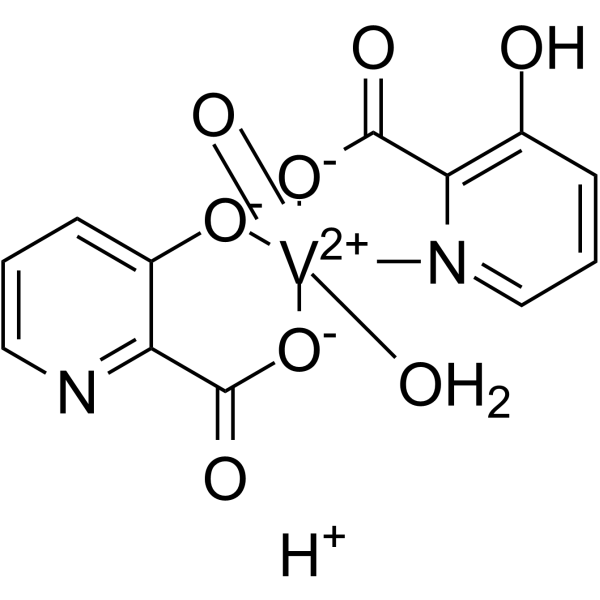
    VO-OHPic is a reversible, noncompetitive PTEN inhibitor with an human IC50 value of 46 nM. VO-OHPic inhibits PTEN signaling, activates Akt-GSK3β and Nrf-2/HO-1 pathways, induces apoptosis resistance and elevates IL-10 levels. VO-OHPic inhibits autophagy, ferroptosis and oxidative stress. VO-OHPic can be used for the research of acute myocardial infarction, intervertebral disc degeneration, cardiomyopathy and cancer .
    VO-OHPic
  • HY-B1067A

    Phenazoline

    Histamine Receptor Neurological Disease Endocrinology
    Antazoline (Phenazoline) is a histamine H1 receptor antagonist with anticholinergic and antiviral properties. Antazoline can prevent histamine from acting on target cells through a reversible competition effect on histamine receptor sites of these cells. Antazoline can exert an antiallegic effect and prevent the occurrence of physiological reactions from the effect of blocking as well as inhibiting H1 receptor. Antazoline can effectively reduce HBV DNA in the extracellular supernatant in a dose-dependent manner, with EC50 of 2.910 μmol/L in HepAD38 cells. Antazoline also has a significant inhibitory effect on HBV DNA in the extracellular supernatant of Huh7 cells (EC50 = 2.349 μmol/L). Antazoline has anti-arrhythmic effect in acute myocardial infarctions. Antazoline can be studied in research for cardiovascular diseases, and HBV .
    Antazoline
  • HY-142059

    Phosphodiesterase (PDE) Cardiovascular Disease Metabolic Disease
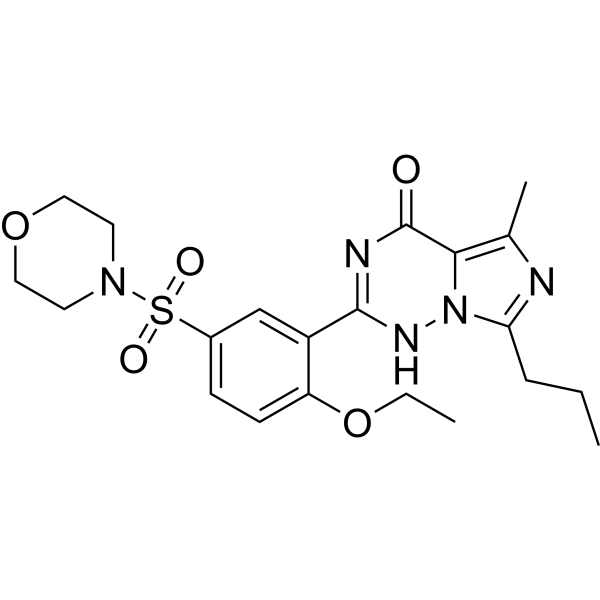
    PDE5-IN-4 is a phosphodiesterase 5 inhibitor. PDE5-IN-4 can be used for the research of acute myocardial infarction and damage caused by reperfusion, gastrointestinal diseases, damage caused by diabetes, and liver failure .
    PDE5-IN-4
  • HY-105168

    Endothelin Receptor Cardiovascular Disease
    TAK 044 is an antagonist of Endothelin Receptor. TAK 044 strongly inhibits ET-induced deterioration in various animal models. TAK 044 can be used in study ET-related diseases such as acute myocardial infarction,acute renal failure, acute hepatic malfunction, and subarachnoid hemorrhage .
    TAK 044
  • HY-175675

    P2Y Receptor Keap1-Nrf2 Cardiovascular Disease Neurological Disease
    P2Y1 antagonist 4 is a selective P2Y1 receptor antagonist with excellent blood-brain barrier (BBB) penetration. P2Y1 antagonist 4 inhibits P2Y1 receptor-mediated cytosolic Ca 2+ increase (IC50 = 1.95 μM) and platelet aggregation (IC50 = 3.24 μM) induced by ADP in rabbit washed platelets. P2Y1 antagonist 4 significantly upregulates the level of nuclear Nrf2 protein in H2O2-treated HT22 cells. P2Y1 antagonist 4 reduces myocardial infarct size in a mouse acute myocardial infarction (MI) model. P2Y1 antagonist 4 can be used for the study of ischemic stroke and myocardial infarction .
    P2Y1 antagonist 4
  • HY-P1129

    Neuropeptide Y Receptor Neurological Disease
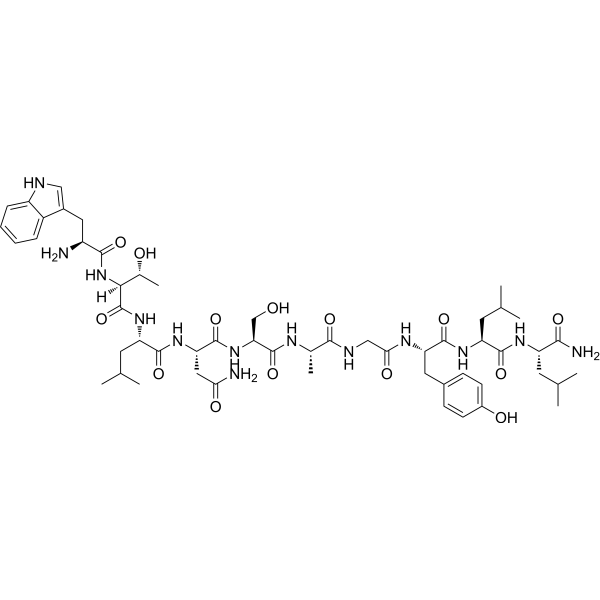
    AR-M1896 is a GalR2 selective agonist with a binding IC50 of 1.76 nM for rat GalR2. AR-M1896 can be used for the research of acute myocardial infarction and neuropathic pain .
    AR-M1896
  • HY-100713S

    Isotope-Labeled Compounds Angiotensin-converting Enzyme (ACE) Cardiovascular Disease
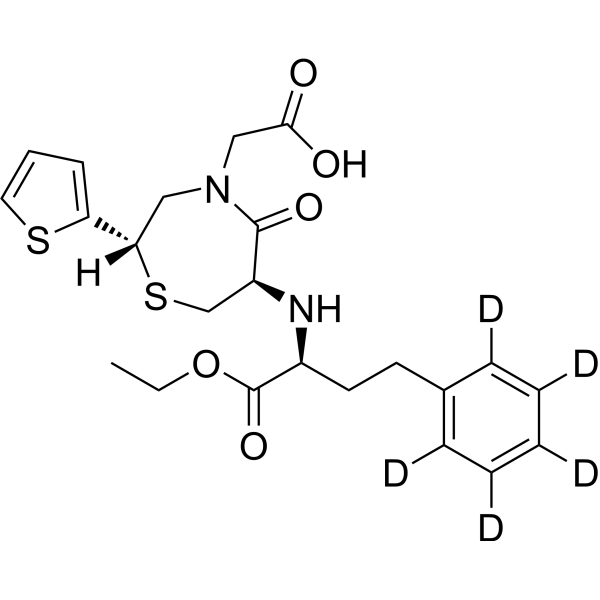
    Temocapril-d5 is the deuterium labeled Temocapril. Temocapril is an angiotensin-converting enzyme (ACE) inhibitor. Temocapril hydrochloride can be used for the research of hypertension, congestive heart failure, acute myocardial infarction, insulin resistance, and renal diseases .
    Temocapril-d5
  • HY-100713R

    Reference Standards Angiotensin-converting Enzyme (ACE) Cardiovascular Disease
    Temocapril (Standard) is the analytical standard of Temocapril. This product is intended for research and analytical applications. Temocapril is an orally active angiotensin-converting enzyme (ACE) inhibitor. Temocapril can be used for the research of hypertension, congestive heart failure, acute myocardial infarction, insulin resistance, and renal diseases .
    Temocapril (Standard)
  • HY-10313

    Integrin Cardiovascular Disease
    ZD 2486 is a glycoprotein IIb/IIIa (GP IIb/IIIa) antagonist. ZD 2486 inhibits platelet aggregation by blocking the binding of fibrinogen to the GP IIb/IIIa receptor on platelets. ZD 2486 can be used for the study of conditions related to unwanted platelet aggregation, such as acute coronary syndrome, unstable angina pectoris, acute myocardial infarction, and complications from cardiovascular interventional procedures [1]
    ZD 2486
  • HY-N13218

    Others Cardiovascular Disease
    Pueraria Extract is a kudzu extract, and its components include: Isoflavones. Pueraria Extract (ethanol extract) can significantly improve cardiac damage in rats with acute myocardial infarction. Pueraria Extract improves bile acid levels by increasing the expression of CYP7A1 and restoring the diversity of intestinal microbiota. Pueraria Extract can also inhibit the FXR-FGF15 signaling pathway and increase the expression of OST-α to increase bile acid reabsorption and fecal excretion. .
    Pueraria Extract
  • HY-19310

    Adenosine Receptor Cardiovascular Disease Metabolic Disease
    AMP-579 is an adenosine receptor agonist that primarily targets adenosine A1 and A2A receptors (with Ki values of 1.7 and 4.5 nM for the A1 receptor in rat brain and adipocytes, and a Ki value of 56 nM for the A2A receptor in rat brain). AMP-579 inhibits lipolysis, restores insulin-dependent glucose transport, and reduces heart rate through the activation of A1 receptors, while it induces vasodilation, particularly in coronary arteries, through the activation of A2A receptors (with an IC50 of 0.3 μM in porcine coronary arterial rings). AMP 579 shows potential for application in cardioprotection and the treatment of acute myocardial infarction .
    AMP-579
  • HY-B1067AR

    Phenazoline (Standard)

    Reference Standards Histamine Receptor Neurological Disease Endocrinology
    Antazoline (Phenazoline) (Standard) is the analytical standard of Antazoline. This product is intended for research and analytical applications. Antazoline is a histamine H1 receptor antagonist with anticholinergic and antiviral properties. Antazoline can prevent histamine from acting on target cells through a reversible competition effect on histamine receptor sites of these cells. Antazoline can exert an antiallegic effect and prevent the occurrence of physiological reactions from the effect of blocking as well as inhibiting H1 receptor. Antazoline can effectively reduce HBV DNA in the extracellular supernatant in a dose-dependent manner, with EC50 of 2.910 μmol/L in HepAD38 cells. Antazoline also has a significant inhibitory effect on HBV DNA in the extracellular supernatant of Huh7 cells (EC50 = 2.349 μmol/L). Antazoline has anti-arrhythmic effect in acute myocardial infarctions. Antazoline can be studied in research for cardiovascular diseases, and HBV .
    Antazoline (Standard)
  • HY-B1067R

    Phenazoline hydrochloride (Standard)

    Reference Standards Histamine Receptor HBV Neurological Disease Endocrinology
    Antazoline (hydrochloride) (Standard) is the analytical standard of Antazoline (hydrochloride). This product is intended for research and analytical applications. Antazoline hydrochloride is a histamine H1 receptor antagonist with anticholinergic and antiviral properties. Antazoline hydrochloride can prevent histamine from acting on target cells through a reversible competition effect on histamine receptor sites of these cells. Antazoline hydrochloride can exert an antiallegic effect and prevent the occurrence of physiological reactions from the effect of blocking as well as inhibiting H1 receptor. Antazoline hydrochloride can effectively reduce HBV DNA in the extracellular supernatant in a dose-dependent manner, with EC50 of 2.910 μmol/L in HepAD38 cells. Antazoline hydrochloride also has a significant inhibitory effect on HBV DNA in the extracellular supernatant of Huh7 cells (EC50 = 2.349 μmol/L). Antazoline hydrochloride has anti-arrhythmic effect in acute myocardial infarctions. Antazoline hydrochloride can be studied in research for cardiovascular diseases, and HBV .
    Antazoline hydrochloride (Standard)
  • HY-B1067BR

    Phenazoline phosphate (Standard)

    Reference Standards Histamine Receptor Neurological Disease Endocrinology
    Antazoline (phosphate) (Standard) is the analytical standard of Antazoline (phosphate). This product is intended for research and analytical applications. Antazoline phosphate is a histamine H1 receptor antagonist with anticholinergic and antiviral properties. Antazoline phosphate can prevent histamine from acting on target cells through a reversible competition effect on histamine receptor sites of these cells. Antazoline phosphate can exert an antiallegic effect and prevent the occurrence of physiological reactions from the effect of blocking as well as inhibiting H1 receptor. Antazoline phosphate can effectively reduce HBV DNA in the extracellular supernatant in a dose-dependent manner, with EC50 of 2.910 μmol/L in HepAD38 cells. Antazoline phosphate also has a significant inhibitory effect on HBV DNA in the extracellular supernatant of Huh7 cells (EC50 = 2.349 μmol/L). Antazoline phosphate has anti-arrhythmic effect in acute myocardial infarctions. Antazoline phosphate can be studied in research for cardiovascular diseases, and HBV .
    Antazoline phosphate (Standard)
  • HY-B1067B

    Phenazoline phosphate

    Histamine Receptor Neurological Disease Endocrinology
    Antazoline phosphate is an H1 receptor antagonist that affects the activity of the central nervous system, has a potent antiarrhythmic effect . Antazoline phosphate is a histamine H1 receptor antagonist with anticholinergic and antiviral properties. Antazoline phosphate can prevent histamine from acting on target cells through a reversible competition effect on histamine receptor sites of these cells. Antazoline phosphate can exert an antiallegic effect and prevent the occurrence of physiological reactions from the effect of blocking as well as inhibiting H1 receptor. Antazoline phosphate can effectively reduce HBV DNA in the extracellular supernatant in a dose-dependent manner, with EC50 of 2.910 μmol/L in HepAD38 cells. Antazoline phosphate also has a significant inhibitory effect on HBV DNA in the extracellular supernatant of Huh7 cells (EC50 = 2.349 μmol/L). Antazoline phosphate has anti-arrhythmic effect in acute myocardial infarctions. Antazoline phosphate can be studied in research for cardiovascular diseases, and HBV .
    Antazoline phosphate
  • HY-P991895

    Transmembrane Glycoprotein Cardiovascular Disease
    PLG-101 is a human anti-CD8 antibody. PLG-101 can be used in research on acute myocardial infarction .
    PLG-101
  • HY-B0384R

    Angiotensin-converting Enzyme (ACE) Reference Standards Cardiovascular Disease
    Temocapril (hydrochloride) (Standard) is the analytical standard of Temocapril (hydrochloride). This product is intended for research and analytical applications. Temocapril hydrochloride is an orally active angiotensin-converting enzyme (ACE) inhibitor. Temocapril hydrochloride can be used for the research of hypertension, congestive heart failure, acute myocardial infarction, insulin resistance, and renal diseases .
    Temocapril hydrochloride (Standard)
  • HY-107335R

    Creatinol O-phosphate (Standard); Creatinol phosphate (Standard); Creatinolfosfate (Standard)

    Biochemical Assay Reagents Reference Standards Cardiovascular Disease
    Aplodan (Standard) (Creatinol O-phosphate (Standard)) is the analytical standard of Aplodan (HY-107335). This product is intended for research and analytical applications. Aplodan (Creatinol O-phosphate) is an antiischemic and antiarrhythmic agent. Aplodan has a protective action on cell membrane. Aplodan has the potential for the research of ischemic heart or acute myocardial infarction .
    Aplodan (Standard)
  • HY-10081R

    CVT-6883 (Standard)

    Adenosine Receptor Reference Standards Inflammation/Immunology
    GS-6201 (Standard) is the analytical standard of GS-6201 (HY-10081). This product is intended for research and analytical applications. GS-6201 (CVT-6883) is a selective adenosine A2B receptor antagonist. GS-6201 displays high affinity and selectivity for the human adenosine A2B receptors (Ki=22 nM) . GS-6201 reduces caspase-1 activity in the heart, and attenuates cardiac remodeling after acute myocardial infarction (AMI) in the mouse . GS-62013 attenuates the airway reactivity induced by NECA, AMP, or allergen in sensitized mice .
    GS-6201 (Standard)

Inquiry Online

Your information is safe with us. * Required Fields.

Salutation


Country or Region *

Applicant Name *


Organization Name *

Department *


Email Address *


Product Name *

Cat. No.


Requested quantity *

Phone Number *


Remarks

Inquiry Online

Inquiry Information

Product Name:
Cat. No.:
Quantity:
MCE Japan Authorized Agent: